
 Worksheets
CSHS Biology Fall Final Review
Total questions: 135
Worksheet time: 2hrs 46mins
Name
Class
Date
1.
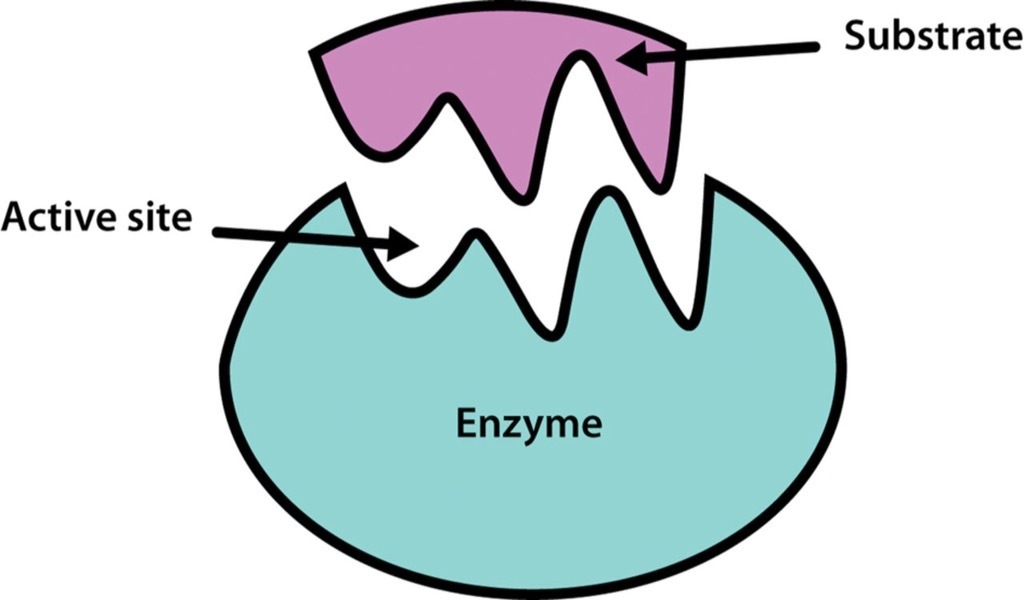
What bio-molecule do enzymes belong to?
a)
Carbohydrate
b)
Lipid
c)
Nucleic Acid
d)
Protein
2.
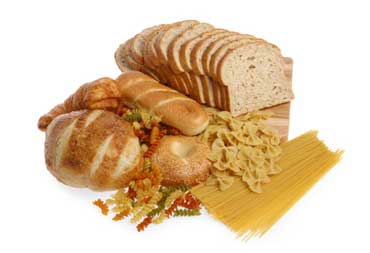
Which biomolecule is found in pasta and bread?
a)
Lipid
b)
Protein
c)
Nucleic Acid
d)
Carbohydrate
3.

Which biomolecule is a main source of quick energy?
a)
Nucleic Acid
b)
Protein
c)
Lipid
d)
Carbohydrate
4.
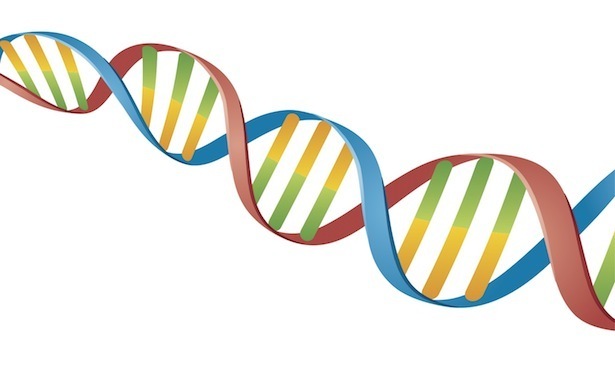
What is the function of a nucleic acid?
a)
Stores genetic information
b)
Stores energy
c)
Quick source of energy
d)
Builds structures
5.
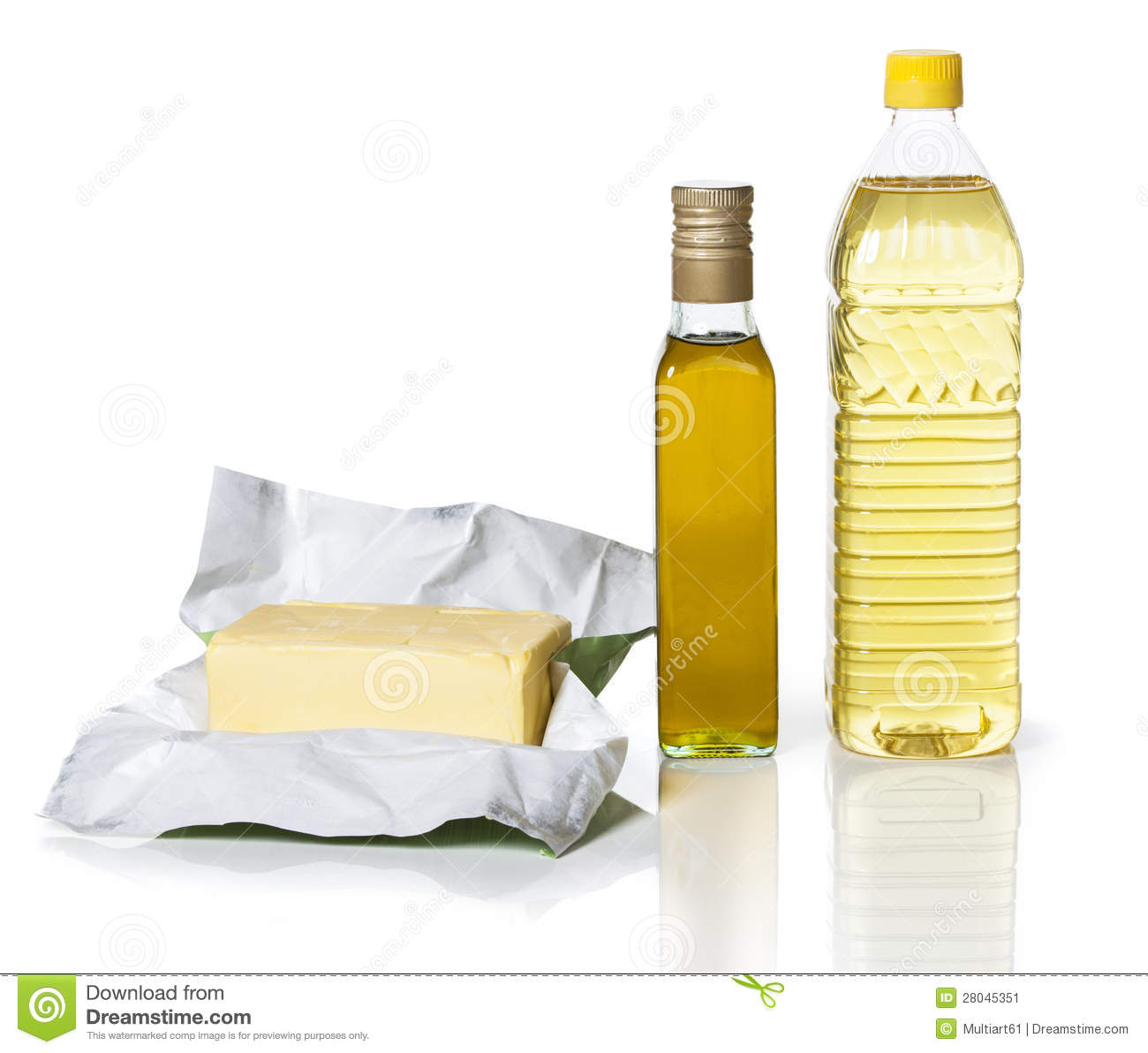
Which biomolecule is found in fats, oils, and waxes and is a source of long-term energy?
a)
Proteins
b)
Nucleic Acid
c)
Lipids
d)
Carbohydrate
6.
Which biomolecule is made of nucleotides and contain your DNA?
a)
Carbohydrate
b)
Lipids
c)
Protein
d)
Nucleic Acid
7.
Which biomolecule helps form muscles?
a)
Nucleic Acid
b)
Carbohydrate
c)
Protein
d)
Lipids
8.
Which biomolecule is responsible for insulation and energy storage?
a)
Protein
b)
Nucleic Acid
c)
Lipid
d)
Carbohydrate
9.
Which biomolecule is responsible for insulation and energy storage?
a)
Protein
b)
Nucleic Acid
c)
Lipid
d)
Carbohydrate
10.
Which biomolecule has sugars and starches?
a)
Lipids
b)
Proteins
c)
Carbohydrates
d)
Nucleic Acid
11.
A monomer is ...
a)
a single atom
b)
a building block for polymers
c)
a single element
d)
is an inorganic molecule
12.
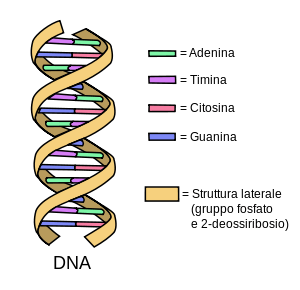
What type of molecule is this?
a)
Nucleic acid
b)
Protein
c)
Carbohydrate
d)
Lipid
13.
Enzymes are considered to be
a)
Lipids
b)
Carbohydrate
c)
Protein
d)
Nucleic Acid
14.
What is the purpose of an enzyme?
a)
give permission for the reaction
b)
raise activation energy
c)
speed up reactions
d)
control how many reactions occur
15.
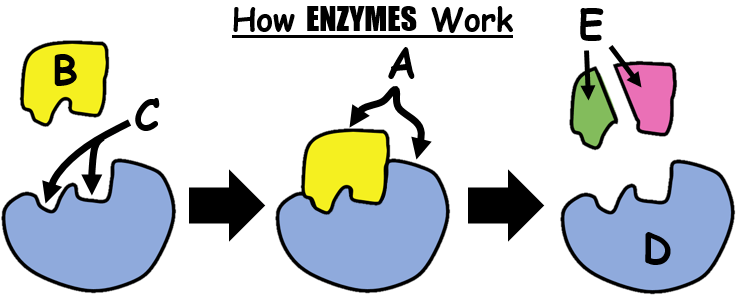
Letter D...
a)
active site
b)
enzyme
c)
substrate
d)
products
16.
All living things are made of...
a)
atoms
b)
cells
c)
bacteria
d)
plants
17.
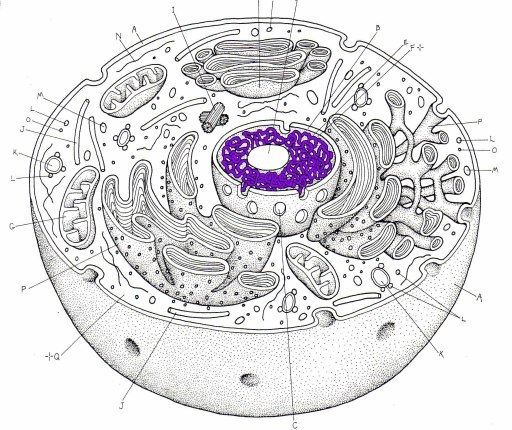
What kind of cell is this?
a)
Eukaryotic
b)
Prokaryotic
18.
What is unicellular?
a)
one cell
b)
many cells
c)
no nuclues
d)
DNA
19.
What is multicellular?
a)
one cell
b)
no cells
c)
many cells
d)
no nucleus
20.
What type of cell has a nucleus?
a)
eukaryotic
b)
prokaryotic
21.
What type of cell does not have a nucleus?
a)
eukaryotic
b)
prokaryotic
22.

What type of cell is pictured?
a)
Prokaryotic
b)
Eukaryotic
c)
Plant
d)
Animal
23.

Type of cell shown?
a)
Bacterial
b)
Prokaryotic
c)
Eukaryotic
d)
Red blood
24.
Which of the following would be a non-living thing?
a)
Bob Saget
b)
Tree
c)
Moose
d)
Water
25.
What organelle is called the "powerhouse" of a cell?
a)
Endoplasmic Reticulum
b)
Nucleus
c)
Mitochondria
d)
Nucleolus
26.

Using this image, what organelle is C?
a)
Cell Wall
b)
Mitochondria
c)
Large Cell Vacuole
d)
Chloroplast
27.
In what organelle is the genetic material found inside?
a)
Endoplasmic Reticulum
b)
Golgi Complex
c)
Nucleolus
d)
Nucleus
28.

I store water in both plant and animal cells. What am I?
a)
cytoplasm
b)
ribosomes
c)
vacuole
d)
lysosomes
29.

What does this organism use for movement?
a)
Pseudopod
b)
Cilia
c)
Flagella
d)
legs
30.

What does this organism use for movement?
a)
Pseudopod
b)
Cilia
c)
Flagella
d)
legs
31.
A nucleus is found in what type of cell?
a)
Prokaryotic
b)
Eukaryotic
c)
Both prokaryotic and eukaryotic
d)
Neither prokaryotic or eukaryotic
32.

A rigid layer that lies outside the cell's membrane is...
a)
Cytoskeleton
b)
Cilia
c)
Cell Wall
d)
Flagella
33.

What are tiny organelles that convert glucose into ATP?
a)
Ribosomes
b)
Vesicles
c)
Cytoskeleton
d)
Mitochondria
34.
The ___________ is the basic unit of life
a)
organ
b)
cell
c)
atom
d)
tissue
35.
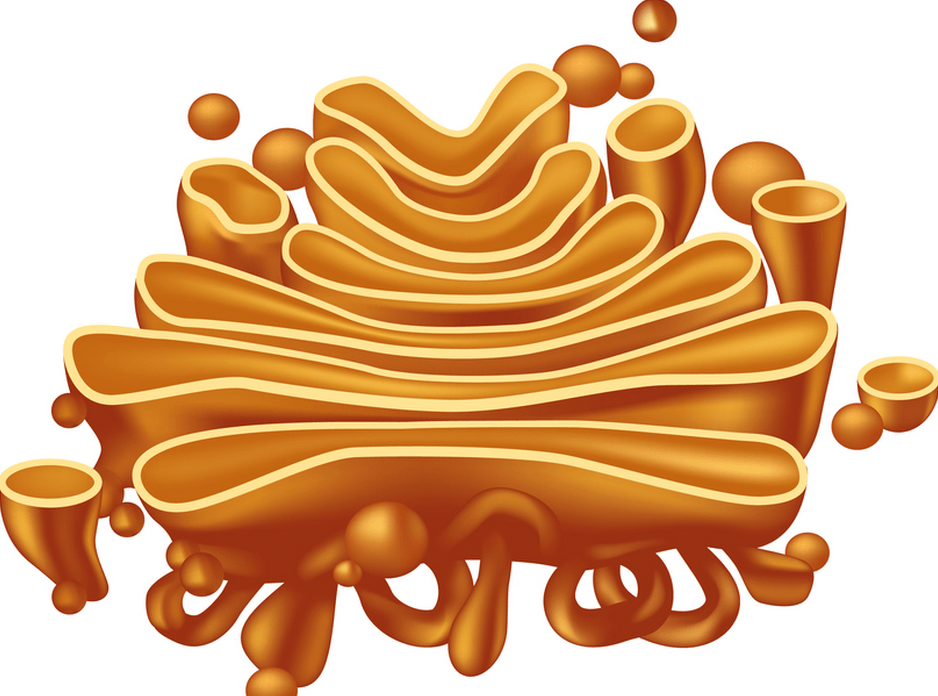
I am a protein packaging and shipping machine! Who am I?
a)
vacuole
b)
ribosome
c)
mitochondrion
d)
golgi apparatus
36.
What organelle helps with cell digestion?
a)
Lysosomes
b)
Ribosomes
c)
Golgi Complex
d)
ER
37.
What is the gel-like substance inside of cells called?
a)
photoplasm
b)
photosynthesis
c)
cytoskeleton
d)
cytoplasm
38.
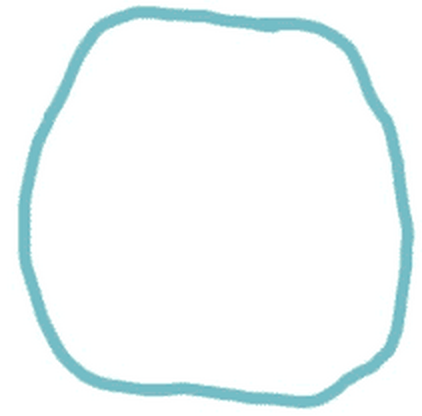
I am found in all cells. I am the outer most layer of an animal cell. What am I?
a)
cell wall
b)
nucleus
c)
cell membrane
d)
cell skin
39.
Osmosis is the movement of _____ across a membrane.
a)
food
b)
energy
c)
oxygen
d)
water
40.
Passive transport requires no
a)
concentration gradients
b)
osmosis
c)
motion
d)
energy
41.
The movement of molecules from higher concentration to lower concentration is
a)
diffusion
b)
cell division
active transport
active transport
c)
active transport
d)
tonicity
42.
Active transport requires
a)
energy
b)
the nucleus
c)
chloroplasts
d)
lysosomes
43.
The diffusion of WATER across a semi-permeable membrane is
a)
osmosis
b)
diffusion
c)
endocytosis
d)
exocytosis
44.

Which two processes does this diagram most directly model?
a)
Energy conversions and synthesis of new molecules
b)
Synthesis of new molecules and homeostasis
c)
Transport of molecules and energy conversions
d)
Homeostasis and transport of molecules
45.

Some students used vinegar to dissolve away the shells of three eggs and used these eggs as models of human red blood cells. The students observed the changes in the eggs when they were placed in different solutions. Which statement best describes the role of the cell membrane in this model?
a)
The cell membrane allows solutes to enter the cell, which causes the cell to shrink.
b)
The cell membrane is an impermeable barrier that prevents water from entering the cell.
c)
The cell membrane allows water to enter and leave the cell.
d)
The cell membrane removes solutes from the environment.
46.
How does a cell maintain homeostasis?
a)
Regulates what enters and leaves the cell
b)
Flexibility
c)
Protective barrier
d)
Structure and support
47.

This is a picture of
a)
Cell wall
b)
Cell membrane
c)
chloroplast
d)
mitochondria
48.
Another term for equilibrium is...
a)
Not enough
b)
Too little
c)
Homeostasis
d)
Too much
49.
Spraying cologne in a corner of the room and someone on the opposite corner smells it is an example of what?
a)
Osmosis
b)
Facilitated diffusion
c)
Active transport
d)
Diffusion
50.
The cell membrane is selectively permeable, which means...
a)
All materials can enter and leave the cell
b)
Certain things can enter while others cannot
c)
The cell manually sorts through all materials
d)
Only certain cells can interact with the cell.
51.
The lipid bilayer describes
a)
a type of transport
b)
the cell membrane
52.
Permeable means
a)
it is permanent
b)
the concentration levels are different
c)
things can pass through
53.

In the image, the water will move
a)
into the cell.
b)
out of the cell.
c)
both in and out of the cell.
54.

In the image, the water will move
a)
into the cell.
b)
out of the cell.
c)
both in and out of the cell.
55.
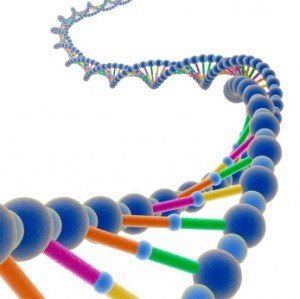
Which of the following best describes a DNA molecule?
a)
double helix
b)
contains ribose
c)
made of amino acids
d)
contains Uracil
56.
Adenine bonds with ______________.
a)
Guanine
b)
Thymine
c)
Cytosine
d)
Adenine
57.
Guanine bonds with ______________.
a)
Adenine
b)
Guanine
c)
Cytosine
d)
Thymine
58.
Which 2 molecules form the sides (backbone) of the DNA ladder?
a)
deoxyribose sugar and adenine
b)
deoxyribose sugar and a hydrogen bond
c)
deoxyribose sugar and the nucleus
d)
deoxyribose sugar and phosphate
59.
In Eukaryotes, DNA is usually found in?
a)
cell membrane
b)
vacuole
c)
chloroplast
d)
nucleus
60.
What are the three components of a nucleotide?
a)
sugar, hydrogen, nitrogen base
b)
sugar, oxygen, nitrogen base
c)
sugar, phosphate, nitrogen base
d)
sugar, phosphate, protein
61.
Which shows the correct complementary base pairing for DNA?
a)
C-A, T-G
b)
A-G, C-T
c)
C-G, U-A
d)
T-A, G-C
62.
Which of the following is a base that is NOT contained in DNA?
a)
Adenine
b)
Thymine
c)
Uracil
d)
Guanine
63.
DNA is copied during
a)
Translation
b)
Transcription
c)
Reproduction
d)
Replication
64.
Chargraff's Rule says that
a)
Adenine will be equal to Thymine
b)
Cytosine will be equal to Thymine
c)
Uracil will be equal to Guanine
d)
Adenine will be equal to Cytosine
65.
DNA is a polymer made of monomers called
a)
Nucleotides
b)
Proteins
c)
Amino Acids
d)
Lipids
66.
DNA and RNA are macromolecules in the category of
a)
Proteins
b)
Lipids
c)
Nucleic Acids
d)
Carbohydrates
67.
How many strands are in a DNA molecule?
a)
1
b)
2
c)
3
d)
4
68.
Which sequence of DNA bases would pair with this partial strand
ATG TGA CAG
ATG TGA CAG
a)
ATG TGA CAG
b)
TAC ACT GTC
c)
GTA AGT GAC
d)
CAT TCA CTG
69.
What is a change in DNA sequence?
a)
nucleotide
b)
mutation
c)
mutagen
d)
unfortunate
70.

DNA codes for...
a)
cholesterol
b)
proteins
c)
fatty acids
d)
a sandwich
71.

This image shows that DNA Replication is _______.
a)
Conservative
b)
Semiconservative
c)
Dispersive
d)
Spontaneous
72.
Before cells can divide, what must be copied?
a)
mitochondria
b)
cytoplasm
c)
DNA
d)
Cell Wall
73.
The cell spends most of it's life in ________________.
a)
mitosis
b)
cytokinesis
c)
Interphase
d)
None of the above
74.
In the G1 stage of the cell cycle, the cell
a)
Grows
b)
Matures
c)
Carries on normal activities
d)
All of the above
75.
In the S stage of interphase_______________
a)
the cell grows
b)
the nucleus divides
c)
the cell membrane divides
d)
the DNA is replicated
76.
In the G2 stage of cell division, ______________ are made.
a)
organelles
b)
structures for cell division
c)
proteins
d)
all of the above
77.
A human cell has 46 chromosomes before mitotic division. How many chromosomes will the daughter cells after mitosis.
a)
12
b)
23
c)
46
d)
92
78.
Cells of organism must replicate for ?
a)
growth
b)
repair of damaged cells
c)
replacement of dying cells.
d)
All of the above
79.
Uncontrollable cell growth is known as _____
a)
obesity
b)
cancer
c)
diabetes
d)
hepatitis
80.
Put the following in order: G2, G1, S, mitosis, cytokinesis.
a)
G1, G2, S, Mitosis, cytokinesis
b)
G1, S, G2, Mitosis, cytokinesis
c)
G1, G2, S, cytokinesis, mitosis
d)
G1, S, G2, cytokinesis, mitosis
81.

Fruit fly body cells have 8 chromosomes. After mitosis, you would expect a resulting fruit fly daughter cell to have ...
a)
16 chromosomes.
b)
46 chromosomes.
c)
8 chromosomes.
d)
4 chromosomes.
82.

Name the phase:
a)
Anaphase
b)
Telophase
c)
Metaphase
d)
Prophase
83.

Name the phase:
a)
Prophase
b)
Metaphase
c)
Anaphase
d)
Telophase
84.

Name the phase:
a)
Prophase
b)
Metaphase
c)
Anaphase
d)
Telophase
85.

Name the phase:
a)
Prophase
b)
Metaphase
c)
Anaphase
d)
Telophase
86.

The stages of mitosis in order
a)
Metaphase, Anaphase, Prophase, Telophase
b)
Prophase, Anaphase, Metaphase, Telophase
c)
Prophase, Metaphase, Anaphase, Telophase
d)
Anaphase, Prophase, Telophase, Metaphase
87.
When a cell is not actively dividing, it is in what phase?
a)
interphase
b)
anaphase
c)
prophase
d)
telophase
88.
What portion of the cell cycle involves the actual dividing?
a)
interphase
b)
mitosis
c)
Gap 1
d)
Gap 2
89.
Why is sexual reproduction better than asexual reproduction?
a)
It gives an advantage to organisms to be different than the rest, if the environment changes.
b)
It is better for all organisms to be the same.
c)
It happens faster.
d)
It helps skin cells divide faster to heal wounds.
90.

The process on the left is:
The process on the right is:
The process on the right is:
a)
Left: meiosis
Right: meiosis
Right: meiosis
b)
Left: meiosis
Right: cloning
Right: cloning
c)
Left: mitosis
Right: meiosis
Right: meiosis
d)
Left: mitosis
Right: mitosis
Right: mitosis
91.
Another name for a sex cell is a:
a)
gamete
b)
embryo
c)
bone cell
d)
muscle cell
92.
After meiosis is complete, the new cells:
a)
are all identical
b)
are all different
c)
are half identical and half different
d)
are all stretched out
93.
What is it called when a sperm and egg meet?
a)
meiosis
b)
fertilization
c)
cell division
d)
mitosis
94.

Meiosis makes sperm and egg cells. In humans, sperm and egg cells each have _____ chromosomes. Therefore a fertilized human egg cell (sperm and egg cell combined) would create a cell with _____ chromosomes.
a)
23, 46
b)
46, 23
c)
2, 4
d)
50, 100
95.

Which process and type of resulting cells are represented?
a)
mitosis, gametes
b)
mitosis, body cells
c)
meiosis, gametes
d)
meiosis, body cells
96.
If a somatic cell in a butterfly contains 24 chromosomes, a butterfly's sperm would contain
a)
3
b)
6
c)
12
d)
24
97.
The process to go from DNA to mRNA is _______
a)
translation
b)
transcription
c)
replication
98.
The process to go from mRNA to a protein is called ____
a)
transcription
b)
rRNA
c)
replication
d)
translation
99.
DNA holds the code for
a)
lipids
b)
carbohydrates
c)
protein
d)
sugar
100.
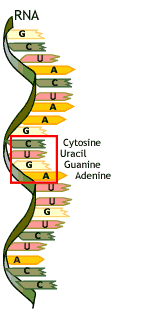
In RNA, Uracil pairs with ______.
a)
cytosine
b)
adenine
c)
guanine
d)
thymine
101.
What is the location in the cell for transcription?
a)
nucleus
b)
cytoplasm
c)
ribosome
d)
mitochondria
102.
What is the location in the cell for translation?
a)
nucleus
b)
mitochondria
c)
ribosome
d)
chloroplast
103.
Cancer creates abnormal cells by disrupting
a)
the cell cycle
b)
red blood cell formation
c)
DNA replication
d)
ATP synthesis
104.
Metastasis is
a)
the spread of cancer from one part of the body to another.
b)
the growth of tumors in the lungs
c)
cancer of the blood cells
d)
cancer that is found in connective tissues
105.
In human development, the zygote differentiates into heart cells, brain cells, and liver cells. Which statement is correct regarding the cells and the DNA?
a)
The DNA of the zygote differs from the DNA of all the other cells.
b)
The DNA of the zygote differs from some, but not all, of the other cells.
c)
All cells have identical DNA.
d)
Only the zygote contains DNA.
106.
What type of gene mutation is represented in the following example?
Original Strand: CATTACTAG
Mutated Strand: CATACTAG
Original Strand: CATTACTAG
Mutated Strand: CATACTAG
a)
Insertion
b)
Deletion
c)
Substitution
d)
Inversion
107.
Many plants have waxy coatings on their surfaces. The waxy coating is which type of biomolecule?
a)
Simple carbohydrate
b)
Complex carbohydrate
c)
Polysaccharide
d)
Lipid
108.
The maintenance of an organism’s internal environment is called:
a)
compensating
b)
homeostasis
c)
balancing
d)
routine
109.
If there is 5 percent water inside a cell and 5 percent water outside a cell
a)
more water will move inside the cell
b)
more water will move outside the cell
c)
there will be no net movement of water cells
d)
there will be no movement of water
110.

In which beaker will water move out of the cell?
a)
left
b)
middle
c)
right
111.

Which way would the purple molecules move through the semi permeable membrane?
a)
From the A side to the B-side
b)
From the B side to the A side
c)
None of the purple molecules would move
112.
If the cell has 86% solute and the outside solution has 67% solute, where will water flow?
a)
in and out of the cell
b)
out of the cell
c)
into the cell
d)
wait, this isn't math class
113.
Non-cancerous tumors are called _____. Cancerous tumors are called _____.
a)
metastatic ; malignant
b)
malignant ; benign
c)
benign ; malignant
d)
benign ; metastatic
114.
The causes of cancer may include which of the following?
a)
poor diet & activity levels
b)
UV radiation
c)
inheritance
d)
all of these
115.
A cancerous tumor is called
a)
benign
b)
malignant
c)
apoptosis
d)
cyclin
116.
In normal cell division the daughter cell...
a)
Is different from the original cell with no major errors or mutations
b)
Is identical to the original cell with no major errors or mutations
c)
Is identical to the original cell with many mutations
117.

What is one of the advantages, why is it better to reproduce sexually versus asexually?
a)
survival of the fittest
b)
overproduction
c)
genetic variation
d)
cloning
118.
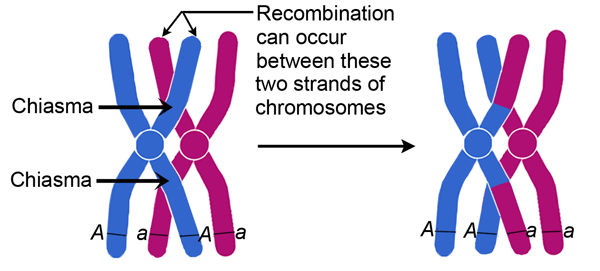
This image shows chromosomes during Prophase 1. Which of the following correctly describes the process shown?
a)
segregation of sister chromatids
b)
condensation and segregation of alleles
c)
mutationin which the DNA content of the gene is altered
d)
crossing - over in which alleles are exchanged
119.
The anticodon is located on
a)
DNA
b)
mRNA
c)
tRNA
d)
rRNA
120.

What is the correct amino acid sequence for the mRNA code AUGCCAGUAUGA
a)
Met-Pro-Ala-Val
b)
Met-Pro-Val
c)
Tyr-Gly-His
d)
Tyr-Gly-Arg-His
121.

What amino acid is represented by the codon UUA?
a)
Phenylalanine
b)
Tyrosine
c)
Leucine
d)
Stop codon
122.
A testable prediction about a scientific investigation.
a)
Question
b)
Observation
c)
Hypothesis
d)
Experiment
123.
If you have been injured in the lab, what should you do first?
a)
A. Apply the first aid yourself
b)
B. Go to doctor after school in a few hours
c)
C Tell your science teacher immediately
d)
D. Not tell anyone
124.
If you get something in your eyes, how long do you need to use the eyewash station?
a)
15 - 20 seconds
b)
5 minutes
c)
15 - 20 minutes
d)
Don't use the eyewash.
125.

Safety goggles are worn in the laboratory...
a)
to avoid eye strain.
b)
to improve your vision.
c)
only if you don't have corrective glasses.
d)
any time chemicals are used or glassware is heated.
126.
You are heating a substance in a test tube. Always point the open end of the tube...
a)
away from all people.
b)
toward another classmate.
c)
toward your lab partner.
d)
toward yourself.
127.
After completing an experiment in the lab, all chemical wastes should be:
a)
poured down the sink.
b)
disposed of according to the teacher's directions.
c)
thrown at other students.
d)
taken home to play with.
128.

You may eat or drink in the science laboratory...
a)
after you have washed your hands.
b)
on the days you are not doing a lab.
c)
only from the beakers.
d)
at no time unless given teacher approval.
129.

What is the independent variable?
a)
time
b)
distance
c)
speed of sloth
d)
none of the above
130.

Which is the dependent variable in Amelia's experiment?
a)
the number of bean plants in each group
b)
the amount of water given daily to each plant
c)
the height of each bean plant
d)
the amount of fertilizer given to each group of bean plants
131.
What is a control group in an experiment?
a)
a group in an experiment that remains unchanged for purpose of comparison (missing the IV)
b)
a group in an experiment that changes to compare the IV and DV variables
c)
the manipulated group
d)
the group that is altered
132.
What step do you find out more information about your topic?
a)
hypothesis
b)
procedures
c)
question/problem
d)
research
133.
A hypothesis compares...
a)
Dependent vs. Independent variables
b)
Control vs. Constants
c)
Independent vs. Dependent variables
134.

What conclusion can you make after observing this graph?
(LT 6)
(LT 6)
a)
As the depth of plant X increased, the amount of bubbles per minute decreased.
b)
As the depth of plant X decreased, the amount of bubbles per minute decreased.
c)
As the depth of plant X decreased, the amount of bubbles per minute increased.
d)
As the depth of plant X increased, the amount of bubbles stayed constant.
135.

After observing this graph, what analysis is correct?
(LT 6)
(LT 6)
a)
As the days decrease, the height of the plant increases.
b)
As the days decrease, the height of the plant stays constant.
c)
As the days increase, the height of the plant increases.
d)
As the days increase, the height of the plant stays constant.
100 %

