
 Worksheets
Review for Fall Semester Exam 2017
Total questions: 207
Worksheet time: 3hrs 20mins
Name
Class
Date
1.
Which sequence of DNA bases would pair with this partial strand
ATG TGA CAG
ATG TGA CAG
a)
ATG TGA CAG
b)
TAC ACT GTC
c)
GTA AGT GAC
d)
CAT TCA CTG
2.
In what phase of the cell cycle does DNA replication take place?
a)
G1
b)
S
c)
G2
d)
M
3.
What term names the process during which DNA is copied prior to cell division?
a)
DNA polymerase
b)
DNA replication
c)
DNA regneration
d)
DNA redistribution
4.

After analyzing a sample of DNA, a scientist recorded the data shown in the table. What percentage of the DNA sample is cytosine?
a)
22%
b)
25%
c)
28%
d)
56%
5.
The enzyme that unzips the DNA to prepare for replication
a)
helicase
b)
replicase
c)
polymerase
d)
synthase
6.
DNA replication results in two DNA molecules,
a)
each one with two original strands
b)
each one with two new strands
c)
each one with one new strand and one original strand
d)
one with two new strands and the other with two original strands
7.
Which enzyme is responsible for gluing and connecting parts of newly created DNA fragments together ("The Gluer")?
a)
Topoisomerase
b)
DNA Polymerase
c)
Ligase
d)
Primase
8.
What is the end result of replication?
a)
Two new identical strands of DNA
b)
One parent strand and one daughter strand of DNA
c)
Two new and different strands of DNA
d)
One new strand of DNA
9.
Which enzyme is responsible for adding nucleotides ("The Builder")?
a)
Topoisomerase
b)
DNA Polymerase
c)
Ligase
d)
Primase
10.
What part of the cell cycle is the DNA in a cell's nucleus replication?
a)
Prophase
b)
Metaphase
c)
Interphase
d)
Telophase
11.
The enzyme that comes first temporarily gets the single strand ready to add new nucleotides is called "The Initializer" or
a)
Helicase
b)
Primase
c)
Polymerase
d)
Nuclease
12.
In what part of Interphase does DNA replication take place?
a)
G1
b)
S
c)
G2
d)
M
13.
DNA replication results in two DNA molecules,
a)
each one with two original strands
b)
each one with two new strands
c)
each one with one new strand and one original strand
d)
one with two new strands and the other with two original strands
14.
The enzyme that unzips the DNA to prepare for replication ("The Unzipper")
a)
helicase
b)
replicase
c)
polymerase
d)
synthase
15.
DNA Replication is the process of turning 1 DNA molecule into...
a)
1 DNA molecule
b)
2 DNA molecules
c)
3 DNA molecules
d)
4 DNA molecule
16.

order of replication
a)
3, 2, 1, 4
b)
2, 1, 4, 3
c)
2, 3, 1, 4
d)
3, 4, 1, 2
17.
DNA replication results in two DNA molecules,
a)
each one with two original strands
b)
each one with two new strands
c)
each one with one new strand and one original strand
d)
one with two new strands and the other with two original strands
18.
When DNA has finished Replication, which of the following has been created?
a)
Four new double stranded DNA molecules.
b)
Two old Stranded DNA Molecules
c)
Two Double Stranded DNA Molecules, each with one old strand and one new strand.
d)
No new DNA is generated.
19.
Which of the following is an enzyme used during DNA Replication to split Hydrogen Bonds and unwind the helix?
a)
ATP
b)
Helicase
c)
Catalase
d)
DNA
20.

The term used to describe DNA Replication is:
a)
Semi-Conservative
b)
Conservative
c)
AntiParallel
d)
Dispersive
21.
What strand has a free 3' end on the parental DNA?
a)
Leading
b)
Lagging
22.
What strand is copied backwards?
a)
Leading
b)
Lagging
23.
What strand is copied faster?
a)
Leading
b)
Lagging
24.
What is the function of DNA in cells?
a)
It serves as a filler material to keep the nucleus from collapsing.
b)
It stores the information that directs the ribosomes in protein synthesis
c)
It is the storage area for carbohydrates and other macromolecules.
d)
It is a storage area for unused nucleotides.
25.

In this image, the cell is using which type of molecular transport?
a)
Osmosis
b)
Diffusion
c)
Endocytosis
d)
Exocytosis
26.
A type of active transport that releases particles that were enclosed from a cell when the membrane of the vesicle fuses with that of the cell membrane
a)
Exocytosis
b)
Osmosis
c)
Mitosis
d)
Endoyctosis
27.

This picture represents which type of cellular transport?
a)
passive transport
b)
endocytosis
c)
exocytosis
d)
osmosis
28.

This picture represents which type of cellular transport?
a)
passive transport
b)
endocytosis
c)
exocytosis
d)
osmosis
29.
A cell in a hypotonic solution will
a)
swell
b)
shrink
c)
stay the same size
d)
impossible to tell
30.

Which of the following best describes a DNA molecule?
a)
double helix
b)
contains ribose
c)
made of amino acids
d)
contains Uracil
31.
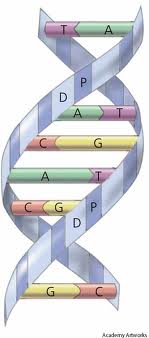
Which 2 molecules forms the sides (backbone) of the DNA ladder?
a)
deoxyribose and adenine
b)
deoxyribose and a hydrogen bond
c)
sugar and the nucleus
d)
deoxyribose (sugar) and phosphate
32.
What is the process of turning DNA into mRNA?
a)
Central Dogma
b)
Transcription
c)
Translation
d)
Trapezoid
33.
If a DNA sample has 40% ADENINE, how much THYMINE will it have?
a)
10%
b)
20%
c)
40%
d)
60%
34.

Which of these occurs at S Stage?
a)
DNA replication
b)
Growth of organelles
c)
Anaphase
d)
Cytokinesis
35.
The sequence of bases in DNA is most important for...
a)
providing instructions for proteins/traits of an organism.
b)
helping form the sugar-phosphate backbone.
c)
preventing mutations in DNA.
d)
allowing DNA to have the same shape.
36.

After analyzing a sample of DNA, a scientist recorded the data shown in the table. What percentage of the DNA sample is cytosine?
a)
22%
b)
25%
c)
28%
d)
56%
37.
Which statement is TRUE regarding DNA and RNA?
a)
DNA's sugar is ribose; RNA's sugar is deoxyribose
b)
DNA is single stranded; RNA is double stranded
c)
DNA contains thymine; RNA contains uracil
d)
DNA is in cytoplasm; RNA is in nucleus
38.
Which of the following bases is NOT found in RNA?
a)
Thymine
b)
Adenine
c)
Guanine
d)
Cytosine
39.
Which statement is TRUE regarding DNA and RNA?
a)
DNA's sugar is ribose; RNA's sugar is deoxyribose
b)
DNA is single stranded; RNA is double stranded
c)
DNA contains thymine; RNA contains uracil
d)
DNA is in cytoplasm; RNA is in nucleus
40.
Translation is crucial to the process of making proteins. Which statement best describes what takes place during translation?
a)
A copy of chromosomal DNA is created
b)
Information in mRNA is converted into a sequence of amino acids in a protein
c)
A RNA copy of a DNA strand is made.
d)
Instructions from DNA in the nucleus are brought to the cytoplasm
41.
The five carbon sugar found in RNA
a)
Ribose
b)
Deoxyribose
c)
Glucose
42.
What is the monomer (building block) of proteins?
a)
Monosacchrides
b)
Polysaccharides
c)
amino acids
d)
Triglycerides
43.
One difference between DNA and RNA is that....
a)
Only RNA has the base Uracil
b)
only RNA contains the base Thymine
c)
only RNA contains the base Cytocine
d)
only RNA contained the base Guanine
44.

DNA codes for...
a)
cholesterol
b)
proteins
c)
fatty acids
d)
a sandwich
45.

What is occurring in this picture?
a)
Translation
b)
Replication
c)
Translocation
d)
Transcription
46.
Which process is used to make mRNA from the DNA in the nucleus?
a)
transcription
b)
translation
c)
replication
47.
Which RNA bases would pair with TACGAA in transcription?
a)
AUGCUU
b)
ATGCTT
c)
GCATCC
d)
GCAUCC
48.
True or false: RNA is double-stranded.
a)
true
b)
false
c)
it depends on the type
49.
Where does transcription take place?
a)
nucleus
b)
cytoplasm
c)
ribosome
50.
what does mRNA do?
a)
carry info from genes to ribosomes
b)
carry amino acids to ribosomes
c)
help with RNA splicing
d)
make up ribosomes
51.
Which process is used to copy DNA in the nucleus?
a)
replication
b)
transcription
c)
translation
52.
Which process is used to make mRNA from the DNA in the nucleus?
a)
transcription
b)
translation
c)
replication
53.
Which RNA bases would pair with TACGAA in transcription?
a)
AUGCUU
b)
ATGCTT
c)
GCATCC
d)
GCAUCC
54.
In DNA replication, which enzyme is responsible for unwinding & unzipping the parent strand of DNA?
a)
helicase
b)
polymerase
c)
ligase
d)
primase
55.
In DNA replication, which enzyme is responsible for adding an RNA primer, telling DNA polymerase where to go?
a)
helicase
b)
primase
c)
ligase
d)
polymerase
56.
In DNA replication, which enzyme is responsible for building the new DNA strand?
a)
helicase
b)
polymerase
c)
ligase
d)
primase
57.
In DNA replication, which enzyme is responsible for gluing the fragments of DNA on the lagging strand back together?
a)
helicase
b)
ligase
c)
polymerase
d)
primase
58.

Which represents the leading strand?
a)
A
b)
B
59.

Which represents the lagging strand?
a)
A
b)
B
60.
In order for DNA instructions to move from the nucleus to the ribosomes in the cytoplasm of a cell, an RNA copy of a DNA strand must be made. This process, which takes place in the cell nucleus, is called
a)
translation
b)
mutation
c)
DNA replication
d)
transcription
61.
Which process is used to make mRNA from the DNA in the nucleus?
a)
transcription
b)
translation
c)
replication
62.
DNA replication results in two DNA molecules,
a)
each one with two original strands
b)
each one with two new strands
c)
each one with one new strand and one original strand
d)
one with two new strands and the other with two original strands
63.
What is occurring in this picture?
a)
Translation
b)
Replication
c)
Translocation
d)
Transcription
64.
Translation is crucial to the process of making proteins. Which statement best describes what takes place during translation?
a)
A copy of chromosomal DNA is created
b)
Information in mRNA is converted into a sequence of amino acids in a protein
c)
A RNA copy of a DNA strand is made.
d)
Instructions from DNA in the nucleus are brought to the cytoplasm
65.
What is the monomer (building block) of proteins?
a)
Monosacchrides
b)
Polysaccharides
c)
amino acids
d)
Triglycerides
66.
Cells secrete proteins, often as enzymes, that have been engineered or directed by the DNA in the nucleus. Which process are involved in protein synthesis?
a)
transfer to RNA, then to amino acids
b)
transcription into RNA, then to amino acids
c)
replication of DNA, then transcription into enzymes
d)
translation into RNA, then replication into DNA
67.
Which of the following statements best summarizes the first step of protein synthesis?
a)
mRNA to protein
b)
ribosomes to nucleus
c)
protien to DNA
d)
DNA to mRNA
68.
What is the name given to the first step of protein synthesis?
a)
transcription
b)
translation
c)
translocation
d)
protein synthesis
69.
The second step of protein synthesis is best summarized by which of the following?
a)
mRNA to DNA
b)
DNA to protein
c)
mRNA to protein
d)
nucleus to ribosome
70.
Where in the cell does the second step of protein synthesis occur?
a)
in the DNA
b)
in the nucleus
c)
in the Golgi Apparatus
d)
at the ribosome
71.

Using the codon identify the amino acid sequence:
AUG-GGC-ACC-UCA-UGA
AUG-GGC-ACC-UCA-UGA
a)
MET-GLU-VAL-TYR-STOP
b)
MET-GLY-THR-SER-STOP
c)
MET-SER-THR-GLY-STOP
d)
MET-LYS-ASN-STOP
72.
Using the codon identify the amino acid sequence:
AUG-CCA-GUA-GGG-UAA
AUG-CCA-GUA-GGG-UAA
a)
MET-HIS-ALA-GLY-STOP
b)
MET-PRO-GLY-VAL-STOP
c)
MET-PRO-VAL-GLY-STOP
d)
MET-THR-SER-ASP-STOP
73.

Which amino acid is made from the RNA codon UUA?
a)
Phenylalanine
b)
Leucine
c)
Serine
d)
Tyrosine
74.

Which amino acid is made from the RNA codon ACC?
a)
Tyrosine
b)
Isoleucine
c)
Threonine
d)
Valine
75.

What is the relationship between a protein, the cell, and DNA?
a)
DNA is produced by protein which is produced in the cell
b)
Protein is composed of DNA which is produced in the cell
c)
DNA makes RNA which produces protein in the cell
d)
A cell is composed of DNA and protein
76.
What is the correct sequence?
a)
RNA --> DNA --> Protein
b)
Protein --> RNA --> DNA
c)
DNA --> RNA --> Protein
d)
DNA --> Protein --> RNA
77.
What is transcription?
a)
When DNA is turned into RNA
b)
When RNA is turned into proteins
c)
When proteins are turned into DNA
d)
When proteins are turned in RNA
78.
What is translation?
a)
When DNA is turned into RNA
b)
When RNA is turned into proteins
c)
When proteins are turned into DNA
d)
When proteins are turned in RNA
79.
If the percentage of DNA is made of 30% Thymine, what is the correct percentage of Guanine?
a)
30
b)
15
c)
20
d)
60
80.
_______ is made during transcription and ________ is made during translation.
a)
mRNA / a protein
b)
a protein / mRNA
c)
Ribosome / Nucleus
d)
mRNA / tRNA
81.

The diagram shows the process of
a)
Transcription
b)
Translation
c)
Replication
d)
Mitosis
82.

#3 is
a)
tRNA
b)
mRNA
c)
DNA
d)
rRNA
83.

#7 is
a)
polypeptide chain/protein
b)
mRNA
c)
tRNA
d)
ribosome
84.

#8 is
a)
amino acid
b)
tRNA
c)
ionic bond
d)
mitochondria
85.

1 and 2
a)
mitochondria
b)
nucleus
c)
ribosome
d)
endoplasmic reticulum
86.
If there is 29% guanine in a section of DNA, then there is _____ thymine
a)
21%
b)
29%
c)
42%
d)
58%
87.

The table shows the results of measuring the percentages of the four bases in the DNA of several different organisms. Some of the values are missing from the table. Based on Chargaff’s rule, the percentages of guanine bases in chicken DNA should be approximately what?
a)
28.8%
b)
19.9%
c)
21.5%
d)
13.4%
88.

Based on Chargaff’s rule, the percentage of cytosine in the DNA of the bacterium, S. lutea in the table, should be approximately what?
a)
26.6%.
b)
73.2%.
c)
36.6%.
d)
29.4%.
89.
DNA molecules have the appearance of a spiral ladder or double helix, a sugar–phosphate backbone or frame, and rungs or steps that are made up of nitrogenous bases joined together by hydrogen bonds.
a)
Double helix
b)
Loop-de-loop
c)
Single helix
d)
Spiral
90.
The concept that in DNA every adenine (A) binds to a thymine (T), and every cytosine (C) binds to a guanine (G).
a)
Complementary base rule
b)
Equal proportions rule
c)
Triplets rule
d)
Codon rule
91.

What is this spiral shape called?
a)
Double helix
b)
Helices
c)
Gene
d)
Base pair
92.
The double helix backbone of DNA is formed from which structural features:
a)
Phosphate and deoxyribose
b)
Phosphate and nitrogenous base
c)
Deoxyribose and Nitrogenous base
93.

This picture is illustrating the ____ nature of DNA.
a)
anti-parallel
b)
deoxyribosic
c)
helical
d)
radioactive
94.
3' and 5' refer to...
a)
How effectively the helicase works
b)
What direction the nucleotides are pointing
c)
Where the RNA primer attaches
d)
Okazaki's famous experiment
95.
The enzyme that splits open the DNA creates what's called a fork - where the DNA separates into the lagging strand and the ______ strand.
a)
leading
b)
leveraging
c)
Okazaki
d)
ligase
96.
What is the relationship between a protein, a cell, and DNA?
a)
DNA -> Protein -> RNA
b)
Protein -> RNA -> DNA
c)
RNA -> DNA -> Protein
d)
DNA -> RNA -> Protein
97.
Which sequence of DNA bases would pair with this partial strand
ATG TGA CAG
ATG TGA CAG
a)
ATG TGA CAG
b)
TAC ACT GTC
c)
GTA AGT GAC
d)
CAT TCA CTG
98.
Why is the order of amino acids so important?
a)
The order of amino acids dictates what shape the protein will fold into.
b)
It is not important. The protein folding chamber will force the protein to fold into the correct shape.
99.
Why are insertion and deletion mutations so harmful?
a)
They change all of the codons from the mutation on down the line, which changes the amino acid sequence
b)
They insert things that an organism doesn't need.
c)
They often delete things that organisms need.
d)
Insertion and deletions are not any more harmful than substitution mutations.
100.

Which change below would result in a different Amino Acid?
3'-GCT-5'
3'-GCT-5'
a)
GTT
b)
TCT
c)
TCC
d)
GCA
101.
In a point mutation, this would have the worst effect on the function of the protein
a)
an insertion or deletion near the end of a gene
b)
an insertion or deletion at the beginning of the gene
c)
an insertion at the middle of the gene
d)
a base substitution
102.
What is the relationship between the cell size and the cell nutrient absorption rate?
a)
The smaller the cell size the less nutrients are absorbed
b)
The larger the cell size the more nutrients are absorbed
c)
The smaller the cell size the more nutrients are absorbed
d)
The relationship between cell size and nutrient absorption rate cannot be determined
103.
What is the best shape and size for a cell?
a)
Round & Small
b)
Square & Small
c)
Long, Thin, and Tube-like
d)
Any Shape & Any Size
104.
How is cell nourishment determined.
a)
By the speed nutrients travel into the cell
b)
By the distance nutrients travel into the cell
c)
By the amount of time it takes for nutrients to enter the cell
d)
By the size of the nutrients entering the cell
105.

Structure (a) is a ____.
a)
chromosome
b)
chromatid
c)
centromere
106.

Structure (c) is a ____.
a)
chromosome
b)
chromatid
c)
centromere
107.

Name the phase:
a)
Anaphase
b)
Telophase
c)
Metaphase
d)
Prophase
108.

Name the phase:
a)
Prophase
b)
Metaphase
c)
Anaphase
d)
Telophase
109.

Name the phase:
a)
Prophase
b)
Metaphase
c)
Anaphase
d)
Telophase
110.

Fruit fly body cells have 8 chromosomes. After mitosis, you would expect a resulting fruit fly daughter cell to have ...
a)
16 chromosomes.
b)
46 chromosomes.
c)
8 chromosomes.
d)
4 chromosomes.
111.

In mitosis, the two resulting cells are
a)
different from the starting cell and identical to each other.
b)
different from the starting cell and different from each other.
c)
identical to the starting cell and different from each other.
d)
identical to the starting cell and identical to each other.
112.

This picture shows which process?
a)
mitosis
b)
meiosis
c)
the cell cycle
113.

Why would it be important to replicate DNA before a cell divides in mitosis?
a)
In order for genetic information to be transferred into daughter cells.
b)
In order for the cell to be able to increase in size.
c)
In order for the DNA to be contained in the nucleus.
d)
In order for the cell to re-order the DNA sequencing in the new cells.
114.
A cell spends most of its life in
a)
Anaphase
b)
Interphase
c)
Metaphase
d)
Prophase
115.
When an animal cell goes through cytokinesis,__________
a)
a cell plate forms dividing the 2 new nuclei.
b)
the cell membrane pinches off the 2 new cells.
c)
4 new cells are formed.
d)
None of the above
116.
In order from smallest to largest, what are the five levels of organization in the body?
a)
organism, organ system, organ, tissue, cell
b)
cell, organ, organ system, tissue, organism
c)
cell, tissue, organ, organ system, organism
d)
cell, tissue, organ system, organ, organism
117.
Tissue that works together to perform a function
a)
organ
b)
cell
c)
organ system
d)
organism
118.
A group of cells that work together
a)
organ system
b)
organism
c)
organ
d)
tissue
119.
Before cells can divide, what must be copied?
a)
mitochondria
b)
cytoplasm
c)
DNA
d)
Cell Wall
120.
A human cell has 46 chromosomes before mitotic division. How many chromosomes will the daughter cells after mitosis.
a)
12
b)
23
c)
46
d)
92
121.
Uncontrollable cell growth is known as _____
a)
obesity
b)
cancer
c)
diabetes
d)
hepatitis
122.
Which of these lists presents the stages of the cell cycle in the correct order?
a)
interphase, mitosis, cytokinesis
b)
cytokinesis, mitosis, interphase
c)
mitosis, interphase, cytokinesis
d)
interphase, cytokinesis, mitosis
123.

Which phase comes NEXT?
a)
prophase
b)
metaphase
c)
anaphase
d)
telophase
124.

Name that process
a)
Mitosis
b)
Meiosis
c)
Mutation
d)
Cell Cycle
125.
What portion of the cell cycle involves the actual dividing?
a)
interphase
b)
mitosis
c)
Gap 1
d)
Gap 2
126.
When a cell divides, what do we call the 2 new cells?
a)
mother cells
b)
father cells
c)
daughter cells
d)
son cells
127.
Before a cell can divide, what must happen?
a)
Nothing, it is always ready to divide
b)
The number of chromosomes must be cut in half
c)
The number of chromosomes must double
d)
The number of chromosomes must triple.
128.
In which type of cells will mitosis occur?
a)
egg cells
b)
sperm cells
c)
jail cells
d)
Body cells except the sperm and egg cells
129.
Put the following actions in order: DNA replicates, cell grows, cell divides, cell prepares for mitosis.
a)
DNA replicates, cell grows, cell prepares for mitosis, cell divides
b)
cell grows, cell prepares for mitosis, DNA replicates, cell divides
c)
cell grows, DNA replicates, cell prepares for mitosis, cell divides
d)
DNA replicates, cell prepares for mitosis, cell grows, cell divides
130.
Put the following in order: G2, G1, S, mitosis, cytokinesis.
a)
G1, G2, S, Mitosis, cytokinesis
b)
G1, S, G2, Mitosis, cytokinesis
c)
G1, G2, S, cytokinesis, mitosis
d)
G1, S, G2, cytokinesis, mitosis
131.
Put the following stages of the cell cycle in order: G2, S, G1, M.
a)
G1, S, G2, M
b)
S, G1, G2, M
c)
G1, M, G2, S
d)
M, G1, S, G2
132.
Put the following stages of mitosis in order: anaphase, prophase, metaphase, and telophase.
a)
prophase, metaphase, telophase, anaphase
b)
prophase, anaphase, metaphase, telophase
c)
prophase, metaphase, anaphase, telophase
d)
prophase, telophase, metaphase, anaphase
133.
During what phase of the cell cycle does the cell prepare for mitosis?
a)
G1 phase
b)
S phase
c)
G2 phase
d)
M phase
134.
During what phase of the cell cycle does the cell grow?
a)
G1 phase
b)
S phase
c)
M phase
d)
Cytokinesis
135.
During what phase of the cell cycle is DNA replicated?
a)
G1 phase
b)
S phase
c)
G2 phase
d)
M phase
136.
During what phase of the cell cycle does cell division occur?
a)
Interphase
b)
M phase
c)
S phase
d)
G2 phase
137.
During what stage does the G1, S and G2 phases happen?
a)
Interphase
b)
M phase
c)
Mitosis
d)
Cytokinesis
138.
What is a series of events a cell goes through as they grow and divide?
a)
Cell Division
b)
Cell Cycle
c)
Cytokinesis
d)
Mitosis
139.
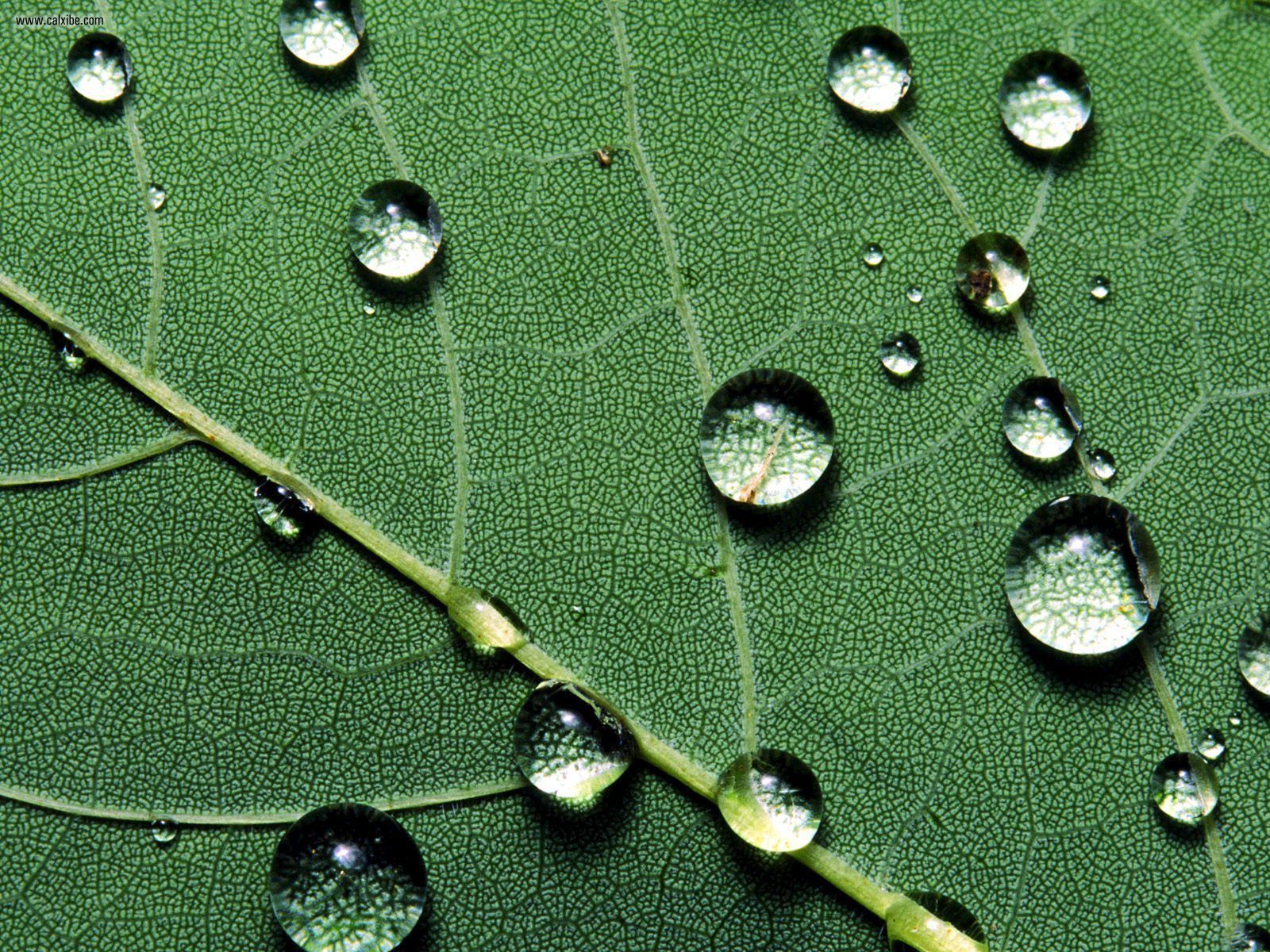
Refer to the picture; this is occurring because of:
a)
Adhesion
b)
Cohesion
140.
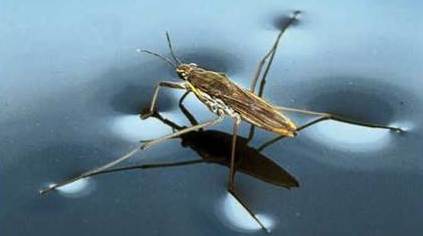
Refer to the picture; this is occurring due to:
a)
Adhesion
b)
Cohesion
141.
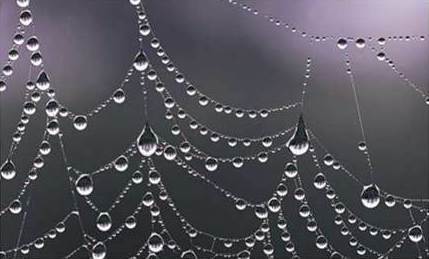
Refer to the picture; this is occurring because of:
a)
Adhesion
b)
Cohesion
142.

Refer to the picture; this is occurring because of:
a)
Adhesion
b)
Cohesion
143.
Why can water have no net charge but have slight charges in different parts of the molecule?
a)
The oxygen end is slightly negative and the hydrogen end is slightly positive
b)
The hydrogen end is slightly negative and the oxygen end is slightly positive
c)
The hydrogen and oxygen ends change in polarity
d)
Because it is hydrophobic
144.

The attraction that causes water and other liquids to form drops on thin films is called ________________. This is also water’s ability to be attraction to other water molecules.
a)
adhesion
b)
capillary action
c)
cohesion
d)
surface tension
145.
A ______________ is composed of a phosphate and glycerol head and 2 fatty acid chain tails.
a)
phospholipid
b)
Carbohydrate
c)
Cholesterol
d)
Protein
146.
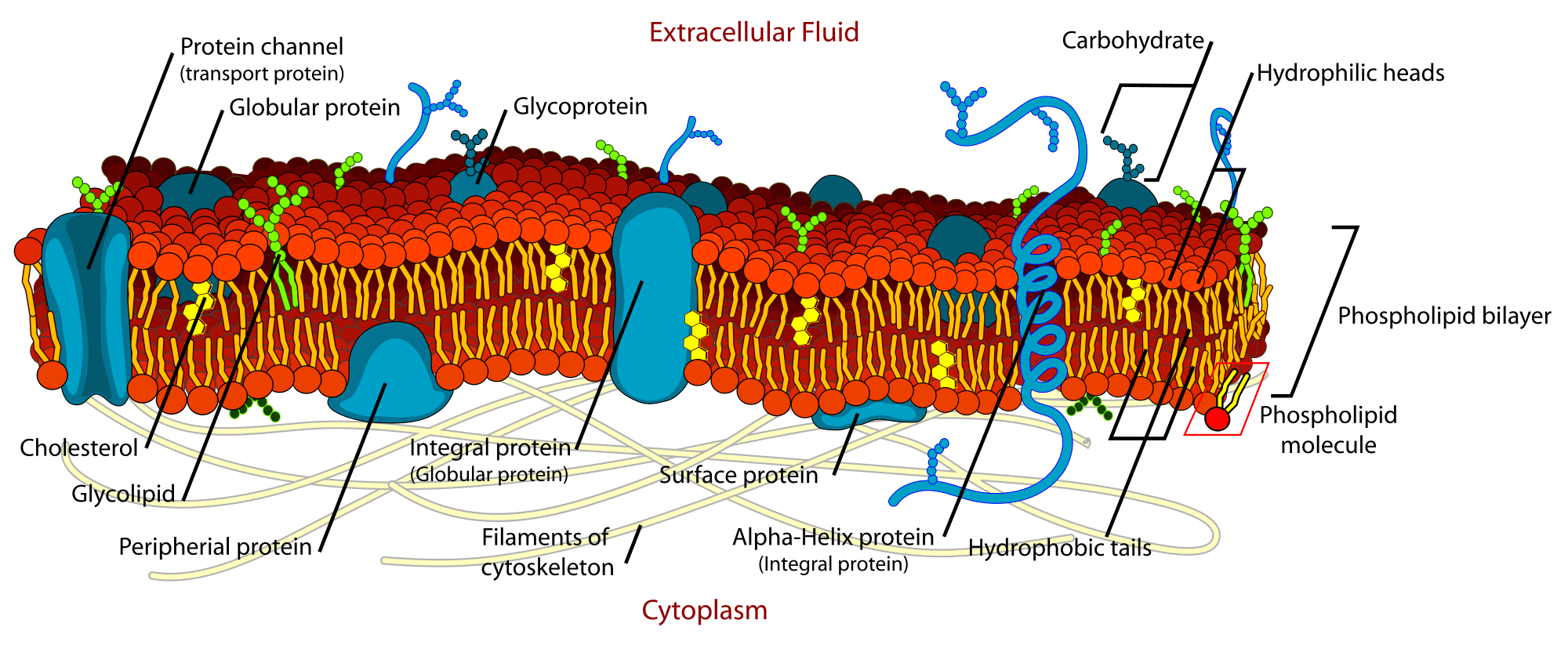
What is this image?
a)
cell membrane
b)
mitochondria
c)
golgi apparatus
d)
endoplasmic reticulum
147.
The function of the plasma membrane is....
a)
to regulate what enters and leaves the cell.
b)
fight bacteria and viruses that enter the cell.
c)
provide rigid support and protection to the cell.
d)
make sure each cell can move
148.

Which part of this phospholipid is hydrophobic?
a)
fatty lipid tails
b)
head
c)
all of it is hydrophobic
d)
none of it is hydrophobic
149.
Which biomolecule contains pastas and breads?
a)
Lipid
b)
Protein
c)
Nucleic Acid
d)
Carbohydrate
150.
Which biomolecule is made of nucleotides and contain you DNA?
a)
Carbohydrate
b)
Lipids
c)
Protein
d)
Nucleic Acid
151.
Which biomolecule is responsible for insulation and energy storage?
a)
Protein
b)
Nucleic Acid
c)
Lipid
d)
Carbohydrate
152.
Which biomolecule is made of amino acids?
a)
Nucleic Acid
b)
Carbohydrate
c)
Protein
d)
Lipid
153.
Which biomolecule is your main source of energy?
a)
Nucleic Acid
b)
Protein
c)
Lipid
d)
Carbohydrate
154.
Which biomolecule contains fats, oils, and waxes?
a)
Proteins
b)
Nucleic Acid
c)
Lipids
d)
Carbohydrate
155.
Which biomolecule includes fats, such as triglycerides, oils, waxes, and steroids (cholesterol); insoluble in water; provides energy storage, insulation, part of cell membrane, and hormones
a)
Nucleic Acid
b)
Lipids
c)
Carbohydrate
d)
Protein
156.
The monomer of a protein is called...
a)
an amino acid
b)
a monosaccharide
c)
a fatty acid
d)
a nucleotide
157.
Which biomolecule is the key source of energy?
a)
Lipid
b)
Protein
c)
Carbohydrate
d)
Nucleic Acid
158.
What is the functions of lipids?
a)
Quick source of energy
b)
Builds muscles, skin, enzymes
c)
Stores genetic information
d)
Stores energy, insulation, protection
159.
What does the word organic mean?
a)
has nitrogen
b)
has sulfur
c)
has carbon
d)
has oxygen
160.
The maintenance of an organism’s internal environment is called:
a)
compensating
b)
homeostasis
c)
balancing
d)
routine
161.
What is another word that can be used to describe "homeostasis"?
a)
STABLE
b)
EQUAL
c)
COMPLETE
d)
CORRECT
162.
The maintenance of an organism’s internal environment is called:
a)
compensating
b)
homeostasis
c)
balancing
d)
routine
163.
Homeostasis
a)
allows for a wildly fluctuating internal environment
b)
is impossible in vertebrates
c)
is the maintenance of a relatively stable internal environment and often incorporates a form of feedback regulation
d)
is the maintenance of a relatively stable external environment and often incorporates a form of feedback regulation
164.

Which of the following structures and organelles are differences between plant and animal cells?
a)
chloroplast vacuole and cell wall
b)
nucleus
c)
cytoplasm
d)
cell membrane
165.
What type of cell does not have a nucleus?
a)
eukaryotic
b)
prokaryotic
166.

Which type of cell?
a)
Prokaryote
b)
Eukaryote
167.
This organelle is in both plants and animals. It is a barrier between the cell and the environment. It controls what goes in and out of a cell.
a)
cell wall
b)
cell membrane
c)
cell organelles
d)
mitochondria
168.
A cell without a nucleus is called a ___.
a)
Eukaryotic
b)
Plasmic
c)
Prokaryotic
d)
Viral
169.

Is this cell plant or animal and why?
a)
Plant because it has a cell wall
b)
Animal because it has a nucleus
c)
Plant because it has several mitochondria
d)
Animal because it does not have chloroplasts
170.

Identify the organelle: A
a)
nucleus
b)
mitochondria
c)
chloroplast
d)
large central vacuole
171.

What type of cell is pictured?
a)
Prokaryotic
b)
Eukaryotic
c)
Plant
d)
Animal
172.

What is the difference between rough and smooth ER?
a)
There is no difference.
b)
Plants have rough ER, animals have smooth ER.
c)
What type of injuries the Doctors treat.
d)
Rough has ribosomes, smooth does not.
173.

What part of the water cycle does this picture show?
a)
condensation
b)
precipitation
c)
evaporation
174.
Which is the opposite of condensation?
a)
runoff
b)
evaporation
c)
precipitation
d)
transpiration
175.
During osmosis
a)
water moves from high to low concentration
b)
large or oddly shaped molecules move across a cell membrane
c)
water moves when energy is used
d)
proteins are built
176.

Tissues are made of one or more _________________ working together.
a)
Cells
b)
Tissues
c)
Organs
d)
Organ Systems
177.
If a cell is placed in a hypotonic solution, the cell will _______.
a)
stay the same
b)
swell (get bigger)
c)
shrink (get smaller)
178.
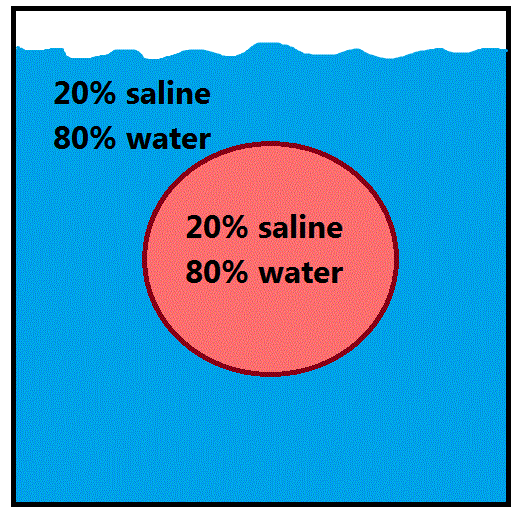
A blood cell is placed into the jar, as seen. Where will the water go?
a)
Into the cell
b)
Out of the cell
c)
Equally in & out - it's isotonic
d)
The water is a lie
179.
If a cell containing 5% salt is placed into a glass of water with 20% salt, the water is _______ compared to the cell.
a)
hypertonic
b)
hypotonic
c)
isotonic
180.
HYPO means...
a)
Low
b)
High
c)
Equal
d)
Fat
181.
What happens if someone gives you a 90% salt saline drip?
a)
Your cells will shrivel and you'll die
b)
Your cells will swell and you'll die
c)
Nah you'll be fine.
182.
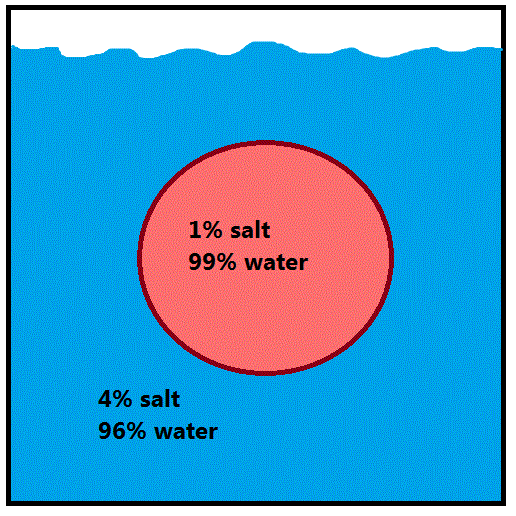
Where will the water go?
a)
Into the cell
b)
Out of the cell
c)
Equally in & out
183.
A blood cell is placed into the jar, as seen. Where will the water go?
a)
Into the cell
b)
Out of the cell
c)
Equally in & out
d)
The water is a lie
184.
Which elements are found in carbohydrates?
a)
C, H, O
b)
C, H, O, and N
c)
C, H, O, N, and P
d)
C, H, O, N, and S
185.
These are all properties of a monosaccharide EXCEPT:
a)
simple sugar
b)
1:2:1 ratio
c)
double sugar
d)
used for energy
186.
What elements make up carbohydrates?
a)
Carbon, hydrogen, nitrogen, oxygen
b)
sulfur, carbon, hydrogen
c)
glucose and fructose
d)
carbon, hydrogen, oxygen
187.
How do the number of H atoms compare to the number of O atoms in a carbohydrate?
a)
There are TWICE as many H
b)
They are the same amount
c)
There are THREE times as many H
d)
There are TWICE as many O
188.
Carbohydrates
a)
1:3:1 ratio
b)
2:2:2 ratio
c)
1:2:1 ratio
d)
1:2:3 ratio
189.
the measure of how much space an object takes up is called
a)
mass
b)
weight
c)
length
d)
volume
190.
the measure of the amount of matter in an object is called
a)
length
b)
height
c)
mass
d)
volume
191.
The main purpose of photosynthesis is to
a)
make oxygen
b)
make glucose
c)
make ATP
d)
make carbon dioxide
192.
The main purpose of Cellular Respiration is to
a)
make carbon dioxide
b)
make water
c)
make glucose
d)
make ATP
193.
What reactants are there in cellular respiration?
a)
Water and Glucose
b)
Oxygen and Glucose
c)
Carbon Dioxide and Water
d)
Twenty One Pilots
194.
What are the products of cellular respiration?
a)
Energy (ATP), Water, and Carbon DIoxide.
b)
Water and Oxygen
c)
Oxygen and Carbon Dioxide
d)
Water and Energy (ATP)
195.
What is the purpose of photosynthesis?
a)
Provide plants with energy
b)
Produce oxygen
c)
Produce glucose
d)
Give us something to talk about in biology
196.
How do plants and animals exchange gases?
a)
animals use only photosynthesis and plants use both photosynthesis and cell respiration
b)
plants use only photosynthesis
c)
plants use both photosynthesis and cell respiration but animals use only cell respiration.
197.
what are the tiny holes where gases enter and leave during photosynthesis
a)
guard cells
b)
stomata
c)
chloroplasts
198.
When experimenting with the growth of a plant, a scientist uses three (of the same type of) plants, two different fertilizers, equal light, and equal water. What type of variable is the fertilizer?
a)
Dependent
b)
Independent
c)
Control
d)
Compound
199.
Research Question: Does the type of gasoline put in a car effect how fast the car can drive. What is the independent variable?
a)
Type of gasoline
b)
which car the gas is put into
c)
how fast the car can drive
d)
how much gas is put into the car
200.
What would the INDEPENDENT variable be in an experiment testing which types of paper airplane goes furthest?
a)
the paper used
b)
the type of paper airplane
c)
the distance of each plane's flight
d)
how hard the plane is thrown
201.
These are the things in an experiment that we have to control so that it keeps the experiment fair. (does not provide an advantage or disadvantage)
a)
dependent variables
b)
constants (controlled variables)
202.
How many independent variables can you have in an experiment?
a)
one
b)
as many as you need
203.
An experiment is performed on plants to see how different liquids affect plant growth. Each plant in the experiment is given a different liquid; water, apple juice, or milk. Each plant has the same amount of soil, sunlight, and listens to the same music. In this investigation, the independent variable is ...
a)
The type of plant
b)
The amount of sunlight
c)
The type of music
d)
The type of liquid
204.
In a controlled experiment, the variable that is changed to test the hypothesis is called the –
a)
Controlled Variable
b)
Responsive Variable
c)
Dependent Variable
d)
Independent Variable
205.
An experiment is conducted to test how different cleats change an athletes running speed. Six different types of cleats are tested and the 100m run time is recorded. What is the independent variable?
a)
The type of cleat
b)
The run time
c)
The 100 meters
d)
The athlete
206.
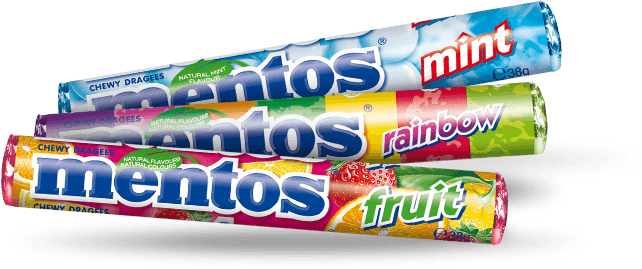
A test is set up to test which brand of soda creates the biggest foam explosion when adding a Mentos candy. Three different sodas were tested. They measured the height of the foam eruption. What is the dependent variable?
a)
Brand of soda
b)
Number of mentos candies used
c)
Height of foam eruption
d)
Temperature of soda
207.
Things that stay the same throughout the whole experiment are called
a)
controls
b)
dependent variables
c)
independent variables
d)
constants
100 %

