
 Worksheets
STAAR 8th Grade Science: RC4
Total questions: 74
Worksheet time: 1hrs 3mins
Name
Class
Date
1.

Cattle egrets forage (feed) in fields among cattle. The egret gets easy access to flying insects stirred up by the cattle, and the cattle don't care if they are there or not.
a)
mutualism
b)
commensalism
c)
competition
d)
parasitism
2.
A relationship between two organisms in which one organism benefits and the other is unharmed...
a)
Mutualism
b)
Competition
c)
Parasitsm
d)
Commensalism
3.
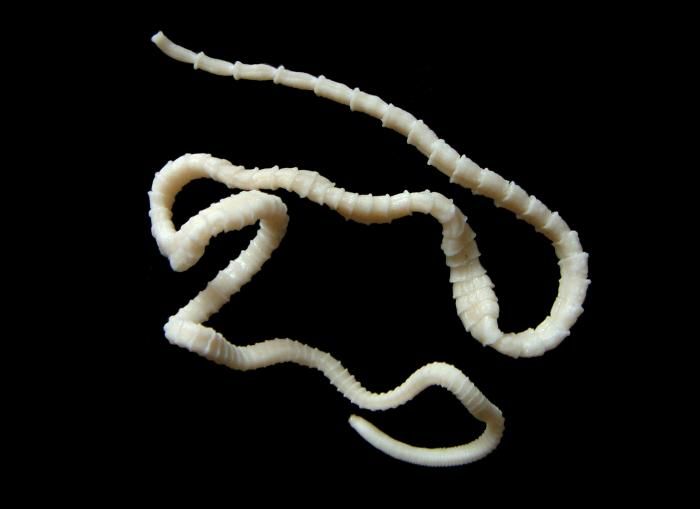
A tapeworm and a cat have this type of relationship.
a)
mutualism
b)
parasitism
c)
commensalism
d)
competition
4.
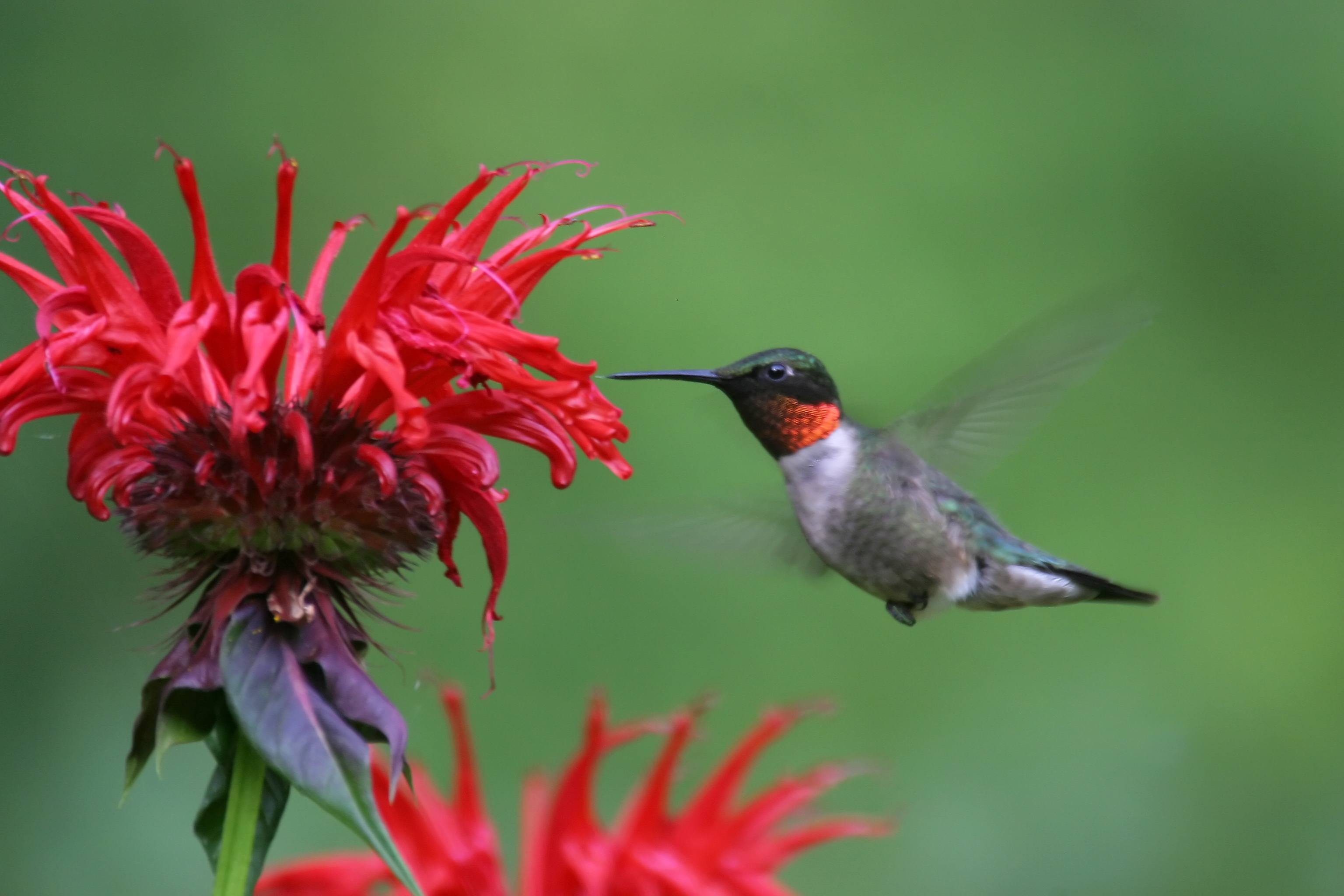
What type of symbiosis? Hummingbirds feed on nectar from flowers. The flowers are pollinated by hummingbirds as they move from flower to flower.
a)
commensalism
b)
mutualism
c)
parasitism
d)
predation
5.
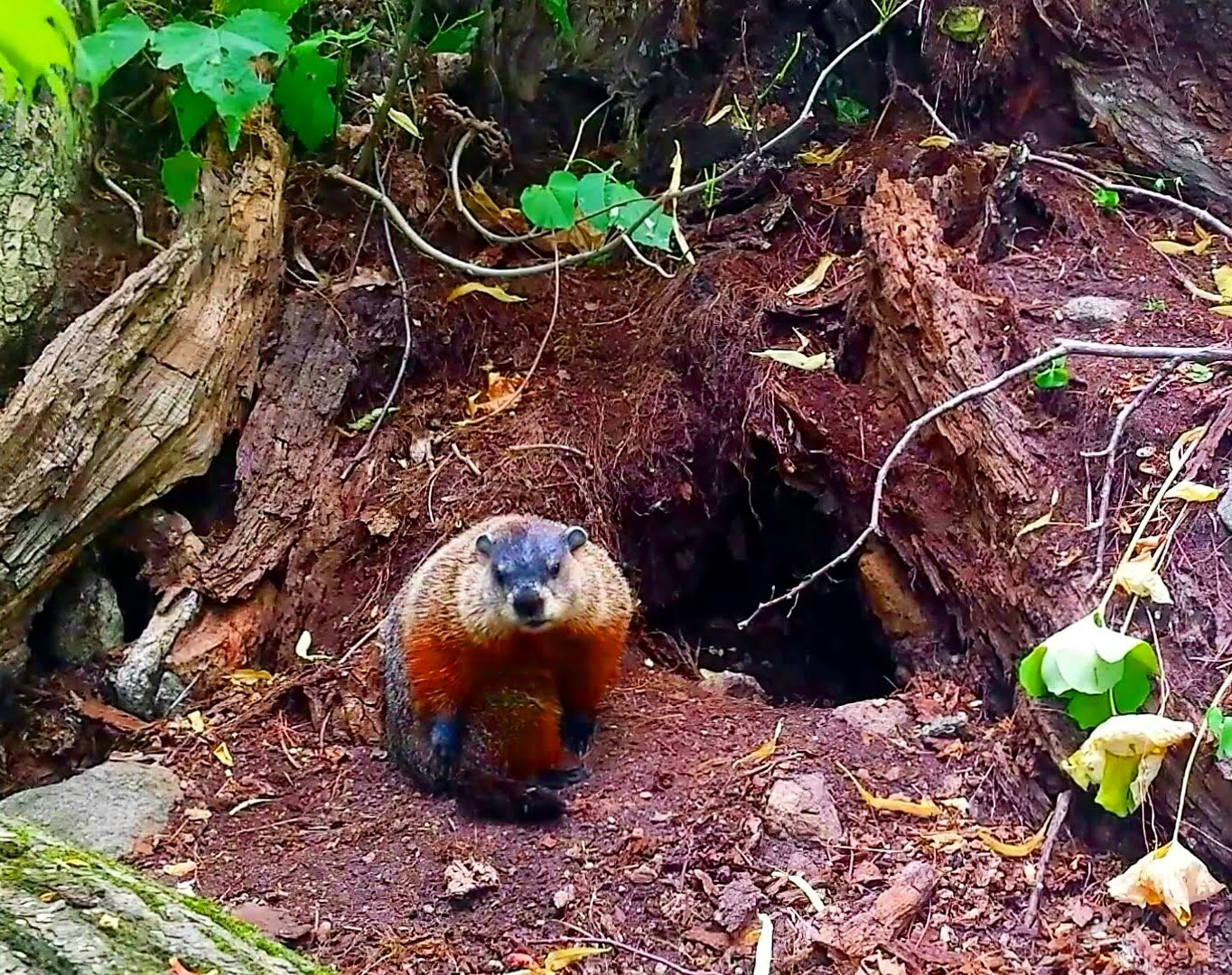
What type of symbiosis? Skunks often live in burrows that have been dug and abandoned by woodchucks.
a)
commensalism
b)
mutualism
c)
parasitism
d)
predation
6.
A relationship between two organisms in which both organisms benefit.
a)
Mutualism
b)
Competition
c)
Parasitsm
d)
Commensalism
7.
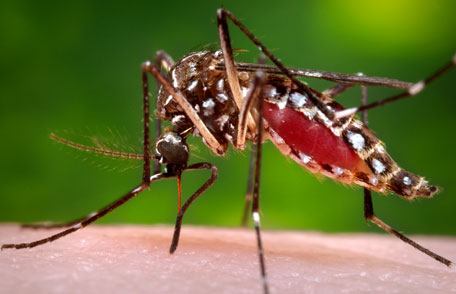
When a mosquito bites you, you are the __________ and the mosquito is the ____________.
a)
host, hostess
b)
parasite, host
c)
host, parasite
d)
prey, predator
8.
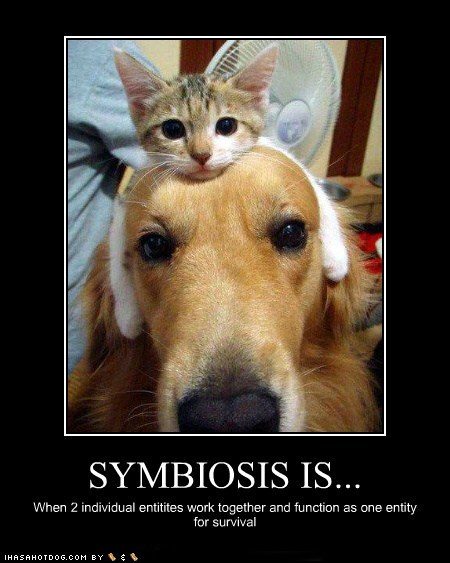
A relationship in which two species live closely together.
a)
resource
b)
mutualism
c)
succession
d)
symbiosis
9.

Which organism do the owl and the weasel compete for in the food web?
a)
Hawk
b)
Spider
c)
Grasshopper
d)
Shrew
10.

Which of the following is a herbivore?
a)
cricket
b)
frog
c)
hawk
d)
shrew
11.

How many carnivores are shown in this food web?
a)
6
b)
4
c)
5
d)
3
12.
What might happen if you remove a primary consumer from the ecosystem?
a)
There would be more food for secondary consumers.
b)
The number of primary consumers would increase.
c)
The number of plants would increase.
d)
The number of secondary consumers would increase.
13.

Which of the following would be the most likely effect, if there were a sudden increase in the cricket population?
a)
There would be a decrease in the small bird population.
b)
There would be a decrease in the grass/flowers population.
c)
There would be a decrease in the mice population.
d)
There would be an increase in the grass/flowers population.
14.

Which of the following best describes the small bird in the food web above?
a)
primary and secondary consumer
b)
secondary and tertiary consumer
c)
primary consumer only
d)
secondary consumer only
15.
A frog eats a fly. The frog and fly are demonstrating ________.
a)
mutualism
b)
competition
c)
predator/prey
d)
parasitism
16.
A tapeworm inside a dog is
a)
competition
b)
predation
c)
commensalism
d)
parasitism
17.
A tick and a dog have this type of relationship.
a)
mutualism
b)
commensalism
c)
neutralism
d)
parasitism
18.
A symbiotic relationship that involves species having to fight for something they both need or want
a)
competition
b)
predation
c)
commensalism
d)
parasitism
19.
Plants both trying to get sunlight are
a)
commensalism
b)
mutualism
c)
compeition
d)
parasitism
20.
Example of a consumer
a)
worm
b)
bacteria
c)
mushroom
d)
hawk
21.
Example of a decomposer
a)
fungus
b)
mouse
c)
plants
d)
frogs
22.
A tree is a ....
a)
composer
b)
decomposer
c)
producer
23.
Humans are considered...
a)
consumers
b)
decomposers
c)
producers
24.
Worms are considered...
a)
producer
b)
consumer
c)
decomposer
25.
Frogs are considered...
a)
consumers
b)
decomposers
c)
producers
26.
Grass is considered a ...
a)
consumer
b)
producer
c)
decomposer
27.

What is a producer?
a)
an organism that gets energy from eating other organisms
b)
an organisms that uses sunlight to make its own food
c)
an organism that gets energy from eating dead organisms, non-living material or waste
d)
an organism that uses chemical energy to make its own food
28.

What is a herbivore?
a)
an animal that gets energy from eating other animals
b)
an organism that gets energy from eating only plants
c)
an animal that gets energy by eating both plants and other animals
d)
an animal that eats only herbs
29.

An organism that gets energy from eating other organisms is a ______________
a)
producer
b)
consumer
c)
decomposer
d)
prey
30.

A connection of food chains with many food energy paths in an ecosystem is a ____________
a)
ecosystem
b)
food web
c)
environment
d)
population
31.

An animal that is hunted and eaten for food is a
a)
predator
b)
prey
c)
population
32.
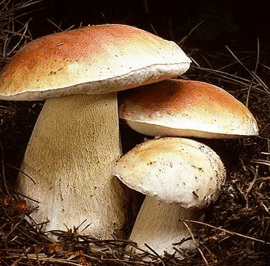
An organism that gets energy from breaking down dead organisms, non-living material or waste
a)
producer
b)
consumer
c)
decomposer
d)
autotroph
33.

What is a carnivore?
a)
an animal that gets energy by eating other animals
b)
An animal that gets energy by eating only plants
c)
an animal that gets energy by eating both plants and animals
d)
an animal that makes its own energy through photosynthesis
34.

An animal that gets energy from eating both plants and animals is a
a)
herbivore
b)
carnivore
c)
omnivore
d)
autotroph
35.

Where do all life forms get their energy?
a)
Earth's Core
b)
Water
c)
Plants
d)
The Sun
36.
The arrows in a food chain or web represents what?
a)
They point to the organism that is being eaten.
b)
It shows how sunlight flows within an ecosystem.
c)
They show what direction the energy is flowing between organisms.
d)
They represent how water is transferred within a habitat.
37.

What is this called?
a)
Food Web
b)
Food Chain
c)
Abiotic Factors
38.

What is this called?
a)
Food Web
b)
Food Chain
c)
Abiotic Factors
39.

In this food chain, what will happen if the frogs become extinct?
a)
The snakes will increase.
b)
The grasshoppers will decrease.
c)
The eagles will remain the same.
d)
The grasshoppers will increase.
40.
Which of the following would have a negative impact on an ecosystem
a)
constructing highways
b)
planting trees
c)
recycling paper
41.
The space, conditions and all the living and non-living things around an organism is its _________________.
a)
home
b)
environment
c)
neighborhood
d)
ecosystem
42.
An inherited trait that helps those organisms that have it to survive
a)
niche
b)
structure
c)
characteristic
d)
adaptation
43.

Coloring or another physical characteristic that help an organism blend in with its environment
a)
mimicry
b)
camouflage
c)
hibernation
d)
migration
44.

The role an organism plays in its ecosystem
a)
niche
b)
behavior
c)
structure
d)
function
45.

When an organism copies a characteristic of something else in order to better its chances for survival and reproduction
a)
hibernation
b)
camouflage
c)
mimicry
d)
migration
46.

The seasonal movement of an organism from one place to another
a)
camouflage
b)
migration
c)
hibernation
d)
function
47.

When an organism slows its life functions for a period of time to better its chances for survival during harsh conditions
a)
camouflage
b)
migration
c)
mimicry
d)
hibernation
48.
The place or environment where an organism naturally lives
a)
function
b)
habitat
c)
community
d)
ecosystem
49.
A group of organisms which are similar to each other and can combine to have offspring
a)
species
b)
characteristic
c)
club
d)
organisms
50.
All the populations in a specific area or region
a)
community
b)
ecosystem
c)
population
d)
species
51.
The passing of physical characteristics from parent to offspring is?
a)
genetics
b)
Heredity
c)
Traits
d)
Fertilization
52.
A unit of genetic material that determines a trait
a)
Carrier
b)
DNA
c)
chromosome
d)
Gene
53.
To acquire a trait from your parents
a)
recieve
b)
inherit
c)
Gene
d)
Allele
54.
Phenotype is the organisms physical appearance while genotype in the organisms genetic make up
a)
true
b)
False
55.
Who is the father of evolution?
a)
Darwin
b)
Mendel
c)
Newton
d)
Einstein
56.
What is another name for natural selection?
a)
survival of the smartest
b)
survival of the fastest
c)
survival of the biggest
d)
survival of the fittest
57.
When all of the organisms of a species have died it is called
a)
evolution
b)
extinction
c)
adaptation
d)
natural selection
58.

What is this an example of?
a)
diversity of species
b)
variation
c)
vestigial structures
d)
DNA studies
59.
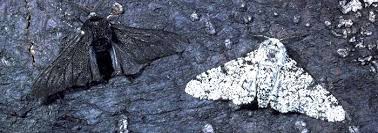
Predict which moth would increase in population
a)
light
b)
dark
60.

Darwin wrote that organisms with traits that are best suited to the environment will ________________
a)
increase in number
b)
become extinct
61.
Which of the following is NOT an example of natural selection?
a)
People selectively breeding hamsters.
b)
Insect populations developing resistance to certain pesticides.
c)
Bacteria becoming resistant to antibiotics.
d)
Male birds of certain species developing colorful feathers to attract female mates.
62.
What does the term "terrestrial" mean?
a)
Water-based ecosystem
b)
Land-based ecosystem
63.
What does the term "aquatic" mean?
a)
Water-based ecosystem
b)
Land-based ecosystem
64.
All of the nonliving parts of an ecosystem are __________.
a)
biotic
b)
biology
c)
abiotic
d)
biography
65.
What are biotic factors?
a)
dead things
b)
living things/ organisms
c)
weather
d)
plants
66.
Temperature, light, air, water, and soil are all _____ parts of the environment
a)
alive
b)
biotic
c)
abiotic
d)
living
67.
This ecosystem would have many trees.
a)
Forest
b)
Grassland
c)
Ocean
d)
Lakes/Ponds
68.
This ecosystem contains salt water.
a)
Forest
b)
Grassland
c)
Ocean
d)
Lakes/Ponds
69.
This ecosystem has very few trees and a lot of varieties of grasses.
a)
Forest
b)
Grassland
c)
Wetland
d)
Lakes/Ponds
70.
Which word means "land based" ecosystem?
a)
Terrestrial
b)
Aquatic
71.
Which word means "water-based" ecosystem?
a)
Terrestrial
b)
Aquatic
72.
A(n) ___________ is where the river meets an ocean.
a)
wetland
b)
pond
c)
lake
d)
estuary
73.
_________ are large bodies of saltwater divided by continents.
a)
Oceans
b)
Lakes
c)
Ponds
d)
Estuaries
74.
_____________ are bodies of freshwater that are surrounded by land.
a)
Oceans
b)
Estuaries
c)
Lakes/Ponds
d)
Forests
100 %

