
 Worksheets
Cell's Exam
Total questions: 148
Worksheet time: 2hrs 0mins
Name
Class
Date
1.
In what organelle is the genetic material found inside?
a)
Endoplasmic Reticulum
b)
Golgi Complex
c)
Nucleolus
d)
Nucleus
2.
What organelle is called the "powerhouse" of a cell?
a)
Endoplasmic Reticulum
b)
Nucleus
c)
Mitochondria
d)
Nucleolus
3.
What is the function of the mitochondria?
a)
Structure that manufactures ribosomes
b)
Structures that converts nutrients to energy
c)
Stack of membranes that packages chemicals
d)
Structure that contains DNA and directs the cell
4.
What is the function of the vacuole?
a)
Sac that stores water, nutrients, and waste products
b)
Sac filled with digestive chemicals
c)
Jelly-like substance within the plasma membrane
d)
stack of membranes that packages chemicals
5.
What is the function of nucleus?
a)
Structure that organizes motion of chromosomes.
b)
Structure that contains DNA and directs the cell
c)
Membrane that surrounds and protects the cell
d)
Stack of membranes that packages chemicals
6.
Where does photosynthesis occur?
a)
mitochondria
b)
stomata
c)
xylem
d)
chloroplast
7.

I store water in both plant and animal cells. What am I?
a)
cytoplasm
b)
ribosomes
c)
vacuole
d)
lysosomes
8.

I make proteins for the cell. What am I?
a)
ribosome
b)
mitochondria
c)
chloroplast
d)
lysosome
9.
What can only be found in plant cells?
a)
Cell membrane
b)
Vacuole
c)
Chloroplast
d)
Mitochondrion
10.
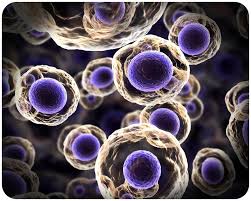
The two kinds of cells are Prokaryotes and Eukaryotes. How are they different?
a)
Prokaryotes have a nucleus.
b)
Eukaryotes have a nucleus.
c)
Prokaryotes are plant cells.
d)
There is no difference.
11.

What cell part is NOT found in all cells?
a)
Cell Wall
b)
Cell Membrane
c)
Cytoplasm
d)
Genetic Material
12.

Complex cell. Can be plant or animal. Contains membrane bound organelles.
a)
Eukaryotic Cell
b)
Prokaryotic Cell
c)
Bacteria
d)
Blood cell
13.
This organelle takes food and turns it into ENERGY for plant and animal cells.
a)
Chloroplast
b)
Mitochondria
c)
Lysosome
d)
Ribosome
14.
The site of photosynthesis
a)
ribosome
b)
mitochondria
c)
chloroplast
d)
nucleus
15.

Which part of the cell is often called "the brain of the cell"?
a)
nuclear membrane
b)
endoplasmic reticulum
c)
nucleus
d)
mitochondria
16.
Where are proteins made?
a)
Golgi body
b)
Mitoichondria
c)
Chromosomes
d)
Ribosomes
17.
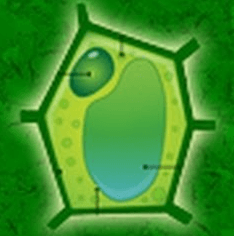
A rigid layer that lies outside the cell's membrane is...
a)
Cytoskeleton
b)
Cilia
c)
Cell Wall
d)
Flagella
18.
Main producer of ATP in all eukaryotes
a)
chloroplast
b)
mitochondria
c)
lysosome
d)
smooth er
19.
What is the function of the vacuole?
a)
Sac that stores water, nutrients, and waste products
b)
Sac filled with digestive chemicals
c)
Jelly-like substance within the plasma membrane
d)
stack of membranes that packages chemicals
20.
Only eukaryotic cells have....
a)
membrane-bound organelles
b)
DNA
c)
ribosomes
d)
cell membranes
21.
A nucleus is found in what type of cell?
a)
Prokaryotic
b)
Eukaryotic
c)
Both prokaryotic and eukaryotic
d)
Neither prokaryotic or eukaryotic
22.
I am fluid filled within the cell
a)
Mitochondrion
b)
Vacuole
c)
cytoplasm
d)
Cell membrane
23.
What makes the endoplasmic reticulum rough?
a)
Vessicles
b)
Vacuoles
c)
Ribosomes
d)
Chromosomes
24.
What is found in both plant and animal cells but is much larger in plant cells?
a)
Nucleus
b)
Mitochondrion
c)
Chloroplast
d)
Vacuole
25.
Cell membranes are found in
a)
Only animal cells
b)
Only plant cells
c)
Some plant and animal cells
d)
All plant and animal cells
26.
What organelle surrounds and supports plant cells?
a)
Cell Membrane
b)
Cell Wall
c)
Nucleus
d)
Golgi Complex
27.
What organelle helps with cell digestion?
a)
Lysosomes
b)
Ribosomes
c)
Golgi Complex
d)
ER
28.

What is the difference between rough and smooth ER?
a)
There is no difference.
b)
Plants have rough ER, animals have smooth ER.
c)
What type of injuries the Doctors treat.
d)
Rough has ribosomes, smooth does not.
29.

I am a protein packaging and shipping machine! Who am I?
a)
vacuole
b)
ribosome
c)
endoplasmic reticulum
d)
golgi apparatus
30.
Which of the following is directly involved in the transportation of materials inside/within the cell?
a)
Endoplasmic Reticulum
b)
Vacuole
c)
Lysosome
d)
Mitochondria
31.
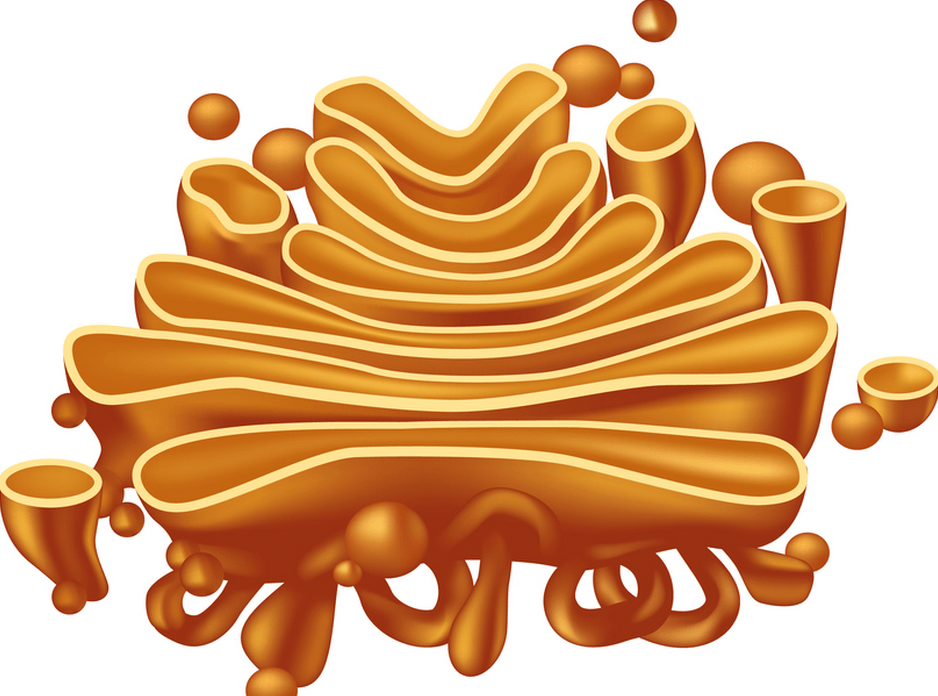
I am a protein packaging and shipping machine! Who am I?
a)
vacuole
b)
ribosome
c)
mitochondrion
d)
golgi apparatus
32.
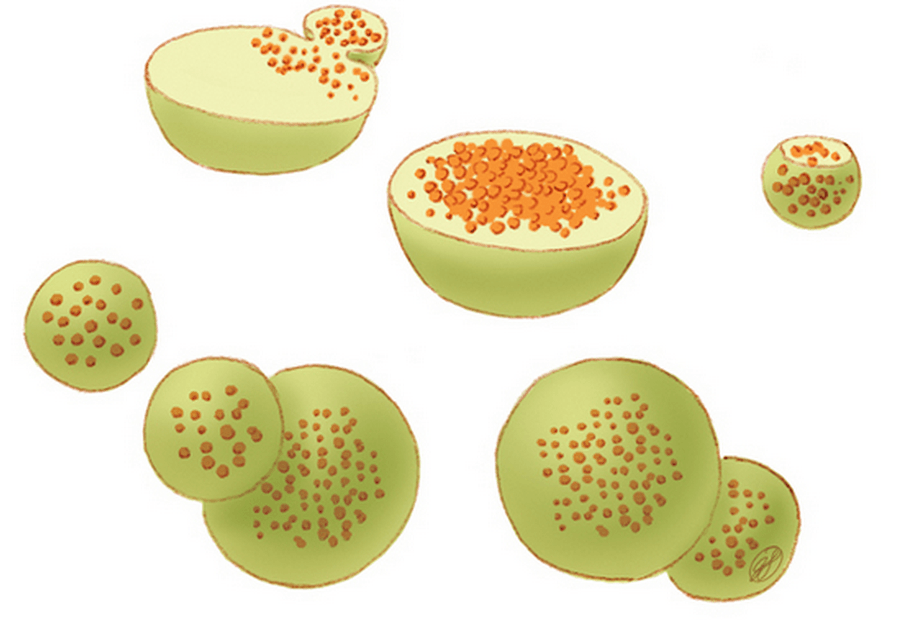
You might think of me as the trash collector, but recycler is maybe more accurate. What am I?
a)
mitochondria
b)
lysosome
c)
vacuole
d)
ribosome
33.
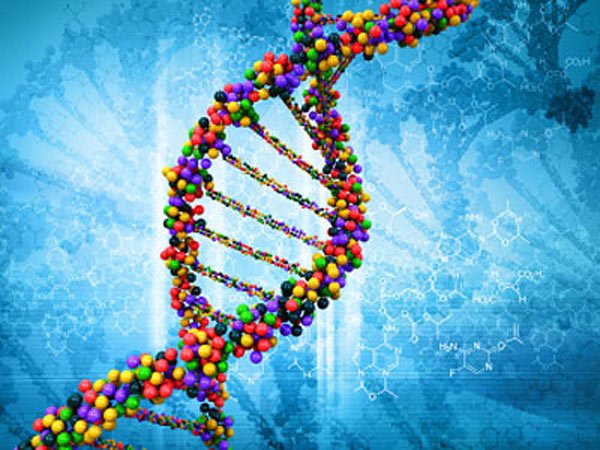
What is the name of the genetic material that is inside the nucleus?
a)
ER
b)
ATP
c)
YOLO
d)
DNA
34.
Bacteria and Archaea are classified as?
a)
eukaryotes
b)
nucleoid
c)
prokaryotes
d)
proteins
35.
Prokaryote are?
a)
simple, mostly single-celled organism that lacks a nucleus, or any other membrane-bound organelle.
b)
have a peptidoglycan cell wall and many have polysaccharide capsules.
c)
have a true nucleus, which means the cell's DNA is surrounded by a membrane.
d)
contain membrane-bound organelles, such as the nucleus
36.
Pili
a)
Used to attach to a host cell by bacteria.
b)
Used to exchange genetic material during conjugation in prokaryotes.
c)
Used for locomotion in prokaryotes.
d)
this structure acts as an extra layer of protection, helps the cell maintain it's shape, and prevents dehydration.
37.
The DNA is located in the center of this cell, not surrounded by a nuclear membrane?
a)
Eukaryotic Cell
b)
Prokaryotic Cell
38.
The DNA is located in the nucleus of this cell?
a)
Eukaryotic Cell
b)
Prokaryotic Cell
39.
A cell lacking a nucleus or any other membrane-enclosed organelle.
a)
Prokaryotic Cells
b)
Eukaryotic Cells
40.
The main difference between prokaryotic cells and eukaryotic cells is prokaryotic cells____________ a nucleus.
a)
Do have
b)
Do not have
41.
The main difference between prokaryotic and eukaryotic cells?
a)
Prokaryotic cells have a cell membrane but eukaryotic cells do not.
b)
Eukaryotic cells contain DNA in a nucleus while prokaryotic cells do not.
c)
Eukaryotic cells have flagella but prokaryotic cells do not.
d)
Prokaryotic cells contain membrane-bound ribosomes while eukaryotic cells do not.
42.
The DNA is located in the center of this cell, not surrounded by a nuclear membrane?
a)
Eukaryotic Cell
b)
Prokaryotic Cell
43.
Which cell type has a plasma or cell membrane?
a)
Eukaryotic Cells
b)
Prokaryotic Cells
c)
Both types of cells
44.
What are all the inside parts of the cells called?
a)
Organs
b)
Ordelles
c)
Orders
d)
Organelles
45.

Which technology was important to the development of the cell theory?
a)
Telescope
b)
Binoculars
c)
Periscope
d)
Microscope
46.
How many cells are eukaryotes made of?
a)
Unicellular or multicellular
b)
unicellular
c)
2,000,000,000,000,000,000,000
d)
10,000,000,000,000,000,000,000
47.
How are animals cells and plant cells similar?
a)
Both plant and animal cells have cell walls.
b)
Both plant and animal cells contain amyloplasts.
c)
Both plant and animal cells contain chlorplast.
d)
Both plant and animal cells have ER.
48.
Uses chemicals to break down food and worn out cells parts.
a)
Lysosomes
b)
ER
c)
Cell Wall
d)
Golgi Bodies
49.
Contains cytoplasm.
a)
Both types of cells
b)
Prokaryotic cells
c)
Eukaryotic cells
50.
Osmosis is a form of ______________.
a)
Passive Transport
b)
Active Transport
51.
Exocytosis
a)
Passive Transport
b)
Active Transport
52.
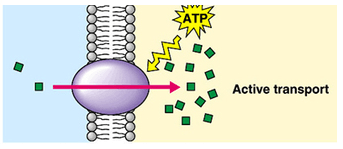
ATP is a form of energy.
a)
Passive Transport
b)
Active Transport
53.
Endocytosis
a)
Passive Transport
b)
Active Transport
54.
Low to High
a)
Passive Transport
b)
Active Transport
55.
Solutes move against the concentration gradient, therefore energy is needed.
a)
Passive Transport
b)
Active Transport
56.
Uses ATP (energy)
a)
Passive Transport
b)
Active Transport
57.
This uses energy
a)
endocytosis
b)
exocytosis
c)
both
58.
This takes substances into a cell
a)
endocytosis
b)
exocytosis
c)
both
59.
What is it called when molecules move across the cell membrane from an area of high concentration to an area of low concentration through a carrier protein?
a)
Diffusion
b)
Osmosis
c)
Active Transport
d)
Facilitated Diffusion
60.
How does a cell maintain homeostasis?
a)
Regulates what enters and leaves the cell
b)
Flexibility
c)
Protective barrier
d)
Structure and support
61.
Another term for equilibrium is...
a)
Not enough
b)
Too little
c)
Homeostasis
d)
Too much
62.
A can of air freshener is sprayed in the opposite side of the room. Ten minutes later you start to smell the scent. This is an example of
a)
diffusion
b)
active transport
c)
endocytosis
d)
osmosis
63.
Controlling what goes into or out of the cell without energy is called
a)
active transport
b)
endocytosis
c)
passive transport
d)
exocytosis
64.
What is it called when molecules move across the cell membrane from an area of high concentration to an area of low concentration through a carrier protein?
a)
Diffusion
b)
Osmosis
c)
Active Transport
d)
Facilitated Diffusion
65.
What is the name of the process in which molecules move from an area of high concentration to an area of low concentration across a selectively permeable membrane?
a)
Diffusion
b)
Osmosis
c)
Active Transport
d)
Facilitated Diffusion
66.
When molecules are spread evenly across the cell membrane, ______________________ is reached.
a)
difference
b)
transportation
c)
equilibrium
d)
solution
67.
What is homeostasis?
a)
How the body releases oxygen
b)
Passive transportation
c)
How the body regulates itself for survival
d)
Active transport
68.
What is the difference between active and passive transport?
a)
Active does not need energy and passive uses ATP (energy)
b)
Active uses ATP (energy) and passive does not need energy
c)
Active stores transport proteins and passive releases
d)
Active uses hormones and passive does not
69.
Two examples of passive transport are
a)
Earth and Sun
b)
Diffusion and Osmosis
c)
Energy and Wind
d)
None of the above
70.
Permeable means
a)
things can pass through
b)
the concentration levels are different
c)
it is permanent
d)
things are stuck
71.
The movement of molecules against a concentration gradient
a)
simple diffusion
b)
facilitated diffusion
c)
active transport
d)
osmosis
72.
A molecule that diffuses down a concentration gradient goes from an area of ______ concentration into an area of ______ concentration.
a)
high, low
b)
low, high
c)
passive, active
d)
active, passive
73.

This picture represents what type of cell transport?
a)
endocytosis
b)
exocytosis
c)
osmosis
d)
passive transport
74.
ALL living cells have this in common
a)
Nucleus
b)
Cell Membrane
c)
Cell Wall
d)
Mitochondria
75.
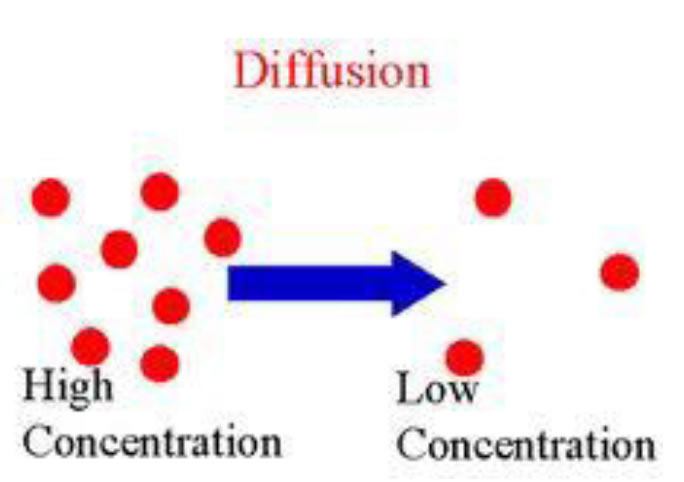
Movement of particles from high to low concentration.
a)
Passive Transport
b)
Active Transport
76.
A cell will _____________________ in a hypertonic solution.
a)
swell
b)
shrink
c)
will not change
d)
will explode
77.
A cell will __________________ in a hypotonic solution.
a)
swell and perhaps burst (lyse)
b)
shrink
c)
the size of the cell will not change
d)
the size of the cell will change from large to small and from small to large
78.
Moving "Big stuff" out
a)
Endocytosis
b)
Exocytosis
c)
Diffusion
d)
Osmosis
79.
Spraying Axe body spray in a corner of the room and someone on the opposite corner smells it is an example of what?
a)
Osmosis
b)
Facilitated diffusion
c)
Active transport
d)
Diffusion
80.
Osmosis is the movement of _____ across a membrane.
a)
food
b)
energy
c)
oxygen
d)
water
81.
Which is true about active transport?
a)
It requires energy
b)
It does not require energy
c)
It moves substances down the concentration gradient
d)
it moves material from high to low concentration
82.
The concentration of water is higher in the soil than in plant root cells. Water moves into root cells of a plant by...
a)
Facilitated Diffusion
b)
Simple Diffusion
c)
Active Transport
d)
Osmosis
83.
Due to the higher concentration of oxygen in the air than your blood, oxygen goes from the lungs into the red blood cells by....
a)
Facilitated Diffusion
b)
Simple Diffusion
c)
Active Transport
d)
Osmosis
84.
This cell structure helps organisms maintain homeostasis by controlling what substances may enter or leave cells.
a)
vacuole
b)
nucleus
c)
cell membrane
d)
cell wall
85.
The dispersal of ink in a breaker of water is an example of
a)
osmosis
b)
diffusion
c)
active transport
d)
facilitated diffusion
86.
Passive transport requires no
a)
concentration gradients
b)
osmosis
c)
motion
d)
energy
87.
Which of the following do NOT have cell walls?
a)
animal cells
b)
bacteria cells
c)
plant cells
d)
fungi
88.

Which way would the purple molecules move through the semi permeable membrane?
a)
From the A side to the B-side
b)
From the B side to the A side
c)
None of the purple molecules would move
89.
Large molecules and ions can easily pass through the cell membrane without any help
a)
true- they pass right through
b)
false- they need a protein channel
90.
What does it mean that a cell membrane is semipermeable?
a)
It allows all substances inside.
b)
It allows some substances inside.
c)
It allows no substances inside.
91.
When both inside and outside of a cell have the same amount of water it is said that the cell has reached a state of
a)
Osmosis
b)
Diffusion
c)
Dynamic Equilibrium
92.

The picture is an example of...
a)
active tranport
b)
passive transport
c)
diffusion
d)
osmosis
93.
The movement of molecules against a concentration gradient
a)
simple diffusion
b)
facilitated diffusion
c)
active transport
d)
osmosis
94.
Particles too large to enter the membrane...need help from channel proteins...no energy is required.
a)
active transport
b)
passive transport
c)
facilitated diffusion
95.
Which term means "water-loving"?
a)
Cohesion
b)
Nonpolar
c)
Hydrophilic
d)
Hydrophobic
96.
if you put a plant in salt water it will ...
a)
swell because water diffuses into the cells
b)
swell because water diffuses out of the cell
c)
shrivel because water diffuses out of the cell
97.
Two different solutions are separated by a membrane permeable only to water. How will molecules move?
a)
solutes will move by dissolving
b)
water will move by active transport
c)
solutes will move by osmosis
d)
water will move by osmosis
98.
Osmosis is the movement of _____ across a membrane.
a)
food
b)
energy
c)
oxygen
d)
water
99.

This picture represents which type of cellular transport?
a)
passive transport
b)
endocytosis
c)
exocytosis
d)
osmosis
100.

The cell below is in a _________ solution.
a)
Hypotonic
b)
Hypertonic
c)
Isotonic
101.

The cell below is in a _____________ solution.
a)
Hypertonic
b)
Hypotonic
c)
Isotonic
102.
A cell in an isotonic solution will
a)
swell
b)
shrink
c)
stay the same size
d)
impossible to tell
103.
what are two types of passive transport?
a)
endo and exocytosis
b)
cookies and milk
c)
active and passive
d)
Osmosis and diffusion
104.
Which term means "water-loving"?
a)
Cohesion
b)
Nonpolar
c)
Hydrophilic
d)
Hydrophobic
105.
Which term means "water-fearing"?
a)
Adhesion
b)
Polar
c)
Hydrophilic
d)
Hydrophobic
106.
The cell membrane is made mostly of
a)
phospholipid monolayer and proteins
b)
phospholipid bilayer and proteins
c)
proteins and carbohydrates bilayer
d)
triglycerides and carbohydrates
107.
What forms the channels and pumps in the phospholipid bilayer?
a)
carbohydrates
b)
proteins
c)
hydrophilic heads
d)
lipids
108.
Where does glycolysis occur?
a)
Inner mitochondrial membrane
b)
Mitochondrial Matrix
c)
Cytosol
d)
At a ribosome
109.
Glycolysis is a __________ process.
a)
aerobic
b)
anaerobic
c)
aerobic and anaerobic
d)
neither aerobic nor anaerobic
110.
Glycolysis occurs in __________.
a)
Eukaryotes
b)
Prokaryotes
c)
Archaea
d)
Every living thing that we know of.
111.
How many ATP are gained through glycolysis?
a)
0
b)
2
c)
4
d)
30-38
112.
Which of these molecules stores the most energy?
a)
NADH
b)
NAD+
c)
ADP
d)
ATP
113.
Which of these statements is not true?
a)
Glycolysis can be split up into three phases.
b)
Acetyl CoA is what enters the Citric Acid Cycle.
c)
Glycolysis is only the first step in anaerobic respiration.
d)
Both fermentative pathways start with glycolysis.
114.
What organelle does cellular respiration take place in?
a)
Ribosome
b)
Mitochondria
c)
Nucleus
d)
Golgi
115.
Which of these molecules stores the most energy?
a)
NADH
b)
NAD+
c)
ADP
d)
ATP
116.
Where does glycolysis occur?
a)
Inner mitochondrial membrane
b)
Mitochondrial Matrix
c)
Cytoplasme
d)
At a ribosome
117.
The main purpose of Cellular Respiration is to
a)
make carbon dioxide
b)
make water
c)
make glucose
d)
make ATP
118.
When ATP is converted to ADP
a)
an oxygen atom is released
b)
energy is stored
c)
a phosphate group is released
d)
a bond is created
119.
Which of these correctly lists the reactants of cellular respiration?
a)
glucose and oxygen
b)
carbon dioxide and water
c)
ATP and carbon dioxide
d)
water and glucose
120.
Aerobic respiration requires...
a)
spandex
b)
oxygen
c)
no oxygen
d)
a cell without mitochondria
121.
How many ATP molecules can a glucose molecule produce during aerobic respiration in Eukaryotes?
a)
2
b)
4
c)
38
d)
36
122.
Which cell process is represented by this equation:
C6H12O6 + 6O2 → 6CO2 + 6H2O + ATP
C6H12O6 + 6O2 → 6CO2 + 6H2O + ATP
a)
diffusion
b)
photosynthesis
c)
cell respiration
d)
mitosis
123.
Which of these is a reactant of cellular respiration?
a)
glucose
b)
oxygen
c)
Both glucose and oxygen.
d)
None of these.
124.
Another name for sugar is
a)
ATP
b)
Cellular
c)
Glucose
d)
Fall Out Boy
125.
What is the gas we breath out that plants use for photosynthesis?
a)
sulfur
b)
carbon dioxide
c)
oxygen
d)
hydrogen
126.
How is energy released from ATP?
a)
adding a phosphate
b)
making a new bond
c)
removing the 3rd phosphate
d)
adding a protein
127.
What is an autotroph?
a)
an organism that can make their own food.
b)
an organism that cannot make their own food
c)
Herbivore
d)
Omnivore
128.
What is the waste energy from respiration given off as?
a)
Heat
b)
Light
c)
Sound
d)
Kinetic
129.
Where does the Krebs Cycle take place?
a)
mitochondria
b)
chloroplast
c)
cytoplasm
d)
nucleus
130.
What is the net amount of ATP produced in glycolysis?
a)
29
b)
2
c)
4
d)
8
131.
The first step in the break down of glucose is
a)
light reactions
b)
glycolysis
c)
Kreb's cycle
d)
Calvin Cycle
132.
Which organelle performs PHOTOSYNTHESIS?
a)
Chloroplast
b)
Mitochondria
133.
Which of the following is the correct equation for PHOTOSYNTHESIS?
a)
CO2 + light + H2O --> O2 + Sugar
b)
CO2 + sugar + H2O --> O2 + light
c)
O2 + light + H2O --> CO2 + Sugar
d)
CO2 + O2 + H2O --> Light+ Sugar
134.
What is the ultimate ORIGINAL source of energy for living things
a)
Sugar
b)
Sun
c)
Moon
d)
Carbon Dioxide
135.
Which organisms perform Photosynthesis?
a)
Only Autotrophs
b)
Only Heterotrophs
c)
Autotrophs and Heterotrophs
136.
What is the pigment in chloroplasts that performs photosynthesis?
a)
Chlorosynthesis
b)
Chlorophyll
c)
ADP
d)
Electron Transport
137.
Which gas is removed from the atmosphere during photosynthesis?
a)
hydrogen
b)
oxygen
c)
nitrogen
d)
carbon dioxide
138.
What are the products of photosynthesis?
a)
water and carbon dioxide
b)
oxygen and glucose
c)
oxygen and carbon dioxide
d)
oxygen and water
139.
Plants need ________ for photosynthesis
a)
oxygen
b)
soil
c)
carbon dioxide
d)
sugar
140.
What is photosynthesis?
a)
The process in which humans eat their food
b)
When a photographer takes a photo.
c)
To get your pictures from the photo lab.
d)
The process in which plants make their food.
141.

Which organelle from the plant cell is primarily responsible for converting sunlight to energy?
a)
Mitochonria
b)
Nucleus
c)
Vacuole
d)
Chloroplast
142.

What is produced as a result of photosynthesis?
a)
Glucose and Chlorophyll
b)
Glucose and Oxygen
c)
Water and Light energy
d)
Carbon dioxide and Water
143.
What is the gas we breath out that plants use for photosynthesis?
a)
sulfur
b)
carbon dioxide
c)
oxygen
d)
hydrogen
144.
How can photosynthesis be related to cellular respiration?
a)
What's produced (made) by one is needed (the reactants) for the other
b)
They both produce the same products
c)
They both have the same reactants (need the same things)
d)
These 2 processes have nothing in common
145.

The main source of energy for all life comes from ____.
a)
the Earth
b)
the moon
c)
the sun
d)
the food we eat/make
146.

Most plants appear green because chlorophyll
a)
absorbs green light.
b)
absorbs violet light.
c)
reflects green light.
d)
does not absorb violet light.
147.

Which statement about photosynthesis is correct?
a)
Plants get the energy they need for photosynthesis from water.
b)
Plants get the energy they need for photosynthesis from soil.
c)
Plants get the energy they need for photosynthesis from sunlight.
d)
Plants do not require energy to perform photosynthesis.
148.

Which gas is removed from the atmosphere during photosynthesis?
a)
hydrogen
b)
oxygen
c)
nitrogen
d)
carbon dioxide
100 %

