
 Worksheets
Biology Q2 Review
Total questions: 133
Worksheet time: 2hrs 46mins
How does the addition of an acid affect a neutral solution?
the pH is raised
the acid is neutralized
the H+ ion concentration is increased
the solvent concentration is increased
Which of the following solutions has the highest H+ ion concentration?
a solution with a pH of 1
a solution with a pH of 4
a solution with a pH of 7
a solution with a pH of 10
What is unique about carbon?
bonding properties
ability to bond with oxygen
properties as a reactant
properties as an enzyme
What are the four main groups of carbon-based molecules?
starches, cholesterol, fatty acids, and amino acids
sugars, cellulose, triglycerides, and monosaccharides
polysaccharides, sugars, oils, and polymers
carbohydrates, lipids, proteins, and nucleic acids
Chemical reactions change substances into different substances by
reaching chemical equilibrium
breaking and forming bonds
changing the substance's properties
maintaining constant energy
What is the term for the substances that are changed during a chemical reaction?
products
catalysts
enzymes
reactants
The function of a catalyst in a chemical reaction is to increase the
reaction rate
activation energy
pH
number of substrates
Which property is responsible for the fact that water and oil do not mix?
density
mass
phase
polarity
The amount of energy added for a chemical reaction to start is
chemical energy
bond energy
activation energy
reactant energy
Activation energy is decreased by a
product
catalyst
substrate
reactant


active transport
DNA


Think about the parts that work together to help you digest the food you eat. Which term best describes an entire group of parts that are working together to make the body function?
Cells
Organ System
Organ
Tissue

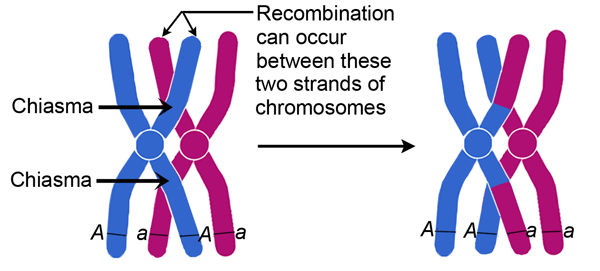
At the end of mitosis you have _____ cells
identical
different
identical twins
variety
ATG TGA CAG
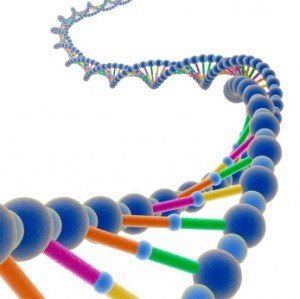

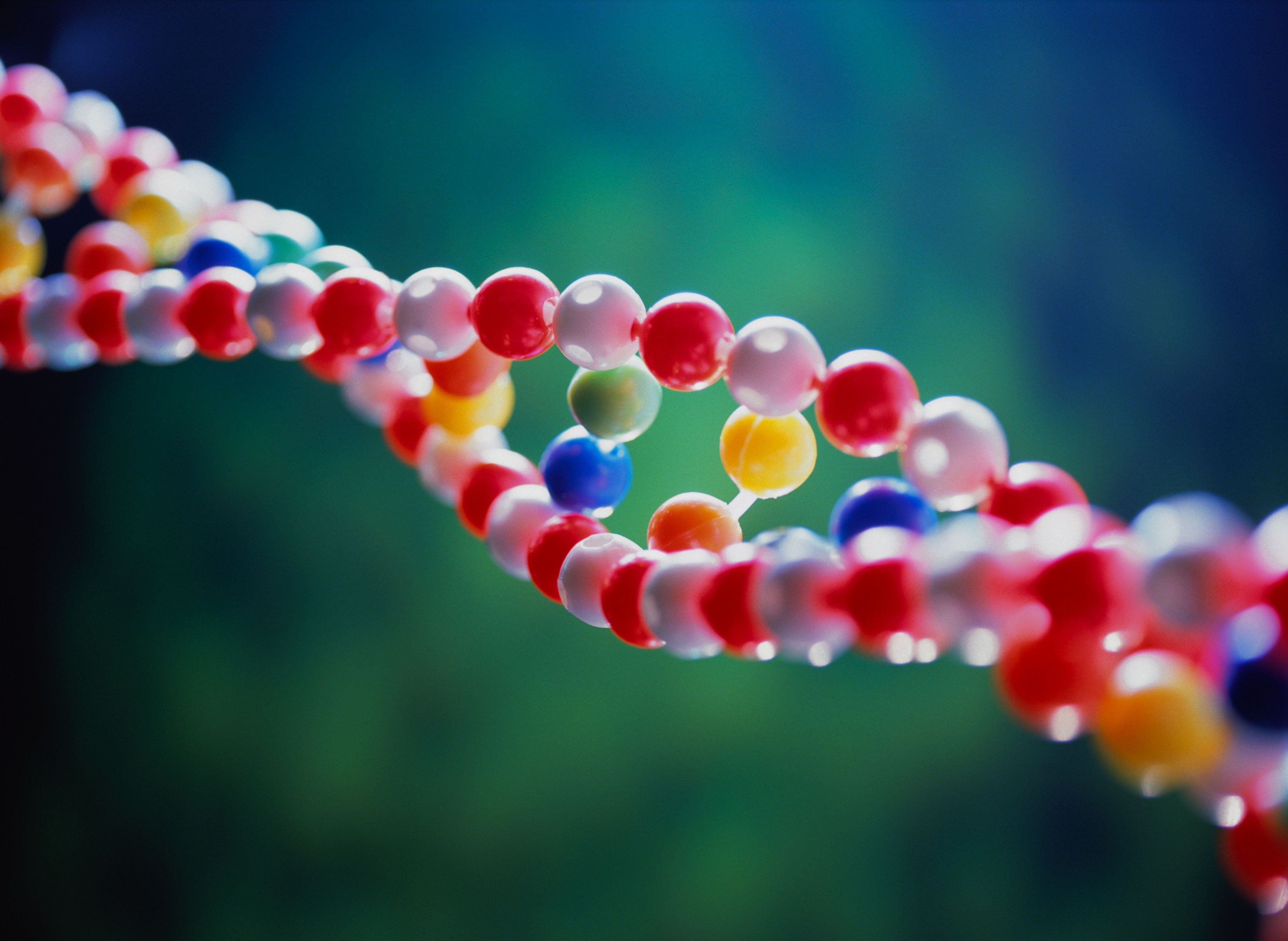
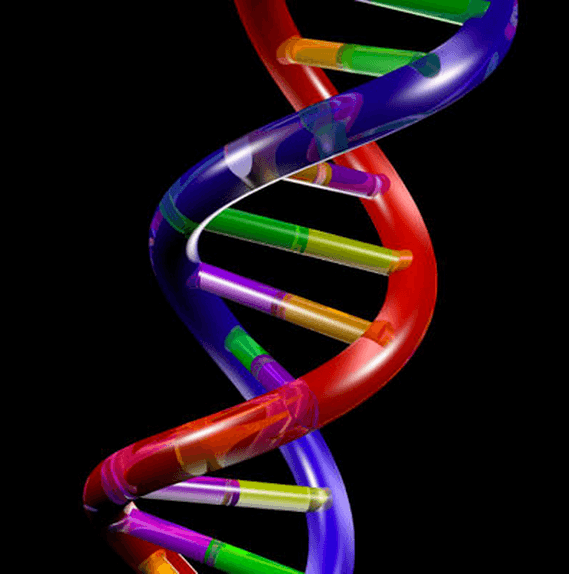
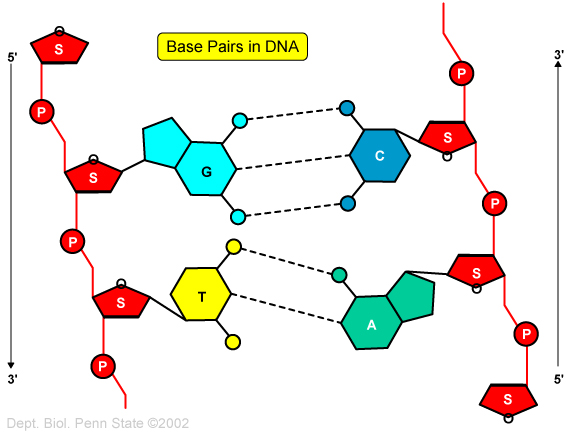

The nucleus contains DNA. Which statement BEST describes how DNA controls the working of the cell?
It codes for proteins.
It inhibits division of cells.
It helps in energy transformation.
It regulates traffic in and out of the cell.
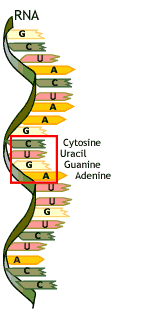
GTAGTCA
TGGCAAGTACGT
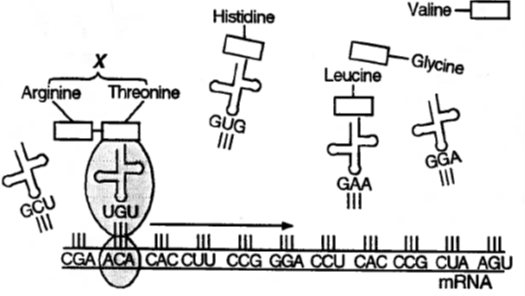


75% purple, 25% white


(E= 3 eyes, e= 1 eye)


