wayground logo

Free Printable Worksheets

Font size

S
M
L
XL
Worksheets

Midterm Review

Total questions: 119

Worksheet time: 2hrs 1mins
Name
Class
Date
1.
What happens in ALL chemical changes?
a)
Change in state of matter
b)
A new substance is formed
c)
Bubbles are produced
d)
An explosion
2.
Is wood burning a physical or chemical change?
a)
Physical 
b)
Chemical
3.
Is sharpening a pencil a physical or chemical change?
a)
Physical 
b)
Chemical
4.
Which of the following is a reactant
a)
CH4
b)
H2O
c)
CO2
d)
2H2O
5.
In an exothermic reaction, energy is _________.
a)
Released
b)
Absorbed
c)
Stored
d)
Doubled
6.
During Photosynthesis energy is absorbed. What kind of reaction is it?
a)
Physical
b)
Exothermic
c)
Endothermic
d)
Photothermic
7.
In a chemical reaction, how do the reactants compare to the products?
a)
They are the same
b)
They are different
8.
Freezing Juice?
a)
Physical Change
b)
Chemical Change
9.
Melting a chocolate bar?
a)
Physical Change
b)
Chemical Change 
10.
Which of the following is the correct equation for PHOTOSYNTHESIS?
a)
CO+ light + H2O --> O+ Sugar
b)
CO+ sugar + H2O --> O+ light
c)
O2 + light + H2O --> CO+ Sugar
d)
CO+ O2 + H2O --> Light+ Sugar
11.
Which organelle performs PHOTOSYNTHESIS?
a)
Chloroplast
b)
Mitochondria
12.
What process occurs when light energy is captured in autotrophs and converted into sugar?
a)
Photosynthesis
b)
Cellular Respiration
13.
What is the ultimate ORIGINAL source of energy for living things
a)
Sugar
b)
Sun
c)
Moon
d)
Carbon Dioxide
14.
What is the pigment in chloroplasts that performs photosynthesis?
a)
Chlorosynthesis
b)
Chlorophyll
c)
ADP
d)
Electron Transport
15.
Which gas is removed from the atmosphere during photosynthesis?
a)
hydrogen
b)
oxygen
c)
nitrogen
d)
carbon dioxide
16.
What are the products of photosynthesis?
a)
water and carbon dioxide
b)
oxygen and glucose
c)
oxygen and carbon dioxide
d)
oxygen and water
17.
Plants need ________ for photosynthesis
a)
oxygen
b)
soil
c)
carbon dioxide
d)
sugar
18.
What is photosynthesis?
a)
The process in which humans eat their food
b)
When a photographer takes a photo.
c)
To get your pictures from the photo lab.
d)
The process in which plants make their food.
19.
Chloroplasts are...
a)
Structures of animal cells to produce ATP
b)
Organelles where lipids are elaborated
c)
Specialized structures of plants where food is made
d)
Waste organelle of plants
20.
Which organelle from the plant cell is primarily responsible for converting sunlight to energy?
a)
Mitochonria
b)
Nucleus
c)
Vacuole
d)
Chloroplast
21.
All living things do which of the following?
a)
Chemosynthesis
b)
Respiration
c)
photosynthesis
d)
all of the answers
22.
What is one of the reactants of cellular respiration?
a)
energy
b)
glucose
c)
carbon dioxide
d)
water
23.
In which way are photosynthesis and cellular respiration different?
a)
Cellular respiration stores ATP, while photosynthesis releases ATP.
b)
Cellular respiration produces oxygen, while photosynthesis uses oxygen.
c)
Photosynthesis releases energy, while cellular respiration stores energy.
d)
Photosynthesis used carbon dioxide, while cellular respiration produces carbon dioxide.
24.
What is the correct equation for cellular respiration?
a)
6O2 + C6H12O6 -> 6CO2 + 6H2O + Energy
b)
6O2 + C6H12O6 + Energy -> 6CO2 + 6H2O
c)
6CO2 + 6H2O -> 6O2 + C6H12O6 + Energy
d)
6CO2 + 6H2O + Energy -> 6O2 + C6H12O6
25.
Cellular Respiration's goal is to
a)
make water
b)
make ATP
c)
make glucose
d)
make  oxygen
26.
What is cellular respiration?
a)
the breakdown of glucose  to release ATP
b)
the breakdown of glucose to release NADH
c)
the breakdown of glucose to release FADH
d)
the breakdown of glucose to release carbon
27.
Where does aerobic respiration occur?
a)
glucose molecule
b)
mitochondria
c)
cytoplasm
d)
chloroplast
28.
Which statement about photosynthesis is correct?
a)
Plants get the energy they need for photosynthesis from water.
b)
Plants get the energy they need for photosynthesis from soil.
c)
Plants get the energy they need for photosynthesis from sunlight.
d)
Plants do not require energy to perform photosynthesis.
29.
What are the reactants (what's needed) for photosynthesis?
a)
glucose and oxygen
b)
light, water, and carbon dioxide
30.
What gas is released by plants during photosynthesis?
a)
sulfur
b)
carbon dioxide
c)
oxygen
d)
hydrogen
31.
What is the purpose of photosynthesis?
a)
make glucose
b)
make ATP
c)
make light
d)
release carbon dioxide
32.
What is one of the reactants of cellular respiration?
a)
energy
b)
glucose
c)
carbon dioxide
d)
water
33.
Energy of motion is which type of energy?
a)
Potential
b)
Kinetic
c)
Sound
d)
Gravitational
34.
When plants convert the sun's energy into food, which type of energy is it?
a)
kinetic
b)
chemical
c)
thermal
d)
radiant
35.
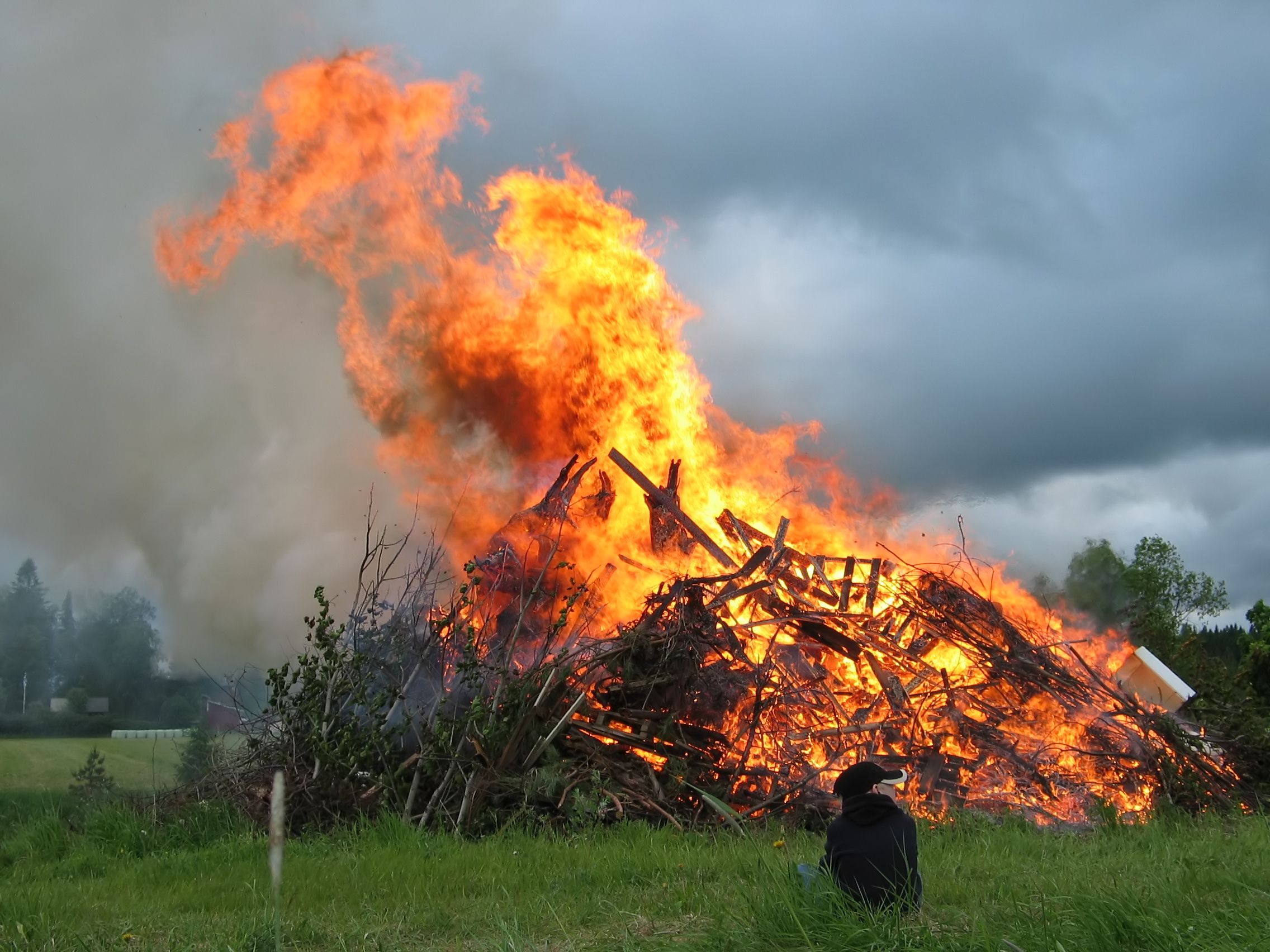
What kind of energy is represented in this picture?
a)
Thermal
b)
Potential
c)
Nuclear
d)
Mechanical
36.
What kind of energy does this device use?
a)
Chemical
b)
Electrical
c)
Thermal
d)
Chemical
37.
What kind of energy is represented in the picture?
a)
Thermal
b)
Chemical
c)
Sound
d)
Nuclear
38.
A battery converts what type of energy to another?
a)
sound to kinetic
b)
light to heat
c)
mechanical to electrical
d)
chemical to electrical
39.
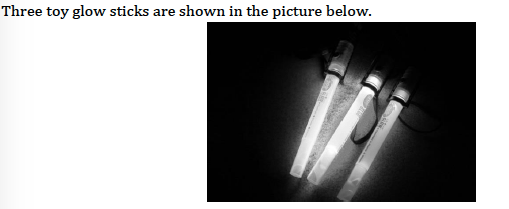
The glow sticks produce light for a short amount of time. The light from the glow stick is a conversion from what to what?
a)
thermal to light
b)
gravitational to potential
c)
radiant to electrical
d)
chemical to light
40.
Work is:
a)
A transfer of energy by a force to move and object
b)
Something you get paid for
c)
Something you take home
d)
Makes you sweat
41.
What machine changes electrical energy into light and sound energy?
a)
battery
b)
lightbulb
c)
alarm clock
d)
apple
42.
On a roller coaster, where is maximum potential energy?
a)
At the bottom of a big hill
b)
When going around a corner
c)
When going upside down
d)
At the top of a big hill
43.
On a roller coaster, where is maximum kinetic energy?
a)
At the bottom of a big hill
b)
When going around a corner
c)
When going upside down
d)
At the top of a big hill
44.
Energy caused by the movement in the particles of matter. It is a form of kinetic energy.
a)
Nuclear energy
b)
Sound energy
c)
Light energy
d)
Thermal energy
45.
The purpose of the panels is to change solar energy into ____________.
a)
light energy
b)
electrical energy
c)
chemical energy
d)
mechanical energy
46.
A rock at the edge of a cliff.
a)
Potential
b)
Kinetic
47.
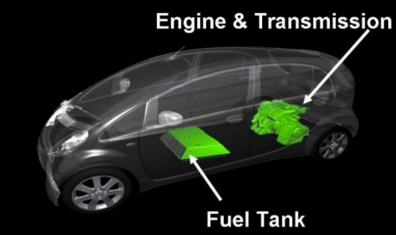
Gasoline in a car tank (car is not on).
a)
Potential
b)
Kinetic
48.
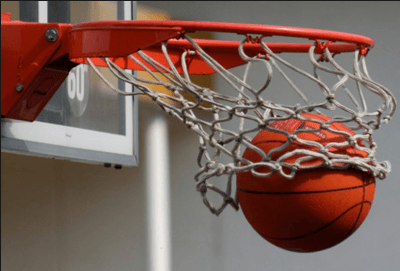
A basketball passing through the hoop.
a)
Potential
b)
Kinetic
49.
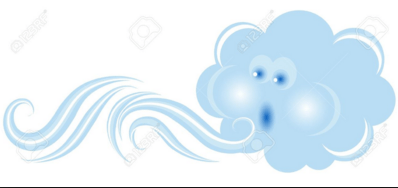
Blowing wind.
a)
Potential
b)
Kinetic
50.
In an endothermic reaction, heat is ,,,
a)
taken in
b)
given out
51.
In an exothermic reaction, heat is ...
a)
taken in
b)
given out
52.
What type of reaction occurs in a hand warmer
a)
exothermic
b)
endothermic
53.
If a chemical reaction is EXOTHERMIC, the temperature would....
a)
Stay the same
b)
Increase
c)
Decrease
54.
When iron nails get rusty, heat is released.  What process is this?
a)
Exothermic
b)
Endothermic
55.
In an endothermic reaction the system is releasing energy.
a)
True
b)
False
56.
Is the combustion of gasoline endothermic or exothermic?
a)
Endothermic
b)
Exothermic
57.
All the living parts of an ecosystem
a)
biotic
b)
abiotic
c)
cell
d)
atom
58.
All of the non-living parts of an ecosystem
a)
abiotic
b)
biotic
c)
population
d)
community
59.
Is sunlight a biotic or abiotic factor?
a)
biotic
b)
abiotic
60.
Consumers that get the energy they need by breaking down dead or decaying matter
a)
decomposers
b)
omnivores 
c)
predators
d)
herbivores
61.
A series of plants and animals in which each organism is a source of food for the next in the series
a)
food web
b)
food chain
c)
food circle
d)
predator
62.
Interconnected food chains
a)
food web
b)
community
c)
predator
d)
ecosystem
63.
Animals that hunt and kill other animals for food
a)
predator
b)
prey
c)
parasite
d)
host
64.
Animals that are hunted and killed as food for other animals
a)
prey
b)
predator
c)
host
d)
parasite
65.
An organism that spends a significant portion of its life in or on a living host
a)
predator
b)
prey
c)
host
d)
parasite
66.
A relationship between two organisms in which one organism benefits and the other is unharmed...
a)
Mutualism 
b)
Competition
c)
Parasitsm 
d)
Commensalism 
67.
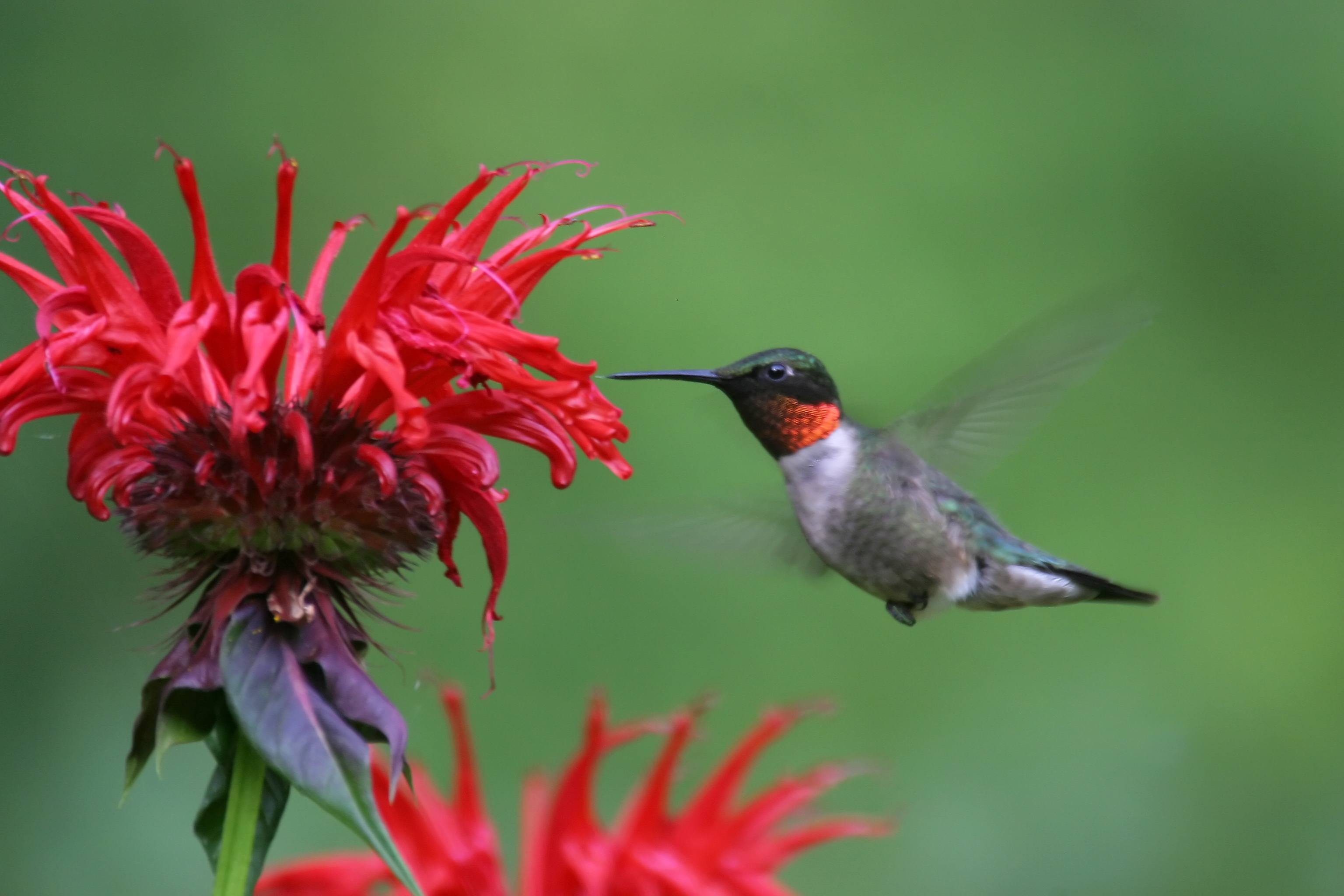
What type of symbiosis?  Hummingbirds feed on nectar from flowers.  The flowers are pollinated by hummingbirds as they move from flower to flower.
a)
commensalism
b)
mutualism
c)
parasitism
d)
predation
68.
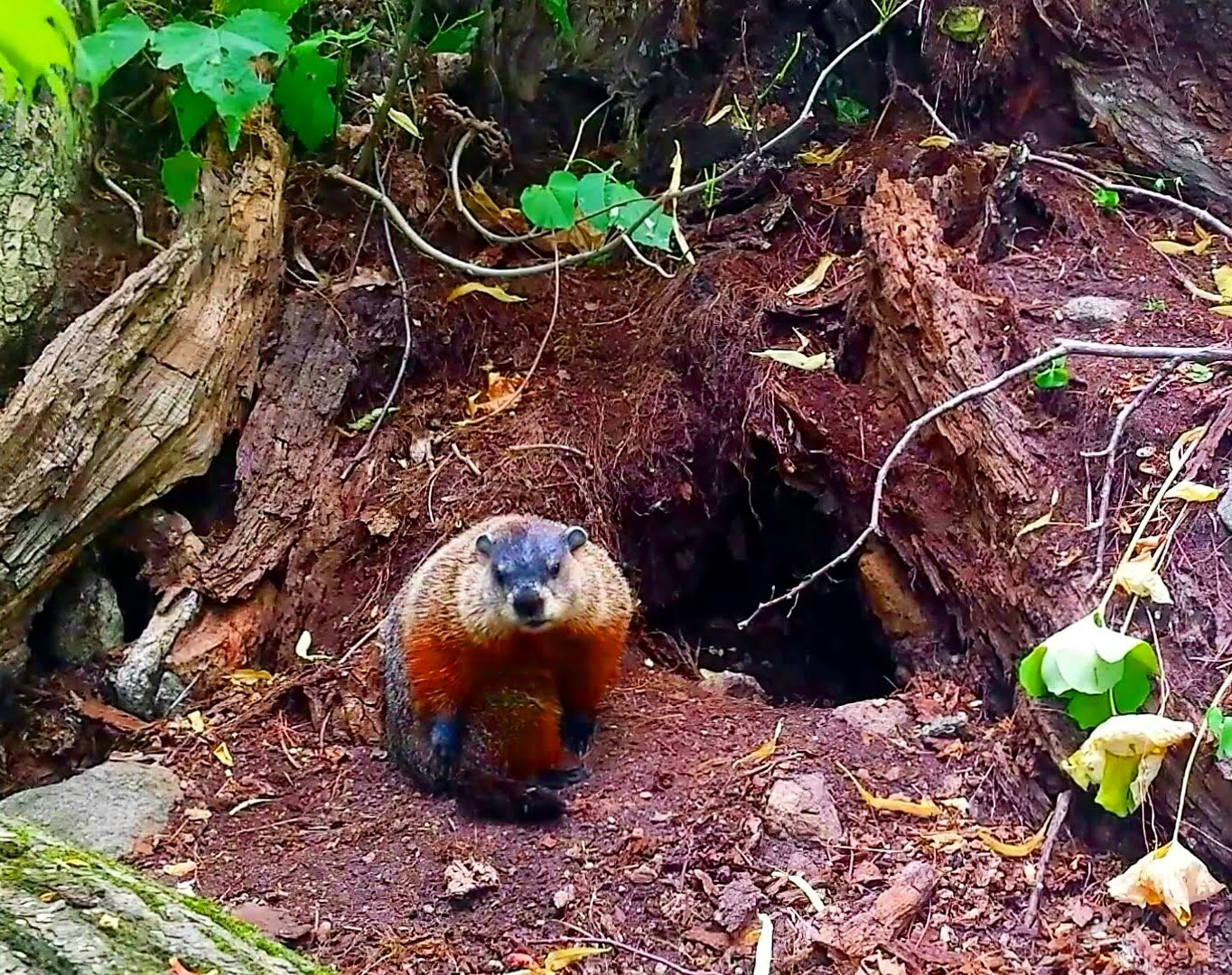
What type of symbiosis?  Skunks often live in burrows that have been dug and abandoned by woodchucks.  
a)
commensalism
b)
mutualism
c)
parasitism
d)
predation
69.
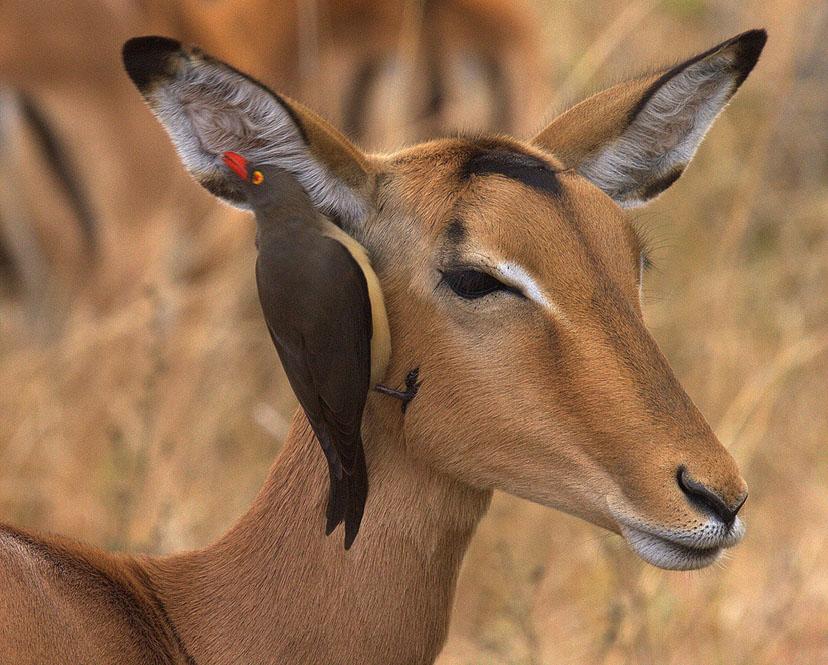
Red-billed oxpeckers are birds that often feed on parasites that infest impala.  This is an example of _______.
a)
commensalism
b)
mutualism
c)
neutralism
d)
competition
70.
A relationship between two organisms in which both organisms benefit. 
a)
Mutualism 
b)
Competition
c)
Parasitsm 
d)
Commensalism 
71.
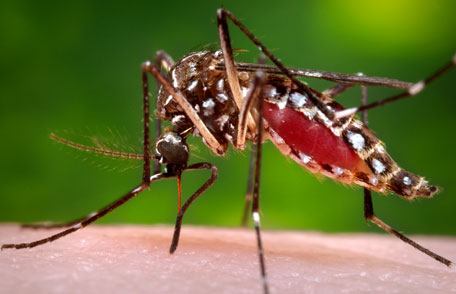
When a mosquito bites you, you are the __________ and the mosquito is the  ____________.
a)
host, hostess
b)
parasite, host
c)
host, parasite
d)
prey, predator
72.

Aphids are tiny insects that live on and eat the leaves of plants, removing vital nutrients from the plants.

a)

Predation

b)

Parasitism

c)

Commensalism

d)

Mutualism

73.
What is commensalism?
a)
a symbiosis where one species is helped and the other is harmed
b)
a symbiosis where one species is helped and the other is neither helped nor harmed
c)
a symbiosis where both species are helped
d)
a symbiosis between 2 or more organisms
74.
What does a food web represent?
a)
All connections of energy flow throughout all organisms in a habitat.
b)
The specific ways that mutualism is carried out.
c)
A single pathway or energy flow between organisms. 
d)
How carnivores get their food. 
75.
Does the type of gasoline put in a car affect how fast the car can drive? What is the independent variable?
a)
Type of gasoline
b)
which car the gas is put into
c)
how fast the car can drive
d)
how much gas is put into the car
76.
Which shape of paper airplane goes furthest? What would the INDEPENDENT variable be?
a)
the paper used
b)
the shape paper airplane
c)
the distance of each plane's flight
d)
how hard the plane is thrown
77.
A student hypothesized that robins prefer large birdhouses to small ones. He build four birdhouses of different sizes to test his hypothesis. What was the independent variable?
a)
The size of the birdhouse
b)
The number of birds in the house
c)
The location of the birdhouse
d)
The season of the year
78.
A group of middle school students were given a short course in speed reading.  The teacher was curious of money could influence their performance on a test taken at the end of the course.  Half the students were offered $5 for a getting a certain percentage better at speed reading, the other half was offered no money.  Which is the dependent variable?
a)
Students being offered money or not.
b)
Their test  scores.
c)
Their age in school years.
d)
The length of the course.
79.
Ramone wants to know: does the distance a person kicks a soccer ball effect how well they will do on their math test.  What is the dependent variable?
a)
How far they kick the soccer ball
b)
who the person is
c)
how well they do on the math test
d)
Type of soccer ball.
80.
The things that are kept the same to ensure the results are due to the experiment is called..
a)
Control
b)
Constant
c)
Independent Variable
d)
Dependent Variable
81.
The variable the is changed on purpose is..
a)
Constant
b)
Control
c)
Independent Variable
d)
Dependent Variable
82.
The variable that is being tested, counted, or measured and is responding to the independent variable is known as 
a)
Control
b)
Constant
c)
Independent Variable
d)
Dependent Variable
83.

Mrs. Brownlee wants to see if studying time affects test scores...She gives all 6 classes the same assignment but assigns different study times. What is the independent variable?

a)

Study time

b)

Test score

c)

Same assignment

84.

Mrs. Brownlee wants to see if studying time affects test scores...She gives all 6 classes the same assignment but assigns different study times. What is the dependent variable?

a)

Study time

b)

Test Score

c)

Same Assignment

85.
At higher temperatures
a)
particles in an object have less energy
b)
particles in an object move faster
c)
a gas contracts
86.
Freezing
a)
Solid to gas
b)
Liquid to solid
c)
Gas to solid
d)
Liquid to gas
87.
Boiling
a)
liquid to gas
b)
gas to solid
c)
gas to liquid
d)
solid to liquid
88.
The speed of the molecules determines the _____.
a)
volume
b)
density
c)
pressure
d)
temperature
89.
What is condensation?
a)
gas to solid
b)
gas to liquid
c)
liquid to solid 
d)
solid to liquid 
90.
A chemical change
a)
doesn't really change much.
b)
creates a new substance
c)
is a change in the state of matter
91.
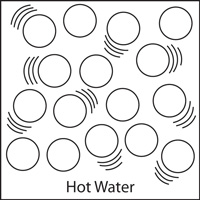
Food coloring spreads out faster in hot water than in cold water. This is mainly because:
a)
The water molecules in hot water move more quickly
b)
The molecules in hot water are larger
c)
The food coloring molecules are small
d)
Hot water is less dense
92.
When a thermometer is cooled, the red liquid inside the thermometer moves down. This is mainly because:
a)
Cold liquids sink 
b)
The glass of the thermometer gets cold 
c)
The molecules of the liquid move slower and get a little closer together 
d)
The red liquid is thick 
93.
When you bring two drops of water near each other and allow them to touch, they combine immediately and become one drop. This is mainly because:
a)
Water molecules are made of atoms
b)
Water molecules are attracted to each other
c)
Water molecules are magnetic
d)
Water is a liquid
94.
Any sample of matter has mass and takes up space. The main reason for this is because...
a)
All matter is heavy
b)
Matter can be a gas
c)
Matter is made up of tiny particles that have mass and take up space
d)
The Earth is made of matter. 
95.

Which of the following describes what happens as a substance changes state?

a)

the type of molecules change

b)

the mass of the molecules change

c)

the shape of the molecules change

d)

the attraction between molecules change

96.

Thermal energy is the measure of

a)

the motion of the atoms and molecules

b)

the shape of the atoms and molecules

c)

the size of the atoms and molecules

d)

the mass of the atoms and molecules

97.
As molecule or particle motion increases, the space between molecules
a)
decreases
b)
increases
c)
stays the same
98.
Heating a substance___________ molecule motion. 
a)
increases
b)
does not affect
c)
decreases
99.
In the process of conduction
a)
Energy is transferred from a lower temperature substance to a higher temperature substance
b)
Energy is transferred from a higher temperature substance to a lower temperature substance
c)
Both substances get hotter
100.
What part of the water cycle does this picture show?
a)
condensation
b)
precipitation
c)
evaporation
101.
What is it called when plants give off water vapor as a waste product?
a)
condensation
b)
evaporation
c)
sublimation
d)
transpiration
102.
Which liquid is the least dense?
a)
oil
b)
water
c)
syrup 
d)
plastic bottle
103.
Why do objects sink or float in H2O
a)
Because their densities are higher or lower than compared to water
b)
Because their densities are using gravity to pull down
c)
Because their densities are heavier or lighter
d)
Because their mass and volumes are equal 
104.
Define the term "mass".
a)
Mass/Volume
b)
Anything that has mass and takes up space 
c)
The amount of space an object occupies.
d)
The amount of matter in an object.
105.
Put the liquids in order from most dense to least dense?
a)
4, 3, 2, 1
b)
1, 2, 3, 4
c)
3, 4, 2, 1, 
d)
4, 3, 1, 2
106.
What two elements make up water?
a)
Helium and oxygen
b)
Hydrogen and oxygen
c)
helium and carbon
d)
oxygen and carbon
107.
The attraction that causes water and other liquids to form drops on thin films is called ________________. This is also water’s ability to be attracted to other water molecules.
a)
adhesion
b)
capillary action
c)
cohesion
d)
surface tension
108.
tendency of molecules of the same kind to stick to one another
a)
cohesion
b)
adhesion
c)
solution
d)
polar molecule
109.
Why does ice float?
a)
As water freezes, it expands and its density decreases.
b)
As water freezes, it takes up more hydrogen from the atmosphere, causing it to have a greater buoyancy.
c)
As water freezes, air becomes trapped between the hydrogen bonds of water molecules.
d)
As water freezes, it takes up more oxygen from the atmosphere, causing it to have a greater buoyancy.
110.
Water droplets take a spherical shape (as pictured) because of ____________
a)
adhesion
b)
cohesion
c)
capillary action
d)
solubility
111.
A general definition of cohesion is the attraction of:
a)
particles of the same substance
b)
particles of a different substance
c)
particles of both the same and different substances
d)
particles of neither the same or different substances
112.
Why does water move from the roots to the leaves of plants?
a)
Water is pushed by solutes
b)
Capillary action pulls the water molecules like a chain
c)
Water is pulled by gravity
d)
Water’s cohesion causes it to “pull” towards the leaves
113.
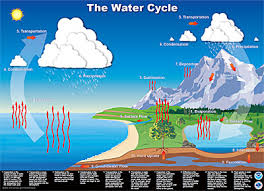
What is the energy source for the water cycle?
a)
the sun
b)
the earth
c)
water
d)
the moon
114.
Which of these is an example of precipitation?
a)
snow
b)
air
c)
clouds
d)
vapor
115.
When water _________, dew forms.
a)
Melts
b)
Evaporates
c)
Condenses
d)
Precipitates
116.
What is the water cycle?
a)
the 3 forms of water
b)
the movement of water on, above, or below the surface of the Earth
c)
when water melts
d)
when clouds form
117.
Which stages does liquid water from the ocean turn into water vapor?
a)
condesantion
b)
evaporation
c)
precipitation
d)
run off
118.
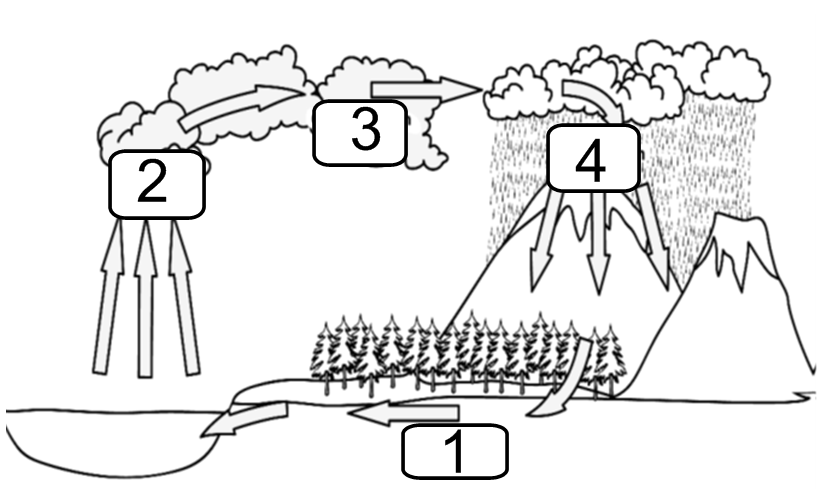
Which stage does the #2 show in the diagram?
a)
condensation
b)
evaporation
c)
precipitation
d)
run off
119.
On which kind of day would you expect the most evaporation from the surface of a  pond?
a)
sunny and hot
b)
sunny and cold
c)
rainy and hot
d)
rainy and cold