wayground logo

Free Printable Worksheets

NEW

Font size

S
M
L
XL
Worksheets

11Reg SBQ - mixtures, solubility concentration, colligative prop

Total questions: 72

Worksheet time: 1hrs 25mins

Name
Class
Date
1.

Which is molarity?

a)

(mol solute) / (L solution)

b)

(mol solute) / (L solvent)

c)

(mol solute) / (kg solution)

d)

(mol solute) / (kg solvent)

e)

(mol solvent) / (L solution)

2.

Which is molality?

a)

(mol solute) / (L solution)

b)

(mol solute) / (L solvent)

c)

(mol solute) / (kg solution)

d)

(mol solute) / (kg solvent)

e)

(mol solvent) / (L solution)

3.

A solution is prepared by dissolving 42.9 g of of calcium sulfite in 1.3 kg of H2O. What is the concentration in percent by mass?

a)

3.2%

b)

3.3%

c)

3.0%

d)

0.033%

e)

0.032%

4.
Unit for concentration.  moles of solute / kg of solvent
a)
Molality
b)
Molarity
c)
Mass percent
d)
Mole fraction
5.
Unit for concentration.  moles of solute / Liters of solution
a)
Molality
b)
Molarity
c)
Mass percent
d)
Mole fraction
6.
Unit for concentration.  moles of solute / (mol solute + mol solvent)
a)
Molality
b)
Molarity
c)
Mass percent
d)
Mole fraction
7.

What is the molarity of 2000 mL of solution in which 2.0 moles of sodium bromide is dissolved?

a)

0.001 M

b)

1.0 M

c)

2.0 M

d)

4.0 M

8.
A mixture with a little solute dissolved in solvent is 
a)
dilute
b)
concentrated
c)
saturated
9.
When a solution is very concentrated, it has a high amount of _________ for a given amount of _________.
a)
solute to solvent
b)
solvent to solute
c)
solvent to solution
d)
solution to solute
10.
How many moles of Na2SO4 is needed to make 2.5 L of 2.0 M solution?
a)
5 moles
b)
1 moles
c)
1.25 moles
d)
0.80 moles
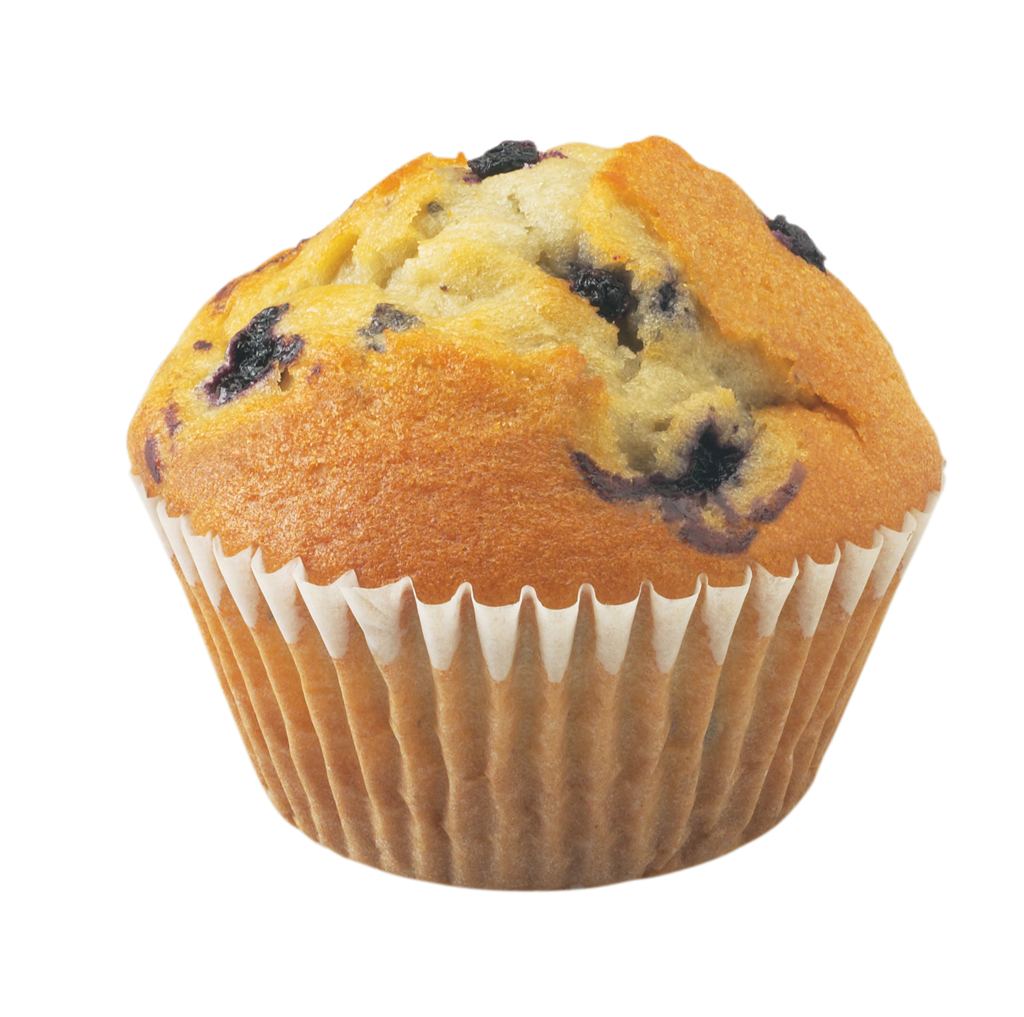
11.
 blue berry muffin
a)
heterogeneous mixture
b)
homogeneous mixture
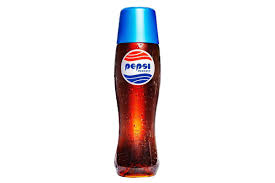
12.

unopened soda

a)

Heterogeneous mixture

b)

homogeneous mixture

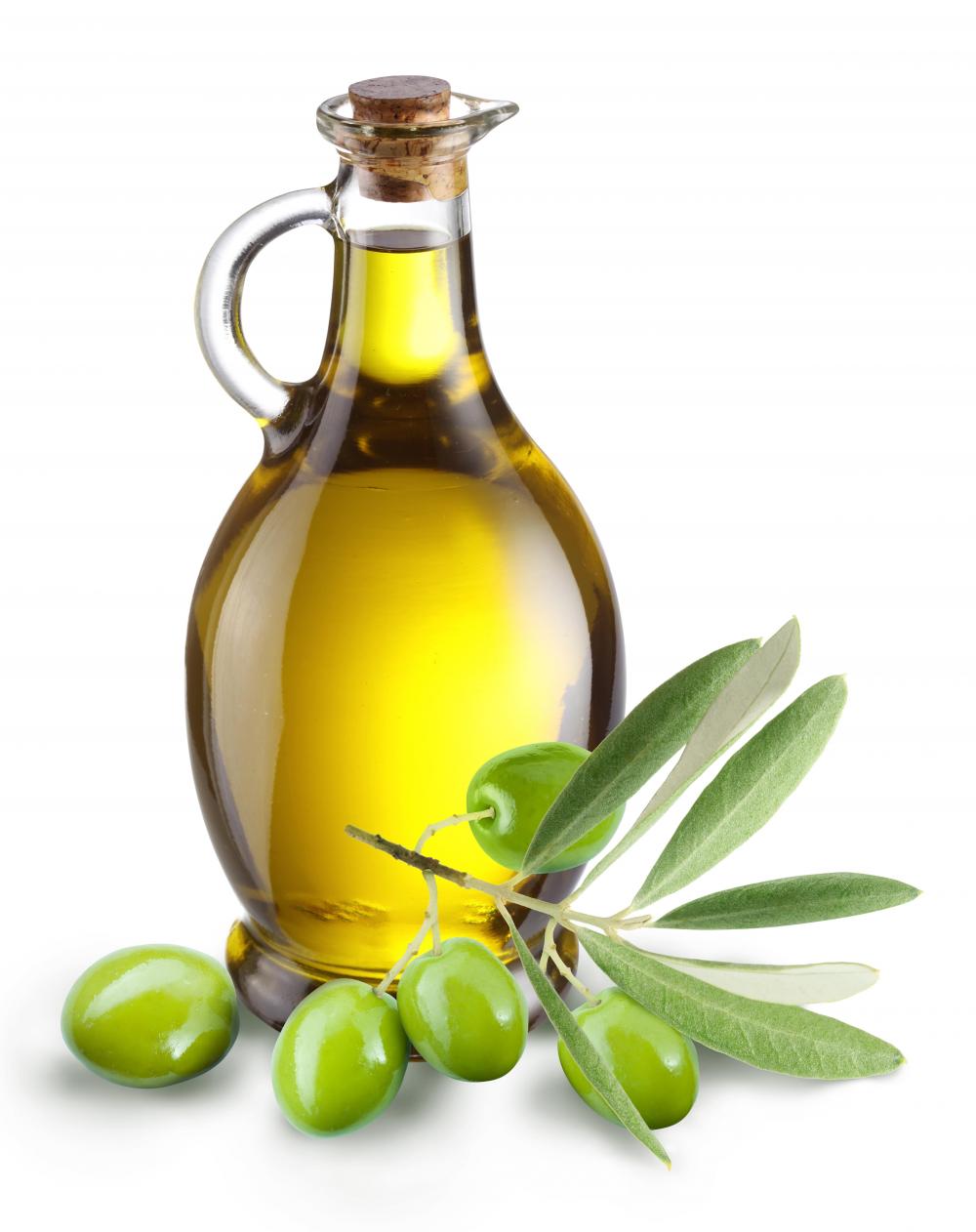
13.
Olive Oil
a)
Heterogeneous  mixture
b)
Homogeneous mixture
14.
If they are not the same throughout, they are called...
a)
Homogeneous
b)
Heterogeneous
c)
Compounds
d)
Pure substance
15.
Sugar water
a)
Heterogeneous
b)
Homogeneous
16.
Stainless steel
a)
Heterogeneous
b)
Homogeneous
17.
A mixture that is evenly distributed is called ...
a)
Heterozygous
b)
Heterogenous
c)
Homogenous
d)
Periodic
18.
Which of the following will separate upon standing?
a)
solution
b)
colloid
c)
suspension
d)
homogeneous mixture
19.
Which of the following will scatter light (show the Tyndall effect)?
a)
colloid
b)
solution
20.
Which of the following mixtures cannot be separated by filtration?
a)
colloid only
b)
solution only
c)
colloid and solution
d)
suspension only
21.
What is the definition of a solution?
a)
heterogeneous mixtures
b)
homogeneous mixtures 
22.
Which is the most plentiful substance in a solution
a)
solute
b)
solvent 
23.
What is a solute?
a)
The substance that does the dissolving in a solution.
b)
The substance that is dissolved into the solution.
c)
The mixing of different substances.
d)
The process in which neutral molecules lose or gain electrons
24.
What is a solvent?
a)
The substance that does the dissolving in a solution.
b)
The substance that is being dissolved in a solution.
c)
The mixing of different substances.
d)
The process in which neutral molecules lose or gain electrons
25.
What is the Tyndall effect? 
a)
the effect of light scattering in colloidal dispersion, while showing no light in a true solution
b)
something that is unwilling to dissolve in a solution
c)
a type of heterogeneous mixture where solid particles do not dissolve in a liquid solution
d)
something that do not settle out of the mixture and cannot be seen.
26.
Oil molecules are nonpolar. What kind of solvent is required to remove an oil stain?
a)
saturated
b)
unsaturated
c)
polar
d)
nonpolar
27.
A solute that contains polar molecules will dissolve in a solvent that contains
a)
nonpolar molecules
b)
polar molecules
c)
covalent molecules
d)
equal-sized molecules
28.
The rule that refers to polar molecules dissolving polar and nonpolar dissolving nonpolar is 
a)
this dissolves that
b)
like dissolves like
c)
same dissolves same
d)
here dissolves there
29.
Which of the following is an electrolyte?
a)
CH4
b)
I2
c)
LiBr
d)
CO
30.
An electrolyte is a substance which dissolves in water to give a solution which conducts electric current
a)
True
b)
False
31.
Define solubility
a)
The maximum amount of solute that will dissolve in a given amount of solvent.
b)
A substance which dissolves into a solution.
c)
A substance which dissolves in water to give a solution which conducts electric current. 
32.
Miscible liquids are 
a)
two liquids which are soluble in each other in any proportion
b)
two liquids that can be separated but which separate shortly after
33.
Two liquids are likely to be miscible if they are
a)
both non-polar
b)
both polar
c)
one is polar and one is non-polar
d)
two of these are correct
34.
Which of these is a non-polar liquid?
a)
Gasoline
b)
toluene
c)
carbon tetrachloride
d)
all of these are non-polar
35.
Henry's Law describes the relationship between
a)
solubility of a gas and pressure of the gas
b)
solubility of a gas and temperature of the solution
c)
solubility of a solid and temperature
d)
solubility of a gas and surface area of the particles
36.
To make a supersaturated solution, first dissolve the solute in hot water and then slowly cool it.
a)
true
b)
false
37.
Which factor(s) would cause a high solubility of a gas in a liquid?
a)
low temperature, high pressure
b)
low temperature, low pressure
c)
high temperature, high pressure
d)
 high temperature, low pressure
38.
Why does higher surface area increase the rate of dissolution?
a)
because high surface area increases the number of collisions
b)
because bigger particles have higher surface area
39.
When you increase the temperature, the solubility of ____ (in liquids) increases.
a)
solids
b)
gases
c)
solids and gases
d)
neither solids nor gases
40.
Which interactions contribute to the enthalpy of solution, causing the dissolving process to release or absorb heat?
a)
solute - solute
b)
solvent - solvent
c)
solute - solvent
d)
all of these contribute to the enthalpy of solution
41.
Which process releases heat and causes the mixture to warm up?
a)
exothermic
b)
endothermic
42.
Which process absorbs heat and causes the mixture to cool off?
a)
exothermic
b)
endothermic
43.
Which of the following corresponds to a NEGATIVE enthalpy of solution?
a)
exothermic
b)
endothermic
44.
Which of the following corresponds to a POSITIVE enthalpy of solution?
a)
exothermic
b)
endothermic
45.
In which case is the energy needed to separate the solute and separate the solvent greater than the energy released when the solute and solvent mix?
a)
exothermic enthalpy of solution
b)
endothermic enthalpy of solution
46.
In which case is the energy needed to separate the solute and separate the solvent less than the energy released when the solute and solvent mix?
a)
exothermic enthalpy of solution
b)
endothermic enthalpy of solution
47.
If the partial pressure of a gas is decreased by a factor of 5, then the solubility of the gas ____ by a factor of ___ . 
a)
decreases, 5
b)
increases, 5
48.
Which of the following factors affects the rate at which a solid solute dissolves in a liquid?
a)
solute surface area
b)
agitation (stirring)
c)
temperature
d)
all of these
49.
Which of the following terms describes a solution in which more solute can be dissolved?
a)
saturated
b)
unsaturated
c)
supersaturated
50.
How can you tell if a solution is saturated?
a)
when solid solute is in contact with the solution
b)
when more solute can be added
c)
when there is more than the maximum amount of solute dissolved
d)
when the temperature is low
51.
The solutes represented by the solubility graph are probably
a)
solids 
b)
liquids
c)
it is impossible to know
52.
80 g of solute X dissolved in 100g of water at 40° C represents what type of solution?
a)
unsaturated
b)
saturated
c)
supersaturated
53.
Which solute has the highest solubility at 50°C?
a)
X
b)
Y
c)
Z
d)
M
54.
Points along the lines of this graph represent the conditions describing a 
a)
saturated solution
b)
unsaturated solution
c)
supersaturated solution
55.
Points above the lines of this graph represent the conditions describing a 
a)
saturated solution
b)
unsaturated solution
c)
supersaturated solution
56.
What is the molarity of 4 g of NaCl (MM=58.45) in 3,800 mL of solution?
a)
0.018 M
b)
0.0011 M
c)
1.052 M
d)
0.062 M
57.
Calculate the molarity of the following solution:  1.0 mole of KCl in 750.0 mL of solution.
a)
0.750 M
b)
99 M
c)
1.3 M
d)
2.0 M
58.
What is the mole fraction of ethanol when 0.504 mol of ethanol are mixed with 4.06 mol of water?
a)
0.110
b)
0.124
c)
0.097
59.
Which concentration unit(s) would change when you change the temperature?
a)
Molarity
b)
Molality
c)
Both Molarity and Molality
d)
Neither Molarity nor Molality
60.
What is the molality of 1.2 g of HCl in 750 g of solution?
a)
0.04 m
b)
0.00004 m
c)
0.0016 m
61.
You have 125 g of potassium sulfate in 325.6 g of water.  What is the mass percent of your solution?
a)
27.7 %
b)
38.4 %
c)
0.277 %
d)
0.384 %
62.
What is the percent by volume when I mix 5.7 mL of ethanol with 87.2 mL of water?
a)
6.1 %
b)
6.5 %
c)
93.9 %
d)
0.061 %
63.
Colligative properties depend on the _____ of solute particles in solution.
a)
type
b)
number
c)
pH
d)
nature
64.
The freezing point of a solution is ____ the freezing point of the pure solvent.
a)
the same as
b)
lower than
c)
higher than
d)
no relation to
65.
The boiling point of a solution is ______ the boiling point of the pure solvent.
a)
higher than
b)
the same as
c)
lower than
d)
higher or lower than
66.

What is the freezing point of an antifreeze solution created by adding 651 g of ethylene glycol (CH2(OH)CH2(OH)) (Molar Mass is 62 g/mol) to 2505 g of water? Kf = 1.86 oC/m

a)

-4.19 oC

b)

-2.2 oC

c)

0 oC

d)

-7.80 oC

e)

7.80 oC

67.

What mass of Na2CO3 (MM = 105.99) must be added to 500 g of distilled water to depress the freezing point to -1.200C? (Kf = 1.86 0C kg/mol)

a)

11.4 g Na2CO3

b)

34.2 g Na2CO3

c)

34,190 g Na2CO3

d)

103 g g Na2CO3

68.

56.33 g of a non-electrolyte (covalent) solute are dissolved in 155 g of water. The solution boils at 104.00C. What is the molar mass of the solute? (Kb = 0.512 0C kg/mol)

a)

67.33 g/mole

b)

93.77 g/mole

c)

46.55 g/mole

d)

25.61 g/mole

69.

I have solutions of each of the following. The molality of each is 1.5 m. Which will have the highest boiling point?

a)

CH3OH

b)

KCl

c)

NaOH

d)

FeCl3

e)

Na2SO4

70.

I have solutions of each of the following. The molality of each is 1.5 m. Which will have the lowest freezing point?

a)

CH3OH

b)

KCl

c)

NaOH

d)

FeCl3

e)

Na2SO4

71.

I have solutions of each of the following. The molality of each is 1.5 m. Which will have the highest vapor pressure?

a)

CH3OH

b)

KCl

c)

NaOH

d)

FeCl3

e)

Na2SO4

72.

I have solutions of each of the following. The molality of each is 1.5 m. Which will have the lowest vapor pressure?

a)

CH3OH

b)

KCl

c)

NaOH

d)

FeCl3

e)

Na2SO4