wayground logo

Free Printable Worksheets

Font size

S
M
L
XL
Worksheets

Human body Systems( All)

Total questions: 140

Worksheet time: 2hrs 52mins

Name
Class
Date
1.
Which system enables the body to move, moves food through the digestive system, and keeps the heart beating?
a)
skeletal 
b)
muscular
c)
digestive
d)
nervous
2.
Which system provides shape and support, enables you to move, protects your internal organs, and stores minerals?
a)
skeletal
b)
muscular
c)
digestive
d)
nervous
3.
Which system takes oxygen into the body and eliminates carbon dioxide?
a)
immune
b)
nervous
c)
respiratory
d)
circulatory
4.
Which system takes food into the body, breaks down food, and absorbs the digested materials?
a)
respiratory
b)
circulatory
c)
digestive
d)
excretory
5.
Which system is made of the smooth, skeletal, and cardiac muscles?
a)
skeletal
b)
muscular
c)
nervous
d)
excretory
6.
Which system detects information from the environment and directs the way your body responds to this information?
a)
excretory
b)
circulatory
c)
respiratory
d)
nervous
7.
Which system includes bones, cartilage, and ligaments?
a)
nervous
b)
muscular
c)
skeletal
d)
excretory
8.
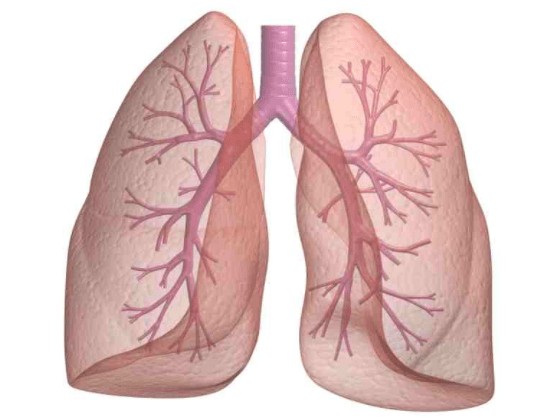
Which system includes the nose, trachea and the lungs?
a)
respiratory
b)
circulatory
c)
immune
d)
digestive
9.
Which system includes the mouth, esophagus, and the small and large intestines?
a)
nervous
b)
excretory
c)
respiratory
d)
digestive
10.
Which system fights disease?
a)
excretory
b)
nervous
c)
immune
d)
digestive
11.
Which system collects and removes wastes?
a)
Muscular
b)
Circulatory
c)
Digestive
d)
Excretory
12.
Which system carries needed materials to the body cells and carries wastes away from the body cells?
a)
Circulatory
b)
Digestive
c)
Nervous
d)
Excretory
13.
Which system includes the lymph, lymph nodes, white blood cells, T and B cells?
a)
Excretory
b)
Digestive
c)
Immune
d)
Nervous
14.
Which system includes the kidneys, ureters, urinary bladder, urethra, lungs and skin?
a)
digestive
b)
excretory
c)
circulatory
d)
muscular
15.
Which system includes the heart and blood vessels?
a)
respiratory
b)
circulatory
c)
nervous 
d)
skeletal
16.
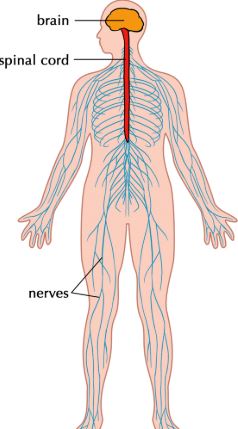
Which system includes the brain, spinal cord, eyes, ears, and skin?
a)
Muscular
b)
Nervous
c)
Respiratory
d)
Skeletal
17.

Which three body systems allow you to move?

a)

muscular, skeletal, digestive

b)

nervous, respiratory, digestive

c)

nervous, muscular, skeletal

d)

Muscular, skeletal, circulatory

18.
Which two body systems deliver oxygen to your cells and take away carbon dioxide?
a)
respiratory and nervous
b)
circulatory and nervous
c)
circulatory and excretory
d)
Respiratory and circulatory
19.
Which two body systems work together to break down food and get rid of wastes?
a)
digestive and excretory
b)
digestive and circulatory
c)
excretory and respiratory
d)
nervous and digestive
20.
What is the level o organization known as a group of cells that work together?
a)
cells
b)
organ system
c)
organ
d)
tissue
21.
Which example best shows structures that make up the digestive system in the human body?
a)
heart, blood, vessels
b)
nose, trachea, lungs
c)
brain, spinal cord, nerves
d)
esophagus, stomach, intestines
22.
Which characteristic do single-celled organisms and multicellular organisms have in common?
a)
Both have cells with specialized functions for each life process.
b)
Both perform all life processes within one cell.
c)
Both have a way to get rid of waste materials.
d)
Both are able to make food from sunlight.
23.
Which body system sends electrical signals to all other body systems?
a)
circulatory system
b)
nervous system
c)
digestive system
d)
skeletal system
24.
Which statement best describes a bacterial cell?
a)
It contains more than one cell.
b)
It is a complete organism.
c)
It is part of a larger organism.
d)
It contains different kinds of cells.
25.
Which system of the human body provides protection to most of the major organs?
a)
Nervous System
b)
Muscular System
c)
Skeletal System
d)
Circulatory System
26.
A scientist is trying to decide whether an organism is unicellular or multicellular.  Which information would help the scientist most to make her decision?
a)
size of the cells of the organism
b)
what the organism eats
c)
how many types of cells are in the organism
d)
how fast the organism grows
27.
Bone cells need nutrients. Which two systems get nutrients to bone cells?
a)
the digestive system and the circulatory system
b)
the circulatory system and the respiratory system
c)
the respiratory system and the skeletal system
d)
the skeletal system and the digestive system
28.
Which two human body systems are most responsible for getting oxygen to cells?
a)
digestive and skeletal
b)
skeletal and circulatory
c)
circulatory and respiratory
d)
respiratory and digestive
29.
Which best explains how the muscular system relies on the respiratory system?
a)
The respiratory system cools the muscular system.
b)
The respiratory system acts as the support system for the muscular system.
c)
The respiratory system brings oxygen into the body for the muscular system to use.
d)
The respiratory system provides nutrients for the body to use as fuel.
30.
Which best describes the relationship between the cardiovascular system and the muscular system?
a)
The cardiovascular system captures carbon dioxide from the air for muscle energy.
b)
The cardiovascular system produces red blood cells to bring oxygen to muscles.
c)
The cardiovascular system provides a framework for muscle movement.
d)
The cardiovascular system delivers oxygen for muscle energy.
31.
Which is responsible for providing oxygen to cells?
a)
skeletal
b)
nervous
c)
digestive
d)
cardiovascular
32.
Which best compares the respiratory system to the circulatory system?
a)
The respiratory system transports oxygen to cells, while the circulatory system provides oxygen for cells.
b)
The respiratory system provides oxygen for cells, while the circulatory system transports oxygen to cells.
c)
The respiratory system breaks down food for cell energy, while the circulatory system rids the body of waste.
d)
The respiratory system rids the body of waste, while the circulatory system breaks down food for cell energy.
33.
Which is an example of a function the muscular system performs?
a)
Voluntary muscles pump blood through the body.
b)
Skeletal muscles keep a body’s joints working properly.
c)
Cardiac muscles move bones and hold a body’s skeleton in place.
d)
Smooth muscles help move food through the organs they surround.
34.
How do the muscular and skeletal systems work together to help the body?
a)
they provide blood to the body
b)
They provide nutrients to the body.
c)
They provide structure and movement for the body.
d)
They provide oxygen and carbon dioxide to the body.
35.
How does the circulatory system work with the digestive system?
a)
Blood is used to build muscle strength.
b)
Food is broken down in the bloodstream
c)
Blood carries nutrients throughout the body.
d)
Food waste is filtered by the heart and blood vessels.
36.
Which best explains why both cats and humans are multicellular organisms?
a)
They get energy from many food sources.
b)
They get energy from a single food source
c)
They need only one cell to meet their basic needs.
d)
They need many cells working together to meet their basic needs.
37.
Which best describes a difference between single-celled organisms and multicellular organisms?
a)
Single-celled organisms are simple, while multicellular organisms are complex.
b)
Single-celled organisms have many functions, while multicellular organisms have one function.
c)
Single-celled organisms can live without water, while multicellular organisms cannot live without water.
d)
Single-celled organisms can only be found in one specific environment, while multicellular organisms can be found anywhere on Earth.
38.
Which body systems work together to allow the body to move?
a)
nervous and skeletal
b)
muscular and skeletal
c)
nervous and circulatory
d)
muscular and circulatory
39.
How does the muscular system depend on the nervous system?
a)
The nervous system transports blood to the muscles.
b)
The nervous system provides support for the muscles.
c)
The nervous system supplies food and oxygen to the muscles.
d)
The nervous system sends signals to the muscles to cause movement.
40.
Which system is responsible for creating red blood cells?
a)
Skeletal
b)
nervous
c)
digestive
d)
circulatory
41.
This system secretes chemical messages (hormones) to different parts of the body.
a)
excretory
b)
endocrine
c)
digestive
d)
immune
42.
This system is the body's defense against attack.
a)
endocrine
b)
excretory
c)
muscular
d)
immune
43.
This system receives and proccesses information.
a)
respiratory
b)
immune
c)
nervous
d)
endocrine
44.
This system processes food to provide the body with nutrients. 
a)
digestive
b)
excretory
c)
endocrine
d)
circulatory
45.
This system filters and removes liquid wastes from the body.
a)
endocrine
b)
digestive
c)
circulatory
d)
excretory
46.
This system provides a framework for the body.
a)
muscular
b)
integumentary
c)
skeletal
d)
excretory
47.
This system supplies the body with oxygen and rids it of carbon dioxide.
a)
circulatory
b)
respiratory
c)
muscular
d)
nervous
48.
This system transports essentials and removes wastes to and from the cells of the body.
a)
circulatory
b)
respiratory
c)
skeletal
d)
integumentary
49.
1. Which system are the lungs in?
a)
respiratory
b)
digestive
c)
excretory
d)
muscular
50.
 Which system is the stomach in?
a)
respiratory
b)
digestive
c)
nervous
d)
excretory
51.
 Which system is the esophagus in?
a)
digestive
b)
urinary
c)
integumentary
d)
skeletal
52.
Which organ is part of the respiratory system?
a)
tongue
b)
stomach
c)
esophagus
d)
lungs
53.
 What is the main function of the respiratory system?
a)
take in oxygen and exhale waste like carbon dioxide
b)
move nutrients throughout the body
c)
take in carbon dioxide and exhale oxygen
54.
Where does digestion start?
a)
stomach
b)
mouth
c)
esophagus
55.
 What is the main job of the digestive system? 
a)
break down foods into nutrients that can be used by the body
b)
take in oxygen and exhale waste like carbon dioxide
c)
pump blood throughout the body
d)
makes the body hungry
56.
Which systems main function is to allow movement of the body?
a)
muscular
b)
digestive
c)
skeletal
d)
excretory
57.
One lung is bigger than the other lung.
a)
true
b)
false
58.
The smallest units or parts of living things; the body's building blocks.
a)
cells
b)
organs
c)
tissues
d)
system
59.
Your large and small intestines are part of this body system.
a)
nervous
b)
digestive
c)
muscular
d)
skeletal
60.
A collection of the same kinds of cells working together to do the same job.
a)
cells
b)
tissues
c)
organs
d)
systems
61.
Your body systems work separately and do not effect each other.
a)
true
b)
false
62.
 Organs are body parts that have specific jobs.  Your body systems are made up of organs.
a)
True
b)
False
63.
Which system enables the body to move, moves food through the digestive system, and keeps the heart beating?
a)
skeletal
b)
muscular
c)
digestive
d)
nervous
64.
Which system provides shape and support, enables you to move, protects your internal organs, and stores minerals?
a)
skeletal
b)
muscular
c)
digestive
d)
nervous
65.
Which system takes food into the body, breaks down food, and absorbs the digested materials?
a)
respiratory
b)
circulatory
c)
digestive
d)
excretory
66.
Which system includes the mouth, esophagus, and the small and large intestines?
a)
nervous
b)
excretory
c)
respiratory
d)
digestive
67.

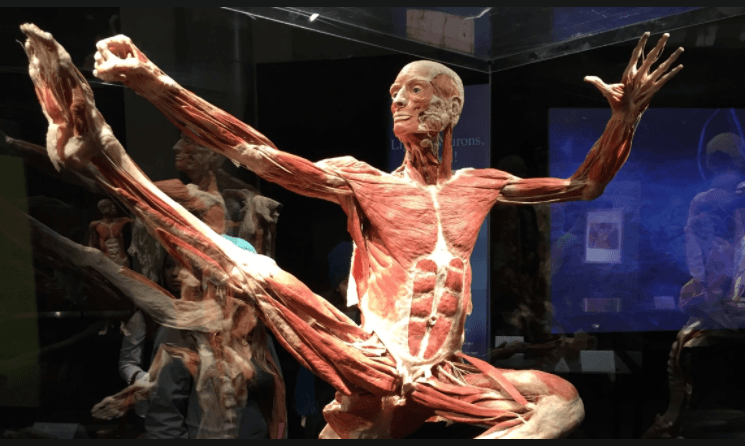
What system is pictured?

a)

Skeletal

b)

Circulatory

c)

Nervous

d)

Muscular

68.

What system supports and protects your internal organs?

a)

Muscular

b)

Digestive

c)

Excretory

d)

Skeletal

69.

Which two body systems are working together to make this type of physical movement from the basketball player?

a)

Circulatory and Excretory

b)

Skeletal and Muscular

c)

Nervous and Digestive

d)

Respiratory and Skeletal

70.

What system eliminates non solid waste from the body?

a)

Integumentary

b)

Digestive

c)

Excretory

d)

Respiratory

71.

What is the function of the system pictured?

a)

Helps pumps your blood through out your body.

b)

Helps move and protect your body.

c)

Helps take in oxygen and remove carbon dioxide.

d)

Helps maintain body your temperature.

72.

What system gathers information and responds to that information? Ex: Touching something that is hot and quickly pulling your hand away.

a)

Skeletal

b)

Muscular

c)

Integumentary

d)

Nervous

73.

Which system provides shape and support, enables you to move, and stores minerals

a)

Skeletal

b)

Muscular

c)

Integumentary

d)

Respiratory

74.

Which system includes the kidneys, ureters, urinary bladder, urethra?

a)

Digestive

b)

Muscular

c)

Excretory

d)

Nervous

75.

Which two body systems deliver oxygen to your cells and take away carbon dioxide?

a)

Respiratory and Nervous

b)

Circulatory and Nervous

c)

Circulatory and Excretory

d)

Respiratory and Circulatory

76.

What is the body system that sends and receives electrical signals from the brain?

a)

Muscular

b)

Skeletal

c)

Nervous

d)

Digestive

77.

Which body system transports oxygen and nutrients through out the body?

a)

Muscular

b)

Nervous

c)

Digestive

d)

Circulatory

78.

How does the muscular system and the skeletal system work together?

a)

The muscular system allows the body to stand up while the skeletal system allows the body to move

b)

The muscular system allows the body to move and the skeletal system gives the body a structure

c)

The muscular system gives the body nutrients while the skeletal system gives the body blood

d)

The skeletal system makes blood cells and the muscular system makes nutrients

79.

How does the cardiovascular system and the respiratory system work together?

a)

The cardiovascular system allows the body to have energy while the respiratory system makes cells

b)

The cardiovascular system transports oxygen around the body while the respiratory system gives the body oxygen

c)

The cardiovascular system makes cells while the respiratory system moves them where they are suppose to go

d)

The cardiovascular system transports nutrients around the body while the respiratory system brings oxygen into the body

80.

The muscular organ that pumps blood through out your body is your

a)

Arteries

b)

Diaphragm

c)

Heart

d)

Larynx

81.

All your body systems work together to maintain a stable environment which is called __________________.

a)

Hydration

b)

Regular

c)

Gucci

d)

Homeostasis

82.
What is the function of the DIGESTIVE SYSTEM?
a)
to provide protection to the internal organs
b)
To regulate body temperature, provide information about the surroundings and act as a barrier to infection
c)
to break down food into nutrients that can be used by the cells
d)
to allow voluntary movement by working in pairs
83.
The heart, blood vessels and blood are the major organs of which system?
a)
CIRCULATORY
b)
DIGESTIVE
c)
EXCRETORY
d)
NERVOUS
84.
Which is the major organ of the skeletal system?
a)
teeth
b)
nails
c)
bones
d)
tendons
85.
The stomach, liver, small intestine and pancreas are all part of which system?
a)
Muscular
b)
Digestive
c)
Circulatory
d)
Excretory
86.
Which organs' primary job is producing and removing liquid waste from the body?
a)
Heart, blood and blood vessels
b)
Esophagus, Stomach, Small intestines
c)
Brain, spinal cord and nerves
d)
Kidneys, ureters, bladder and urethra
87.
The function of this system is coordination and control; response to the environment and maintenance of homeostasis.
a)
Circulatory
b)
Respiratory
c)
Digestive
d)
Nervous
88.
This system works with the circulatory system to provide oxygen to the body's cells and to remove carbon dioxide.
a)
The respiratory system
b)
The nervous system
c)
The digestive system
d)
The muscular system
89.
The endocrine system communicates to the body using....
a)
electrical signals
b)
soluble gases
c)
digestive enzymes
d)
chemical hormones
90.
The body system that transmits information inside the body using electrical impulses.
a)
Endocrine
b)
Skeletal
c)
Muscular
d)
Nervous
91.
Which body system is required in producing offspring?
a)
Reproductive System
b)
Endocrine System
c)
Digestive System
d)
Immune System
92.
What is the main function of the excretory system?
a)
Convert food into nutrients
b)
Send signals in the form of hormones
c)
Filter water and remove waste products from the body
d)
Exchange gases between the body
93.
This system brings in oxygen into the body and removes carbon dioxide...
a)
Circulatory
b)
Respiratory
c)
Excretory
d)
Digestive
94.
What three body systems get rid of waste from our bodies?
a)
Respiratory, Reproductive, and Circulatory
b)
Digestive, Excretory, and Respiratory
c)
Digestive, Reproductive, and Circulatory
d)
Excretory. Reproductive, and Endocrine
95.
The large intestine is part of the digestive system. What is the main function of the large intestine?
a)
Remove body fat
b)
Remove Urine
c)
Remove solid waste
d)
Remove water
96.
How does the endocrine system have to do with Homeostasis?
a)
Keeps system balanced with OXYGEN
b)
Keeps systems balanced with BLOOD
c)
Has Nothing to do with it
d)
Keeps systems balanced with FEEDBACK MECHANISMS
97.
What is the main function of the Endocrine System?
a)
Take in Oxygen
b)
Take Carbon into the lungs
c)
Produce Sperm Cells
d)
Produce Hormones
98.
Which body system delivers nutrients to the cells inside the body?
a)
Reproductive
b)
Circulatory
c)
Nervous
d)
Excretory
99.
Which body system produces or absorbs nutrients?
a)
Circulatory
b)
Endocrine
c)
Digestive
d)
Reproductive
100.
Where does cellular gas exchange happen first?
a)
Heart
b)
Between the Heart and Aorta
c)
Between the Lungs and Heart
d)
Between the Alveoli and Capillaries around the lungs
101.
Which of the following examples is a function of the reproductive system?
a)
Circulating blood
b)
Produce Oxygen
c)
Absorb Nutrients
d)
Produce eggs in females
102.
Which of these 3 systems work together to get the body the oxygen and sugar that it needs to make ATP(energy)?
a)
Digestive - Cardiovascular -Urinary
b)
Cardiovascular - Respiratory - Reproductive
c)
Respiratory - Digestive - Lymphatic
d)
Cardiovascular - Digestive - Respiratory
103.
When blood is used by the body it must pass through which of the following organs before it is pumped back out to the body?
a)
Lungs
b)
Brain
c)
Stomach
d)
Skin
104.
On a very hot day a long distance runner will produce large quantities of sweat.  How will the kidneys adapt to this situation?
a)
Increased amounts of urine to remove amino acids
b)
Decreased urine production to allow the body to conserve water
c)
increased amounts of urine to help the body retain water
d)
less urine increases the amount of amino acids
105.
What function do the endocrine system and nervous system have in common?
a)
Both relay messages to cells throughout the body.
b)
Both produce electrical signals that are carried by neurons
c)
Both produce hormones which are chemical messengers
d)
both remove wastes and toxins from the body
106.
Which representation would show the organization of life from simplest to the most complex?
a)
Heart muscle tissue, cardiovascular system, heart muscle tissue
b)
cardiovascular system, heart muscle cells, heart muscle tissue
c)
cardiovascular system, heart tissue, heart cells
d)
Heart muscle cells - heart muscle tisse, heart, cardiovascular system
107.
Blood is produced in the red marrow of the bones.  Which system is this?
a)
Cardiovascular system
b)
Skeletal system
c)
Digestive system
d)
Lymphatic system
108.
What two systems work together to get rid of infection?
a)
Digestive and immune
b)
Respiratory and circulatory
c)
Circulatory and immune
d)
Immune and endocrine
109.
In the skeletal system the function of bones is to
a)
Protect organs, make blood, store calcium and minerals
b)
Help our bodies make atp
c)
Diffusion
d)
Make plasma
110.
What type of cells are responsible for carrying oxygen to the cells of the body?
a)
White blood cells
b)
Nerve cells
c)
Lung cells
d)
Red blood cells
111.
If you looked through a microscope and saw a group of muscle cells, what would be the most likely description of the cells?
a)
Tissue
b)
organ
c)
organ system
d)
prokaryotic cell
112.
Identify which statement is NOT true.
a)
Tissues are made from cells.
b)
Organs are made from tissue.
c)
Tissues are made from organs.
d)
Organ systems are made from organs
113.
A woman running in a marathon requires a constant supply of oxygen to her muscles.Which cells carry oxygen to muscle tissue?
a)
nerve cells
b)
lung cells
c)
red blood cells
d)
artery cells
114.
Which systems usually work together to overcome bacterial infections?
a)
skeletal and cardiovascular
b)
digestive and skeletal
c)
cardiovascular and immune
d)
immune and muscular
115.
As part of the skeletal system, bones do all of the following except
a)
protect organs
b)
store calcium
c)
make nerve cells
d)
make blood
116.
What is the main function of the nervous system?
a)
Responsible for control of the body and communication among body parts
b)
Responsible for production of offspring
c)
Helps to rid the body of toxins, water, and other unwanted materials and transports lymph, a fluid containing infection-fighting white blood cells, throughout the body
d)
Provides oxygen to the body's cells, while moving carbon dioxide
117.
Breathing rate increases during exercise to help meet the increased oxygen demand by skeletal muscles.
a)
respiratory, circulatory
b)
muscular, skeletal
c)
respiratory, skeletal
d)
respiratory, muscular
118.
The respiratory system removes the waste carbon dioxide from the body.
a)
 muscular, circulatory
b)
nervous, circulatory
c)
respiratory, muscular
d)
respiratory, circulatory
119.
Blood carries digested nutrients to body cells.
a)
endocrine, digestive
b)
respiratory, reproductive
c)
circulatory, digestive
d)
muscular, digestive
120.
Pathogens are dangerous bacteria. What body systems are most important when dealing with pathogens that might be in your blood?
a)
immune, circulatory
b)
nervous, skeletal
c)
muscular, endocrine
d)
reproductive
121.
Which two body systems work together to break down food into energy and rid the body of the waste produced during this process?
a)
Skeletal and endocrine
b)
Digestive and excretory
c)
Nervous and immune
d)
Muscular and skeletal
122.
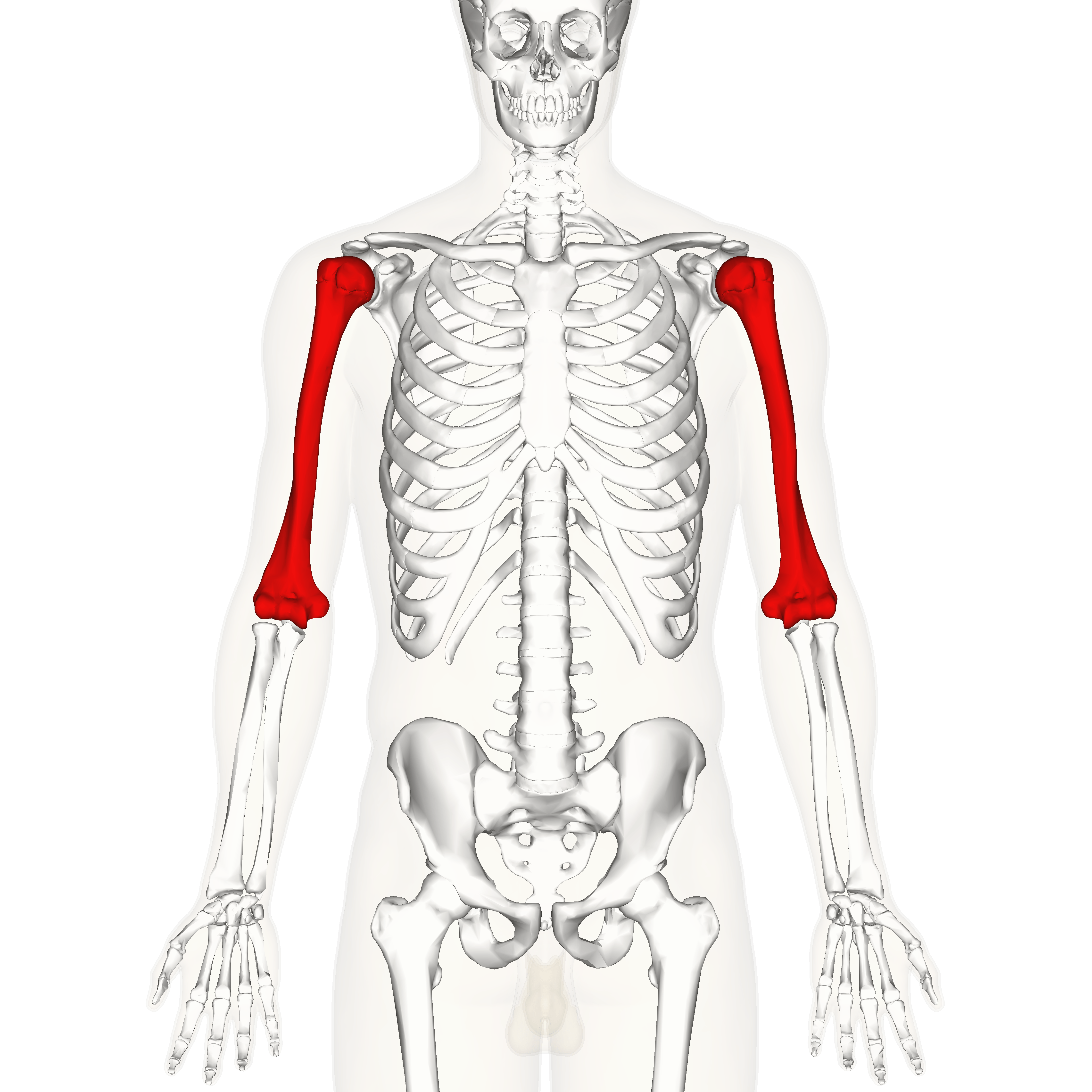
The humerus is part of this system?
a)
Muscular
b)
Reproductive
c)
Skeletal
d)
Nervous
123.
This system carries oxygen, nutrients and waste around the body.
a)
Lymphatic
b)
Urinary
c)
Respiratory
d)
Circulatory
124.

A man was walking through the desert and he became lost. The temperature outside rose to 110 degrees Fahrenheit and the man’s body temperature increased with it. His skin began to excrete sweat in an effort to cool his body back down. Which two body systems are working to help him maintain homeostasis?

a)

Endocrine and Excretory

b)

Excretory and Integumentary

c)

Integumentary and Skeletal

d)

Skeletal and Respiratory

125.
Mitochondria releases energy using oxygen and the chloroplast produces the cell’s energy, these functions are similar to the functions of which body systems.?
a)
Digestive, Respiratory and Circulatory
b)
Circulatory, Respiratoy and Excretory
c)
Nervous, Integumentary and Lymphatic
d)
Lymphatic, Digestive and Excretory
126.
Lysosomes break down cell parts and remove wastes and vacuoles store waste and necessary materials. The previously listed functions is similar to the function of  which body system?
a)
Digestive
b)
Endocrine
c)
Excretory
d)
Circulatory
127.
Which best compares the respiratory system to the circulatory system?
a)
The respiratory system transports oxygen to cells, while the circulatory system provides oxygen for cells.
b)
The respiratory system provides oxygen for cells, while the circulatory system transports oxygen to cells.
c)
The respiratory system breaks down food for cell energy, while the circulatory system rids the body of waste.
d)
The respiratory system rids the body of waste, while the circulatory system breaks down food for cell energy.
128.
As the blood reaches the lungs, what is removed from the blood?
a)
Oxygen
b)
Red Blood Cells
c)
White Blood Cells
d)
Carbon Dioxide
129.
Bob hits a baseball.  What two systems are working together to make this happen?
a)
muscular & excretory
b)
muscular & nervous
c)
muscular & circulatory
d)
digestive & muscular
130.
How does the muscular system depend on the nervous system?
a)
The nervous system transports blood to the muscles.
b)
The nervous system provides support for the muscles.
c)
The nervous system supplies food and oxygen to the muscles.
d)
The nervous system sends signals to the muscles to cause movement.
131.
What body systems work together to help food get to your stomach?
a)
Immune & Circulatory
b)
Digestive & Muscular
c)
Muscular & Respiratory
d)
Digestive & Cardiovascular
132.
The muscular system does which of the following?
a)
Breaks down food and absorbs nutrients into bloodstream
b)
Receives and sends messages to all parts of the body
c)
Internal and external body movements and flexibility
d)
Takes in oxygen and releases carbon dioxide
133.
The circulatory system does which of the following?
a)
Takes in oxygen and releases carbon dioxide
b)
Transports needed materials such as oxygen and nutrients to cells and carries away wastes such as carbon dioxide
c)
Removes wastes from body
d)
Protects organs, stores minerals, allows movement and forms blood cells
134.
The Excretory system does which of the following?
a)
Fights disease by recognizing and attacking antigens such as bacteria and viruses by producing antibodies
b)
Transports needed materials such as oxygen and nutrients to cells and carries away wastes such as carbon dioxide
c)
Removes wastes from body
d)
Protects organs, stores materials, allows movement and forms blood cells
135.
The Immune system does which of the following?
a)
Fights disease by recognizing and attacking antigens such as bacteria and viruses by producing antibodies
b)
Transports needed materials such as oxygen and nutrients to cells and carries away wastes such as carbon dioxide
c)
Internal and external body movements and flexibility
d)
Receives and sends messages to all parts of the body
136.
The nervous system does which of the following?
a)
Fights disease by recognizing and attacking antigens such as bacteria and viruses by producing antibodies
b)
Transports needed materials such as oxygen and nutrients to cells and carries away wastes such as carbon dioxide
c)
Internal and external body movements and flexibility
d)
Receives and sends messages to all parts of the body
137.

Which system coordinate functioning of the body by secreting hormones to regulate, metabolism, growth, development and reproduction?

a)

Immune system

b)

Circulatory system

c)

Endocrine system

d)

Digestive system

138.

Which hormone/s are produced in the pancreas?

a)

Estrogen

b)

Glucagon

c)

Thyroxine

d)

Insulin

139.

Which section of the brain controls the secretions from the pituitary gland?

a)

Cerebellum

b)

Hypothalamus

c)

Medulla

d)

Cerebrum

140.
The three types of muscles are 
a)
skeletal, smooth, and cardiac. 
b)
skeletal, voluntary, and cardiac. 
c)
smooth, cardiac, and involuntary. 
d)
skeletal, cardiac, and ridged.