
Font size
S
M
L
XL
 Worksheets
Semester 2 Final Review
Total questions: 120
Worksheet time: 2hrs 2mins
Name
Class
Date
1.

What phase of mitosis is shown in the picture?
a)
Prophase
b)
Anaphase
c)
Telophase
d)
Metaphase
2.
Chromatid pairs line up in the middle of the cell.
a)
Metaphase
b)
Telophase
c)
Anaphase
d)
Interphase
3.

What phase of mitosis is shown in the picture?
a)
Prophase
b)
Anaphase
c)
Telophase
d)
Metaphase
4.
A new organism is produced from one parent organism.
a)
Sexual Reproduction
b)
Asexual Reproduction
5.
Mitosis is a type of ________________ reproduction.
a)
Sexual
b)
Asexual
6.

What phase of mitosis is shown in the picture?
a)
Prophase
b)
Anaphase
c)
Telophase
d)
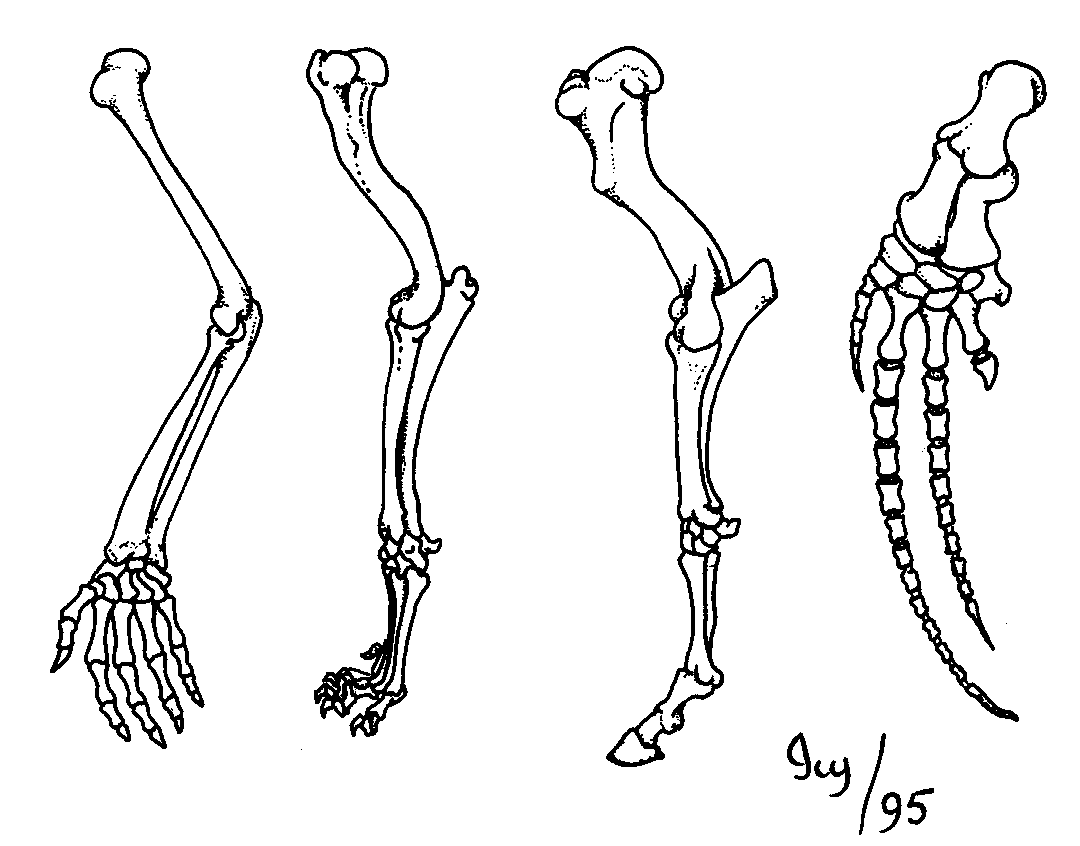
Metaphase
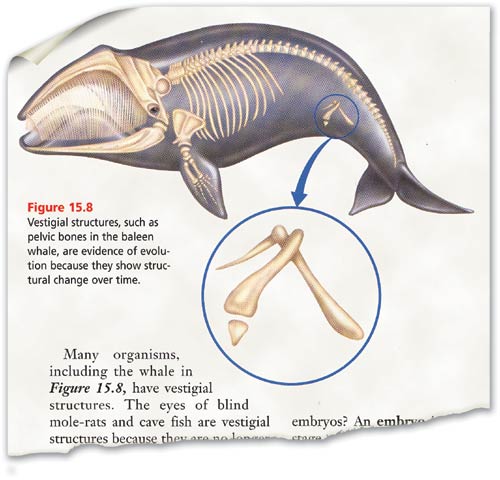
7.
Chromatid pairs separate and move to opposite ends of the cell
a)
Metaphase
b)
Telophase
c)
Interphase
d)
Anaphase
8.
Chromatid pairs separate and move to opposite ends of the cell
a)
Metaphase
b)
Telophase
c)
Interphase
d)
Anaphase
9.

What phase of mitosis is shown in the picture?
a)
Prophase
b)
Anaphase
c)
Telophase
d)
Metaphase
10.
Results of cell division or mitosis include all of the following EXCEPT?
a)
growth
b)
repair damaged cells
c)
replace damaged cells
d)
dead cells
11.
How many chromosomes does a human cell have?
a)
42
b)
46
c)
24
d)
64
12.
Which of the following lists, in order, the phases of mitosis?
a)
interphase, metaphase, anaphase, telophase
b)
prophase, metaphase, anaphase, telophase
c)
prophase, metaphase, anaphase, interphase
d)
prophase, anaphase, metaphase, telophase
13.
How many daughter cells are produced in mitosis?
a)
1
b)
2
c)
4
d)
6
14.
What is a series of events a cell goes through as they grow and divide?
a)
Cell Division
b)
Cell Cycle
c)
Cytokinesis
d)
Mitosis
15.
What is the longest stage of the cell cycle called?
a)
Cytokinesis
b)
M phase
c)
Interphase
d)
G1 Phase
16.
During what stage does the G1, S and G2 phases happen?
a)
Interphase
b)
M phase
c)
Mitosis
d)
Cytokinesis
17.
During which stage of the cell cycle does mitosis and cytokinesis occur?
a)
Interphase
b)
S phase
c)
M phase
d)
G1 phase
18.
During what phase of the cell cycle does cell division occur?
a)
Interphase
b)
M phase
c)
S phase
d)
G2 phase
19.
During what phase of the cell cycle is DNA replicated?
a)
G1 phase
b)
S phase
c)
G2 phase
d)
M phase
20.
During what phase of the cell cycle does the cell grow?
a)
G1 phase
b)
S phase
c)
M phase
d)
Cytokinesis
21.
During what phase of the cell cycle does the cell prepare for mitosis?
a)
G1 phase
b)
S phase
c)
G2 phase
d)
M phase
22.
Put the following stages of the cell cycle in order: G2, S, G1, M.
a)
G1, S, G2, M
b)
S, G1, G2, M
c)
G1, M, G2, S
d)
M, G1, S, G2
23.
Put the following in order: G2, G1, S, mitosis, cytokinesis.
a)
G1, G2, S, Mitosis, cytokinesis
b)
G1, S, G2, Mitosis, cytokinesis
c)
G1, G2, S, cytokinesis, mitosis
d)
G1, S, G2, cytokinesis, mitosis
24.
Put the following actions in order: DNA replicates, cell grows, cell divides, cell prepares for mitosis.
a)
DNA replicates, cell grows, cell prepares for mitosis, cell divides
b)
cell grows, cell prepares for mitosis, DNA replicates, cell divides
c)
cell grows, DNA replicates, cell prepares for mitosis, cell divides
d)
DNA replicates, cell prepares for mitosis, cell grows, cell divides
25.
Humans have ________ pairs of chromosomes.
a)
21
b)
23
c)
46
d)
None of the above
26.

The structure labeled A is a(n)
a)
chromatid
b)
centriole
c)
centromere
d)
chromophere
27.
A human cell has 46 chromosomes before mitotic division. How many chromosomes will the daughter cells after mitosis.
a)
12
b)
23
c)
46
d)
92
28.

What is a cleavage furrow?
a)
One half of a chromosome
b)
handle for spindle fibers
c)
Forms at the beginning of Cytokinesis
d)
pulls chromosomes apart
29.

In which phase of the cell cycle does this occur:
The cytoplasm divides.
The cytoplasm divides.
a)
Interphase
b)
Anaphase
c)
Cytokinesis
d)
Telophase
30.

In which phase of the cell cycle does this occur:
A cell spends 90% of the cycle in this phase.
A cell spends 90% of the cycle in this phase.
a)
Metaphase
b)
Prometaphase
c)
Prophase
d)
Interphase
31.
Asexual reproduction and mitosis occur in...
a)
Body Cells
b)
Sex Cells or Gametes
32.
How many daughter cells are produced at the end of mitosis?
a)
1
b)
2
c)
3
d)
4
33.
The purpose of sexual reproduction and meiosis is to form ________ cells.
a)
body
b)
sex
c)
somatic
d)
brain
34.
How many daughter cells are produced at the end of meiosis?
a)
1
b)
2
c)
3
d)
4
35.
How many chromosomes are in the new cells of meiosis?
a)
46
b)
23
36.

In meiosis, Prophase 1 is when chromosomes...
a)
cross over
b)
mutate
c)
hybridize
d)
fertilize
37.
What causes genetic variation in meiosis?
a)
chromosomes lining up
b)
crossing over of chromosomes
c)
separation of chromosomes
d)
chromosomes pulling apart
38.
What is one reason why we need meiosis?
a)
To double the number of chromosomes going into sex cells
b)
To halve the number of chromosomes going into sex cells
c)
To triple the number of chromosomes going into sex cells
d)
To not change the number of chromosomes going into sex cells
39.

What is one of the advantages, of reproducing sexually versus asexually?
a)
survival of the fittest
b)
overproduction
c)
genetic variation
d)
cloning
40.
Who is considered the "father" of modern genetics?
a)
Einstein
b)
Mendel
c)
Disney
d)
Trump
41.

Genotype refers to the ...
a)
physical expression of the genes
b)
the possible combination of alleles in a gene
c)
whether an allele is dominant or recessive
d)
how an organism will appear
42.

An offspring will receive how many alleles from each parent to determine a specific trait?
a)
one
b)
two
c)
three
d)
five
43.
Which of the following is a phenotype?
a)
BB
b)
Bb
c)
bb
d)
Blue eyes
44.
What is a phenotype
a)
The genetic make up (code)
b)
The physical trait
45.
the passing of genetic traits from parent to offspring.
a)
heredity
b)
trait
c)
gene
d)
allele
46.
having two of the same genes for the trait (sometimes called purebred).
a)
homozygous
b)
hetrozygous
c)
protein
d)
chromosome
47.
having two different genes for a trait (sometimes called hybrid).
a)
protein
b)
homozygous
c)
heterozygous
d)
genotype
48.
Two brown eyed parents (Bb) have a baby. What is the chance the baby is blue eyed?
a)
0 %
b)
25%
c)
50%
d)
75%
49.
An allele whose trait only shows up when no dominant allele is present.
a)
hidden allele
b)
dominant allele
c)
recessive allele
d)
present allele
50.
Snapdragon flowers come in red, pink and white. What type of inheritance is this?
a)
Complete Dominance
b)
Incomplete Dominance
c)
Codominance
d)
Polygenic Inheritance
51.
Which of the following genotypes is a purebred?
a)
Bb
b)
Gg
c)
bb
d)
Dd
52.

If green is dominant over purple, then what is the genotype for this individual?
a)
Purple
b)
Green
c)
GG
d)
gg
53.

Brown fur color is dominant over black fur color. Which of the following is the actual genotype of ALL of the offspring in the next generation of this cross for fur color?
AA x aa
AA x aa
a)
AA
b)
Aa
c)
aa
d)
brown fur
54.
Tt is-
a)
homozygous dominant
b)
homozygous recessive
c)
heterozygous
d)
none of these
55.

Which of the following is a term for a group of similar organisms that can reproduce fertile offspring?
a)
individual
b)
population
c)
species
d)
fossil
56.

If an organism has a vestigial structure, that structure likely once had a function in a(n)
a)
close relative
b)
early ancestor
c)
unrelated organism
d)
embryological stage
57.
Mutations are important because they bring about
a)
death of the organism in which they develop
b)
genetic variation needed for a population to evolve
c)
benefits for the individual, not for the population
d)
Hardey-Weinberg equilibrium within a population
58.
Finches on the Galapagos Islands had different beaks in order to help them do what?
a)
Build nests
b)
Fight off predators
c)
Collect food sources
d)
Compete with rivals
59.
This scientist came up with the idea of natural selection.
a)
Jean Baptiste Lamarck
b)
Gregor Mendel
c)
Charles Darwin
d)
Thomas Malthus
60.
Inherited trait that helps an organism survive is a(n) __________.
a)
Fossil
b)
Adaptation
c)
Ancestor
d)
Natural selection
61.
Survival of the fittest or when favorable adaptations reproduce faster is called what?
a)
Evolution
b)
Adaptation
c)
Natural selection
d)
Fossilization
62.
Magda is a tall, 11 year old drummer. She has a scar on her right cheek. She is good at swimming. Which of her traits did Magda most likely inherit?
a)
height
b)
the scar
c)
ability to swim
d)
ability to play drums
63.
Structures with the same parts have different functions; suggests that organisms share a common ancestry
a)
vestigial structures
b)
homologous structures
c)
adaptive radiation
d)
fossil
64.
Which of the following is an example of a vestigial structure?
a)
the wings of a red-tailed hawk
b)
the hind limbs of a house cat
c)
the fins of sharks
d)
the tailbone of a human
65.
If species A and B have very similar genes and proteins, what is probably TRUE?
a)
species A and B share a relatively recent common ancestor
b)
species A evolved independently of species B for a long period
c)
species A is younger than species B
d)
species A is older than species B
66.

Farmers breed cows to produce high amounts of milk. This is an example of...
a)
Natural Selection
b)
Variations in a species
c)
Selective Breeding
d)
inbreeding
67.
What is the process in which humans breed organisms for certain traits?
a)
natural selection
b)
inheritance
c)
artificial selection
d)
descent withOUT modification
68.
Natural selection results in change over time by acting on traits that are
a)
heritable
b)
new
c)
mutated
d)
better than the best
69.

What increases genetic variation when animals move from one population to another
a)
genetic drift
b)
sexual selection
c)
bottleneck effect
d)
gene flow
70.
What is another name for natural selection?
a)
survival of the smartest
b)
survival of the fastest
c)
survival of the biggest
d)
survival of the fittest
71.
What is the study of organisms at the early stages of development?
a)
DNA studies
b)
embryology
c)
extinction
d)
fossil record
72.
Bird wings and butterfly wings are an example of
a)
Homologous structure
b)
Analogous structure
c)
Mimicry
d)
Camoflague
73.
In convergent evolution, organisms share physical similarities because they
a)
have a common ancestor
b)
live in the same enviornment
c)
develop homologous structures
d)
are closely related
74.
Flying fish, flying birds, and bats are examples of which of the following?
a)
convergent evolution & homologous structures
b)
convergent evolution & analogous structures
c)
divergent evolution & homologous structures
d)
divergent evolution & analogous structures
75.
What happens in divergent evolution?
a)
organisms become more similar
b)
organisms become less similar
c)
species become more related
d)
adaptive radiation always occurs
76.
What is the most correct definition of evolution?
a)
Change over time.
b)
Animals changing over time.
c)
Organisms changing over time.
d)
Species changing over time.
77.

Antibiotics work against most
a)
Bacteria
b)
Bacteria & Viruses
c)
Vaccines
d)
Viruses
78.

Which of the following illness is caused by pathogens?
a)
Bruise
b)
Blood Clot
c)
Diabetes
d)
Influenza
79.

Vaccinations are used for
a)
Curing the illness
b)
Preventing the Illness
c)
Getting the illness
80.

What is the main purpose of the immune system?
a)
support the body through bones and muscles
b)
get rid of waste from the body
c)
protect the body from pathogens
d)
move blood through the body
81.

What type of microbe is used in a vaccine?
a)
it doesn't really matter
b)
a damaged one
c)
a weakened or inactivated one
d)
a normal one
82.

Vaccines stimulate the body to produce...
a)
autoimmune diseases
b)
helper t-cells
c)
fever
d)
antibodies
83.

Which would most likely prevent a cold virus from spreading in a classroom?
a)
tissue at a teacher's desk
b)
students wash hands regularly with soap
c)
students shake hands regularly with each other
d)
students wipe desks with dry paper towels
84.

Which one is a way the body defends against a pathogen?
a)
Fever
b)
Stomach Acid digesting
c)
White Blood Cells fighing
d)
All of these are correct
85.
A type of WBC that fight certain infections and help other WBCs remove dead or damaged tissues, destroy cancer cells, and regulate immunity against foreign substances.
a)
microcyte
b)
monocyte
c)
erythrocyte
d)
platelet
86.
Where do T cells mature?
a)
lymph node
b)
bone marrow
c)
thymus
d)
liver
87.
Where do B cells mature?
a)
thymus
b)
bone marrow
c)
lymph node
d)
spleen
88.
True or False?
Macrophages are engulfers
Macrophages are engulfers
a)
True
b)
False
89.
These swallow and destroy pathogens.
a)
glands
b)
phagocytes
c)
genocytes
d)
cytocytes
90.
Which of the following states that a specific microorganism causes a specific disease?
a)
cell theory
b)
germ theory
c)
miasma theory
d)
gross theory
91.
Which of the following is NOT part of the first line of defense?
a)
skin
b)
B cells
c)
sweat
d)
lysozyme
92.
Which cells kill cancer cells and infected cells?
a)
cytotoxic T cells
b)
B cells
c)
mast cells
d)
eosinophils
93.
Which type of immunity has memory?
a)
innate
b)
adaptive/acquired
94.
What type of immunity is vaccination?
a)
natural passive
b)
natural active
c)
artificial passive
d)
artificial active
95.
Which is a failure of immune tolerance?
a)
autoimmune disorders
b)
allergies
c)
immunodeficiencies
96.
What cell type does HIV target?
a)
cytotoxic T cells
b)
helper T cells
c)
B cells
d)
neutrophils
97.
A molecule that induces an immune response?
a)
antibody
b)
receptor
c)
antigen
d)
sebum
98.
What type of RNA carries the DNA message out of the nucleus to the ribosomes?
a)
mRNA
b)
tRNA
c)
RNA
d)
DNA
99.
What do we call the process of turning DNA into mRNA?
a)
Translation
b)
Transcription
c)
Replication
100.
When DNA is transcribed to RNA....
a)
A pairs with U
b)
C pairs with U
c)
A pairs with T
d)
C pairs with T
101.
When the RNA gets to the ribosomes, which molecule transfers to the mRNA to amino acids?
a)
DNA
b)
mRNA
c)
tRNA
d)
Replicated RNA
102.
Amino acids are the building blocks of...
a)
DNA
b)
RNA
c)
Atoms
d)
Proteins
103.
What is a Codon?
a)
4 base pairs that transfer to amino acids
b)
3 base pairs that transfer to amino acids
c)
3 base pairs that transfer to DNA
d)
3 base pairs that transfer to mRNA
104.
When transferring tRNA to amino acids, the process cannot begin until it reaches a...
a)
Beginning codon
b)
Start codon
c)
Initiator codon
d)
Anticodon
105.
The process of transferring the codons to the amino acids ends with what codon?
a)
Stop
b)
Terminal
c)
End
d)
Cancel
106.

What process is occurring in this photo?
a)
Transcription
b)
DNA unwinding
c)
Translation
d)
Transfer RNA is creating bases
107.
The job of tRNA is to...
a)
carry amino acids to the ribosomes
b)
carry ribosomes to the ER
c)
carry mRNA out of the nucleus
d)
carry glucose to mitochondria
108.

What is the correct amino acid sequence for the mRNA code AUGCCAGUAUGA?
a)
Met-Pro-Val-Stop
b)
Met-Pro-Arg-Stop
c)
Tyr-Gly-His
d)
Tyr-Gly-Arg-His
109.
Which of the following best describes a DNA molecule?
a)
contains ribose
b)
made of amino acids
c)
contains Uracil
d)
double helix
110.
Which RNA bases would pair with TACGAA in transcription?
a)
AUGCUU
b)
ATGCTT
c)
GCATCC
d)
GCAUCC
111.
Where does Translation occur?
a)
Proteins
b)
Mitochondria
c)
Ribosomes
d)
Cytoplasm
112.
What are the nucleotides made of?
a)
Sugar, Phosphate, nitrogen base
b)
Phosphate, Adenine, nitrogen base
c)
Thymine, Adenine, Cytomine
d)
Phosphate, Nitrogen, Adenine
113.
Adenine bonds with ______________.
a)
Guanine
b)
Thymine
c)
Cytosine
d)
Adenine
114.
Guanine bonds with ______________.
a)
Adenine
b)
Guanine
c)
Cytosine
d)
Thymine
115.
Which sequence of DNA bases would pair with this partial strand
ATG TGA CAG
ATG TGA CAG
a)
ATG TGA CAG
b)
TAC ACT GTC
c)
GTA AGT GAC
d)
CAT TCA CTG
116.
The scientists who created an accurate model of the DNA double helix and won a Nobel Prize for this discovery
a)
Watson & Crick
b)
Watson, Crick, and Wilkins
c)
Wilkins & Crick
d)
Watson, Crick, Wilkins, and Franklin
117.
DNA and RNA are macromolecules in the category of
a)
Proteins
b)
Lipids
c)
Nucleic Acids
d)
Carbohydrates
118.
Chargraff's Rule says that
a)
Adenine will be equal to Thymine
b)
Cytosine will be equal to Thymine
c)
Uracil will be equal to Guanine
d)
Adenine will be equal to Cytosine
119.
Which of the following is a base that is NOT contained in DNA?
a)
Adenine
b)
Thymine
c)
Uracil
d)
Guanine
120.
How did Rosalind Franklin's photo 51 affect th work of Watson and Crick?
a)
It was used to determine the physical structure of DNA
b)
It was used to identify the four bases that make up DNA
c)
It was used to determine the theory of independent assortment
d)
It was used to show DNA was the molecule of inheritance
Reset

