wayground logo

Free Printable Worksheets

Font size

S
M
L
XL
Worksheets

Elements/Periodic Table,M,NM,Metalliod,Compounds

Total questions: 160

Worksheet time: 6hrs 17mins

Name
Class
Date
1.
Which of these grouping of elements could have the characteristic of luster (shiny)?
a)
Metal
b)
Nonmetal
c)
metalloids
d)
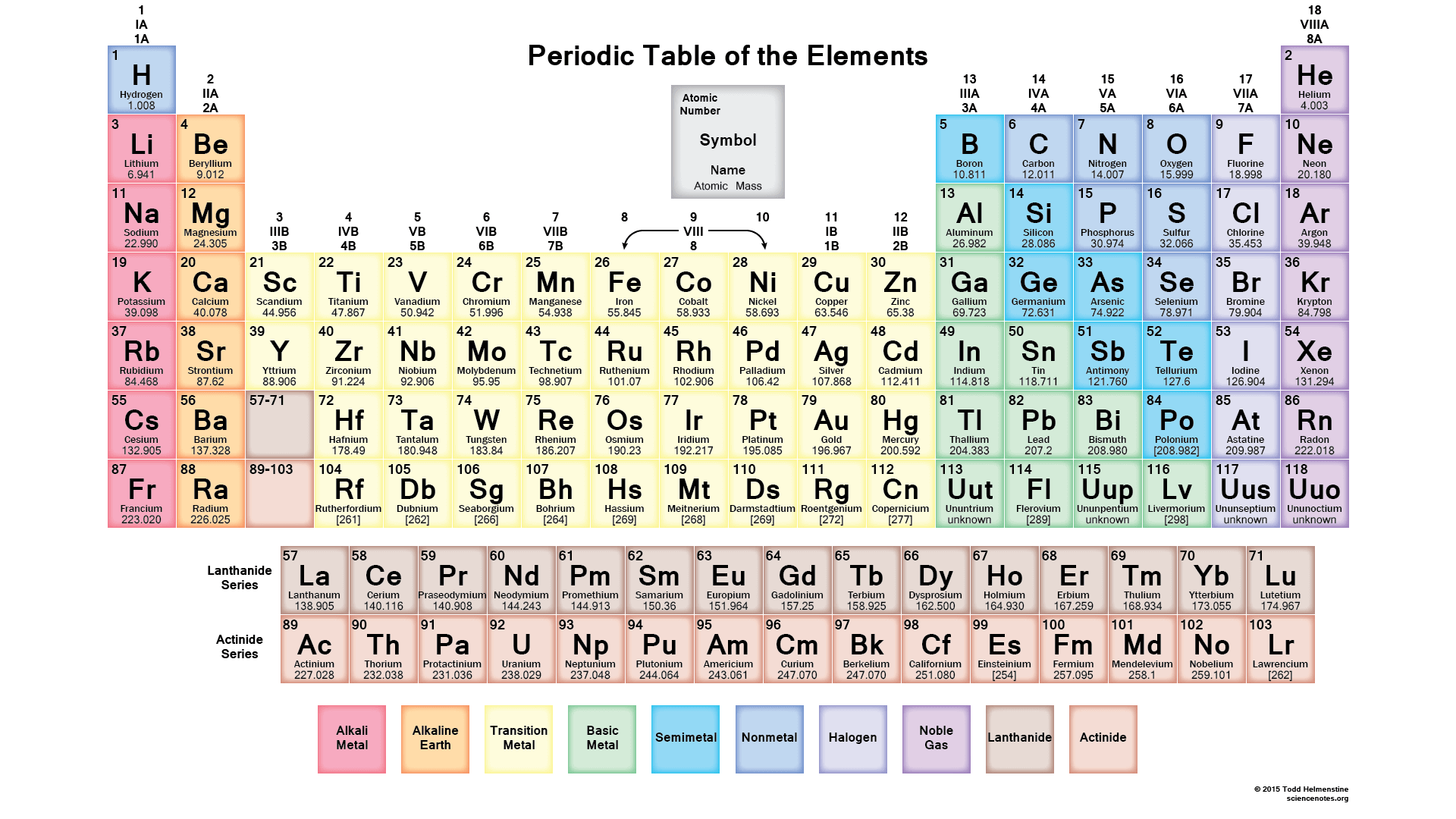
Both metals and metalloids
2.
Brittle
a)
Metal
b)
Nonmetal
3.
Good conductor of heat
a)
Metal
b)
Nonmetal
4.
Which element is a metalloid?
a)
Titanium
b)
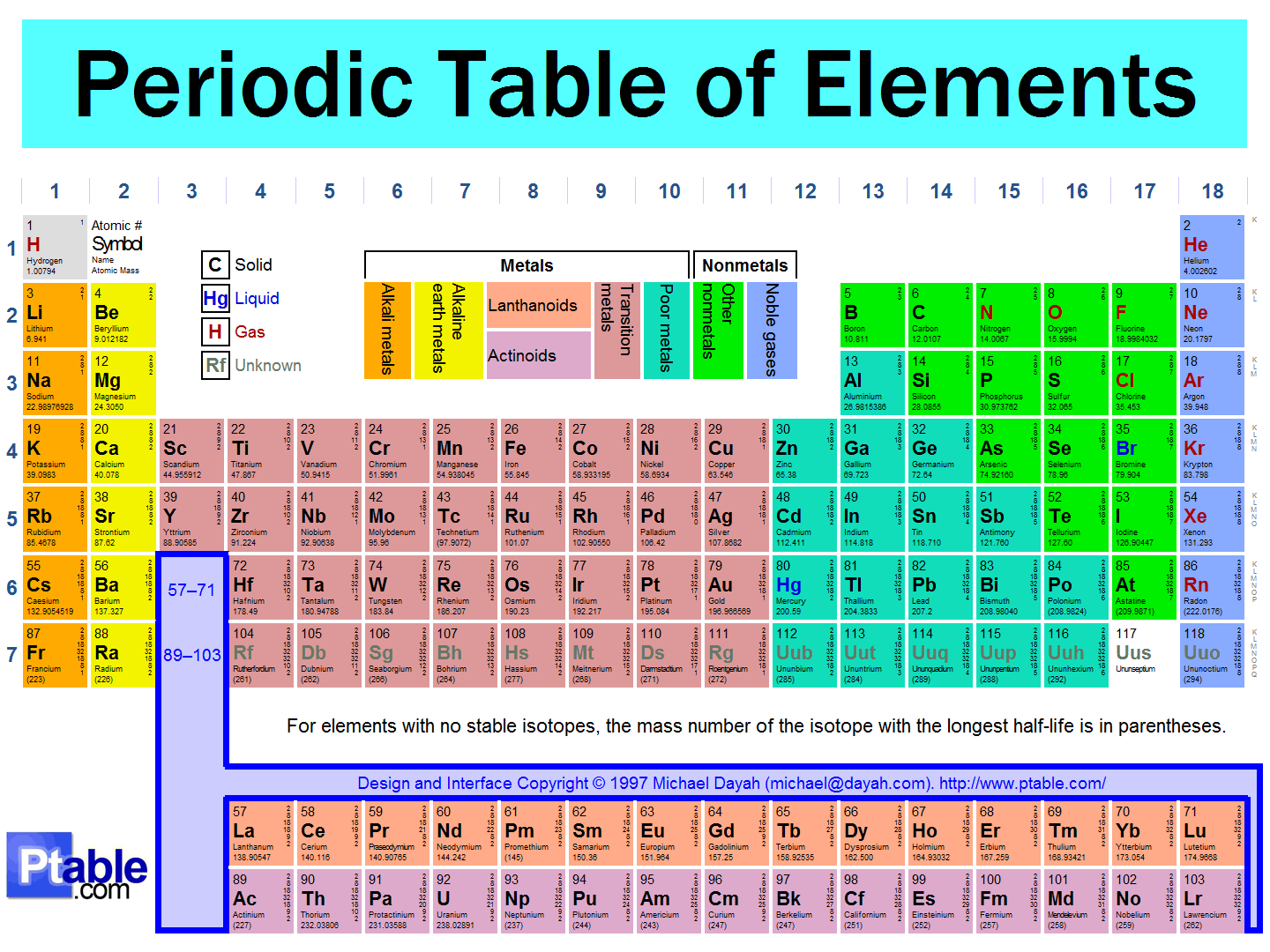
Selenium
c)
Potassium
d)
Polonium
5.
All of the following would classify an element as a metal except?
a)
Dull
b)
Luster
c)
Malleable
d)
Hard
6.
Iron is a good conductor, malleable and magnetic. What type of element is Iron? 
a)
Metal
b)
Nonmetal
c)
Metalloid
d)
Pretty
7.
A student is given a sample of an unknown substance. He is asked to determine if it is classified as a metal, a metalloid, or a nonmetal. He discovered that the unknown element conducted some heat and electricity, had a shiny luster, and broke easily. This element is most likely a 
a)
metal
b)
nonmetal
c)
metalloid
d)
cannot be determined
8.
Which table below correctly lists the properties of metals and nonmetals? *
a)
A
b)
B
c)
C
d)
D
9.
Which of the following is a property of a non-metal?
a)
Conducts electricity and heats well
b)
Can be hammered into thin sheets
c)
Is brittle and breaks easily
d)
Has a shiny, metallic luster
10.
All of the following are properties used to classify elements as metals, non-metals, and metalloids EXCEPT —
a)
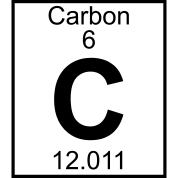
texture
b)
conductivity
c)
luster
d)
malleability
11.
A student tested the conductivity of four elements using an incomplete electrical circuit. When the element is placed in the circuit, the bulb lights up brightly, lights up dimly, or does not light up at all based on the element’s ability to conduct electricity. The table below shows the results of her investigation. Based on the results of the conductivity test, which element is classified as a metal? 
a)
Hydrogen
b)
Arsenic
c)
Krypton
d)
Copper
12.
Which of the following correctly lists the three main groups of elements from greatest conductivity to least conductivity?
a)
Nonmetals -metalloids-metals
b)
metals-nonmetals-metalloids
c)
metalloids-metals-nonmetals
d)
metals-metalloids-nonmetals
13.
The table shows the properties of four elements. Which element in the table is classified as a metal?
a)
Manganese
b)
Sulfur
c)
Silicon
d)
Neon
14.
The word “luster” refers to which property of matter?
a)
The ability to conduct electrical or thermal energy
b)
Capable of being drawn out into thin wires
c)
The way a surface appears when it reflects light
d)
Suitable for being shaped by beating or rolling
15.
John was observing the physical properties of elements in order to classify them as either a metal, nonmetal, or metalloid. The first element was dull, brittle, and did not conduct heat. What would its classification be? 
a)
metal 
b)
nonmetal 
c)
metalloid
16.
Silicon is a semiconductor and has properties of both metals and nonmetals. What type of element is Silicon? 
a)
Metal
b)
Nonmetal
c)
Metalloid
d)
Pretty
17.
´Elizabeth was examining elements and their physical properties. She described an element is her science journal as having no shine, an insulator, and  very brittle. What would this element be a metal, nonmetal, or metalloid?
a)
metal 
b)
nonmetal 
c)
metalloid
18.
If a material can easily be drawn into the shape of a wire, it is
a)
Ductile
b)
Magnetic
c)
Malleable
d)
Reactive
19.
If a substance is magnetic it is most likely a 
a)
metal 
b)
non-metal
20.
Good conductor of heat
a)
Metal
b)
Nonmetal
21.
Which of these is a property of metals?
a)
It's malleable
b)
It can't conduct electricity
c)
They are used in food
d)
It's very brittle
22.
Which of the following is NOT a characteristic of most metals?
a)
Brittle
b)
Good conductor
c)
Ductile
d)
Malleable
23.
Where are the non-metallic elements found in the periodic table?
a)
In the middle
b)
In the top rows
c)
On the left-hand side
d)
On the right-hand side
24.
If a material can easily be drawn into the shape of a wire, it is
a)
Ductile
b)
Magnetic
c)
Malleable
d)
Reactive
25.
Which of these grouping of elements could have the characteristic of luster (shiny)?
a)
Metal
b)
Nonmetal
c)
metalloids
d)
Both metals and metalloids
26.
Which element is a metalloid?
a)
Titanium
b)
Selenium
c)
Potassium
d)
Polonium
27.
All of the following would classify an element as a metal except?
a)
Dull
b)
Luster
c)
Malleable
d)
Hard
28.
Iron is a good conductor, malleable and magnetic. What type of element is Iron? 
a)
Metal
b)
Nonmetal
c)
Metalloid
d)
Pretty
29.
Which elements are found on the left to middle of The Periodic Table? 
a)
Metals
b)
Nonmetals
c)
Metalloids
d)
Candles
30.

What are properties?

a)

They give us an idea of what the object can do.

b)

They describe the object.

c)

They tell us what an object cannot do.

31.

Which words best describe NON-METALS?

a)

ductile, shiny, brittle

b)

malleable, dull, brittle, ductile

c)

brittle, dull, insulators

32.

What does "malleable" mean?

a)

Can be made into a shape.

b)

Brittle

c)

Ductile

d)

Shiny

33.

Are metals good insulators?

a)

No

b)

Yes

34.

According to the YouTube video, what is the structure called where iron ore is extracted?

a)

Oven

b)

Smelter

c)

Furnace

35.

According to the YouTube video, what is coke?

a)

A refreshing drink.

b)

A substance found in rocks.

c)

A fuel used in iron smelting.

36.

According to the YouTube video, what are "tuyeres"?

a)

Nozzles on the furnace.

b)

The glass on the furnace.

c)

It is what the furnace is made of.

37.

According to the YouTube video, what temperature can the furnace heat up to?

a)

4000 degrees Celsius

b)

14 000 degrees Fahrenheit

c)

4000 degrees Fahrenheit

d)

14 000 degrees Celsius

38.

According to the YouTube video, it is said that under the extreme heat, the mixture "liquifies". What does this mean?

a)

The mixture turns into a solid.

b)

The mixture turns into a liquid.

c)

The mixture turns into a gas.

39.

Which of the following are all examples of METALS?

a)

glass, gold, copper, silver

b)

copper, gold, bronze, plastic

c)

wood, iron, aluminium, steel

d)

copper, silver, iron, gold

40.

Which elements are shiny?

a)

metals only

b)

nonmetals only

c)

metals and nonmetals

d)

metals and MAYBE metalloids

41.

Which elements are to the right of the zig zag?

a)

metals

b)

nonmetals

c)

metalloids

42.

You discovered in the lab that silicon is:

a)

metal

b)

metalloid

c)

nonmetal

43.

Sulfur is considered:

a)

malleable

b)

brittle

c)

ductile

d)

a good conductor

44.

How did you find out if an element is a good conductor?

a)

it lit up a light bulb

b)

hit it with a hammer

c)

bubbled in the presence of acid

d)

turned black

45.

ductile means...

a)

can be made into wire

b)

can be bent or hammered

c)

can light up a light bulb

d)

it's shiny

46.

copper can be used to make statues like the statue of liberty

a)

therefore copper is malleable

b)

therefore copper is ductile

c)

therefore copper is shiny

d)

therefore copper is a conductor

47.

Substances that can be hammered into thin sheets are:

a)

metals

b)

nonmetals

c)

both metals and nonmetals

48.

Which elements are to the LEFT of the zigzag?

a)

metals

b)

nonmetals

c)

metalloids

49.

Which elements are colored red?

a)

nonmetals

b)

metals

c)

metalloids

50.

Able to be drawn into wire is

a)

malleable

b)

insulator

c)

lustre

d)

ductile

51.

Able to be beaten or hammered into shapes

a)

lustre

b)

malleable

c)

brittle

d)

insulator

52.

Carries heat or electiricity

a)

insulator

b)

conductor

c)

lustre

d)

brittle

53.

The shine on metal when light falls on it.

a)

lustre

b)

brittle

c)

malleable

d)

tarnish

54.

Easily breaks into pieces when it falls.

a)

malleable

b)

lustre

c)

ductile

d)

brittle

55.

Which of these objects are manufactured from metals?

a)
b)
c)
d)
e)
56.

Attracted to a magnet

a)

lustre

b)

malleable

c)

magnetic

d)

brittle

57.

Which objects are manufactured from metals and non-metals?

a)
b)
c)
d)
58.

Which of these objects are manufactured from non-metals?

a)
b)
c)
d)
e)
59.
What is the chemical symbol for the element Silicon
a)
S
b)
Si
c)
si
d)
Sl
60.
What is the chemical symbol for the element Carbon
a)
ca
b)
co2
c)
C
d)
Cd
61.
What is the chemical symbol for the element copper?
a)
co
b)
c
c)
Cu
d)
cu
62.
What is the chemical symbol for the element Aluminum
a)
A
b)
AL
c)
Al
d)
al
63.
What is the chemical symbol for the element Nitrogen
a)
Ni
b)
N
c)
No
d)
Nb
64.
What is the chemical symbol for the element oxygen
a)
O
b)
Oxy
c)
ox
d)
Oy
65.
What is the chemical symbol for the element Silver
a)
S
b)
Si
c)
Au
d)
Ag
66.
What is the chemical symbol for the element Gold
a)
G
b)
go
c)
AU
d)
Au
67.
What is the chemical symbol for the element Iron
a)
I
b)
Ir
c)
Fe
d)
fe
68.
What is the chemical symbol for the element Zinc
a)
Z
b)
Zn
c)
Zr
d)
zn
69.
What is the chemical symbol for the element Potassium
a)
K
b)
P
c)
Po
d)
Pt
70.
What is the chemical symbol for the element Calcium
a)
C
b)
Ca
c)
Cl
d)
CL
71.
What is the chemical symbol for the element Helium
a)
He
b)
he
c)
H
d)
h
72.
What is the chemical symbol for the element Iodine
a)
I
b)
Io
c)
Id
d)
In
73.
What is the chemical symbol for the element Sodium
a)
Na
b)
So
c)
S
d)
Sd
74.
GOLD
a)
Al
b)
Ag
c)
Ar
d)
Au
75.
GOLD
a)
Al
b)
Ag
c)
Ar
d)
Au
76.
CHLORINE
a)
C
b)
Ca
c)
Cl
d)
Cu
77.
CALCIUM
a)
C
b)
Ca
c)
Cu
d)
Cl
78.
CARBON
a)
C
b)
Ca
c)
Cl
d)
Cu
79.
COPPER
a)
C
b)
Ca
c)
Cu
d)
Cl
80.
SILVER
a)
Au
b)
Ag
c)
Al
d)
Ar
81.
SULFUR
a)
Su
b)
S
c)
Sf
d)
Si
82.
SILICON
a)
S
b)
Si
c)
Su
d)
Sc
83.
SODIUM
a)
S
b)
So
c)
N
d)
Na
84.
HELIUM
a)
H
b)
He
c)
Hl
d)
Hm
85.
HYDROGEN
a)
H
b)
He
c)
Hy
d)
Hd
86.
IRON
a)
I
b)
Ir
c)
F
d)
Fe
87.
NICKEL
a)
N
b)
Ni
c)
Nc
d)
Nl
88.
FLUORINE
a)
F
b)
Fl
c)
Fu
d)
Fe
89.
NEON
a)
N
b)
Ne
c)
No
d)
Nn
90.
NITROGEN
a)
N
b)
Ne
c)
Ni
d)
Nt
91.
OXYGEN
a)
O
b)
Ox
c)
Oy
d)
Og
92.
BERYLLIUM
a)
B
b)
Bo
c)
Be
d)
Br
93.
MAGNESIUM
a)
M
b)
Mg
c)
Ma
d)
Mn
94.
PHOSPHOROUS
a)
P
b)
Ph
c)
K
d)
Ps
95.
LITHIUM
a)
L
b)
Li
c)
Lt
d)
Lh
96.

The vertical (up and down) columns in the Periodic Table are called

a)

groups

b)

towers

c)

periods

d)

atomic numbers

97.
Sodium (Na) is found in period 
a)
3
b)
2
c)
4
d)
1
98.
Sodium (Na) is found in group 
a)
1
b)
2
c)
3
d)
4
99.
What does the 6 represent?
a)
atomic mass
b)
atomic number
c)
element name
d)
chemical symbol 
100.
What does 12.011 represent?
a)
atomic mass
b)
atomic number
c)
element name
d)
chemical symbol 
101.
What does the C represent?
a)
atomic mass
b)
atomic number
c)
element name
d)
chemical symbol 
102.

The horizontal (side to side) rows in the Periodic Table are called

a)

groups

b)

families

c)

periods

d)

atomic numbers

103.
These are found on the Periodic Table.
a)
Compounds
b)
Elements
c)
Mixtures
104.
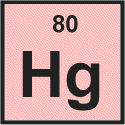
What is the atomic number of this element?
a)
4
b)
80
c)
79
d)
8
105.
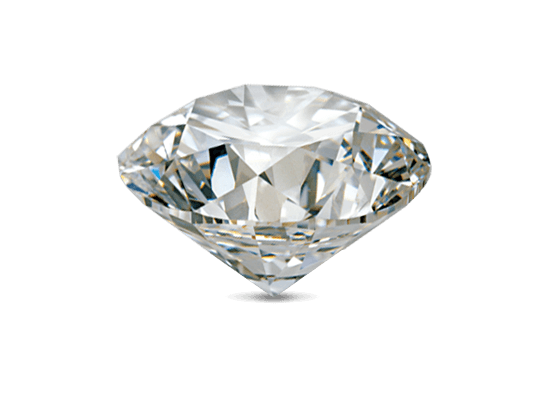
What element primarily makes a diamond?
a)
Hydrogen
b)
Silver
c)
Carbon
d)
Calcium
106.
What is the symbol for Potassium?
a)
P
b)
K
c)
Pb
d)
Pd
107.
What is the symbol for Carbon?
a)
C
b)
Ca
c)
Cl
d)
H
108.
What is the name of this element?
a)
Helium
b)
Rubidium
c)
Hydrogen
d)
Mercury
109.
Which one of these is not a noble gas?
a)
Helium
b)
Radon
c)
Iodine
d)
Krypton
110.
What is the atomic number of Oxygen?
a)
6
b)
7
c)
8
d)
9
111.

What does this illustrate

a)

Elements

b)

Compunds

c)

Mixture of Elements and Compunds

d)

Mixture of Compounds

112.

What does this pic illustrate?

a)

Element

b)

Mixture of Compunds

c)

Mixture of elemets

d)

Compounds

113.
Which of the following is not a compound?
a)
HCl
b)
Cl
c)
NaCl
d)
CO2
114.
What is made up two or more elements that are chemically combined?
a)
Element
b)
Mixture
c)
Compound
d)
Solids
115.
Element:Fe
a)
Gold
b)
Flourine
c)
Phosphorus
d)
Iron
116.
What is this element...Au
a)
Iron
b)
Titanium
c)
Gold
d)
Flourine
117.
How many elements are in HHe
a)
3
b)
4
c)
2
d)
5
118.
How many elements are in ULaV
a)
3
b)
4
c)
2
d)
5
119.
SULFUR
a)
Su
b)
S
c)
Sf
d)
Si
120.
What does the element AI stand for ?
a)
Gold
b)
Actinium
c)
Iron
d)
Aluminum
121.

The smallest particle of matter

a)

atom

b)

electron

c)

Proton

d)

Element

e)

Compund

122.

Anything that has mass and has weight

a)

mixture

b)

compound

c)

Matter

d)

Element

123.

Two more atoms of different elements chemically bonded to form a new substance

a)

Molecules

b)

Atoms

c)

Element

d)

Compound

124.

Is salt an element?

a)

Yes

b)

No

125.

Are there more compounds or more elements?

a)

Compounds

b)

Elements

126.
The central region of an atom where its neutrons and protons are is its 
a)
nucleus 
b)
electron cloud
c)
core 
d)
center 
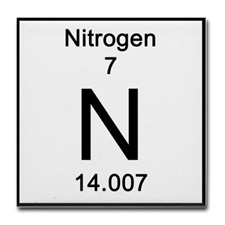
127.
What is the number of protons that the element in this image contain?
a)
14
b)
7
c)
15
d)
18
128.
electrons have this type of charge?
a)
negative
b)
positive
c)
neutral
129.
Most of the mass in an atom is concentrated in the...
a)
electrons
b)
nucleus
c)
protons
d)
empty space
130.
The positive particles of an atom are 
a)
electrons 
b)
positrons 
c)
neutrons 
d)
protons 
131.

The central region of an atom where its neutrons and protons are is its

a)

nucleus

b)

electron cloud

c)

core

d)

center

132.
Each row in periodic table- ordered by increasing atomic number.
a)
Period
b)
Element
c)
Group
d)
Atom
133.
Letter or letters that are the abbreviation for the element in the periodic table.
a)
Atomic Number
b)
Atomic Mass
c)
Name
d)
Atomic Symbol
134.
A chart that scientists use to organize the elements.
a)
Periodic Table
b)
Atomic Number
c)
Name
d)
Element
135.
C is the symbol for ____/
a)
copper
b)
carbon
c)
calcium
d)
chlorine
136.
Na is the symbol for ____.
a)
helium
b)
sulfur
c)
neon
d)
sodium
137.
Na is the symbol for ____.
a)
helium
b)
sulfur
c)
neon
d)
sodium
138.
Ca is the symbol for ____.
a)
carbon
b)
calcium
c)
copper
d)
chlorine
139.
He is the symbol for ____.
a)
hydrogen
b)
mercury
c)
helium
d)
oxygen
140.
F is the symbol for ____.
a)
iron
b)
fluorine
c)
mercury
d)
neon
141.
K is the symbol for ____.
a)
phosphorus
b)
calcium
c)
potassium
d)
carbon
142.
Fe is the symbol for ___.
a)
Fluorine
b)
iodine
c)
iron
d)
ferric acid
143.
P is the symbol for ___.
a)
potassium
b)
platinum
c)
phosphorus
d)
polonium
144.
Pb is the symbol for ____.
a)
platinum
b)
paladium
c)
lead
d)
phosphorus
145.
Ni is the symbol for ____.
a)
neon
b)
sodium
c)
nickel
d)
neodymium
146.
S is the symbol for ___.
a)
sulfur
b)
tin
c)
sodium
d)
silicon
147.
Mg is the symbol for ___.
a)
manganese
b)
magnesium
c)
iron
d)
bromine
148.
Ti is the symbol for ___.
a)
tin
b)
platinum
c)
titanium
d)
potassium
149.
Ag is the symbol for ____.
a)
gold
b)
arsenic
c)
argon
d)
silver
150.
Cu is the symbol for ___.
a)
copper
b)
chlorine
c)
calcium
d)
carbon
151.
Pt is the symbol for ___.
a)
potassium
b)
platinum
c)
phosphorus
d)
plutonium
152.
What does the 1.00794 stand for?
a)
Hydrogen
b)
atomic number
c)
atomic mass
d)
atomic explosion
153.
The blue atoms are called 
a)
metals
b)
nonmetals
c)
metalloids
d)
noble gases
154.
Each column in the periodic table is called a 
a)
period
b)
group
c)
cluster
d)
unit
155.
The atomic number tells you what?
a)
number of electrons
b)
number of protons
c)
number of neutrons
d)
both electrons and protons in an atom.
156.
Elements which are shiny, conduct electricity and heat are called
a)
metal
b)
nonmetal
c)
metalloid
d)
nonexistent
157.
The atoms along the staircase are called 
a)
metals
b)
nonmetals
c)
metalloids
d)
noble gases
158.
Which is a halogen?
a)
Helium
b)
Chlorine
c)
Oxygen
d)
Neptune
159.
Which is an alkali metal?
a)
Magnesium
b)
Iron
c)
Sodium
d)
Europium
160.

Which element is a metalloid?

a)

H

b)

Re

c)

Ne

d)

B