
 Worksheets
Body Systems Preview
Total questions: 80
Worksheet time: 47mins
Name
Class
Date
1.
Which body system breaks down food and sends nutrients to all of the body's organs?
a)
nervous
b)
spinal
c)
skeletal
d)
digestive
2.
Which system works with the skeletal system to make your body move?
a)
muscular
b)
digestive
c)
nervous
d)
circulatory
3.
Which is the main organ of the nervous system?
a)
lung
b)
kidney
c)
heart
d)
brain
4.
What is the main organ in the circulatory system?
a)
lungs
b)
brain
c)
veins
d)
heart
5.
What is the function of the heart?
a)
Pump oxygen through out the body.
b)
Pump waste out of the body.
c)
Pump water to the kidneys.
d)
Pump blood through the body.
6.
What body system produces blood cells for the body?
a)
Nervous System
b)
Digestive System
c)
Respiratory System
d)
Skeletal System
7.
How does the digestive system work with all other systems?
a)
The digestvie system transports blood to all the other systems
b)
The digestive system puts oxygen into the body
c)
The digestive system gives the body energy and nutrients
d)
The digestive system allows the body to move
8.

How many bones make up a human adult?
a)
205
b)
206
c)
207
d)
208
9.

How many muscles make up the human body?
a)
Over 500
b)
Over 600
c)
Over 450
d)
Over 800
10.

My heart is a _________, that pumps blood through the body.
a)
Cell
b)
Tissue
c)
Muscle
d)
Bone
11.
The smallest unit that is a building block for all life.
a)
tissue
b)
organelle
c)
cell
d)
molecule
12.
What happens to food in the body's cells?
a)
It is used for energy and growth.
b)
It is digested.
c)
It is turned into sugar.
d)
It is turned into water.
13.
What is the main function of the stomach?
a)
to hold food
b)
to mix food with digestive juices
c)
to absorb food into the blood stream
d)
to hold waste materials
14.
Which system of the body uses veins, blood, and arteries?
a)
The nervous system
b)
The circulatory system
c)
The respiratory system
d)
The blood system
15.
Which two systems work together to transport nutrients to the body for energy?
a)
The nervous and digestive systems
b)
The respiratory and circulatory systems
c)
The digestive and circulatory systems
d)
The skeletal and digestive systems
16.
Includes brain, spinal chord and neurons.
a)
nervous system
b)
endocrine system
c)
respiratory system
d)
circulatory system
17.
Includes the heart, blood, and blood vessels.
a)
skeletal system
b)
muscular system
c)
circulatory system
d)
respiratory system
18.
Which is an example of a ball-and-socket joint?
a)
elbow
b)
knee
c)
wrist
d)
shoulder
19.
What type of muscle works automatically?
a)
Leg
b)
Calf
c)
Voluntary
d)
Involuntary
20.
Which of the following is an example of homeostasis?
a)
taking out the trash
b)
drinking water
c)
sweating on a hot day
d)
taking a shower
21.
Where does mechanical digestion begin?
a)
stomach
b)
esophagus
c)
pancreas
d)
mouth
22.
This muscle contracts and moves down to allow the lungs to expand during respiration.
a)
trachea
b)
bronchial tubes
c)
diaphragm
d)
epiglottis
23.
What picks up oxygen in the lungs and transports it through the body delivering it to the cells?
a)
epiglottis
b)
red blood cells
c)
white blood cells
d)
blood
24.
This is the force of blood as it flows through the arteries is called...
a)
respiration
b)
blood pressure
c)
aorta
d)
circulatory system
25.
Urine is one way that our body gets rid of ___________.
a)
pee
b)
liquids
c)
waste
d)
carbon dioxide
26.

What does the digestive system do?
a)
Breaks down and handles food
b)
Pumps blood throughout the body
c)
Helps you breathe
d)
Helps your arms and legs move
27.

Which of the following is not part of the digestive system?
a)
mouth
b)
esophagus
c)
heart
d)
intestines
28.

Where does digestion begin?
a)
mouth
b)
esophagus
c)
stomach
d)
intestines
29.

Your body couldn’t breathe without this system. Which one is it?
a)
circulatory
b)
skeletal
c)
respiratory
d)
urinary
30.

When you breathe in air, you inhale oxygen into your lungs and exhale ____.
a)
carbon dioxide
b)
oxygen
c)
nitrogen
d)
carbon monoxide
31.

The two major organs of the respiratory system where the gas exchange takes place are called ______.
a)
stomachs
b)
brains
c)
lungs
d)
nerves
32.

The movement of blood through the heart and body is called ______.
a)
circulation
b)
ventriculation
c)
locomotion
d)
pumping heart
33.

With circulation, the heart provides your body with which of the following? Choose the best answer.
a)
oxygen
b)
nutrients
c)
a way to get rid of waste
d)
all of the above
34.

Where is urine PRODUCED?
a)
intestines
b)
kidneys
c)
bladder
d)
blood
35.

Urine is stored in this organ.
a)
kidney
b)
bladder
c)
peeing bag
d)
intestines
36.

Each bone has a particular job. What is the job of the skull?
a)
pumps blood to the brain
b)
protects the brain
c)
helps the body to make decisions
d)
tells the brain what to do
37.

Each bone has a particular job. What is the job of the rib cage?
a)
pumps blood to the body
b)
helps the body circulate blood
c)
protects the heart
d)
tells the heart what to do
38.

A ___________ is a place where two or more bones meet.
a)
joint
b)
pivot
c)
organ
d)
muscle
39.

Skeletal muscles work with bones to give your body...
a)
strength
b)
the ability to move
c)
strength and the ability to move
d)
shape and form
40.

This system controls everything you do.
a)
nervous system
b)
olfactory system
c)
digestive system
d)
circulatory system
41.

The nervous system is made up of these three parts:
a)
Brain, heart, and spinal cord
b)
Brain, spinal cord, and nerves
c)
Nerves, arteries, and veins
d)
Nerves, liver, and heart
42.

Which part of the body is the control center for the nervous system?
a)
spinal cord
b)
stomach
c)
brain
d)
heart
43.
The main purpose of the ____________ system is to break food particles into pieces that can be used.
a)
circulatory
b)
respiratory
c)
digestive
d)
skeletal
44.
What is responsible for delivering oxygen and removing carbon dioxide from the body?
a)
cell nucleus
b)
excretory system
c)
nervous tissue
d)
respiratory system
45.
The __________ system directs the body to inner and outer changes.
a)
digestive
b)
circulatory
c)
nervous
d)
skeletal
46.
The __________ is the main organ of the nervous system.
a)
heart
b)
lungs
c)
brain
d)
skin
47.
The circulatory system uses _________ to deliver oxygen to the rest of the body.
a)
blood cells
b)
lungs and nose
c)
blood vessels
d)
brain and spinal cord
48.
In multicellular organisms, tissues are comprised of _______.
a)
organs
b)
systems
c)
cells
d)
blood
49.
When tissues come together, they form ___________.
a)
cells
b)
atoms
c)
organs
d)
systems
50.
Which human body systems interact to produce movement of the body?
a)
Nervous and endocrine
b)
Skeletal and muscular
c)
Circulatory and digestive
d)
Excretory and nervous
51.
Which body systems work together to supply the body's cells with oxygen?
a)
Respiratory and immune
b)
Nervous and reproductive
c)
Circulatory and respiratory
d)
Endocrine and muscular
52.
Which two body systems work together to break down food into energy and rid the body of the waste produced during this process?
a)
Skeletal and endocrine
b)
Digestive and excretory
c)
Nervous and immune
d)
Muscular and skeletal
53.
Which two body systems work together to bring about reproduction in humans?
a)
Integumentary and skeletal
b)
Endocrine and reproductive
c)
Nervous and digestive
d)
Immune and muscular
54.
The two body systems that work together to protect you from foreign pathogens are...
a)
Integumentary and immune
b)
Reproductive and muscular
c)
Endocrine and digestive
d)
Respiratory and circulatory
55.
Which body system is the 'rapid response' system?
a)
Reproductive
b)
Immune
c)
Skeletal
d)
Nervous
56.
Which body system is the 'slow response' system and uses hormones to bring about a response?
a)
Endocrine
b)
Immune
c)
Muscular
d)
Excretory
57.
Organs of this system include the kidneys and bladder
a)
Digestive
b)
Excretory
c)
Immune
d)
Skeletal
58.
Functions of this system include production of red blood cells, storage of minerals, and protection of organs
a)
Muscular
b)
Excretory
c)
Skeletal
d)
Nervous
59.
This organ system breaks down ingested substances into biomolecules that can be used by the body
a)
Digestive
b)
Excretory
c)
Integumentary
d)
Skeletal
60.
This organ system consists of three types of tissues; skeletal, cardiac, and smooth
a)
Skeletal
b)
Muscular
c)
Reproductive
d)
Immune
61.
These two systems work together to maintain homeostasis
a)
Digestive and immune
b)
Nervous and endocrine
c)
Skeletal and muscular
d)
Reproductive and excretory
62.

The skin, hair and nails are part of which body system?
a)
SKELETAL
b)
MUSCULAR
c)
DIGESTIVE
d)
INTEGUMENTARY
63.
The ________________ system is responsible for support and protection of the body; it also stores minerals like calcium.
a)
SKELETAL
b)
MUSCULAR
c)
DIGESTIVE
d)
INTEGUMENTARY
64.
The major organs of this system allow movement in the body; there are three major types - cardiac, skeletal, and smooth.
a)
SKELETAL
b)
MUSCULAR
c)
INTEGUMENTARY
d)
DIGESTIVE
65.
What is the function of the DIGESTIVE SYSTEM?
a)
to provide protection to the internal organs
b)
To regulate body temperature, provide information about the surroundings and act as a barrier to infection
c)
to break down food into nutrients that can be used by the cells
d)
to allow voluntary movement by working in pairs
66.
The heart, blood vessels and blood are the major organs of which system?
a)
CIRCULATORY
b)
DIGESTIVE
c)
EXCRETORY
d)
NERVOUS
67.
Which is the major organ of the skeletal system?
a)
teeth
b)
nails
c)
bones
d)
tendons
68.
The stomach, liver, small intestine and pancreas are all part of which system?
a)
Muscular
b)
Digestive
c)
Circulatory
d)
Excretory
69.
Which organs' primary job is producing and removing liquid waste from the body?
a)
Heart, blood and blood vessels
b)
Esophagus, Stomach, Small intestines
c)
Brain, spinal cord and nerves
d)
Kidneys, ureters, bladder and urethra
70.
The function of this system is coordination and control; response to the environment and maintenance of homeostasis.
a)
Circulatory
b)
Respiratory
c)
Digestive
d)
Nervous
71.
This system works with the circulatory system to provide oxygen to the body's cells and to remove carbon dioxide.
a)
The respiratory system
b)
The nervous system
c)
The digestive system
d)
The muscular system
72.
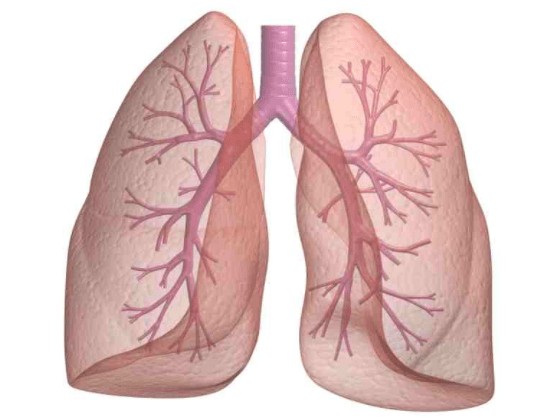
1. Which system are the lungs in?
a)
respiratory
b)
digestive
c)
excretory
d)
muscular
73.

Which system is the stomach in?
a)
respiratory
b)
digestive
c)
nervous
d)
excretory
74.

Which system is the esophagus in?
a)
digestive
b)
urinary
c)
integumentary
d)
skeletal
75.

Which organ is part of the respiratory system?
a)
tongue
b)
stomach
c)
esophagus
d)
lungs
76.

What is the main function of the respiratory system?
a)
take in oxygen and exhale waste like carbon dioxide
b)
move nutrients throughout the body
c)
take in carbon dioxide and exhale oxygen
77.
Where does digestion start?
a)
stomach
b)
mouth
c)
esophagus
78.

What is the main job of the digestive system?
a)
break down foods into nutrients that can be used by the body
b)
take in oxygen and exhale waste like carbon dioxide
c)
pump blood throughout the body
d)
makes the body hungry
79.
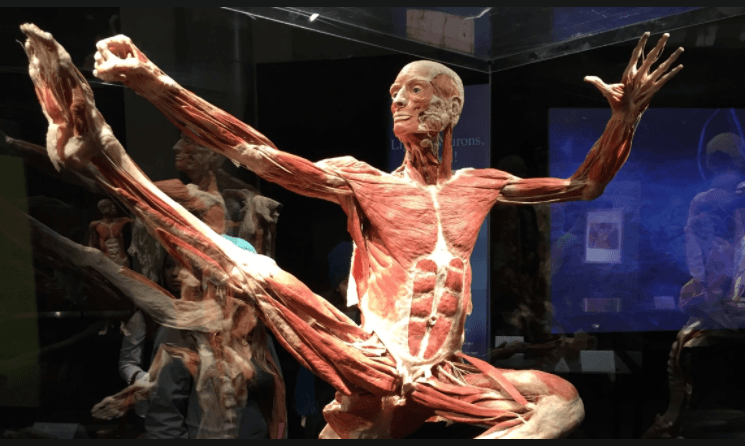
Which systems main function is to allow movement of the body?
a)
muscular
b)
digestive
c)
skeletal
d)
excretory
80.
One lung is bigger than the other lung.
a)
true
b)
false
100 %

