
Font size
 Worksheets
Test Review: Meiosis and Reproduction
Total questions: 90
Worksheet time: 1hrs 8mins

Check all that apply.
Reproductive cells are _______.
haploid
gametes
somatic
identical
diverse

What process creates reproductive cells used in sexual production?
meiosis
mitosis
cellular respiration
photosynthesis
Meiosis results in _____.
4 haploid daughter cells
2 diploid daughter cells
2 haploid daughter cells
4 diploid daughter cells
Meiosis is known as ___________ division.
reduction
addition
division
multiplying

Potatoes have a diploid number of 48. How many chromosomes do the gametes of a potato plant have?
96
48
24
12

During meiosis, nonsister chromatids of a homolgous pair exchange DNA. This is called _____________.
crossing over
trading places
criss cross apple sauce
breaking places

Crossing over occurs during __________ of meiosis.
Prophase I
Metaphase II
Anaphase I
Telophase II

Tetrads can orient themselves in different ways during metaphase. The number of genetic combinations in the resulting gametes is 2n, where n is the haploid number of the cell. This is called ________________.
independent assortment
independent lineup
independent ordering
independent dependence
What is the effect of crossing over and independent assortment during meiosis?
increased genetic diversity of gametes
decreased genetic diversity of gametes
increased number of daughter cells
decreased number of daughter cells

A zygote is formed by ___________ of a male and female gamete.
fertilization
division
reduction
addition

A mosquito has a haploid number of 3. After fertilization, a mosquito zygote has ___ chromosomes..
6
9
12
15
During sexual reproduction the chromosomes of
two separate individuals are combined
one individual are transferred to another
one parent only are copied for its offspring
two separate individuals are inherited separately.


How many chromosomes do humans have?
46
21
10
23
The union of sperm and egg results in a fertilized egg called a:
spermatocyte
oocyte
zygote
gamete
A type of reproduction by which a single parent passes copies of its genes to its offspring:
sexual reproduction
asexual reproduction
spermatogenesis
oogenesis
This process makes only one functional egg in the ovaries:
spermatogenesis
fragmentation
budding
oogenesis
Body cells are also called:
somatic cells
autosomes
gametes
germ cells
If a cell only has one set of chromosomes (n=23), it is called:
haploid
a somatic cell
diploid
autosomal
If a cell has two sets of chromosomes (2n=46), it is called:
haploid
a somatic cell
diploid
autosomal
Chromosomes that are arranged in pairs according to size, shape, and the kinds of genes that they have:
autosomes
homologous chromosomes
zygotes
gametes
Process by which homologous chromosomes exchange genetic information during Prophase I:
independent assortment
crossing-over
fertilization
asexual reproduction
In humans, each gamete receives:
46 chromosomes
50 chromosomes
25 chromosomes
23 chromosomes
In asexual reproduction:
DNA does not vary between offspring
many offspring are produced in a short time
organisms may not be able to adapt to new environments
all of the choices
Which of the following is an advantage of sexual reproduction?
The offspring are all genetically identical.
It increases genetic diversity.
It takes energy to find a mate and produce gametes
Many offspring are produced in a short time.
The final cells resulting from meiosis in either male or females are called:
autosomes
somatic cells
gametes
zygotes
Asexual reproduction results in:
genetic diversity
zygotes
fertilization
genetically identical offspring
What gamete is produced as one large cell and three smaller polar bodies during oogenesis?
sperm
ovum
sporocyte
germ cell
The random distribution of the pairs of genes on different chromosomes during meiosis is called:
independent assortment
fertilization
variation
mitosis
Human sex cells contain ________ chromosomes.
46
26
43
23
Two divisions.
mitosis
meiosis
One division.
mitosis
meiosis
Sex cells.
mitosis
meiosis


Different forms of a gene
chromosomes
genes
alleles
DNA
Differences in living things
homozygous
variation
dominant
recessive
Changes to a genetic code
mutations
traits
asexual reproduction
DNA
Pieces of DNA that provides instructions
tissues
DNA
genes
traits
a photograph or picture of chromosomes grouped in ordered pairs is a ______________
pedigree
Punnett Square
Venn Diagram
Karyotype
A normal human zygote should have _____ chromosomes inside.
46
23
92
64


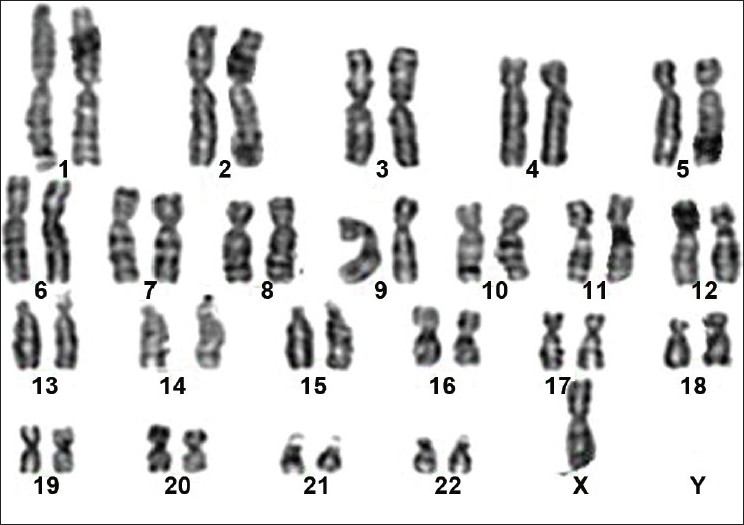
Based on the karyotype, what is the sex of this baby?
Male
Female

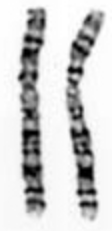

If the Diploid number for carrots is 18, the haploid number is
18
9
27
36

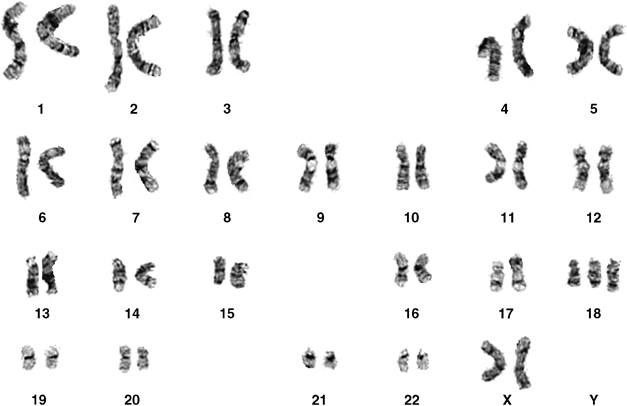

What does this image represent?
The male and female parents each pass along 20 chromosomes for a total of 40 chromosomes in a human.
The male and female parents do not pass along chromosomes, they are spontaneously produced
The male and female parents each pass along 23 chromosomes for a total of 46 chromosomes in a human.


a cell that has the most potential, able to become any type of cell.
Totipotent
Pluripotent
Multipotent
can become any of the three cell layers in a
developing embryo (endoderm, mesoderm, ectoderm), but not the placenta surrounding the embryo.
Totipotent
Pluripotent
Multipotent
What is true of induced pluripotent stem cells?
They can be turned/forced into other types of cells.
They can't be turned into other types of cells.
They can be turned back into their original type of cell.
all of the above
Why is the use of embryonic stem cells controversial?
The embryos are destroyed in the process of extracting the stem cells.
People consider their use as destroying a life.
They are taken from little kids, which is painful.
They are put into a different person.
Is the use of embryonic stem cells controversial in the US today?
Yes
No

