wayground logo

Free Printable Worksheets

Font size

S
M
L
XL
Worksheets

Midterm Review

Total questions: 110

Worksheet time: 2hrs 46mins

Name
Class
Date
1.

Subatomic particles with a negative charge

a)

Electrons

b)

Neutrons

c)

Protons

d)

Quarks

2.
subatomic particles found on the outermost shell & responsible for the atom's reactivity
a)
neutrons
b)
valence electrons
c)
isotopes
d)
ions
3.
Subatomic particles with a positive charge
a)
neutrons
b)
atomic mass
c)
protons
d)
isotopes
4.
Measure mainly of the nuclear particles: protons + neutrons
a)
Subatomic Particles
b)
Atomic Number
c)
Atomic Mass
d)
Gluons
5.
Subatomic particles that are neutral in charge
a)
Neutrons
b)
Protons
c)
Nucleus 
d)
Electrons
6.
Atoms of the same element with a different number of neutrons
a)
Ion
b)
Gluons
c)
Isotope
d)
Quarks
7.
A charged atom
a)
Ion
b)
Isotope
c)
Electron Cloud
d)
Quark
8.
Where electrons are likely to be found as they travel around the nucleus
a)
Nucleus
b)
Electron Cloud
c)
Within a Proton
d)
Within a Neutron
9.
A tiny but very dense, positively charged portion of the atom that holds most of the atomic mass
a)
Electron Shells
b)
Orbitals
c)
Electron Cloud
d)
Nucleus
10.
Arrangement of elements organized by atomic number
a)
Electron Cloud 
b)
Periodic Table 
c)
Electron Configuration
d)
None of these
11.
Discovered the nucleus of the atom through the Gold Foil Experiment
a)
Rutherford
b)
Chadwick
c)
Thomson
d)
Dalton
12.
Created the Planetary Model of the atom
a)
Bohr
b)
Dalton
c)
Rutherford
d)
Chadwick
13.
What electrical charge does a proton have?
a)
+1
b)
0
c)
-1
d)
+2
14.
How many protons does an aluminium atom have? (Use the image to help you)
a)
27
b)
14
c)
40
d)
13
15.
How many neutrons does a sodium atom have? (Use the image to help you)
a)
23
b)
11
c)
12
d)
34
16.
Complete the missing label on the diagram.
a)
Neutron
b)
Centre
c)
Nucleus
d)
Sub atomic particle
17.
The mass number of an element that has18 protons, 18 electrons, and 19 neutrons is _____.
a)
12.5
b)
13
c)
25
d)
37
18.
The atomic number of an element that has 9 protons, 9 electrons, and 10 neutrons is _____.
a)
9
b)
10
c)
19
d)
28
19.
What element is represented in this Bohr Model? 
a)
Carbon
b)
Hydrogen
c)
Aluminum
d)
Lithium
20.
Are made from a combination of 2 or more elements...
a)
Molecules
b)
Pure Substances
c)
Compounds
d)
Elements
21.
A combination that can be separated by physical processes is a .....
a)
Pure Substance
b)
Glucose
c)
Element
d)
Mixture
22.
A mixture that is NOT evenly distributed is called ....
a)
Compounded
b)
Homogenous
c)
Heterogenous
d)
Salty
23.
Substance with atoms that are all alike.
a)
element
b)
compound
c)
homogeneous mixture
d)
heterogeneous mixture
24.
This picture represents: 
a)
Element
b)
Compound
c)
Mixture of Elements
d)
Mixture of Compounds
25.
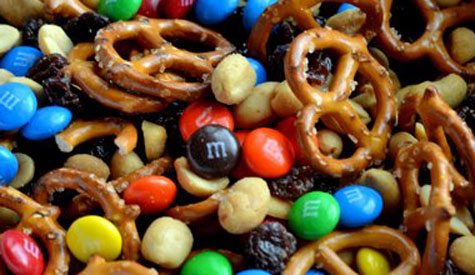
What type of mixture is this?
a)
homogenous mixture
b)
chemical
c)
heterogeneous mixture 
d)
solid mix
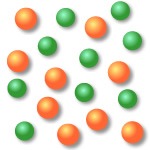
26.
This picture represents which of the following?
a)
element
b)
compound
c)
mixture
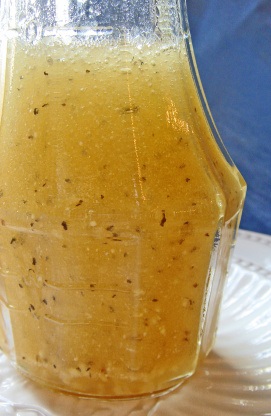
27.
Italian Salad Dressing is a . . .
a)
heterogeneous mixture
b)
homogeneous mixture
c)
Pure Substance
d)
Compound
28.
Which of the following is an element?
a)
Sugar
b)
Salt
c)
Water
d)
Oxygen
29.
A mixture that is so evenly mixed you can't see the parts.  Such as Kool-Aid
a)
Homogeneous Mixture
b)
Heterogeneous Mixture
c)
Pure Substance
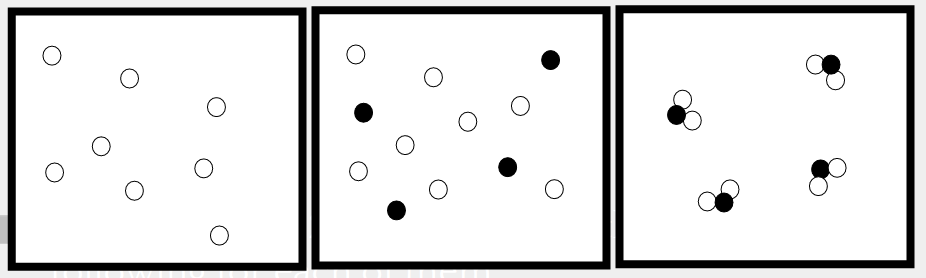
30.
Which one of these pictures represents a pure substance? 
a)
1 and 2
b)
1 and 3
c)
2 and 3
d)
1, 2 and 3
31.
Which one of these pictures represents a mixture? 
a)
1
b)
2
c)
3
d)
1, 2 and 3
32.
A substance with two or more elements that are combined in a fixed proportion
a)
colloid
b)
compound
c)
element
d)
solution
33.
A change that alters the physical properties of a substance without changing its composition.
a)
Physical Change
b)
Chemical Change
34.
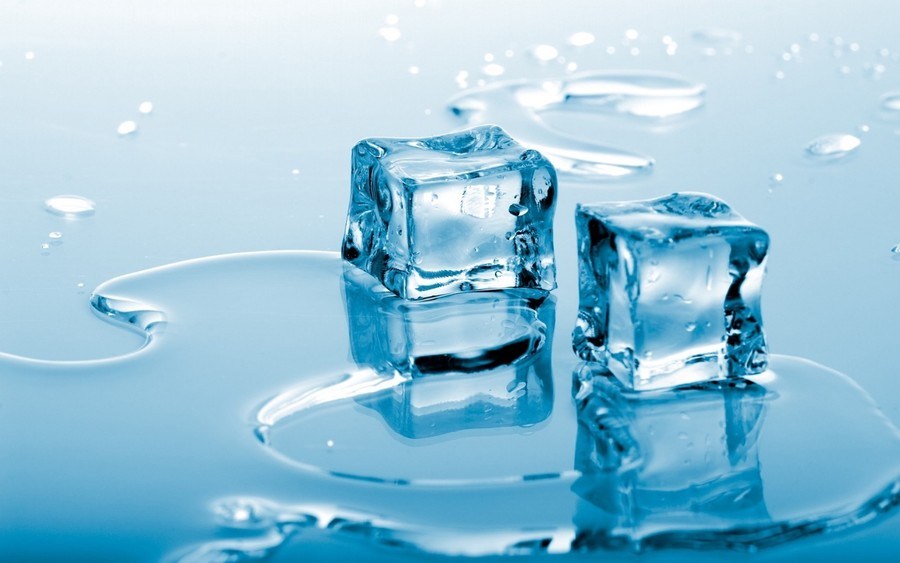
Water freezing into ice is an example of a...
a)
Physical Change
b)
Chemical Change
35.
Any change in the state of matter of a substance is a...
a)
Physical Change
b)
Chemical Change
36.
A change in matter that forms one or more new substances with new chemical properties is a/an...
a)
Physical Change
b)
Chemical Change
37.
Which of the following indicates a chemical change?
a)
Change in state of matter
b)
Temperature change
c)
Change in size 
d)
Change in shape
38.
Which of the following DOES NOT indicate a chemical change/reaction is occurring?
a)
Color Change
b)
Formation of a Precipitate
c)
Formation of gas/bubbles
d)
State of matter change
39.
Which of the following indicates a PHYSICAL change?
a)
Change in temperature
b)
Change in shape
c)
Formation of a precipitate
d)
Change in color
40.
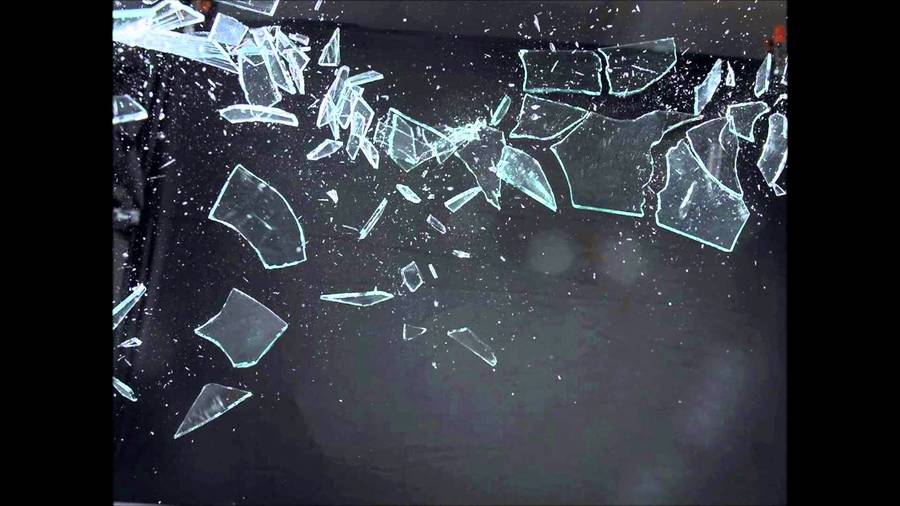
Chemical or Physical?  Glass breaking into tiny shards
a)
Chemical Change
b)
Physical Change
41.
Which Law states that Matter cannot be created or destroyed during a Chemical Change/Reaction?
a)
Conservation of Energy
b)
Conservation of Matter (Mass)
c)
Conservation of Momentum
d)
Conservation of Thermodynamics
42.
Physical or Chemical Change?  Iron rusts
a)
Physical Change
b)
Chemical Change
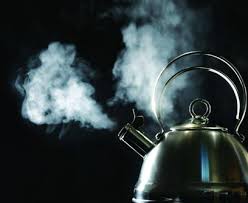
43.
Physical or Chemical Change?
a)
Physical Change
b)
Chemical Change
44.
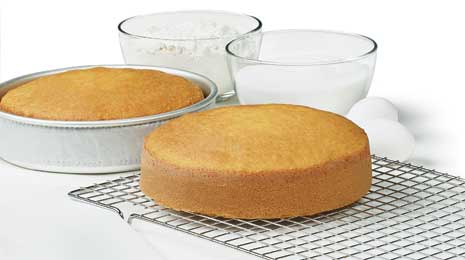
Physical or Chemical Change?  Baking a cake.
a)
Chemical Change
b)
Physical Change
45.
Physical or Chemical Change?  Logs burning in a campfire.
a)
Physical Change
b)
Chemical Change
46.
Physical or Chemical Change?  Making a paper airplane.
a)
Physical Change
b)
Chemical Change
47.
Freezing Juice?
a)
Physical Change
b)
Chemical Change
48.
Exploding Fireworks?
a)
Physical Change 
b)
Chemical Change 
49.
Melting a chocolate bar?
a)
Physical Change
b)
Chemical Change 
50.
Rotting bananas?
a)
Physical Change
b)
Chemical Change
51.
How many significant figures: 216 m
a)
1
b)
2
c)
3
d)
0
52.
How many significant figures: 2016 m
a)
1
b)
2
c)
3
d)
4
53.
How many significant figures: 153.0 mL
a)
1
b)
2
c)
3
d)
4
54.
How many significant figures: 0.012 km
a)
1
b)
2
c)
3
d)
4
55.
How many significant figures: 1000 mL
a)
1
b)
2
c)
3
d)
4
56.
How many significant figures: 100.000 cL
a)
1
b)
3
c)
5
d)
6
57.
How many significant figures: 0.001 g
a)
4
b)
3
c)
2
d)
1
58.
How many significant figures: 4.20 cm
a)
1
b)
2
c)
3
d)
4
59.
How many significant figures: 0.010 L
a)
1
b)
2
c)
3
d)
4
60.

How many significant figures: 450 m

a)

3

b)

2

c)

1

d)

0

61.
How many sig figs are there?
100000000
a)
1
b)
9
c)
10
62.
How many sig figs are there?
0.000008
a)
1
b)
2
c)
6
d)
7
63.
What is the noble gas shorthand electron for Sulfur atom?
a)
[Ar] 3p4
b)
[He] 3s23p4
c)
[Ne] 3s23p4
d)
[Na] 3s23p4
64.
What is the electron configuration for this atom?
a)
1s22s22p6
b)
1s22s22p5
c)
1s22s22p3
d)
2s22p3
65.
What atom matches this electron configuration?
1s22s22p63s2
a)
Neon
b)
Magnesium
c)
Aluminum
d)
Potassium
66.
Which element is depicted from this orbital diagram
a)
Fluorine
b)
Neon
c)
Chlorine
d)
Argon
67.
What is the charge of an atom that has lost one electron?
a)
-1
b)
-2
c)
+1
d)
+2
68.
What is the charge of an atom that has gained one electron?
a)
-1
b)
-2
c)
+1
d)
+2
69.
Anions are _______ that form ____________ ions and __________ electrons.
a)
nonmetals, positive, lose
b)
nonmetals, negative, gain
c)
metals, positive, gain
d)
metals, positive, lose
70.
Which element is pictured?
a)
neon
b)
fluorine
c)
magnesium
d)
argon
71.
What atom matches this electron configuration?
1s2s2p3s2
a)
Neon
b)
Magnesium
c)
Aluminum
d)
Potassium
72.
How many electron can be found in a p orbital?
a)
2
b)
3
c)
4
d)
6
73.
What is the electronic configuration of iron?
a)
1s22s22p63s23p64s23d6
b)
1s22s22p63s23p63d8
c)
1s22p63s23p64s23d6
d)
1s22s22p63s23p64s13d6
74.
Which is the electron configuration for an oxygen atom?
a)
1s22s22p63s23p64s2
b)
electronic configuration
1s22s22p4
c)
1s22s22p6
d)
1s22s22p63s23p6
75.
Which of the following will have a larger radius than Zinc?
a)
Gallium
b)
Aluminum
c)
Magnesium
d)
Strontium
76.
Which of the following will have a higher electronegativity than arsenic (As)?
a)
Carbon (C)
b)
Neon (Ne)
c)
Antimony (Sb)
d)
Germanium (Ge)
77.
Which of the following will have a lower ionization energy than Scandium (Sc)?
a)
Helium (He)
b)
Titanium (Ti)
c)
Calcium (Ca)
d)
Magnesium (Mg)
78.
As atoms of elements in group 16 are considered in order from top to bottom, the electronegativity of each successive element....
a)
decreases
b)
increases
c)
remains the same
d)
none of the above
79.
Which atom has the largest atomic radius?
a)
potassium
b)
rubidium 
c)
francium
d)
cesium
80.
As you move down the periodic table atoms get bigger.  This is because ____________.
a)
The atoms have more mass.
b)
The atoms have more protons.
c)
The atoms have more energy levels
d)
The atoms have more nuetrons
81.
As you move across the periodic table atoms tend to get smaller because, ______________.
a)
the atoms have more mass.
b)
the atoms have less mass
c)
the atoms have more protons.
d)
the atoms have less electrons.
82.
Atoms that have a high electronegativity, _______________.
a)
give up their electrons more easily.
b)
hold on to their electrons more tightly.
c)
have more electron shells.
83.
Electronegativity is...
a)
how good an atom is at attracting electrons
b)
the ability of an atom to lose electrons
c)
the energy required to remove an electron from a specific atom
d)
how easy it is to make friends. 
84.
Ionization energy is...
a)
the energy required to add an electron to a specific atom
b)
how much energy it takes to remove an electron from an atom
c)
the energy required to shield the outer electrons from the nucleus
d)
a measure of the ability of an atom to attract electrons
85.
The atom with the largest atomic radius in Group 18 is - 
a)
Ar
b)
He
c)
Kr
d)
Rn
86.
The element with the largest electronegativity in the halogens is - 
a)
At
b)
F
c)
Cl
d)
Br
87.

The element with the lowest electronegativity in Period 3 is -

a)

Na

b)

Cl

c)

Ar

d)

Mg

88.
Atomic radius generally increases as we move __________.  
a)
down a group and from right to left across a period 
b)
up a group and from left to right across a period 
c)
down a group and from left to right across a period 
d)
up a group and from right to left across a period 
89.
Electronegativity __________ from left to right within a period and __________ from top to bottom within a group.
a)
decreases, increases 
b)
increases, increases
c)
increases, decreases 
d)
stays the same, increases
90.

Name for NaH

a)

sodium hydrogen

b)

potassium hydride

c)

sodium hydride

d)

potassium hydrogen

91.

Formula for barium sulfide

a)

B2S3

b)

BaS

c)

Ba2S

d)

BaS2

92.

Formula for lead (II) chloride

a)

PbCl2

b)

Pb2Cl

c)

Pb2Cl3

d)

Pb3Cl2

93.

Formula for Disilicon Heptasulfide

a)

SiS6

b)

SiS7

c)

Si2S6

d)

Si2S7

94.

Formula for iron (II) carbonate

a)

FeCO3

b)

Fe2CO3

c)

FeCO2

d)

Fe2CO2

95.

Name for H3P

a)

Trihydrogen phosphoride

b)

Trihydrophosphoric acid

c)

Hydrophosphoric acid

d)

Hydrogen phosphoride

96.

Formula for Carbonic acid

a)

H2CO3

b)

H2C2O4

c)

H2CO2

d)

HC2O4

97.

Formula for sulfur dioxide

a)

S2O

b)

SO2

c)

S2O2

d)

(SO)2

98.

Name for CO

a)

carbon monoxide

b)

carbon oxide

c)

monocarbon oxide

d)

carbide monoxide

99.

Formula for aluminum phosphate

a)

Al2P3

b)

Al3PO4

c)

AlP

d)

AlPO4

100.
What is the name of CuCl2
a)
copper (II) chloride
b)
copper chloride
c)
copper monochloride
d)
copper (I) chloride
101.
Choose the correct shape for this molecule:
a)
Trigonal planar
b)
Trigonal pyramidal
c)
Tetrahedral
d)
Linear
102.
Choose the correct shape for this molecule:
a)
Trigonal planar
b)
Trigonal pyramidal
c)
Bent
d)
Linear
103.
Choose the correct shape for this molecule:
a)
Bent
b)
Trigonal pyramidal
c)
Trigonal planar
d)
Linear
104.
Choose the correct shape for this molecule:
a)
Trigonal planar
b)
Trigonal pyramidal
c)
Bent
d)
Tetrahedral
105.
Choose the correct shape for this molecule:
a)
linear
b)
Trigonal pyramidal
c)
Bent
d)
Tetrahedral
106.
Choose the correct shape for this molecule:
a)
linear
b)
Trigonal pyramidal
c)
Bent
d)
Tetrahedral
107.
Choose the correct shape for this molecule:
a)
linear
b)
Trigonal pyramidal
c)
Bent
d)
Trigonal planar
108.
Choose the correct shape for this molecule:
a)
Tetrahedral
b)
Trigonal pyramidal
c)
Bent
d)
Trigonal planar
109.
Choose the correct shape for this molecule:
a)
Bent
b)
Trigonal pyramidal
c)
Tetrahedral
d)
Trigonal planar
110.
Choose the correct shape for this molecule:
a)
Bent
b)
Linear
c)
Tetrahedral
d)
Trigonal pyramidal