

wayground logo

Free Printable Worksheets

Font size

S
M
L
XL
Worksheets

Semester I Review

Total questions: 133

Worksheet time: 1hrs 22mins

Name
Class
Date
1.
The Homestead Act encouraged people to move West because it..
a)
established ranching towns for cattle drivers.
b)
offered free land to those willing to farm it.
c)
offered land to gold prospectors.
d)
promised protection from Native Americans.
2.
One of the primary purposes of the Dawes Act was to..
a)
turn Native Americans into farmers.
b)
rebuild the Native American nations.
c)
restore the tribal ownership of land.
d)
encourage the Native American population to increase.
3.
Land set aside for Native Americans to live on.
a)
farm cooperative
b)
sooner
c)
Chisholm Trail
d)
reservation
4.
___________ played a major role in the mining and cattle industry for transporting
a)
wagon trains
b)
railroads
c)
trucks
d)
tractors
5.

What is the name of the first railroad to connect the east coast with west coast?

a)

Transcontinental Railroad

b)

Union Pacific Railroad

c)

Central Pacific Railroad

d)

Burlington Northern Railroad

6.
Supporters of laissez-faire economics believe that government should
a)
promote collective bargaining and planning 
b)
abolish private ownership of the means of production 
c)
refuse to recognize the corporate form of business structure 
d)
allow business to function without restrictions
7.
In the United States during the late 1800s, a major population trend was the
a)
movement of people from the farms to the cities 
b)
sharp decline in the birthrate 
c)
decline in the yearly number of immigrants 
d)
mass migration of people from the North to the South
8.
One factor that furthered industrialization in the United States between 1865 and 1900 was the
a)
development of the airplane 
b)
expansion of the railroads 
c)
mass production of automobiles 
d)
widespread use of steamboats
9.
One effect of monopolies on the United States economy is that they have tended to
a)
reduce business competition 
b)
keep prices low 
c)
give consumers a greater choice in purchasing goods and services 
d)
lead to a greater variety in the price for a particular product or service
10.
The term “robber barons” is used to describe many industrialists of the late 19th century mainly because they
a)
made large charitable donations to worthy causes 
b)
sought to maximize their profits by eliminating competition and exploiting workers 
c)
attempted to stimulate the economy by keeping the prices of their products as low as possible 
d)
opposed the entry of poor and uneducated immigrants into the United States
11.
The Interstate Commerce Act and the Sherman Antitrust Act were passed by Congress to
a)
increase safety in the workplace 
b)
promote fair hiring practices 
c)
improve working conditions 
d)
protect the interests of small businesses
12.
What is the main idea of this cartoon?
a)
The Standard Oil Company was a harmful monopoly.
b)
The best way to develop major industries was to form proprietorships.
c)
Government regulations were strangling the Standard Oil Company
d)
Foreign competition in the oil industry was hurting American companies
13.
Samuel Gompers, Eugene V. Debs, and John L. Lewis all influenced the American economy by
a)
supporting free trade between nations
b)
encouraging the use of monopolies
c)
advocating laissez-faire capitalism
d)
working to build unions and improve pay
14.
In the late 19th and early 20th centuries, a major goal of the American Federation of Labor (AFL) was to
a)
end restrictions on child labor
b)
admit women to the industrial workforce
c)
improve wages and working conditions
d)
join all workers into a single union
15.
In the 19th century, the major national labor unions wanted to improve the position of workers mainly by
a)
obtaining the legal right to organize and bargain collectively 
b)
using government troops to settle labor disputes with management 
c)
supporting government ownership of major industries 
d)
endorsing a third political party for workers only
16.
Exclusive control by one company over an entire industry
a)
monopoly
b)
trust
c)
sweatshop
d)
Social Darwinism
17.
Companies who control all the different phases of the business to control profits & maximize efficiency use the method called
a)
Horizontal Integration
b)
Vertical Integration
c)
Big Business Model
d)
Maximum Profit Idea
18.

The method where companies who control all or nearly all parts of an industry

a)

Horizontal Integration

b)

Vertical Integration

c)

Big Business Model

d)

Capitalism

19.
Andrew Carnegie was the captain of what industry?
a)
Steel 
b)
Meatpacking
c)
Railroad
d)
Banking
20.
Who was the captain of the railroad industry?
a)
Andrew Carnegie
b)
Cornelius Vanderbilt
c)
John D. Rockefeller
d)
J.P. Morgan
21.
Who was the captain of the oil industry?
a)
J.P. Morgan
b)
John D. Rockefeller
c)
Andrew Carnegie
d)
Cornelius Vanderbilt
22.
What is laissez-faire?
a)
A belief that the government should not interfere in the economy.
b)
Government should control the economy.
c)
Government should regulate the economy.
d)
Government should control the people.
23.

What does philanthropy mean?

a)

generously donating money to good causes

b)

future generations; your kid's kids

c)

being wealthy and leaving all of your money to 1 son

d)

a place where different nationalities and religions are mixed together

24.
This term describes people with prejudices about immigrants based on ethnicity, religion, political and social beliefs
a)
Racist
b)
Nativist
c)
Prejudists
d)
Americanist
25.
Who was the boss of New York's Tammany Hall, which defrauded NYC out of millions of dollars? 
a)
Boss Tweed
b)
Boss Nast
c)
Boss Cleveland
d)
Boss Marconi
26.

Political Machines took advantage of what major groups?

a)

The Immigrants and the Poor

b)

The Immigrants and Big Businesses

c)

The Poor and the Chinese

d)

The Chinese and the Big Businesses

27.

How did Political Machines use Infrastructure to gain power and manipulate Immigrants?

a)

Got them to work on those projects in exchange for votes

b)

Got them to work on those projects in exchange for money

c)

Kept them from getting those jobs

28.
Poor, crowded, and unhealthy describe:
a)
Prospecting
b)
Tenements
c)
Country life
d)
A farmer's life
29.
What is the significance of Ellis Island?
a)
It was the place where most European immigrants settled.
b)
It was the place where most European immigrants passed through before they became citizens.
c)
It was the place where unwanted immigrants were sent by the U.S. government.
d)
It was the headquarters of the U.S. Immigration and Naturalization Service.
30.
Where did Asian immigrants arrive when they came to America?
a)
Angel Island
b)
Rhode Island
c)
Ellis Island
d)
Fools Island
31.

This law was made to reduce competition for jobs on the West coast because it prohibited immigration from China?

a)

Sherman Anti-Trust Act

b)

Chinese Exclusion Act

c)

Interstate Commerce Act

d)

Homestead Act

32.
In the late 1800s and early 1900s, what was the difference between "new" immigration and "old" immigration?
a)
"Old" immigrants were from South America, and "new" immigrants were from Africa.
b)
Old" immigrants were from Asia, and "new" immigrants were from South America.
c)
"Old" immigrants were from western Europe, and "new" immigrants were from eastern and southern Europe.
d)
"Old" immigrants were from eastern and southern Europe, and "new" immigrants were from western Europe.
33.

A philosophy asserting that humans have developed through competition and natural selection and only the strongest survive

a)

Philanthropy

b)

Nativism

c)

Social Darwinism

d)

Laissez-faire

34.

In the late 1800s, many rural Americans moved to big cities in search of

a)

Better paying jobs

b)

Political power

c)

High society

d)

Shorter work hours

35.

The Gospel of Wealth was a philosophy that wealthy Americans had a responsibility to

a)

Build their wealth through investment

b)

Help high culture grow in America

c)

Support laissez-faire policies

d)

Engage in philanthropy

36.

A policy that allowed each foreign nation in China to trade freely in the other nation’s sphere of influence

a)

Open Door Policy

b)

Dollar Diplomacy

c)

Moral Diplomacy

d)

Big Stick Policy

37.

The actions used by one nation to exercise control over a smaller or weaker nation

a)

Imperialism

b)

Nationalism

c)

Jingoism

d)

Totalitarianism

38.

A policy of joining the business interests of a country with its diplomatic interests

a)

Open Door Policy

b)

Big Stick Policy

c)

Moral Diplomacy

d)

Dollar Diplomacy

39.

Section of a country where a foreign nation enjoys special rights and powers

a)

Yellow Journalism

b)

Sphere of Influence

c)

Jingoism

d)

Dollar Diplomacy

40.

A country that is technically independent but is actually under the control of another country

a)

Imperialism

b)

Expansion

c)

Moral Diplomacy

d)

Protectorate

41.

The United States became an imperial power as a result of

a)

the Boxer Rebellion.

b)

the Pan-American Conference

c)

the Open Door policy.

d)

the Spanish American War

42.

The Roosevelt Corollary stated that the United States would intervene in Latin American affairs when necessary to

a)

protect American business interests and investments in Latin America.

b)

shape the less-civilized nations in the Western Hemisphere.

c)

extend American influence in Central and South America.

d)

maintain economic and political stability in the Western Hemisphere.

43.

President Roosevelt used the West African saying “Speak softly and carry a big stick” to express his belief that

a)

imperialism violates fundamental American principles.

b)

attacks on U.S. interests must be met with a strong military response.

c)

the United States has an obligation to promote development in other nations.

d)

displaying U.S. power to the world would deter nations from fighting.

44.
What did the Supreme Court rule in the case of Plessy vs. Ferguson?
a)
separate facilities were legal
b)
separate facilities were illegal 
c)
separate facilities were legal for schools only
d)
separate facilities were legal as long as they were equal
45.

What nickname was given to Roosevelt’s soldiers?

a)

Buffalo Soldiers

b)

Rough Riders

c)

Smooth Riders

d)

Rough Soldiers

46.

What contributed to the support for U.S. getting involved in the Spanish American War and WWI? This also was known to stretch the truth to convince the public their own belief.

a)

Newspaper Journalism

b)

Red Journalism

c)

Fake News

d)

Yellow Journalism

47.

Why did the United States feel sympathy for the Cuban people?

a)

Spanish people didn't speak Cuban

b)

Cuba wanted their independence from Spain

c)

The United States put high taxes on Cuban people

48.

Guam, Philippines, and Puerto Rico are all territories that came under the control of the United States following what conflict?

a)

Mexican War

b)

World War I

c)

War of 1812

d)

Spanish American War

49.

What term describes the belief that it is our God – Given right to expand to lands across the ocean?

a)

Social Darwinism

b)

Missionary Spirit

c)

Manifest Destiny

d)

Expansionists

50.

What was the name of the Battleship that was sunk after being stationed in Cuba, even though we don’t know who was responsible for it being destroyed?

a)

Maine

b)

Lusitania

c)

North Carolina

d)

Hunley

51.

What was built to connect the coast of the Pacific Ocean to the coast of the Atlantic Ocean for shipping and trading?

a)

Panama Canal

b)

London Bridge

c)

Puerto Rico

d)

Golden Gate Bridge

52.
What was the impact of yellow journalism on the Spanish American War?
a)
It made people want to go to war with Spain, seeking revenge for the Maine
b)
It gave people a chance to protest against unfair working conditions in factories
c)
It forced people to stop immigration at Ellis Island
d)
It encouraged people to stop segregation and want to accept all people in all states
53.

What are alliances?

a)

agreements between countries

b)

countries helping to defend each other

c)

countries sharing military resources

d)

all of the above

54.

President Woodrow Wilson had to ask who to declare war on Germany?

a)

Congress

b)

Vice President

c)

Tax Payers

d)

His Lawyer

55.

Britain used ________ to spread made up or exaggerated information about Germany.

a)

Money

b)

A telephone

c)

Propaganda

d)

Pandas

56.
A treaty signed by Germany and the allied powers after WWI was called
a)
Treaty of Ghent
b)
Treaty of Versailles
c)
Treaty of Berlin
57.
An agreement to stop fighting before a treaty is signed or agreed upon is called a ___________________.
a)
Army
b)
Armistice
c)
Reparations
58.
Troops fighting from trenches that face one another and the "no man's land" in between is called
a)
trench warfare
b)
total war
c)
tank warfare
59.
The President of the USA during WWI was...
a)
Herbert Hoover
b)
Franklin D. Roosevelt
c)
Harry S. Truman
d)
Woodrow Wilson
60.

What was the name of the passenger ship that Germany sank and killed innocent people, and a cause for US involvement in WWI?

a)

Maine

b)

Lusitania

c)

Arizona

d)

Pearl

61.

Who were the Allied Powers at the start of WWI?

a)

US, Russia, Hawaii, Spain

b)

Great Britain, France, Russia

c)

Germany, Russia, Austria, Hungary, Ottoman Empire

d)

Germany, US, Ottoman Empire

62.

Who were the Central Powers?

a)

Germany, Austria, Hungary, Ottoman Empire

b)

US, Great Britain, France

c)

US, Russia, China, Ghana

d)

Germany, Austria, US, Ottoman Empire

63.

Policy of having little to do with the political affairs of other nations.

a)

Communism

b)

Expansionism

c)

Isolationism

d)

Imperialism

64.

William Seward purchased which piece of land from Russia for $7.2 million.

a)

Alaska

b)

South America

c)

New York

d)

Utah

65.

This chain of islands became our 50th state in 1959.

a)

Long Island

b)

Ireland

c)

Bahamas

d)

Hawaii

66.

This secret society led a rebellion to rid China of "foreign devils."

a)

Boxer Rebellion

b)

WW I

c)

Civil War

d)

Bolshevik Revolution

67.

These sensational stories were often biased or untrue.

a)

Muckrakers

b)

National Enquirer

c)

Tabloids

d)

Yellow Journalism

68.
Which of the following territories were acquired by the United States as a result of the Spanish American War? 
a)
Philippines, Japan, and Mexico
b)
Cuba, Puerto Rico and China
c)
The Philippines, Puerto Rico and Guam
d)
Hawaii, Guam, and Mexico
69.
The annexation of Hawaii led to the overthrow and imprisonment of Queen Lili'uokalani. 
a)
true
b)
false
70.
Women contributed to the war effort as (all of the following EXCEPT)...
a)
Nurses
b)
Clerics 
c)
Photographers
d)
Soldiers
71.
All of the following are true about the Treaty of Versailles EXCEPT:
a)
The U.S., Britain, and France negotiated the details.
b)
It was extremely harsh on the Germans.
c)
It created the League of Nations.
d)
It was Wilson's proposal for peace in Europe.
72.
Which German action angered Americans the most?
a)
Unrestricted submarine warfare.
b)
Supporting Austria-Hungary.
c)
Imperialism in Africa.
d)
Big Stick Diplomacy.
73.
The Espionage and Sedition Acts affected freedom of speech because they
a)
allowed the government to silence ideas that challenged its authority.
b)
forced men to enlist in the military 
c)
promoted biased ideas designed to sway people's thinking.
d)
forced restaurant owners to offer "liberty sandwiches" rather than "hamburgers."
74.
Who trained and led the American Expeditionary Force (AEF) against the Germans?
a)
John Pershing
b)
Henry Cabot Lodge
c)
Dwight Eisenhower
d)
Francis Ferdinand
75.

All of these were included in Wilson's Fourteen Points plan after WWI, EXCEPT:

a)

Creating the League of Nations

b)

Germany pays for war damages

c)

Free trade for all nations

d)

All countries reduce the number of weapons they have

76.
Alfred T. Mahan argued:
a)
to become an empire, the US needed to acquire naval bases and strengthen its naval power
b)
the burden of the white man is to support and uplift non-whites
c)
imperialism was not democratic and engaging in it would be hypocritical
d)
the nation's economic needs could be satisfied from within as the US should avoid risking itself in foreign entanglements
77.
Selective Service Act
a)
Allowed men and women to choose which branch of the military they worked in
b)
Required men to register for the draft
c)
Only chose the best men for the AEF
d)
Required all people over 18 to register for the draft
78.
Why did most senators not want to join the League of Nations?
a)
They did not want to have to pay the money that was required.
b)
They wanted the headquarters to be located in the United States
c)
They were angry because their enemies were joining the League of Nations.
d)
They did not want to be pulled into future wars simply because they were part of this group.
79.
What was the name of the peace keeping organization that was created at the end of World War 1 that was designed to resolve international disputes?
a)
Treaty of Versailles
b)
United Nations
c)
League of Nations
d)
Ottoman Empire
80.
What was the Zimmerman telegram?
a)
Mexico and Germany would form an alliance against Great Britain.
b)
British would support the US in the war against Mexico.
c)
Germany would give Mexico their land back in support of the war against the US.
d)
Germany would fight against the United States and Mexico.
81.
A "muckraker" is
a)
A journalist who exposed living conditions in the tenements and factories
b)
Someone who took bribes 
c)
someone who fought for women's rights
d)
a gardener
82.
A "suffragette" is
a)
A journalist who exposed living conditions in the tenements and factories
b)
Someone who took bribes 
c)
someone who fought for women's rights
d)
a gardener
83.
Fought for women's voting rights
a)
Susan B. Anthony
b)
Boss Tweed
c)
Jacob Riis
d)
Jane Addams
84.
Founder of "Hull House"
a)
Susan B. Anthony
b)
Boss Tweed
c)
Jacob Riis
d)
Jane Addams
85.
Wrote "How the other half lives" exposing conditions in the slums
a)
Susan B. Anthony
b)
Boss Tweed
c)
Jacob Riis
d)
Jane Addams
86.

Who wrote "The Jungle"?

a)

Upton Sinclair

b)

Jacob Riis

c)

Thomas Nast

d)

Lewis Hine

87.

Founder of the Tuskegee Institute?

a)

WEB Dubois

b)

Booker T Washington

c)

Martin Luther King, Jr.

d)

Marcus Garvey

88.
The Pure Food and Drug Act protected consumers by
a)
banning all the sale and transportation of mislabeled or contaminated food & drugs
b)
banning all food from coming into the United States from China
c)
letting anyone sale & prepare food
d)
banning sales to certain states
89.
The Seventeenth Amendment allowed....
a)
Americans to vote the way they want to in all elections
b)
women the right to vote
c)
Americans to vote for president
d)
Americans to vote directly for US senators instead of having state legislatures vote for them
90.
In 1890 Elizabeth Stanton & Susan B. Anthony founded the.....
a)
National American Woman Suffrage Association (NAWSA)
b)
American Medical Association (AMA)
c)
National Association for the Advancement of Colored People (NAACP)
d)
Women's Christian Temperance Union (WCTU)
91.
Who drew attention to the lynching of African Americans?
a)
William Haywood
b)
Ida B. Wells
c)
William Howard Taft
d)
W.E.B DeBois
92.

These reforms made the government directly accountable to the citizens.

a)

Referendum, recall, initiative, and 17th amendment

b)

19th and 22nd Amendments

c)

Pendleton Act & Homestead Act

d)

16th and 18th Amendments

93.

What organization did W.E.B. Dubois establish to help secure legal equality for minorities?

a)

Muckrakers Movement

b)

Black Panthers

c)

NAACP

d)

SNCC

94.
President Theodore Roosevelt's conservation efforts were influenced by a desire to 
a)
protect natural resources for the future
b)
increase revenues through land sales
c)
reduce the role of the federal government
d)
return tribal lands to Native American Indians 
95.
The Federal Reserve Act of 1913 was intended to 
a)
create a national parks system
b)
regulate the stock market
c)
control the nation's money supply
d)
establish homelands for Native American Indians
96.
How did the progressive movement impact the lives of kids?
a)
Reinforced the importance of the military
b)
Supported the 18th amendment
c)
Restricted child labor
97.

Which president believed in the idea of a , "Return to Normalcy?"

a)

Woodrow Wilson

b)

Warren G. Harding

c)

Calvin Coolidge

d)

Herbert Hoover

98.

Which president's administration was full of scandals?

a)

Woodrow Wilson

b)

Warren G. Harding

c)

Calvin Coolidge

d)

Herbert Hoover

99.
What were the main causes of WWI?
a)
treason, militarism,  revolution, isolationism
b)
nationalism, patriotism, democracy, imperialism
c)
alliances, isolationism, patriotism, economy
d)
militarism, alliances, imperialism, nationalism
100.
During what years did WWI take place? 
a)
1909-1913
b)
1920-1924
c)
1901-1905   
d)
1914-1918   
101.
The cultural movement when African Americans expressed themselves through music, art, and literature is known as the ___________.    
a)
Reconstruction Era
b)
Harlem Renaissance
c)
Roaring Twenties
d)
Civil Rights Movement
102.
A great jazz musician who helped the 1920s become known as the "Jazz Age"
a)
Henry Ford
b)
Babe Ruth
c)
Louis Armstrong
d)
Langston Hughes
103.
One of the greatest baseball players of all time, who helped professional sports become popular. 
a)
Babe Ruth
b)
Woodrow Wilson
c)
Charles Lindbergh
d)
Henry Ford
104.
A great aviator who became the first person to fly across the Atlantic Ocean by himself.
a)
Langston  Hughes
b)
Woodrow Wilson
c)
Henry Ford
d)
Charles Lindbergh
105.
Began mass production of his automobiles using the assembly line, making them affordable for average Americans.
a)
Charles Lindbergh
b)
Henry Ford
c)
Langston Hughes
d)
George Ford
106.
Famous African American poet who lived in Harlem and was a part of the Harlem Renaissance
a)
Louis Armstrong
b)
Langston Hughes
c)
Charles Lindbergh
d)
Woodrow Wilson
107.
People that risk everything to star their own business are called
a)
laborers
b)
specialists
c)
competitors
d)
entrepreneurs
108.

This constitutional amendment banned the manufacturing, sale, and transportation of alcohol across the United States.

a)

19th amendment

b)

18th amendment

c)

21st amendment

d)

16th amendment

109.

The movement of African Americans from the south to the north and Midwest is called

a)

the Harlem Renaissance

b)

the Great Migration

c)

the Great Depression

d)

the Italian Renaissance

110.

How did Prohibition change life in the United States?

a)

children stopped drinking alcohol

b)

African Americans moved north

c)

Women gained their independence

d)

Organized Crime increased because of illegal alcohol sales

111.

Affordable automobiles led to what changes in the United States in the 1920's?

a)

Drinking at speakeasies increased

b)

Americans had more freedom and roads were paved

c)

Americans began walking more

d)

Americans were outraged by the high prices of cars

112.

Which of these descriptions fits life in the Roaring Twenties?

a)

a time of prosperity, social change, artistic rebirth and organized crime

b)

a time of technological breakthroughs and online gaming

c)

a time of conflict and economic hardships

d)

the rise of imperialism and international conquest

113.

A production system with machines and workers arranged so that each person performs the task again and again

a)

Isolationism

b)

Supply side economics

c)

Assembly line

d)

Nativism

114.

A person who believes there should be no government

a)

Creationism

b)

Anarchist

c)

Speakeasy

d)

Evolution

115.

A place where alcoholic beverages are sold illegally (underground hidden saloons and night clubs)

a)

Creationism

b)

Anarchist

c)

Speakeasy

d)

Evolution

116.

Harding's friends that gave cabinet posts and other high-level jobs

a)

Mass Media

b)

Fundamentalism

c)

Ohio Gang

117.

A fight over evolution and the role of science and religion in public school

a)

The Scopes Trial

b)

The Teapot Dome Scandal

c)

The Sacco and Vanzetti Case

d)

The Ku Klux Klan (KKK)

118.

Harding's secretary of interior, Albert B Fall secretly allowed private interests to lease lands containing U.S. Navy oil reserves at Teapot Dome

a)

The Scopes Trial

b)

The Teapot Dome Scandal

c)

The Sacco and Vanzetti Case

d)

The Ku Klux Klan (KKK)

119.

Targeted immigration to the U.S.

a)

The Scopes Trial

b)

The Teapot Dome Scandal

c)

The Sacco and Vanzetti Case

d)

The Ku Klux Klan (KKK)

120.

By distributing sheet music of contemporary songs, what impact did the Tin Pan Alley publishers of the early 20th century have on culture?

a)

They ended the public fascination with jazz.

b)

They created a national audience for popular music.

c)

They encouraged a rebellious attitude in teenagers.

d)

They inspired the widespread movement for prohibition.
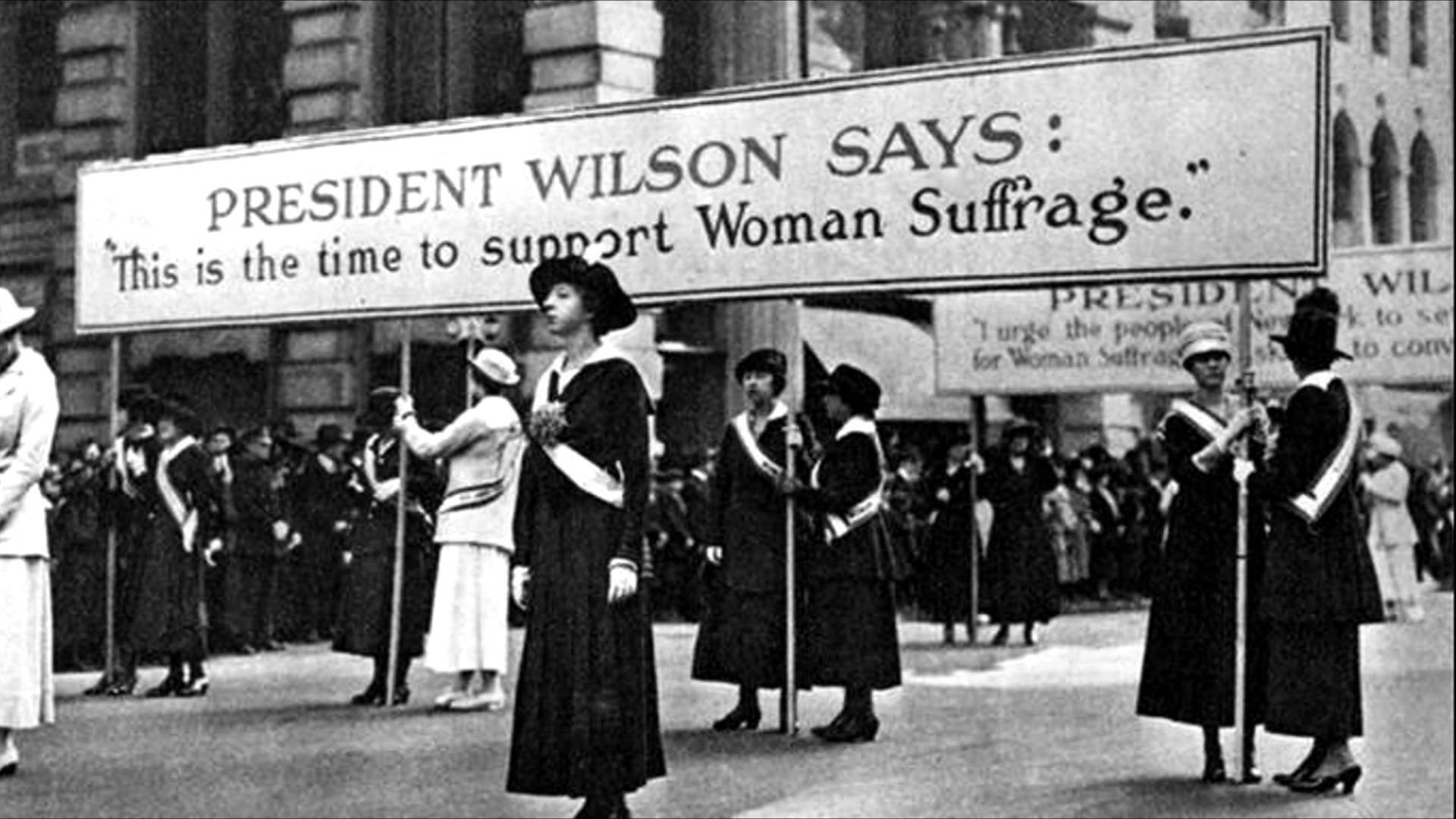
121.
What was a major development in popular culture during the 1920's
a)
a preference for watching television over listening to the radio
b)
a strong interest in Hollywood and talking pictures
c)
an increase in regional interests and a decline in mass media
d)
a declining interest in sports and sports heroes
122.
Which amendment repealed Prohibition
a)
22nd
b)
19th
c)
21st
d)
18th
123.
An unintended effect of the Fordney-McCumber Act was that
a)
farmer could no longer sell their crops in the American Market
b)
demand for American farm products increased in Latin America
c)
farmers could no longer sell their crops to overseas markets
d)
demand for American farm products increased overseas
124.
Calvin Coolidge became president when
a)
he defeated Harding
b)
he defeated Follette
c)
Warren G. Harding died in office
d)
Harding was assassinated
125.
How did Dawes Plan try to promote Peace
a)
it proposed a treaty to outlaw
b)
plan to set limits on the construction of new warships
c)
the plan allowed US banks to loan money to Germany so it could pay reparations
d)
increased tariffs on imports from Germany
126.
ALL women were granted the right to vote with the ___________ Amendment. 
a)
19th Amendment
b)
20th Amendment
c)
21st Amendment
127.

Flapper was the name for a ________.

a)

jazz musician during the Harlem Renaissance

b)

member of a racist group started after the Civil War

c)

secret club where people would go to drink during Prohibition

d)

new fashion icon for women in the 1920s

128.

Why did supporters of Prohibition want to outlaw alcohol?

a)

to make Americans healthier

b)

to get rid of immoral behavior

c)

because alcohol manufacturers were making too much money

d)

because alcohol manufacturers were racist

129.
_______ illustrate the anti-immigration feelings of the 1920's because they were executed for a robbery on very, very thin evidence.
a)
Sacco and Vanzetti
b)
Laurel and Hardy
c)
Rogers and Hammerstein
d)
The Howard Brothers
130.
 Why were some American writers of the 1920's called the “Lost Generation”?
a)
They expressed feelings of separation from American society.
b)
They returned to Paris where most of them were originally from.
c)
They expressed the pain of racism experienced by African Americans.
d)
They appreciated the Jazz Age and its rebellious youth culture.
131.
The United States in the 1920’s had
a)
a willingness to encourage immigration to the United States
b)
increased consumer installment buying and spending
c)
active involvement of the United States in European affairs
d)
major reforms in national labor laws
132.
The economic boom of the 1920’s was caused by
a)
new economic policies of the League of Nations
b)
development of new consumer goods
c)
the loss of jobs
d)
elimination of barriers to international trade
133.
During the 1920’s, the Scopes trial, national Prohibition, and the behavior of flappers were all signs of disagreement over
a)
Traditional values and changing lifestyle
b)
Cause of the Great depression
c)
The benefits of new technology
d)
The start of WWI
