Worksheets
SNC2D Biology Quiz
Total questions: 112
Worksheet time: 9hrs 20mins


The gelatinous material inside the cell
ribosomes
lysosome
granum
cytoplasm
This pigment is found in chloroplasts.
rhodopsin
chlorophyll
thylakoid
stroma

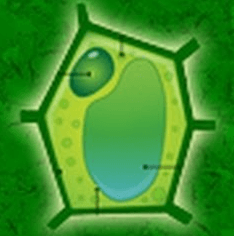
Which part is number 1? (REM)
Cell membrane
Chloroplast
Cell wall
None of the above

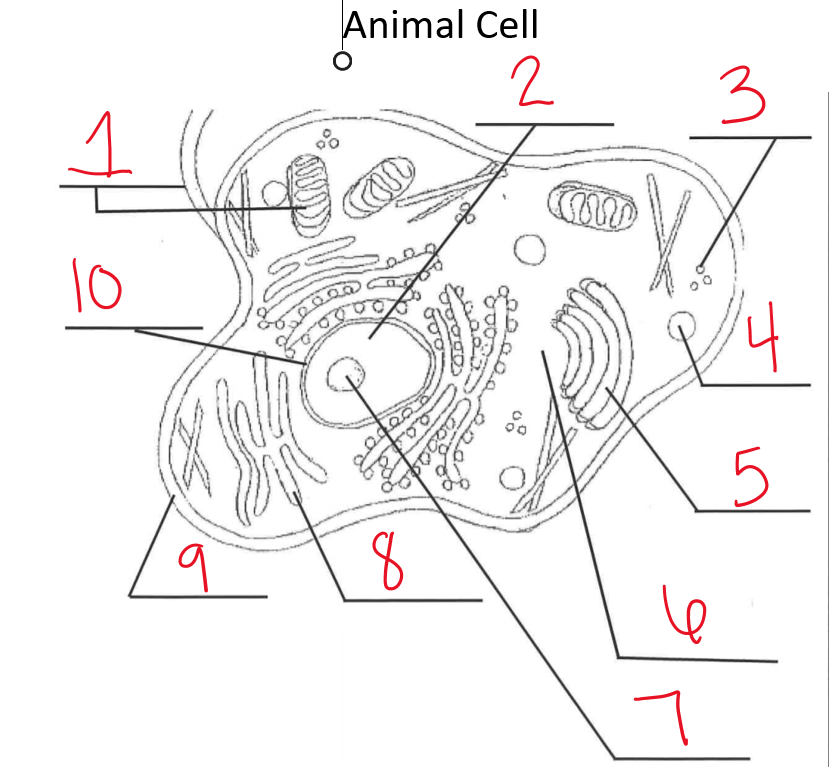
What organelle is labeled #1?
Mitochondria
Vacuole
Chloroplast
Nucleus
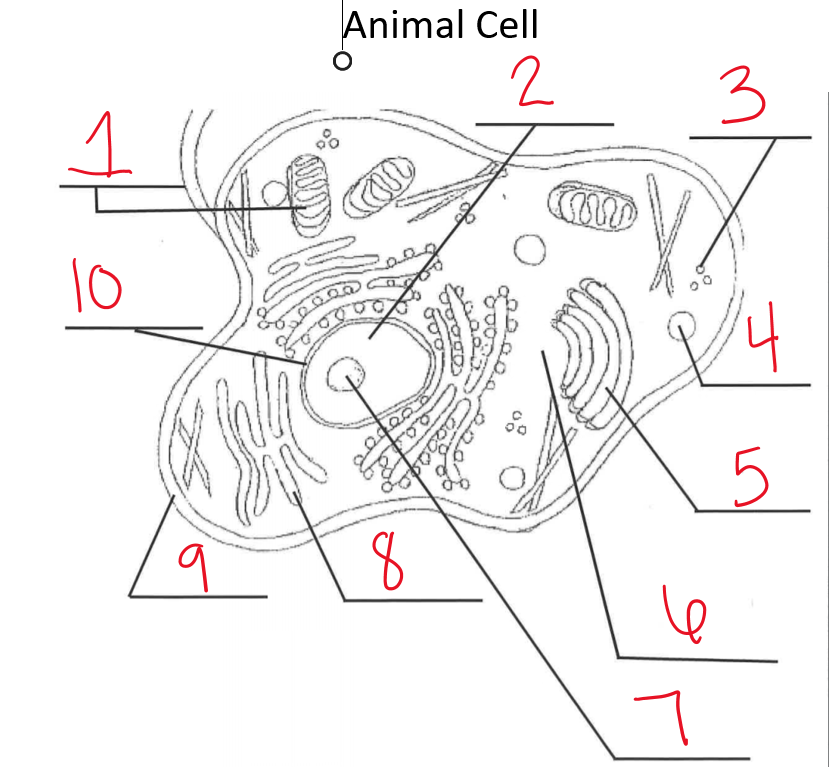
What organelle is labeled #2?
Nucleus
Nuclear membrane
Nucleolus
Cell membrane
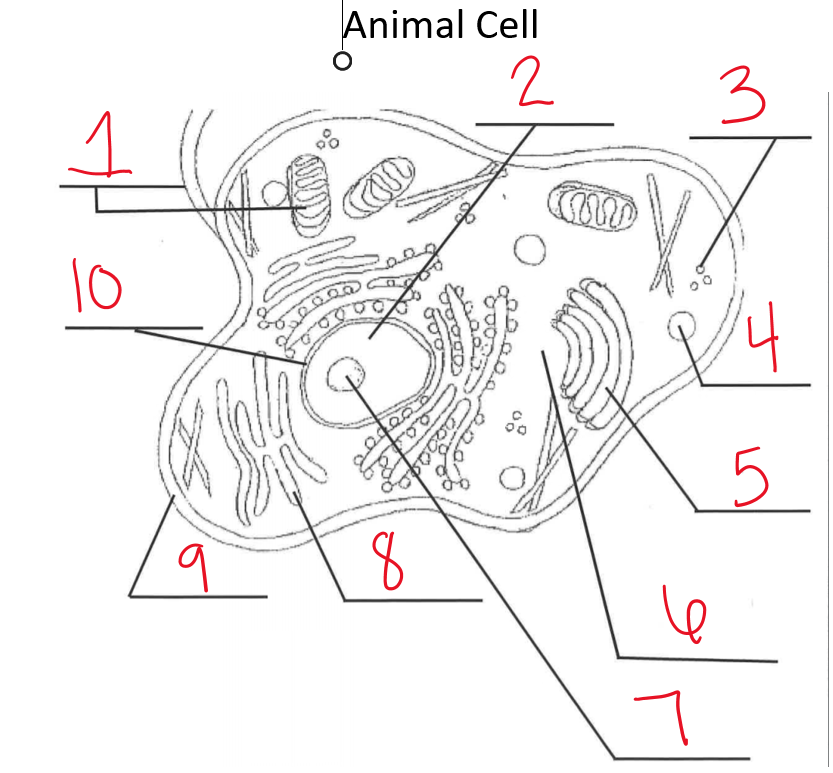
What organelle is labeled #3?
Vacuole
Golgi body
Ribosomes
ER
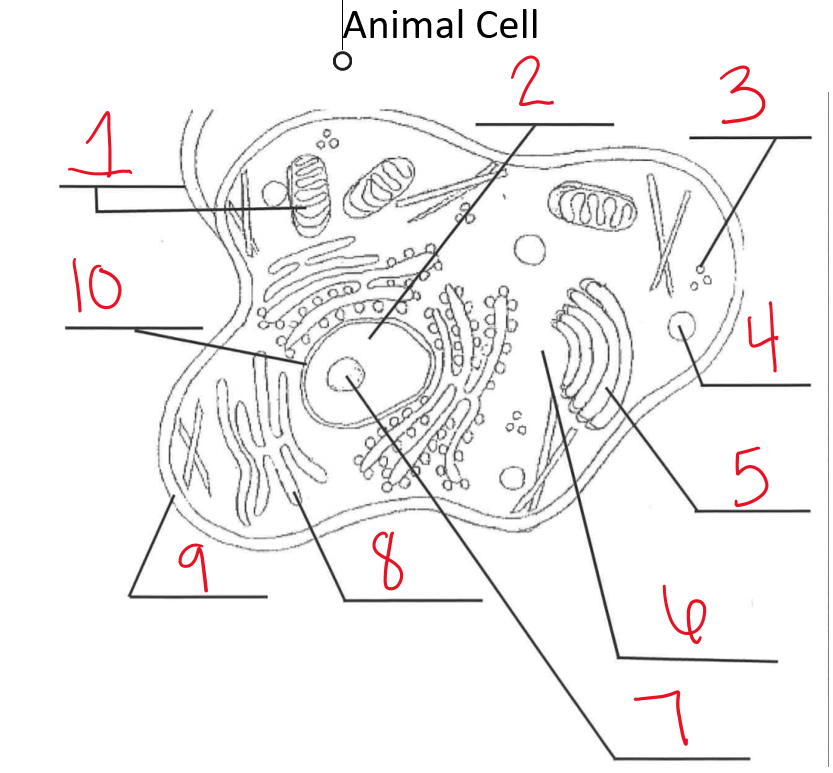
What organelle is labeled #4?
DNA
ER
Golgi body
Vacuole
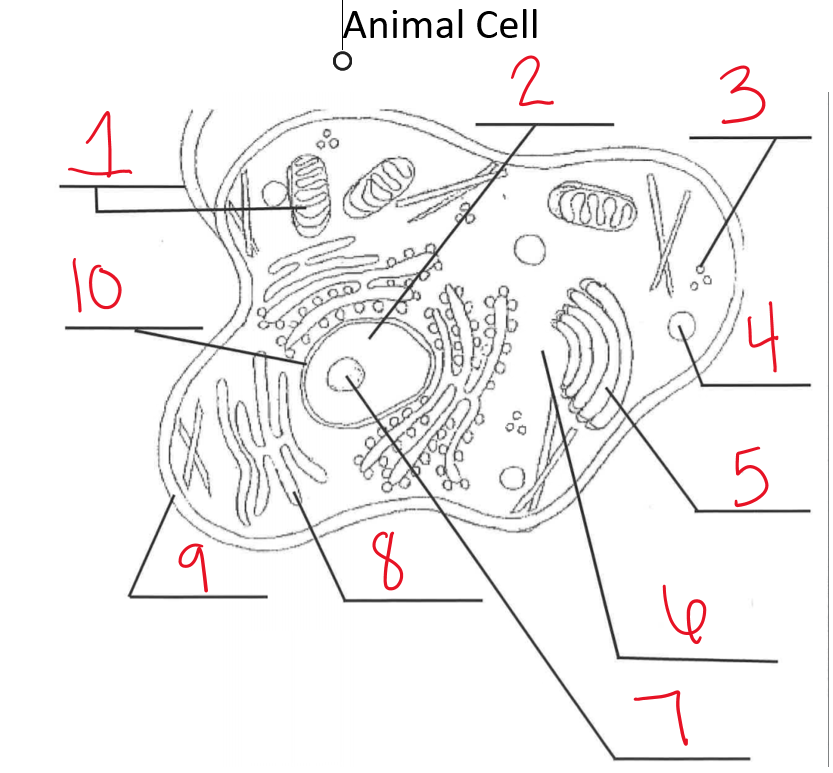
What organelle is labeled #5?
DNA
ER
Golgi body
Nucleus
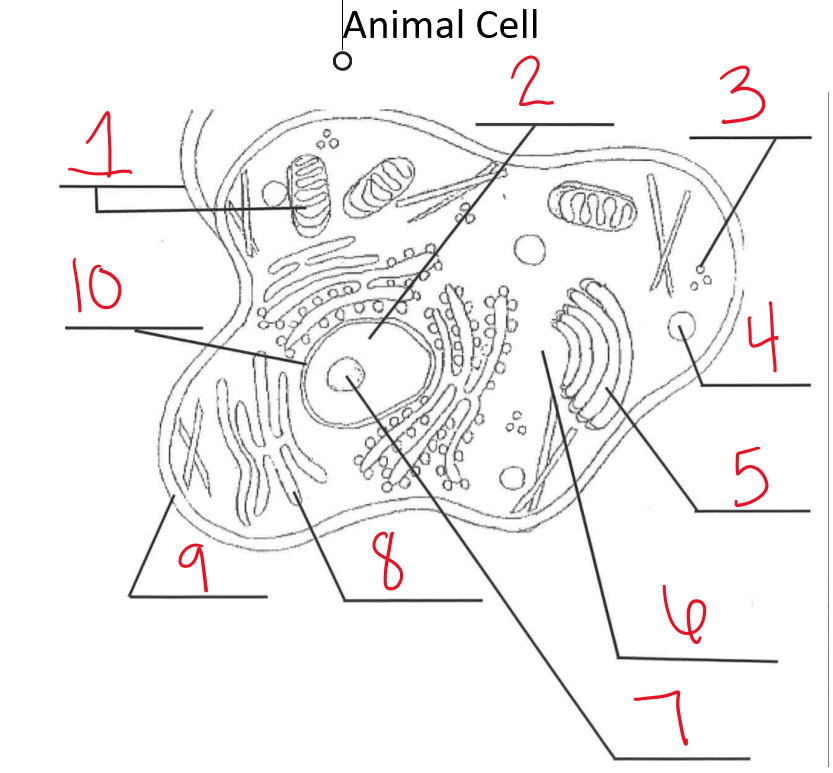
What organelle is labeled #6?
Nucleolus
Cell membrane
Cytoplasm
Mitochondria
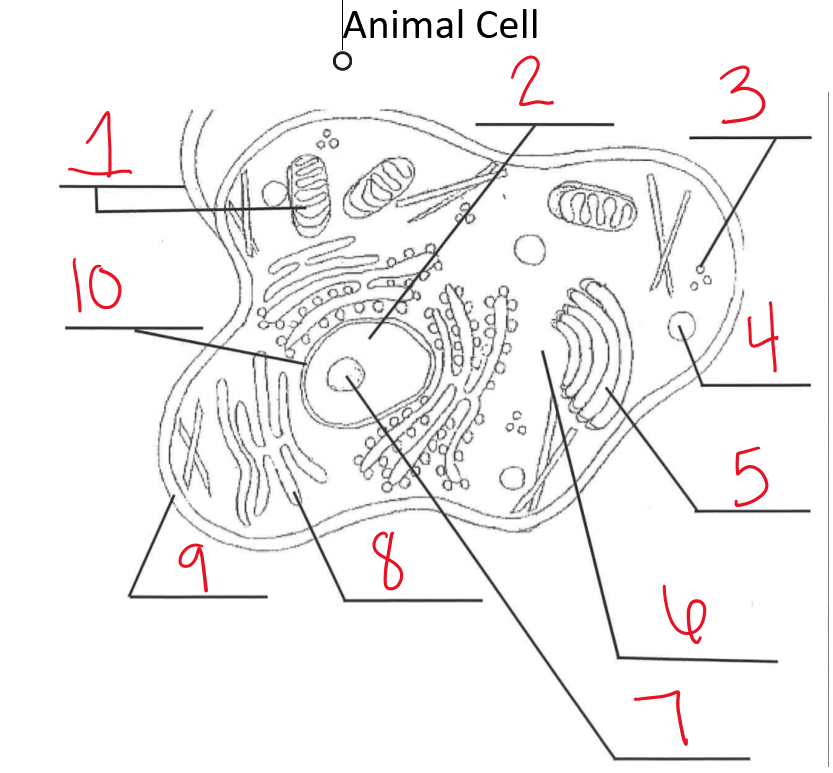
What organelle is labeled #9?
Cell wall
Cell membrane
Nuclear membrane
DNA
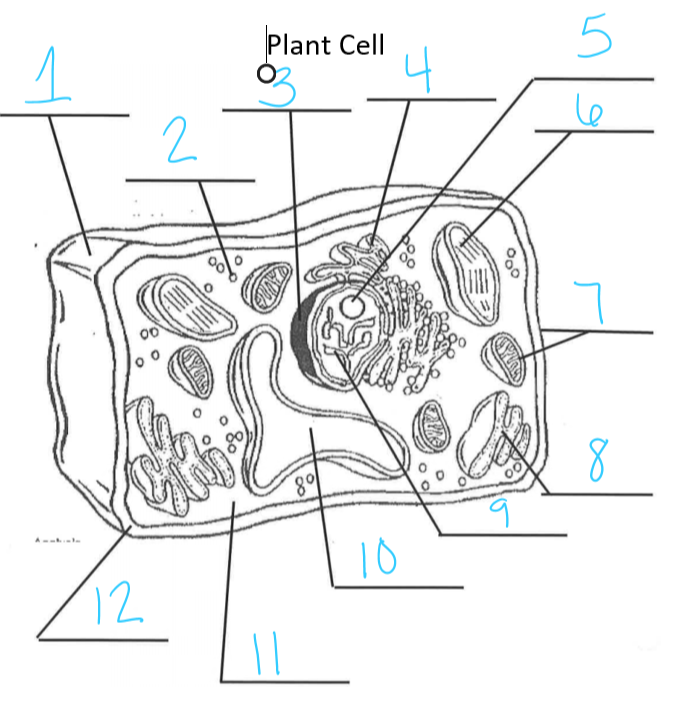
What organelle is labeled #1?
Cell wall
Cell membrane
Cytoplasm
Nuclear membrane
After a cell goes through cytokinesis, it starts mitosis all over again.
Mitosis is a continuous process.


Which type of tumor is being described:
Slow growing Not dangerous Does not spread
Malignant
Benign
Which type of tumor is being described below:
Spreads Dangerous Grows quickly
Benign
Malignant
What is a mutation?
A mistake in DNA which can lead to cancer
A complete copy of DNA
A change in DNA which doesn't cause an issue
A mistake in your body that is caught and removed
These are examples of:
- Surgery
- Chemotherapy
- Radiation
Treatments for Cancer
Mutations
Examples of Asexual Reproduction
Types of Tumors
The smallest basic unit of all living things is a
cell
tissue
organism
organ
A group of cells that come together to perform a specific function is a
cell
tissue
organism
organ
A group of tissues that come together to perform a specific function are a/an
cell
tissue
organ system
organ
Which of the following is an example of an organ?
Brain
Tissue
Human
Dog
In order to form an organ, you need _________ types of tissue.
the same
different
heart
human

The image could best be described as
tissue
organ
organ system
organism
A group of organ systems that come together to create a multi-cellular being is a/an
organ
organ system
organism
tissue
Which of the following correctly lists the levels of biological organization from LEAST complex to MOST complex?
cell, tissue, organ, organ system, organism
cell organism organ system organ tissue
organ system organism organ tissue cell
organism organ system organ tissue cell
Which organ releases digestive enzymes into the small intestine?
pancreas
small intestine
esophagus
salivary glands
What organ is responsible for the majority of the absoption that occurs in the digestive system?
large intestine
small intestine
stomach
oral cavity

The involuntary propulsion of foodstuff is accomplished by circular muscle fibers that squeeze along the alimentary canal. That way food is moved involuntarity. What is the name of this process?
swallowing
peristalsis
defecation
absorption
The small intestine is the longest of the digestive organs. What benefit to body is it that this organ is so long?
It allows the organ to secrete bile which in turn breaks down food
It allows more time for the food to be in the organ which allows more absoption to take place.
It provides more surface area for mucus which helps digested food move more smoothly.
Which of the following structures is NOT part of the digestive system?
esophagus
larynx
stomach
pharynx
The teeth and tongue of the oral cavity break foodstuff down physically. This is an example of
mechanical digestion
chemical digestion
absorption
peristalsis
What is the function of the esophagus?
moves food by using peristalsis
digesting protein
chemically digests fats and absorbs some vitamins
Absorption of proteins and alcohol
Which of the following is an accessory organ of the digestive system?
stomach
small intestine
esophagus
liver
Which of the following answers correctly sequences the pathway food takes from the beginning to end?
mouth, esophagus, stomach, small intestine, large intestine
mouth, esophagus, stomach, large intestine, small intestine
mouth, stomach, esophagus, small intestine, large intestine
mouth, stomach, esophagus, large intestine, small intestine
Which organ only stores the bile?
liver
gallbladder
pancrease
Which organ makes bile?
liver
gallbladder
pancreas

What part of the digestive system is highlighted?
Esophagus
Appendix
Small Intestine
Stomach

What part of the digestive system is highlighted? (the end)
Anus
Rectum
Colon
Appendix

What part of the digestive system is highlighted?
Gall Bladder
Small intestine
Pancreas
Liver

What part of the digestive system is highlighted?
Small intestine
Large intestine
Stomach
Liver

What part of the digestive system is highlighted?
Stomach
Pancreas
Liver
Gall bladder

What part of the digestive system is highlighted?
Esophagus
Stomach
Salivary glands
Mouth

What part of the digestive system is highlighted?
Pancreas
Gall Bladder
Stomach
Liver

What part of the digestive system is highlighted?
Anus
Rectum
Large Intestine
Small intestine

What part of the digestive system is highlighted?
Large intestine
Small intestine
Stomach
Appendix

What part of the digestive system is highlighted?
Small Intestine
Large intestine
Stomach
Liver
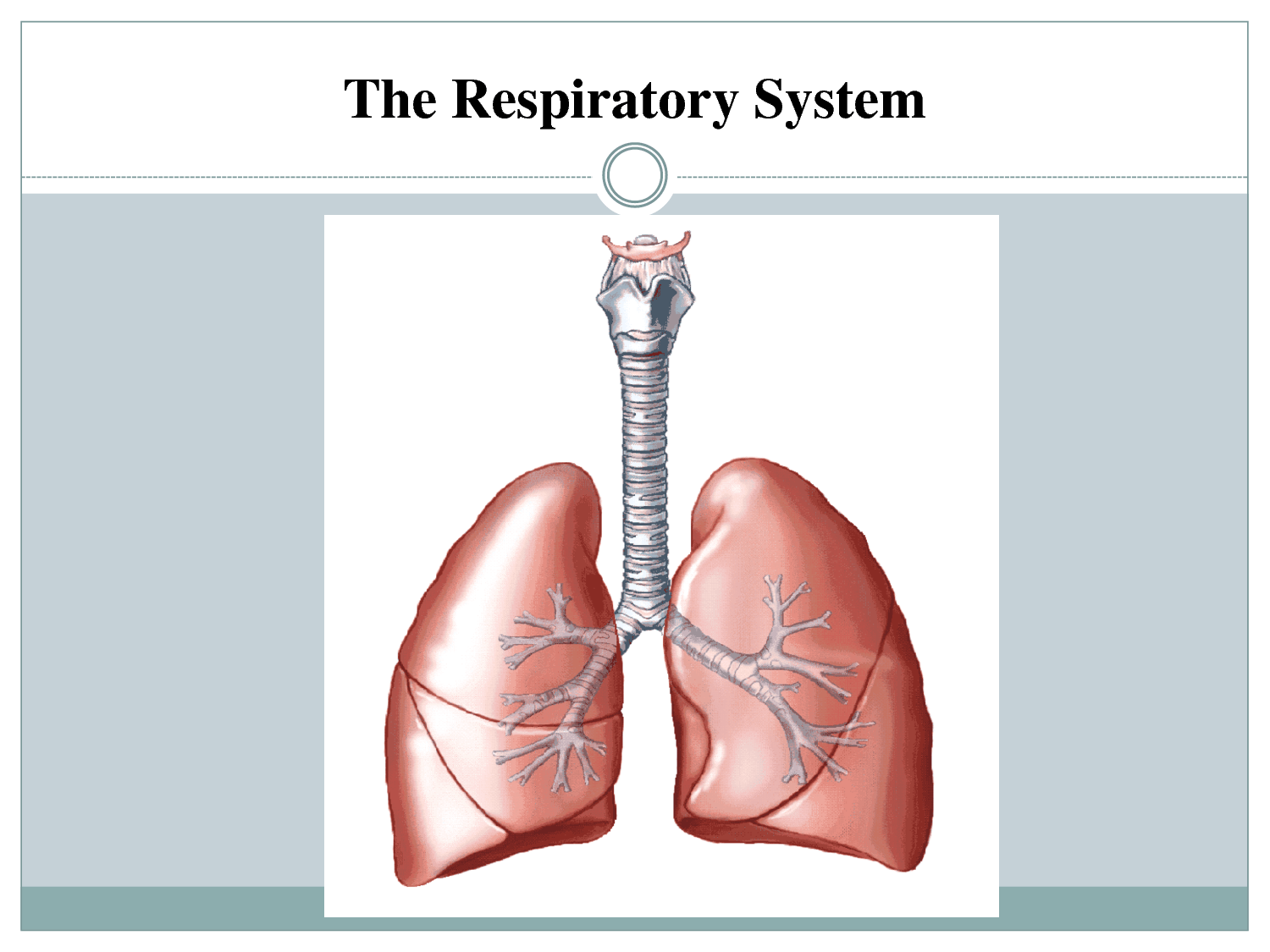
What is the main function of the respiratory system?
to provide oxygen and remove carbon dioxide from the body
o break down food and absorb nutrients
to remove oxygen from the body and deliver carbon dioxide
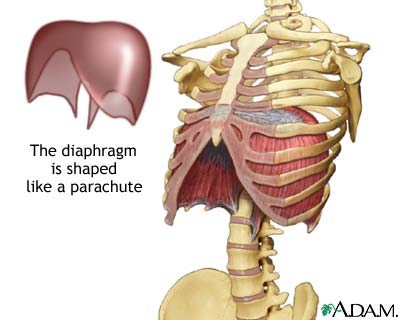
What is function of the dome-shaped diaphragm muscle?
This is where gas exchange happens.
Air passes through the diaphragm on the way to the lungs.
It attaches to the lungs and contracts and relaxes to help in breathing.
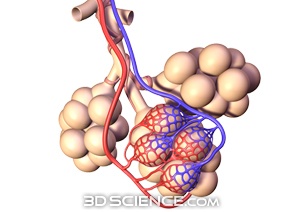
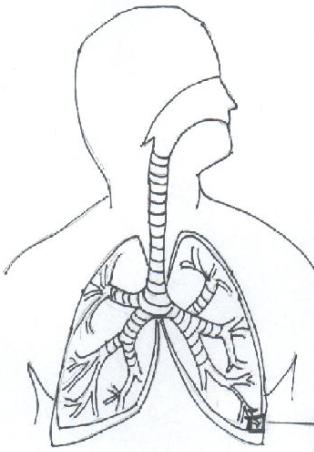
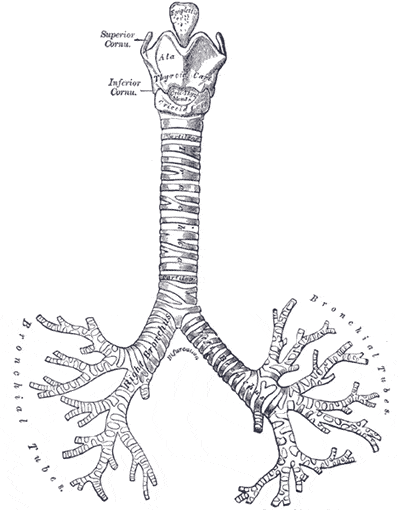
These are the two two main branches from the trachea (one to each lung)
bronchi
alveoli
capillaries
bronchioles
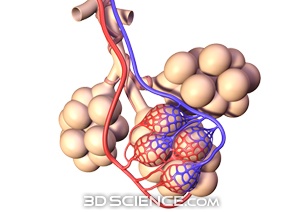

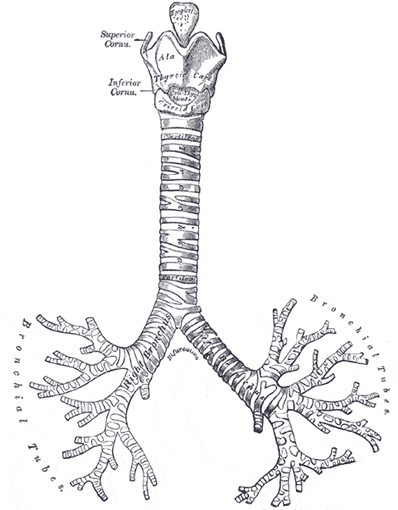

Flap of tissue that covers the opening to the windpipe during swallowing
Pharynx
Trachea
Epiglottis

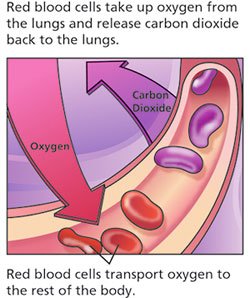
What type of cells carry oxygen in the blood?
red blood cells
white blood cells
The circulatory system works with the ___________ system to provide our body with oxygen and get rid of CO2 (carbon dioxide).
respiratory
digestive
muscular
skeletal


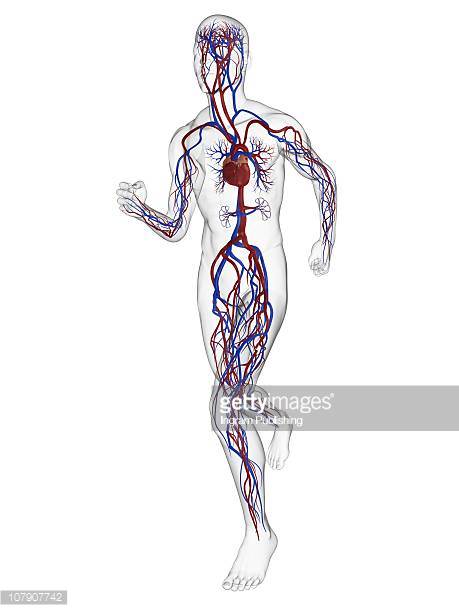
What is the main organ of the circulatory system?
small intestine
bone
lungs
heart
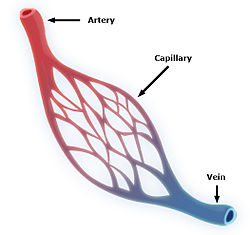
Arteries carry oxygen rich blood away from the heart.
True
False
Veins carry oxygen poor blood back to the heart.
False
True