
 Worksheets
Science MS Review
Total questions: 131
Worksheet time: 2hrs 38mins


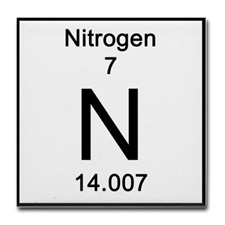


What is it called when one or more electrons are transferred from one atom to another?
Covalent Bond
Ionic bond
Ion
Anion
What is it called when two atoms share an electron?
Ionic Bonding
Covalent bonding
Oxidation Number
Valence Electron


What is the charge of a sodium ion?
+2
+1
-1
-2
How is an atom and ion different?
An atom has a charge and an ion has no charge.
An atom has no charge and an ion has a charge.
All negative ion
are non-metals
gain electrons
have a negative charge
all of the above
What charge will result if an ion loses electrons?
positive
negative
neutral
What charge will result if an ion gains 3 electrons?
+3
+1
-3
-2
What charge will atoms in group 1 have?
+2
+1
-1
-2
All atoms can become stable by...
losing or gaining electrons to obtain a full valence (outer) shell
losing or gaining protons to obtain a full valence (outer) shell
losing or gaining neutrons to obtain a full valence (outer) shell

What group does this atom belong to?
Group 2
Group 9
Group 17
Group 7

Will this atom gain or lose electrons to become stable?
gain
lose
it will stay as is. Electrons are not gained or lost.

What will the ionic charge be for Iodine?
+1
-1
+2
-2
Metals can be found...
to the left of the metalloid staircase
to the right of the metalloid staircase
in the middle of the periodic table
in group 16 to 18 only
What two particles determine the mass number?
Protons and electrons
Electrons and neutrons
Protons and neutrons
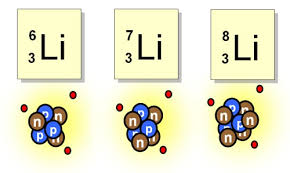
What is the representation of an isotope?
N-3
Al+3
Si
P-33


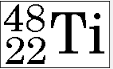


Fe is the ___________________ for iron
atomic number
chemical symbol
atomic mass
protons
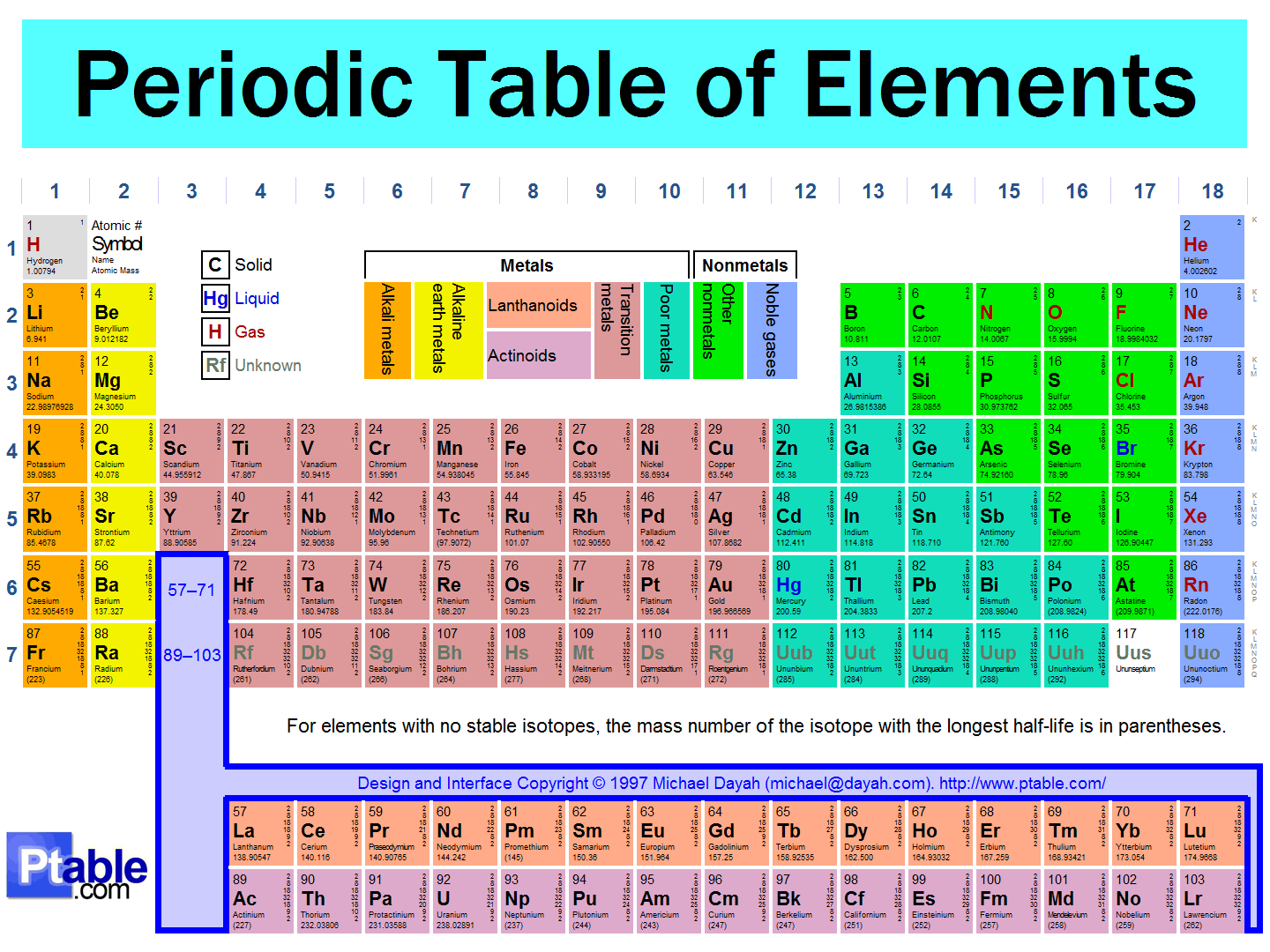
The horizontal rows on the periodic table are called
groups
families
periods
atomic numbers
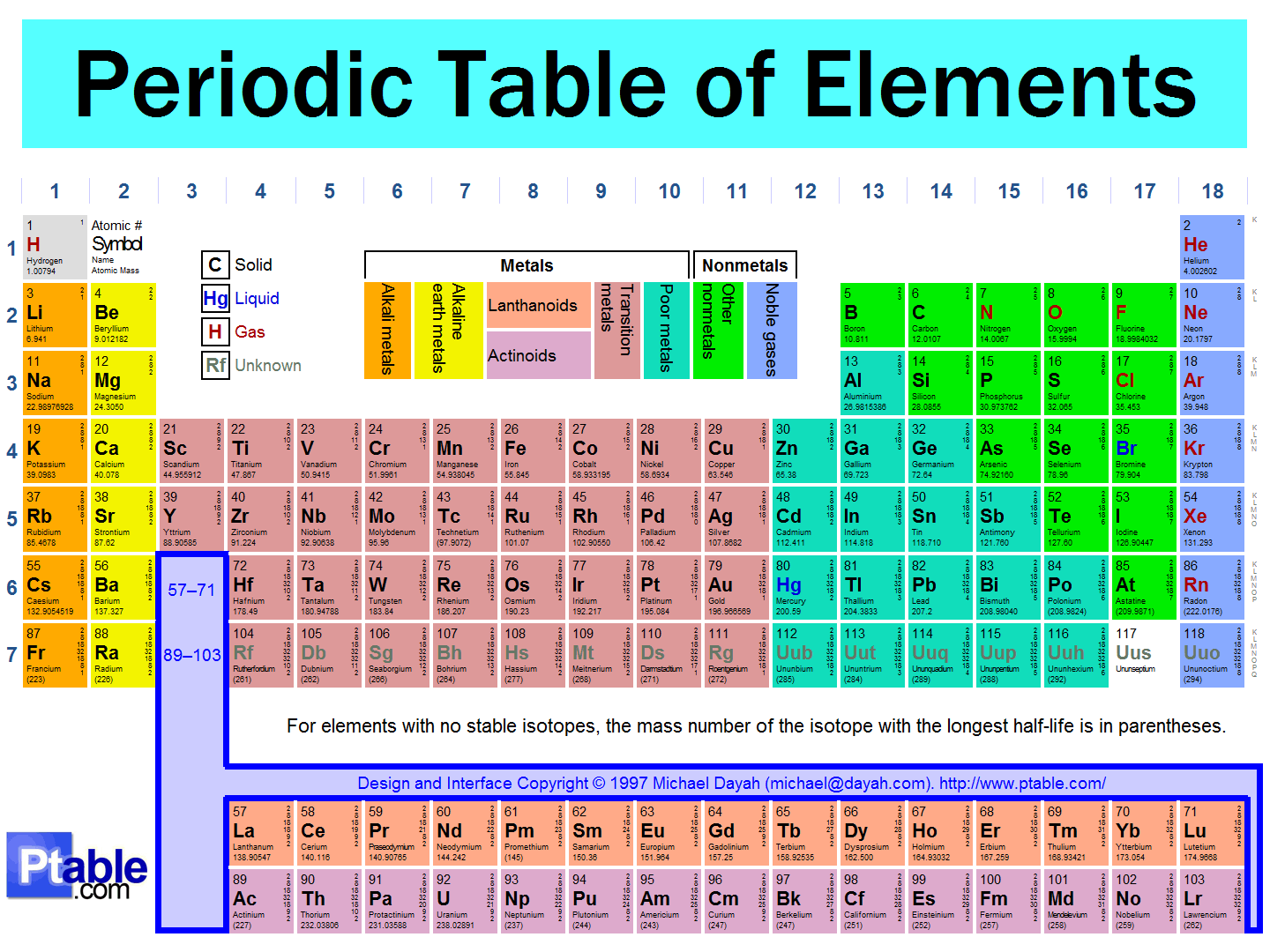
Each vertical column on the periodic table is called a...
group
tower
period
crew
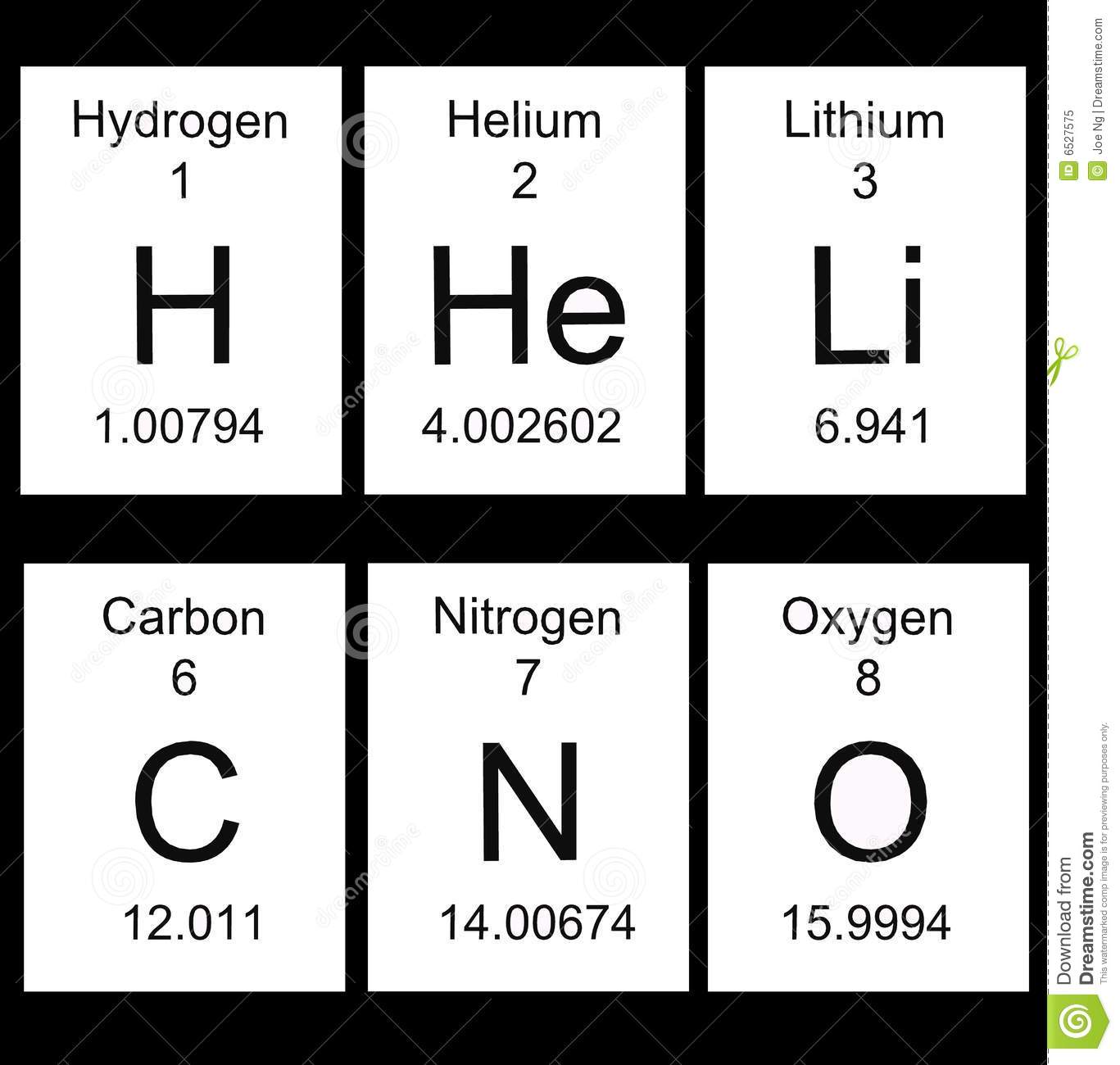
In each square of the periodic table, the number at the bottom is the:
atomic number
atomic mass
chemical symbol
element name
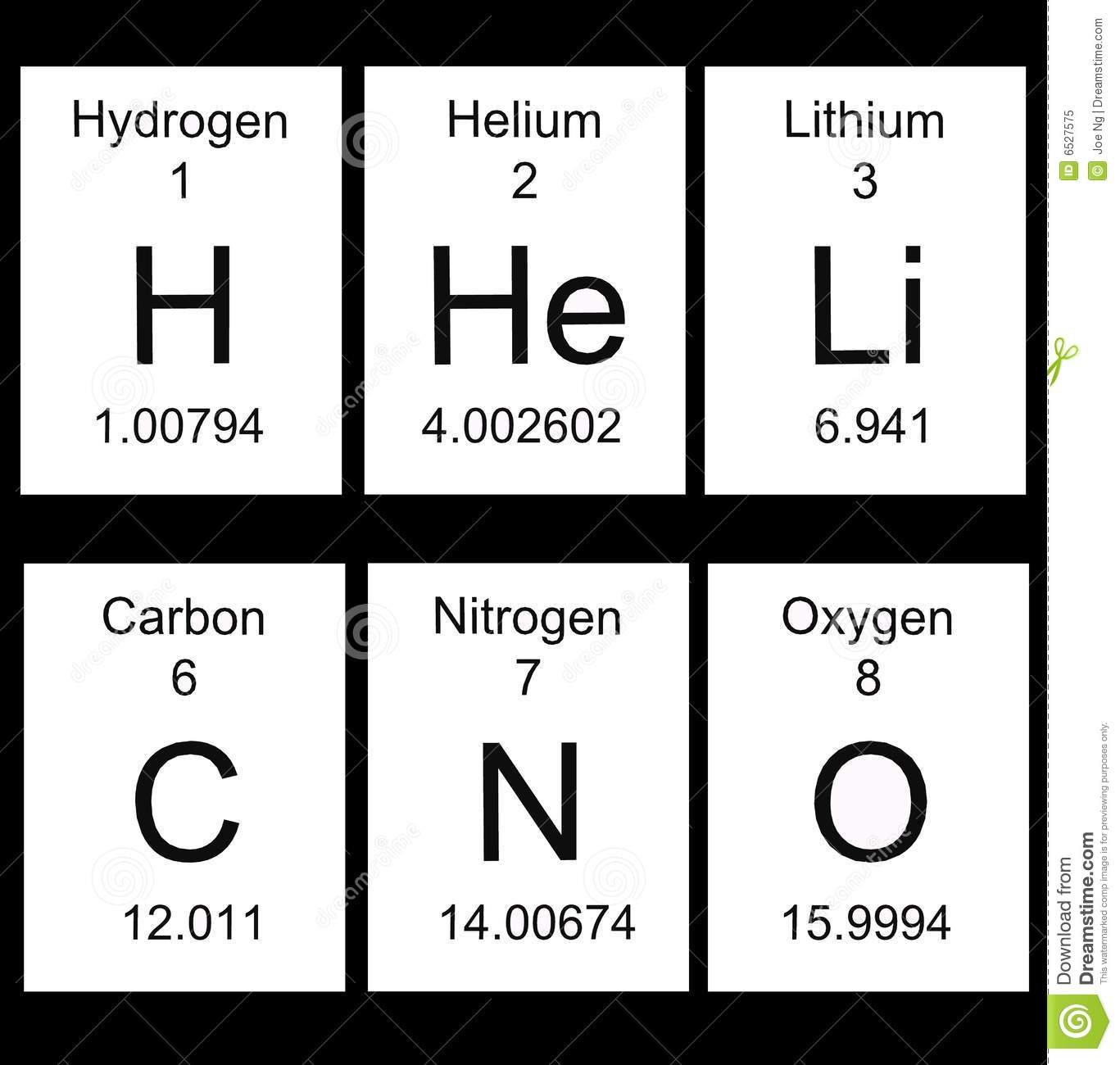

On the periodic table, elements on the right side of the "stair-step" line are classified as:
nonmetals
metals
gases
Halogens
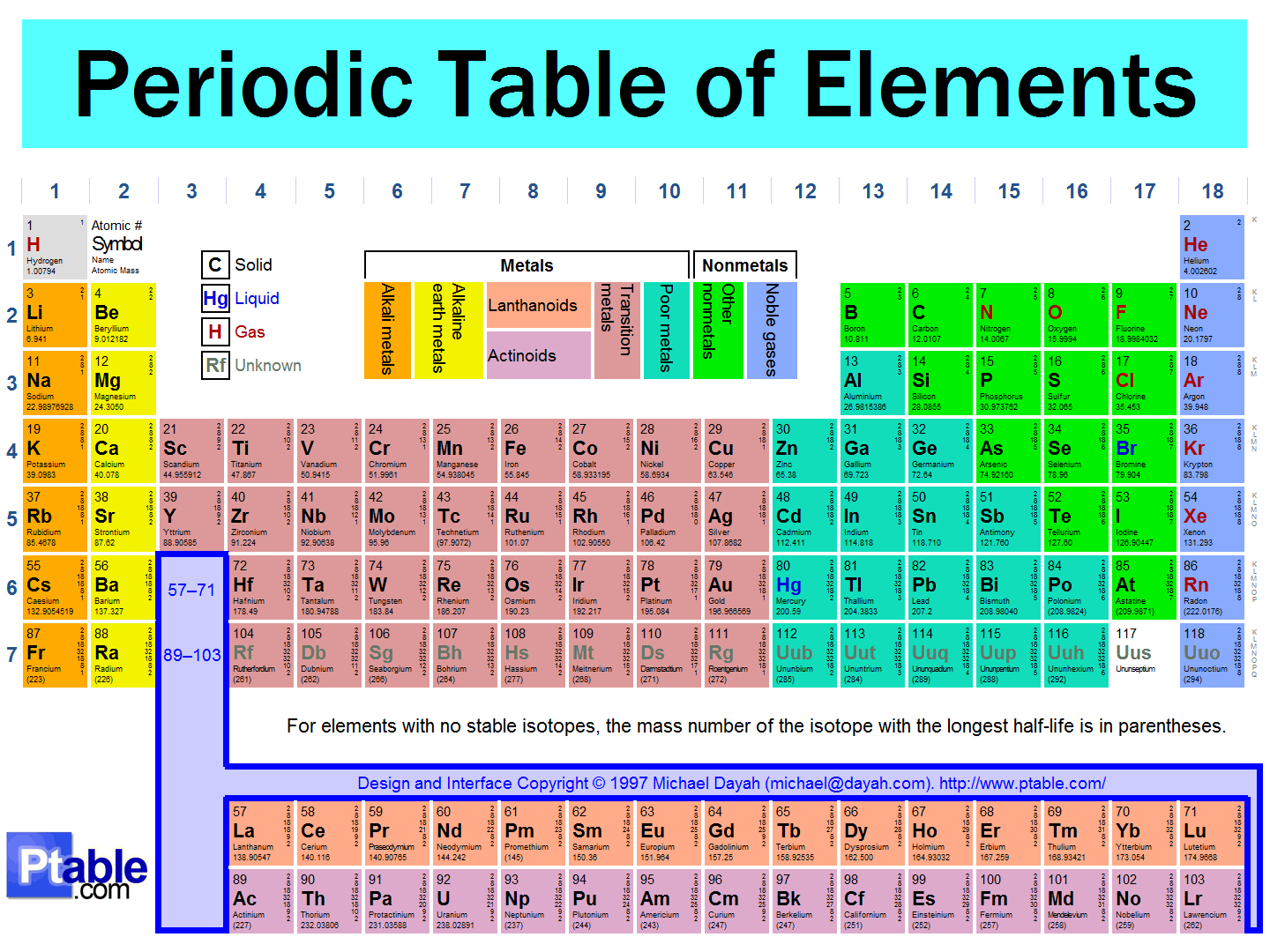
These elements located on the "stair-step" line are sometimes called "semiconductors."
Metals
Nonmetals
Metalloids
Groups

How many Valance electrons does Iodine Have?
6
16
7
17
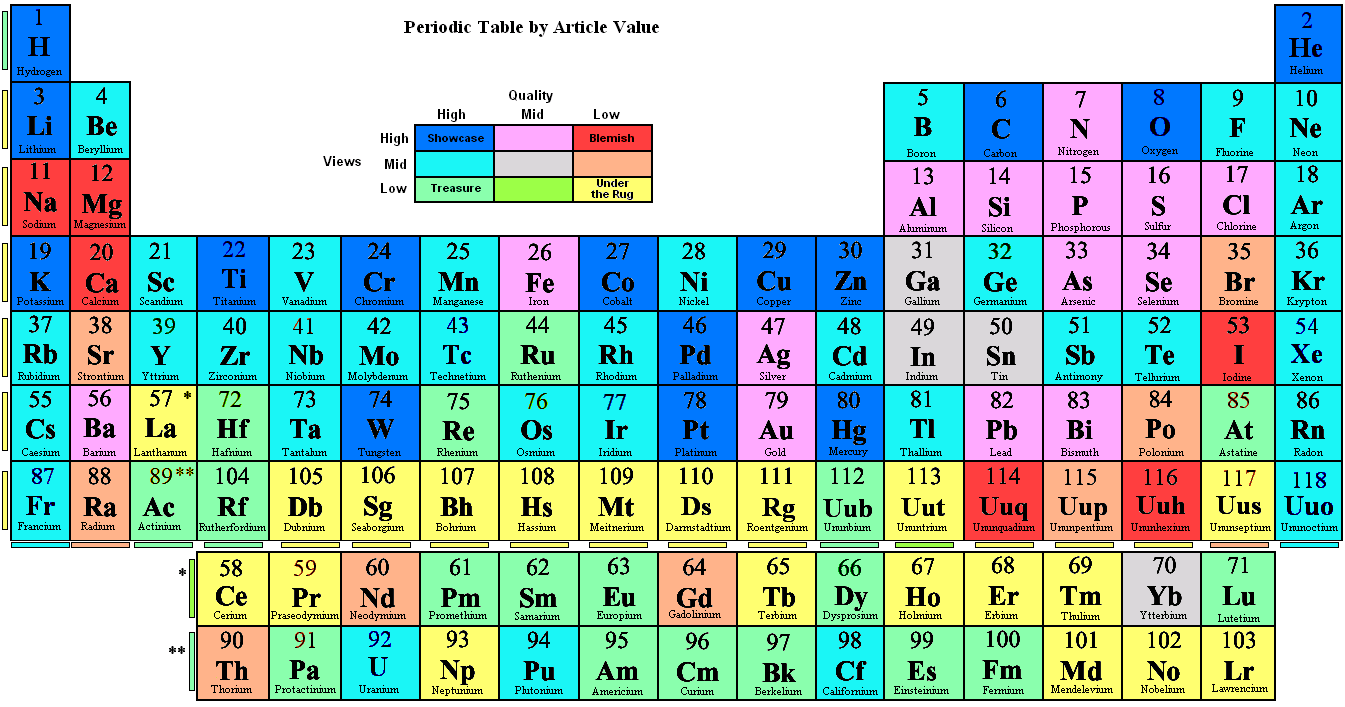

Elements in the same group or family have the same number of
neutrons
valence electrons
electrons
energy levels
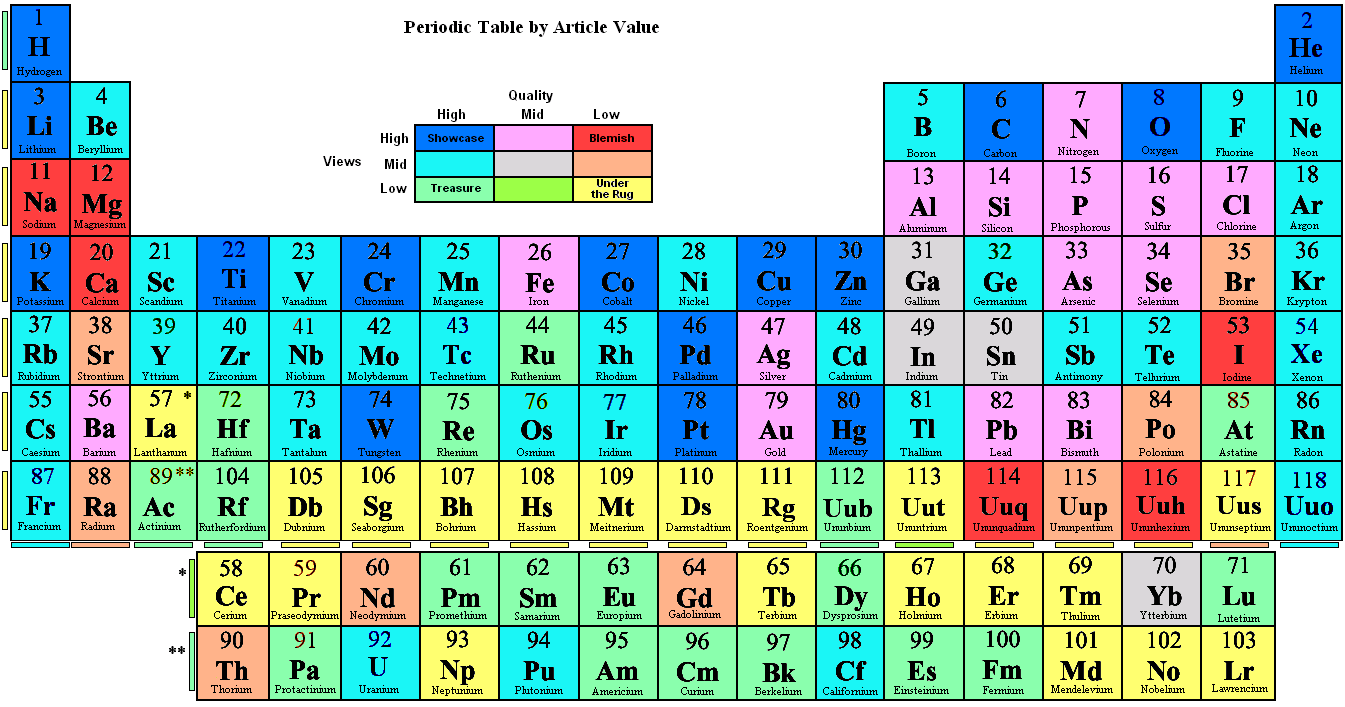
found in group one of the periodic table; highly reactive
Non-metals
Transition Metals (Groups 3-12)
alkali metals (group 1)
metalloids (semimetals)
not able to conduct heat or electricity, little to no metallic luster
Non-metals
noble gases
atomic mass
Neutron
Halogens (Group 17)
gas at room temperature, low boiling point.
most reactive nonmetals
The electrons in the outermost shell (main energy level) of an atom; these are the electrons involved in forming bonds
Number of protons and neutrons
good thermal conductors, shiny, electric conductors, higher density and melting points than group
alkali metals (group 1)
Transition Metals (Groups 3-12)
Non-metals
metalloids (semimetals)
in the chemical equation, tells us the number of atoms of each element in a compound
Coeffecient
Exponent
Chemical Formula
Calculator
How do chemical reactions turn substances into new substances?
with burning acid
the molecules mix together and create new substances
the atoms bonds break apart and combine back together in new ways
the ionic compounds mix in water to form solutions

How many Carbons are present on the reactant side?
1
2
3
4

Why are chemical equations always balanced? Select ALL that apply.
Matter cannot be created.
Matter cannot be destroyed.
Matter can only be rearranged/conserved.
Matter doesn't matter.

Some chemical reactions require a substance called a catalyst. The purpose of a catalyst is
to warm up the reaction
to speed up the reaction
to create more reactants
to stop the reaction

Is this chemical equation balanced? Why or why not? Choose the BEST answer.
Yes, the amount of atoms for each element are equal on both the reactant and product side.
No, the carbons are not the same number on both the reactant and product side.
No, neither the carbons or hydrogens are the same amount on both the reactant and product side.
No, none of the elements (carbon, hydrogen, or oxygen) are the same amount on both the reactant and product side.
A(an) ______ is the number that appears before a formula in a chemical equation.
subscript
coefficient
ratio
denominator


Which form of matter has a definite shape and takes up space (has definite volume)?
liquid
solid
gas
clay


A mixture of two or more uniformly dispersed substances is a ________________.
colloid
solution
suspension

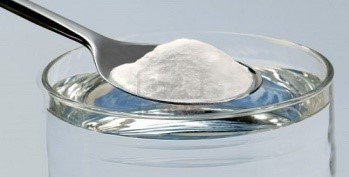


Milk is a heterogeneous mixture, and scatters light.
solution
suspension
colloid
Which of the following has the largest particles?
Solution
Suspension
Colloid
Which of the following appear to be clear (are not cloudy)?
Solution
Suspension
Colloid

