
Font size
 Worksheets
carbon cycle
Total questions: 65
Worksheet time: 35mins
All of the carbon in existence is continually recycled in the carbon cycle.
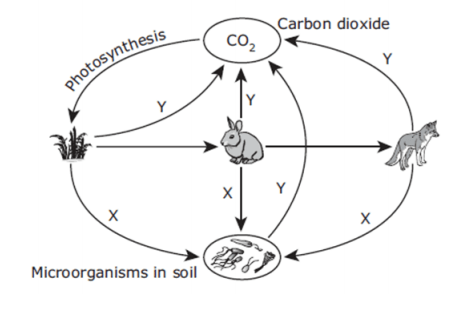
Y : Predation
Y : Decomposition
Y : Nitrogen Fixation
Y : Respiration
Which compound does NOT contain carbon atoms?
carbon dioxide
ammonium
calcium carbonate
methane

Which is a true statement?
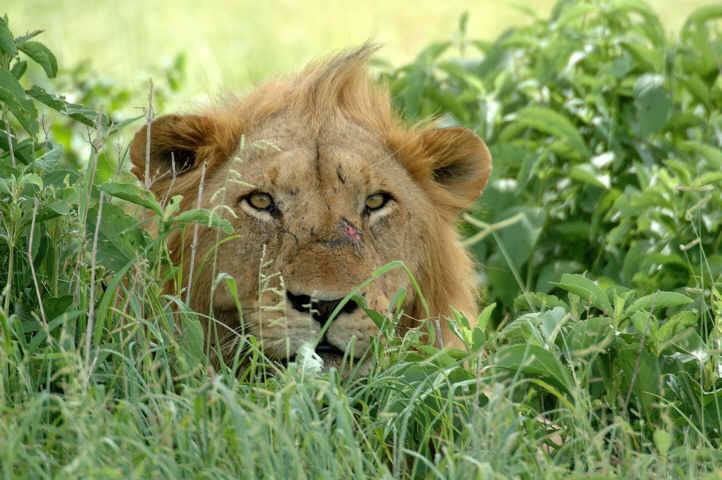
Humans depend on oxygen, plants depend on carbon dioxide
Plants produce carbon dioxide
Humans depend on carbon dioxide, plants depend on oxygen
Humans don't depend on plants for the air they need
Which of the following creates a calcium carbonate structure?
plants
cows
corals
decomposers
Humans burn fossil fuels and wood, releasing carbon dioxide into the atmosphere. This carbon dioxide is then absorbed by trees for photosynthesis. These processes are contributory to which chemical cycle?
The carbon cycle
The water cycle
The nitrogen cycle
The phosphorous cycle
How does the human body return carbon to the atmosphere in the carbon cycle?
Waste products
Photosynthesis
Cellular respiration
Formation of glucose
In the carbon cycle, animals can release carbon back into the cycle through __________ or through __________.
burning . . . photosynthesis
fixation . . . decomposition
decomposition . . . photosynthesis
respiration . . . decomposition
respiration . . . photosynthesis
Which of the following is an example of human impact on the carbon cycle?
The increased production of methane gases from cattle farms
The burning of fossil fuels
The cutting down of trees for lumber
Driving automobiles
All of the above
If a forest fire occurs, what will happen to the carbon in the forest?
It will go into the soil
It will go into the atmosphere
It will runoff into nearby streams and rivers
It will be destroyed
How do organisms (living things) move carbon through the carbon cycle?
Respiration only
Decomposition only
Photosynthesis, respiration, and decomposition
Decomposition and sedimentation
Respiration, decomposition, sedimentation, and photosynthesis
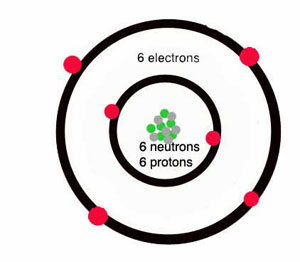
The circulation of the element Carbon among Earth's atmosphere, land, oceans, and organisms is called _____________.
the Carbon Cycle
the Oxygen Cycle
the Carbon dioxide Cycle
the Water Cycle
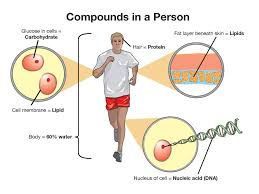
_____________ is an essential element of all living creatures.
Gold
Carbon
Carbon dioxide
Silver
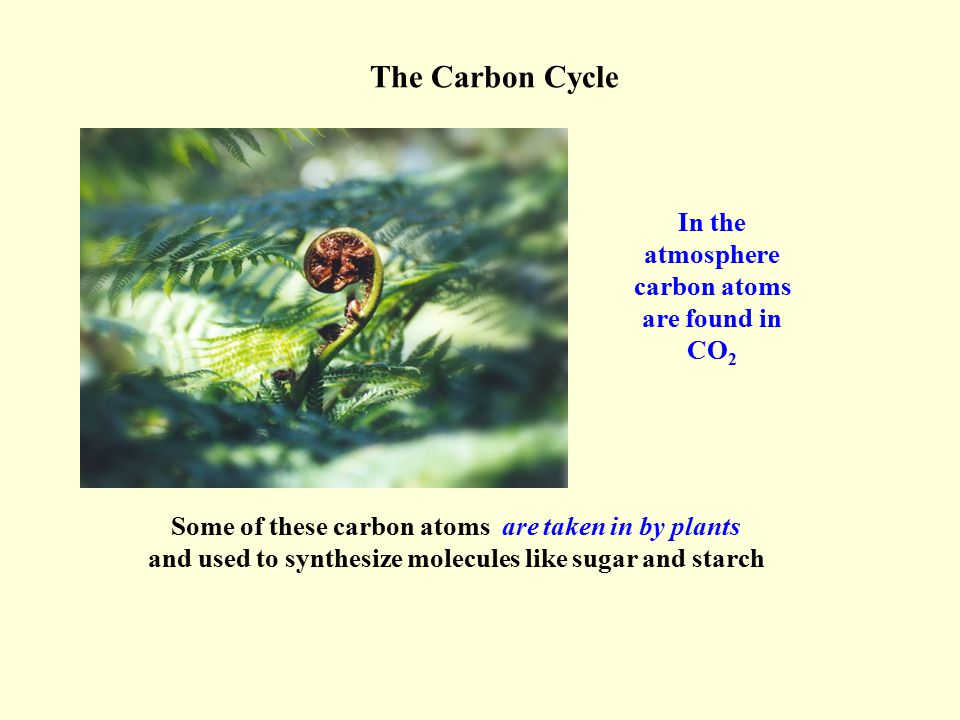
Carbon is used in the process called __________ by plants and algae to make food and the building blocks for growth.
carbon cycle
life
photosynthesis
decomposition
Which gas do plants release, that humans depend on for survival?
Water
Carbon Dioxide
Oxygen
Sugar

Choose all the items made out of carbon
Food
Animals
Plants
Tennis Racket
Pretty much everything

What do 'plants' do with the carbon they receive?
They turn it into water
They don't need carbon
They turn it into food by photosynthesis
They keep it forever

How does carbon get from animals and back into the atmosphere? (CHOOSE ALL THAT APPLY)
Respiration (breathing)
After they die, they are broken down by decomposers
Photosynthesis
None of these

How do animals get carbon?
Photosynthesis
They absorb it from the atmosphere
The sun
They eat other plants and animals

What is CO2?
Air
Oxygen
Carbon Dioxide
Dioxide

All things are made out of carbon or need carbon to live.
True
False

What is causing global warming? (Choose All That Apply)
The earth is too close to the sun
There is too much carbon dioxide in the atmosphere
Because we're running out of water
Because we're cutting down all the trees and not planting more

Why can't life live on Venus?
Way too hot
Too small
Too far away
Not enough gravity

What made Venus way too hot for anything to live on it? (Choose All That Apply)
Global Warming
Too much Carbon Dioxide in the Atmosphere
Too close to the sun
It's just hot

How is carbon recycled?
The carbon cycle
At the recycle plant
It can't be recycled
Through water
Choose the things that take carbon dioxide (CO2) out of the air.
Plants
Water
Trees
Humans

What are the top things that contribute to global warming? (Choose more than one)
Cow Farts
Burning Gas in cars and factories
Cutting down Trees
Solar Power

What are some ways we can fight global warming? (Choose all that apply)
Eat chicken instead of beef
Plant trees
Recycle
Tell others to help fight

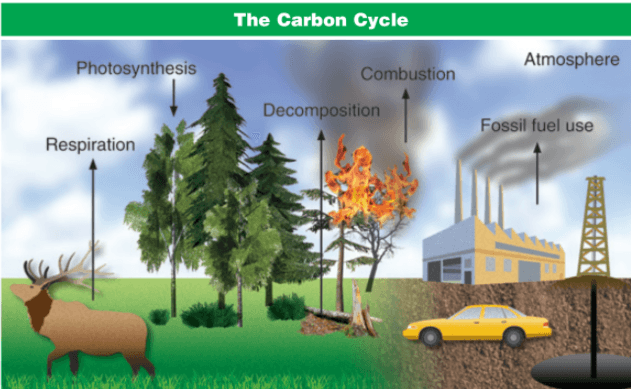


What organisms form fossils?
animals
plants and animals
CaCO2
sedimentary rocks

How does carbon get from the atmosphere into organisms?
Decomposition
Respirataion
Photosynthesis
Deposition

How does carbon get from underground deposits (fossil fuels) into the atmosphere?
Decomposition
Deposition
Photosynthesis
Combustion
Which of the following is the biggest carbon store?
Plants
Ocean
Atmosphere
Soil

How does carbon get from living organisms into the sediment?
Decomposition
Respiration
Photosynthesis
Deposition

Select all of the storages of the carbon cycle
Atmosphere
Living organsisms
Clouds
Ocean
Fossil fuels
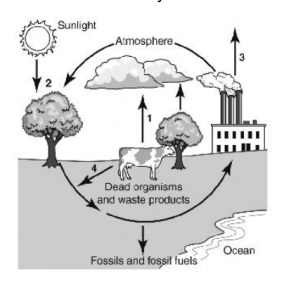
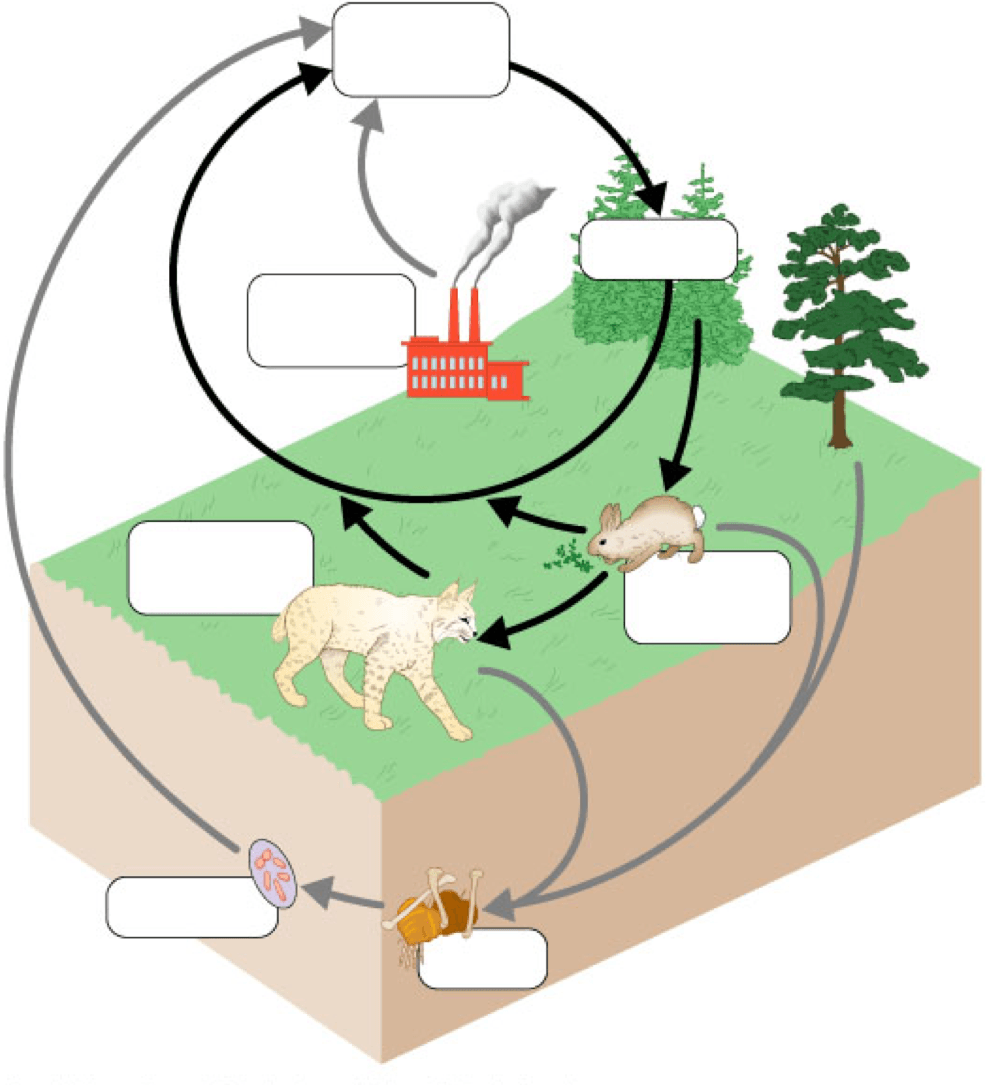
What is happening at 2?
respiration: releasing CO2
decomposing CO2 in the soil
photosynthesis: absorbing CO2
turning CO2 from the atmosphere into organic molecules
What is happening at 4?
respiration: releasing CO2
decomposing CO2 in the soil
photosynthesis: absorbing CO2
turning CO2 from the atmosphere into organic molecules

Ocean coral and oysters use carbon to create _________.
oxygen
shells
leaves
food

What does not produce carbon dioxide?
Photosynthesis
Burning Fossil Fuels
Animal respiration
Plants decaying

