
 Worksheets
RFMS Science: Fall Benchmark Review 2023
Total questions: 82
Worksheet time: 1hrs 25mins

The Law of the Conservation of Energy states -
Energy can be created, just not destroyed. It changes its form from one type to another.
Energy can never be created nor destroyed. It can only change its form from one type to another.
The total energy in our Universe changes, as different forms of energies can be transformed from each other under certain circumstances.
Energy transformations do not passively occur in our lives, rather we actively make use of energies and transform energies.
What is a conductor?
An object that allows electrical energy to flow freely
An object that does not allow electrical energy to flow freely
What is an insulator?
An object that allows electrical energy to flow freely
An object that does not allow electrical energy to flow freely
Select all of the examples of conductors.
Glass
Metal
Silver
Rubber
Select all of the objects that are insulators.
Rubber
Wood
Metal
Nickel
What is the formula for computing kinetic energy?
1/2 x mass x speed
1/2 x mass x speed squared
1/2 x speed x mass

What type of energy is in this picture?
Kinetic
Elastic Potential
Electromagnetic
In Science, mass is typically measured in _____________, and speed is typically measured in ________________.
kg, m/s
pounds, m/s
kg, ft/s
m/s, kg

The books on the shelf have what type of energy?
Kinetic
Gravitational Potential
Elastic Potential
Thermal

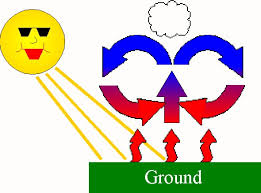

The amount of energy an area receives depends on
Earth's atmosphere
The seasons
The Sun's Angle
The Sun's distance from Earth.
____________________ is the process by which water on the ground surface enters the soil. ________________ rate in soil science is a measure of the rate at which soil is able to absorb rainfall or irrigation.
Infiltration
Percolation
Deposition
Condensation
_____________________ is water released from clouds in the form of rain, freezing rain, sleet, snow, or hail. It is the primary connection in the water cycle that provides for the delivery of atmospheric water to the Earth. Most ________________ falls as rain.
Snowmelt runoff
Precipitation
Surface runoff
Evaporation
__________________ is the process by which water vapor in the air is changed into liquid water. ________________ is crucial to the water cycle because it is responsible for the formation of clouds.
Transportation
Percolation
Condensation
Plant Uptake
__________________ is the process by which moisture is carried through plants from roots to small pores on the underside of leaves, where it changes to vapor and is released to the atmosphere. ______________ is essentially evaporation of water from plant leaves.
Transpiration
Percolation
Infiltration
Plant Uptake
Water that flows across the land and enters rivers and streams. It eventually flows into lakes and the ocean.
Snowmelt runoff
Surface Runoff
Deposition
Precipitation

If a person dumps oil down the drain by their home (even miles away), it can end up in far away places like a bay or ocean.
True
False
because of the effect they can have on the environment.
Which of the following is a possible negative effect of the use
of these chemicals on the environment?
These chemicals are expensive to produce.
The more mass an object has, the more ___________________ the object will have in motion.
kinetic energy
potential energy
elastic energy
salinity
Can the air be heated by conduction (direct contact)?
No way
Yes, the air and an object can touch and transfer energy
At higher temperatures--
particles in an object have less kinetic energy
particles in an object move faster
particles in an object have more kinetic energy
particles in an object move slower
Particles are always moving
true
false
At lower temperatures--
particles in an object have less kinetic energy
particles in an object move faster
particles in an object have more kinetic energy
particles in an object move slower
What happens to the particles within an object when the object is heated?
The particles slow down
The particles speed up
The particles spread apart
The particles move together
It reduces harmful bacteria from getting into our water
Why should we be concerned with runoff water from neighborhood and city streets that goes into storm drains?
It can host alligators and other dangerous animals
It can get into water pipes and flood houses and businesses
It isn't filtered or cleaned and empties directly into creeks
It can form sinkholes and caves under our city streets
Pollution can enter our groundwater when -
Pollution spilled on the surface percolates down through soil and rocks
Underground storage tanks crack and leak
Underground sewer and septic pipes crack and leak
All of these
What BEST describes a complete water cycle?
bathtub → drain → treatment plant → faucet
plant → river → lake → groundwater
snow → ice → puddle → drink
lake → cloud → rain → river

Plants are important in stopping runoff from getting into nearby waterways.
True
False

All bodies of fresh water, salt water, ice, and snow that are found above ground
Groundwater
Surface water
Runoff
Swimming pool
What drives the water cycle?
rain
temperature
the Sun
rotation
The process by which rocks and other material are broken down on Earth's surface is called ____________.
erosion
deposition
transfering
weathering
The process in which these particles are moved from one location to another is called __________.
erosion
deposition
abrasion
weathering
The process by which particles are deposited in a new location is called ____________.
erosion
weathering
deposition
ice wedging
What form of energy is stored in batteries and found in your stomach when you eat?
chemical energy
heat energy
kinetic energy
mechanical energy
If an eraser is placed in a circuit, will the circuit successfully work?
Yes, because insulators allow energy to flow freely
No, because insulators do not allow energy to flow freely
Yes, because conductors allow energy to flow freely
No, because conductors do not allow energy to flow freely
Match the following types of energy to their example:
Light
LED light
Sound
Music playing
Thermal
Hot chocolate
Electromagnetic
Microwave
Match the following types of energy to their example:
Kinetic
Rollercoaster moving down the tall hill
Potential
Rollercoaster at the top of the hill
Mechanical
Pencil sharpener sharpening a pencil
Match the following types of energy to their example:
Nuclear
Nuclear Power Plant
Electrical
Laptop charging
Chemical
Battery-powered fan, eating lunch
Gravitational Potential
Rollercoaster at the top of a hill
Elastic Potential
Rubber band stretching

How does the thermal energy of the liquid in the larger beaker compare to the thermal energy of the liquid in the smaller beaker?
The liquid in the larger beaker has less thermal energy than the liquid in the smaller beaker.
The liquid in the larger beaker has more thermal energy than the liquid in the smaller beaker.
The liquid in the larger beaker has the same amount of thermal energy as the liquid in the smaller beaker.
The exact volume of the liquid in each beaker must be known to compare the thermal energy of the liquids.
David is warming chocolate on the stove. How is the motion of the particles different after the temperature is increased?
they move faster
they move slower
the move less freely
they vibrate close together
A measure of how hot or cold something is; specifically a measure of how fast particles in an object are moving.
Thermometer
Temperature
Absolute Zero
Specific Heat
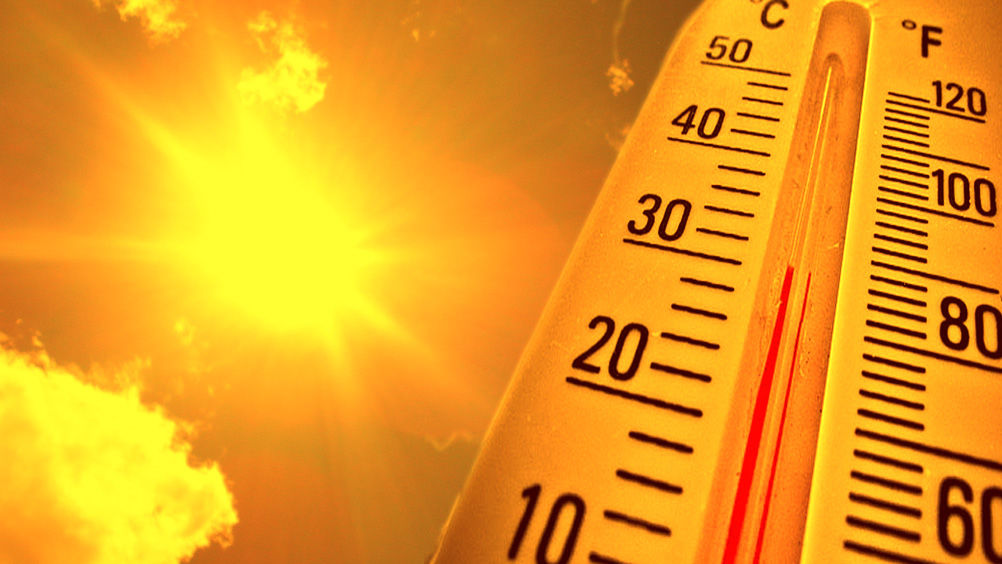
How is temperature related to heat?
Temperature is a measure of the heat of an object.
Heat causes a change in the temperature of an object.
Raising the temperature causes the heat of an object to increase.
Temperature and heat are two different ways to measure the same thing.

If a paper clip is placed in a circuit, will the circuit successfully work?
Yes, because a conductor allows electricity to freely flow
Yes, because an insulator allows electricity to freely flow
Yes, because a conductor does not allow electricity to freely flow
Yes, because a insulator does not allow electricity to freely flow

transfer/thermal/warmer/cooler
transfer/thermal/cooler/warmer
transfer/ temperature / warmer / cooler
transfer / temperature / cooler/ warmer

conduction
convection
radiation
temperature

temperature
heat
motion
thermal

conduction
convection
radiation

conduction
convection
radiation
What effect does the sun have on surface water?
It causes it to boil
It causes it to rain
It causes it to sink
It causes it to evaporate


What step of the water cycle does this picture show?
Condensation
Runoff
Precipitation
Evaporation

