
 Worksheets
STAAR PRACTICE QUIZ #3
Total questions: 142
Worksheet time: 2hrs 29mins
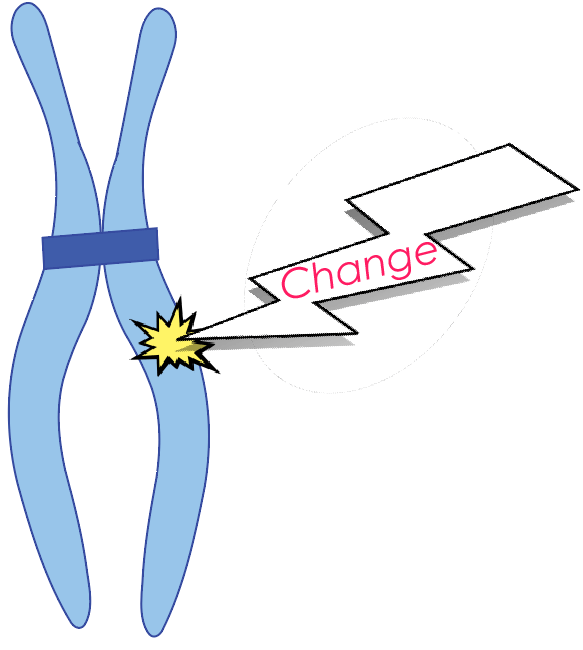
A change in a gene, group of genes or chromosome that results in a change in the proteins
Replication
Mutations
Translation
Transcription

Mutations that effect gametes and that will be passed on
to the next generation
Genetic change
Protein synthesis
Apoptosis
Cell membrane
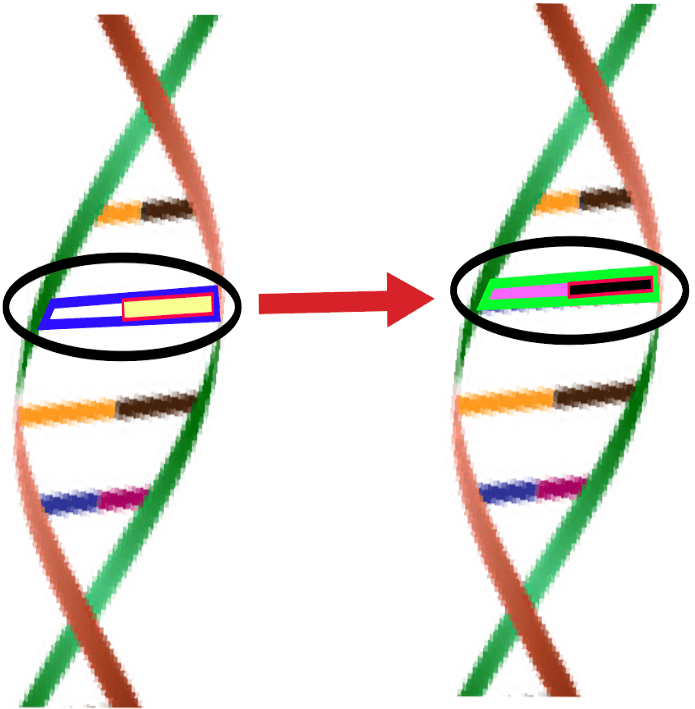
A permanent change in the DNA sequence
which can affect a single gene or group of genes
Homeostasis
Somatic Cell
Chromosomal Mutation
Gene Mutation

One nucleotide base is changed so only one amino acid
is affected
Substitution Mutation
Point Mutation
Translocation
Inverse Mutation

A point mutation where one nucleotide base replaces an original nucleotide base
Inversion Mutation
Chromosomal Mutation
Translocation
Substitution Mutation

A substitution mutation that has no effect
on amino acids sequence
Insertion Mutation
Translocation
Silent Mutation
Deletion Mutation

A nucleotide base is inserted or deleted shifting the entire DNA sequence. Entire protein will be changed.
Substitution Mutation
Silent Mutation
Frameshift Mutation
Translocation

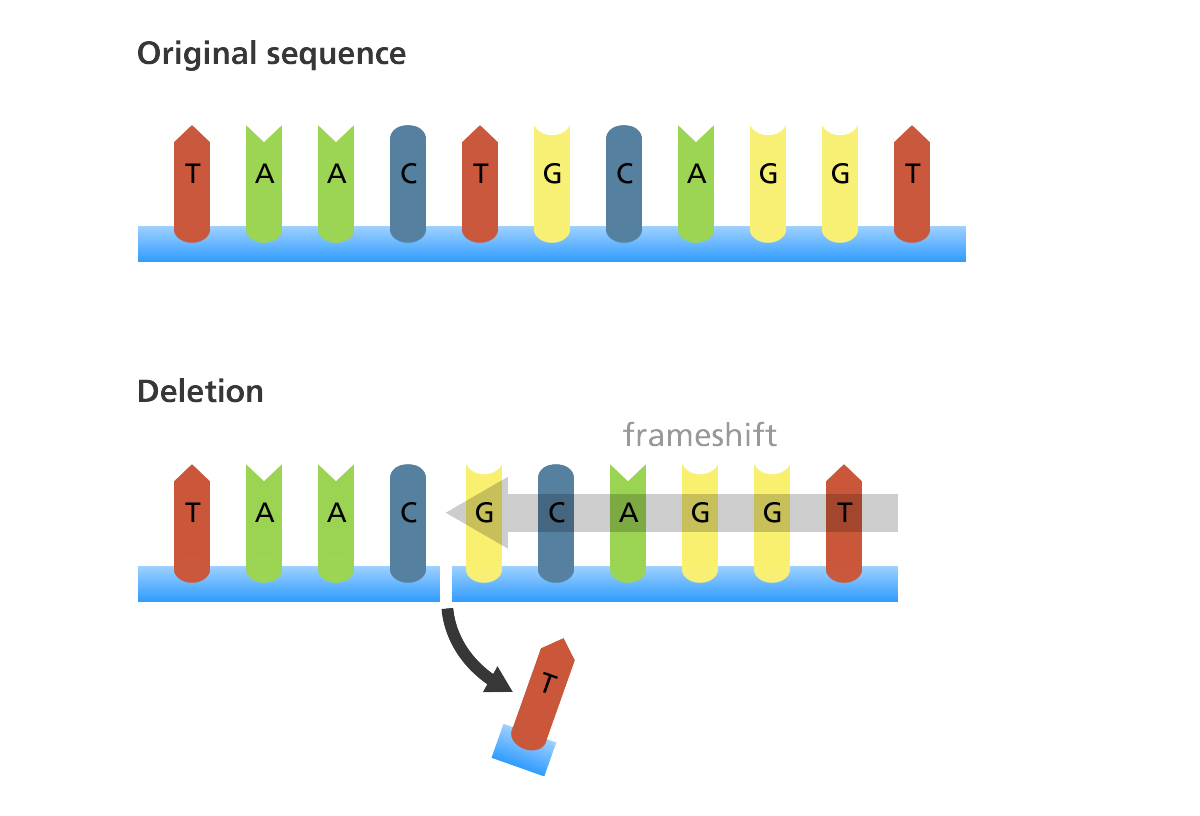
A frameshift mutation where a nucleotide base
is removed from the DNA sequence.
Deletion Mutation
Substitution Mutation
Translocation
Silent Mutation

A frameshift mutation where a nucleotide base is added
to the DNA sequence
Insertion Mutation
Deletion Mutation
Substitution Mutation
Chromosomal Mutation
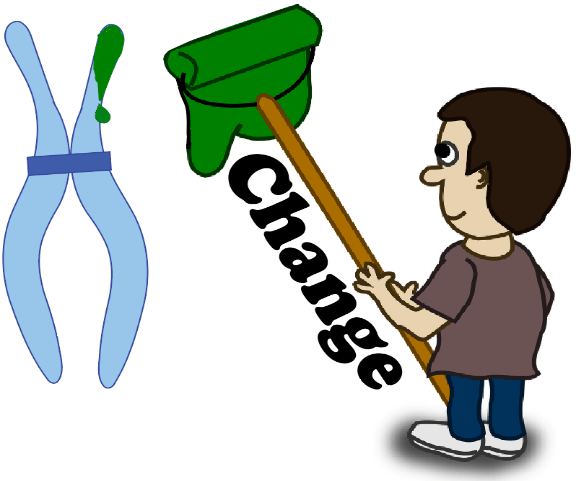
Mutations that involve parts of or all of
a chromosome
Replication
Deletion Mutation
Chromosomal Mutation
Transcription
ATG TGA CAG?

What is the correct order to make a protein?
Protein, DNA, RNA
RNA, DNA, Protein
DNA, RNA, Protein
Protein, RNA, DNA
how well an organism can survive and reproduce in its environment
fossil
fitness
inherited trait
A characteristic encoded in DNA and passed from parents to their offspring
heterozygous
fitness
inherited trait
the principle that, among the range of inherited trait variations, those contributing to reproduction and survival will most likely be passed on to succeeding generations
fitness
natural selection
evolution
a group of organisms that are closely related and can mate to produce fertile offspring
population
crowd
species
body part that is similar in function as a body part of another organism but is structurally different
analogous structure
homologous structure
vestigial structure
study of the distribution of organisms around the world
herpetology
biogeography
evolution
the gradual change in a species over time
natural selection
evolution
adaptation
inherited characteristic that increases an organism's chance of survival
adaptation
evolution
fitness
difference, variety; a condition of having many different types or forms
homologous
vestigial
diversity
structures that have different mature forms in different organisms but develop from the same embryonic tissues
vestigial structure
analogous structure
homologous structure
What word describes a trait that helps an organism survive in its environment?
natural selection
mutation
camouflage
adaptation
Based on the organism skulls, which organisms share the most recent common ancestor?
Select the two correct answers.


Scientists can explore whether two different animal species have evolved from a common ancestor, using evidence from all of the sources below except
analysis of strands of DNA
comparisons of bones and muscles
comparison of the experiences of each organism
studies of embryos during development

Based on the fossil layers shown, what can you infer about the past environment at this location?
The environment at this location has never changed
The organisms at this environment became simpler over time
The environment began as a dry land environment, then evolved into an ocean or water environment.
The environment began as an ocean or water environment, then evolved into a dry land environment.


Which of the following can be determined by observing the embryos shown in the diagram
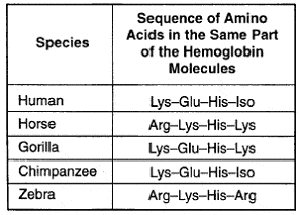
Recently, scientists have been able to use ___________to find common proteins and amino acids to determine how closely related species are.
DNA
Vestigial structures
Fossils
Homologous structures

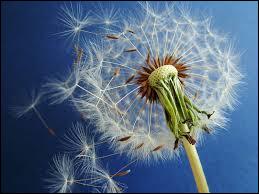
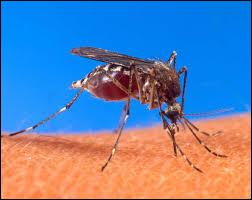

Heterotrophs- obtain food from other animals.
Observing the table above, Fungi and Animals are________?

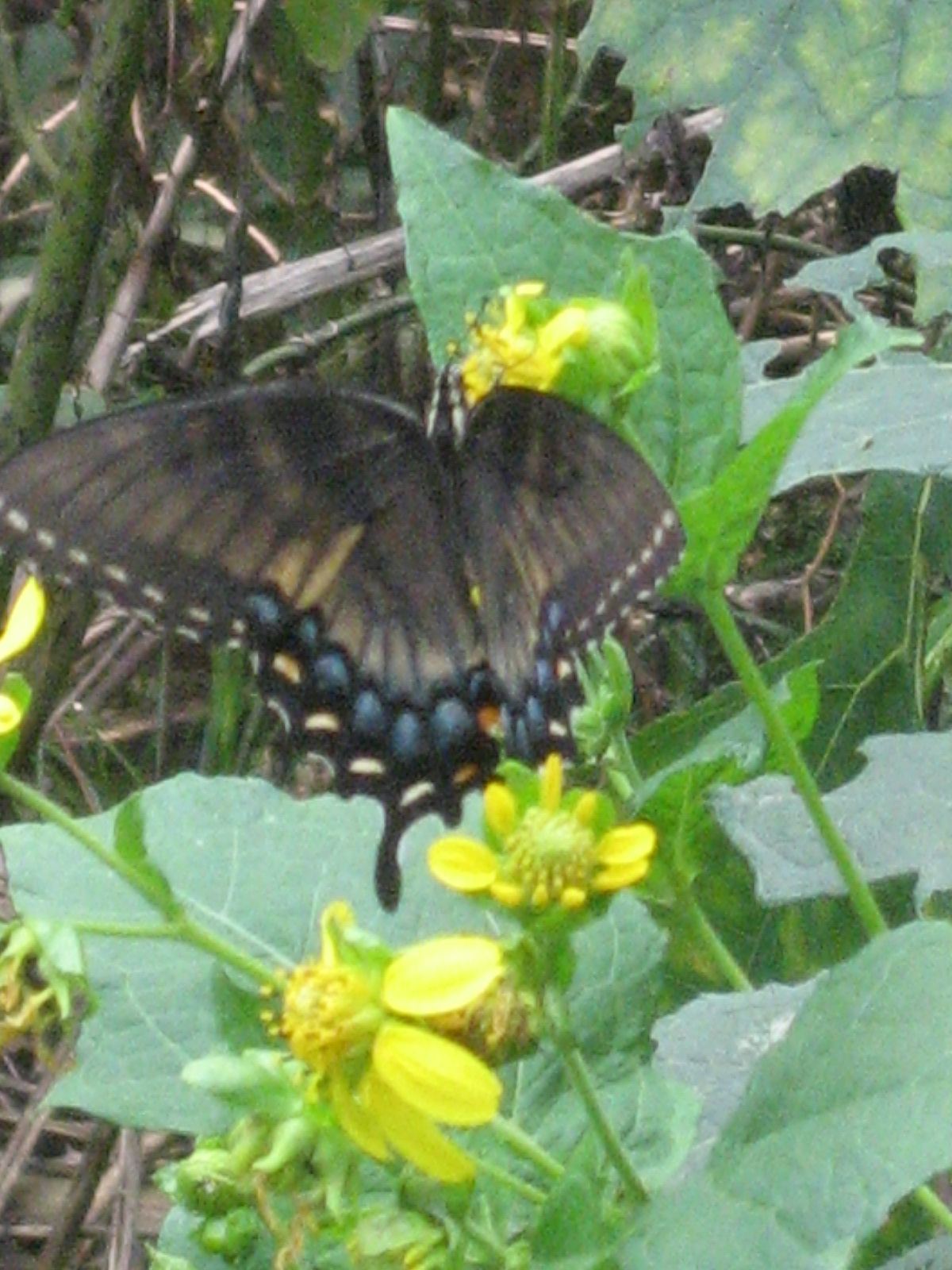
Ctenodiscus crispatus (Mud Starfish)
Why do scientists use scientific names?
to confuse people
to have a common language
to allow people to say the same thing
because common names are not appropriate

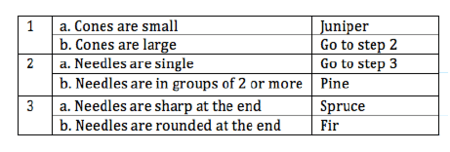
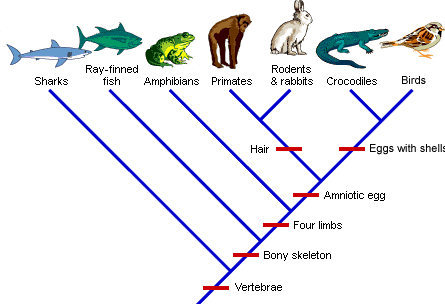
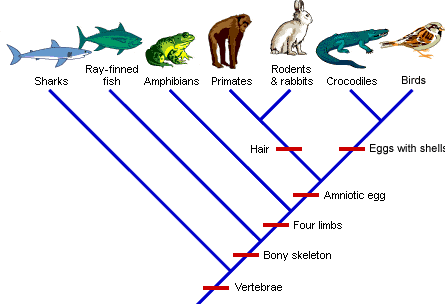
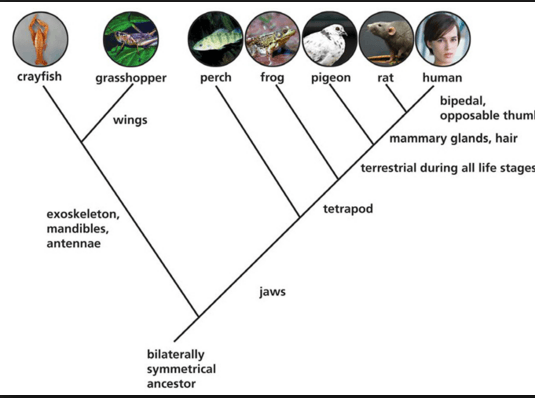
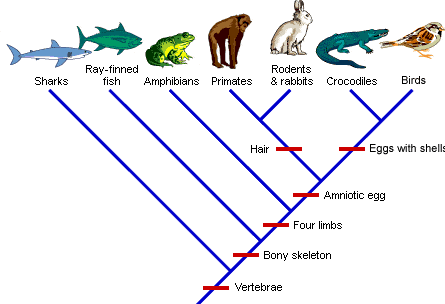


Which species is most closely related to species C?
A
B
D
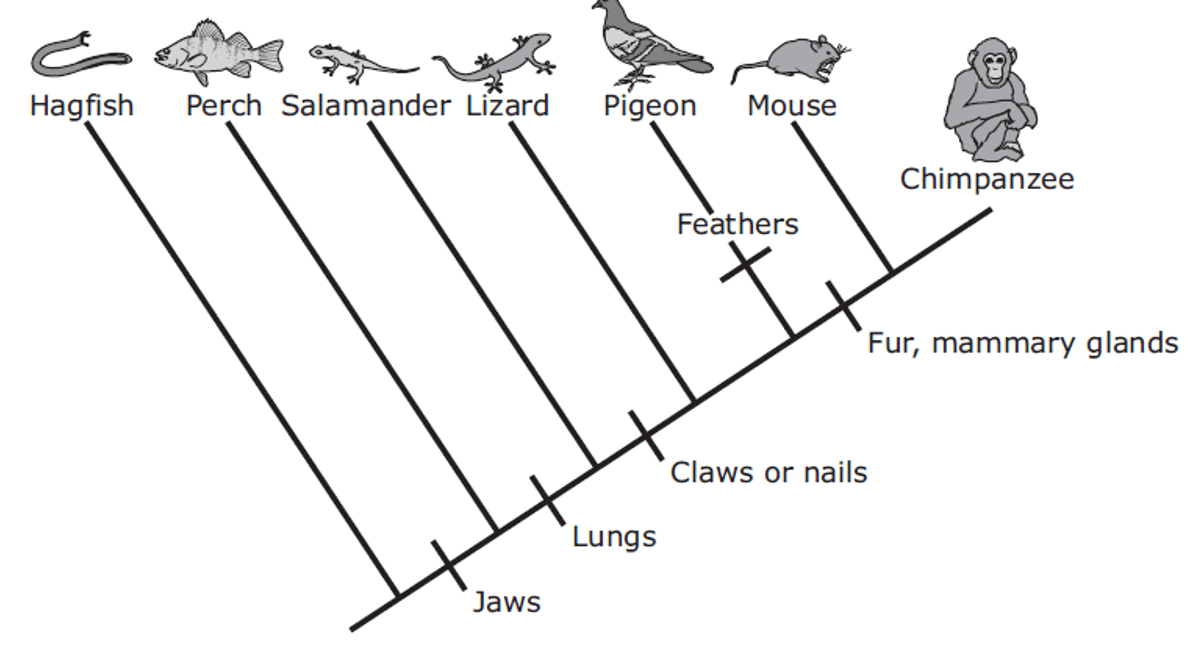
All the animals to the right of the salamander would have the common characteristic of...
Fur
Claws or nails
Lungs
Jaws
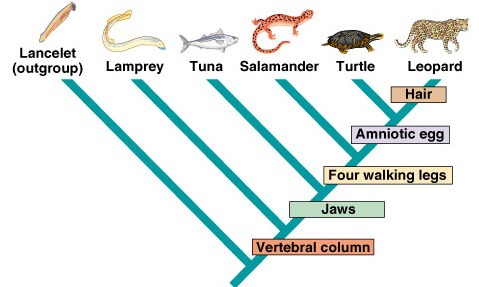
Which is the newest trait?
Amniotic egg
Walking legs
Jaws
Hair

What is this a picture of?
Pedigree
Cladogram
Family Tree
Oak Tree
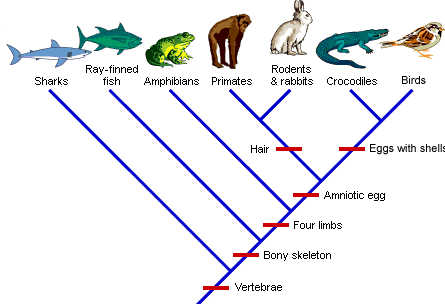

According to the cladogram, which organism is most distantly related to the chimpanzee?
salmon
salamander
lizard
hamster

Which trait(s) do conifers have?
vascular tissue only
vascular tissue and seeds
vascular tissue, seeds and flowers
seeds only

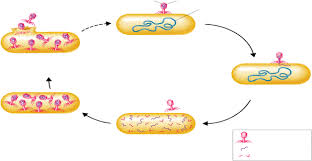
The flu is caused by a virus.

takes over the cell's functions.



The part of the plant
that is generally
under the ground
and in the soil
Reproductive System
Transpiration
Shoot System
Root System

The part of the plant
that is generally above the ground including stems, leaves, buds and reproductive structures
Stem System
Leaf system
Shoot system
Xylem

The tubes and support that transport water
and nutrients up, down and around in plants
Vascular System
Shoot System
Root System
Reproductive System

Vascular tissue (tubes) responsible for the transportation of water and minerals up from the roots and around the plant.
Stomata
Transpiration
Phloem
Xylem

Vascular tissue (tubes) responsible for the transportation of glucose down and around in a plant.
Transpiration
Xylem
Phloem
Root Hairs

Where does photosynthesis takes place?
The flower
The leaf
The stem
The root

What is the vascular tissue that transports water up the plant?
Xylem
Phloem
Roots
Shoot

What is NOT a function of the root system?
Anchor the plant to the ground
Absorb water and nutrients
Store energy for example in potatoes or carrots
Create food for the plant through photosynthesis

What vascular tissue carries organic nutrients "sugar" throughout the plant?
Xylem
Phloem
Cones
Leafs
What is a function of the root system?
Absorb Water
Absorb sun light
Reproduce
Take in carbon dioxide
What is a function of the root system
Anchor the plant
Protect the plant from viruses
Reproduce
Gas Exchange
Xylem transports ...
Water
Sugar (Organic Nutrients)
Sand
Wind
The fertilized ovary develops into a fruit.
True
False
This is when a pollen grain combines with an egg in the plant's ovary.
Fertilization
Pollenation
Reproduction
Germination
These are flowering plants that protect their seeds inside of a fruit.
Cochemeas
Gymnosperms
Wildflowers
Angiosperms
Which part of the Stamen contains pollen?
Anther
Filament
Ovary
Style
What sticky part of the Pistil receives pollen?
Anther
Filament
Stigma
Sepal

What part of a flower is this?
Stamen
Pistil
Sepal
Stomata
A change in a plant's growth in response to an external stimulus is called ________________.
Stimulism
Biotic Factor
Tropism
Commensalism

What type of tropism is exhibited here?
Phototropism
Hydrotropism
Thigmotropism
Gravitropism
The transfer of pollen from the male flower parts to the female flower parts is called ______________.
Fertilization
Pollenation
Reproduction
Dispersion

What type of tropism is exhibited here? (Notice the roots)
Phototropism
Hydrotropism
Thigmotropism
Gravitropism
Why are flowers colorful?
It helps photosynthesis
To attract pollenators
Natural camouflage
To regulate temperature

What type of tropism is exhibited here?
Phototropism
Hydrotropism
Thigmotropism
Gravitropism

What part of the flower is the green structure in the middle?
Stamen
Pistil
Sepal
Stomata
What type of seed dispersal carries lightweight seeds with feathery or wing-like structures?
Wind
Water
Fire
Self-Dispersal

