wayground logo

Free Printable Worksheets

Font size

S
M
L
XL
Worksheets

Year 10 GL MegaMix Quiz - Part 2

Total questions: 145

Worksheet time: 2hrs 48mins

Name
Class
Date
1.

An isotope with an unstable nucleus

a)

Background radiation

b)

Critical mass

c)

Radioisotope

2.
Isotopes have different numbers of
a)
protons
b)
neutrons
c)
electron
d)
properties
3.
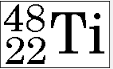
How many protons does this isotope of titanium have?
a)
48
b)
22
c)
26
d)
70
4.
What is the name of the pictured isotope?
a)
Chlorine-Schmorine
b)
Chlorine-17
c)
Chlorine-35
d)
Chlorine-18
5.

146C has a half-life of 5730 years how many grams of a 4.0 g sample would be left after 3 half-lives?

a)

1.0 g

b)

0.5 g

c)

0.38 g

d)

None would be left

6.

How many protons does this isotope of lithium have?

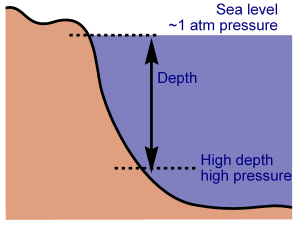
a)

8

b)

3

c)

4

d)

5

7.
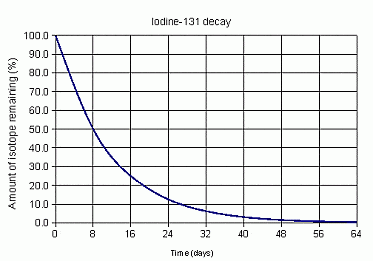
What is the half-life of iodine-131?
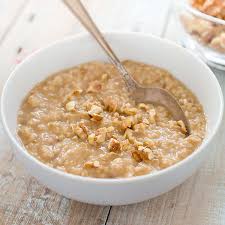
a)
32 days
b)
8 days
c)
16 days
d)
24 days
8.
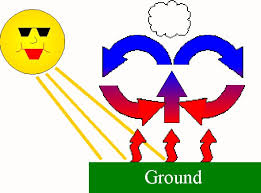
What is Half-life?
a)
The amount of time it takes for some of the nuclei in a sample of the isotope to decay
b)
The amount of time it takes for half the electrons in a sample of the isotope to decay
c)
The amount of time it takes for half the nuclei in a sample of the isotope to decay
d)
the amount of time it takes to double the nuclei in a sample of the isotope to decay
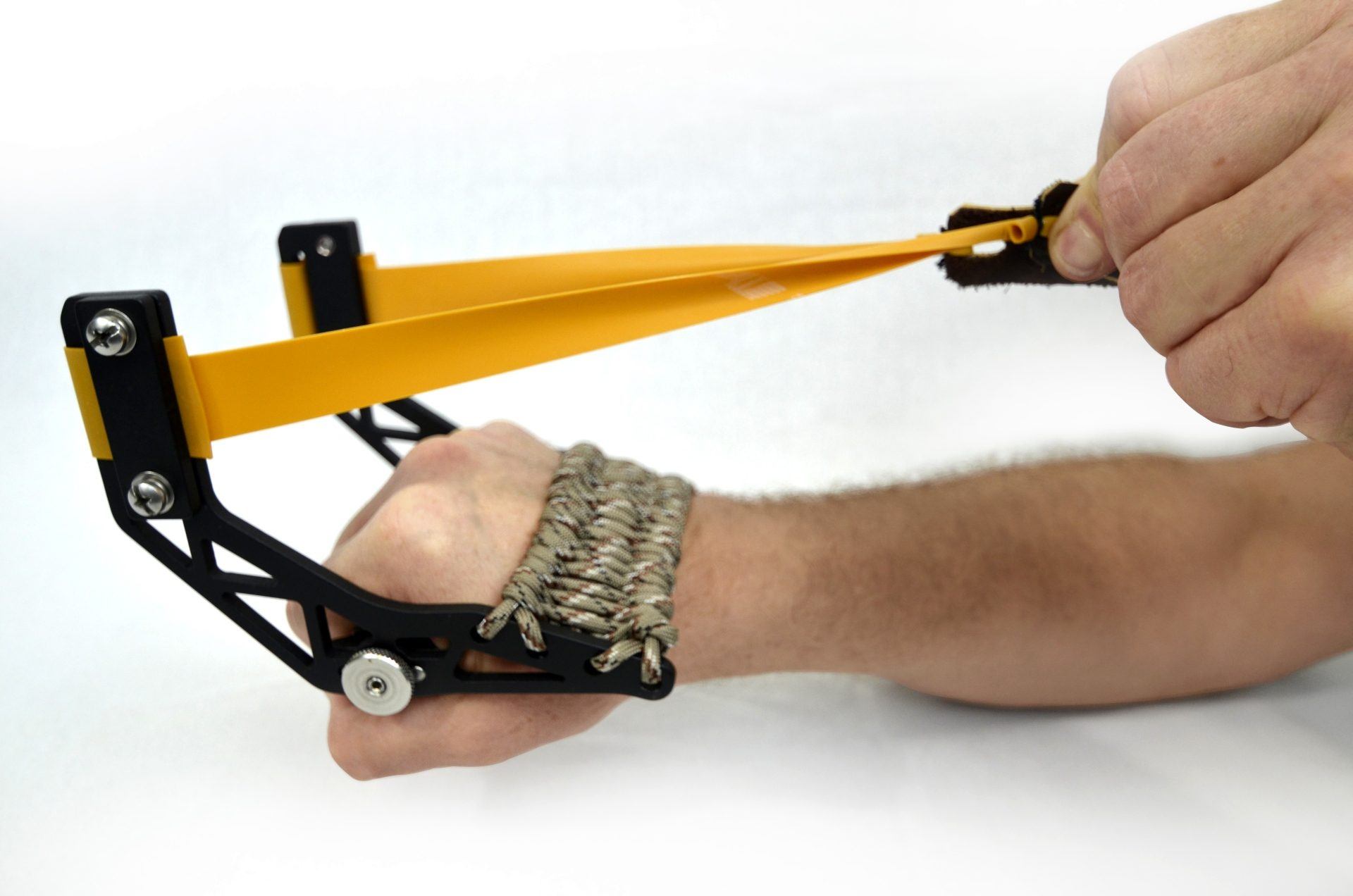
9.

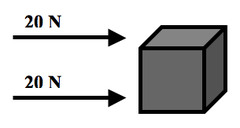
What is the resultant force?

a)

40 N, Left

b)

0 N, Balanced

c)

400 N, Right

d)

40 N, Right

10.

What is the resultant force?

a)

400 N, Up

b)

400 N, Down

c)

800 N, Up

d)

800 N, Down

11.

What is the resultant force?

a)

5000 N, Right

b)

4000 N, Right

c)

40 N, Left

d)

4000 N, Left

12.

Calculate the resultant force acting on the parachute.

a)

19 N upwards

b)

19 N downwards

c)

5 N upwards

d)

5 N downwards

13.
Energy(heat) is added in order to go from ...
a)
solid to gas
b)
liquid to solid
c)
gas to liquid
d)
gas to solid
14.
Energy(heat) is removed in order to go from ....
a)
gas to solid
b)
solid to liquid
c)
solid to gas
d)
liquid to gas
15.
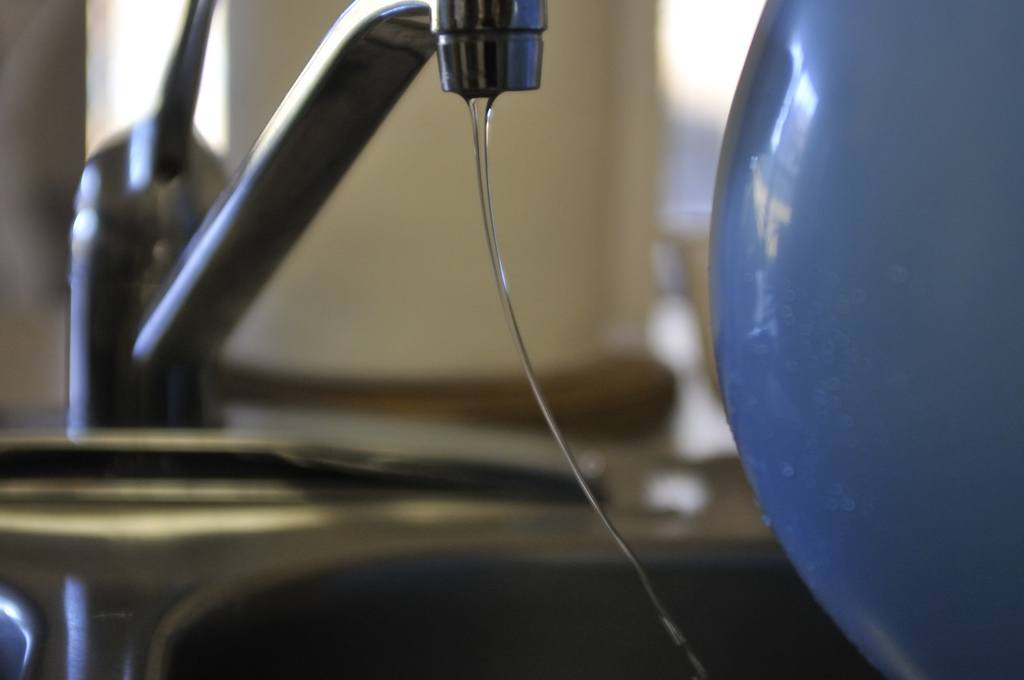
Suppose you pour a glass of ice water and set it on the kitchen table. After a few minutes, the outside of the glass will be covered with drops of water. Why did this happen?
a)
Oxygen in the air cooled and condensed onto the cold glass.
b)
Water vapor in the air cooled and condensed onto the cold glass.
c)
Water vapor in the air cooled and evaporated onto the cold glass.
d)
Water seeped through pores in the glass.
16.
What happens to a substance when it changes from a liquid to a solid?
a)
it gains mass
b)
it gains energy
c)
it loses mass
d)
it loses energy
17.

What is an example of sublimation?

a)

Ice cream melting

b)

Dry ice being added to water

c)

Frost forming on grass

18.

A phase change from liquid to gas is called ...

a)

condensation

b)

evaporation

c)

sublimation

d)

deposition

19.
When a gas forms directly into a solid, skipping the liquid phase
a)
deposition
b)
sublimation
c)
evaporation
d)
condensation
20.
Sublimation is
a)
when solid turns into gas
b)
when gas turns into plasma
c)
when liquid turns into gas
d)
when gas turns into solid
21.
 The process where water vapor changes from a gas to a liquid is called:
a)
sublimation
b)
precipitation
c)
evaporation
d)
condensation
22.
Temperature at which matter changes from liquid to solid
a)
freezing point
b)
melting point
c)
boiling point
d)
absolute zero
23.
Temperature at which a solid state changes to a liquid state
a)
boiling point
b)
melting point
c)
freezing point
d)
absolute zero
24.
Which of the following is a way that bacteria are helpful? 
a)
aid in digestion
b)
cause diseases
c)
food poisoning
d)
wheat blight
25.

Bacteria are needed to help make some of our vitamins needed in our bodies

a)

True

b)

False

26.
a structure made up of different tissues working together
a)
organ
b)
cell
c)
tissue
d)
organelle
27.
an individual living thing capable of growing and reproducing
a)
tissue
b)
cell
c)
organism
d)
plant
28.
a group of cells organized to do a job
a)
cell
b)
tissue
c)
prokaryotic
d)
animal
29.

The correct order of the levels of organization of living things, from simple to complex is

a)

cell, tissue, organ, organ system

b)

tissue, cell, organ, organ system

c)

organ system, organ, cell, tissue

d)

cell, organism, tissue, organ

30.
What is genetics?
a)
The study of DNA nucleotides
b)
The study of heredity
c)
The study of a cell dividing into 2
d)
The study of eye color
31.
The passing of DNA from parents to offspring
a)
Generation
b)
Heredity
c)
Inheritance
d)
Traits
32.
Chromosomes are found in the ____________ of the cell
a)
Chloroplast
b)
Nucleus
c)
Cytoplasm
d)
Mitochondria
33.
What is a gene?
a)
An entire chromosome that  codes for a trait
b)
a piece of clothing
c)
a piece of a DNA on chromosome that codes for a trait
d)
Chemical messengers in your brain that code for a trait
34.
Segments of DNA are called _______________________
a)
Genes
b)
Nuclei
c)
genotypes
d)
Chromosomes
35.
What is a recessive allele?
a)
A trait that is always shown (capital letter)
b)
A trait that can be hidden (lower case letter)
c)
Alleles that are the same
d)
Alleles that are different
36.
What is a dominant allele?
a)
A trait that is always shown (capital letter)
b)
A trait that can be hidden (lower case letter)
c)
Alleles that are the same
d)
Alleles that are different
37.

What is the name of group number 1?

a)

halogens

b)

noble gases

c)

alkali metals

d)

alkaline earth metals

38.

Periodic law states that the elements are arranged according to their atomic ________ so that elements with similar chemical properties are in the same ________ and properties repeat periodically.

a)

numbers, rows

b)

masses, rows

c)

masses, column

d)

numbers, column

39.

A row on the Periodic Table of Elements

a)

family

b)

period

c)

row

d)

isotope

40.

Elements that have the same number of energy levels are said to be in the same ______.

a)

group

b)

period

c)

family

d)

classification

41.
The atomic number tells you what?
a)
number of electrons
b)
number of protons
c)
number of neutrons
d)
both electrons and protons in an atom.
42.
Atoms with similar properties are most likely located...
a)
in the same period.
b)
in the same group.
c)
in different periods.
d)
to the right and left of each other.
43.
Each element is unique based on its number of protons, also known as the...
a)
atomic mass
b)
valence number
c)
atomic symbol
d)
atomic number
44.
what does the 6 represent?
a)
Atomic mass
b)
atomic number
c)
chemical symbol
d)
element name
45.
Which is a neutron?
a)
A
b)
B
c)
C
46.

What are the vertical columns on the periodic called?

a)

groups

b)

periods

c)

nonmetals

d)

metals

e)

metalloids

47.

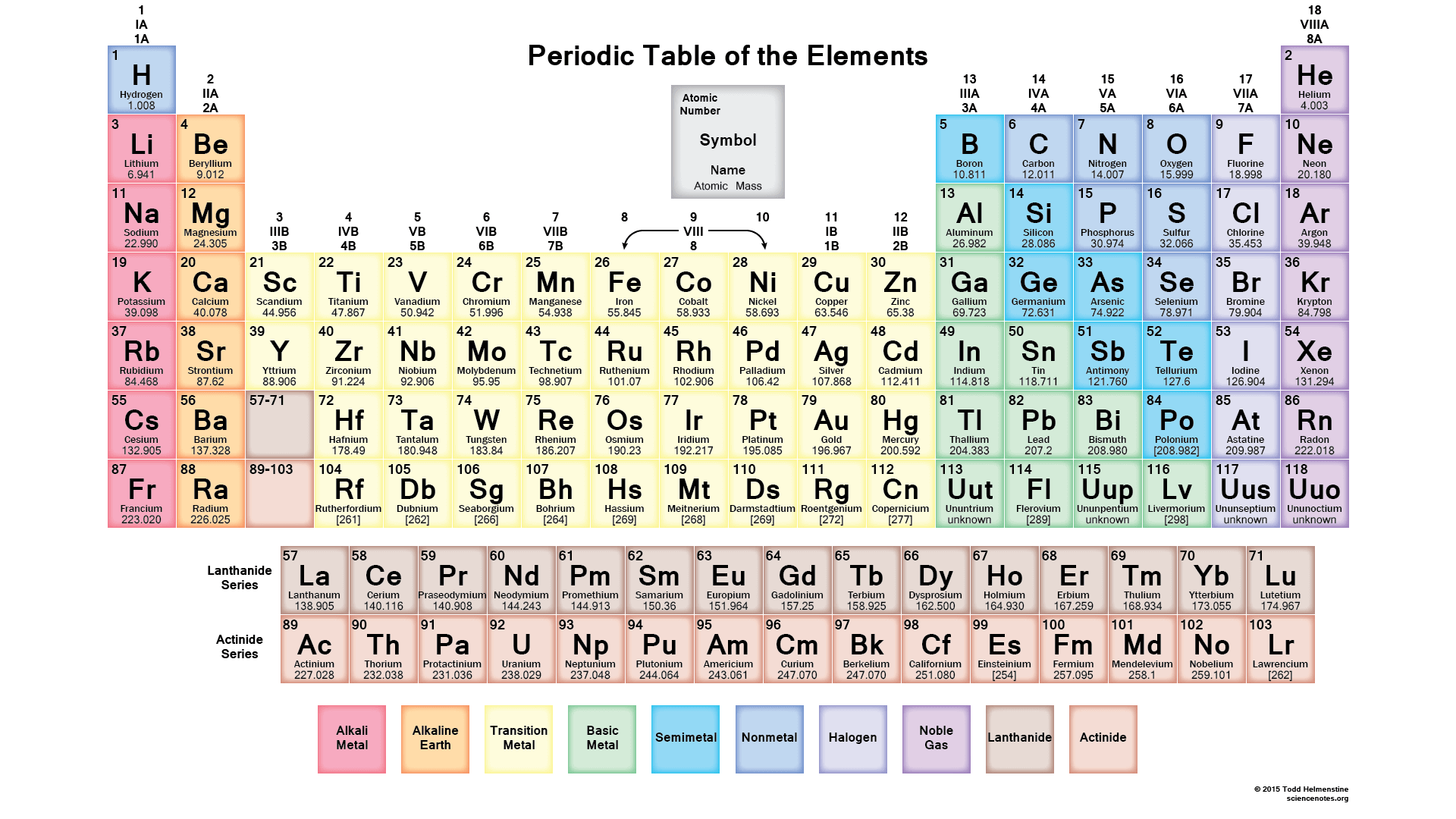
What do the vertical columns on the periodic table tell us?

a)

The number of orbitals

b)

The number of valence electrons (electrons on the outer most shell)
48.
Sodium (Na) is found in group 
a)
1
b)
2
c)
3
d)
4
49.

Which elements have properties in common?

a)

elements in a group

b)

elements in a period

50.

Which elements have 1 valence electron?

a)

period 1

b)

group 1

c)

group 4

51.
Elements in the same ________ are more chemically similar.
a)
group
b)
period
c)
club
d)
table
52.
Beryllium is in group number______.
a)
Group 2
b)
Group 3
c)
Group 4
d)
Group 7
53.
The Modern Periodic Table of Elements is arranged by
a)
atomic mass
b)
atomic number
c)
valence electrons
d)
number of isotopes
54.

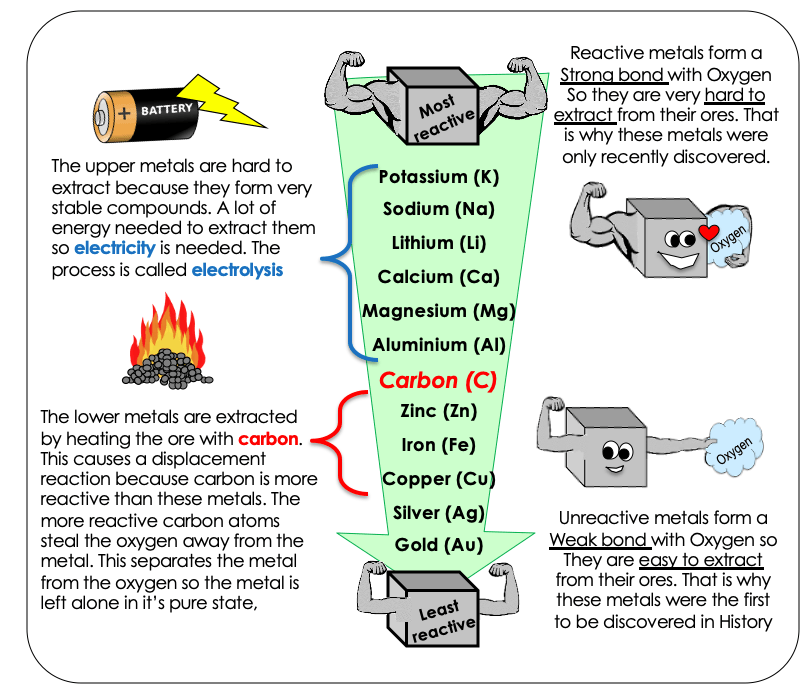
What is an ore?

a)

a solid metal

b)

a rock containing a metal combined with other elements, often oxygen

c)

an element

d)

an object used to row a boat

55.
What is the removal of oxygen from a substance called?
a)
reduction
b)
extraction
c)
electrolysis
d)
oxidation
56.
What is the addition of oxygen to a substance called?
a)
decomposition
b)
reduction
c)
oxidation
d)
extraction
57.

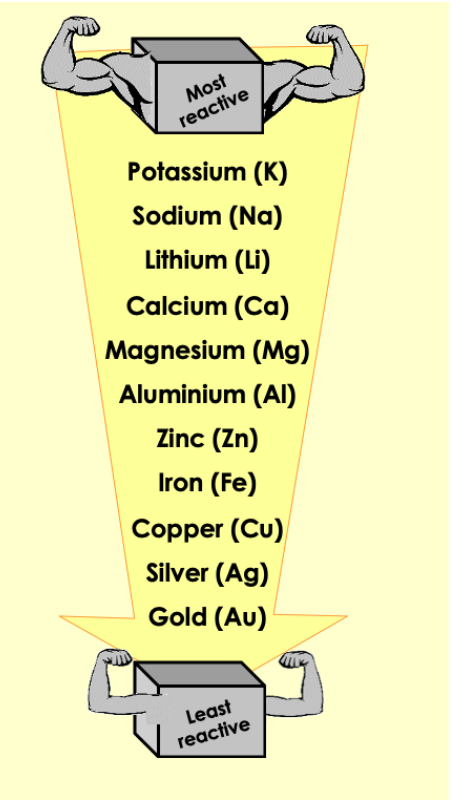
Which element cannot be extracted from its ore by reduction with carbon?

a)

iron

b)

aluminium

c)

copper

d)

zinc

58.
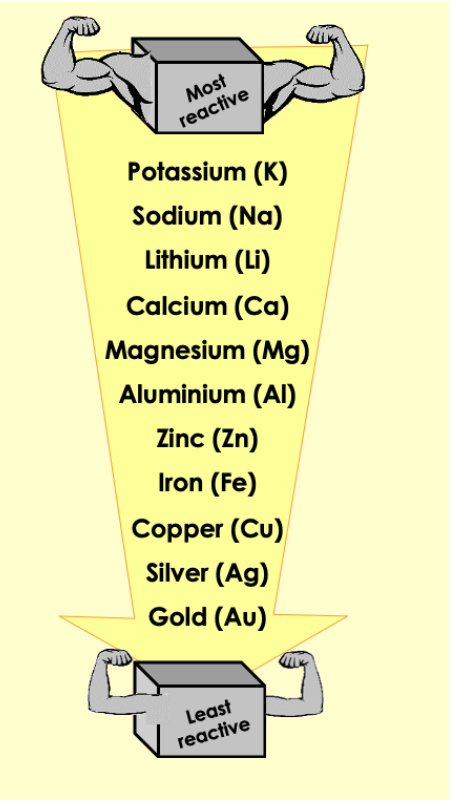
Which series is used to predict the reactions of metals with carbon and other elements?
a)
reactionary series
b)
reaction series
c)
redox series
d)
reactivity series
59.

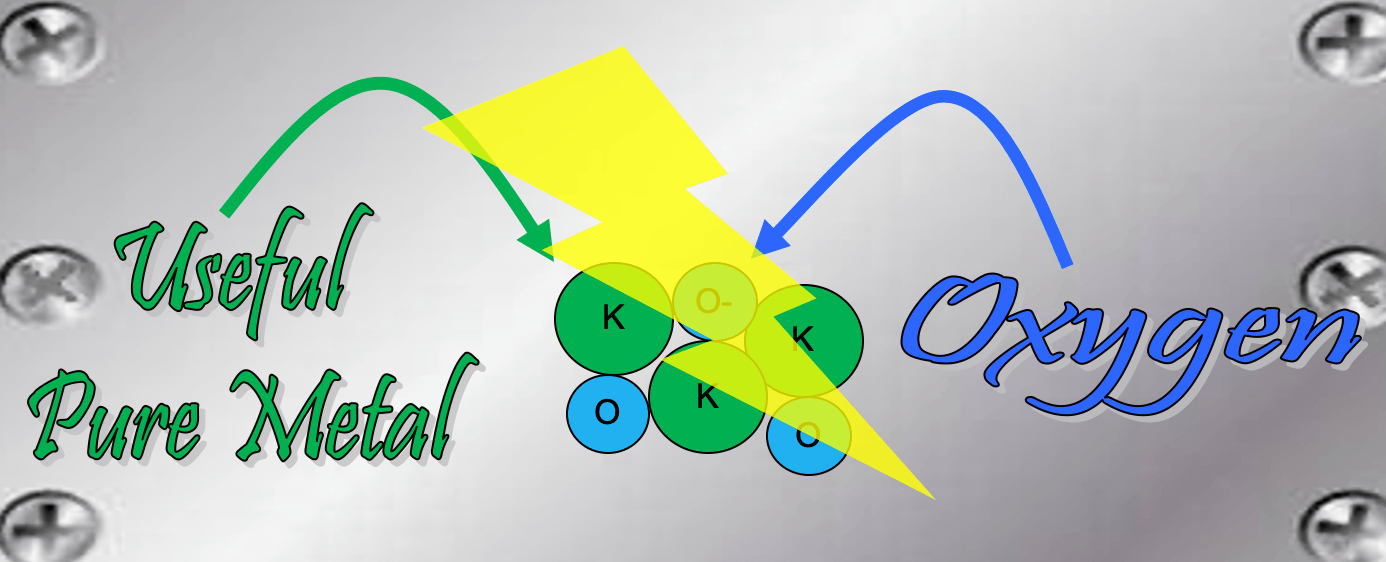
What is the name of the process that uses electricity to separate the elements in a compound?

a)

reduction

b)

electrolysis

c)

extraction

d)

mining

60.

How would you best extract iron from haematite (iron ore)?

a)

reduction by carbon

b)

electrolysis

c)

decomposition

d)

oxidation

61.

Many metals are extracted from their ores by heating them with carbon in huge furnaces. Which metal(s) cannot be extracted using this method?

a)

Aluminum

b)

Calcium

c)

Zinc

d)

Copper

62.

A method of extracting the most reactive metals, like potassium or aluminium.

a)

carbon extraction

b)

fractional distillation

c)

electrolysis

d)

cracking

63.

What method would be used in order to extract potassium?

a)

Heating with Carbon

b)

The blast furnace

c)

Potassium is found uncombined

d)

Electrolysis

64.

Liquid pressure is because of the forces between the liquid particles and the _________ of the container.

a)

Volume

b)

Mass

c)

Surface

d)

Density

65.

The pressure exerted by a liquid

a)

increases with depth.

b)

decreases with depth.

c)

is constant

d)

first increases and then decreases.

66.

The pressure of the water at the bottom of a pond is ___ at the surface of the pond.

a)

either lower or higher

b)

higher than

c)

same

d)

lower than

67.

When you increase your depth under water, the water pressure on your body

a)

increases

b)

decreases

c)

stays the same

68.

Diagram shows the design of a dam. Why does the thickness of the dam increase with its depth?

a)

The design of this structure is stronger.

b)

Water pressure increases with depth.

c)

The cost of construction is lower.

d)

Water pressure acts uniformly in all directions.

69.

which hole has the longest distance?

a)

highest one

b)

the middle one

c)

the deepest one

d)

all of them have the same distance

70.

which liquid has the greatest density?

a)

oil

b)

water

71.

The condition where two substances in physical contact with each other exchange no heat energy. They are said to be the same temperature.

a)

Thermal Energy

b)

Cooler to Warmer

c)

Energy Transfer

d)

Thermal Equilibrium

72.
heat always travels from _____ to ______ objects
a)
hot to cold
b)
cold to hot
c)
cold to cold
d)
hot to hot
73.

Two objects have different temperatures. Object A has a temperature of 42 degrees and Object B is 37 degrees. Which direction should the energy transfer between Objects A and B?

a)

From Object A to Object B

b)

From Object B to Object A

c)

Energy will not transfer

d)

Energy will transfer both directions

74.

You leave your cold spoon in a hot bowl of oatmeal. What happens after an hour?

a)

The temperature of both the oatmeal and the spoon stay the same

b)

The spoon and the oatmeal become the same temperature

c)

Only the temperature of the oatmeal will change

d)

Only the temperature of the spoon will change
75.

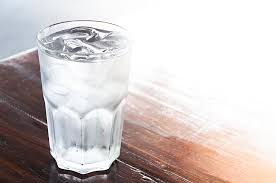
Johnny put ice in his water. Which idea do you think best explains why the water got cold?

a)

The coldness from the ice moved into the water

b)

The coldness and the heat moved back and forth until the water cooled off.

c)

The heat from the water moved into the ice.

d)

The water does not cool of

76.
What are some examples of heat transfer?
a)
conduction
b)
convection
c)
radiation
d)
all of the above
77.
The liquid in a thermometer ______________ as the temperature increases.
a)
expands
b)
disappears
c)
freezes
d)
explodes
78.

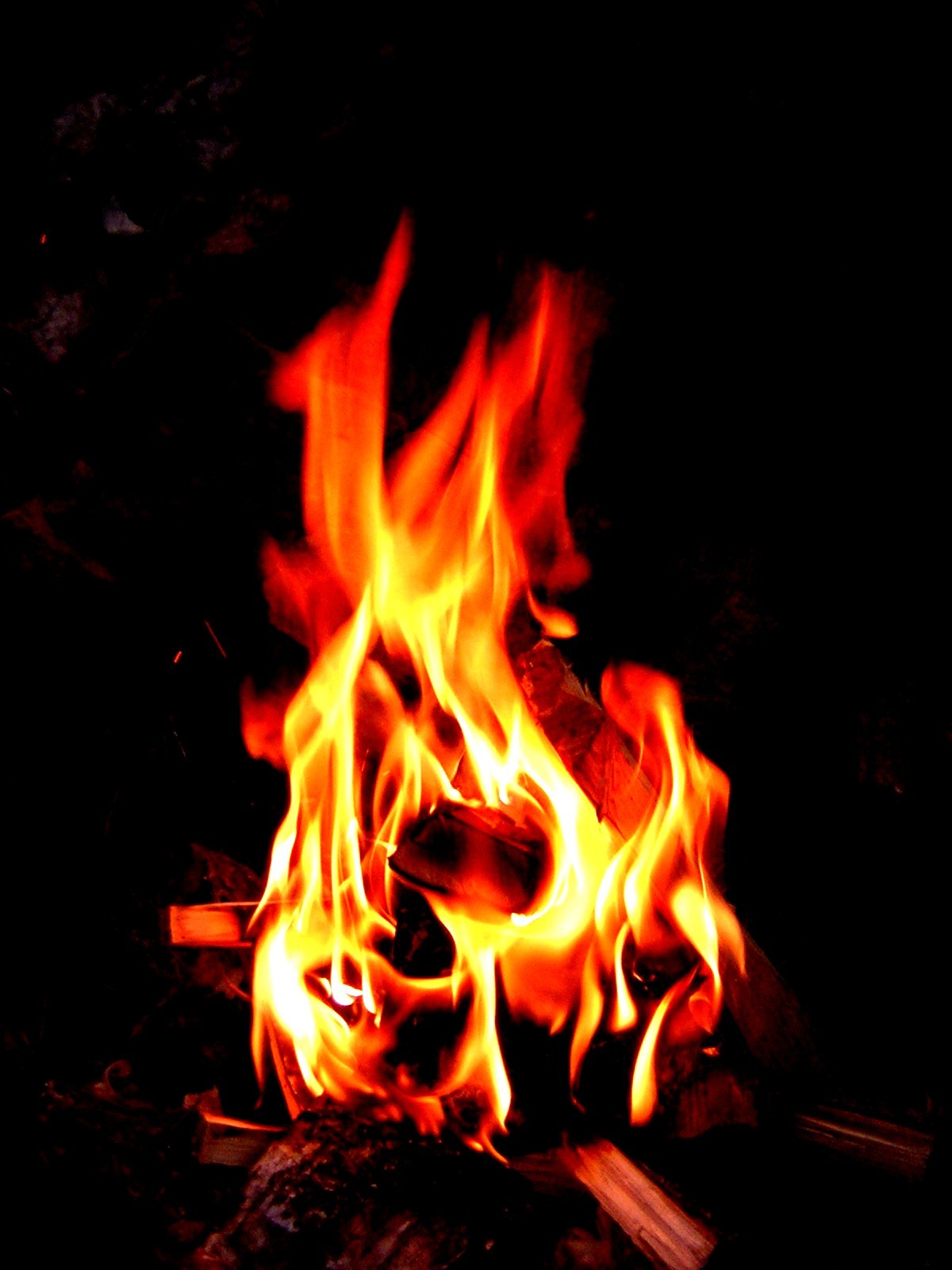
A group of friends gather around a fire to stay warm. This is an example of ________.

a)

conduction

b)

convection

c)

radiation

79.

Which is an example of heat being transferred by conduction?

a)

a furnace heating the air in a school

b)

an ice cube melting in a person’s hand

c)

a pot of water on a stove boiling

d)

the sun heating water in a swimming pool

80.

The baby chickens kept warm by the heat lamps. This is an example of ________.

a)

conduction

b)

convection

c)

radiation

81.

The handle of a metal spoon warms up when it is placed in a hot bowl of soup because of ________.

a)

convection

b)

conduction

c)

radiation

82.

You get sunburned due to __________ from the sun.

a)

conduction

b)

convection

c)

radiation

83.

Near the ceiling of a room the air is warmer. The warm air rises because of ________.

a)

conduction

b)

convection

c)

radiation

84.

The heat from a lamp allows a lizard to remain warm. This is an example of which type of heat transfer?

a)

radiation

b)

conduction

c)

convection

85.

The type of heat transfer that creates currents in water is called ________.

a)

conduction

b)

convection

c)

radiation

86.
Warm air rises and the cool air sinks demonstrates this type of heat transfer. 
a)
conduction
b)
convection
c)
radiation
d)
Insolation 
87.
a)

Conduction

b)

Convection

c)

Radiation

88.
Johnny accidentally grabbed the handle of the hot pot.
a)
conduction
b)
convection
c)
radiation
89.
a)

Conduction

b)

Radiation

c)

Convection

90.
a)

Conduction

b)

Radiation

c)

Convection

91.
Heat is the movement of ______.
a)
radiation
b)
thermal energy
c)
cold
d)
fire
92.
What type of energy is in this picture?
a)
Kinetic
b)
Potential
c)
Chemical
d)
Sound
93.
When plants convert the sun's energy into food, which type of energy is it?
a)
kinetic
b)
chemical
c)
thermal
d)
radiant
94.
What kind of energy is represented in this picture?
a)
Thermal
b)
Potential
c)
Nuclear
d)
Mechanical
95.
A battery converts what type of energy to another?
a)
sound to kinetic
b)
light to heat
c)
mechanical to electrical
d)
chemical to electrical
96.
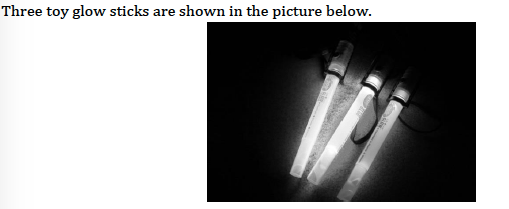
The glow sticks produce light for a short amount of time. The light from the glow stick is a conversion from what to what?
a)
thermal to light
b)
gravitational to potential
c)
radiant to electrical
d)
chemical to light
97.
Only the __ move to create unbalanced charges.
a)
Neutrons
b)
Protons
c)
Electrons
d)
Static Electricity
98.
Removing a static charge by providing a path to the ground is called __.
a)
electric transfer
b)
grounding
c)
switching
d)
seperation
99.
Transferring a charge without touching is ___
a)
conduction
b)
induction
c)
grounding 
d)
Newtons 3rd law
100.
Rubbing a balloon on hair is an example of static charge build up created by....
a)
conduction
b)
friction
c)
induction
d)
hairduction
101.
A charged balloon is brought near an electroscope but DOES NOT touch the electroscope.  This is an example of charging by
a)
Conduction
b)
Convection
c)
Friction
d)
Induction
102.
If a negatively charged rod touches a conductor, the conductor will be charged by what method? 
a)
Friction
b)
Conduction
c)
Induction
d)
Convection
103.
An object becomes negatively charged by
a)
losing protons
b)
gaining electrons
c)
losing electrons
d)
gaining protons
104.
An object becomes positively charged by
a)
losing protons
b)
gaining electrons
c)
losing electrons
d)
gaining protons
105.
If you rub a glass rod with a piece of silk, the rod becomes positively charged. This means that
a)
friction destroyed electrons in the rod.
b)
the silk has become negatively charged.
c)
protons have moved to the rod.
d)
glass attracts more protons.
106.

What charge will the metal plate have?

a)

positive; protons attract protons

b)

positive; protons attract electrons

c)

negative; protons attract electrons

d)

negative; protons attract protons

107.

Ms Pippin rubbed two balloons with a piece of wool. What will happen when the balloons are brought near each other?

a)

The balloons will repel each other.

b)

The balloons will attract each other.

c)

The balloons will become positively (+) charged.

d)

The balloons will pop.

108.

Bending water with a charged balloon is an example of what type of charging (charging an object without touching)

a)

friction

b)

induction

c)

conduction

109.
The girl's hair and the comb are attracting  one another.  The hair and the comb have
a)
opposite charges
b)
like charges
110.
Two things with opposite charges will
a)
attract one another.
b)
repel one another.
111.
Electromagnetic induction is change in ___________________. 
a)
surface area
b)
magnetic poles
c)
magnetic flux
112.
Voltage can be induced in a wire by
a)
a. moving the wire near a magnet.
b)
b. moving a magnet near the wire.
c)
c. changing the current in a nearby wire.
d)
d. all of these
113.
What would happen if I move a bar magnet in and out of a coil of copper wire?
a)
Electric current would disappear 
b)
The magnet would explode 
c)
Electric current will flow through the wire
d)
It would produce a gravitational field
114.

Which activity will produce the highest current?

a)

Move the magnet bar into the coil while the coil remains stationery

b)

Move the coil into the magnet bar while the magnet remains stationery

c)

Move the coil and magnet towards each other

d)

Move the coil and magnet away from each other

115.
The voltmeter is at 0 in this image. How would you manipulate the experiment to create electricity (measured in volts)?
a)
Flip the magnet around so the North pole is facing out
b)
Move the magnet back and forth
c)
Take the magnet out
d)
Add more coils around the paper cylinder
116.
What is one way to increase the current in a wire?
a)
Decrease the number of coils
b)
Increase the number of coils
c)
Move the magnet slower
d)
Take the wire off of the magnet
117.
What benefit is gained by the addition of the iron core in an electromagnet?
a)
It makes a strong magnet weaker
b)
It makes a weak magnet stronger
c)
There is no benefit at all
d)
It lets currents interact with each other
118.

What forms of energy are you using if you close switch 1?

a)

light and electrical

b)

light, sound, and electrical

c)

light

d)

sound

119.

Which of the following are reactants of photosynthesis?

a)

CO2 and H2O

b)

O2

c)

H2O and Glucose

d)

None of the above

120.

What are the end products of photosynthesis?

a)

Carbon Dioxide and Water

b)

Glucose and Carbon Dioxide

c)

Oxygen and Glucose

d)

Water and Glucose

121.

________ are responsible for recycling matter back into the food web once an organism has died.

a)

Carnivores

b)

Decomposers

c)

Omnivores

d)

Producers

122.

Darcy put three healthy plants in pots. She put them in three places. Each plant had good soil, air, and water. After three weeks, Darcy checked on the plants. Based on the results, where do you think Darcy put plant #2?

a)

in the shed

b)

under a tree

c)

on the back deck

d)

in the front yard

123.

Which layer of the Earth is made of iron and some nickel?

a)

crust

b)

mantle

c)

core

124.
Which physical layer is the thinnest?
a)
crust
b)
mantle
c)
core
125.
Which layer is made up of iron and nickel?
a)
Crust
b)
Mantle
c)
Inner Core
d)
Lithosphere
126.
Which layer of Earth is liquid metal?
a)
Outer Core
b)
Mantle
c)
Inner Core
d)
Asthenosphere
127.
Which is the hottest layer and has the most pressure on it?
a)
Crust
b)
Mantle
c)
Outer Core
d)
Inner core
128.

The _________ is the thickest layer.

a)

crust

b)

mantle

c)

outer core

d)

inner core

129.
Which letter represents the entire mantle?
a)
A
b)
C
c)
D
d)
F
130.
Which letter represents the inner core
a)
G
b)
D
c)
F
d)
A
131.
In an exothermic reaction, heat is ...
a)
taken in
b)
given out
132.

In an endothermic reaction, heat is ...

a)

taken in

b)

given out

133.

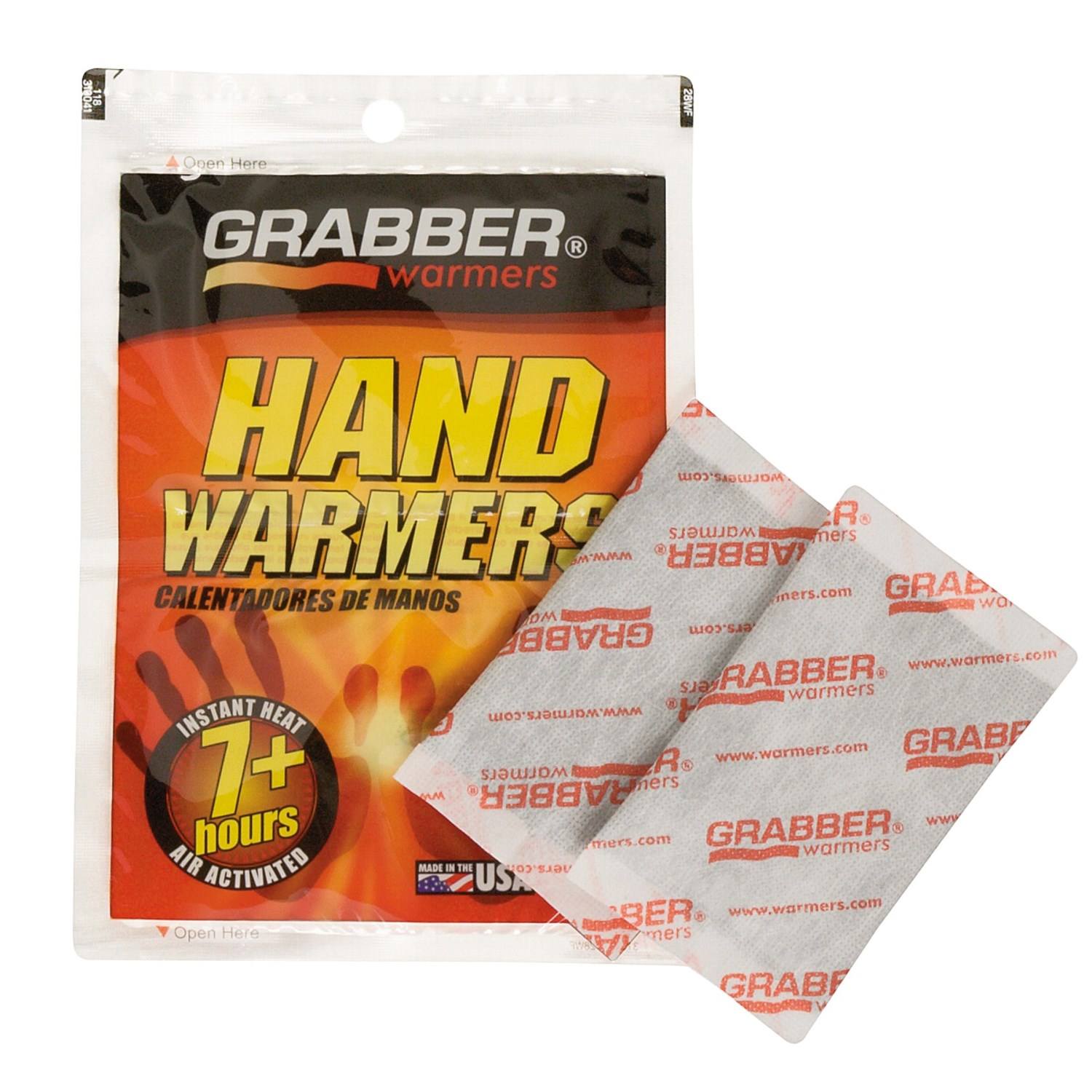
What type of reaction occurs in a hand warmer?

a)

exothermic

b)

endothermic

134.

_____ reactions usually feel hot!

a)

endothermic

b)

exothermic

135.

Which optical device bends light inward?

a)

convex lens

b)

concave lens

c)

plane mirror

d)

convex mirror

136.

What type of lens is used in the shown instrument?

a)

concave lens

b)

convex lens

c)

reflection lens

d)

reduction lens

137.

A lens that is thicker in the middle than on the outside is called ___.

a)

diverging

b)

concave

c)

convex

d)

achromatic

138.

A lens that is thinner in the middle than on the outside is called ___.

a)

diverging

b)

concave

c)

convex

d)

achromatic

139.
The point where the rays meet is known as....
a)
Fire
b)
the focal point
c)
refraction
d)
Plane of the lens
140.

The image shows a simplified diagram of a pinhole camera.

Which statement describes the image formed?

a)

Diminished, upright and real

b)

Diminished, inverted and real

c)

Magnified, upright and real

d)

Magnified, inverted and real

141.

Which one of them is not a part of the pinhole camera?

a)

Cardboard

b)

translucent paper

c)

lens

d)

tape

142.

The image shows a simplified diagram of a pinhole camera.

Moving the camera further away from the object will make the image.

a)

Smaller

b)

Blurry

c)

Bigger

d)

Sharper

143.

Which of the following describes an image formed in a pinhole camera?

a)

Horizontally inverted (Left becomes Right; Right becomes Left)

b)

Vertically inverted (Up becomes Down; Down becomes Up)

c)

Remains the same as how we normally see

144.

A smaller pinhole will cause my image to be

a)

clearer

b)

blurry

c)

brighter

d)

dimmer

145.

Image obtained in a pinhole camera is always

a)

straight

b)

inverted

c)

sideways

d)

opposite