wayground logo

Free Printable Worksheets

Font size

S
M
L
XL
Worksheets

Unit 1 (Cell Structure) Mini-Review

Total questions: 90

Worksheet time: 58mins

Name
Class
Date
1.

Where is DNA found in a Eukaryotic cell?

a)

in the nucleus

b)

in the cell wall

c)

in the vacuole

d)

in the mitochondria

2.

What part of a plant cell stores water?

a)

lysosome

b)

vacuole

c)

golgi body

d)

ribosomes

3.
Bacteria is what kind of cell?
a)
Eukaryotic
b)
Prokaryotic
4.
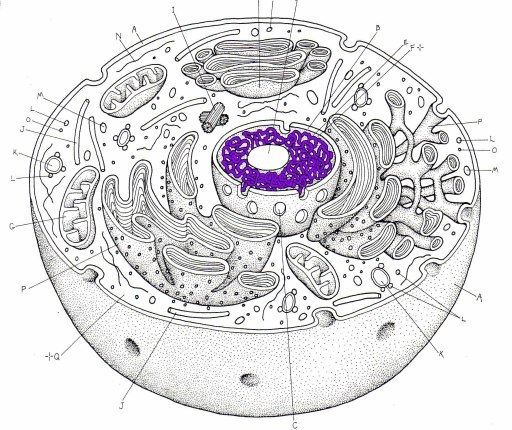
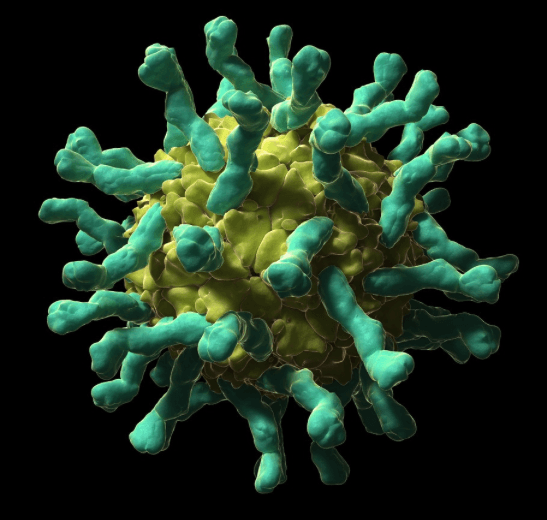
What kind of cell is this?
a)
Eukaryotic
b)
Prokaryotic
5.
What type of cell does not have a nucleus?
a)
eukaryotic 
b)
prokaryotic 
6.

This virus needs what in order to reproduce?

a)

to undergo mitosis

b)

to undergo meiosis

c)

a virus of the opposite sex

d)

a host cell

7.

What kind of cells make up viruses?

a)

unicellular

b)

eukaryotes

c)

prokaryotes

d)

none of these, viruses are not cells
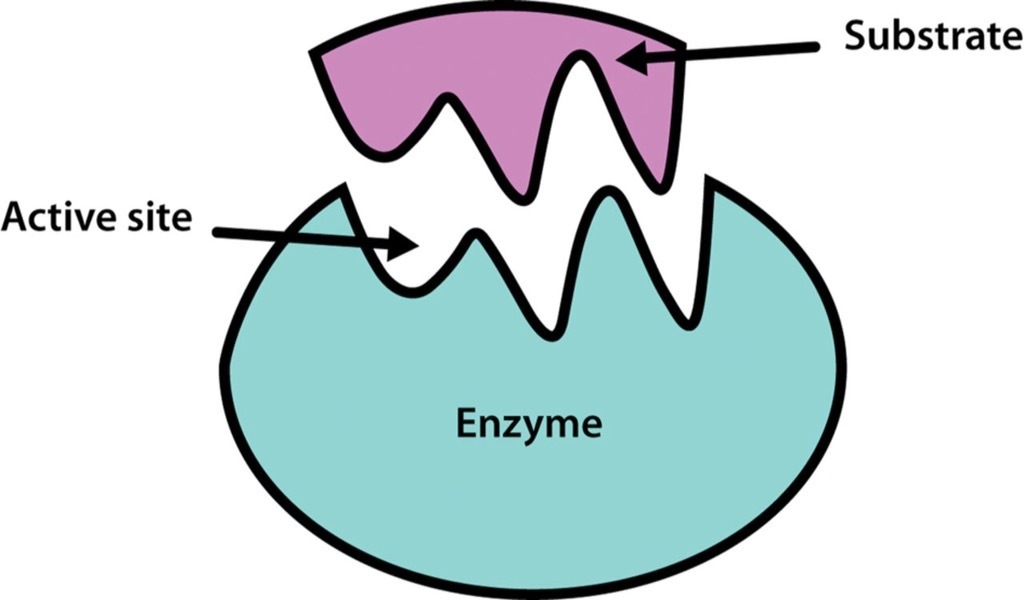
8.
Which of the following is not true of bacteria? 
a)
they are prokaryotes
b)
they are multi-celled
c)
found pretty much everywhere
d)
they are on you right now! 
9.
TRUE or FALSE: Bacteria are not alive. 
a)
TRUE
b)
FALSE
10.
TRUE or FALSE: Viruses can be killed with an antibiotic. 
a)
TRUE
b)
FALSE
11.
What is a virus? 
a)
a tiny packet of genetic material in a protein coat
b)
a cell with a flagella
c)
a cell with a nucleus 
12.
Which of the following works on bacteria? 
a)
antibiotics
b)
vaccines
13.
Compared to bacteria, viruses are much...
a)
smaller. 
b)
larger. 
c)
the same. 
14.
TRUE or FALSE: both bacteria and viruses contain genetic material and reproduce. 
a)
TRUE
b)
FALSE
15.
Viruses multiply: 
a)
By conjungation
b)
By taking over a cell's functions
c)
By binary fission
d)
Both sexually and asexually
16.
Binary fission is a type of _____ reproduction  that bacteria do.
a)
sexual
b)
asexual
17.
Which biomolecule has sugars and starches?
a)
Lipids
b)
Proteins
c)
Carbohydrates
d)
Nucleic Acid
18.
Which biomolecule functions include enzymes­ which speeds the rate of chemical reactions, structural components in cells, mechanical functions in muscles and cytoskeleton, cell signaling, and immune response; provides structure and helps with chemical reactions 
a)
Protein
b)
Lipids
c)
Carbohydrate
d)
Nucleic Acid
19.
Which biomolecule is important source of energy for humans; glucose for human cells, tissues, and organs; provides fiber, sugar, and starches; provides structural support, cell wall, and cell membrane maker?
a)
Nucleic Acid
b)
Lipid
c)
Carbohydrate
d)
Protein
20.
Which biomolecule includes fats, such as triglycerides, oils, waxes, and steroids (cholesterol); insoluble in water; provides energy storage, insulation, part of cell membrane, and hormones 
a)
Nucleic Acid
b)
Lipids
c)
Carbohydrate
d)
Protein
21.
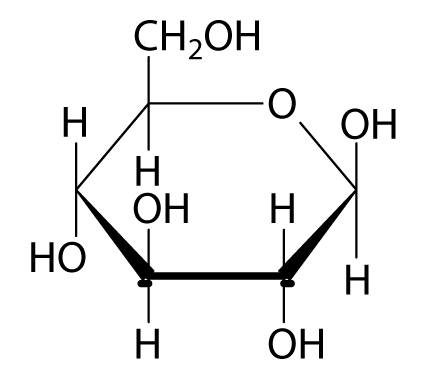
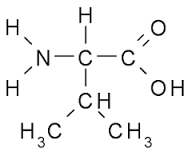
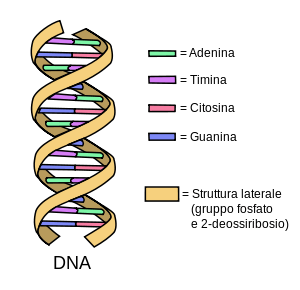
Identify the biomolecule
a)
Carbohydrate
b)
Lipid
c)
Protein
d)
Nucleic Acid
22.
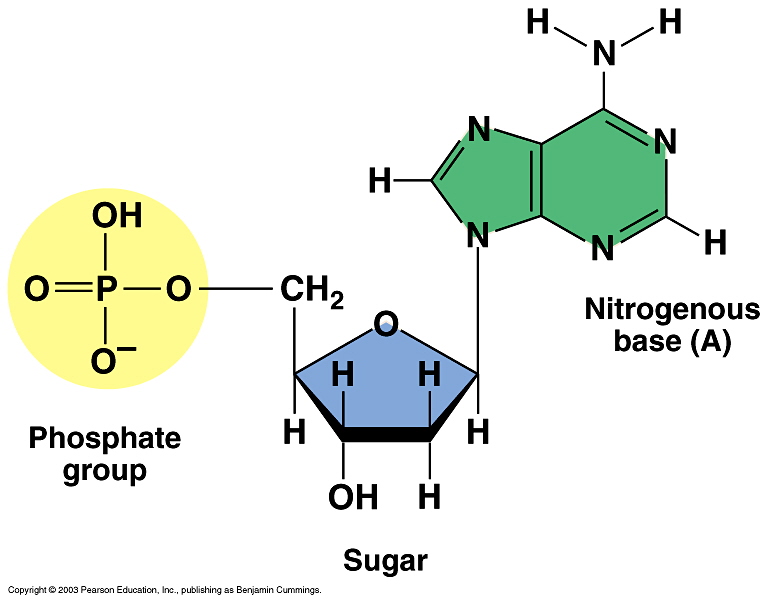
Identify the biomolecule
a)
Lipid
b)
Protein
c)
Carbohydrate
d)
Nucleic Acid
23.
What is the monomer for a protein?
a)
Monosaccharide
b)
Triglyceride
c)
Amino Acid
d)
Nucleotide
24.
Lipids are made up of which of the following?
a)
glycerol and fatty acids tails
b)
glycerol and monolipids
c)
fatty acids and phosolipids
d)
amino acids and nucleotides
25.
What is the monomer of nucleic acids?
a)
Glycerol
b)
Monosaccharides
c)
Amino Acids
d)
Nucleotides
26.
What biomolecule do enzymes belong to? 
a)
Carbohydrate
b)
Lipid
c)
Nucleic Acid
d)
Protein
27.
Which biomolecule is a main source of quick energy?
a)
Nucleic Acid
b)
Protein
c)
Lipid
d)
Carbohydrate
28.
Which biomolecule is found in fats, oils, and waxes and is a source of long-term energy
a)
Proteins
b)
Nucleic Acid
c)
Lipids
d)
Carbohydrate
29.
What is the function of a nucleic acid?
a)
Stores genetic information
b)
Stores energy
c)
Quick source of energy
d)
Builds structures
30.
Carbon, Hydrogen, Oxygen and Nitrogen are elements in what biomolecule?
a)
Carbohydrate
b)
Lipid
c)
Protein
d)
Nucleic acid
31.

Which biomolecule helps form muscles?

a)

Nucleic Acid

b)

Carbohydrate

c)

Protein

d)

Lipids

32.
Which biomolecule is responsible for insulation and energy storage?
a)
Protein
b)
Nucleic Acid
c)
Lipid
d)
Carbohydrate
33.
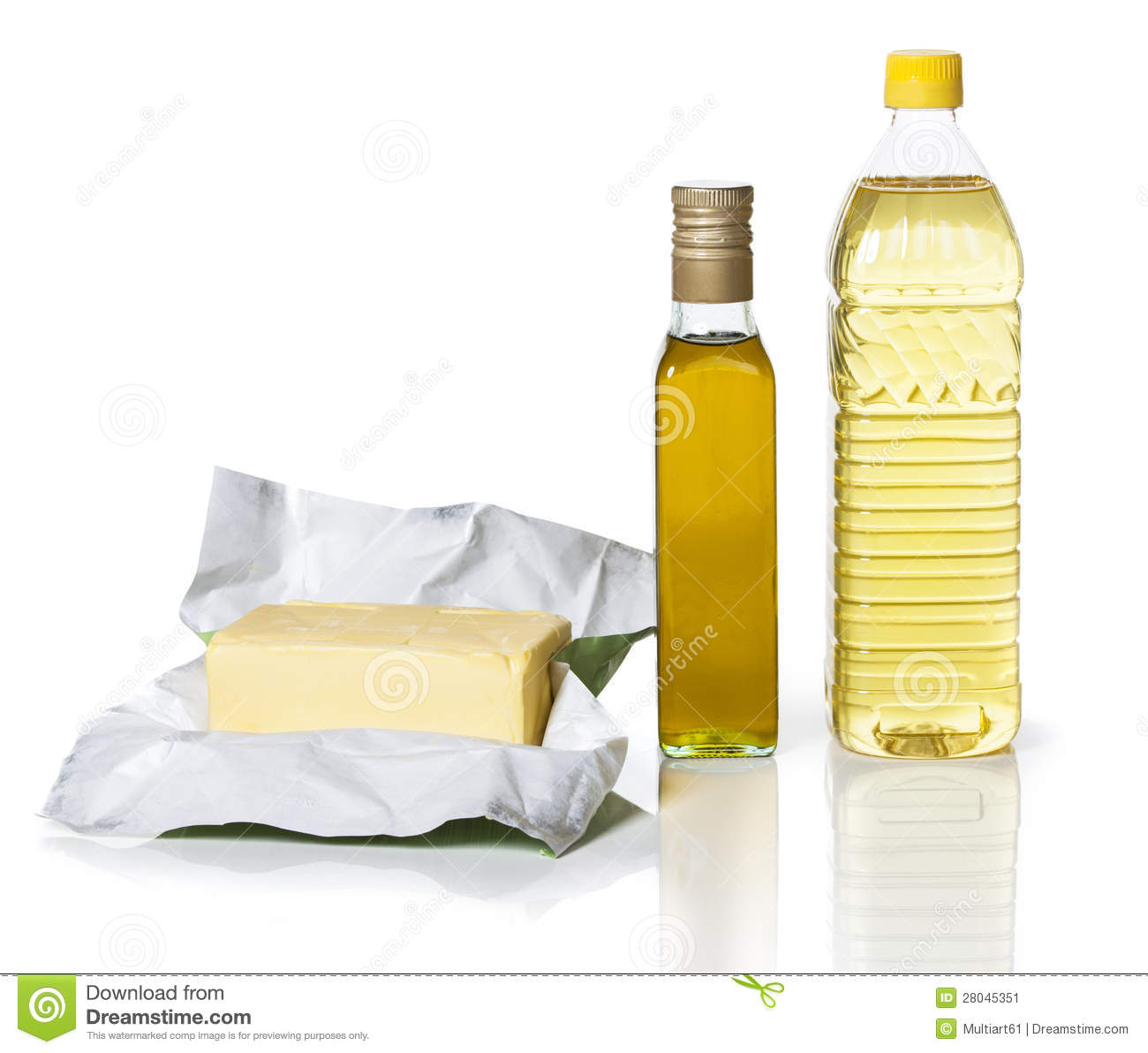
What type of molecule is this?
a)
Nucleic acid
b)
Protein
c)
Carbohydrate
d)
Lipid
34.
A monomer is ...
a)
a single atom
b)
a building block for polymers
c)
a single element
d)
is an inorganic molecule
35.
What is the purpose  of an enzyme?
a)
give permission for the reaction
b)
raise activation energy
c)
speed up reactions
d)
control how many reactions occur
36.
What is the job of the mitochondria?
a)
Makes Energy
b)
Uses Sunlight in Plants
c)
Creates Protein
d)
Protects the cell
37.
Where can you find the chloroplast? 
a)
Only Plants
b)
Only Animals
c)
Plants & Animals
d)
Animals & Bacteria
38.
Why is the nucleus important? 
a)
It give the cell its energy
b)
It stores genetic information
c)
It uses sunlight for food
d)
It makes the proteins
39.
What does the cell membrane do for cells? 
a)
Allows things in and out
b)
Protection & structure for plant cells
c)
Controls the cell
d)
Holds DNA 
40.
What does the chloroplast do in cells? 
a)
Allows things in and out of cell
b)
Controls the whole cell
c)
Uses sunlight for photosynthesis
d)
Makes energy for the cell
41.
What does the cell wall do for the cell?
a)
Allows things in and out
b)
Provides protection and structure
c)
Controls the cell
d)
Makes protein 
42.
If a cell had the following organelles: nucleus, mitochondria, ribosome, and cell membrane. And DID NOT have a chloroplast and cell wall, what kind of organism is the cell found in? 
a)
Animals only
b)
Plants only
c)
Both plants and animals
d)
Bacteria
43.
What is an organelle?
a)
Different types of cells
b)
Different parts of a cell
c)
Different types of organisms
d)
Different places that make energy for cell
44.
Why are organelles important? 
a)
Each have a specific function
b)
Each give the cell energy
c)
Each protect the cell
d)
Each uses the sunlight
45.
If an organism had the following organelles: mitochondria, chloroplast, ribosome, nucleus, cell wall, and cell membrane, what type of organism is the cell found in? 
a)
Only plants
b)
Only animals
c)
Plants and Animals
d)
Animals & Fungi
46.
What organelle controls and regulates cellular activity?
a)
Ribosome
b)
Nucleus
c)
Mitochondria
d)
Lysosome 
47.
The major function of ribosomes is to
a)
Make fats
b)
Synthesize protein
c)
Digest protein
d)
Make sugars
48.
The ____________ packages and processes material before it exports out of the cell.
a)
Vacuoles
b)
mitochondria
c)
Golgi apparatus 
d)
nucleus 
49.
Which of the following is an enzyme filled organelle that breaks down waste in the cell?
a)
lysosomes
b)
chloroplast
c)
mitochondria 
d)
Golgi apparatus 
50.
Select the statement that best describes the function of the cell wall.
a)
It gives structural support to plant cells.
b)
Its jelly-like fluid surrounds the nucleus and most of the cell’s internal parts.
c)
It contains the cell’s nuclear material. 
d)
It produces food from sunlight. 
51.
What am I?       I'm a real "powerhouse". I break down glucose to make ATP.  
a)
Cell membrane 
b)
ribosome
c)
mitochondria
d)
lysosome
52.
What is the name and function of the organelle displayed above?
a)
Mitochondria: breakdown glucose and produce ATP
b)
Chloroplast: converts solar energy into chemical energy
c)
Vacuole: Stores H2O, salt, food
d)
Nucleus: stores genetic information
53.
which of the following transports material within the cell?
a)
Golgi apparatus 
b)
Endoplasmic reticulum
c)
cell wall 
d)
ribosomes
54.
Which structure would be found in a grass cell but NOT on your cell?
a)
cell wall
b)
nucleus
c)
mitochondria 
d)
vacuoles 
55.
In what type of cells would you expect to find many mitochondria ?
a)
muscle cells
b)
nerve cells
c)
skin cells
d)
sperm cells
56.
Rough endoplasmic reticulum has ________________ attached to it. 
a)
ribosomes 
b)
chromosomes 
c)
Golgi apparatus 
d)
nucleolus 
57.
What is the function of vacuoles?  
a)
make protein
b)
store genetic information
c)
storage of salt, H2O, food, and waste
d)
transports material outside the cell
58.

The Endosymbiotic Theory explains

a)

the origin of prokaryotes

b)

how bacteria lives

c)

the origin of eukaryotes

d)

how species develop

59.

Bacteria are an example of a ____ cell.

a)

prokaryotic

b)

eukaryotic

c)

plant

d)

animal

60.

_____ and _____ are organelles that arose from endosymbiosis

a)

nucleus and cell membrane

b)

mitochondria and chloroplasts

c)

cell wall and chloroplasts

d)

mitochondria and nucleus

61.

Which type of cell does NOT contain membrane-bound organelles?

a)

plant cells

b)

animal cells

c)

prokaryotic cells

d)

eukaryotic cells

62.

Which of the following is evidence to support the endosymbiotic theory?

a)

Mitochondria and chloroplasts have their own DNA, which is similar to prokaryotic DNA.

b)

Fossil evidence shows that the first forms of life were prokaryotic cells.

c)

All eukaryotic cells have a double-layered membrane composed of phosplipids and proteins.

d)

Prokaryotes have the same number and types of enzymes as eukaryotes.

63.

Are eukaryotes multicellular or unicellular?

a)

multicellular

b)

unicellular

c)

both unicellular and multicellular

64.
A virus can be classified by its type of
a)
mitochondria
b)
chromosomes
c)
nucleic acid
d)
carbohydrates
65.
Which viral life cycle kills its host cell by lysing?
a)
lytic
b)
mitosis
c)
lysogenic
d)
S phase
66.
The reason that viruses are considered to be nonliving is because
a)
They are not cellular
b)
They cannot reproduce on their own
c)
They cannot make proteins
d)
all of the above
67.
A capsid is
a)
a structure that directly causes cell lysis
b)
the type of virus that attacks bacteria
c)
the genetic material of a virus
d)
the protein coat of a virus
68.
Viruses are cells. 
a)
True 
b)
False
69.
What happens in the lytic cyle?
a)
Virus goes in and leaves the host cell
b)
Virus quickly kills the host cell
c)
Virus sleeps inside of the host cell
d)
Virus stay dormant for a long time
70.
What happens in the lysogenic cycle? 
a)
Virus goes in and leaves the host cell
b)
Virus quickly kills the host cell
c)
Virus inject the nucleic acid into the host cell, and the nucleic acid integrates into the host cell DNA, and stay dormant for a long time
d)
Bacteria injects DNA into a host cell
71.
The lytic cycle takes the longest out of the two viral reproductive cycles. 
a)
True
b)
False
72.
A _____________________ infection involves the phage combining its DNA with the host cells DNA. Often hiding for years.
a)
lysogenic
b)
lytic
c)
vaccine
d)
vinerial
73.
What is the 1st step of virus infection?
a)
Entry
b)
Attachment
c)
Replication
d)
Assembly
74.
This infectious viral disease has many symptoms, from chills, fever, and aching muscles to coughing and sneezing to nausea and vomiting. The symptoms show up within 2-7 days after the cell is infected.  This is an example of?
a)
Lytic Cycle
b)
Lysogenic Cycle
c)
Meiosis
75.
What happens in the lytic cyle?
a)
Virus goes in and leaves the host cell
b)
Virus quickly kills the host cell
c)
Virus sleeps inside of the host cell
d)
Virus stay dormant for a long time
76.
Which of the following correctly describes viruses?
a)
non-living because they grow and develop
b)
living because they can use energy
c)
non-living because they cannot reproduce on their own
d)
living because they can maintain homeostasis
77.
Most of the cell membrane is made of...
a)
Lipids
b)
Carbohydrates
c)
Proteins
d)
Nucleic acids
78.
What forms the channels and pumps in the phospholipid bilayer?
a)
carbohydrates
b)
proteins
c)
hydrophilic heads 
d)
lipids
79.
Which of the following is NOT part of the cell membrane?
a)
Lipids
b)
Carbohydrates
c)
Proteins
d)
Nucleic Acids
80.
A ______________ is composed of a phosphate and glycerol head and 2 fatty acid chain tails. 
a)
phospholipid 
b)
Carbohydrate
c)
Cholesterol 
d)
Protein 
81.
Describes the arrangement of the cell membrane as bendable and made of many parts. 
a)
The Fluid Mosaic Model 
b)
The Major Mobility Model 
c)
The Crazy Cell Model
d)
The Maze Model
82.
___________ form the two layers of the cell membrane. 
a)
Carbohydrates 
b)
Proteins 
c)
Phospholipids 
d)
Cholesterol
83.
It forms a boundary between the inside of the cell and the outside of the cell. 
a)
Cell Membrane
b)
Lipid Cleric Layer
c)
Membrane Gate
d)
Protein Receptors 
84.
Controls the passage of materials inside and outside of the cell. 
a)
Cell Membrane
b)
Lipid Cleric Layer
c)
Membrane Gate
d)
Protein Receptors 
85.
During the lytic infection by a virus, the host cell is-
a)
destroyed
b)
copied
c)
passed on to the lysogenic cycle
d)
not affected
86.
What part of a virus is the protein capsule that houses the genetic material (DNA/RNA)?
a)
tail
b)
nucleus
c)
capsid
d)
glycoprotein
87.

Helps the virus attach to and enter a host cell.

a)

Nucleus

b)

Nucleic Acids (DNA or RNA)

c)

Capsid

d)

Glycoproteins (surface markers)

88.

Some viruses have this extra layer of protection. Made out of lipids.

a)

Glycoproteins (surface markers)

b)

Nucleic Acids

c)

Capsid

d)

Envelope

89.
This is the most basic unit of life
a)
atom
b)
cell
c)
nucleus
d)
DNA
90.
All existing cells are produced by other
a)
living cells
b)
dead cells
c)
atom cells
d)
animal cells