wayground logo

Free Printable Worksheets

Font size

S
M
L
XL
Worksheets

Plate Tectonics Remediation

Total questions: 173

Worksheet time: 2hrs 22mins

Name
Class
Date
1.
The ________is a layer of solid rock that includes both dry land and the ocean floor.
a)
Crust
b)
Mantle
c)
Core
d)
Lithosphere
2.
True or False.
The deeper you go into the earth, the greater the pressure. 
a)
True
b)
False
3.

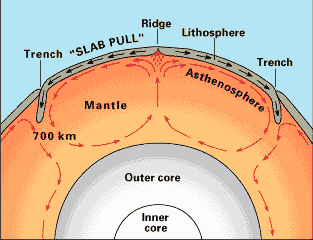
Which layer of Earth flows slowly and causes the crust to move?

a)

Crust

b)

Mantle

c)

Inner Core

d)

Outer core

4.

This layer is the most dense in comparison to the other layers.

a)

Crust

b)

Mantle

c)

Inner Core

d)

Outer Core

5.

What is a physical classification of the outer core (hint: state of matter)?

a)

gas

b)

solid

c)

liquid

d)

plasma

6.

The thinnest and outermost layer of Earth is called...

a)

crust

b)

mantle

c)

outer core

d)

inner core

7.

Convection currents occurs in which of Earth's layers?

a)

crust

b)

mantle

c)

outer core

d)

inner core

8.

Which of the following is responsible for Earth's crust moving?

a)

Convection Currents

b)

Dynamo Effect

c)

Great Pressure

d)

Gravitational pull from the Sun

9.

The movement of the tectonic plates is caused by

a)

the rotation of the Earth.

b)

convection currents in the Asthenosphere

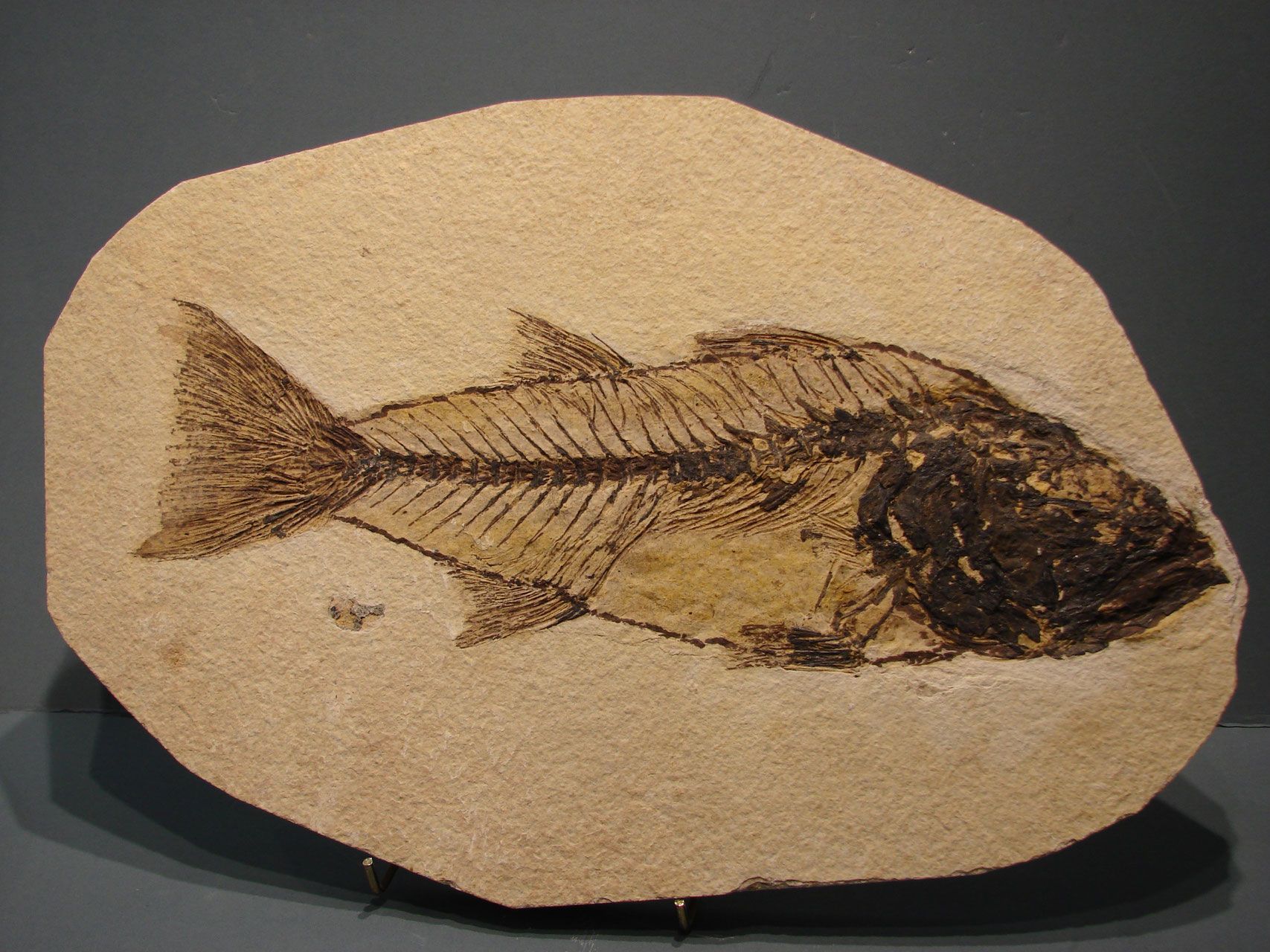
c)

the gravity of the iron-nickel core.

d)

the Moho discontinuity.

10.

What is the source of energy that drives plate movement?

a)

the subducton of the sea floor

b)

the different densities of the oceanic and crustal plates

c)

convection currents in the asthenosphere

d)

the friction force between the plates that move past each other

11.
What was the name of the supercontinent?
a)
The world
b)
Pangea
c)
Land
d)
Mass continent
12.
Who suggested the Continental Drift theory?
a)
Aldrin Weiner
b)
Alfred Wegener
c)
George Williams
d)
Dr Drift
13.
Which crust is thicker
a)
ocean
b)
continental
c)
bread
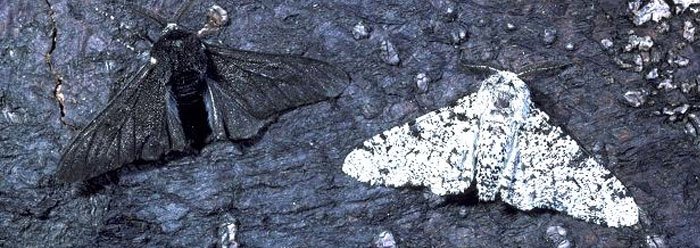
d)
pizza
14.
Earth's crust is broken up into several large rocky pieces called ...
a)
plates
b)
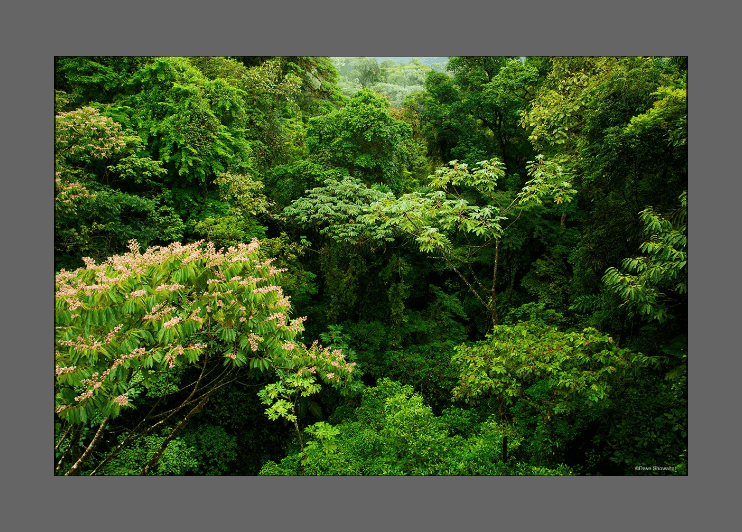
faults
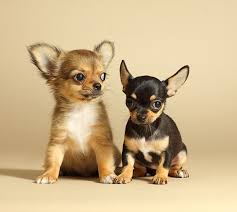
c)
fossils
d)
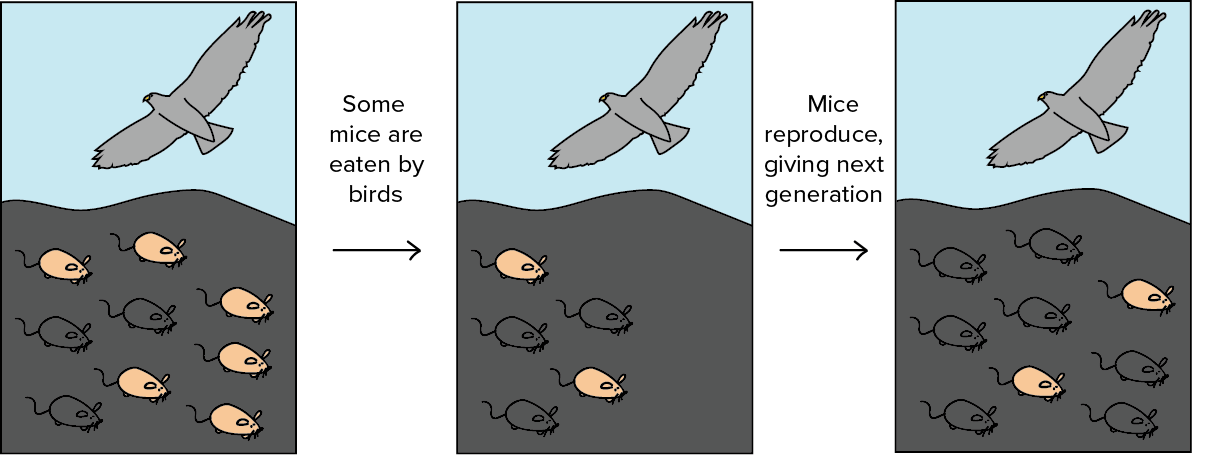
puzzle pieces
15.

The densest layer of Earth is

a)

the lithosphere

b)

the mantle

c)

the core

d)

the crust

16.
Early observers thought continents may have been joined based on what observations
a)
rocks and fossils
b)
earthquakes.
c)
magnetism.
d)
coastline
17.
A German scientist Alfred Wegener was the first to hypothesize that ...........
a)
Continents were once joined
b)
The sea floor is spreading
c)
Continents are moving
d)
The Earth's magnetic pole flips
18.
Pangaea was an ancient supercontinent made up of...
a)
America, Greenland, and Europe.
b)
Antarctica, India, and America.
c)
all of Earth’s continents.
d)
South Africa, India, Australia, and South America.
19.
Peer scientists reviewing Wegener’s hypothesis of continental drift rejected his notion because
a)
His evidence was too few to make a valid conclusion 
b)
He did not explain how continents move and what moves them
c)
His evidence was not clear in showing  how continents were joined
d)
He lied by including false evidence
20.
What type of rock makes most of the oceanic crust
a)
Sedimentary
b)
Basalt
c)
Metamorphic
d)
Limestone
21.

The tectonic plates float on the

a)

lithosphere

b)

lower mantle

c)

outer core

d)

asthenosphere

22.
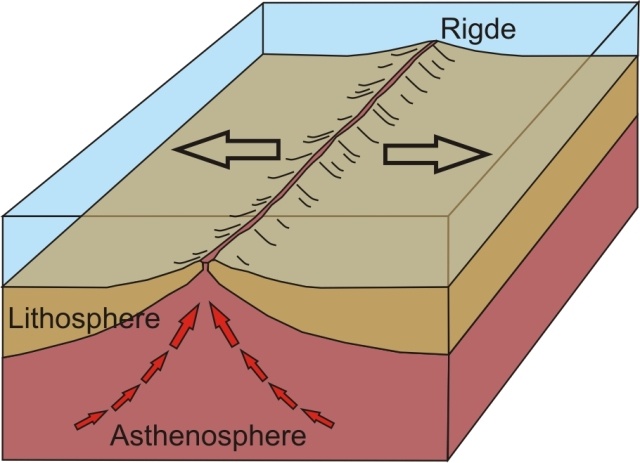
What kind of plate boundary is shown here?
a)
divergent
b)
convergent
c)
transform
d)
submergent
23.
What kind of plate boundary is shown here?
a)
divergent
b)
convergent
c)
transform
d)
subducting
24.

The movement of the tectonic plates is caused by

a)

the rotation of the Earth.

b)

convection currents in the Asthenosphere

c)

wind blowing in the atmosphere

d)

kids doing Tik Tok dances

25.

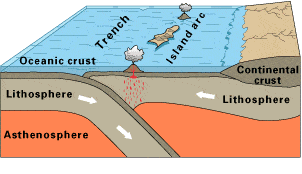
Observe this diagram of a plate boundary. Which statement BEST describes what is happening?

a)

the oceanic crust is melting.

b)

the denser oceanic crust is subducting under the less dense continental crust

c)

volcanic islands are forming.

d)

the tectonic plates are moving away from each other.

26.

What is the source of energy that drives plate movement?

a)

the subducton of the sea floor

b)

the different densities of the oceanic and crustal plates

c)

convection currents in the asthenosphere

d)

the friction force between the plates that move past each other

27.

Continental plates are ______ dense and ________ than ocean plates.

a)

more; thinner

b)

more; thicker

c)

less; thinner

d)

less; thicker

28.

___________, meaning "whole Earth," is the name of the great landmass that existed millions of years ago.

a)

Lithosphere

b)

Pangaea

c)

Subduction

d)

Tectonic

29.

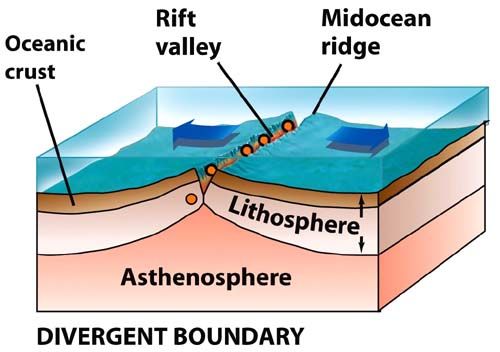
Ocean basins and Mid Ocean Ridges are created at this type of boundary.

a)

Divergent

b)

Convergent

c)

Transform

30.

Which of the following answer choice describes an ocean plate vs continental plate?

a)

creates trench or volcano

b)

creates earthquakes at subduction zones

c)

creates folded mountains or new land

d)

creates rift valleys

31.

The plastic like layer of the Earth where the plates move around on like a raft

a)

ecology

b)

tectonic plates

c)

asthenosphere

d)

lithosphere

32.

What is the lithosphere?

a)

upper most part of the crust and lower part of the mantle

b)

upper most part of the mantle and lower part of the crust

c)

mid mantle where convection current occur

d)

part of the liquid outer core

33.

Which of the following geologic events would most likely occur where two continental plates converge?

a)

tsunami

b)

earthquake

c)

mountain formation

34.

The interaction of tectonic plate boundaries is associated with which of the following events?

a)

hurricanes

b)

tornados

c)

earthquakes

35.

Where plates diverge, what landform will most likely result?

a)

rift valley

b)

river

c)

mountain

36.

The interaction of two plate boundaries can cause which of the following?

a)

hurricanes and tornadoes

b)

earthquakes and volcanoes

c)

high winds and drought

37.

An image of the relative motion at a tectonic plate boundary is provided. What event will occur at the boundary shown?

a)

mountain formation

b)

an earthquake

c)

volcanic island formation

38.

Where two tectonic plates converge and move toward each other, which of the following is likely to result?

a)

mountain range

b)

rift valley

c)

arid desert

39.

The boundary between the Pacific Plate and the Australian Plate is a transform boundary. What event is likely to occur at this boundary?

a)

mountain formation

b)

earthquakes

c)

volcanic eruptions

40.

When two tectonic plates converge, the land above sea level in this area often generates–

a)

mountain ranges

b)

landslides

c)

tsunamis

41.

Mountains and __________ can be formed at convergent boundaries.

a)

volcanoes

b)

rift valleys

c)

mid-ocean ridges

42.

When plates move past each other, it can result in a volcanic eruption.

a)

true

b)

false

43.

What are the geologic processes/ events that will occur because of the convergence of two oceanic plates?

I. Subduction process will occur.

II. Trenches will form.

III. Earthquakes can happen.

IV. Mid-ocean ridge will form.

a)

I,II,IV

b)

II,III,IV

c)

I,II,III

d)

I,III,IV

44.

The letter B represents

a)

Subduction zone

b)

Trench

c)

Oceanic crust

d)

Forearc Basin

45.

If the edge of Oceanic Plate suddenly flicks upward, a large amount of water may be displaced. What could be formed at the surface of the ocean?

a)

earthquake

b)

volcanic island arc

c)

tsunami

d)

hot spot

46.

In a hot spot, Volcano A is on top of the mantle plume, Volcano B is 10 km farther from A while Volcano C is the farthest. What can you infer about the ages of the volcanoes?

a)

Volcano A is older than C.

b)

Volcano B is the youngest.

c)

Volcano B is the oldest.

d)

Volcano B is younger than C.

47.
What type of land feature would we find over subduction zones at convergent boundaries?
a)
large cracks
b)
earthquakes
c)
volcanoes
d)
folded mountains
48.

What are the three compositional layers of the Earth?

a)

mantle, crust, core

b)

lithosphere, asthenoshpere, core

c)

crust, asthenosphere, mesosphere

d)

crust, mesosphere, core

49.
What type of boundary produces broken lines and faults and large earthquakes but no mountains or volcanoes?
a)
convergent-collision
b)
convergent-subduction
c)
transform
d)
divergent
50.
What is the theory that explains why pangea no longer exists?
a)
Continental Drift
b)
Extinction Events
c)
Newton's theory
d)
Tectonic plates
51.

According to Wegener's theory of continental drift,

a)

Earth's surface is made up of seven major landmasses

b)

the continents do not drift

c)

Earth is slowly cooling and shrinking

d)

the continents were once joined together in a single landmass and have slowly moved.

52.

What are breaks in Earth's crust where rocks have slipped past each other?

a)

sea floor spreading

b)

subduction

c)

plates

d)

faults

53.

What type of landform is at C?

a)

mid-ocean ridge

b)

continental crust

c)

deep ocean trench

d)

sea floor spread

54.
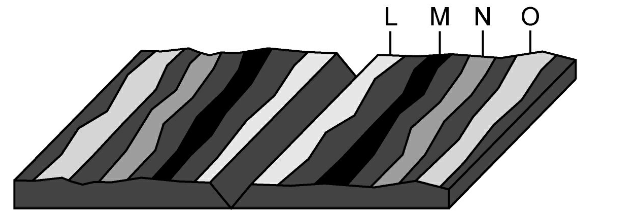
Where would the oldest rock be found?
a)
L
b)
M
c)
N
d)
O
55.
How is it possible for new crust to be formed without increasing the surface area of the Earth?
a)
Crust is destroyed at the same time it is created
b)
New crust is underwater where it sinks
c)
New crust breaks more easily than old crust
56.
This land formation occurs at a divergent continental/ continental boundary.
a)
mid ocean ridge
b)
deep ocean trench
c)
pacific hot spot
d)
rift valley
57.
What happens to temperature as you go deeper in the Earth?
a)
decreases
b)
increases
c)
fluctuates
d)
remains the same
58.
Which answer below correctly describes the formation of a volcanic island arc?
a)
Islands are created along the mid ocean ridge as new oceanic crust is formed.
b)
Islands are created one at a time as the plate moves across a hot spot in the mantle.
c)
Islands are created along a subduction zone as oceanic crust is forced back down in to the mantle.
d)
Islands are created as pressure is released when two tectonic plates are pulled apart.
59.

Two plates come together or collide at what boundary?

a)

Convergent

b)

Divergent

c)

Transform

60.

Two plates spread or move apart at what boundary?

a)

Convergent

b)

Divergent

c)

Transform

61.

Two plates slide past each other at what boundary?

a)

Covergent

b)

Divergent

c)

Transform

62.

New oceanic crust (sea floor) is created at this boundary.

a)

Divergent Oceanic

b)

Divergent Continental

c)

Convergent Oceanic

d)

Transform

63.

The process where oceanic crust slides under another plate and is melted is called ___________.

a)

seafloor spreading

b)

subduction

c)

continental drift

d)

recycling

64.

What two geologic features occur near every subduction zone?

a)

Volcanoes and Trenches

b)

Rift Valleys and Mid Ocean Ridges

c)

Volcanoes and Rift Valleys

d)

Mid Ocean Ridges and Trenches

65.

A divergent boundary on land creates what feature?

a)

Mid Ocean Ridge

b)

Rift Valley

c)

Subduction Zone

d)

Deep Ocean Trench

66.

What is the only event associated with ALL plate boundaries?

a)

Volcanoes

b)

Earthquakes

c)

Subduction

d)

Deep Trenches

67.

The only type of crust that will subduct if two plates converge is...

a)

Oceanic

b)

Continental

68.
The Great Rift Valley in Africa and the Mid-Ocean Ridge were all created by this boundary
a)
Divergent
b)
Convergent
c)
Reform
d)
Transform
69.

The Himalayas in Asia are an example of what type of plate boundary?

a)

divergent

b)

continent-to-continent convergent

c)

ocean-to-continent convergent

d)

transform

70.
When an oceanic plate and a continental plate collide, which one will subduct?
a)
oceanic
b)
continental
c)
neither
71.

A long narrow deep depression in the ocean bed

a)

ridge

b)

fault

c)

trench

d)

rift

72.

A deep crack in the Earth's surface associated with divergent boundary

a)

lava

b)

rift

c)

ridge

d)

trench

73.

A mid-ocean RIDGE is located at the boundary of two tectonic plates. Which diagram correctly models the relative plate motion on each side of a mid ocean ridge?

a)
b)
c)
d)
74.

The San Andreas Fault is a crack in the Earth's crust that runs the length of California. What plate boundary feature caused this?

a)

an inactive convergent boundary

b)

an active convergent boundary

c)

an active transform boundary

d)

a volcanic eruption

75.
How is it possible for new crust to be formed without increasing the surface area of the Earth?
a)
Crust is destroyed at the same time it is created
b)
New crust is underwater where it sinks
c)
New crust breaks more easily than old crust
76.
A subduction zone is formed...
a)
when one tectonic plate sinks below another
b)
at every type of convergent plate boundary
c)
at every type of divergent plate boundary
d)
at transform boundaries
77.
Where is Earth's crust being subducted and destroyed in the Earth's mantle
a)
Transfrom
b)
Divergent
c)
Convergent
78.
In which type of boundary do the plates come toward each other?
a)
convergent
b)
transform
c)
strike-slip
d)
divergent
79.
Which type of boundary is known for causing big earthquakes?
a)
divergent
b)
convergent
c)
transform
d)
subduction
80.

This usually forms at a convergent boundary between two oceanic plates.

a)

Mountain

b)

mid-ocean ridge

c)

Rift

d)

trench

81.
What kind of plate boundary is shown here?
a)
divergent
b)
convergent
c)
transform
d)
strike slip
82.
In which type of boundary do the plates go away from each other?
a)
convergent
b)
normal
c)
divergent
d)
transform
83.
Continental crust and continental crust come toward each other at a convergent plate boundary.  This will likely form...
a)
a trench
b)
mountains
c)
volcano
d)
mid-ocean ridge 
84.
What would you be most likely to find at a divergent boundary between two pieces of continental crust?
a)
Mid-Ocean Ridge
b)
Mountain
c)
Rift
d)
Island Arc
85.
Where is new crust being formed?
a)
convergent
b)
divergent
c)
transform
d)
shearing
86.
What would you be most likely to find at a transform boundary?
a)
Earthquakes
b)
Volcanoes
c)
Mountains
d)
Rift
87.
Which rock layer in the diagram seems to be the oldest?
a)
F
b)
E
c)
B
d)
A
88.
According to the law of superposition, the oldest fossils are found 
a)
At the top of the rock layers
b)
Near the bottom of the rock layers
c)
In the middle of the rock layers
d)
Somewhat near the surface
89.
Analyze the seashell found in the white layer.  Which statement is true of the rock layer that contains this fossil?
a)
It could also contain a fossil from the bottom layer.
b)
It is older than the layers below it.
c)
It is younger than the layers above it.
d)
It is older than the layers above it.
90.
An organism that no longer exists on Earth is called
a)
Decayed
b)
Evolved
c)
Extinct
d)
Preserved
91.
The best index fossils have which two traits?
a)
widespread geographically, long lifespan
b)
widespread geographically, short lifespan
c)
specific place, long lifespan
d)
specific place, short lifespan
92.
Index fossils help determine relative age through correlating rock layers.
a)
True
b)
False
93.
Which rock layer most likely contains fossils of the most recently evolved organisms?
a)
1
b)
2
c)
3
d)
4
94.
To be considered an index fossil, it had to have lived for a relatively short period of time.
a)
True
b)
False
95.
Which fossil makes the best index fossil?
a)
Fossil 1
b)
Fossil 2
c)
Fossil 3
d)
None follow all of the rules
96.
Does the picture represent relative or absolute dating?
a)
relative
b)
absolute
97.

If a scientist found a fish fossil in the desert, what can they infer?

a)

An animal ate the fish.

b)

The water covered the area long ago.

c)

Today's fish looks the same

d)

The fish is endangered.

98.

What is underground molten rock?

a)

Lava

b)

Magma

c)

Soil

d)

Intrusive

99.

What is aboveground molten rock?

a)

Extrusive

b)

Magma

c)

Lava

d)

Sedimentary

100.

When large rocks are broken down into smaller parts by physical and chemical means

a)

Weathering

b)

Erosion

c)

Both

d)

Neither

101.
What are the 3 major types of rocks?
a)
Igneous, Metamorphic, Sedimentary
b)
Metamorphic, Igneous, Cementation
c)
Brown, Red, Gray
d)
Streak, Hardness, Breakage
102.
This rock was formed when molten rock cooled into a solid. What type of rock is it?
a)
Igneous Rock
b)
Metamorphic Rock
c)
Sedimentary Rock
103.
The process when rocks break into smaller pieces due to exposure to natural elements is called
a)
erosion
b)
weathering
c)
sediments
104.
True or False: Once a rock is sedimentary, it cannot become an igneous rock.
a)
True
b)
False
105.

The process by which metamorphic rock changes to igneous rock begins with

a)

melting

b)

erosion

c)

deposition

d)

crystallization

106.
The process by which igneous rocks are formed...
a)
heat and pressure
b)
melting and cooling
c)
weathering and erosion
107.
The process by which metamorphic rocks are formed...
a)
heat and pressure
b)
erosion and deposition
c)
melting and cooling
108.
The name rock is given when it is broken down into smaller pieces.
a)
texture
b)
weathering
c)
sediment
d)
erosion
109.
What is process in which water, wind, and heat break down rock?
a)
weathering
b)
exfoliation
c)
cementation
d)
composition
110.
During the rock cycle, what forms when the magma cools?
a)
igneous rocks
b)
sedimentary rock
c)
metamorphic rock
d)
foliated rock
111.
Sedimentary rocks may contain fossils.
a)
True
b)
False
112.

Name of the impression of a plant or animal, in the soil, that existed in the past

a)

diamond

b)

hardness

c)

fossil

113.

According to the diagram, what process is shown by letter B?

a)

compaction & cementation

b)

weather & erosion

c)

heat & pressure

d)

melting

114.

According to the diagram, what process is shown by letter A?

a)

extrusion

b)

erosion

c)

crystallization

d)

intrusion

115.

Limestone is a sedimentary rock. During the rock cycle, limestone is changed into marble, a metamorphic rock. The processes that act on limestone and change it into marble are

a)

weather and erosion

b)

heat and pressure

c)

compacting and cementing

d)

melting, cooling, and hardening

116.

Which of the following lists the steps an igneous rock undergoes in order to become a sedimentary rock, in the correct order?

a)

Deposition, erosion, melting, cooling

b)

Erosion, weathering, eruption, cooling

c)

Dissolving, deposition, cooling, fracture

d)

Weathering, erosion, deposition, cementation

117.

What type of rock might contain evidence of past life?

a)

Sedimentary Rock

b)

Igneous Rock

c)

Metamorphic Rock

118.

What is the study of genes and inheritance known as?

a)

Genetics

b)

Chemistry

c)

Physics

d)

Astronomy

119.

Which of your body cells contain DNA?

a)

Only bone cells

b)

Only sperm and egg cells

c)

Most of the cells throughout your body

d)

Only skin cells

120.

You inherit half of your DNA from your mother and half from _______?

a)

Your father

b)

Your pet hamster

c)

Your grandmother

d)

Your sister

121.

Which of the following features is NOT inherited?

a)

Skin color

b)

Tatoo

c)

Hair texture

d)

Color blindness

122.

An organism's observable physical features are also called what?

a)

Genotype

b)

Phenotype

123.

Check any/all phenotypes described below

a)

Tall

b)

Green eyes

c)

Hh

d)

Spotted fur

e)

bb

124.

An organism's genetic code is also called what?

a)

Genotype

b)

Phenotype

125.

Attached earlobes are a recessive trait. If you receive a DOMINANT allele from each of your parents, what kind of earlobes will you have?

a)

Attached earlobes

b)

Detached (free) earlobes

126.
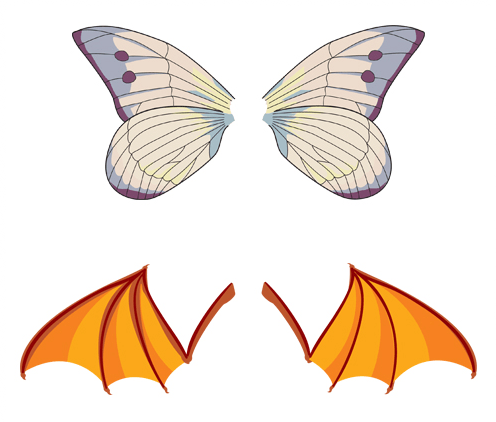
Structures are similar in appearance but not in structure
a)
Vestigial 
b)
Homologous 
c)
Analogous Structures 
d)
Embryonic 
127.

Which of the following is the collection of life's remains found in sedimentary rock?

a)

natural selection

b)

homologous structures

c)

Charles Darwin

d)

the fossil record

128.
The changes of species over time
a)
Embryonic 
b)
Natural selection 
c)
Mimicry 
d)
Evolution 
129.

Similar structures with different purposes found in different species are known as _____

a)

vestigial structures

b)

DNA

c)

homologous structures

d)

the fossil record

130.

The picture shows a/an ___________

a)

homologous structure

b)

vestigial structure

131.
The opossum and kangaroo both incubate their young in a pouch. This provides evidence that they---
a)
are descended from a common ancestor
b)
Have very similar skeletal structures
c)
belong to the same species
d)
must range great distances to eat
132.

What is this an example of?

a)

Homologous structure

b)

Analogous structure

c)

Vestigial organs

d)

Functional adaption

133.
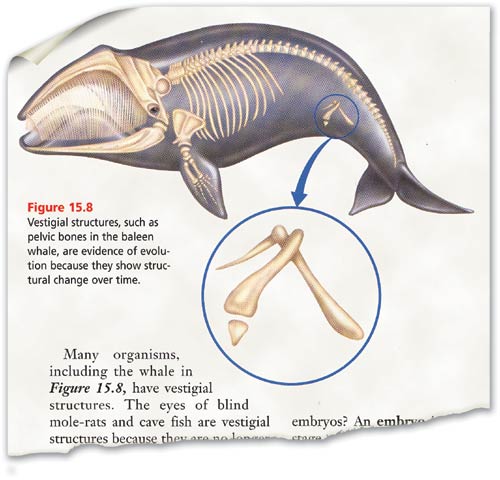
Which of the following is an example of a vestigial structure?
a)
the wings of a red-tailed hawk
b)
the hind limbs of a house cat
c)
the fins of sharks
d)
the tailbone of a human
134.
Which is not evidence for evolution?
a)
many animals have homologous structures due to common ancestry
b)
Many animals have vestigial structures from an ancestor
c)
We can observe changes in life forms by observing the fossil record
d)
All of these are evidence for evolution
135.
How do fossils provide evidence that evolution has happened on Earth?
a)
Fossils show how the sizes of certain animals has changed drastically over millions of years
b)
Fossils show that some species have gone extinct
c)
Fossils show how life forms present today are different than those from the past
d)
Different sedimentary rock layers provide evidence for how the environment has changed over time
136.

Similarities in bone arrangements, like those in the picture, support the hypothesis that...

a)

these organisms are not well adapted

b)

these organisms share a common ancestor

c)

these organisms all share the same DNA sequences

d)

these organisms are members of the same species

137.

The appendix, which is not needed to survive, is conisdered to be a

a)

Homologous Structure

b)

Analagous Structure

c)

Vestigial Structure

d)

Homology

138.
In recent years "SuperBugs" (bacteria that aren't effected by antibiotics) are becoming more and more common. How could natural selection explain this?
a)
Superbugs survive antibiotics and reproduce
b)
Antibiotics cause bacteria to become superbugs
c)
We have always had the same amount of superbugs; modern media just discusses them more.
d)
There is no reliable data on the origin of super bugs.
139.
Why do peppered moths tend to be the same color as the trees on which they live?
a)
The coloring goes along with tasting like the tree. 
b)
It keeps the moth the same temperature as the tree. 
c)
It makes the moths faster than the birds
d)
It makes the moths harder to see.
140.
Which of these is an example of natural selection?
a)
The largest animal in a population will have more opportunities for reproduction.
b)
Several species of organisms work together so that they all succeed.
c)
One species takes all the resources in an environment leaving none for others.
d)
Organism that are best suited to an environment tend to survive and reproduce more often.
141.
Which of the following explains adaptation.
a)
An individual organism changes to meet its needs in the environment. These changes pass down to their offspring.
b)
The species as a whole changes their characteristics.
c)
Beneficial traits allow organism to survive and pass on those traits
d)
New characteristics arise in a species as needed.  If these traits are helpful, they are passed down.
142.
A large herd of goats lives in a field full of poison ivy.  Some goats are able to eat the poison ivy while others have become sick when they eat it. Over time the herd as a whole will tend to
a)
Become more likely to eat poison ivy.
b)
Become less likely to eat poison ivy.
c)
Not change in the proportion of goats that can and can not eat poison ivy.
d)
Eat all the poison ivy and leave only plants all the goats can eat.
143.
Which of these would best form a fossil?
a)
Muscle
b)
Bone
c)
Skin 
d)
Leaves
144.
When an environment changes faster that an species can adapt, the most likely outcome is...
a)
...biological evolution.
b)
...voluntary mutation
c)
...species extinction
d)
...selective breeding
145.
Some people use similarities in embryos to support the the theory that 
a)
The organisms have the same ancestors 
b)
The organisms have similar numbers of offspring
c)
Cells naturally develop along similar line 
d)
There are no connections 
146.

A yellow morph and green morph of an insect lives in the rainforest canopy. You would expect:

a)

the green population to increase and the yellow to decrease

b)

both populations should stay the same

c)

both populations will increase

d)

the green population to decrease and the yellow to increaseThis is a wrong answer
147.
Dogs such as Chihuahuas are examples of....
a)
Artificial Selection 
b)
Natural Selection 
c)
Mutations 
148.

Natural Selection is driven by a change in the environment and survival of the

a)

Earth

b)

Fastest

c)

Fittest

d)

Biggest

149.
The trees these moths used to live on were white, but have been covered in soot from coal factories. Which moth will be more successful in this environment?
a)
Dark moth
b)
Light moth
c)
Both will be equally successful
d)
Neither will be successful
150.
Why is the mouse population changing over time?
a)
The light mice can reproduce more successfully than the dark mice
b)
The hawks eat more dark mice than light mice because the dark mice taste better
c)
The hawks eat more light mice than dark mice because they can see the light mice more easily
d)
The hawks eat more dark mice than light mice because they can see the dark mice more easily
151.
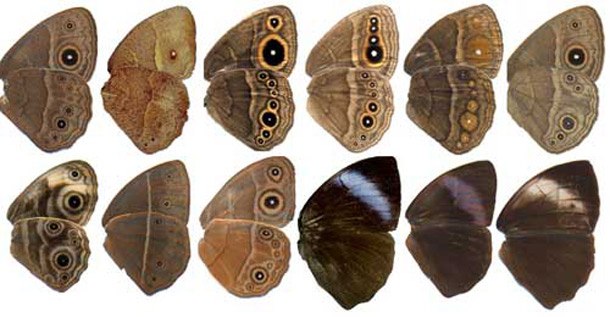
These moths are all the same species. The differences between their wings is an example of ________________
a)
Natural Selection
b)
Variation
c)
Homeostasis
d)
Extinction
152.

Based on the organism skulls, which organisms share the most recent common ancestor?

​Select the two correct answers.

a)
b)
c)
d)
e)
153.

​Based on the fossil layers shown, what can you infer about the past environment at this location?

a)

The environment at this location has never changed

b)

The organisms at this environment became simpler over time

c)

The environment began as a dry land environment, then evolved into an ocean or water environment.

d)

The environment began as an ocean or water environment, then evolved into a dry land environment.
154.
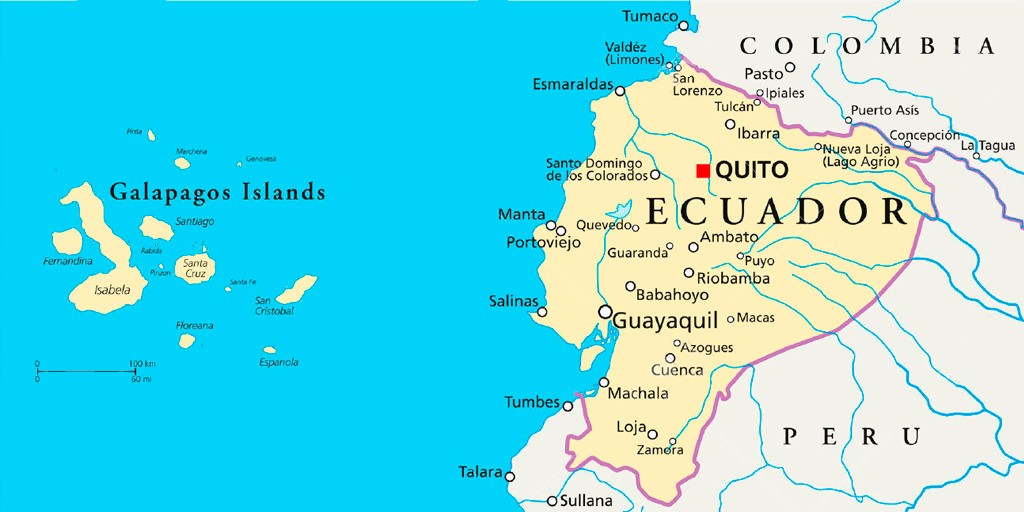
The Galapagos Islands, a small group of islands off the coast of Ecuador, is home to reptiles such as the giant tortoise and the iguana. The eastern islands are much older than the islands to the west.  Which statement about the origin of these reptiles is best supported by this information?
a)
The ancestor of each species came from different continents at different times.
b)
The common ancestors of the reptiles probably came from Equador.
c)
The common ancestor of each species evolved in Peru and came to the islands at the same time.
155.
In mitosis, the two resulting cells are
a)
different from the starting cell and identical to each other.
b)
different from the starting cell and different from each other.
c)
identical to the starting cell and different from each other.
d)
identical to the starting cell and identical to each other.
156.
A turkey sperm cell contains 80 chromosomes.  How many chromosomes will be found in a turkey muscle cell?
a)
40
b)
80
c)
120
d)
160
157.
Which of the following cells is diploid?
a)
sperm cell
b)
egg cell
c)
gamete
d)
zygote
158.
Which of the following occurs only in meiosis?
a)
crossing over between homologous chromosomes
b)
pulling apart of sister chromatids
c)
splitting of cytoplasm
d)
repication of DNA in interphase
159.
What is the result when a single cell reproduces by meiosis?
a)
two cells that have twice the genetic information as the parent cell
b)
two cells that have half the genetic information as the parent cell
c)
four cells that have twice the genetic information as the parent cell
d)
four cells that have half the genetic information as the parent cell
160.
Why is meiosis important for sexual reproduction? 
a)
It allows the zygote formed from fertilization to have triple the chromosome number of the organism. 
b)
It allows gametes to have twice the original number of chromosomes of the organism.
c)
It allows gametes to have half the original number of chromosomes of the organism.
d)
It allows the zygote formed from fertilization to have half the original number of chromosomes of the organism.
161.

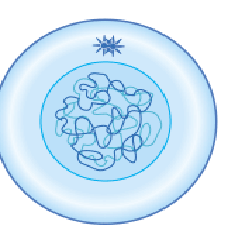
What phase am I?

a)

Interphase

b)

Prophase

c)

Metaphase

d)

Anaphase

e)

Telophase

162.

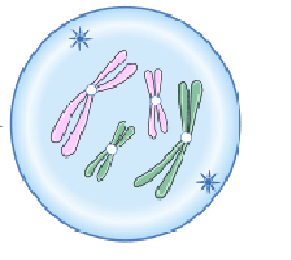
What phase am I?

a)

Interphase

b)

Prophase

c)

Metaphase

d)

Anaphase

e)

Telophase

163.

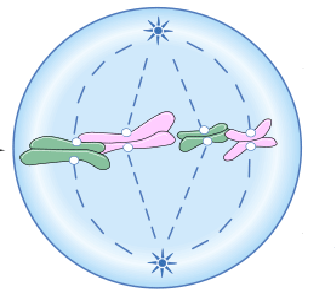
What phase am I?

a)

Interphase

b)

Prophase

c)

Metaphase

d)

Anaphase

e)

Telophase

164.

What phase am I?

a)

Interphase

b)

Prophase

c)

Metaphase

d)

Anaphase

e)

Telophase

165.

What phase am I?

a)

Interphase

b)

Prophase

c)

Metaphase

d)

Anaphase

e)

Telophase

166.

When the cells completely split it is call what?

a)

Telophase

b)

Cytokinesis

c)

Anaphase

167.

If the diploid number of carrots is 18, the haploid number is

a)

18

b)

9

c)

27

d)

36

168.
Adenine bonds with ______________.
a)
Guanine
b)
Thymine
c)
Cytosine
d)
Adenine
169.
Guanine bonds with ______________.
a)
Adenine
b)
Guanine
c)
Cytosine
d)
Thymine
170.
Why is DNA important?
a)
it is very small and very complicated
b)
it's in everything
c)
it serves as the blueprint for traits of all living things
d)
because we eat it every day for energy
171.
The shape of DNA.
a)
double helix
b)
nucleotide
c)
DNA polymerase
d)
single stranded
172.

Which statement is true, based on the picture below?

a)

The model is inaccurate because the base pairs are incorrect

b)

The model is accurate because it contains correctly paired bases.

c)

The model accurate because it shows each splitting to form a double helix

d)

The model is inaccurate because some typical bases in DNA are missing

173.

What strand of DNA matches

a)
b)
c)
d)