
 Worksheets
HAP Midterm Review
Total questions: 142
Worksheet time: 5hrs 44mins
The study of internal and external structures is
anatomy
physiology
disease
pathology
The study of internal and external functions is
anatomy
physiology
disease
pathology
Where does hematopoiesis occur?
Yellow marrow
red marrow
inside muscles
inside blood vessels
Which picture below best represents the anatomical position?


Which term best completes the sentence:
The thigh is ___________ to the pelvis (hip)?
deep
superficial
inferior
medial
Which term best completes the sentence:
The heel is ________ to the toes.
lateral
posterior
inferior
anterior
Which term best completes the sentence:
The ears are ___________ to the nose.
distal
superior
lateral
superficial
Which term best completes the sentence:
The ankle is __________ to the knee.
distal
deep
superior
medial

What plane is this?
sagittal
frontal
transverse
coronal

What plane is this?
midsagittal
frontal
transverse
parasagittal

What plane is this?
parasagittal
oblique
transverse
frontal
Finish this sentence:
Homeostasis is the ability to maintain a __________ internal environment.
stable
fluctuating
an elevated
decreased
The heart is part of the _____ system.
respiratory
nervous
muscular
cardiovascular
The kidneys is part of the _____ system.
respiratory
nervous
urinary
cardiovascular
The skin is part of the _____ system.
integumentary
nervous
urinary
cardiovascular
The larynx & trachea is part of the _____ system.
integumentary
nervous
urinary
respiratory
The brain is part of the _____ system.
integumentary
nervous
urinary
respiratory
Which of the following is NOT a function of the skeletal system?
Allows movement and facial expression
Forms blood cells
Protects and supports body organs
Provides framework muscles can use for movement
Carpal is also known as ___________.
upper arm
around the eye
chest
wrist
Orbital is also known as _______.
around the mouth
around the eye
cheek
back of the head
Femoral is also known as _______.
the foot
thigh
back of the knee
ankle
The abdominal region is ______ to the pelvic region.
superior
inferior
The skin is _______ to the muscle.
deep
superficial
Consists of a matrix of protein fibers, cells and ground substance
Epithelium
Connective
Muscular
Nervous
Enables involuntary movement, like food through the GI tract
Epithelium
Connective
Muscular
Nervous
Specializes in communication between the brain and other body cells.
Epithelium
Connective
Muscular
Nervous
Enables voluntary movement, such as the limbs.
Epithelium
Connective
Muscular
Nervous
Lines body surfaces, such as the skin and respiratory tract.
Epithelium
Connective
Muscular
Nervous

Which type of tissue is this?
Simple cuboidal epithelium
Simple columnar epithelium
Pseudostratified ciliated columnar epithelium
Dense regular connective
Which the function of tissue is this?
Flexibility and stretchability of tendons
Protection of high-frictioned exposed surfaces, like the skin
Movement of material (e.g. mucous)
Secretion of fluid (e.g. stomach acid)

What type of tissue is this?
Adipose
Loose areolar
Reticular
Bone
What is the primary function of this tissue?
Protection of high-friction exposed surfaces
Secretion of endocrine fluid
Energy storage
Transportation of oxygen

What type of tissue is this?
Cardiac muscle
Smooth muscle
Skeletal muscle
Reticular
Where in the body would this tissue be found?
Linnig hollow digestive organs
The wall of the heart
Inside muscles attached to bone
All of the above
________ muscle tissue has no visible striations and is found in the walls of hollow organs.
Smooth
Cardiac
Skeletal
Dense regular
Which of the following is NOT classified as a connective ?
bone
hyaline cartilage
blood
skeletal muscle
loose adipose
Which type of tissue is situated in the lining of the urinary bladder and urethra where stretching occurs?
transitional epithelium
pseudostratified columnar epithelium
simple squamous epithelium
simple cuboidal epithelium
stratified squamous epithelium
Which of the following epithelial tissues is composed of many layers of cells?
pseudostratified columnar epithelium
simple squamous epithelium
simple columnar epithelium
simple cuboidal epithelium
stratified squamous epithelium
Bone is best described as ________.
dense connective tissue
epithelial tissue
adipose tissue
areolar tissue
osseous tissue
The presence of chondrocytes indicates that a tissue is ________.
adipose
cartilage
bone
blood
areolar
Which type of connective tissue is avascular?
adipose
bone
cartilages
areolar
reticular
Which type of tissue is most likely to repair itself if injured?
cardiac muscle tissue
dense connective tissue
skeletal muscle tissue
nervous tissue
epithelial tissue
Type of tissue that has an apical surface and a basement membrane
epithelial tissue
connective tissue
muscle tissue
nervous tissue
Type of tissue that consists of living cells surrounded by an extracellular matrix
epithelial tissue
connective tissue
muscle tissue
nervous tissue
Type of tissue that is specialized to contract and produce movement
epithelial tissue
connective tissue
muscle tissue
nervous tissue
Type of tissue that can be simple or stratified
epithelial tissue
connective tissue
muscle tissue
nervous tissue
Type of tissue that is found in the brain and spinal cord
epithelial tissue
connective tissue
muscle tissue
nervous tissue
Type of tissue that can be described as voluntary or involuntary
epithelial tissue
connective tissue
muscle tissue
nervous tissue
Type of tissue that contains collagen, elastic, or reticular fibers
epithelial tissue
connective tissue
muscle tissue
nervous tissue
Type of tissue that is common in glands and their ducts
epithelial tissue
connective tissue
muscle tissue
nervous tissue

What type of tissue is this?
Connective - Bone tissue
Epithelial - Stratified Cuboidal
Muscle - Smooth
Epithelial - Simple Cuboidal
Nervous - Neuron
All of the following are epithelial tissue except
simple squamous
cartilage
transitional
glandular
Ligaments attach
muscle to bone
bone to bone
muscle to muscle

Select the correct tissue type.
osseous tissue
stratified squamous epithelium
skeletal muscle
elastic cartilage

What is the scientific name of the 'jaw bone'?
Maxilla
Mandible
The bones at the end of our fingers and toes are known as _______________.
Tarsals
The phalanges
The scientific name for the skull is the _____________.
Cranium
Zygomatic process
The scientific name of the collar bone is the ____________.
Scapula
Clavicle
Babies have more bones than adults.
True
False
Which of the following are functions of the bones?
Support and Protection
Attachment to the muscles
Stores inorganic salts
All of the above
An example of a long bone is?
Spinal Cord
Wrist Bone
Thigh Bone
Sternum
Articular cartilage is found in what part of the long bone?
inside of the medullary cavity
on the outer surface of the diaphysis
the outer surface of the epiphyses
in the spaces of the spongy bone
Bone cells are known as
Lacunae
Osteocytes
Collagen
Osteon

Refer to Figure 1.1 of the body cavities. Label A is pointing to which body cavity?
dorsal
ventral
abdominal
cranial
spinal

Refer to Figure 1.1 of the body cavities. What structure is D?
ribs
thoracic cavity
diaphragm
vertebrae
liver
Closer to the midline
ventral
dorsal
medial
lateral
Toward the front of the body
anterior/ventral
posterior/dorsal
anterior/dorsal
posterior/ventral
Which word below refers to all chemical reactions in the body?
metabolism
hemopoiesis
homeostasis
alkali
The system that takes in oxygen and releases carbon dioxide to the exterior of the body is the
respiratory system
cardiovascular system
urinary system
reproductive system
muscular system
Which body system's main function is to secrete hormones to regulate body activities?
nervous
lymphatic
respiratory
endocrine
Which of the following is NOT an organ located in the abdominopelvic cavity?
lungs
urinary bladder
liver
stomach
The elbow is _________ to the hand.
proximal
distal
deep
superficial


What are the 3 necessary components of a homeostatic feedback loop?
Receptor, regulator, thermostat
Receptor, control center, regulator
Stimulator, control center, receiver
Receptor, control center, effector
An example of a positive feedback loop is ____________.
Childbirth
Blood Pressure regulation
Thermoregulation
All of the above
This connective tissue connects muscle to bone
ligaments
cartilage
tendons
fat
Modified columnar cells that secrete mucus are known as:
goblet cells
keratinocytes
cilia
pseudostratified
Which of the following structures is found in your axial skeleton?
phalanges
humerus
patella
vertebrae
What is the name given to the long, middle section of a long bone?
diaphysis
epiphyses
epiphyseal plate
periosteum
The tough layer of connective tissue surrounding the bone and allowing for attachment to tendons and ligaments is called
diaphysis
epiphyses
epiphyseal plate
periosteum


holes in which blood vessels, nerves and ligaments pass
sutures
foramina
orbits
vomer
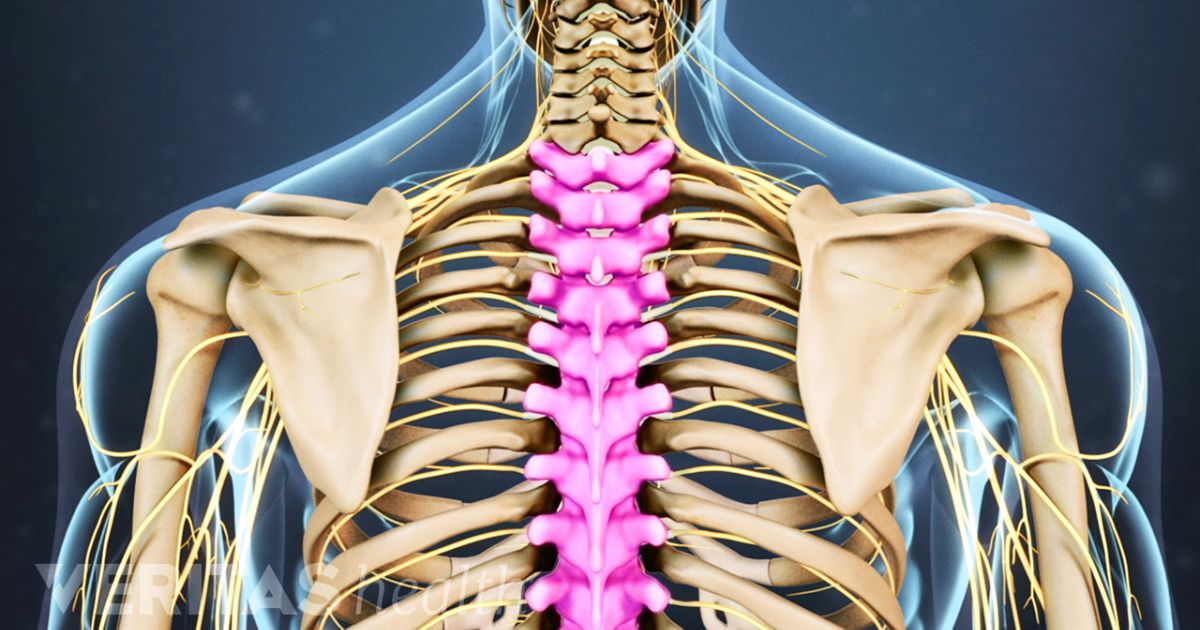
Which section of the vertebral column is highlighted
cervical
lumbar
thoracic
coccyx
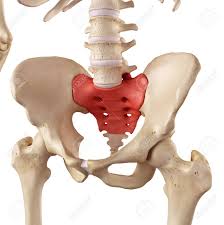
Which section of the vertebral column is highlighted
lumbar
cervical
coccyx
sacrum
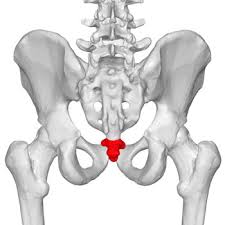
Which section of the vertebral column is highlighted
lumbar
sacrum
coccyx
cervical
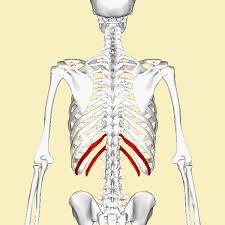
Which section of the rib cage is highlighted
true ribs
false ribs
floating ribs
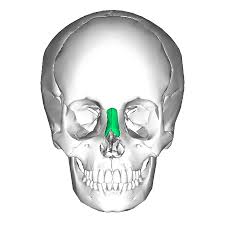
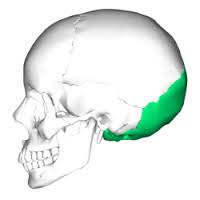
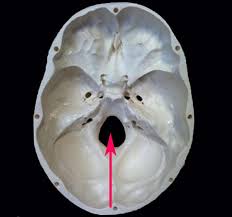
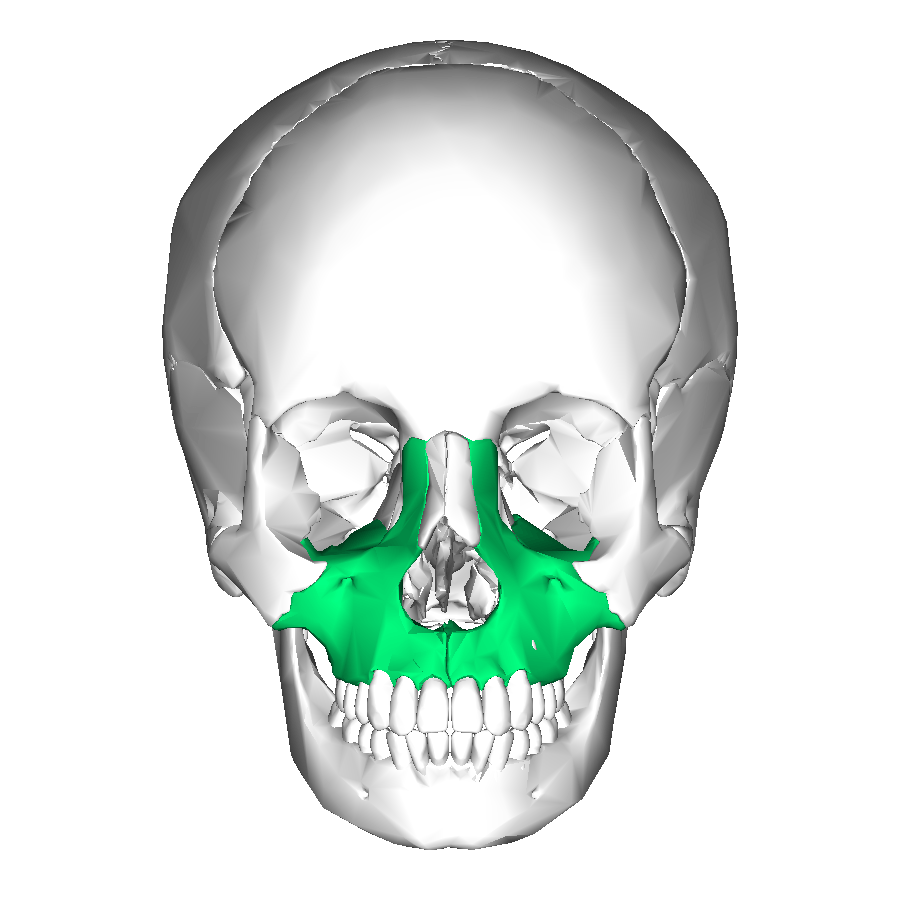
Two bones, the ___ and the ulna, form the skeleton of the forearm.
radius
tibia
fibula
femur
The ___, or thigh bone, is the only bone in the thigh.
humerous
femur
radius
ulna
The tibia and ___, form the skeleton of the leg.
femur
fibula
radius
ulna
The foot, composed of the ___, metatarsals, and phalanges
tarsals
carpals
metacarpals
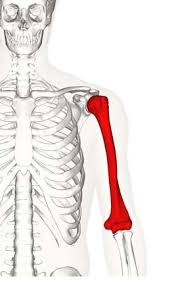
Which bone is highlighted
humerus
fibula
radius
ulna
tibia
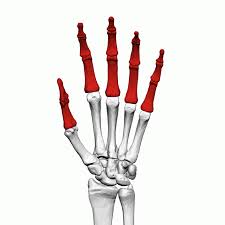
Which bones are highlighted
phalanges
carpals
metatarsals
metacarpals
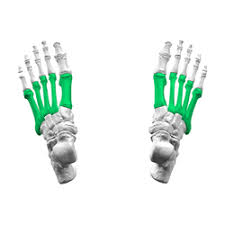
Which bones are highlighted
metatarsals
metacarpals
tarsals
carpals
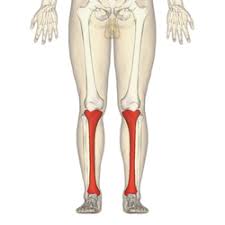
Which bone is highlighted
fibula
tibia
ulna
radius
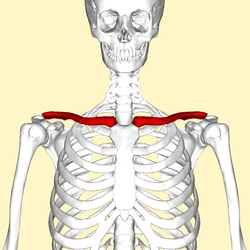
Which bone is a part of the appendicular skeleton?
Cranium
Spinal Cord
Ethmoid
Patella
The roughened section on the humerus where the deltoid muscle attaches is called the deltoid __________.
condyle
tuberosity
fossa
tubercle
Anatomical name for the socket into which the humerus fits is the:
coronoid fossa
iliac fossa
acetabulum
glenoid cavity
The olecranon is at the proximal end of the:
tibia
humerus
ulna
scapula
Anatomical name for kneecap
tibia
patella
fibula
cuboid
Portion of the scapula articulates with the clavicle...
acromion
glenoid cavity
spine
scapular notch

Name the outside portion of the tibia shown in blue.
Medial malleolus
Lateral malleolus
Acetabulum
Talus

Label A (anterior view of the left arm)
Medial epicondyle
Lateral epicondyle
Capitulum
Coronoid fossa
Reproducing asexually will produce offspring ...
genetically different from each other
genetically identical to the parent



