wayground logo

Free Printable Worksheets

Font size

S
M
L
XL
Worksheets

Physical Science Semester 1 Exam 21-22

Total questions: 90

Worksheet time: 1hrs 2mins

Name
Class
Date
1.

The SI unit for time is the __?__.

a)

hours (h)

b)

liter (L)

c)

gram (g)

d)

second (s)

2.

The SI unit for temperature is __?__.

a)

degree fahrenheit (° F)

b)

degree celsius (° C)

c)

degree centigrade (°C)

3.

What is the correct SI unit for mass?

a)

meters

b)

newtons

c)

pounds

d)

grams

4.

What SI unit is used to measure length?

a)

meters

b)

liters

c)

centimeters

d)

kilograms

5.

What is the proper SI unit for solid volume?

a)

cm3

b)

m

c)

g

d)

L

6.

What is the proper SI unit for liquid volume?

a)

cm3

b)

m

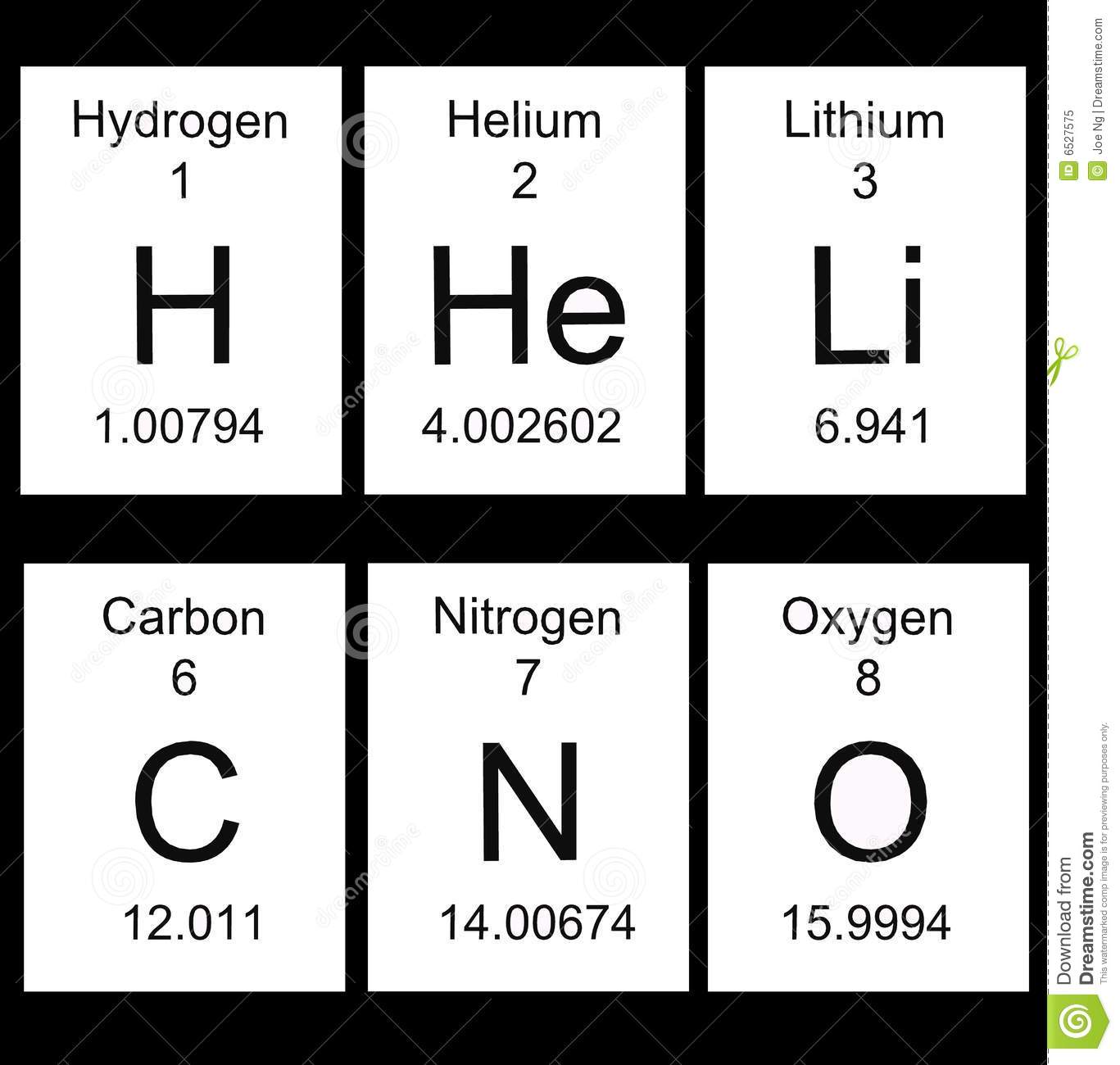
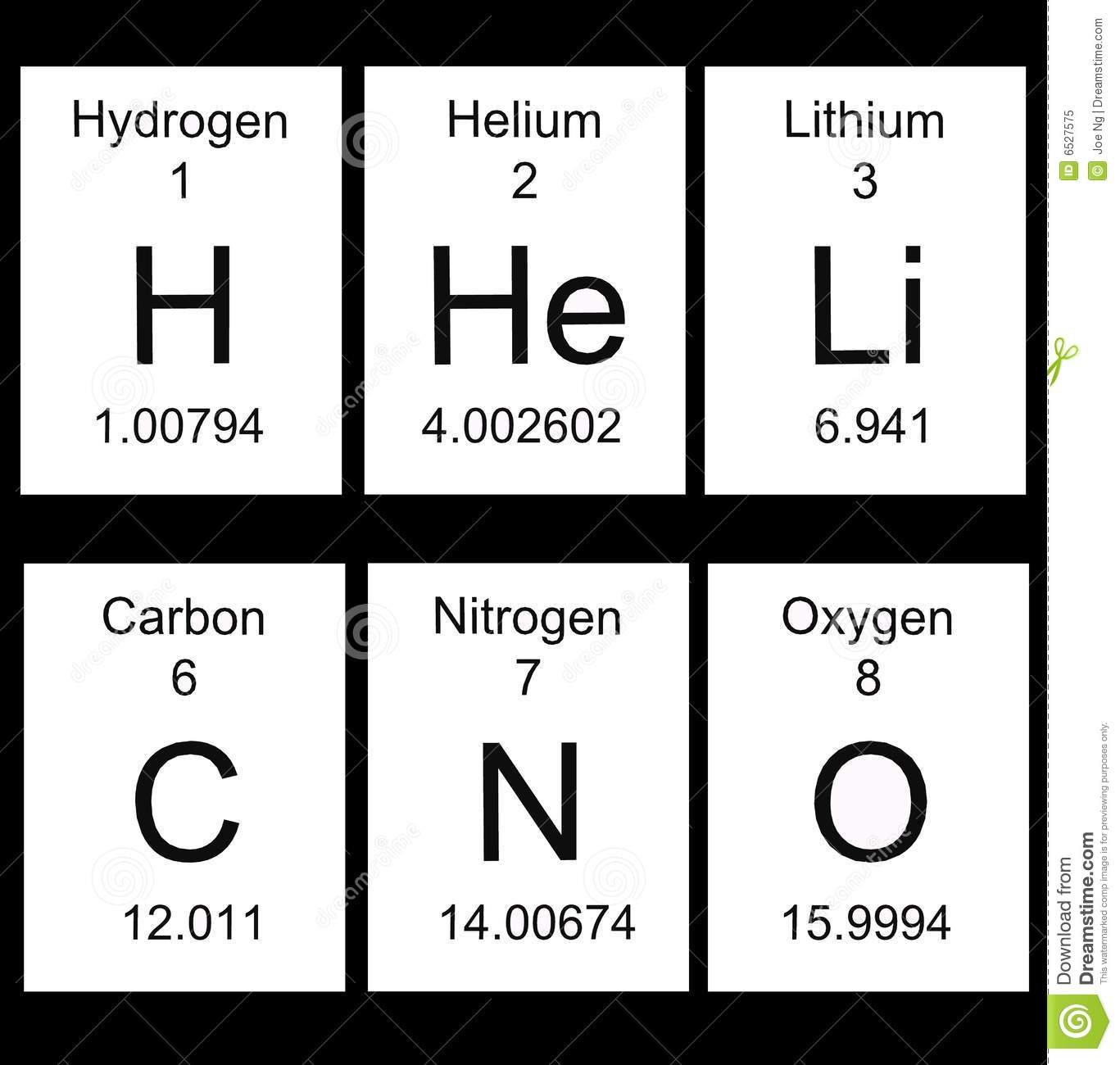
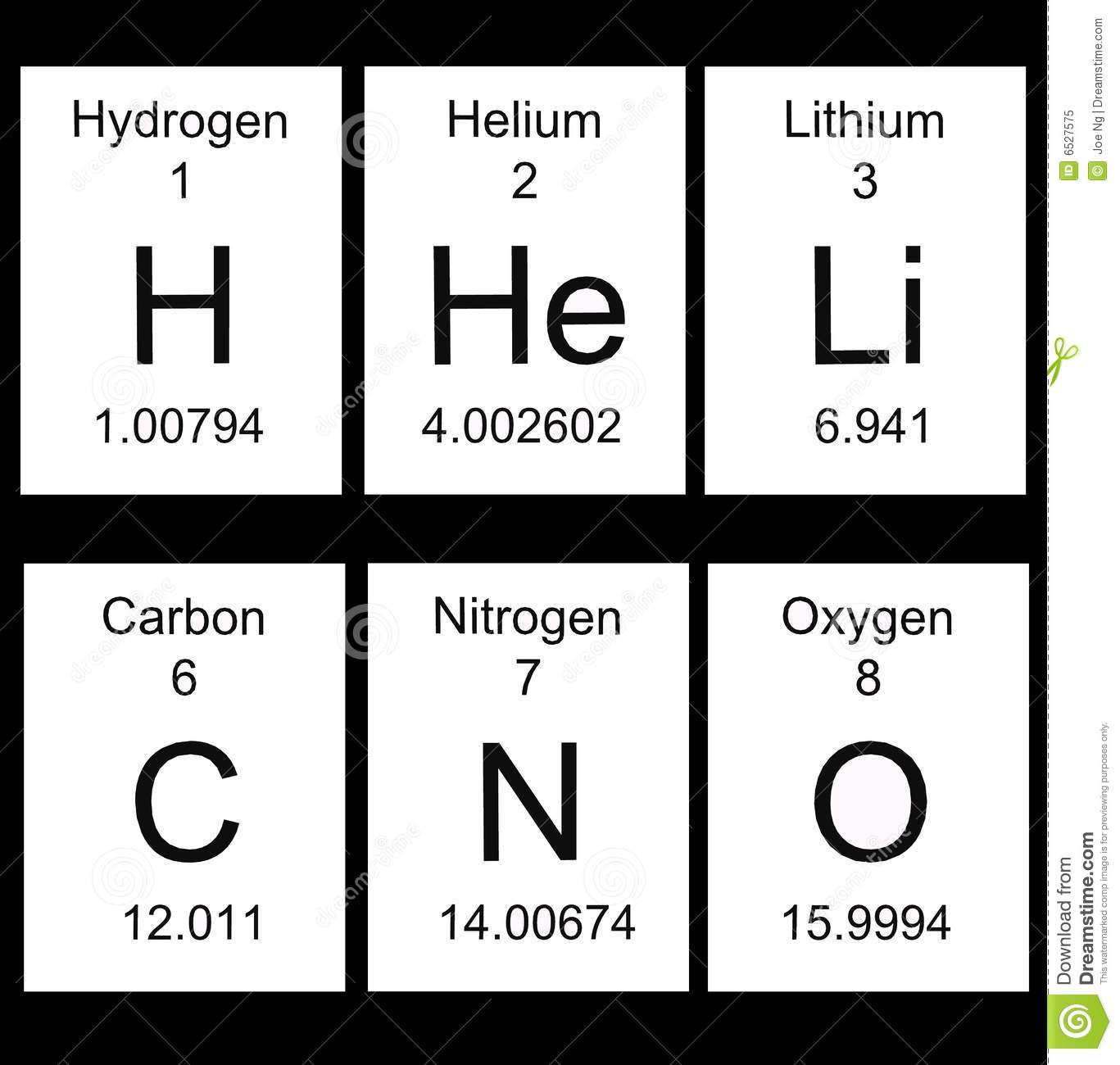
c)

g

d)

L

7.

What is the name of this tool?

a)

Beaker

b)

Test tube

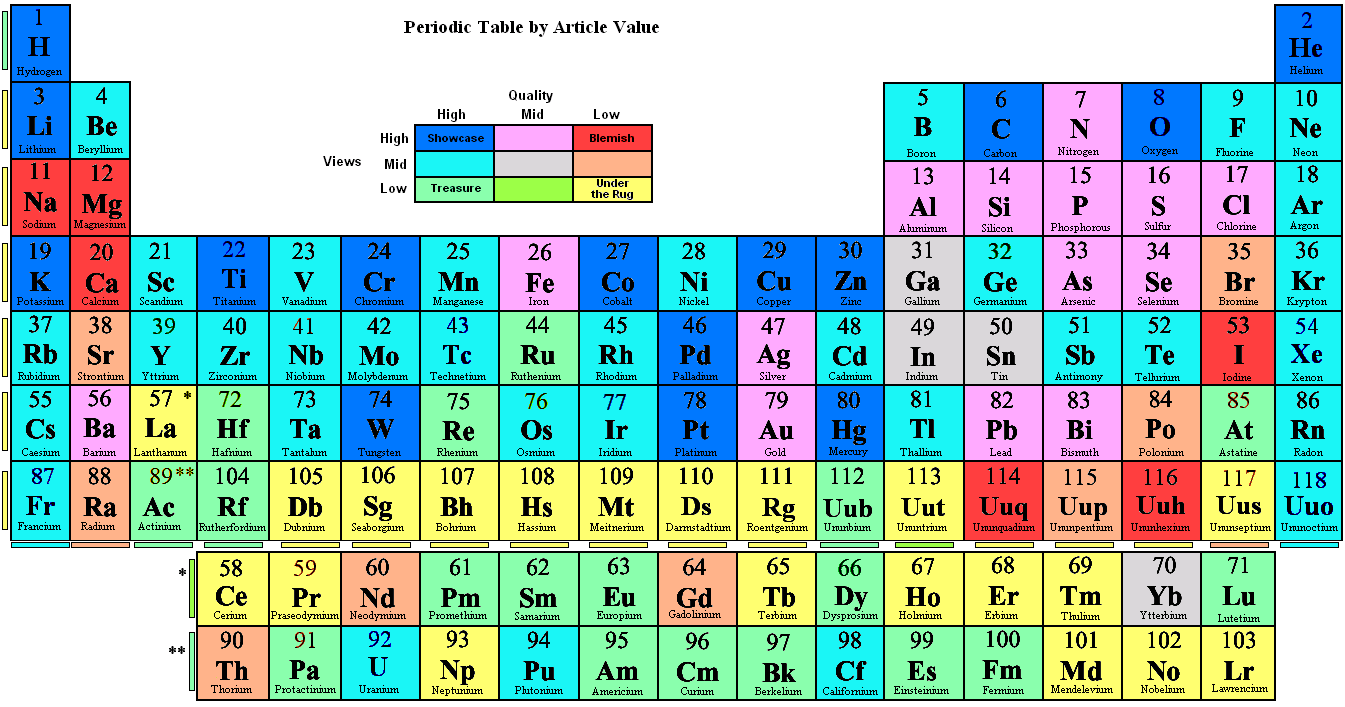
c)

Funnel

d)

Graduated Cylinder

8.

What does this tool measure?

a)

Length

b)

Mass

c)

Liquid volume

d)

height

9.
Kilo-  means 
a)
1000
b)
100
c)
10
d)
1/1000
10.
km is the abreviation for...
a)
kilometer
b)
kilogram
c)
kiloliter
11.
mm is the abreviation for...
a)
millimeter
b)
metric meters
c)
10
d)
100
12.
The abbreviation for "milliliter"
a)
mL
b)
kL
c)
mg
d)
km
13.
The abbreviation for gram is...
a)
G
b)
gg
c)
g
14.

Which of the following is a list of BASE UNITS in the metric system?

a)

centi, milli, deci

b)

hecto, kilo, deka

c)

meter, liter, gram

d)

giga, mega, nano

15.

The density of water is 1 g/mL.

If an object has a density of 3.6 g/cm^3 and you put it into water, will it sink or float?

a)

sink

b)

float

16.
What is the formula for density?
a)
density = mass x volume
b)
density = mass / volume
c)
density = mass + volume
d)
density = mass - volume
17.
Jack has a rock. The rock has a mass of 14 g and a volume of 2 cm3. What is the density of the rock?
a)
7 mL
b)
7 g/cm3
c)
28 g/cm3
d)
1/7 g/cm3
18.

Which statement is true about the blocks pictured?

a)

They have the same mass and density

b)

They have different volumes and equal density

c)

The yellow block has a greater volume and greater density

d)

They have equal mass and the blue block is more dense

19.

Which statement is true about the blocks pictured?

a)

They have equal volume and equal density

b)

They have equal volume and the green block is more dense

c)

They have different mass and equal density

20.
Why do ice cubes float in a  glass of water?
a)
the ice cubes are more dense than the water
b)
the water is more dense than the ice cubes
c)
the water is more dense than the glass
d)
the ice is more dense than the glass
21.
What is the volume of Object X?
a)
10.0 cm3
b)
15.0 cm3
c)
20.0 cm3
d)
25.0 cm3
22.
Which box has a higher density?  
a)
Box A
b)
Box B
c)
cannot be determined
d)
they are the same
23.

A glass marble has a mass of 6 g and a volume of 2 cm3. What is its density?

a)

1.5 g/cm3

b)

4 g/cm3

c)

3 g/cm3

d)

8 g/cm3

24.

Look at this image. Which object has the LOWEST density? How can you tell?

a)

The Ping Pong Ball because it floats to the top

b)

The bolt because it has sunk to the bottom

c)

The soda cap because it is not just full of air like the Ping Pong ball

d)

The cherry tomato because it's balanced in the middle

25.

Look at this image. Which object has the HIGHEST density? How can you tell?

a)

The Ping Pong Ball because it floats to the top

b)

The bolt because it has sunk to the bottom

c)

The soda cap because it is not just full of air like the Ping Pong ball

d)

The cherry tomato because it's balanced in the middle

26.
Which substance is the MOST dense?  ** Use the key
a)
A
b)
B
c)
C
27.
Which substance is the least dense? **Use the key 
a)
A
b)
B
c)
C
28.
Salt has a chemical formula of NaCl.  Salt is a...
a)
Compound
b)
Element
c)
Mixture
d)
None of the Above
29.
Which of the following is not a compound?
a)
HCl
b)

O

c)
NaCl
d)
CO2
30.
What cannot be broken down into other substances?
a)
Compound
b)
Mixture
c)
Solids
d)
Element
31.
A combination of substances that are not chemically combined is called a(n)____________. 
a)
mixture
b)
compound
c)
physical
32.
An element is made up of only one kind of _____.
a)
isotope
b)
plastic
c)
atom
d)
metal
33.
This picture represents which of the following?
a)
element
b)
compound
c)
mixture
34.
This picture represents which of the following?
a)
element
b)
compound
c)
mixture of elements
d)
mixture of compounds
35.
If a mixture has components you can see it is a...
a)
solution
b)
compound
c)
homogeneous mixture
d)
heterogeneous mixture
36.
A mixture that appears to be evenly mixed throughout:
a)
an atom
b)
a compound
c)
a homogeneous mixture
d)
a heterogeneous mixture
37.
Mixtures are separated through ___________changes.
a)
mixture
b)
compound
c)
physical
38.

Cereal in milk is a

a)
Compound
b)
Element
c)
homogeneous mixture
d)
heterogeneous mixture
39.

What is made of two or more elements that are chemically combined?

a)

Element

b)

Mixture

c)

Compound

d)

Solids

40.
Classify the picture with the correct label.
a)
Element
b)
Compound
c)
Mixture of Elements
d)
Mixture of Compounds
41.
Properties that can be observed without changing the identity of the substance.
a)
Physical
b)
Chemical
42.

What kind of properties can only be observed when new substances are formed?

a)

physical properties

b)

chemical properties

43.

A pH less than 7 is

a)

an acid

b)

a base

c)

neutral

44.

A pH more than 7 is

a)

an acid

b)

a base

c)

neutral

45.

A pH that is exactly 7 is

a)

an acid

b)

a base

c)

neutral

46.

Both cups contain the same amount of water, which cup would dissolve the most sugar?

a)

Hot

b)

Cold

47.

solute + solvent =

a)

solution

b)

equation

48.

Which mixture can be separated using a filter?

a)

sand and iron filings

b)

saltwater

c)

sand and water

d)

none of the above

49.

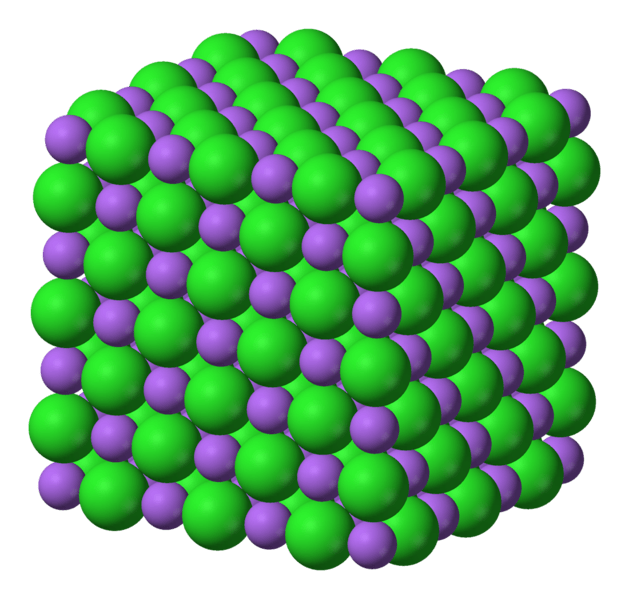
Which state of matter does this picture show?

a)

Solid

b)

Liquid

c)

Gas

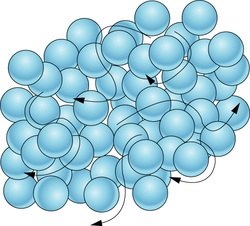
50.

What state of matter does this picture show?

a)

Solid

b)

Liquid

c)

Gas

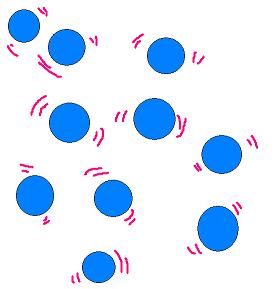
51.

Which state of matter does this picture show?

a)

Solid

b)

Liquid

c)

Gas

52.

As temperature increases, what happens to particles?

a)

They speed up

b)

They slow down

53.

Particles close together

a)

Solid

b)

Liquid

c)

Gas

54.

What is happening when my ice cubes go from a solid to a liquid state?

a)

melting, which is exothermic

b)

freezing, which is exothermic

c)

melting, which is endothermic

d)

freezing, which is endothermic

55.
What happens when my glass of water is sitting in the sun and disappears into a gas?
a)
evaporation
b)
burning
c)
melting
d)
freezing
56.

When water becomes very hot and turns into steam, this is an example of?

a)

Endothermic change because it loses heat

b)

Endothermic change because it gains heat

c)

Exothermic change because it loses heat

d)

Exothermic change because it gains heat

57.

Water can be a solid, liquid, or a gas.

a)

True

b)

False, it can only be liquid

58.

Particles of a liquid

a)

are tightly packed together and stay in a fixed position.

b)

Move slower with increased temperature

c)

decrease in volume with increasing temperature.

d)

are free to move around one another but still touch.

59.
Particles (molecules) in a ______________________ have more energy than the other states of matter.
a)
gas
b)
solid
c)
liquid
60.
From 30 degrees to 55 degrees, what state of matter is the substance?
a)
Solid
b)
Liquid
c)
Gas
d)
Plasma
61.

During which segment of the graph is the substance melting?

a)

1

b)

2

c)

3

d)

4

62.

During which segment of the graph is the substance boiling and turning from liquid to gas?

a)

2

b)

3

c)

4

d)

5

63.

All matter is made of what?

a)

energy

b)

atoms

c)

electrons

64.

The positive particles of an atom are ___________.

a)

electrons

b)

protons

c)

neutrons

65.

The center of an atom where its neutrons and protons are is called the _____________.

a)

nucleus

b)

electron cloud

c)

center

66.

An atom with atomic number 12 would have how many protons?

a)

6

b)

12

c)

3

67.

Particles in an atom that are neutral and have no charge are

a)

protons

b)

electrons

c)

neutrons

68.

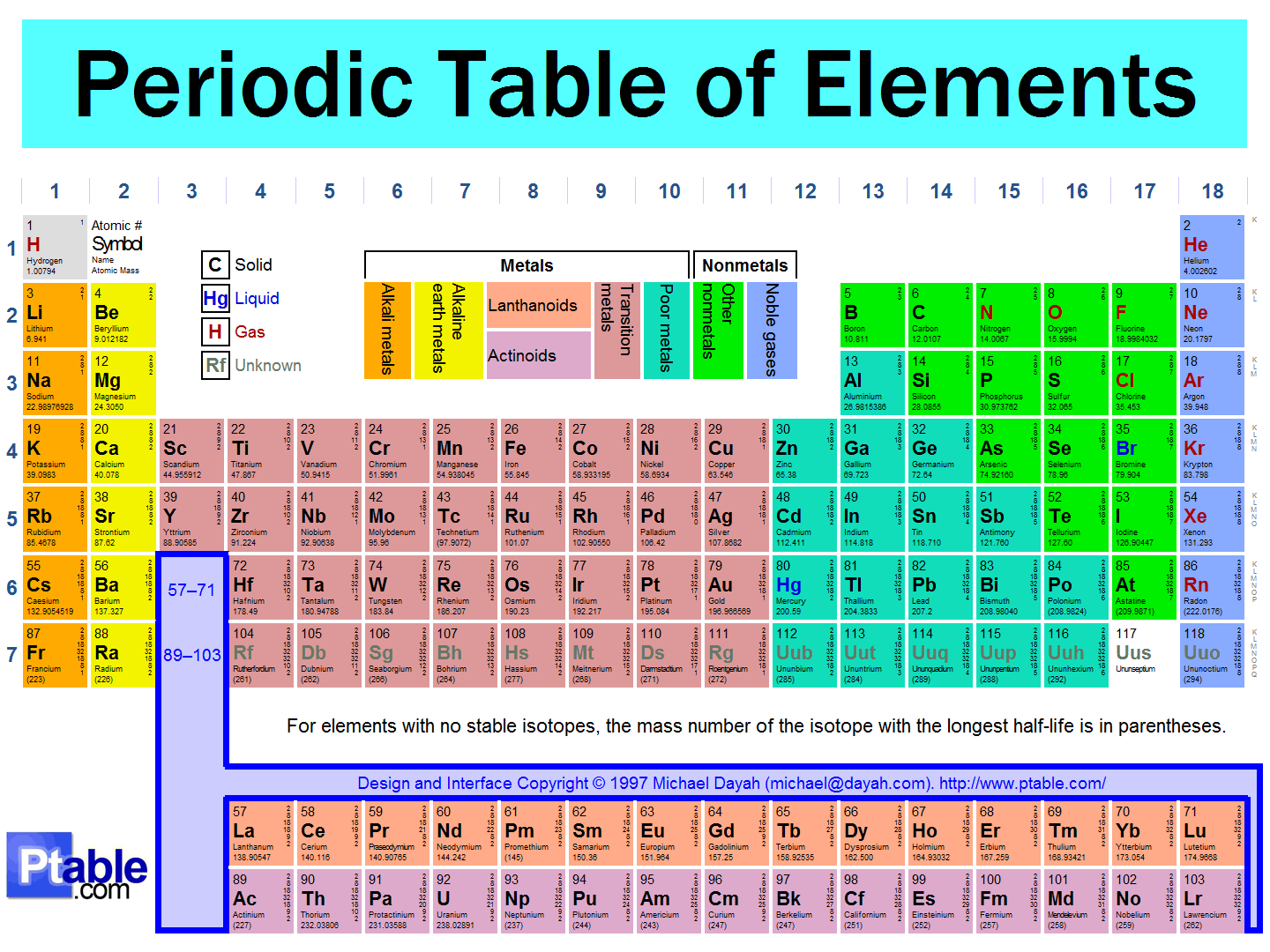
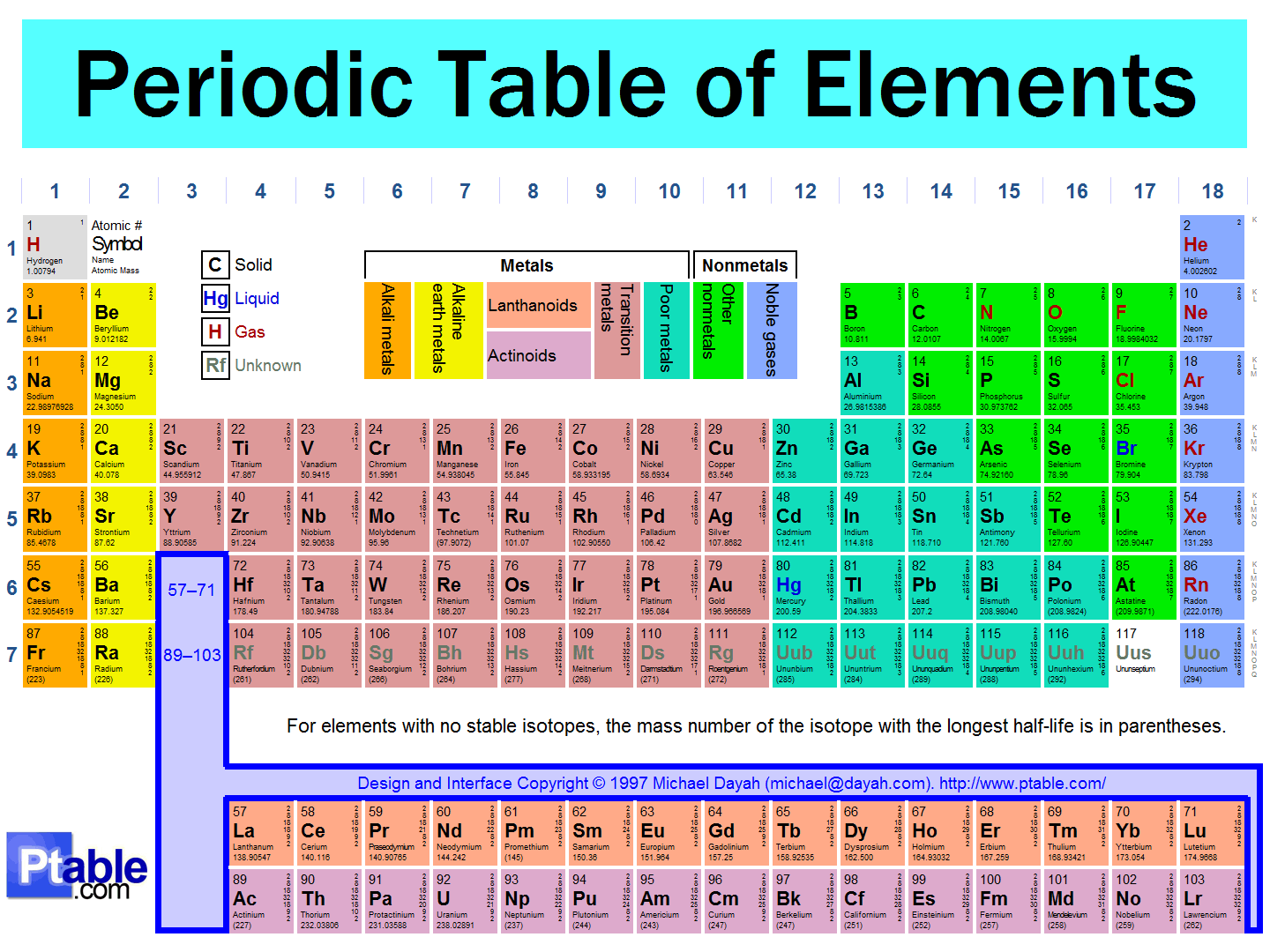
What does the 1.00794 stand for?

a)

Hydrogen

b)

atomic number

c)

average atomic mass

d)

atomic explosion

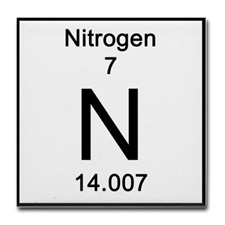
69.
What is the number of protons that the element in this image contain?
a)
14
b)
7
c)
15
d)
18
70.
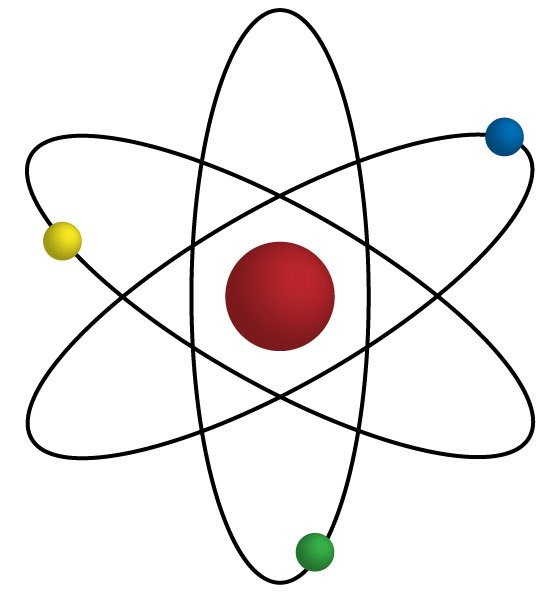
What are the 3 particles that make-up the atom?
a)
protons, neutrons, and isotopes
b)
neutrons, isotopes, and electrons
c)
positives, negatives, and electrons
d)
protons, neutrons, and electrons
71.

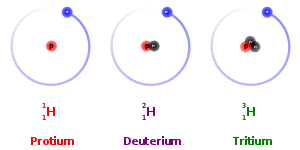
Different isotopes have...

a)

different masses

b)

different protons

c)

different electrons

72.

Isotopes are atoms that have the same number of protons but a different number of _____________.

a)

neutrons

b)

electrons

c)

atoms

73.

Chlorine-35 and Chlorine-37 have the same number of

a)

neutrons

b)

protons

74.

Chlorine-35 and Chlorine-37 have a different number of

a)

protons

b)

neutrons

c)

electrons

75.

Chlorine-35 and Chlorine-37 have

a)

the same atomic number and different mass

b)

the same mass and different atomic number

c)

a different number of electrons and the same mass

d)

everything equal

76.

Potassium-39 has how many neutrons?

a)

19

b)

18

c)

20

d)

21

77.

9 protons and 10 neutrons

a)

Fluorine-18

b)

Fluorine-9

c)

Fluorine-16

d)

Fluorine-19

78.
The horizontal row on the periodic table is called a
a)
group
b)
family
c)
period
d)
atomic number
79.
A vertical column is called...
a)
group
b)
tower
c)
period
d)
crew
80.
The number at the bottom of each square on the periodic table is the ...
a)
atomic number
b)
atomic mass
c)
chemical symbol
d)
element name
81.
The number at the top of each square on the periodic table is the ...
a)
atomic number
b)
atomic mass
c)
Chemical Symbol
d)
Element Name
82.
What is the chemical symbol for Lithium?
a)
H
b)
He
c)
Li
d)
N
83.

Iron, copper, silver, and gold are in which family of elements?

a)

Alkaline-earth Metals

b)

Transition Metals

c)

Alkali Metals

d)

Halogens

84.
Most of the elements on the periodic table are classified as _____.
a)
Metals
b)
Nonmetals
c)
Metalloids
d)
Periods
85.
The period for Bromine is ___________.
a)
3
b)
2
c)
4
86.
Beryllium is in group number______.
a)
Group 2
b)
Group 3
c)
Group 4
d)
Group 7
87.
What period and group is Silver (Ag)? 
a)
Period 2, Group 1
b)
Period 3, Group 16
c)
Period 5, Group 11
d)
Period 2, 14
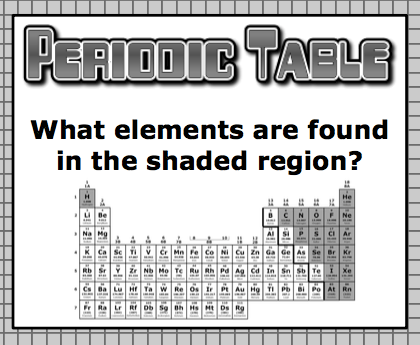
88.
a)
Metals
b)
Nonmetals
c)
Metalloids
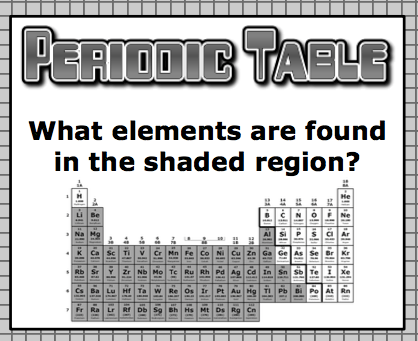
89.
a)
Metals
b)
Nonmetals
c)
Metalloids
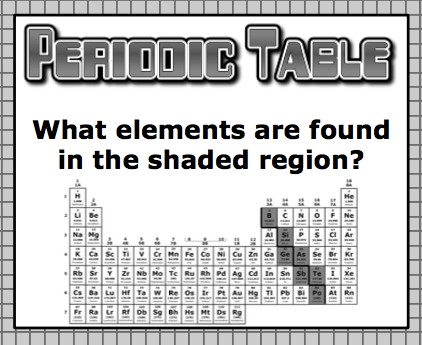
90.
a)
Metals
b)
Nonmetals
c)
Metalloids