wayground logo

Free Printable Worksheets

Font size

S
M
L
XL
Worksheets

Science Final 2022

Total questions: 105

Worksheet time: 4hrs 30mins

Name
Class
Date
1.

How did Mendeleev arrange the elements?

a)

alphabetically by element name

b)

density

c)

atomic number

d)

atomic mass

2.

Which element is not a metal?

a)

Hg

b)

Rh

c)

Al

d)

B

3.

Which is an alkali metal?

a)

Magnesium

b)

Iron

c)

Sodium

d)

Europium

4.

A vertical column in the periodic table is called:

a)

row

b)

group

c)

period

d)

table

5.

The majority of elements on the periodic table are:

a)

radioactive.

b)

nonmetals.

c)

metals.

d)

gases.

6.

Metalloids are typically described as:

a)

the same as nonmetals

b)

the same as metals

c)

having characteristics of metals and nonmetals

d)

radioactive

7.
The number at the top of each square on the periodic table is the ...
a)
atomic number
b)
atomic mass
c)
Chemical Symbol
d)
Element Name
8.
How many elements follow the periodic law?
a)
7
b)
98
c)
110
d)
All of them
9.

neutron

a)

A subatomic particle that has a positive charge and that is found in the nucleus of an atom

b)

not able to conduct heat or electricity, little to no metallic luster

c)

A subatomic particle that has a negative charge

d)

A small particle in the nucleus of the atom, with no electrical charge

10.

A subatomic particle that has a negative charge

a)

nobles gases

b)

protons

c)

electrons

d)

neutrons

11.
How many neutrons does an element have with the atomic number of 36?
a)
36
b)
84
c)
48
d)
18
12.

An atom with atomic number 6 would have how many neutrons?

a)

6

b)

12

c)

3

d)

cannot be determined

13.

How many electrons does a Copper atom have?

a)

63

b)

29

c)

92

d)

34

14.

Typically in an atom, which two subatomic particles are equal in number?

a)

protons and neutrons

b)

all subatomic particles are equal in number

c)

neutrons and electrons

d)

protons and electrons

15.

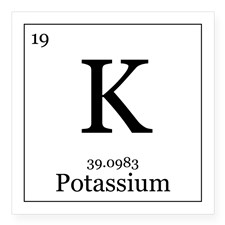
How many neutron are in the atom "K"?

a)

29

b)

19

c)

58

d)

20

16.

Draw a Bohr model for Beryllium

17.

Draw a Bohr model for Nitrogen

18.

Draw a Bohr model for Sodium

19.

Draw a Bohr model for Silicon

20.

Draw a Bohr model for Carbon

21.

Draw a Lewis dot structure for Potassium

22.

Draw a Lewis dot structure for Phosphorus

23.

Draw a Lewis dot structure for Neon

24.

Draw a Lewis dot structure for Helium

25.

Draw a Lewis dot structure for Argon

26.
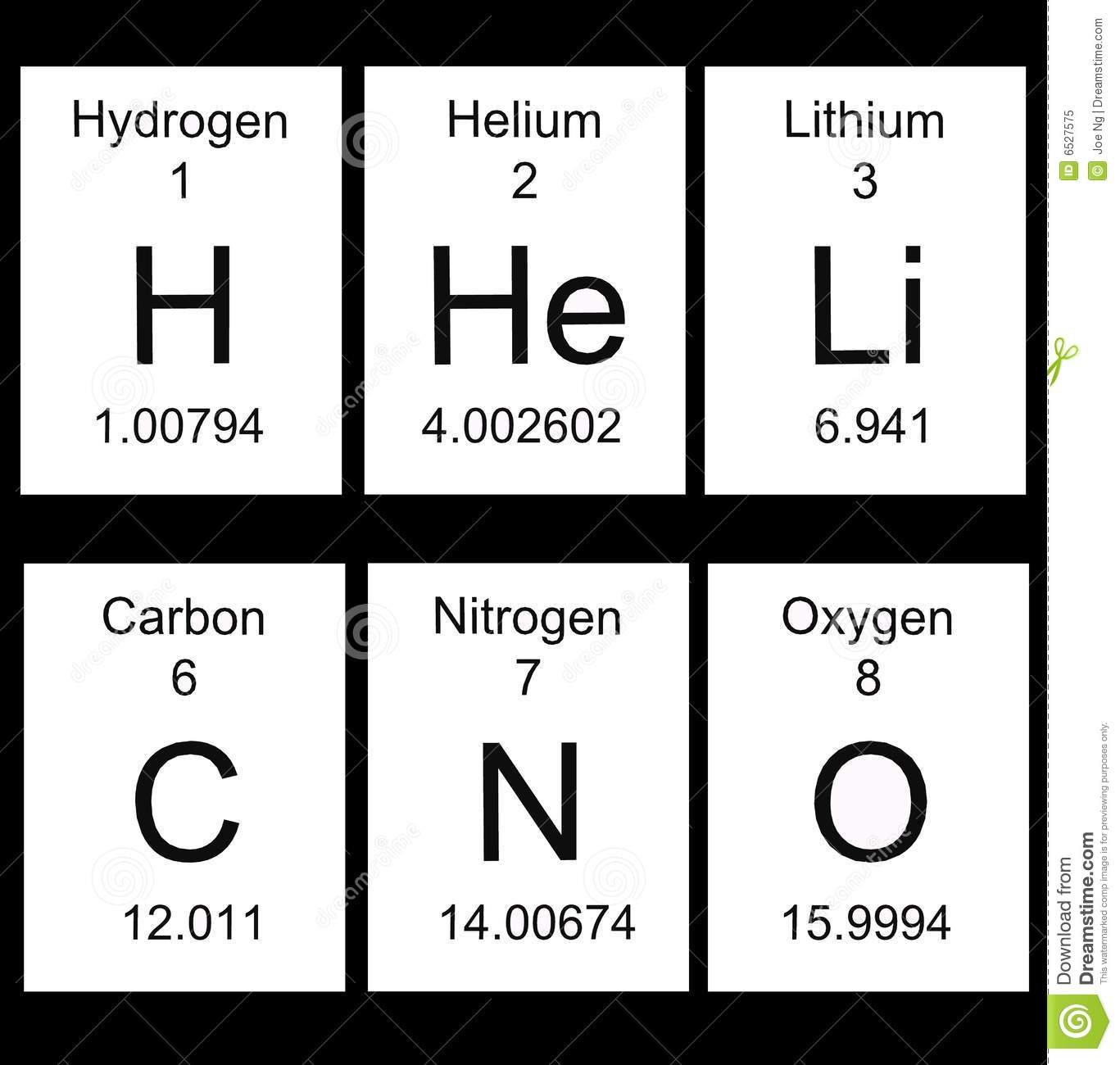
What is the name of this element?
a)
Lithium
b)
Boron
c)
Carbon
d)
Neon
27.

What is this element? Use a periodic table!

a)

Beryllium (atomic #4)

b)

Boron (atomic #5)

c)

Carbon (atomic #6)

d)

Nitrogen (atomic #7)

28.

This could be the dot diagram of

a)

Mg

b)

Cl

c)

C

d)

O

29.

This is a correct dot diagram for nitrogen (N)

a)

true

b)

false

30.
How many electrons should Lithium have around its Lewis dot model?
a)
1
b)
2
c)
3
d)
4
31.
Which of the following is an example of an IONIC COMPOUND?
a)
NaCl
b)
H2O
c)
CO2
d)
NO
32.
Which of the following is an example of a COVALENT COMPOUND?
a)
H2S
b)
KI
c)
CaCl2
d)
MgO
33.
Give the formula for oxygen dichloride
a)
OCl2
b)

O2Cl2

c)
OCl
d)
O2Cl
34.
Give the formula for phosphorus trifluoride
a)
P3F
b)
PF
c)
PF3
d)
P3F3
35.
What is the formula for manganese(III) oxide?
a)
MgO
b)
Mg2O3
c)
MnO
d)
Mn2O3
36.
The chemical formula of Iron (III)bromide is
a)
FeBr
b)
Fe(III)Br
c)
FeBr₃
d)
Fe₂Br₃
37.
What is the chemical name for the compound with the formula Na₂S?
a)
sodium sulfide
b)
sodium fluoride
c)
magnesium sulfide
d)
lithium oxide
38.
The formula for iron(III) oxide is
a)
FeO
b)
Fe3O
c)
Fe2O3
d)
Fe3O2
39.
Carbon dioxide
a)
C2O2
b)
C20
c)
CO
d)
CO2
40.
Bromine monoflouride
a)
Br1F1
b)
BrF
c)
Br2F
d)
BrF2
41.
SeF4
a)
Tetraselenium fluoride
b)
Selenium Fluoride
c)
Selenium tetraflouride
d)
Selenium (IV) Fluoride
42.
chlorine monoxide
a)
ClO
b)
ClO-
c)
ClO2
d)
CO
43.
P3F4
a)
Phosphorous fluoride
b)
Triphosphorous tetrafluoride
c)
Phosphate Fluoride
d)
Trifluoride hexafluoride
44.
Tribromine nonoxide
a)
Br3O9
b)
Br3O10
c)
Br3O6
d)
Br3O4
45.
BrP
a)
Bromide phosphide
b)
Bromide phosphate
c)
Monobromide monophosphide
d)
Bromide monophosphide
46.
What is the left part of a chemical equation called?
2H2 + O2 --> 2H2O
a)
Reactants
b)
Products 
c)
Yields 
d)
Chemical Equation 
47.
What is the right part of a chemical equation called...
2H2 + O2 --> 2H2O
a)
Reactants
b)
Products 
c)
Yields 
d)
Chemical Equation 
48.
What is the number before a chemical formula called?
Ex: 2H2 + O2 --> 2H2O
a)
Coefficient
b)
Subscript
c)
Atom
d)
Equation
49.
What is the little number after an element in a chemical equation called.
Example: H2
a)
Coefficient 
b)
Subscript
c)
Atom
d)
Equation
50.
How many atoms of carbon (C) are in C6H12O6?
a)
3
b)
6
c)
12
d)
24
51.

How many Sodium (Na) are in 6NaCl?

a)

1

b)

12

c)

6

d)

0

52.
Which of the following shows the correct way to balance the chemical equation?
Fe + O2 -> Fe2O3
a)
4Fe + 3O2 -> 2Fe2O3
b)
2 Fe + 3O2 -> Fe2O6
c)
4 Fe + O6 -> 2Fe2O3
d)
None of the options are correctly balanced.
53.
Which of the following reactions is balanced?
a)
2CH4 + O2 -> CO2 + H2O
b)
CH4 + 2O2 -> CO2 + H2O
c)
CH4 + 2O2 -> CO2 + 2H2O
d)
None of the chemical equations are balanced.
54.
How many HCl molecules do you need to balance this equation? 
Mg +  __HCl --->  MgCl2 + H2
a)
1
b)
2
c)
3
d)
4
55.
Balance this equation.
_CF+ _Br-- _CBr+ _F2
a)
2,1,2,1
b)
1,2,2,1
c)
1,2,1,2
d)
2,2,2,2
56.
Which coefficients balance this equation:
NH3  +  O2 ---->   NO  + H2O
a)
2,3,5,6
b)
5,5,4,6
c)
4,6,4,5
d)
4,5,4,6
57.
Balance this equation.
_CH4 + _O--> _CO+ _H2O
a)
1,2,1,1
b)
2,1,2,1
c)
1,2,1,2
d)
0,2,0,2
58.
Balance this equation
_Al +_HCl --> _H+_AlCl3
a)
2, 6, 3, 2
b)
it is already balanced
c)
4, 12, 3, 4
d)
2, 1, 4, 5
59.
Balance this equation.
_SnO+_H2-->_Sn +_H2O
a)
1,1,2,1
b)
1,2,1,1
c)
1,2,1,2
d)
1,2,2,1
60.

CO + ___H2 --> CH4 + H2O

a)

1

b)

2

c)

3

d)

4

61.

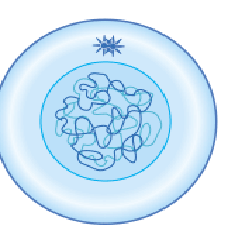
In which phase does the cell spend most of it's life?

a)

Interphase

b)

Anaphase

c)

Telophase

d)

Mitosis

62.
Which phase comes NEXT?
a)
prophase
b)
metaphase
c)
anaphase
d)
telophase
63.
Name the previous phase.
a)
Prophase
b)
Metaphase
c)
Anaphase
d)
Telophase
64.

What are the "X" shaped things in the drawing?

a)

Centromeres

b)

Chromosomes

c)

Chromatin

d)

Spindle fibers

65.

During what phase of Mitosis do the chromosomes line up in the Middle?

a)

Metaphase

b)

Prophase

c)

Telophase

d)

Anaphase

66.

In which phase of Mitosis do the Chromosomes pull away from each other?

a)

Metaphase

b)

Prophase

c)

Anaphase

d)

Telophase

67.

What is the purpose of Mitosis?

a)

Growth of an organism and repair of damaged tissue

b)

To help the body get rid of extra cells

c)

To destroy damaged cells

d)

To get rid of the nucleus

68.
a)
Prophase
b)
Interphase
c)
Anaphase
d)
Telophase
69.
a)
Anaphase
b)
Cytokinesis
c)
Telophase
d)
Metaphase
70.
a)
Cytokinesis
b)
Interphase
c)
Anaphase
d)
Metaphase
71.
a)
Anaphase
b)
Cytonkinesis
c)
Interphase
d)
Prophase
72.
a)
Cytokinesis
b)
Anaphase
c)
Telophase
d)
Prophase
73.

Chromosomes condense from long strands into rod like structures.

a)

Prophase

b)

Interphase

c)

Metaphase

d)

Cytokinesis

74.

A chromatid is attached to a spindle fiber by the

a)

centriole

b)

chromatin

c)

centromere

d)

chromosome

75.

The structures that hold together sister chromatids

a)

centrioles

b)

chromosomes

c)

spindle fibers

d)

centromeres

76.

What phase am I?

a)

Interphase

b)

Prophase I

c)

Anaphase II

d)

Telophase II

e)

Metaphase I

77.

What phase is this?

a)

Interphase

b)

Prophase I

c)

Metaphase I

d)

Anaphase II

e)

Telophase II

78.

What phase is shown here?

a)

Prophase II

b)

Metaphase I

c)

Metaphase II

d)

Anaphase I

e)

Anaphase II

79.

What phase is shown here?

a)

Anaphase II

b)

Metaphase I

c)

Anaphase I

d)

Telophase II

e)

Prophase I

80.

What phase is shown here?

a)

Metaphase II

b)

Telophase I

c)

Telophase II

d)

Metaphase I

e)

Prophase II

81.

What phases is shown here?

a)

Prophase II

b)

Prophase I

c)

Anaphase II

d)

Interphase

e)

Telophase I

82.

What phase is shown here?

a)

Anaphase I

b)

Prophase I

c)

Metaphase II

d)

Metaphase I

e)

Prophase II

83.

What phase is shown here?

a)

Telophase II

b)

Anaphase II

c)

Metaphase I

d)

Interphase

e)

Anaphase I

84.

What phase is shown here?

a)

Telophase I

b)

Metaphase II

c)

Telophase II

d)

Anaphase I

e)

Anaphase II

85.

The process of crossing over occurs in what phase of meiosis?

a)

Anaphase I

b)

Prophase I

c)

Prophase II

d)

Telophase I

e)

Interphase

86.

Why is crossing over important?

a)

Increases the life span of the cell

b)

Increases genetic variation

c)

Increases of the number of gametes produced

d)

Destroys cancer cells

87.

Chromatids are being pulled away from each other.

a)

Telophase I

b)

Metaphase I

c)

Prophase II

d)

Anaphase II

e)

Anaphase I

88.

Chromosomes are lined up in pairs in the middle of the cell.

a)

Metaphase I

b)

Metaphase II

c)

Anaphase I

d)

Anaphase II

e)

Interphase

89.

Chromosomes are in pairs and crossing over is occurring. The nucleus is disappearing.

a)

Metaphase II

b)

Prophase II

c)

Anaphase I

d)

Prophase I

e)

Telophase I

90.

Four daughter cells have been produced, each cell contains individual chromatids.

a)

Telophase II

b)

Anaphase I

c)

Prophase II

d)

Telophase I

e)

Metaphase II

91.
A heterozygous long-tusked elephant is crossed with a homozygous recessive short-tusked elephant. What is the probability of the offspring having short tusks?
a)
0%
b)
25%
c)
50%
d)
75%
92.
B = brown fur  b = white fur
In the punnett square, what is the probability for white fur? 
a)
0%
b)
25%
c)
50%
d)
75%
93.
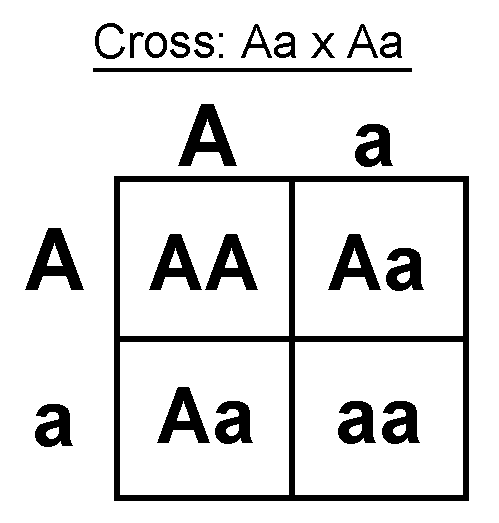
What is the probability of heterozygous offspring?
a)
25%
b)
50%
c)
0%
d)
100%
94.
What allele combination should go in the missing box?
a)
AA
b)
Aa
c)
aa
d)
none of these
95.
What is the phenotype of the offspring? (A-Brown hair; a-blond hair) 
a)
50 % Brown Hair and 50% Blond Hair 
b)
25 % Brown Hair and 75% Blond Hair 
c)
75 % Brown Hair and 25% Blond Hair 
d)
0% Brown Hair and 100% Blond Hair 
96.
A homozygous dominant brown mouse is crossed with a heterozygous brown mouse (tan is the recessive color). 
a)
100 % tan
b)
100 % brown 
c)
50 % brown and 50% tan 
d)
75 % brown and 25 % tan 
97.

If a heterozygous parent and a homozygous recessive parent mate, what percentage of their offspring will be dominant?

a)

25%

b)

50%

c)

75%

d)

100%

98.
What is the yellow seed genotype?
a)
aa
b)
Aa
c)
AA
d)
AA or Aa
99.
What is the dominant trait?
a)
yellow pea seeds
b)
green pea seeds
c)
there is no dominant seed
d)
Jolly green giant
100.
This type of inheritance pattern is a MIXTURE of both traits.
a)
incomplete dominance
b)
co-dominance
c)
complete dominance
d)
recessive pattern
101.
This type of inheritance pattern shows BOTH traits in possible offspring
a)
complete dominance
b)
incomplete dominance
c)
co-dominance
d)
dominant pattern
102.
Heterozygous is when...
a)
the alleles are the same
b)
the alleles are different
c)
the alleles are absent
d)
the alleles are present
103.
What you see, or the physical appearance.
a)
Genotype
b)
Phenotype
c)
Homozygous
d)
Heterozygous
104.
Genotype refers to the ...
a)
physical expression of the genes
b)
the possible combination of alleles in a gene
c)
whether an allele is dominant or recessive
d)
how an organism will appear
105.
Which of the following alleles is homozygous (purebred) recessive?
a)
Tt
b)
tt
c)
TT
d)
t