
 Worksheets
N5 Chapter Review
Total questions: 92
Worksheet time: 49mins
Which of these are examples of Lipids?
simple sugars
complex carbohydrates
fats, oils, & waxes
hair, skin, & nails
Monomers of Lipids include
amino acids
monosaccharides
nucleotides
glycerol and fatty acids
Lipids are made of...
CHO
CHON
CHONP
CHONS
Which of the following is a main function of a lipid?
source of quick energy
stores energy, insulates us, and makes up the cell membrane
transport substances in and out of the cell
stores genetic information
Saturated fats are __________ at room temperature.
liquid
solid
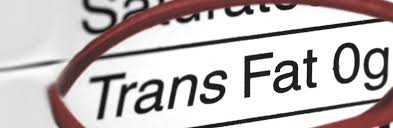
Trans Fatty Acids are formed due to the partial reduction of polyunsaturated oils by hydrogenation.
True
False
In terms of human body response to dietary fat, which of the following is considered to be “good fat”?
A. saturated fats
B. monounsaturated fats
C. polyunsaturated
D. no correct response
These are sources of unsaturated fats, EXCEPT:
A. omega 3
B. peanut oil
C. avocados
D. margarine

Classify these lipids. (Check all that apply.)
unsaturated
saturated
trans
fatty acids
triglyceride

Classify this lipid. (Check all that apply.)
unsaturated
saturated
trans
fatty acids
triglyceride

Classify this lipid. (Check all that apply.)
unsaturated
saturated
trans
fatty acids
triglyceride
CH3 is the formula of the (a) group.
COOH is the formula for the (a) group.

Classify this fatty acid. (Choose all that apply.)
saturated
unsaturated
long-chain
medium-chain
small-chain

Classify this fatty acid. (Choose all that apply.)
saturated
unsaturated
long-chain
medium-chain
short-chain
Classify this fat. (Check all that apply.)
mono-unsaturated
poly-unsaturated
trans
fatty acids
triglyceride
What is the by-product of condensation reactions?
Water
Carbon dioxide
Ethanol
Hydrogen
Triglyceride is made up of _____________ backbone.
Butanol
Glyceroldyhyde
Glycerol
A Fatty acid consists of a hydrocarbon chain, methyl end and ___________ group.
carboxyl
hydroxyl
benzene
acetyl

Classify this lipid. (Check all that apply.)
unsaturated
saturated
omega 3
omega 6
fatty acid

Classify this lipid. (Check all that apply.)
unsaturated
saturated
omega 3
omega 6
fatty acid
Fats can become rotten, or rancid, after exposure to
(a)
The main goal of hydrogenation is to
increase stability
increase double bonds
create a monounsaturated fat
reduce cholesterol
Phospholipids makes up about (a) % of dietary lipids.
Phosphate groups are
hydrophobic
hydrophilic
neutral
uncharged
Soy lecithin is a common ingredients in sauces and dressings. As a phospholipid, it acts as a(n)
emulsifier
sweetener
flavoring
liquifier

Which part of the phospholipid molecule is hydrophobic?
phosphate head
glycerol
fatty acid tail
the entire molecule is hydrophobic
Which part of the phospholipid molecule is hydrophilic?
phosphate head
glycerol
fatty acid tail
the entire molecule is hydrophobic
Which term best describes the dual hydrophobic/hydrophilic nature of phospholipids?
amphipathic
hydropathic
hydrophobic
the entire molecule is hydrophobic
Phospholipids are important cell membrane components because:
They have glycerol
The combine covalently with proteins
They have surfactant properties
They form bilayers in water
Chylomicrons are required to carry lipids through the bloodstream because the lipids are ______ but the phospholipids are _____.
hydrophobic; amphipathic
hydrophobic; hydrophilic
hydrophilic; hydrophobic
amphipathic; hydrophobic
Cholesterol is important for cell membranes to maintain _____. (Check all that apply.)
stability
fluidity
temperature
waterproofing
Cholesterol provides kcals when eaten in the diet.
true
false
Which of the following is a healthier source of sterols?
animal foods
plant foods
Cholesterol can be found in
animal-derived foods
plant-derived foods
both plant and animal foods

This product has vegetable oils added to improve its omega fatty acid content. These added fats are thus considered
functional sterols
saturated fats
unsaturated fats
cholesterol replacements
Steak is high in cholesterol. Which of the following terms applied to the cholesterol in steak? (Check all that apply.)
endogenous
exogenous
dietary
functional
The Daily Value for dietary cholesterol is (a) mg daily.
Atherosclerosis is communicable
True
False
Do you think Atherosclerosis is a chronic or an acute disease?
Chronic
Acute
This is a condition where fat builds up and hardens inside of an artery.
heart attack
heart failure
atherosclerosis
stroke
Which of the following are challenges to lipid digestion? (Check all that apply.)
lipids are hydrophobic
digestive enzymes are hydrophilic
lipids cannot get into villi cells
some lipids melt at body temperature
Infants and some adults produce this milk-related enzyme in their salivary glands.
lingual lipase
pancreatic lipase
gastric lipase
bile
CCK
The liver and gallbladder are signaled to release bile in response by the hormone _____.
cholecystokinin
estrogen
lipase
gastrin
secretin
Most lipid digestion is accomplished by
pancreatic lipases
bile
cholesterol
CCK
gastrin
Bile is made from
cholesterol
feces
triglycerides
blood
Lipoproteins that contain mostly lipids are ____ dense than those containing mostly proteins.
less
more
equally
Which lipoprotein contains the highest percentage of protein?
chylomicrons
VLDLs
LDLs
HDLs
Where do HDLs originate in humans?
animal-based foods
synthesized in the liver
unknown
made from excess sugar intake
The scavenger pathway involving HDLs seeks to remove excess ___ from the bloodstream.
cholesterol
LDLs
VLDLs
chylomicrons
plaques
Absorbed lipids will not go through the liver if they are being transported via
chylomicrons
VLDLs
LDLs
HDLs
Which of the following are functions of lipids in the body? (Check all that apply.)
cushioning
insulation
energy
form connective tissues
provide glucose to the brain
How much body fat could the human body store?
a theoretically unlimited amount
10
about double its dry weight
100 pounds for each foot of height
Metabolically active hormones produced by adipocytes.
adiponectins
adipokines
resistins
sterols
Linolenic acid
omega 3
omega 6
omega 9
Linoleic acid
omega 3
omega 6
omega 9
Arachidonic acid can become conditionally essential if the diet is poor in
linoleic acid
linolenic acid
DHA
EPA
Increasing intake of these is correlated with better health metrics.
omega 3s
omega 6s
omega 9s
saturated fats
Feeding which of the following would place an infant at risk of a fatty acid deficiency?
skim milk
commercial infant formula
full fat milk
breastmilk
Which of the following is a prime symptom of fatty acid deficiency?
skin lesions
fever
bleeding from the gums
fatigue
Name the enzyme that breaks down and allows release of triglycerides from adipose cells.
(a)
Which of the following foods would NOT be high in solid fats?
pizza
sausage
ice cream
olive oil
Swiss cheese
The main nutritional concern over foods containing solid fats is that they are high in ______ but low in _____.
kcals; nutrients
vitamins; kcals
protein; kcals
kcals; protein
A healthy blood total cholesterol level is less than (a) mg/dL.
A healthy blood LDL cholesterol level is less than (a) mg/dL.
A healthy blood HDL cholesterol level is greater than (a) mg/dL.
A healthy blood triglyceride level is less than (a) mg/dL.
The top cause of adult mortality in the US is
cardiovascular disease
cancer
diabetes
kidney failure
Which of the following are good choices to minimize saturated fat intake? (Check all that apply.)
skinless chicken
skim milk
lean cuts of meat
soft cheeses
coconut oil
When considering blood lipid panel results, the finding that most indicates a risk for CVD is
elevated LDL
low LDL
elevated HDL
elevated triglycerides
They type of cancer with the strongest link to consumption of animal meats is
colorectal
kidney
breast
bladder
The average American consumes (a) % of their daily kcals as fat.
One should seek to keep their saturated fat intake to less than (a) % of total kcals.
Which of the following are potential side effects of consuming too much omega-3 in a supplement? (Check all that apply.)
poor blood clotting
reduced immune function
lowered LDLs
faster wound healing
some cancers
Which food is lower in saturated fat?
avocado
cheese
Which food is lower in saturated fat?
salmon
steak
Which food is lower in saturated fat?
olive oil
butter
What is the primary source of fats in the Mediterranean diet?
olive oil
red meats
fish
nuts
Are high fat diets always unhealthy?
yes
no
Which of the following is NOT an unsaturated oil?
olive
canola
safflower
palm
Consumption of nuts is correlated with lower risk of ____.
CVD
stroke
diabetes
obesity
Which are high-mercury fish? (Check all that apply.)
tile fish
sword fish
king makerel
shark
Which are high-mercury fish? (Check all that apply.)
tile fish
sword fish
king makerel
shark
Which are low-mercury fish? (Check all that apply.)
shrimp
catfish
salmon
white tuna
The Mediterranean Diet generally minimizes
meats
vegetables
olive oil
nuts
low-fat cheeses
The Mediterranean Diet generally minimizes
sweets
vegetables
olive oil
nuts
low-fat cheeses
The Mediterranean Diet is considered high-fat because it derives, on average, (a) % of kcals from fat.

