
 Worksheets
Energy, Forces, and Motion Test Review
Total questions: 88
Worksheet time: 1hrs 10mins


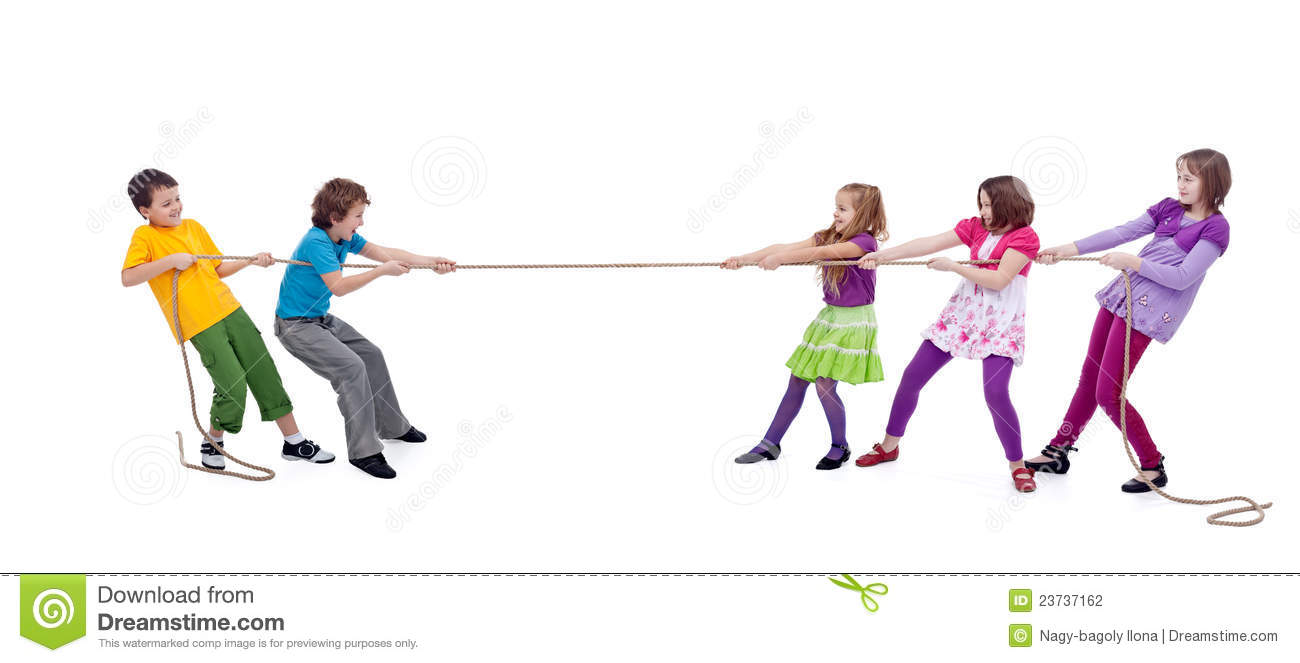
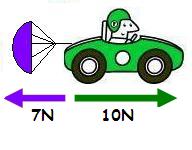

____________ is the ability to do work or cause change.
Energy
Force
Friction
Motion
Energy in motion is ____________ energy.
Potential
Energy
Kinetic
Friction
The faster an object moves, the ________ kinetic energy it has.
more
less
__________ energy is stored energy.
Potential
Kinetic
Force
Gravity

At which point is potential energy greatest?
W
X
Y
Z
Which is the best example of an object having kinetic energy?
a car parked on a steep hill
a tennis ball rolling across the court
a picture hanging on the wall
a piece of coal before it's burned
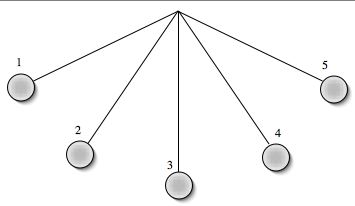
When a pendulum swings, at which point is kinetic energy greatest?
1
2
3
4
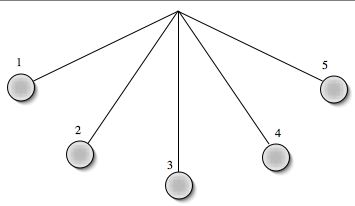
What is happening to the potential energy between position 1 to 3?
Decreasing
Increasing
Stays the same
The Law of Conservation of Energy states that energy cannot be ________ or ________, but it can change from one form to another.
created, destroyed
gravity, force
heat, created
In order to INCREASE the potential energy of an object, you need to:
put the object lower to the ground
raise the object higher

Where would this tossed baseball have the least amount of kinetic energy?
point W
point X
point y
point z
Where would this tossed baseball have the greatest amount of kinetic energy?
point W
point X
point y
point z
Increasing an object's mass will increase its kinetic energy.
true
false

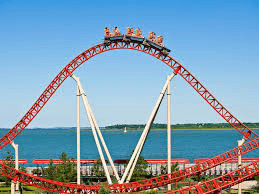
When a roller coaster is at the top of a hill it has
high potential energy
high kinetic energy
low potential energy
equal amounts of kinetic and potential energy

The sum of potential energy and kinetic energy equals
work
transformation
total energy
mechanical energy

If both dogs were running at the same speed, which one would have the greatest kinetic energy?
The bulldog because it has greater mass than the great dane.
The bulldog because it has less mass than the great dane.
The great dane because it has greater mass than the bulldog.
The great dane because it has less mass than the bulldog.

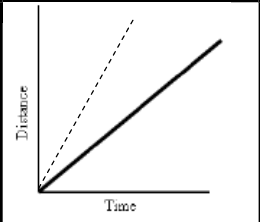
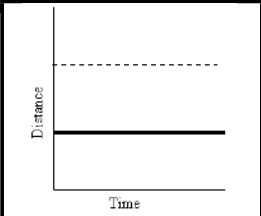


What is the speed of an object that travels 30 miles in 15 minutes?
2 mi/ min
5 mi/min
2 m/s
10 mi/min
Which option below results in an attractive force?
Two postive charges
Two negative charges
Two south poles
A north pole and a south pole
Two bar magnets are held close together. They are released and allowed to move freely. The bar magnets quickly come together. Which best explains why this happens?
The poles facing one another are both south poles
The poles facing one another are both north poles
The poles facing one another are opposite poles
One magnet was bigger than the other
Surrounding each magnetic is an invisible force field called
Gravity
A magnetic field
An electric field
The Force
In a magnet the opposite poles will?
Neither
Repel
Attract
Like poles will?
Attract
Repel
Neither
What can be attracted to magnets?
woodskin
metals such as iron, nickel and cobalt
skin

What is this image showing.
Electric Current
An Electromagnet
Magnetic Force
Magnetic Field


What would happen is a north pole of a magnet came close to a north pole of another magnet?
they would be attracted to each other
they would be repelled from each other

What happens if you hold the south pole of one magnet close to the north pole of another magnet?
They will attract each other
They will repel each other
They will grow very hot
Nothing will happen
What is the definition of speed?
Measuring the distance of an object travels in a set amount of time
A change in a an objects position as it moves
Where the object is located
What is the definition of motion?
The distance an object travels in a set amount of time
A change in an objects position by pushing or pulling
Where the object is located
Which is the best example of force?
Pushing a shopping cart
Drinking a glass of water
Calling a friend on the phone
Friction is a force that does what?
Helps an object move faster
Slows down or even stops the motion that is between two objects
Makes more gravity
Speed and direction is called
Motion
Gravity
Velocity
Which of the following is not considered a force?
push
pull
up
You and your friend are having a contest to see which person can throw the basketball the longest distance. You win, which means you used ________ force.
Less
Greater
Equal

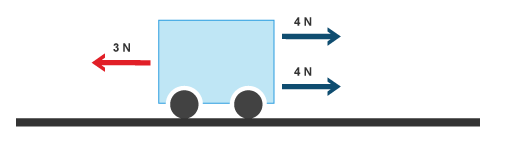
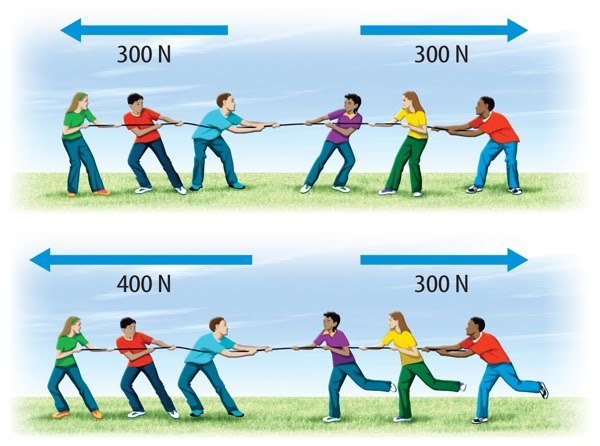
What causes objects to move?
Friction
Mass
Unbalanced Forces
Balanced Forces

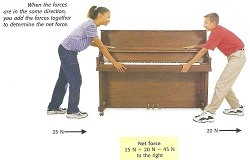
At the MOMENT OF THE HIT, what is happening with the forces?
They are equal and opposite
The bat is exerting more force on the ball
The ball is exerting more force on the bat
There is no force

If these weights are sitting still, which has the LEAST inertia?
Red
Blue
Yellow

A car changes its acceleration when it is turning
True
False

If you were on a different planet...
Your mass would be different
Your weight would be different
Your height would be different
None of the above

Which factors (more than 1) affect how much force the kick has?
Weight of the wrestler
Speed of the wrestler
Height of the wrestler
Age of the wrestler
___ refers to how fast an object is moving.
Speed
Velocity
Acceleration
Motion
Which two factors does speed depend on?
distance and direction
direction and time
distance and time
distance, time and direction
___ refers to the rate at which an object changes position.
Speed
Velocity
Acceleration
Motion
What two factors does velocity depend on?
speed and direction
distance and time
speed and time
distance and direction
Which is an example of speed?
A car driving 55 miles per hour south.
A bicyclist traveling 10 meters per hour toward the next town.
A roller coaster is traveling 10 meters per second.
A rocket blasting off at 2,500 meters per second toward space.
Which is an example of velocity?
A car driving 55 miles per hour south.
A bicyclist traveling 10 meters per hour.
A roller coaster is traveling 10 meters per second.
A rocket blasting off at 2,500 meters per second.
Which is NOT an example of Acceleration?
An object speeds up
An object slows down
An object changes direction
An object is in constant motion.
Speed or Velocity?:
A turtle is crawling 34 cm/min.
Speed
Velocity
Neither
Both
Speed or Velocity?:
A train is travelling North 220 km/hr
Speed
Velocity
Neither
Both
Acceleration is a speeding up, slowing down or a change in direction. Is the following acceleration and if so, which one?
A swimmer has 10 meters left in the race and he is neck-in-neck with his competitor. He has a surge of adrenaline and pulls ahead to win.
Yes, this is acceleration since the swimmer starts to speed up to pull ahead.
Yes, this is acceleration since the swimmer uses the wall to change directions.
No, this is not acceleration since there is no speeding up, slowing down, or change in direction.
Any change of position is called...
motion
position
velocity
vector
The measure of the change in velocity of a moving object is...
motion
position
acceleration
velocity
The location of something is called...
acceleration
velocity
frame of reference
position
The speed and direction of motion is called...
motion
acceleration
velocity
distance
How do you figure out speed?
time X distance
time/ distance
distance X time
distance/ time
Acceleration includes
speeding up
slowing down
changing directions
all of the above
The SI unit for speed is...
meters
m/s
m/time
miles/meters

