Worksheets
PAPBio_Unit 3 CBA
Total questions: 173
Worksheet time: 3hrs 55mins
ATG TGA CAG



Recall your base-pairing rules. RNA molecules can be complementary to DNA molecules. Identify the correct RNA complements to a DNA strand with the following sequence: TAC GAA
AUG CUU
ATG CTT
GCA TCC
GCA UCC

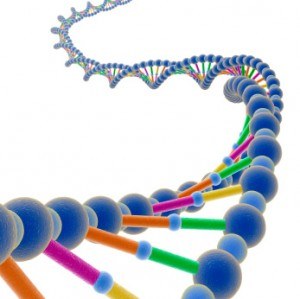
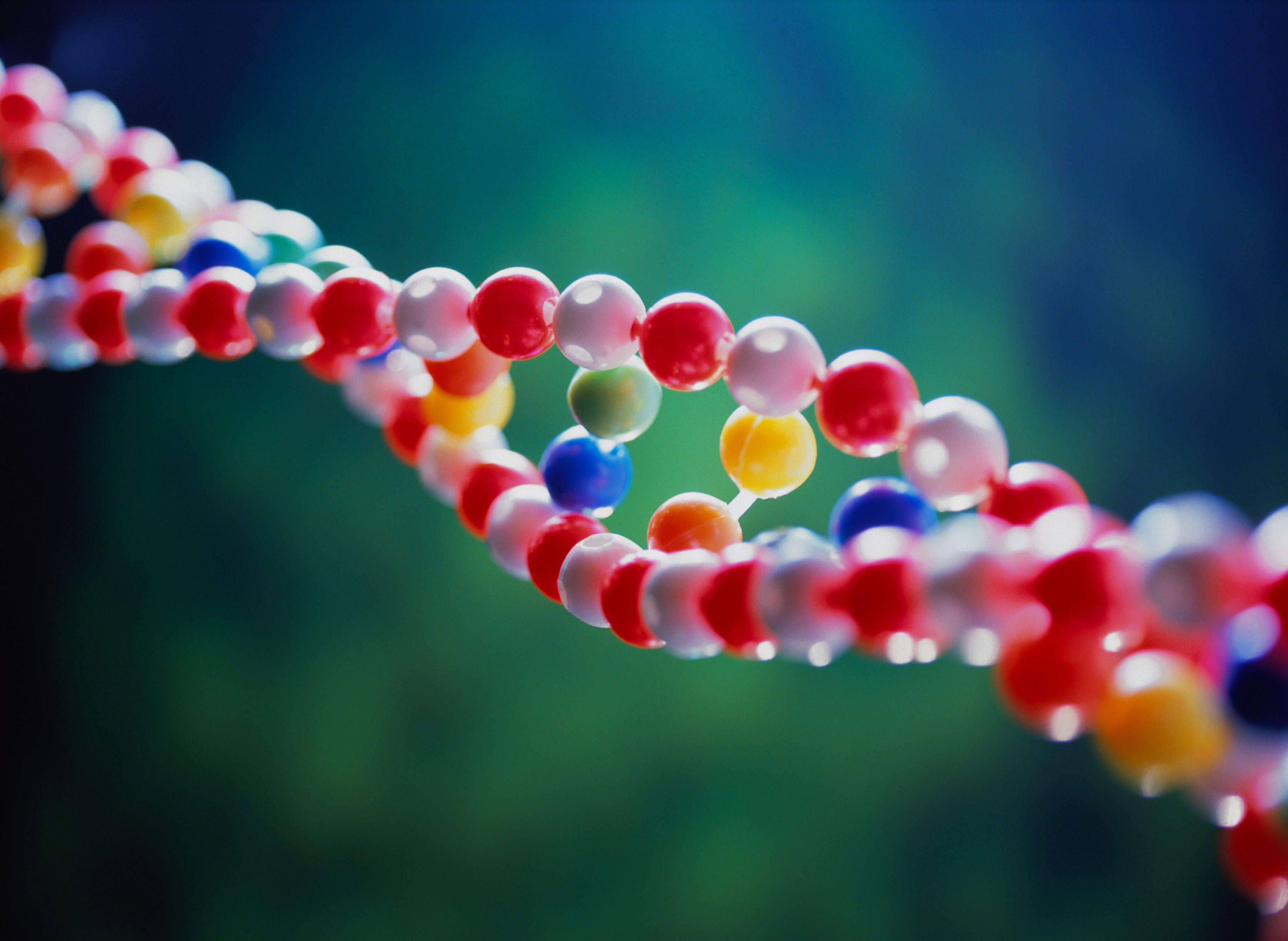
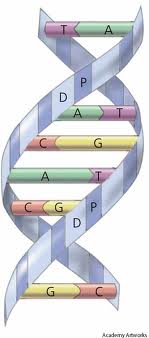
What makes up the SIDES of a DNA ladder?
nitrogen bases
sugars & phosphates
genes & chromosomes
RNA

What makes up the rungs (steps) of a DNA ladder?
sugars & phosphates
nitrogen bases
sugars
genes & chromosomes
5'-ATGCCAT-3'

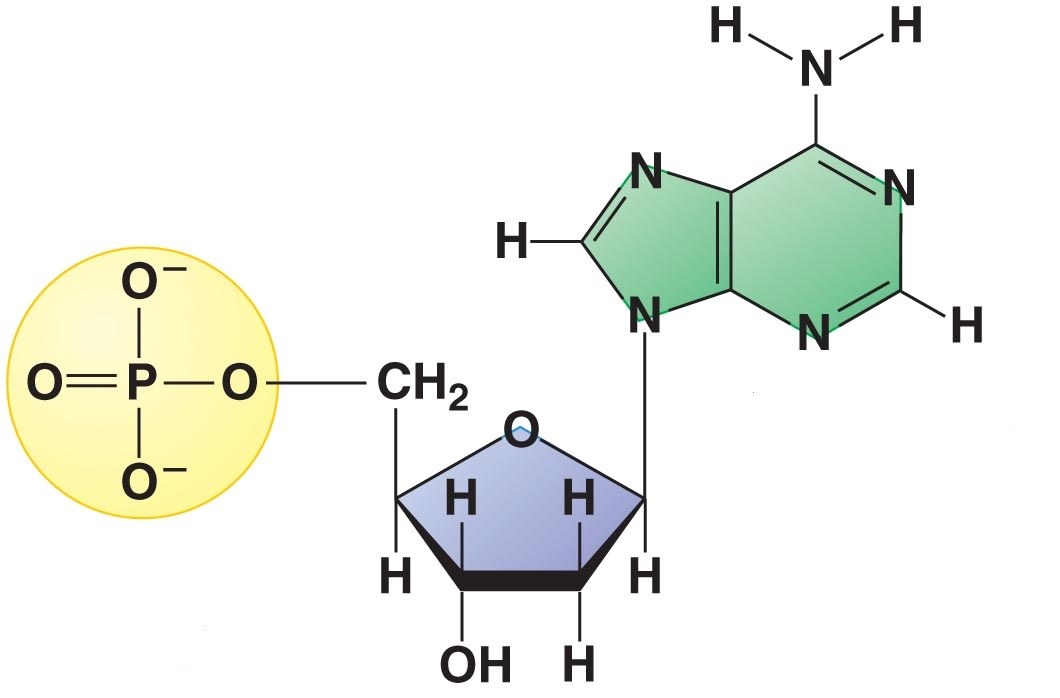
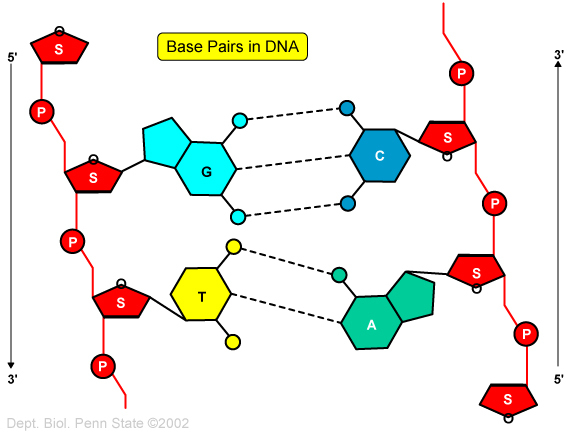
Look at the image of DNA, what do the circles represent?
Sugars
Phosphates
Bases
Covalent Bonds

Look at the image of DNA, what do the pentagons represent?
Sugar
Phosphate
Nitrogen Containing Base
Covalent bond

Look at the image of DNA, what type of bond connects the phosphate and the sugar in the backbone?
Covalent Bond
Hydrogen Bond

Look at the image of DNA, there are molecules with the letters A & G in them, what are these molecules?
Sugars
Phosphates
Nitrogen containing bases
Covalent Bonds

Look at the image of DNA, notice there are lines between the nitrogen containing bases, what do those lines represent?
Covalent Bonds
Hydrogen Bonds
A always pairs with _____ and C always pairs with _____
T, G
G, T
C, A
A, C
The cells found closest to the top of the leaf are called...
Palisaide mesophyll
Spongy mesophyll
Cuticle
Epidermis
What layer of the leaf are the highest concentration of chloroplasts found?
Palisade mesophyl
Spongy mesophyl
Cuticle
Guard cell
The green chemical that plants use to absorb light is called...
(a)
Stomata are pores found on the bottom of the leaf that function to...
Allow CO2 into the plant
Allow O2 out of the plant
Allow "gas exchange"
Leak water
The spongy mesophyll layer is found towards the ______________ of the leaf.
bottom
top
middle
side
The (a) is a hollow tube that travels from the roots and spreads to the leaves, creating "veins."
The epidermis is surrounded by a cuticle that functions to...
Protect the plant against bacteria
Help the plant get it's nails done
Protect the plant against water loss or leaf-rot
Make the plant slippery so it more easily escape predators
The (a) cell functions to help maintain homeostasis within the plant.
Tropisms are...
Growth in response to a stimulus
Caused by hormones in the plant
Both positive and negative
Only bad for a plant
A plant growing towards the light is considered...
Positive phototropism
Negative geotropism
Positive geotropism
Negative phototropism
The prefix "photo" from "phototropism" means...
light
dark
air
water
Another word for "geotropism" is "gravitropism." What does the prefix "gravi" mean?
gravity
downward
gravy
Earth
The prefix "geo" in "geotropism" means "Earth." What is the result of a positive geotropism?
Stem growth towards the Earth
Root growth away from the Earth
Stem growth away from the Earth
Root growth towards the Earth
The prefix "hydro" from "hydrotropism" means...
Water
Air
Earth
Gravity
Check all that always apply for the STEM of a plant
positive geotropism (or gravitropism)
negative gravitropism (or geotropism)
positive thigmotropism
positive phototropism
negative phototropism
Check all that always apply for the ROOT of a plant
positive geotropism (or gravitropism)
negative gravitropism (or geotropism)
positive hydrotropism
positive phototropism
negative phototropism
A positive geotropism (or gravitropism) would move the plant organ...
Away from light
Away from Earth or gravity
Towards light
Towards Earth or gravity
A negative hydrotropism would move a plant organ...
Away from water
Towards water
Away from Earth
Towards Earth
The spongy mesophyll layer of a leaf is where _______________ occurs.
gas exchange
light reactions
dark reactions
photosynthesis
Complete the formula for photosynthesis:
CO2 + (a) + sunlight = O2 + C6H12O6

Which phase is pictured above?
Interphase
Prophase
Metaphase
Anaphase
Chromatids separate and move to opposite sides of the cell in which phase?
Interphase
Prophase
Metaphase
Anaphase
Which image represents Metaphase?


Which image represents Anaphase?
Which image represents Cytokinesis?


Which phase is pictured above?
Interphase
Prophase
Metaphase
Anaphase

Which phase is pictured above?
Metaphase
Anaphase
Telophase
Cytokinesis
What phase of mitosis shows evidence that spindle fibers are separating the chromosomes to ensure that each daughter cell has one copy of each chromosome.


What phase of mitosis shows evidence that spindle fibers are separating the chromosomes to ensure that each daughter cell has one copy of each chromosome.
The chromosomes line up across the center of the cell.
Metaphase
Anaphase
Telophase
Prophase
A nuclear envelope re-forms around each cluster of
chromosomes. The nucleolus becomes visible in each
daughter nucleus.
Telophase
Anaphase
Metaphase
Prophase
The chromosomes become visible. The centrioles take
up positions on opposite sides of the nucleus.
Anaphase
Telophase
Metaphase
Prophase
The chromosomes separate and begin to move to
opposite sides of the cell.
Telophase
Anaphase
Metaphase
Prophase
What is the name of the type of cell division that occurs in the prokaryotic cell cycle?
binary fission.
binary fussion
cell division
CAT TCA CTG

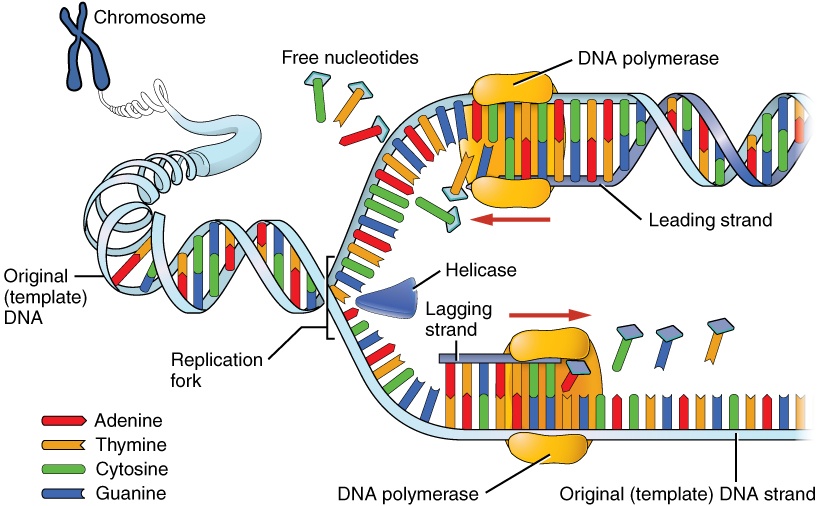
1. Recoil
2. Straightens the double helix
3. Breaks Hydrogen bonds
4. Adds Free nucleotides

DNA replication results in
2 completely new DNA molecules
2 DNA molecules that each contain a strand of the original
1 new DNA molecule and 1 old
1 new molecule of DNA
Enzyme that connects the DNA to the backbone (glues)
Ligase
Polymerase
Helicase
Primase
Enzyme that breaks hydrogen bonds (unzips)
Ligase
Polymerase
Primase
Helicase
Site where replication begins
Polymerase action site
Replication fork
Replication Origin
In the front
The new DNA strand formed after DNA replication is an exact copy of its parent strand
True
False
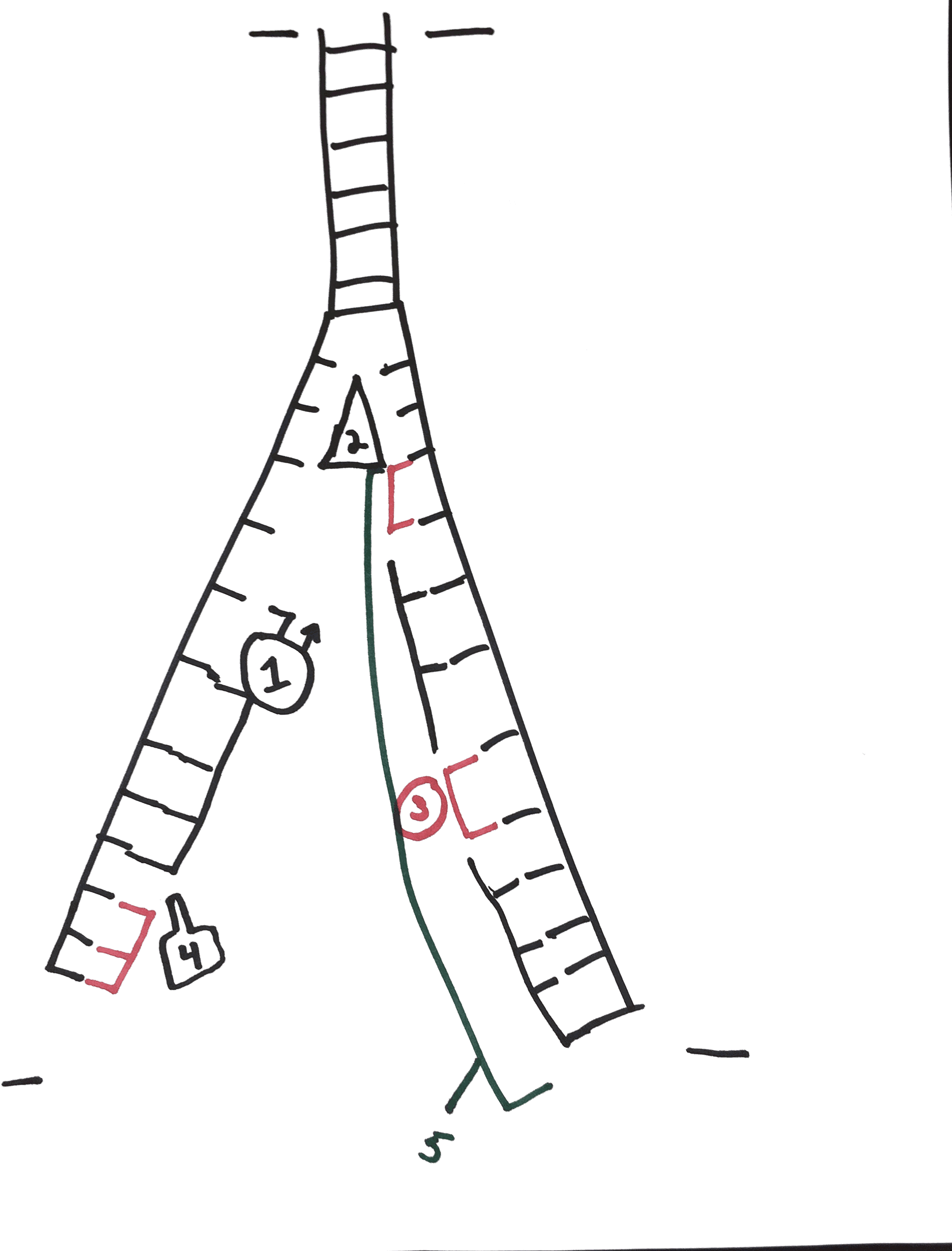
#1 in the picture above (builder)
Helicase
Primase
Polymerase
Ligase
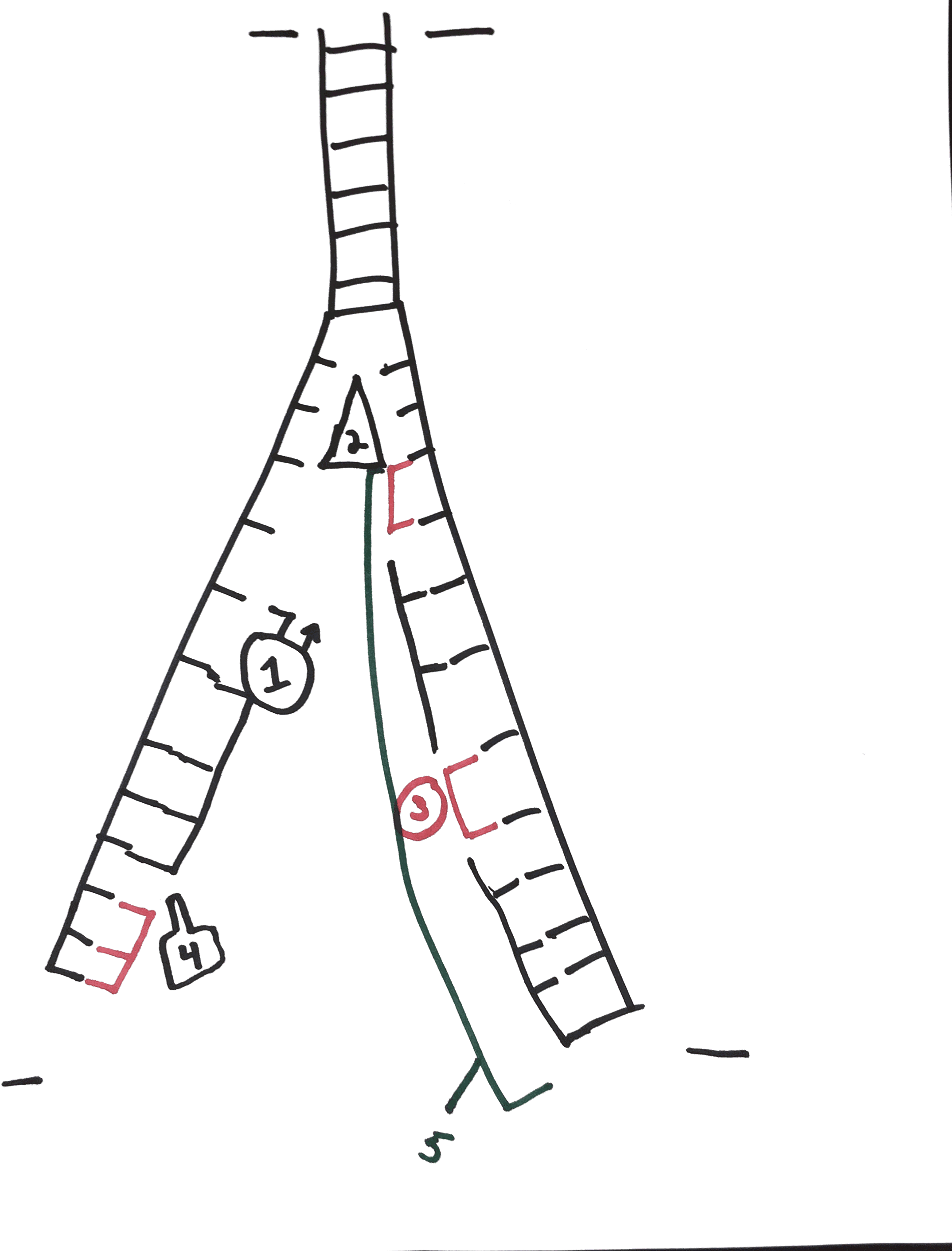
#4 in the picture
Polymerase
Primase
Helicase
Ligase
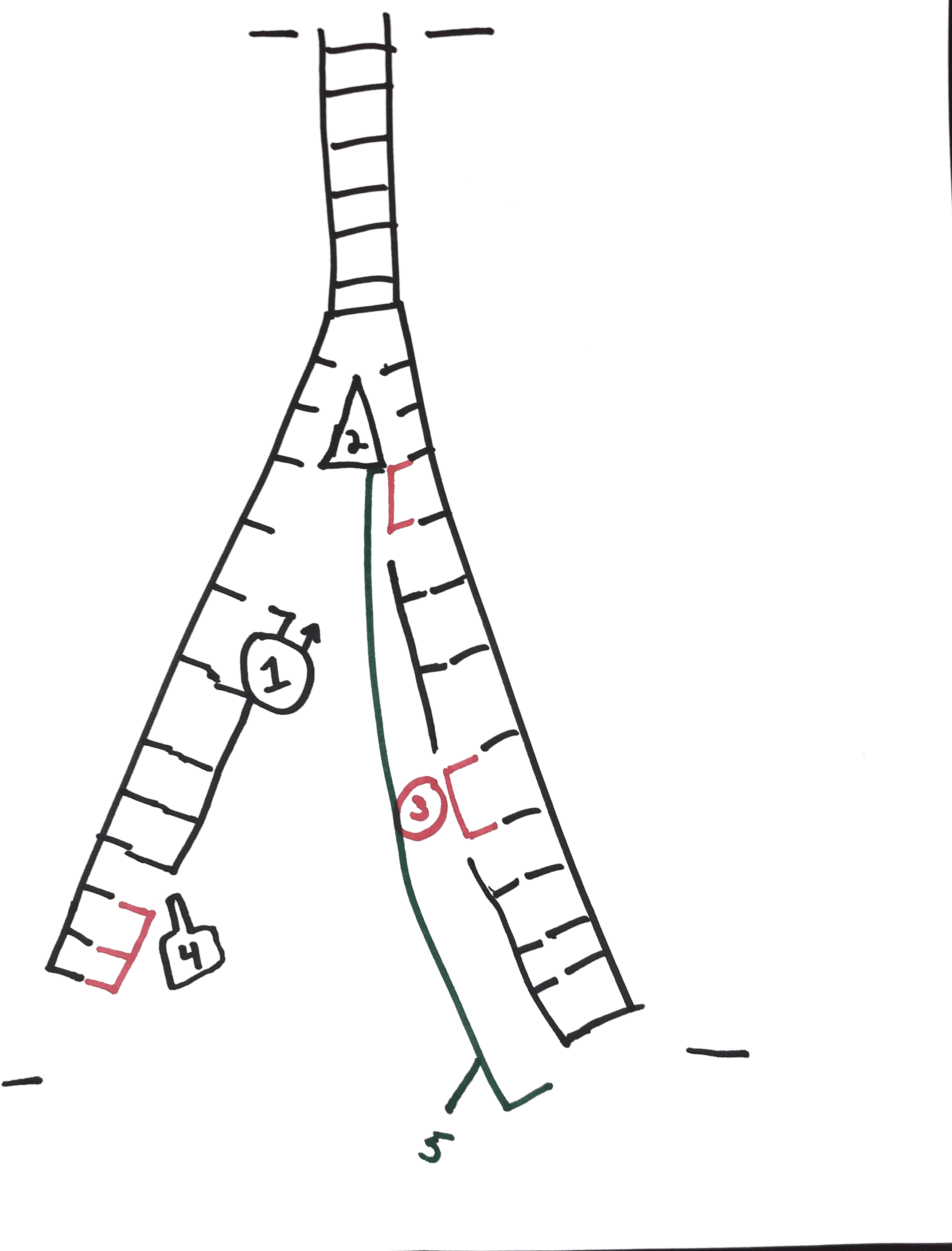
Number 1 in the picture above
Replication
DNA Polymerase
Primase
Ligase
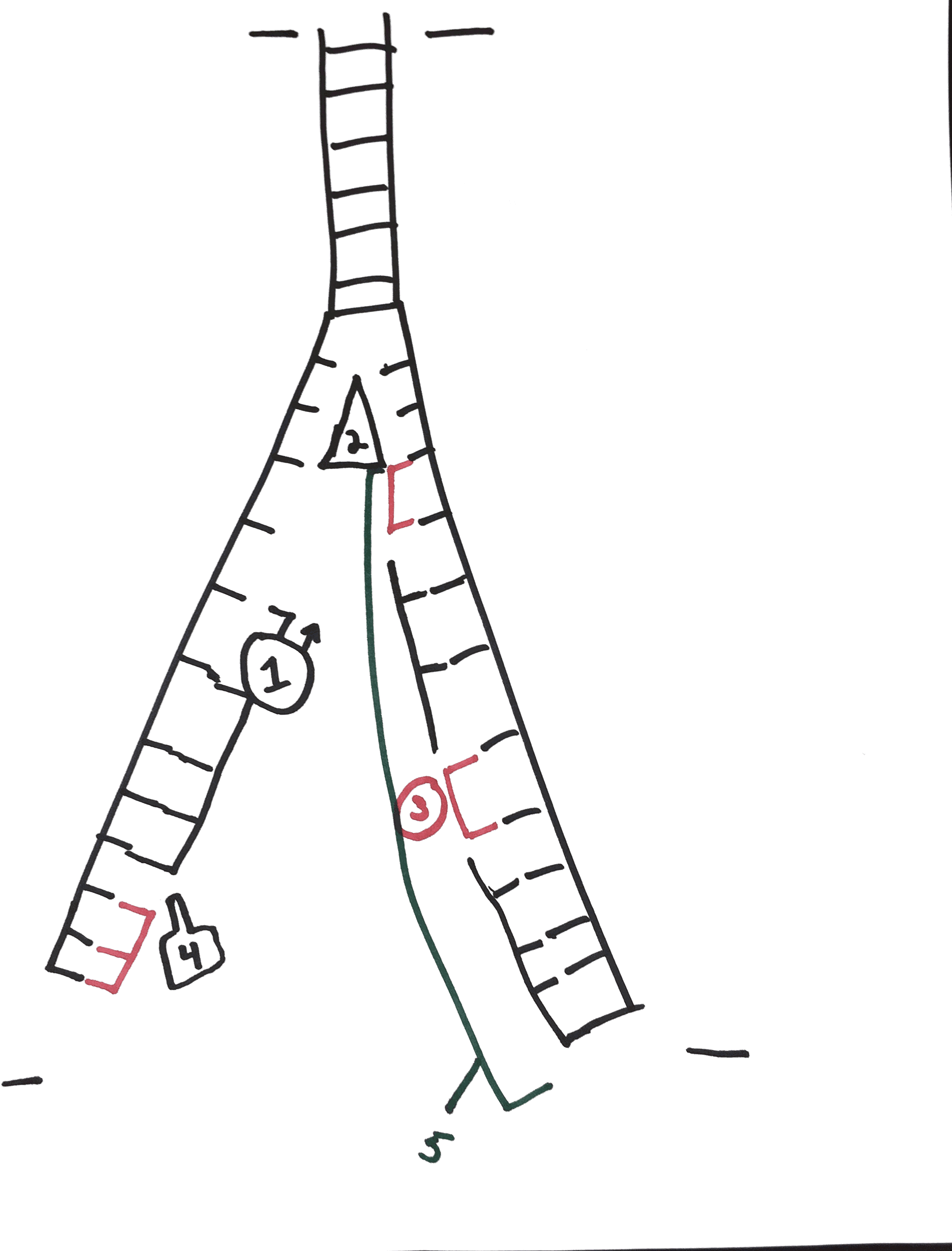
#3 setting Primers
Ligase
Helicase
Polymerase
Primase
Match he nucleotide with its complementary nucleotide. (DNA to DNA).
Adenine -
Thymine
Guanine
Cytosine




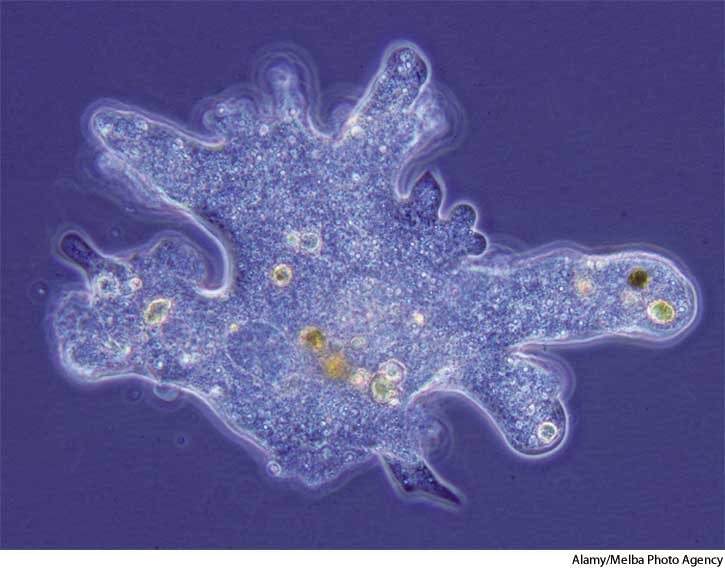
The theory of Endosymbiosis explains
The origin of eukaryotes
How bacteria live
How species develop
Why cells rely on one another
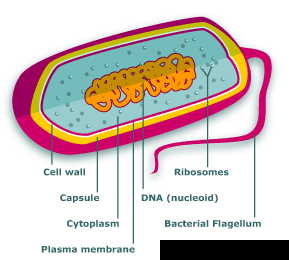
Bacteria are an example of a _________ cell.
Eukaryotic
Prokaryotic
animal
plant
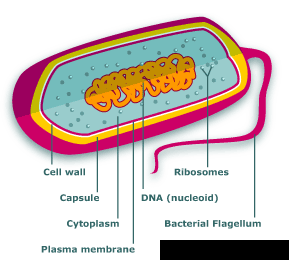
Which of the following characteristics make mitochondria and chloroplasts different from other organelles?
They are much bigger
The are found in both prokaryotic and eukaryotic cells.
They both make ATP
They were once free-living prokaryotes
Which of the following is evidence to support the endosymbiotic theory?
Prokaryotes have the same number and types of enzymes as eukaryotes.
Mitochondria and chloroplasts have their own DNA, which is similar to prokaryotic DNA.
All eukaryotic cells have a double-layered membran composed of phosplipids and proteins.
Fossil evidence shows that the first forms of life were prokaryotic cells.
Which has ribosomes?
Prokaryote
Eukaryote
both