
 Worksheets
Crave the Wave SciOly 22-23
Total questions: 130
Worksheet time: 1hrs 29mins
A weight hanging on a relaxed spring has what kind of energy?
Potential energy (spring)
Potential energy (gravity)
Kinetic energy (movement)
Kinetic energy (rotational)
A weight hanging on a stretched spring has what kind of energy?
Potential energy (spring)
Thermal energy
Kinetic energy (movement)
Kinetic energy (rotational)
What is the relationship between distance and force for Hooke’s Law?
parabolic
exponential
linear
square root
“The height of a wave from the center position.”
Amplitude
Frequency
Wavelength
Velocity
“The distance of one cycle of a wave.”
Amplitude
Frequency
Wavelength
Velocity
“One Joule per Second”
Newton
Hertz
Einstein
Watt
A simple pendulum with a 1m string has a period of how many seconds?
1 sec
2 sec
4 sec
0.001 sec
A simple pendulum has a period of 1 second. If the string length is made four times longer, the period increases by what factor?
Double
Half
Quadruple
One-fourth
The period of a simple pendulum is affected by what?
mass
angle of release
length of the string
type of the string
A wave on a string has 10W of power. If the amplitude is doubled, the power increases by what factor?
Double
Half
Quadruple
One-fourth
“In an isolated system, energy cannot be created or destroyed, only converted from one form to another.”
Caloric Theory
Conservation of Mass
Conservation of Energy
Mass Energy Equivalency
The unit of energy is named after?
A scientist
A teacher
A brewer
A lawyer
Sound is a...
Transverse Wave
Longitudinal Wave
Surface Wave
Torsional Wave
.
The bigger the string or tube on a musical instrument, the _____ the pitch.
Higher
Lower
The phases of matter sound can travel through (check all that apply)
Gas
Space
Liquid
Solid
Sound is made when a source of energy forces the matter to _________.
shake
vibrate
move
stay still
In which of these types of media will sound travel fastest?
solid
liquid
gas
vacuum


This part of the ear detects different frequencies of sound waves is the...
Ear Canal
Ear Drum
Cochela
Semicircular Canals
In both the supersonic plane example and the doppler effect, people hear differently because the objects are _____.
Spinning
Disappearing
Standing Still
Moving Past
A. Love Wave
B. Surface wave
C. Raleigh Wave


Which model of light helps explain the photoelectric effect?
the wave model
the polarizing model
the particle model of light
the electromagnetic model
Which electromagnetic waves have the longest wavelengths and lowest frequencies?
infrared waves
radio waves
gamma rays
ultraviolet rays
The electromagnetic waves with the highest frequencies are called
radio waves.
gamma rays.
X-rays.
visible light.
The range of electromagnetic waves placed in a certain order is called the
electromagnetic spectrum.
electromagnetic wavelength.
electromagnetic frequency.
electromagnetic field.
Which waves have some electrical properties and some magnetic properties?
longitudinal waves
transverse waves
mechanical waves
electromagnetic waves
Electromagnetic waves can transfer energy without a(n)
medium.
electric field.
magnetic field.
change in either a magnetic or an electric field.
In a vacuum, all electromagnetic waves have the same
wavelength.
speed.
frequency.
amplitude.
Radio waves carry information from a broadcasting station to your radio or television.
True
False
Electromagnetic waves are classified as longitudinal waves.
True
False
A thermogram identifies the warm and cool parts of an object by using ____________________.
infrared rays
visible light
ultraviolet rays
radio waves
On AM broadcasts, what remains constant?
the amplitude
the frequency
the music
the speech
FM signals travel as changes in...
the speed of the wave.
the frequency of the wave.
the amplitude of the wave.
the loudness of the wave.
Global Positioning System signals can tell you....
what television station you are tuned to.
your exact location on Earth.
how many satellites are in orbit.
who is sending a message to your pager.
A thermogram identifies the warm and cool parts of an object by using ____________________.
infrared waves
radio waves
gamma rays
ultraviolet rays
Which type of radio broadcast has a greater broadcast range?
AM radio waves
FM radio waves
visible light
infrared waves

Which wave represents an AM signal?
A.
B.

Which letter indicates X-rays?
A.
B.
C.
D.
Which letter shows the type of wave that can be seen by the human eye?
A.
B.
C.
D.
Name the type of wave labeled C.
infrared rays
ultraviolet rays
visible light
radio waves
Which letter indicates infrared rays?
A.
B.
C.
D.
Select the correct order of waves on the EMS from low to high energy
Radio, Micro, Infra, Visible, Ultra, X-ray, Gamma
Gamma, X-ray, Ultra, Vis, Infra, Micro, Radio
Vis, Micro, Infra, Ultra, X-ray, Gamma, Radio
Micro, Radio, Vis, Infra, Ultra, X-ray, Gamma
Which has the LONGEST wavelength and, therefore, the LOWEST frequency/energy
Gamma Rays
Ultraviolet
Visible Light
Infrared rays
Which of the following electromagnetic waves has the lowest frequency?
gamma ray
infrared wave
visible light wave
microwave
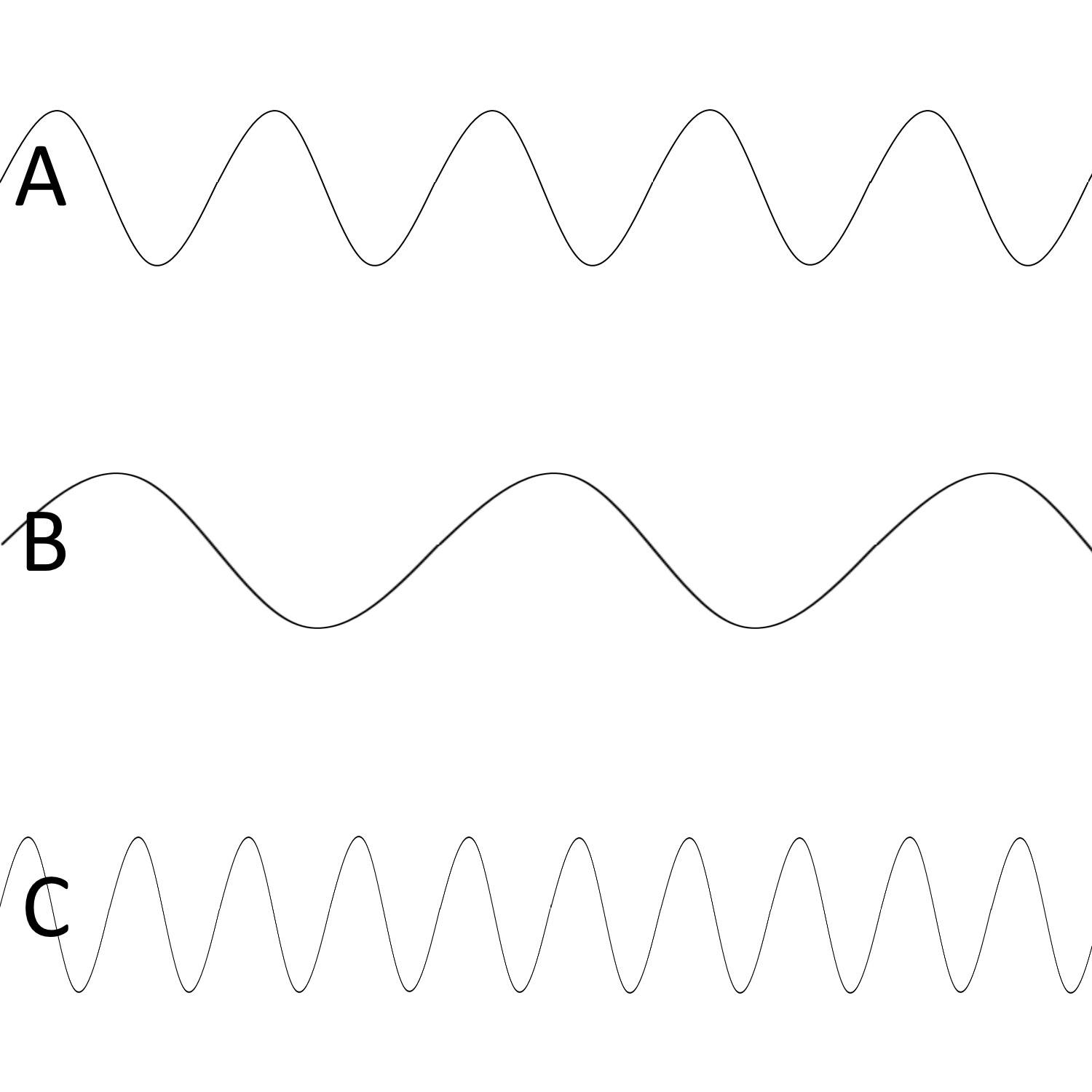

Which letter indicates X-rays?
A.
B.
C.
D.

Which letter indicates infrared rays?
A.
B.
C.
D.
Which list places the electromagnetic energies in order from most energy to least energy?
X-ray, Radio, Visible
Ultraviolet, Inferred, Radio
Radio, Visible, Gamma
Visible, Ultraviolet, X-Ray

Which of the following statements can be concluded from the table?
X-Ray waves have a lower frequency than infrared waves.
Microwaves have a smaller wavelength than visible light.
The speed of all electromagnetic waves are equal.
The frequency and wavelengths are equal for each type of radiation.
A gamma ray photon and a microwave photon are traveling in a vacuum. Compared to the wavelength and energy of the gamma ray photon, the microwave photon has a -----?
shorter wavelength and less energy
shorter wavelength and more energy
longer wavelength and less energy
longer wavelength and more energy
Earth’s atmosphere blocks short wavelengths of the electromagnetic spectrum. Which telescopes must be placed in orbit around Earth in order to observe short-wavelength radiation?
Gamma-ray telescopes
Visible-light telescopes
Infrared telescopes
Radio telescopes
It can travel through only the mantle and the crust.
Seismic waves
Surface waves
Primary waves
Secondary waves
Which is the location of an earthquake ON EARTH'S SURFACE?
Landslide
Seismic
Epicenter
Focus
Which is a disturbance or shaking of Earth's surface?
Landslide
Earthquake
Epicenter
Focus
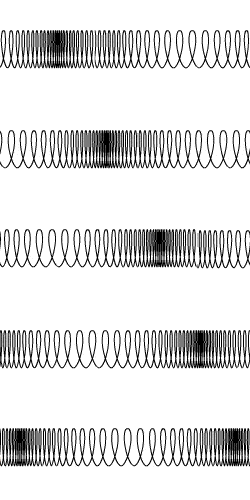
Which is a fracture in Earth's crust?
Plate boundaries
Magnitude
Fault
Seismic
The point beneath the Earth's surface where the earthquake begins.
epicenter
fault
focus
magnitude
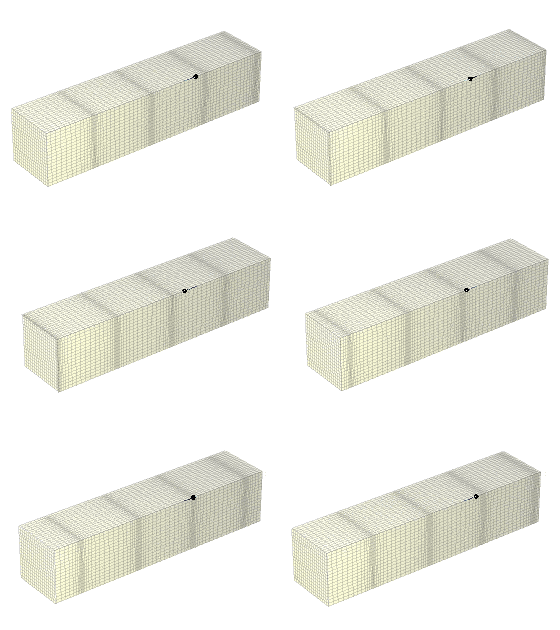
Which type of Seismic Wave is pictured?
P-Wave
S-Wave
Surface Wave
Main type of seismic waves that can only travel through the surface of the Earth.
seismic waves
surface waves
secondary waves
primary waves
Which is the strength of an earthquake?
Plate boundaries
Magnitude
Fault
Seismic
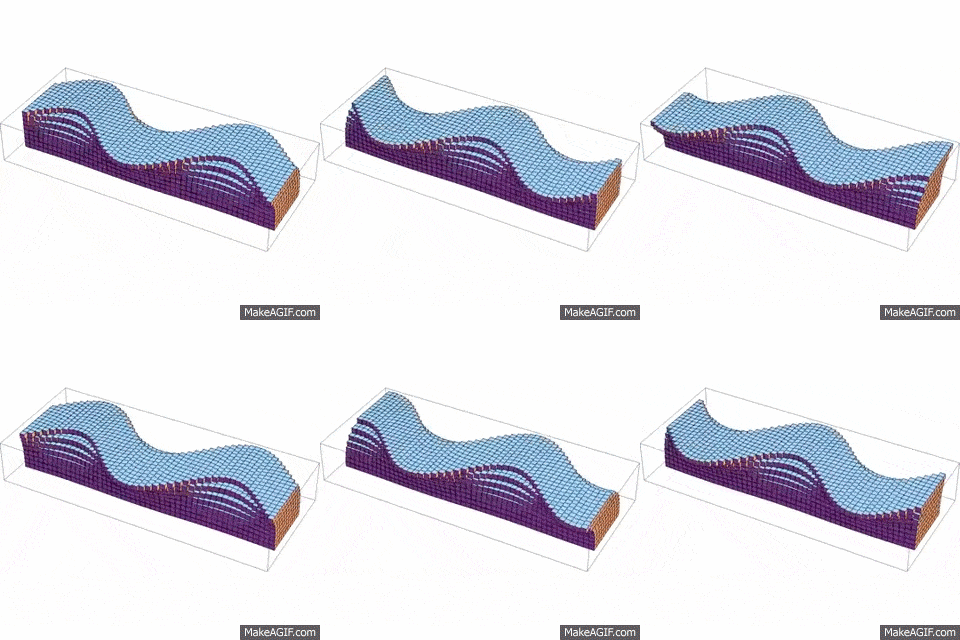
Which Seismic Wave is pictured?
P-Wave
S-Wave
Surface Wave
Primary (p-wave) waves
Secondary (s-wave) waves
Surface Waves
The two kinds of seismic waves that travel inside earth are?
p waves, s waves
rayleigh waves, love waves
The two kinds of seismic waves that travel on Earth's surface are
s waves, p waves
love waves, rayleigh waves
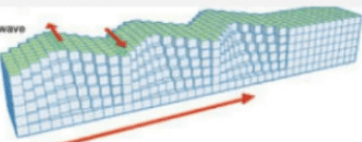
these waves are called ....
p waves
s waves
rayleigh waves
love waves
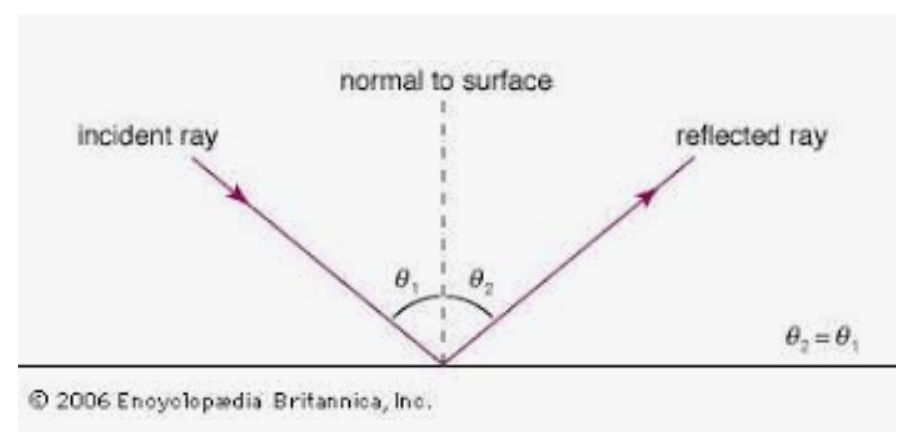
The image is depicting
reflection
refraction
rarefaction
rarefractflection
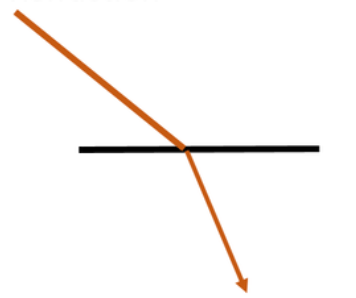
The image is depicting
reflection
refraction
rarefaction
rarefractflection
Waves that refract are experience a change in their ______
medium
light
intensity
velocity
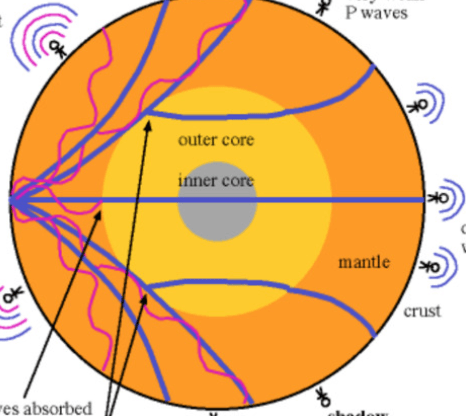
The blue lines are _______
p waves
s waves
rayleigh waves
love waves
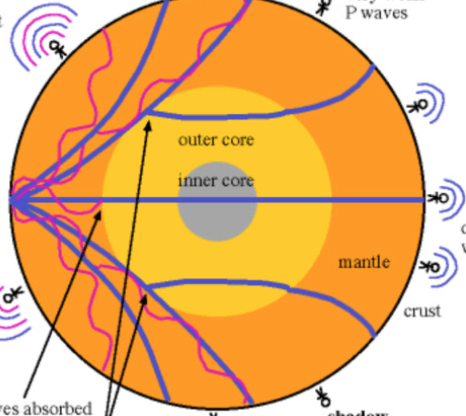
The pink lines are
p waves
s waves
rayleigh waves
love waves
seismic waves _______ as they go through different physical mediums
reflect
refract
diffract
A Earthquake that is 7 on the Richter Scale will be _____ times as intense as one that is 3 on the Richter Scale
4
10
100
10000


What do spectroscopes do?
Collect light to identify elements
Refract light
Absorb light
Transmit light


A line spectrum is produced when an electron moves from one energy level
into the nucleus
to a higher energy level
to another position in the same sublevel
to a lower energy level

When sunlight is split by a prism or diffraction grating it appears to emit a ___ spectra.
absorption
dark-line
continuous
bright-line

Spectroscopy can be used to study
the atmosphere of Mars.
the age of stars.
spectroscopes.
the Moon.

___ or "bright-line" spectra can be used to study the elemental composition of stars.
Absorption
Dark
Continuous
Continuous

When electrons of an element reach an "excited" state, ___ lines are produced.
dark
emission (bright)
continuous
invisible

A ___ is used in astronomy to break down light like a prism.
telescope
spectroscope
stethoscope
microscope

Each element on the periodic table can be identified by its
classification as a solid, liquid or gas.
location on the table.
ability to react to form compounds.
unique spectral "fingerprint."

Emission spectra emitted by an element (or compound) will produce ___ through a spectroscope.
bright lines
a continuous rainbow
dark lines
white light

By passing starlight light through a ___the light is spread out into its component colors.
spectrograph or spectrometer
telescope
prism or diffraction grating
mirror


