
 Worksheets
Grade 8 Revision Quiz
Total questions: 70
Worksheet time: 49mins
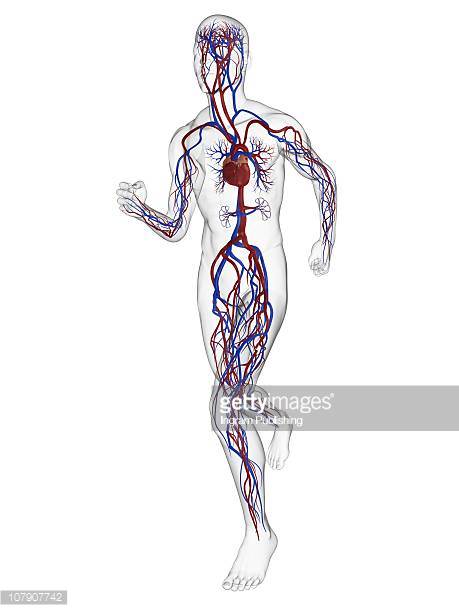
What is the main organ of the circulatory system?
small intestine
bone
lungs
heart
Arteries carry oxygen rich blood away from the heart.
True
False
Veins carry oxygen poor blood back to the heart.
False
True
The job of the heart is to . . .
pump blood around the body.
send food to the small intestines.
break down food.
give energy to the body.
The heart is about the size and shape of your . . .
head
fist
hand
foot
How does the heart work?
It pumps blood first to the lungs, back to the heart and then around the rest of the body.
It pumps blood first to the rest of the body, back to the lungs and then to the heart.
It pumps blood around the rest of the body, back to the heart and then to the lungs,

Our heart is.....
a tissue
a body system
a group of cells
an organ
Which of the following structures is not part of the cardiovascular (circulatory) system?
veins
large intestine
arteries
heart
Type A has which antigens?
A
B
AB
O
Type O has which antigens?
O
none
A
B
Who can AB receive blood from?
A
B
A and B
ALL
Type B has which antibodies?
A
B
AB
O
Which blood type can AB donate to?
ALL
A and B
Only O
Only AB
Which blood type can O donate to?
A
B
ALL
O
Type A can donate to itself, A, and
B
AB
none
O
Type B can receive from itself, B, and
O
A
none
ALL
Which kind of antigens does Type B have?
O
A
B
none
What kind of antigen does AB have?
A
B
AB
A and B
What kind of antibodies does AB have?
A
AB
A and B
none
Who is the universal donor?
A
B
AB
O
Who is the universal recipient?
A
B
AB
O
A watery liquid full of tiny cells.
White blood cell
Plasma
Red blood cell:
The largest cell - stained purple its function is to help to destroy the micro-organisms that cause infectious diseases.
White blood cell
Plasma
Red blood cell:
Gather around the damaged area to stop blood from leaking out if you cut a blood vessel.
Platelets
Plasma
Red blood cell:
Every cell in your body is close to a capillary so it can collect oxygen from passing red blood cells by ..........................
osmosis
condensation
diffusion
What is a Lymphocyte?
White Blood Cell
Red Blood Cell
Lymph
Mlerp
What is the largest organ of the lymphatic system?
Appendix
Spleen
Thymus
Soup
What is Lymph?
Blood
Cerumen
A type of smoothie
Blood plasma
What does the Lymphatic System do?
Rid the body of waste
Remove toxins
Pump lymph around the body
All of the above
What do lymph nodes house?
Yellow Blood Cells
Red Blood Cells
Blue Blood Cells
White Blood Cells
What organs does the Lymphatic system include?
Bone marrow,Spleen,Lymph nodes,Tonsils,Thymus,Lymphatic vessels,Peyer patches in the small intestine,Appendix
Bone marrow,Tonsils, Appendix,Thymus,Lymph nodes
Bone marrow,Tonsils, Appendix,Thymus,Lymph nodes
Lymph nodes, Lymphatic vessels
What is the function of Tonsils?
To prevent germs from getting in your mouth
To prevent germs from getting in your body
To disinfect
Where do Lymphocytes destroy harmful substances?
the lymph nodes
bone marrow
spleen
Which is NOT part of the lymphatic system?
lymph nodes
thymus
spleen
alveoli
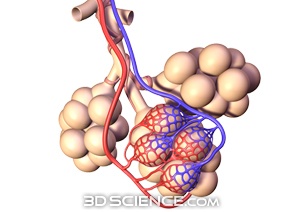
The hairs in your nose
there are no hairs in your nose
grow to be 2 feet long
Keep germs and dust out of your lungs
Which sequence correctly indicates the branching pattern of the human respiratory system?
trachea -> bronchi -> bronchioles -> alveoli
trachea -> bronchioles -> bronchi -> alveoli
alveoli -> trachea -> bronchioles -> bronchi
alveoli -> bronchioles -> trachea -> bronchi
What is the site of gas exchange?
alveoli
bronchus
nose
trachea
A plant’s leaves are green because the color green is _________________back to our eyes.
Absorbed
Reflected
Transmitted
None of the Above
Glucose is a type of _______________.
Dairy Product
Protein
Salt
Sugar
Photosynthesis happens both during the day and night in plants.
True
False
What are the products of photosynthesis?
carbon dioxide and glucose
oxygen and glucose
water and carbon dioxide
oxygen and carbon dioxide
What do plants need for the photosynthesis process?
soil, air, and oxygen
light, carbon dioxide, and water
roots, flowers, and bees
camera and a tripod
__________ energy from the sun is changed into __________ energy during photosynthesis
Electrical, Light
Chemical, Light
Physical, Chemical
Light, Chemical
Which of the following is the correct equation for PHOTOSYNTHESIS?
CO2 + O2 + H2O --> Light+ Sugar
O2 + light + H2O --> CO2 + Sugar
CO2 + light + H2O --> O2 + Sugar
CO2 + sugar + H2O --> O2 + light
Which gas is removed from the atmosphere during photosynthesis?
Argon
Oxygen
Methane
Carbon Dioxide

Why do leaves look green?
Chlorophyll reflects all colors but green
Chlorophyll reflects yellow and blue
Chlorophyll reflects green light
Chlorophyll absorbs green light
Which wavelengths of light do chlorophyll absorb the best
Green and red
Green and blue
Red and blue
Red green and blue
What is the male part of the flower called?
pistil
petal
stamen
leaf
What is pollination?
how plants have fun
how pollen is made
how plants reproduce
how animals reproduce
Which of the following is a pollinator?
spider
terminator
bee
ant

True/False: Pollination can occur between flowers of the same plant.
True
False

True/False: Pollination can occur between flowers of the different plants of the same species.
True
False
Pollination is the transfer of mature pollen grains ____________________ of a flower
from stigma to anther
from anther to stigma
from filament to style
from style to filament
Which is NOT part of a seed?
Seed Coat
Embryo
Pollen
Food Store
The part of ovary which gives rise to seed is known as
(a)

If plants don't store up water, how does water leave the plant?
The roots get rid of excess water.
Most plants DO store water.
It is released from the leaves by TRANSPIRATION.
What is transpiration?
The loss of water in the form of water vapor from the leaves is called transpiration.
Excess sugar being removed from the leave
The process in which a plant makes its food
When the plant uses sugar for energy

What is the process that happens after pollination called?
Germination
Pollination
Fertilization

What is the name given to the fused ovule?
seed
embryo
fruit

Which type or reproduction involves the development of new organisms from seeds?
sexual reproduction
asexual reproduction

What are the main parts of the plant?
Flower, seed, stem , root
Flower, leaves, stem, roots

