
Font size
 Worksheets
biopsych midterm 2
Total questions: 99
Worksheet time: 1hrs 13mins
Neurotransmitter
(a)
neurotransmitter is released in respinse to
repolarization
action potential
hyperpolarization
depolarization
a neurotransmitter binds to a
(a)
a receptor is located on
presynaptic membrane
neuron
terminal
postsynaptic membrane
an ionotropic receptor
opens a an ion channel when stimulated
closes an ion channel when stimulated
an ionotropic receptor is a type of receptor that is associated with a _____-_____ ion channel
(a)
a metabotropic receptor is a type of receptor that does not immediately
close an ion channel
open an ion channel
metabotropic receptor is associated with signal proteins and
(a)
reuptake
absorbs neurotransmitters from synapse
drawing back into the presynaptic button, neurotransmitter molecules after their release into the synapse
is more common for deactivating neurotransmitters
less common for deactivating neurotransmitters
enzymatic degradation is the breakdown of neurotransmitters by
(a)
Glutamate
most prevalent excitatory neurotransmitter
least prevalent excitatory neurotransmitter
(a) is one of the amino acid neurotransmitters, common in proteins we consume
an overstimulation of glutamate can
be toxic, causing death
promote growth in frontal lobe
synthesize proteins
GABA
primary inhibitory neurotransmitter, simple modification of glutamate, blocks specific signals to slow the brain
exhibitory neurotransmitter increases brain functioning through neurons
an excessive decrease in GABA can result in (a)
agonists of GABA are used to treat
seizures, anxiety, insomnia
depression, insomnia
seizures, OCD
schizophrenia
Dopamine naturally converts into (a)
dopamine plays an important role in
memory, movement, pleasure/reward and motivation
movement and mood
feeling happy
norepinephrine
maintains vigillance and arousal
causes arousal and pleasure
improves mood
norepinephrine directly converts to (a)
dysfunction of norepinephrine is associated with
BPD
OCD
AD(H)D
DID
epinephrine is also known as
(a)
epinephrine creates what kind of response?
fight or flight
immune response
action potential
Serotonin (5-HT) plays an important role in
(a)
Acetylcholine
plays a role in REM sleep, cortical activation and learning
neurotransmitter that is released from cholinergic neurons, stimulates muscles when naturally released at neuromuscular junctions
neurotransmitter that carries messages between nerve cell
plays a role in mood fluctuations and sexual desires
neurotransmitter that is used by the autonomic nervous system to produce a series of changes in the body that could be called the 'rest and digest' response
(a)
a dysfunction in this neurotransmitter is associated with Alzheimers. (severe deficits in learning and memory)
endocannabinoid
acetylcholine
dopamine
GABA
neurotransmitter that is simmilar to the main psychoactive ingredient in marijuana
(a)
neurotransmitter that tends to have most of its effects on presynaptic neurons, inhibiting subsequent synaptic transmission
epinephrine
glutamate
GABA
endocannabinoid
produces pleasurable effects and has low addiction potential and rarely produces withdrawal symptoms
opioids
SSRI
endocannabinoid
antipsychoyics
(a) opiod is simillar to the main psychoactive ingredient in opium
includes endoprphins. agonist specific bind to endorphin and enkephalin in order to cause analgesia and euphoria but withdrawl symptoms include chills, sweating, nausea, vommiting, diarrhea, cramps and muscle pains.
endocannabinoid
endogenous opiod
epinephrine
norepinephrine
an agonist is ....
a type of drug that facillitates the effects of a neurotransmitter
a chemical released by a presynaptic terminal
a type of receptor
a type of recptor associated with g proteins
an antagonist is...
a type of drug that impedes on the effects of a neurotransmitter
a type of drug that facilitates the effect of a neurotransmitter
an antagonist blocks the neurotransmitter by...
releasing G proteins
blocking synthesis
leaking degrading enzymes
bonding to outer membrane
the central nervous system is made up of ....
brain and spinal cord
medulla and cerebellum
reticular foremation and pons
peripheral nervous system is composed of...
all parts of the brain
all nerves outside the brain and spinal cord
all nerves within the spinal cord
the medulla and surrounding areas
the peripheral nervous system is composed of which 2 nervous systems
(a)
which nervous system interacts with the external environment
autonomic
somatic
(a) nerves carry sensory signals from the skin, skeletal muscles, joints eyes and ears to the central nervous system
(a) nerves carry motor signals from the central nervous sytem to skeletal muscles
the (a) nervous system regulates the body's internal enviroment
(a) nerves carry signals from internal organs to central nervous system
1.______ nerves carry 2.______ signals FROM the internal organs to the 3. _______ nervous system
1. afferent
2. sensory
3. peripheral
1. efferent
2. sensory
3. peripheral
1. afferent
2. sensory
3. central
1. efferent
2. motor
3. central
1. _____ nerves carry 2. _____ signals from 3. ______ nervous system TO internal organs
1. efferent
2. sensory
3. peripheral
1. afferent
2. motor
3. central
1. afferent
2. sensory
3. central
1. efferent
2. motor
3. central
the (a) nervous system contains the sympathetic and parasympathetic nervous system
the division of the autonomic nervous system that stimulates, organizes, and mobilizes energy resources in threatening situations
parasympathetic
sympathetic
division of the autonomic nervous system that produces a series of changes in the body called the "fight-or-flight response"
sympathetic
parasympathetic
division of the autonomic nervous system that causes blood to be directed away from the digestive system tothe arms and legs, the pupils to dilate, and the heart and breathing to increase
sympathetic
parasympathetic
the division of the autonomic nervous system that acts to conserve energy
sympathetic
parasympathetic
division of the autonomic nervous system that generally keeps the internal functioning of the body running smoothly, in a "rest-and-digest"mode of operation
sympathetic
parasympathetic
anatomical direction: towards the head on the body
towards the face on the head
anterior
posterior
ventral
medial
anatomical direction: towards the tail end
towards the back of the head
anterior
medial
posterior
dorsal
anatomical direction: towards the surface of the back
towards the top of the head
dorsal
anterior
ventral
medial
anatomical direction: towards the surface of the chest
towards the bottom of the head
(a)
anatomical direction: towards the midline of the body
(a)
anatomical direction: away from the midline of the body
(a)

in which colour is the medulla located
pink
light blue
dark blue
red
regulates heart rate, blood pressure, breathing, muscle tone and reflexes
cerebellum
medulla
pons
reticular formation
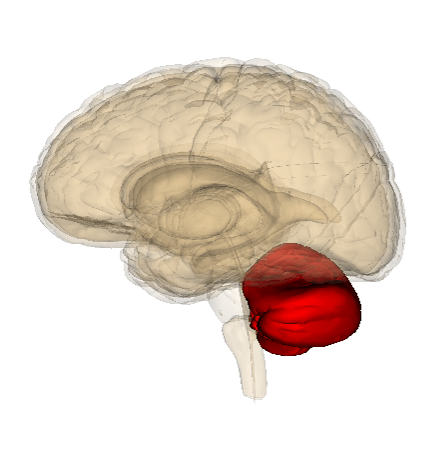
contains the tectum, tegmentum
midbrain
cerebellum
medulla
pons
contains the periaqueductal gray and the substantia nigra
(a)
midbrain structure that has a visual-motor function
superior colliculus
periaqueductal gray
substantia nigra
ventral tegmental area
The substantia nigra is a 1._____ area related to the 2.________ and contains cells that produce 3.________
1.motor
2. basal ganglia
3. dopamine
1. visual
2. basal ganglia
3. serotonin
1. motor
2. ventral tegmental area
3. norepinephrine
1. motor
2. periaqueductal gray
3. dopamine
midbrain structure that contains dopamine-producing neurons that project to and release dopamine in multiple regions of the brain,such as the limbic system and prefrontal cortex
(a)
the origin site of the mesolimbic pathway
periaqueductal gray
Ventral Tegmatnal area
substantia nigra
Large 2 lobed structure at he top of the brainstem
thalamus
cerebral cortex
hypothalamus
hippocampus
forebrain structure that receives signals from sensory receptors,processes them, and then transmits them to the appropriate areas ofthe sensory cortex; is an important relay station in the visual,auditory, and somatosensory systems
(a)
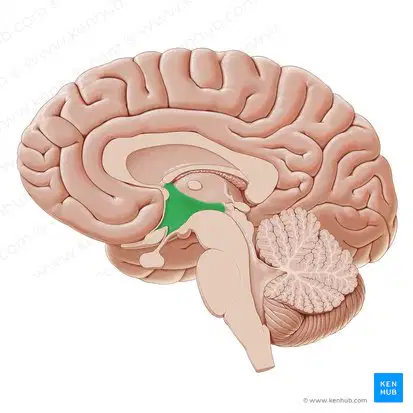
what is the green area
thalamus
hypothalamus
amygdala
mesolimbic pathway
forebrain structure that plays an important role in the regulation of several motivated behaviours ie) sleeping, eating and sexual behaviour
hypothalamus
thalamus
cerebral cortex
amygdala
forebrain structure that regulates body temperature, blood pressure, fluid balance, andconcentrations of glucose and sodium; regulating the release of hormones from the pituitary gland, which dangles from it on the ventral surface of the forebrain
(a)
Layer of tissue that covers the cerebral hemispheres
(a)

what is the green area
(a)
which lobe is responsible for motor functions and complex cognitive functions
(a)
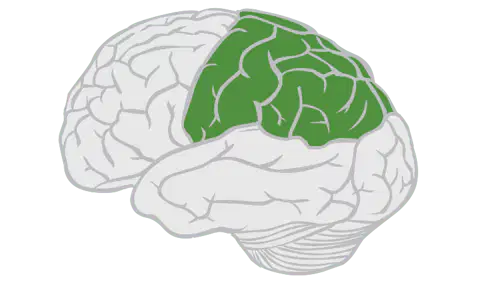
what is the green area
(a)
which lobe is responsible for analyzing sensations, locations and directing attention
(a)
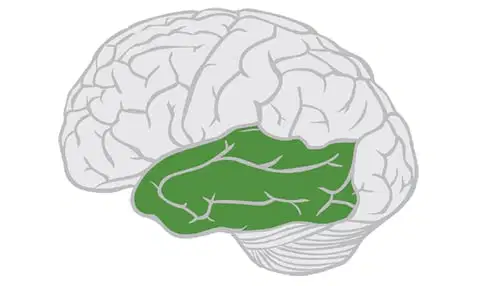
what is the green area
(a)
which lobe is responsible for hearing, language, visual patterns and memory
(a)
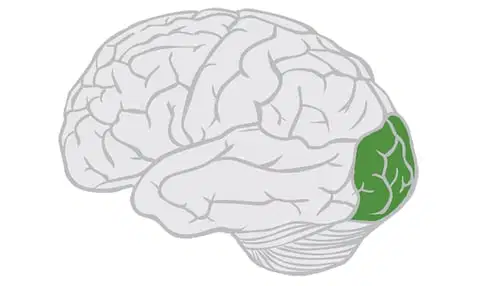
what is the green area
(a)
which lobe is responsible for visual input
(a)
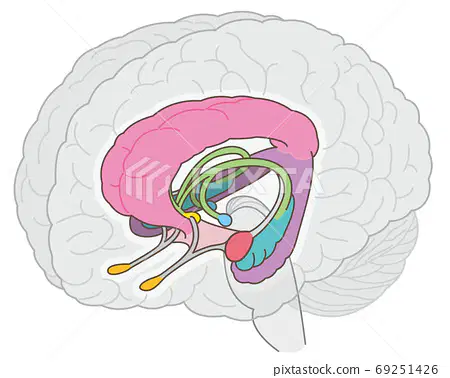
what is this?
(a)
the limbic system contains which 3 structures?
amygdala, hippocampus, cingulate system
hippocampus, thalamus, hypothalamus
amygdala, cerebral cortex, cingulate system
amygdala, hippocampus, hypothalamus

what is this structure?
(a)
which structure plays a major role in spatial location?
(a)
located in the anterior temporal lobe, recieves all input from sensory systems and emotional sensory signals , also related to perception of fear
amygdala
hippocampus
basal ganglia
thalamus
the (a) pathway is also known as the reward pathway and connects to the ventral tegmental area and is repsonsible for brain stimulation, natural rewards and addictive drugs.

what is this?
amygdala
hippocampus
basal ganglia
limbic system
the 1. _____ contains the amygdala, caudate, putamen and globus pallidus. it is a 2. _____ structure responsible for 3._____ responses
1. hippocampus
2. hindbrain
3. sensory
1. basal ganglia
2. midline
3. motor
1. limbic system
2. midline
3. somatosensory
1. thalamus
2. midbrain
3. motor
(a) disease is a result of the deterioration of the pathway from the basal ganglia to the substantia nigra and midbrain
type of cortex that contains sites controlling the movements of individual body parts and the area of cortex that is most dedicated to controlling parts of the body that are capable of intricate movements, such as the hands and mouth
primary motor cortex
primary sensory cortex
association cortex
prefrontal cortex
includes the somatosensory cortex, which contains sites that receive sensations from individual body parts, includes the visual cortex and auditory cortex, which directly receive input from the thalamus for their respective sensory modalities
primary motor cortex
primary sensory cortex
association cortex
prefrontal cortex
involved in thehighest level of sensory processing that migh tultimately result in the performance of movements, recieves input from more than one sensory system.
primary motor cortex
primary sensory cortex
association cortex
prefrontal cortex
area of cortex that is involved in the following four types of cognitive functions: (1) working memory, which is keeping relevant information accessible for short periods of time while atask is being completed; (2) planning and carrying out sequences of actions; (3) inhibiting responses that are inappropriate in thecurrent context but not in others; and (4) following rules for social behavior
primary motor cortex
primary sensory cortex
association cortex
prefrontal cortex
cortical structure that acts on the amygdala to suppress conditioned fear
(a)
Francis took a drug which prevents the synthesis of dopamine by the cells responsible for this in his brain. In what division of the brain is this drug primarily producing this effect?
midbrain
pons
reticular formation
substantia nigra
Which brain part helps regulate body temp., controls water balance, and regulates metabolism?
Cerebellum
Thalamus
Occipital Lobe
Hypothalamus
Which brain part provides involuntary coordination of body movements?
Cerebellum
Frontal Lobe
Pons
Thalamus

