wayground logo

Free Printable Worksheets

Font size

S
M
L
XL
Worksheets

Final Review

Total questions: 121

Worksheet time: 2hrs 46mins

Name
Class
Date
1.

All living things are composed of one or more cells.

a)

True

b)

Falso

2.

The ________ controls the movement of materials into and out of the cell.

a)

cell membrane

b)

nucleus

c)

cytoplasm

d)

mitochondrion

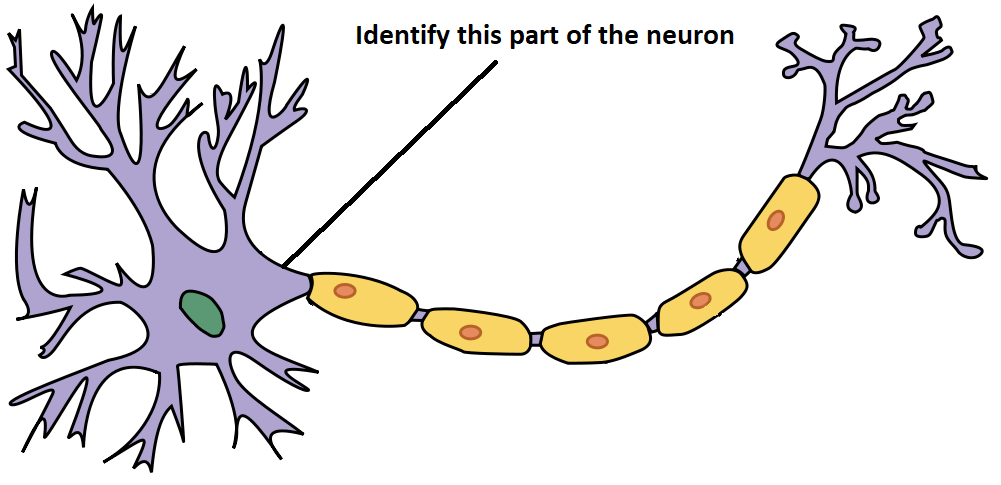
3.

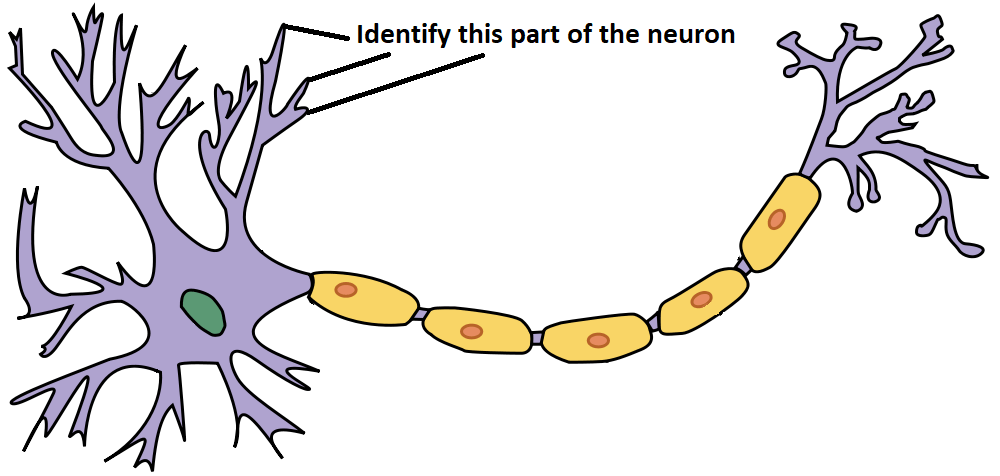
The _______________ surrounds the cell material.

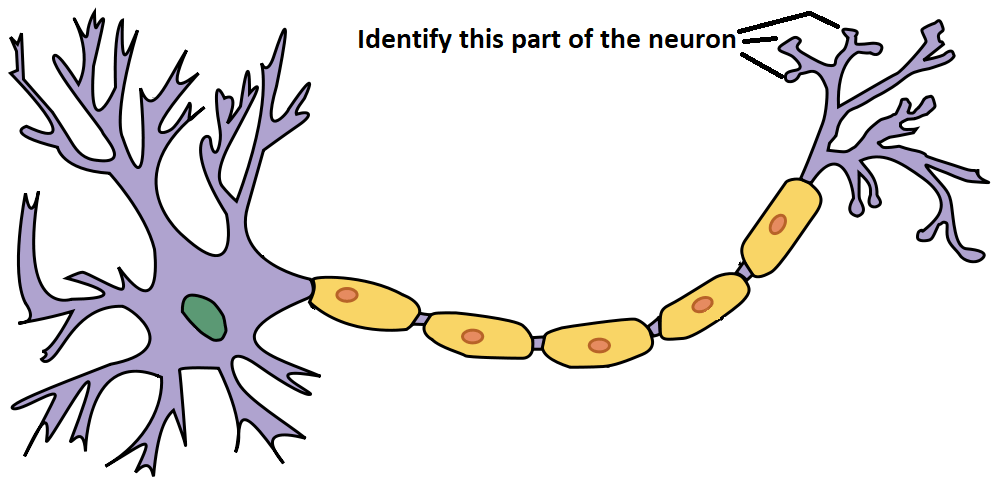
a)

chromosome

b)

cell membrane

c)

cytoplasm

4.

The __________ is the control center of a cell.

a)

mitochondrion

b)

nucleus

c)

vacuole

5.

The __________ produces energy in the cell.

a)

mitochondrion

b)

nucleus

c)

vacuole

6.
 Which system is the stomach in?
a)
respiratory
b)
digestive
c)
nervous
d)
excretory
7.
 What is the main function of the respiratory system?
a)
take in oxygen and exhale waste like carbon dioxide
b)
move nutrients throughout the body
c)
take in carbon dioxide and exhale oxygen
8.
Where does digestion start?
a)
stomach
b)
mouth
c)
esophagus
9.
 What is the main job of the digestive system? 
a)
break down foods into nutrients that can be used by the body
b)
take in oxygen and exhale waste like carbon dioxide
c)
pump blood throughout the body
d)
makes the body hungry
10.
Your large and small intestines are part of this body system.
a)
nervous
b)
digestive
c)
muscular
d)
skeletal
11.
A collection of the same kinds of cells working together to do the same job.
a)
cells
b)
tissues
c)
organs
d)
systems
12.
A(n) _________ is made of small parts connected together to make a whole.
a)
system
b)
problem
c)
evidence
d)
illustration
13.

What is the name of the tissue that closes off the windpipe when you swollen so you do not choke?

a)

epiglottis

b)

esophagus

c)

ileum

d)

appendix

14.
The muscular tube that moves food from the mouth to the stomach?
a)
esophagus
b)
small intestine
c)
stomach
d)
mouth
15.
The organ where food doesn't pass through but it does break down fats and detoxify poisons?
a)
liver
b)
small intestine
c)
stomach
d)
large intestine
16.
Enzymes and acids are examples of 
a)
mechanical digestion
b)
chemical digestion
17.
Chewing, grinding, and churning are examples of...
a)
mechanical digestion
b)
chemical digestion
18.
What do the villi do?
a)
Digests food in the mouth.
b)
Digests food in the stomach
c)
Protects the stomach from digesting iteself
d)
Absorbs nutrients from food so the body has energy.
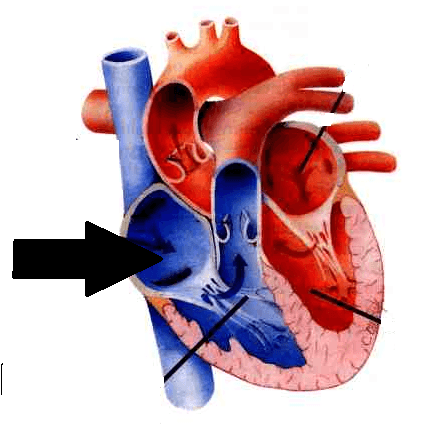
19.
Identify
a)
Left atrium
b)
Right atrium
c)
Left ventricle
d)
Right ventricle
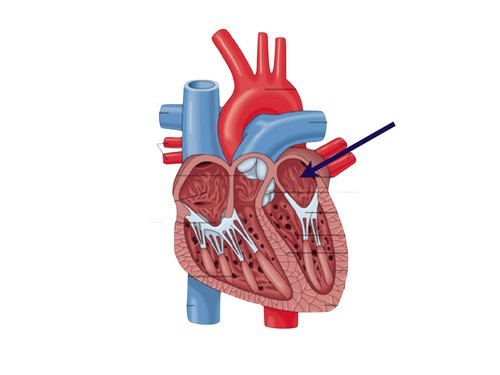
20.
Identify
a)
Left atrium
b)
Right atrium
c)
Left ventricle
d)
Right ventricle
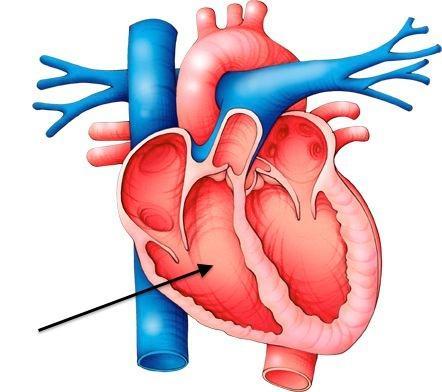
21.
Identify
a)
Left atrium
b)
Right atrium
c)
Left ventricle
d)
Right ventricle
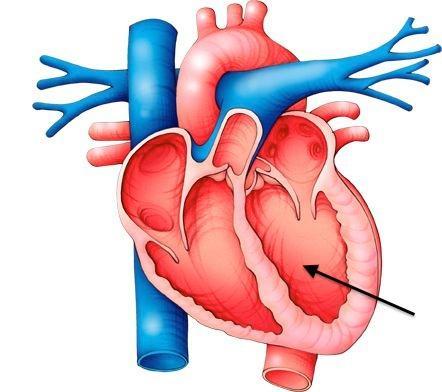
22.
Identify
a)
Left atrium
b)
Right atrium
c)
Left ventricle
d)
Right ventricle
23.
The heart has ___ chambers.
a)
1
b)
2
c)
3
d)
4
24.
  Compared to arteries, veins 
a)
have a pleated endothelium.
b)
have thinner walls.
c)
have more smooth muscle in their tunica media. 
d)
hold their shape better when cut. 
25.
Carry blood away from heart; mostly oxygen-rich
a)
Arteries
b)
Veins
c)
Capillaries
26.
Which type of blood vessel has the thickest layer of smooth muscle in its walls?
a)
Arteries
b)
Veins
c)
Capillaries
d)
Ventricles
27.
What function does the heart do?
a)
Protects organs and produces red blood cells.
b)
Generates heat.
c)
Breaks down food into nutrients.
d)
The heart is a pump, which moves the blood. The arteries and veins are the pipes where the blood flows.
28.
Through which vessel does gas exchange happen?
a)
artery
b)
vein
c)
capillaries
d)
liver
29.
What does Deoxygenated mean?
a)
Oxygen-rich
b)
Blood flow
c)
Oxygen-poor
d)
Water Flow
30.
a)

Nucleus

b)

Cell Body

c)

Axon

d)

Node of Ranvier

31.
a)

Dendrites

b)

Axon Terminals

c)

Myelin Sheath

d)

Schwann Cells

32.
a)

Dendrites

b)

Axon Terminals

c)

Myelin Sheath

d)

Schwann Cells

33.

The space between the axon terminal of the sending neuron and the dendrite or cell body of the receiving neuron.

a)

axon

b)

synapse

c)

dendrite

d)

cell body

34.
When you breathe, your lungs take in ___ and remove ___. 
a)
air/oxygen
b)
oxygen/carbon dioxide 
c)
carbon dioxide/waste 
d)
waste/air 
35.
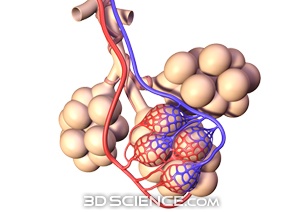
The air sacs that are covered with capillaries where gas exchange takes place
a)
bronchi
b)
lungs
c)
oxygen
d)
alveoli
36.
What is the main function of the respiratory system?
a)
to provide oxygen and remove carbon dioxide from the body
b)
to bring oxygen to the body
c)
to break down food and absorb nutrients
d)
to remove oxygen from the body and deliver carbon dioxide
37.

What is the site of gas exchange?

a)

alveoli

b)

nose

c)

lung

d)

bronchi

38.
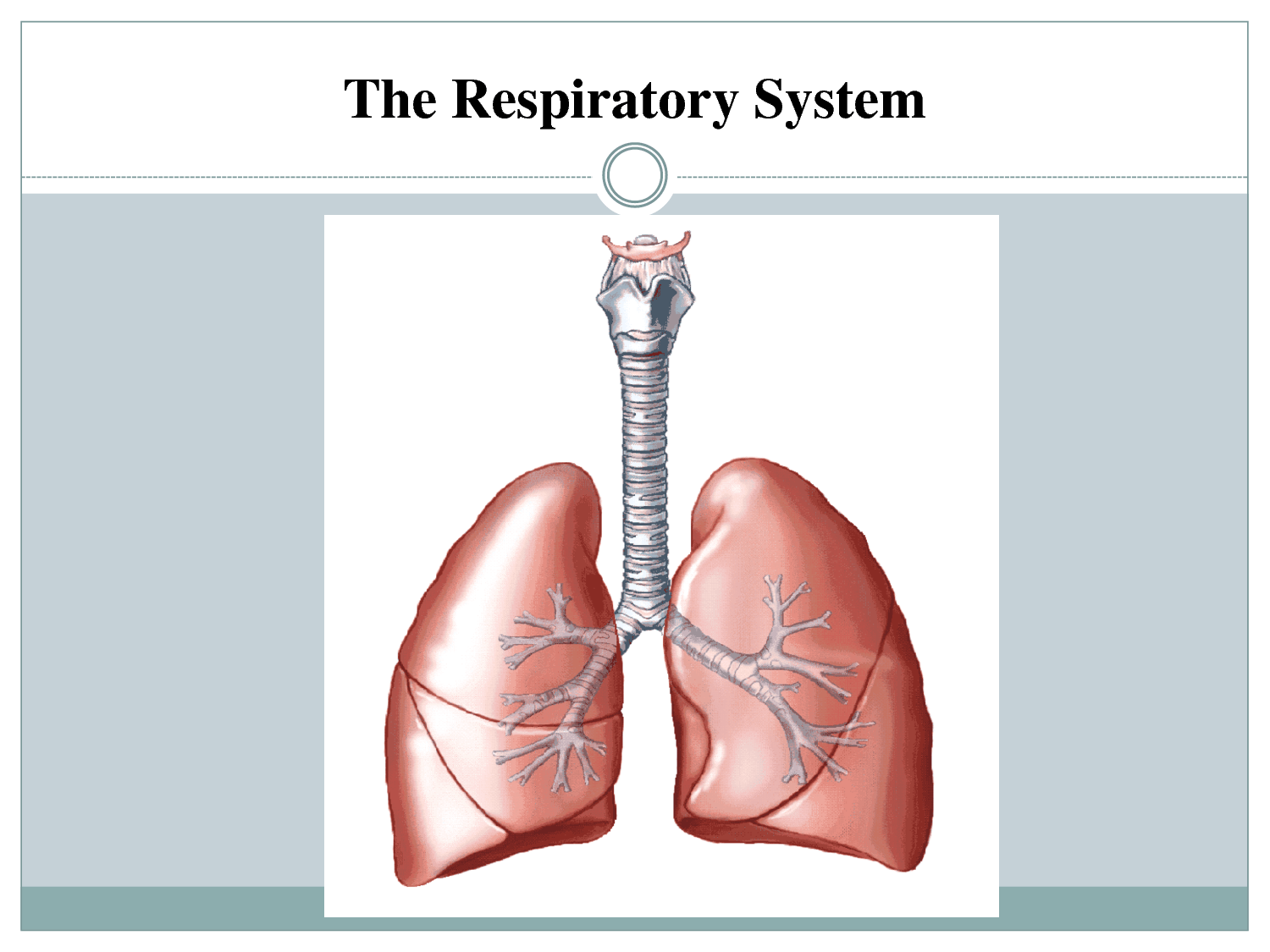
Name the organ label # 6. 
a)
alveoli 
b)
bronchi 
c)
trachea 
d)
lungs 
39.
Why is the diaphragm important to the respiratory system ?  
a)
It contracts or expands air from the lungs.
b)
It helps the system to digest. 
c)
It helps the system to do its main functions. 
d)
It helps decrease the carbon dioxide in the system. 
40.

What are the main functions of the excretory system?

a)

deliver oxygen to the body

b)

deliver nutrients to the body

c)

remove water and waste from the body

d)

remove disease from the body

41.

Which organ(s) remove waste gases?

a)

Bladder and kidneys

b)

Lungs

c)

Large intestine

42.

What is organ is #1?

a)

Kidney

b)

Stomach

c)

Bladder

d)

Heart

43.

What organ is #3?

a)

Kidney

b)

Stomach

c)

Bladder

d)

Heart

44.

_____________________ are the chemicals that act as messengers in the endocrine system of the body.

a)

glands

b)

hormones

c)

platelets

d)

plasma

45.

Cells in the body that contain receptors that match certain hormones.

a)

Target Cells

b)

Receptors

c)

Glands

d)

Thymus

46.
Which nutrient is our body's MAIN source of energy?
a)
Carbohydrates
b)
Fats
c)
Water
d)
Minerals
47.

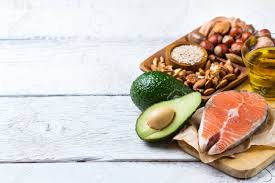
Fish, nuts, oils and avocado are healthy sources of....

a)

Fiber

b)

Protein

c)

Minerals

d)

Fat

48.

Everything that has mass and that takes up space is called...

a)

energy

b)

matter

c)

molecule

d)

atom

49.

The smallest part of an element is ________.

a)

a solution

b)

an atom

c)

a compound

d)

a molecule

50.

Protons have a _____________________ charge.

a)

Negative

b)

Neutral (no charge)

c)

Positive

51.

Neutrons have a _____________________ charge.

a)

Negative

b)

Neutral (no charge)

c)

Positive

52.

Electrons have a _____________________ charge.

a)

Negative

b)

Positive

c)

Neutral (no charge)

53.

Which of the following are elements?

a)

Water

b)

Hydrogen

c)

Oxygen

d)

Salt

e)

Carbon

54.

What are the vertical columns on the periodic called?

a)

groups

b)

periods

c)

nonmetals

d)

metals

e)

metalloids

55.

What are the horizontal rows on the periodic table called?

a)

periods

b)

groups

c)

metals

d)

nonmetals

e)

metalloids

56.

What does the number of proton tell us?

a)

electrons

b)

atomic number

c)

atomic mass

d)

neutrons

57.

How do you calculate the number of neutrons? *

a)

Mass = Atomic number - Neutrons

b)

Mass - Atomic number = Neutrons

c)

Atomic number = Neutrons

58.

What is the name of the element? (Periodic table will be needed)

a)

sodium

b)

magnesium

c)

vanadium

59.

What is the atomic mass?

a)

58.693

b)

28

60.
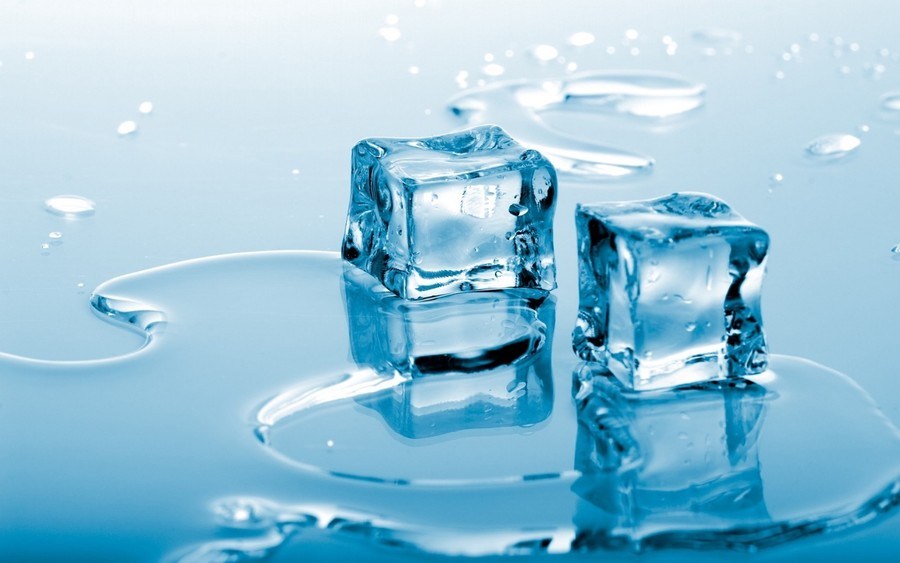
Water freezing into ice is an example of a...
a)
Physical Change
b)
Chemical Change
61.
A change that alters the physical properties of a substance without changing its composition.
a)
Physical Change
b)
Chemical Change
62.
A change in matter that forms one or more new substances with new chemical properties is a/an...
a)
Physical Change
b)
Chemical Change
63.
Which of the following indicates a PHYSICAL change?
a)
Change in temperature
b)
Change in shape
c)
Formation of a precipitate
d)
Change in color
64.
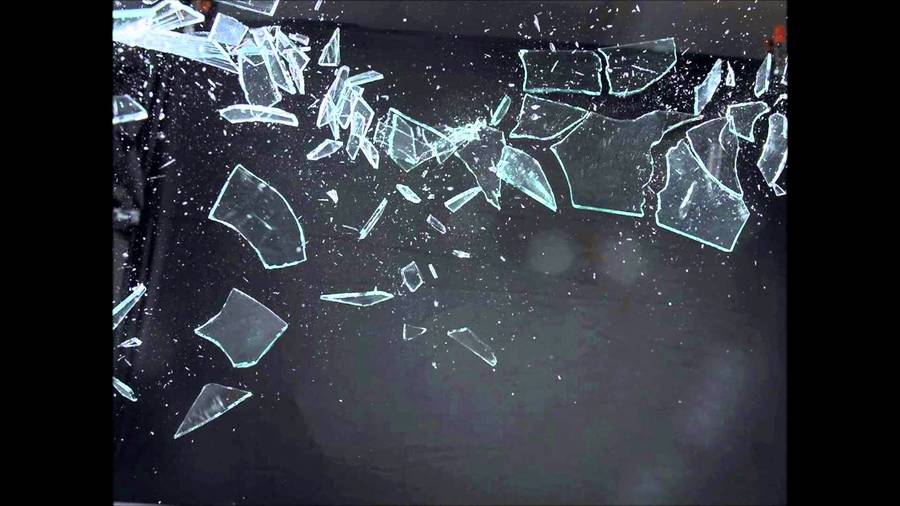
Chemical or Physical?  Glass breaking into tiny shards
a)
Chemical Change
b)
Physical Change
65.
Physical or Chemical Change?  Sodium metal burning in water.
a)
Physical Change
b)
Chemical Change
66.
a)
physical change
b)
chemical change
67.

In the chemical formula C12H22O11C_{12}H_{22}O_{11}  , how many H atoms are there?

a)

12

b)

22

c)

11

d)

45

68.

What happens to the total mass of the substances after a chemical reaction?

a)

It decreases.

b)

It increases.

c)

 It remains the same.

d)

It increases then decreases.

69.
If a reaction starts with a total 75g of reactants it should produce 
a)
a total of 40g of products
b)
a total of 75g of products
c)
a total of 180 g of products
d)
None of the above
70.
The reactants are on the left side of the chemical equation.
a)
True
b)
False
71.
Coal contains carbon and other elements. Carbon dioxide forms when coal burns in the presence of oxygen. Which of these is the best evidence that a chemical reaction occurs when coal burns?
a)
The shape of the coal changes
b)
Oxygen is present
c)
A new substance is produced
d)
Coal is made up of more than one element
72.
What is the left part of a chemical equation called?
H2 + O → H2O
a)
Reactants
b)
Products 
c)
Yields 
d)
Chemical Equation 
73.
Which solute is the most soluble at 10 ⁰C?
a)
KI
b)
KClO3
c)
NH4Cl
d)
NH3
74.

How many grams of CaCl2, are soluble in 100 g of water at approximately 17 ºC?

a)

58 grams

b)

70 grams

c)

0 grams

d)

12 grams

75.

How do objects become positively charged?

a)

They gain electrons

b)

They lose electrons

c)

Rubbing or Friction

76.

How do objects become negatively charged?

a)

They gain electrons

b)

They lose electrons

c)

Rubbing or Friction

77.

As the distance between magnets increases-the attraction between them will

a)

Decrease

b)

Stay the Same

c)

Increase

78.

How can the strength of an electromagnet increase?

a)

Remove the battery

b)

Remove loops (coils) of wire from around the iron nail

c)

Add more loops (coils) of wire around the iron nail

d)

Remove the iron nail, leaving only the coils of wire

79.

What is magnetic force?

a)

Attraction or repulsion that arises between electrically charged particles because of their motion

b)

How strong a magnet is

c)

Force resulting from interaction between electrically charged particles

d)

The size or quantity of something

80.

Students attached both ends of a long wire to the poles of a battery and wrapped the wire around a spoon. In this arrangement, the spoon is able to pick up five paper clips. The students wrap more wire around the spoon and want to determine if the strength of the magnetic force has increased. Which of the following observations would indicate that wrapping more wire has increased the strength of the electromagnet?

a)

More wire was needed to wrap around the spoon.

b)

The spoon now picks up seven paper clips.

c)

Eventually, the battery runs out of energy.

d)

The ends of the wire must touch the battery's poles.

81.

What will happen as an electron (-) gets closer to a proton (+)?

a)

The repulsion will be stronger.

b)

The attraction will be stronger.

c)

The attraction will be weaker.

d)

Nothing will happen to the electric field.

82.

Which position of the two magnets results in the greatest attraction between them?

a)

A

b)

B

c)

C

d)

D

83.

If the magnets above were brought close together they would…

a)

attract each other with a a strong force

b)

repel each other with a strong force

c)

attract each other with a weak force

d)

repel each other with a weak force

84.

What type of circuit is shown in the picture?

a)

Series circuit

b)

Parallel circuit

c)

Open circuit

85.

An iron nail wrapped with copper wire and attached to a battery makes —

a)

Permanent magnet

b)

Electromagnet

c)

Compass

d)

Metal magnet

86.

The force that causes objects with mass to attract one another.

a)

Weight

b)

Gravity

c)

Mass

d)

Magnetism

87.

The gravitational attraction between two objects would increase if both masses are –

a)

increased, and the distance between them is increased.

b)

increased, and the distance between them is decreased.

c)

decreased, and the distance between them is decreased.

d)

decreased, and the distance between them is increased.

88.

Why do planets orbit the Sun?

a)

The Sun is the only celestial object that has a gravitational pull.

b)

The Sun’s chemical composition makes it attract planets.

c)

Only celestial bodies that emit light, like the Sun, can be at the center of an orbit.

d)

The Sun is the most massive object in our solar system, so it exerts the greatest gravitational pull.

89.
A person would weigh less on on the Moon than on the Earth because . . .
a)
Moon has more mass, and therefore more gravity
b)
Moon has less mass, and therefore more gravity
c)
Moon has more mass, and therefore less gravity
d)
Moon has less mass and therefore less gravity
90.
What is a PUSH or PULL of an object?
a)
Motion
b)
Force
c)
Friction
d)
Gravity
91.
For every action, there is an equal and opposite reaction.
a)
Newton's
1st
Law of Motion
b)
Newton's
2nd
Law of Motion
c)
Newton's
3rd
Law of Motion
92.
If an object is stationary (not moving) the forces acting upon it are _____________
a)
unbalanced
b)
weak
c)
balanced
d)
Hulk Smash!
93.

What force slows objects down and keeps them from moving?

a)

Acceleration

b)

Gravity

c)

Friction

d)

Net Force

94.
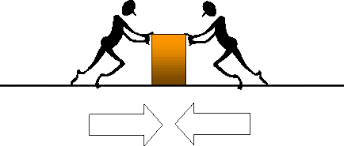
Which one is balanced?
a)
top
b)
bottom
c)
both
d)
neither
95.
What Unit do we Measure Force in? 
a)
Newtons
b)
Joules
c)
Force
d)
Kilograms
96.

The more mass an object has, the _______ force it takes to accelerate it.

a)

more

b)

less

97.
How does friction affect speed?
a)
more friction decreases speed
b)
more friction increases speed
c)
less friction decreases speed
d)
less friction doesn't affect speed
98.

If Kim won a 300 meter race in 40 seconds, her average speed was _____.

a)

15 m/s

b)

25 m/s

c)

7.5 m/s

d)

8.5 m/s

99.

Newton's First Law of Motion states that an object at rest stays at rest unless a _____ acts on it.

a)

Balanced force

b)

Net force

c)

Weak force

d)

Strong force

100.

Which object has the greatest inertia?

a)

Bowling ball

b)

Ping-pong ball

c)

Toothpick

d)

Pencil

101.

According to Newton's Second Law of Motion, _____.

a)

F = mv

b)

F = pv

c)

F = ma

d)

F = pa

102.
Which runner won the race?
a)
A
b)
B
c)
C
103.
How long did it take this object to travel 10 m?
a)
0 s
b)
10 s
c)
15 s
d)
20 s
104.
What is the person doing from 5 seconds to 10 seconds?
a)
Walking at a constant speed
b)
Running fast
c)
Not moving
d)
Walking slow
105.
Which of the following is best shown in the picture?
a)
Earth's revolution
b)
A month on Earth
c)
A year on Earth
d)
Earth's rotation
106.
Which of the following do the blue arrows represent in the picture?
a)
A day on Earth
b)
Earth's rotation around the Sun
c)
Earth's revolution around the Sun
d)
A month on Earth
107.
Which of the following amounts of time has gone by when the Moon makes 1 revolution around the Earth?
a)
1 month on Earth
b)
1 year on Earth
c)
1 day on Earth
d)
1 week on Earth
108.
Day and night are caused by _______________.
a)
Earth's rotation
b)
Earth's revolution
c)
Moon's revolution
d)
Moon's rotation
109.
List the following items from smallest to largest.
a)
universe, solar system, galaxy
b)
galaxy, solar system, universe
c)
solar system, galaxy, universe
d)
solar system, universe, galaxy
110.

How do you call this phenomenon?

a)

lunar eclipse

b)

ring of fire

c)

solar eclipse

d)

24-hours long night

111.

How would you call this lunar phase?

a)

last quarter

b)

full moon

c)

first quarter

d)

new moon

112.

A large collection of stars, dust, and gas held together by gravity is a.........

a)

solar systerm

b)

galaxy

c)

constellation

d)

astronomy

113.
The largest asteroid is :
a)
Found between Mars and Earth
b)
Found between Saturn and Jupiter
c)
Found between Mars and Jupiter
d)
Found between Earth and Venus
114.
The picture is showing a ____tide. 
a)
Spring 
b)
Neap
c)
Winter
d)
Night
115.
A spring tide is a ____ than normal high tide
a)
Lower
b)
Smaller
c)
Wider
d)
Higher 
116.
In winter, the axis of the earth is pointed away or toward the sun?
a)
towards
b)
up
c)
down
d)
away
117.
Why is the Equator warmest?
a)
Because it is closest to the sun.
b)
Because it receives the most direct sunlight
c)
Because no clouds form here.
d)
Because it is far from the sun
118.
Which season is taking place in the Northern Hemisphere in Position 1?
a)
Winter
b)
Spring
c)
Summer
d)
Fall
119.
Which season is taking place in the Northern Hemisphere in Position 3?
a)
Winter
b)
Spring
c)
Summer
d)
Fall
120.
If its ____ in the Northern hemisphere, then its summer in the Southern hemisphere. 
a)
spring
b)
summer
c)
fall
d)
winter
121.

Why is summer warmer than winter?

a)

The hemisphere experiencing summer is tilted more directly toward the sun

b)

During summer, the entire planet is closer to the sum

c)

The sun radiates more energy during the summer

d)

The earth spins slower on its axis during the summer