
Font size
 Worksheets
FPSC Zoology Theory of Evolution & Hormones
Total questions: 115
Worksheet time: 9hrs 58mins

This is an example of an:


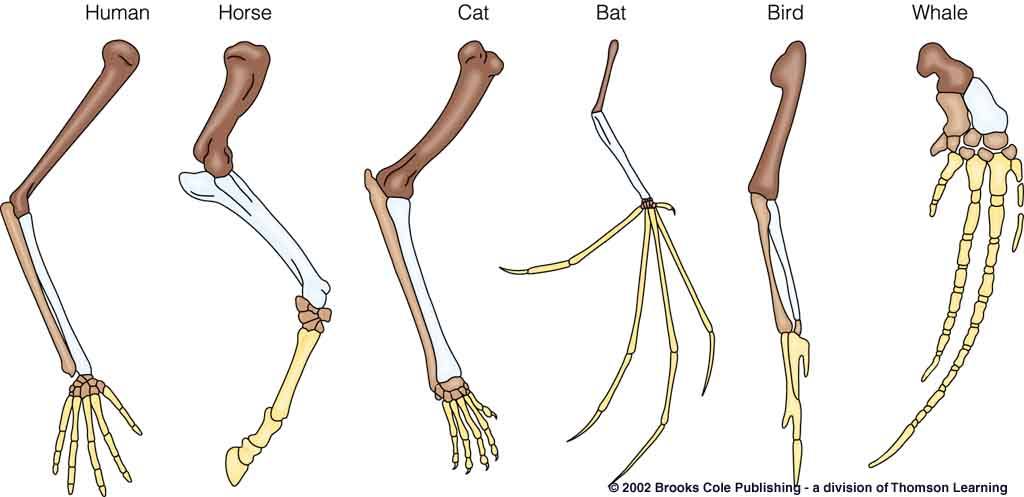

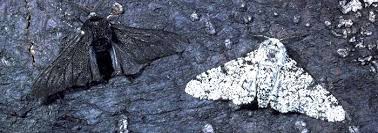
Of the four parts of natural selection, which is this an example of?

Of the four parts of natural selection, which is this an example of?
Of the four parts of natural selection, which is this an example of?
Of the four parts of natural selection, which is this an example of?
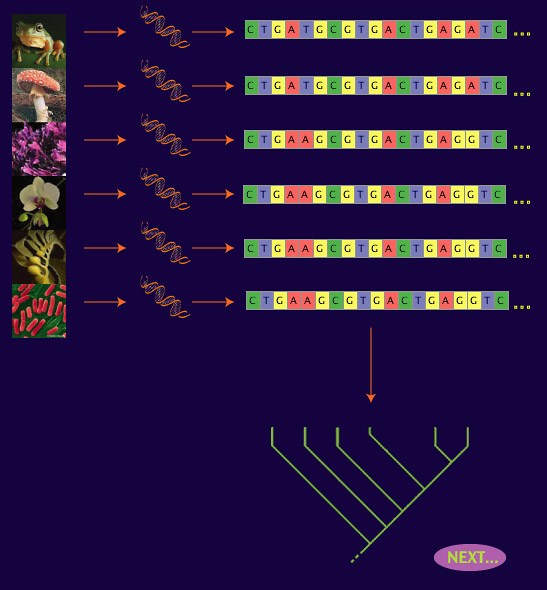
DNA
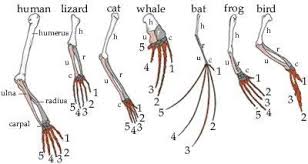
common bone structures
developmental similarities
DNA
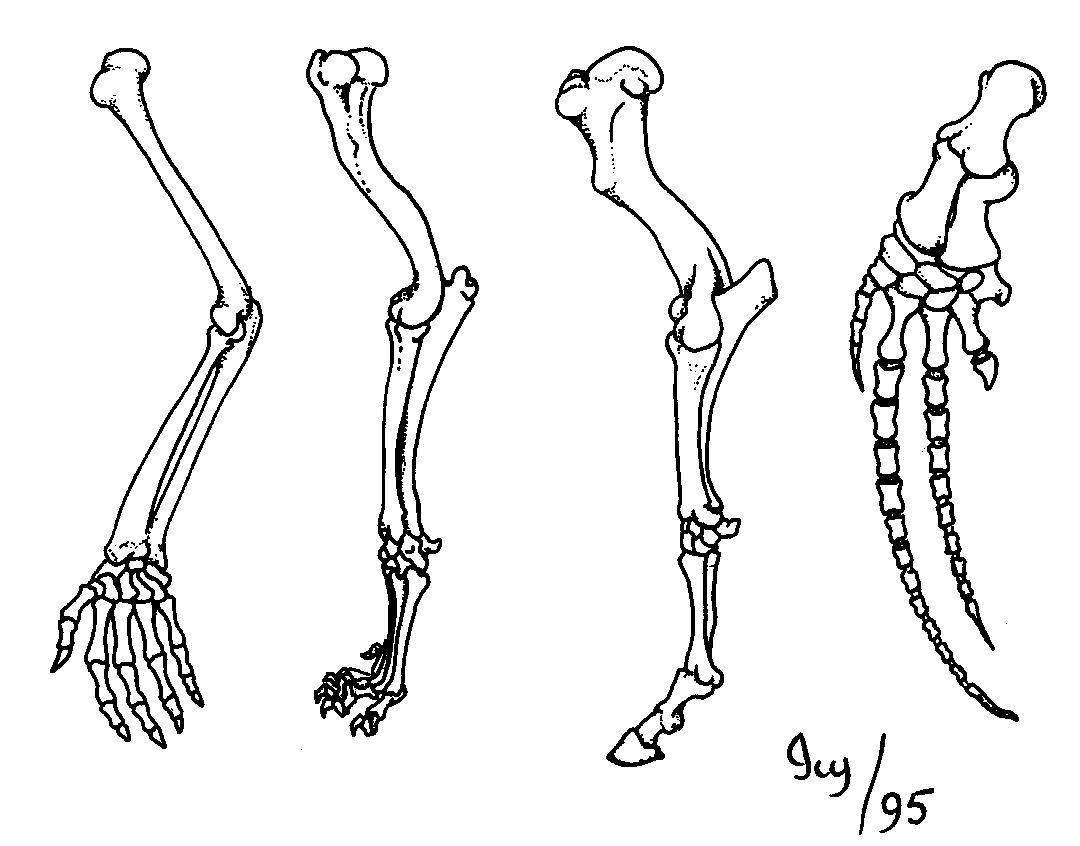
common bone structures
saliva
common bone structures
plants
developmental similarities
DNA
common bone structures
developmental similarities



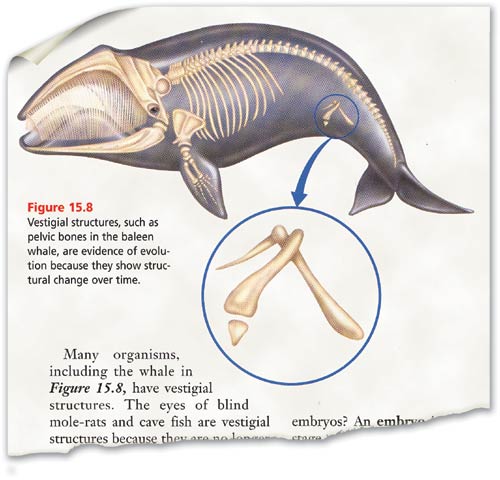


What is the theory that states life and the universe cannot have arisen by chance and was designed and created by some intelligent entity.
evolutionary theory
intelligent design
natural selection
artificial selection
What is an example of artificial selection?
Letting dogs choose their own mate
Letting plants pollinate on their own
Crossing a labrador and a poodle to create a labradoodle
1. The process of humans choosing parent organisms to breed for desired characteristics is called
natural selection
Artificial selection
random selection
genetic manipulation
1. Artificial selection has been a big factor in the evolution of:
Dogs
Panda bears
Snakes
Jellyfish
True or False: Thyroid hormones are protein-based
True
False
What is the function of parathyroid hormone?
Raising blood calcium levels
Lowering blood calcium levels
Raising blood glucose levels
Lowering blood glucose levels
What is the function of calcitonin?
Stimulates osteoclasts
Lowers blood calcium levels
Raises blood calcium levels
Stimulates osteoblasts
What hormones do the thymus secrete
TH
thyroxines
thymosins
thymines
What hormone does the adrenal cortex secrete
aldosterone
noepinephrine
cortisol
cortisone
Jet lag is associated with the changes in secretion of a hormone from the
thyroid gland
adrenal gland
pineal gland
pituitary gland
Gland that plays a role in break down of bone
Pituitary gland
thyroid
parathyroid
thymus
Epinephrine and norepinephrine are produced in what structure?
adrenal medulla
adrenal cortex
pineal gland
thyroid gland
Gland that manufactures corticosteroids
kidneys
pancreas
adrenal glands
pineal gland
A second messenger for any water-soluble hormone is
G-protein
ADP
cAMP
Ach
The metabolic rate of most body tissues is controlled by
corticosteroids
growth hormone
parathyroid hormone
thyroid hormone
The hormone melatonin is synthesized by which gland?
thyroid
adrenal gland
pancreas
pineal gland
Organ that is responsible for maintaining blood glucose
pancreas
spleen
liver
kidneys
alpha cells produce
globulins
glucagon
glucose
insulin
Hyperglycemia is
abnormally low glucose levels in the blood
abnormally high glucose levels in the blood
abnormally high insulin levels in the blood
abnormally low insulin levels in the blood
This helps raise blood glucose levels
glucagon
glycerin
glycogen
insulin
This lowers blood glucose levels
insulin
glucagon
glycerine
glycogen
Beta cells produce
globulin
glucagon
glucose
insulin
Takes up roughly 99% of pancreatic volume
Exocrine Pancreas
Endocrine Pancreas
The large gland that has exocrine and endocrine function
pineal gland
kidney
pancreas
adrenal gland
The diabetes where not enough insulin his produced
Type 1
Type 2
The most common diabetes
Type 1
Type 2
The heart produces which hormones in response to elevated blood volume
ANP
BNP
CNP
ADP
"Stress Response"
General exhaustion syndrome
General resistance syndrome
General stress syndrome
General adaptation syndrome
Any condition that threatens homeostasis
resistance
stress
exhaustion
dehydration
Which eicosanoid coordinates cellular activity such as blood clotting and inflammation?
leukotrienes
paracrines
prostaglandins
Hormone secreted in response to decreased blood sodium, blood pressure, or a rise in potassium concentration
cortisol
corticosterone
aldosterone
cortisone
Which eicosanoid coordinates local cellular activities such as inflammation and pain?
paracrines
prostaglandins
leukotrienes
Organ that disappears by young adulthood
thymus
thyroid
pancreas
parathyroid
The most abundant thyroid hormone
T3
T4
Hormone produced by adipose tissue
estradiol
leptin
prolactin
inhibin
The endocrine system works in conjunction with which system the most
nervous
circulatory
Water soluble hormones
Peptide hormones
Lipid hormones
Steroid hormones
The release of one hormone signaling the release of a second hormone
humoral stimuli
hormonal stimuli
neural stimuli
The nervous system directly stimulating hormone release is an example of
Humoral Stimuli
Hormonal Stimuli
Neural Stimuli
Location for receptors of protein-based hormones
cell membrane
inside of the cell
Lipid soluble hormones
peptide hormones
protein based hormones
steroid hormones
Steroid hormones derive from
proteins
calcium
carbohydrates
cholesterol
Lipid Derivatives
tyrosine
eicosanoids
tryptophan
polypeptides
Location for receptors for lipid based hormones
cell membrane
inside of the cell
Blood glucose levels triggering insulin release is an example of
humoral stimuli
hormonal stimuli
neural stimuli
Another name for pituitary gland?
(a)
The most active form of thyroid hormone
T4
T3
Regulation of prolactin is
Typical
Atypical
Hormone that stimulates iodine uptake for hormone synthesis
GH
TSH
LH
TBG
The outer region of the adrenal cortex that produces aldosterone and mineralocorticoids
zona reticularis
zona fasciculata
zona glomerulosa
Ensures that regulatory hormones reach cells in anterior pituitary before entering general circulation
hypophyseal portal system
pituitary gland
neurohypophysis
adenohyphysis
The middle region of the adrenal cortex that produces glucocorticoids such as cortisol, cortisone, and corticosterone
zona reticularis
zona fasciculata
zona glomerulosa
The inner region of the adrenal cortex that produces small quantities of androgens and stimulate development of pubic hair before puberty
zona reticularis
zona fasciculata
zona glomerulosa
tropic hormones are secreted by
posterior pituitary
anterior pituitary
thyroid
hypothalamus

