
 Worksheets
Evolution Question Bank
Total questions: 180
Worksheet time: 2hrs 24mins


Charles Lyell proposed theory of Uniformitarianism.
True
False

Who said changes are adaptations to the environment acquired in an organism’s lifetime?
Thomas Malthus,
Lamarck
Wallace said that organisms evolved from common ancestors.
True
False
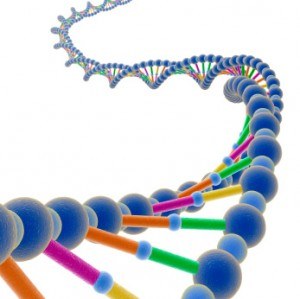
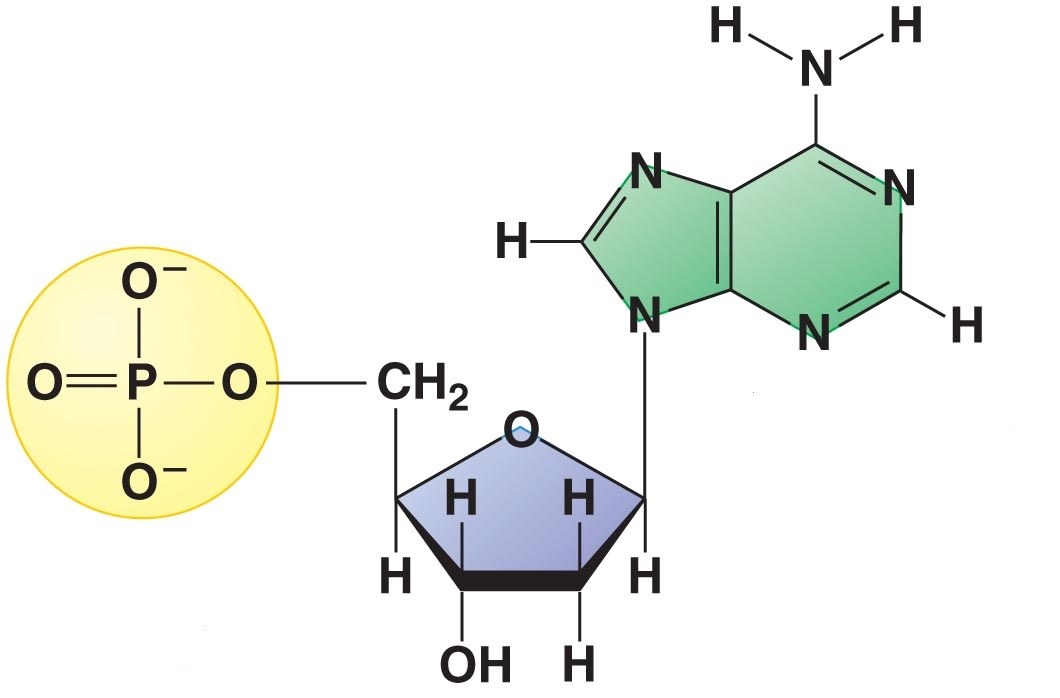
The DNA of your brain cells and your blood cells are
50% similar
Completely different
100% the same
75% similar

How the building blocks that allowed life to form came to be
How single celled organisms first arrived on earth
The building blocks of life (amino acids) could be formed from inorganic compounds
Which of the following evidence does not support the idea that RNA came before DNA
RNA is more often found in viruses than in living organisms
DNA is more stable and complex than RNA
RNA can be translated by viruses with DNA and incorporated into the genome
RNA is used to translate DNA into proteins
the movement of genes into or out of a population
Gene Flow
Random chance; small population
Genetic Drift
A sudden change in one or more characteristics due to a change in a gene
Mutation
Occurs due to physical difference as a result of a genetic difference
Non-Random Mating
The movement of organisms from one place to another
Migration

Which of the following best describes what the image represents?
Genetic Drift
Migration
Mutation
Natural Selection

Blue catfish are going extinct. A dam in a lake full of blue catfish bursts due to poor engineering and kills some of the blue catfish. This is an example of:
Natural Selection
Gene Flow
Mutation
Genetic Drift

Green rhinocerous beetles are some of the biggest beetles to exist on Earth. A green rhinocerous beetle leaves its group and wonders over to another group that only has red rhinocerous beetles and mates with the red beetles. This is an example of:
Gene Flow
Genetic Drift
Mutation
Migration
Process in which traits become more/less common due to some traits making it more likely for individuals to survive and reproduce
Natural Selection
Mutation
A random and permanent change to a gene
Natural Selection
Mutation
Mutations happen
at random
after adaptation
Why is it beneficial for a species to have varying traits?
If the environment changes, the population might be better able to adapt
They don't recognize each other.
Traits become more common in a population when it increases the probability of
survival
mutations

What type of selection is pictured here?
Directional
Disruptive
Stabilizing

What type of selection is pictured here?
Directional
Disruptive
Stabilizing
A lizard population lives in a very rocky area consisting of black rocks and white rocks. Black lizards can hide from predators by living on black rocks, and white lizards can hide from predators by living on white rocks. The intermediate grey colored lizard is found in fewer numbers because of its inability to hide from predators in this environment.
Directional
Disruptive
Stabilizing
During the ice ages, the black bears of Europe increased in size.
Directional
Disruptive
Stabilizing
In a population of field mice, coat color ranges from light tan to dark brown. Medium brown mice are found in greater abundance due to their ability to blend in with their surroundings.
Directional
Disruptive
Stabilizing
A population of Madagascar hissing cockroaches lives in a woodpile. It suffers predation from lizards. The lizards are unable to eat the very largest adult cockroaches, and instead prey upon small and medium sized adults. Eventually, the population of cockroaches has more large members overall.
Directional
Disruptive
Stabilizing
In a particular species of cactus, the number of spines on the stem determines their ability to survive and reproduce. A plant with too few spines is often eaten by thirsty herbivores. A plant with too many spines is often invaded by parasitic insects because the insects lay eggs at the base of the spines. Cacti plants with an average number of spines thrive in the environment.
Directional
Disruptive
Stabilizing
Match the following terms with their definitions
Evolution
a change in a species DNA over time because of natural selection
Adaptation
Any variation that makes an organism better able to survive
Variation
An inherited trait that makes and individual different
Mutation
A permanent change in the DNA
Extinction
When ALL members of a species die
Homologous Structure
Traits similar in two different species
Vestigial structure
Leftover traits that no longer have a purpose
Relative dating
measuring the position of a fossil in layers of rock to determine its age
Whales and dolphins both descended from a dog-like creature. What would we call the dog-like creature?
Great-Grandparent species
Old Species
A common ancestor
A common descendant
When nature "selects" a variation, that means that the trait:
Gets passed along from generation to generation
Causes the population to shrink
Has brought about a new species
Helps prey escape predators
Mutations are a change in what?
DNA
tRNA
protein
rRNA
A lizard population lives in a very rocky area consisting of black rocks and white rocks. Black lizards can hide from predators by living on black rocks, and white lizards can hide from predators by living on white rocks. The intermediate grey colored lizard is found in fewer numbers because of its inability to hide from predators in this environment.
Directional
Disruptive
Stabilizing
During the ice ages, the black bears of Europe increased in size.
Directional
Disruptive
Stabilizing
A particular bird species lays an average of 4 eggs per nesting season. If more than four eggs are produced, the parents may not be able to feed the hatchlings. If less than 4 eggs are produced, there is an increased risk that predators will take all the young that have been produced.
Directional
Disruptive
Stabilizing
In Darwin’s finches, beak size affects the mating call by changing the sound of the song. Birds with a medium sized beak attract fewer mates due to the unpopularity of their mating call.
Directional
Disruptive
Stabilizing
A particular environment experienced high rainfall over several seasons. During these wet years, small seeds were much more common than large seeds. Finches with smaller beaks thrived, and produced more offspring than finches with larger beaks.
Directional
Disruptive
Stabilizing
In a particular species of cactus, the number of spines on the stem determines their ability to survive and reproduce. A plant with too few spines is often eaten by thirsty herbivores. A plant with too many spines is often invaded by parasitic insects because the insects lay eggs at the base of the spines. Cacti plants with an average number of spines thrive in the environment.
Directional
Disruptive
Stabilizing
The fossils found closer to the surface of the ground are generally -
(a)
A bat wing and a butterfly wing are both used for flying but they are made differently. What type of structure is this?
Homologous structure
Analogous structure
Vestigial structure
Fossil structure
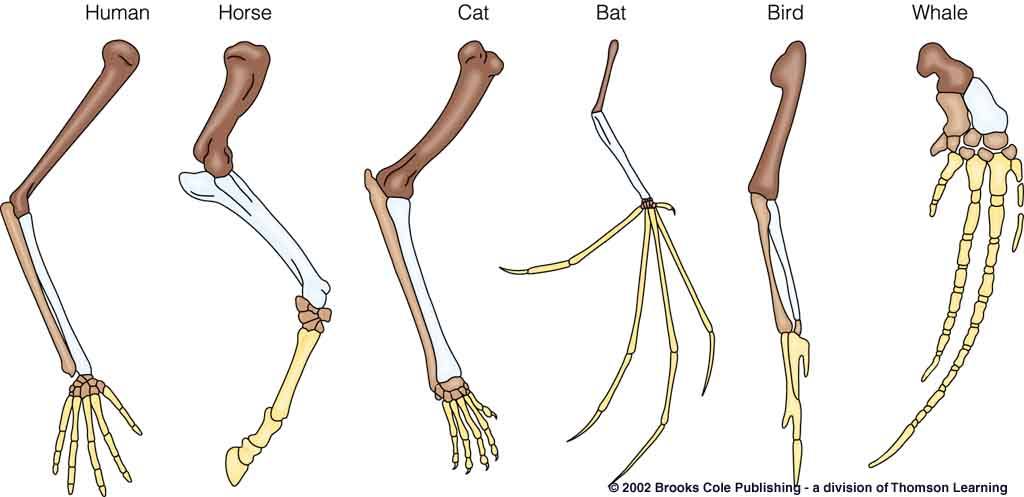
A human arm and a whale fin have similar bone structure but the whale fin is used for swimming and the arm is used for reaching and grabbing. What type of structures are these?
Homologous structures
Analogous structures
Vestigial structures
Fossil structures
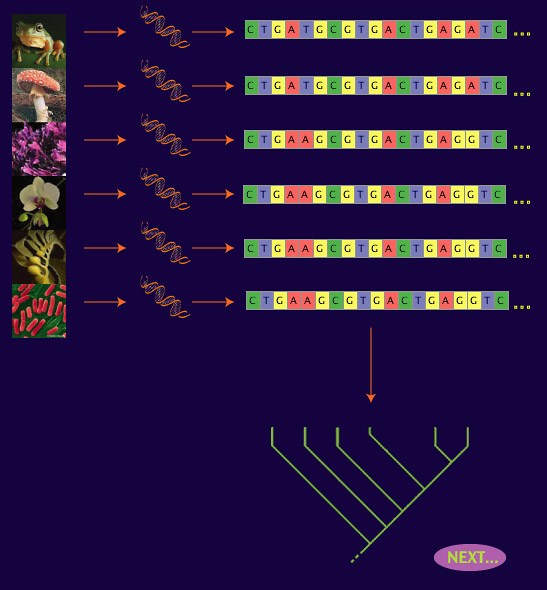
When comparing the DNA of two different organisms, the more differences in the DNA base pairs the more-
Closely related they are.
Distantly related they are.
It doesn't prove anything.
They look alike.

The moth wing and the bat wing are example of structures.
(a)

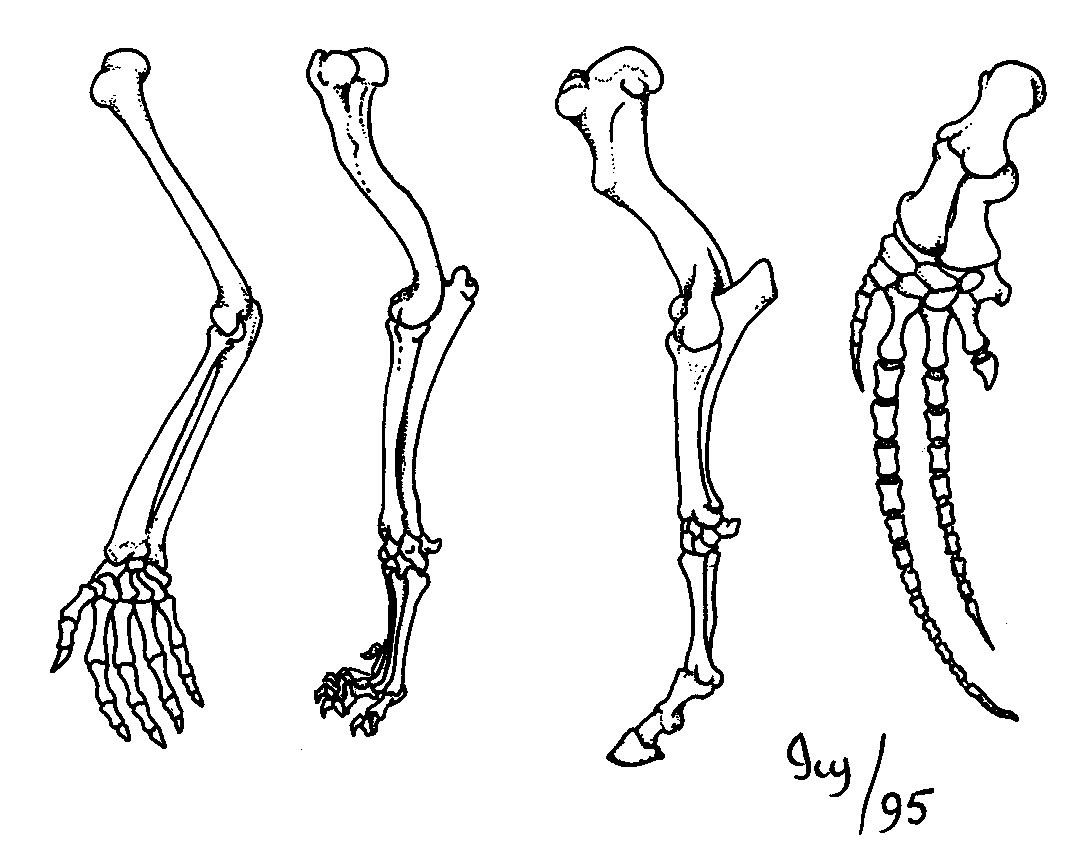
Which of the pictures above would be examples of homologous structures? (pick 2)
1
2
3

What type of evidence is shown with the diagram above?
Molecular
Anatomical
Embryological
Fossil

The similarities of bone structure in the diagram provide evidence of what?
The organisms probably use there forelimbs for the same thing.
The organisms evolved from a common ancestor.
The organisms have the same DNA.
All vertebrate species have identical forelimbs.
Analogous Structure
Same function different structure
Homologous Structure
Same structure different function
Comparative Embryology
Comparing embryological development of different species
Biochemical Evidence
Comparing DNA and amino acid sequences of different species
Vestigial Structures
Structures in the body of an organism that no longer work.
Which of the following is the correct definition of natural selection?
The idea that organisms less equipped for their environment tend to survive longer
The idea that organisms more well equipped for their environment tend to survive longer
The idea that organisms more well equipped for their environment tend to not survive
None.
Which scientist is considered the father of evolution?
Jean-Baptist Lamarck
Hershey and Chase
Charles Darwin
Carleous Linnaeus
Individuals undergo evolution.
True
False


To adjust to a changing environment via behavioral changes and not genetic changes

A new river forms and splits two populations, causing ______________ speciation
Sympatric
Allopatric
Extreme
Convergent
Orcas occur in the same habitat but some are avoiding each other and do not interbreed. They have different diets, vocal behavior, and social structures. What type of speciation is this?
Allopatric
Sympatric
Complex
Covergent
The emergence of a mountain range is an event that would lead to _______________ speciation
Allopatric
Sympatric
Temporal
Behavioral

Which of the following is an example of the bottleneck effect?
Cheetah populations reach their lowest levels with reduced diversity and as they rebound are so genetically similar they appear to be inbred.
Affected individuals with blue skin can trace their ancestry back to one of the first settlers in the region.
The environment of a fox population changes and over time foxes who are white survive and pass on their genes to their offspring.
Humans choose two dogs they like the characteristics of and breed them together.

Which of the following is an example of the founder effect?
Humans choose two dogs they like the characteristics of and breed them together.
Affected individuals with blue skin can trace their ancestry back to one of the first settlers in the region.
The environment of a fox population changes and over time foxes who are white survive and pass on their genes to their offspring.
Cheetah populations reach their lowest levels with reduced diversity and as they rebound are so genetically similar they appear to be inbred.
Genetic drift is change in the allele frequency of a population due to...
random chance
natural selection
non-random mating (sexual selection)
artificial selection
This mechanism of evolution occurs when populations migrate.
Extinction
Gene flow
Genetic drift
Natural Selection

In the model are rock strata and fossils. The fish fossil is in the first layer of the rock strata, is this the youngest or oldest fossil in these rock strata layers?
Youngest
Oldest


Where do adaptations come from?
The individual organism decides to adapt
Mutations that give an organism an advantage in its environment
Genetic recombination during meiosis
Both mutations and genetic recombination are sources of adaptation
Mutations are important because they bring about
death of the organism in which they develop
genetic variation needed for a population to evolve
benefits for the individual, not for the population
changes in genotype, but not phenotype

Why is competition important for natural selection?
It shows which variations are more successful, allowing the organisms with those variations to survive.
It causes organisms, regardless of which traits they have, to die out, reducing the population size.
It causes organisms to get stronger due to having to outcompete other species.
Competition is not important for natural selection.

The three species pictured do not share a common ancestor, yet have evolved to have a similar anatomy and life style. This is an example of ?
Homologous Structures
Divergent Evolution
Vestigial Organs
Convergent Evolution

The three species pictured share a common ancestor and have adapted so that each lives in a different environment. This is an example of
Law of Superposition
Evolutionary Arms Race
Divergent Evolution
Convergent Evolution

By what mechanism did the anoles on Puerto Rico diverge to occupy species specific niches?
Adaptive Radiation
Artificial Selection
Stabilizing Natural Selection
Coevolution

Each successive generation of gazelles and cheetahs becoming progressively faster is an example of ?
Coevolution
Evolutionary Arms Race
Natural Selection
Convergent Evolution

The yucca moth depends on the small soap weed for food, and the small soap weed is only pollinated by the yucca moth. This is an example of
Evolutionary Arms Race
Convergent Evolution
Coevolution
Adaptive Radiation

individuals with alleles for an extreme type are more likely to survive and reproduce
stabilizing selection
directional selection
disruptive selection
genetic drift

the selection pressure favors the extreme phenotypes, dividing the population into 2 distinct groups
directional selection
stabilizing selection
geographic selection
disruptive selection

Individuals with intermediate traits are more likely to survive and reproduce
stabilizing selection
directional selection
adaptive radiation
disruptive selection
Tall kelp have a distinct advantage over shorter kelp in receiving needed sunlight in their ocean environment
directional selection
disruptive selection
stabilizing selection
sexual selection
artificial selection
Aspen trees that are over 25 m tend to blow over in high winds; aspen that are under 15 m don't get enough sun
directional selection
stabilizing selection
disruptive selection
artificial selection
sexual selection
male elk use their antlers and size to compete with each other for the ability to mate with female elk
directional selection
stabilizing selection
disruptive selection
artificial selection
sexual selection

snails with a forward spiral and snails with a backward spiral have an advantage in their environment
directional selection
stabilizing selection
disruptive selection
artificial selection
sexual selection
Which of the following are not evidence of evolution?
Biogeography
Homologies
Fossils
Interpretations of data
The fossils found closer to the surface of the ground are generally -
Older & simpler
Younger & simpler
Younger & more complex
Older & more complex
A bat wing and a butterfly wing are both used for flying but they are made differently. What type of structure is this?
Homologous structure
Analogous structure
Vestigial structure
Fossil structure
A human arm and a whale fin have similar bone structure but the whale fin is used for swimming and the arm is used for reaching and grabbing. What type of structures are these?
Homologous structures
Analogous structures
Vestigial structures
Fossil structures
When comparing the DNA of two different organisms, the more differences in the DNA base pairs the more-
Closely related they are.
Distantly related they are.
It doesn't prove anything.
They look alike.
The human appendix and tail bone are both examples of a ______ structure.
Homologous
Analogous
Vestigial
Fossil
The moth wing and the bat wing are example of _____ structures.
Homologous
Analogous
Vestigial
Fossil
Which of the pictures above would be examples of homologous structures?
1 & 2
1 & 3
2 & 3
What type of evidence is shown with the diagram above?
Molecular
Anatomical
Embryological
Fossil
What is the most reliable source of evidences that is used to prove relativity of different organisms?
Fossils
Biogeography
Anatomical homologies
Molecular homologies (DNA)
For 25 years, farmers have used a common weed killer called Roundup to prevent weeds from growing in their fields. Recently, farmers have discovered more and more weeds growing among their crops despite spraying the fields with Roundup. What is the likely explanation for this?
weeds that are resistant to Roundup have been surviving and reproducing
Roundup becomes a weaker chemical over time
new weeds from other parts of the world have traveled to the farmers fields
spraying techniques used by farmers have become worse in the last 25 years
The similarities of bone structure in the diagram provide evidence of what?
The organisms probably use there forelimbs for the same thing.
The organisms evolved from a common ancestor.
The organisms have the same DNA.
All vertebrate species have identical forelimbs.
The diagram shows fossils in different rock layers. Which of these statements about the age of these fossils is most likely correct?
Fossil A and C are the same age
Fossil B is older than fossil C
Fossils A is older than fossil B
Fossil D is older than fossil C
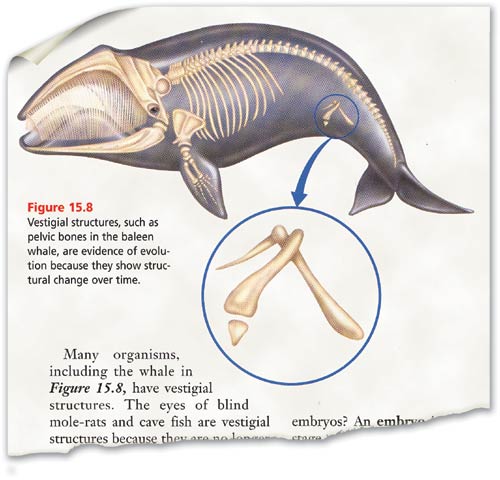
Which of these is not an example of a vestigial structure?
A whale's pelvis and femur.
A snake's hind legs.
A human's nose.
A human's appendix.

The picture below shows the forelimbs of three different organisms: a bat, a bird, and a horse. All of these animals originally are descended from a common ancestor. What is most likely responsible for the changes that occurred to form distinctly different organisms over millions of years?
The organisms' environments changed, and natural selection diversified each species.
The damage from basic injuries cause mutations to occur that passed onto offspring.
The organisms created new traits and species through selective breeding.
The introduction of humans allowed for artificial selection to take place.
Which is NOT evidence for evolution?
Many animals have homologous structures due to common ancestry
Many animals have vestigial structures from an ancestor
We can observe changes in life forms by observing the fossil record
All of these are evidence for evolution

What conclusion can you draw from the fact that many modern whale species have vestigial pelvic and leg bones?
The ancestors of whales may have been land mammals.
Whales could walk if they wanted to.
Whales are preparing to evolve into land animals.
Someday whales will be able to walk and will have legs.
Is the preserved remains or impressions of ancient organisms in which scientists use to learn about the evolutionary history of species.
Evolution
Fossil evidence
Molecular Evidence
The similarities and differences between genomes or complete set of genetic information confirms patterns of evolution.
Fossil evidence
Anatomical Structure
Molecular Evidence

The fossil of the archaeopteryx suggests that...
Reptilian dinosaurs evolved from birds
Birds evolved from reptilian dinosaurs
Evolution occurs in one generation
Birds and reptilian dinosaurs are unrelated
Biological fitness is defined as __________.
the ability of an organism to survive and reproduce
the average life span of an organism
the amount of energy an organism can use in the environment
the average life span of an organism
What do we call a change in a species over time?
Adaptation
Evolution
Extinction
Environmental influences


Process when breeders select individuals that have desirable traits that can be inherited by offspring
natural selection
artificial selection
adaptation
embryonic development
Individuals that have traits that allow them to survive in their environment and pass those traits to their offspring is called:
natural selection
artificial selection
karyotyping
selective breeding
Pattern of macroevolution when species living in similar environments evolve similar adaptations:
adaptive radiation
gradualism
coevolution
convergent evolution
Pattern of macroevolution when two or more species that live in close contact may affect how each species evolves:
adaptive radiation
gradualism
coevolution
convergent evolution

This diagram is called a:
karyotype
pedigree chart
cladogram
heterozygous tree

Charles Darwin came up with this theory
Evolution
Mutation
Descent with modification
The same species lives in the same area and have different appearances. What term can be used to describe this?
overpopulation
population
extinction
variation
Which of the following is a correct statement about the relationship between natural selection and evolution?
Natural selection results from evolution.
Natural selection includes evolution as a part of it.
Natural selection is the mechanism of evolution.
Natural selection and evolution are the same thing.
Recently, scientists have been able to use ___________to find common proteins and amino acids to determine how closely related species are.
DNA
Vestigial structures
Fossils
Homologous structures

What number is the common ancestor of C and D
1
2
3
4

What is the closest relative of humans shown in this diagram?
horse
turtle
monkey
dog

Which species are extinct? (Check all that apply.)
A
D
E
H
J
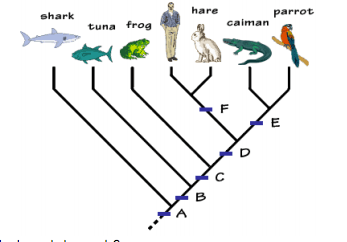
On the cladogram, which organism is the closest relative of the parrot?
Frog
Hare
Caiman
Parrot

Which species has gone extinct?
A
B
C
D
E
Which of the following describe Darwin's theories of evolution?
Organisms have to adapt to survive or they will become extinct
All organisms have a common ancestor
Organisms can survive in any environment
Modifications over time are what cause a species to evolve

Scientist(s) who believed that Earth was shaped by geological forces and that Earth was millions of years old
James Hutton
Charles Lyell
Jean-Baptiste Lamarck
Thomas Malthus
In what major way did Darwin's ideas diverge from Lamarck's?
Lamarck thought changes to an individual animal during its lifetime would be passed on to offspring
Lamarck believed that environmental pressures drive evolution
Lamarck thought that animals would not have had time to evolve in Earth's short history
Lamarck did not believe that species could change over time
Which of these animals contributed a lot of data to Darwin's work?
Galapagos tortoises
Finches
Frogs
Beetles
Iguanas
Which of these would be a Darwinian explanation for why giraffes changed over time?
Giraffes needed longer necks to reach food, so they stretched their necks and passed longer necks to next generation.
Giraffes needed longer necks to reach food. Those with shorter necks starved and died out, while those with longer necks survived and reproduced more long neck giraffes.
What does evolutionary FITNESS refer to?
An organism's ability to travel long distances or move heavy objects
An organism's ability to fight off stronger predators
An organism's ability to survive & compete
An organism's ability to survive & reproduce

