
 Worksheets
College Biology Unit 3 Review 2025
Total questions: 136
Worksheet time: 3hrs 44mins

What is the process through which the majority of ATP is produced?
Photosynthesis
Respiration
Exercise
Nucleotides

Which of these organisms produce ATP through cellular respiration?
Plants
Animals
Both
Neither

What is used or released when ATP becomes ADP?
phosphate released / energy used
phosphate used / energy released
phosphate released / energy released
phosphate used / energy released

Which macromolecule has the quickest release of energy?
Carbohydrates
Lipids
Proteins
Nucleic Acids

What is ATP used for?
It is recharged to be used later.
As a backbone for DNA.
Special cell actions that require large amounts of energy.
Any cellular process requiring energy.

Which enzyme helps attach a phosphate onto ADP?
ADPase
ATPase
ATPsynthase
Ace of Base


What is an enzyme that catalyzes the reaction in which a free Phosphate is added to an ADP molecule
ADP synthase
ATP polymerase
ATP synthase
ATT synthase
Where is the site of photosynthesis
chlorophyll
chloroplast
chromosome
chlorine
What is the electron acceptor in the light reactions
ATP
ADP
NADP+
ATT
What are the series of reactions taking place in the thylakoid membrane in which light is absorbed and energy is transferred to molecules of ATP and NADPH
Calvin cycle
dark reactions
light reactions
ATP reactions
What are the series of reactions in which energy from ATP and NADPH is transferred to molecules of glucose
Calvin cycle
light reactions
ATP reactions
chlorophyll reactions
What are the disc like structures found within the chloroplast that are the site of the light reactions
chlorophyll
stroma
thylakoid
glucose
What is the fluid that fills the chloroplast
chlorophyll
stroma
thylakoid
glucose
What are the series of proteins and enzymes located in the thylakoid membrane that use the energy from electrons to create ATP?
electron auto acceptor
electron transport chain
electron auto energizer
electron transporter
What is the pigment that absorbs red and blues and reflects green; primary pigment in photosynthesis
chlorophyll
caretonoids
Xanthophylls
flavonoids
What is the pigment that reflect orange, red, and yellow; accessory pigments in photosynthesis
chlorophyll
caretonoids
Xanthophylls
flavonoids
What organelle does ATP process happen.
Mitochondria
Nucleus
Lysosomes
Ribosomes
In what process is ATP produced?
Mitochondria
Energy
Adenine
Cellular respiration
What does FADH2 and NADH bring to the electron transport chain?
Oxygen
Water
Electron
ATP
ATP synthesis by ATP synthase is driven by
H+ movement
electron movement
NADH movement
FADH2 movement
Which of the following processes creates the most ATP during aerobic cellular respiration?
glycolysis
fermentation
electron transport chain
Citric acid cycle
ATP synthesis by ATP synthase is driven by
H+ movement
electron movement
NADH movement
FADH2 movement
What are the byproducts of aerobic respiration?
Contains enzymes for the Krebs cycle.
cristae
matrix
inner membrane
outer membrane
Where does glycolysis take place?
Cytosol
Mitochondrial Matrix
Mitochondrial Cristae
Stroma
Thylakoid Membrane
What is the input of glycolysis?
glucose
pyruvate
NADH
G3P
What is the output of glycolysis? (3 choices)
glucose
2 pyruvate
2 NADH
2 ATP
2 FADH2
What is the main function of glycolysis?
To complete the breakdown of glucose
To generate a proton gradient and synthesize ATP
To split a glucose molecule in half and synthesize NADH and 2 ATP
In the electron transport chain, Oxygen acts as...
a carrier of electrons, passing electrons down the chain
a reducing agent
the final electron acceptor
a coenzyme
Light-independent reactions of photosynthesis in which energy from ATP and NADPH is used to build high-energy compounds such as sugar
Stroma
ATP synthase
Calvin Cycle
Electron Transport Chains
Principal pigment of plants and other photosynthetic organisms
Stroma
Chlorophyll
NADP+
ATP
Set of reactions in photosynthesis that use energy from light to produce ATP and NADPH
Light-dependent
Light-independent
Calvin Cycle
Electron transport chains
Set of reactions in photosynthesis that do not require light; energy from ATP and NADPH is used to build high-energy compounds such as sugar; also called the Calvin Cycle
Light-dependent
Light-independent
Electron transport chain
ATP synthase
Organism that is able to capture energy from sunlight or chemicals and use it to produce its own food from inorganic compounds; also called a producer
Autotroph
Heterotroph
Thylakoid
Stroma
Where does oxidative phosphorylation (ETC) take place?
chloroplast
cristae
matrix
cytosol
cytosol
What are the reactants in cell respiration?
water, carbon dioxide, light
oxygen, sugar
sugar, water, carbon dioxide
Where does Kreb's Cycle occur?
mitochondria inner membrane
mitochondria matrix
cytoplasm
Anaerobic means
with oxygen
without oxygen
to run for a long time
What are the products of cell respiration?
water, light, and sugar
water, carbon dioxide, ATP
oxygen, water, sugar
Photosynthesis _________ the energy that cell respiration ______.
builds ; breaks
breaks ; build
eats ; builds
What product(s) coming out of photosynthesis can straight to mitochondria for energy?
carbon dioxide and sugar
sugar and oxygen
water and light
Where does anaerobic respiration occur?
mitochondria matrix
mitochondria inner membrane
cytoplasm
The process of photosynthesis enables plants to sustain themselves by creating...?
glucose
chlorophyll
water vapor
carbon dioxide
Photosynthetic plants transform radiant energy into...?
chemical energy
electricity
solar energy
heat energy
Which of the following is the correct chemical equation for cell respiration?
6CO₂ + C₆H₁₂O₆ + 6O₂+ ATP --> H₂0
CO₂ + H₂0 + light energy in Chlorophyll ---> C₆H₁₂O₆ + 6O₂
6CO₂ + 6H₂0 + light energy in Chlorophyll ---> C₆H₁₂O₆ + 6O₂
C₆H₁₂O₆ + 6O₂ ---> 6CO₂ + 6H₂0 + ATP
Which of the following is the correct chemical equation for photosynthesis?
6CO₂ + C₆H₁₂O₆ + 6O₂+ light energy in Chlorophyll ---> H₂0
CO₂ + H₂0 + light energy in Chlorophyll ---> C₆H₁₂O₆ + 6O₂
6CO₂ + 6H₂0 + light energy in Chlorophyll ---> C₆H₁₂O₆ + 6O₂
C₆H₁₂O₆ + 6O₂ ---> 6CO₂ + 6H₂0 + ATP
Where do animals get the glucose that is needed for cellular respiration?
from the exercise they get
from the water they drink
from the food they eat
from the sunlight they get
Which organism(s) go through cellular respiration?
animals only
plants only
both animals and plants
decomposers

Anaerobic means without ________?
Nitrogen
Carbon Dioxide
Oxygen
Phosphorus

If oxygen is present, the Kreb's cycle occurs in the _______?
Cytoplasm
Matrix
Inner Membrane
Chloroplast
About how many ATP molecules are created by aerobic cellular respiration?
0
2
36
12
Which of the following is NOT a stage of aerobic cellular respiration?
glycolysis
Krebs Cycle
fermentation
ETC
Fermentation and Aerobic Respiration produce different amounts of ATP. What is the correct pairing of amount of ATP produced?
Fermentation = 2; Aerobic Respiration = 36
Fermentation = 4; Aerobic Respiration = 32
Fermentation = 36; Aerobic Respiration = 2
Fermentation = 2; Aerobic Respiration = 32
What are the products of anaerobic in yeast?
I. ATP
II. CO2
III. Ethanol
IV. Lactic Acid
I, II and III
I, II and IV
I, III and IV
II, III and IV
Plants (Select all that apply)
Perform photosynthesis
Perform cellular respiration
Lactic Acid Fermentation
Ethanol Fermentation
Types of fermentation are ___
(Select all that apply)
Bacteria
Yeast
Lactic Acid Fermentation
Ethanol Fermentation
What kind of respiration does yeast do when there is no oxygen present?
Aerobic Respiration
Fermentation
Photosynthesis
Which of these equations shows anaerobic respiration in animals?
Glucose + Oxygen -> CO2 + Water
Glucose -> Lactic Acid
Glucose -> Ethanol + CO2
The correct word equation for aerobic respiration is
carbon dioxide + water (+ energy) → glucose + oxygen
water + oxygen → carbon dioxide + glucose (+ energy)
glucose + oxygen → carbon dioxide + water (+ energy)
glucose + water → carbon dioxide + water (+ energy)
Exit: Carbon dioxide
Exit: Glucose
Exit: Oxygen
Exit: Water vapor
What is the first stage of photosynthesis called?
A. Light-dependent reactions
B. Calvin cycle
C. Electron transport chain
D. Krebs cycle
What is the main purpose of the Calvin cycle in photosynthesis?
A. Production of ATP
B. Production of NADPH
C. Production of glucose
D. Production of oxygen
•An enzyme that fixes carbon from atmosphere to convert it to complex macromolecule glucose.
RuBP (Ribulose bisphosphate)
RuBisCo (Ribulose Bisphosphate Carboxylase)
PGA (3-Phosphoglycerate)
G3P (Glyceraldeyhyde 3-Phosphate)
The place where the light reactions happen in the chloroplast..
Stroma
Grana
Inner Membrane
Thylakoid

What supplies the electron that is lost in the light reactions?
What is the function of NADP+ in the electron transport chain?
NADP+ acts as an electron carrier in the electron transport chain.
NADP+ acts as an electron donor in the electron transport chain.
NADP+ acts as an enzyme in the electron transport chain.
NADP+ acts as a catalyst in the electron transport chain.
Where does the Calvin cycle take place in the cell?
stroma
cell membrane
mitochondria
nucleus
During glycolysis, glucose breaks into
1 pyruvate
2 pyruvates
3 pyruvates
2 NADH

What's the chemical formula for glucose?
6C6HO6
C12H6O12
C6H12O6
CHO
The Electron Transport Chain (ETC) occurs across the ________ and so extra folds called ________ enable it to occur more often
Mitochondrial matrix, villi
Outer mitochondrial membrane, flagella
Inner mitochondrial membrane, cristae
Cytoplasm, endoplasmic reticulum
After strenuous exercise, a muscle cell would contain decreased amounts of ______ and increased amounts of ______ ____
glucose; ATP
ATP; glucose
oxygen; lactic acid
lactic acid; ATP
What process is found in both aerobic and anaerobic metabolism?
the Kreb's cycle
oxidative phosphorylation
the citric acid cycle
glycolysis
The final electron acceptor of aerobic respiration is _______ and this allows _______________ to continue.
oxygen, electron flow
water, citric acid cycle
carbon dioxide, aerobic respiration
NAD+, chemiosmosis
The main purpose of fermentation is to
produce oxygen
replenish NAD+ for glycolysis
replenish oxaloacetic acid for the Krebs cycle
produce ATP
It is possible for both prokaryotes and eukaryotes to perform glycolysis because it occurs in the _____________
mitochondrial matrix
inner membrane
cytoplasm
cell membrane
The electrons that transfer energy to pump protons across the inner mitochondrial membrane were supplied by
ATP and NADPH
NADH and FADH2
water and oxygen
Enzymes are an example of
Lipids
Carbohydrate
Protein
Nucleic Acid
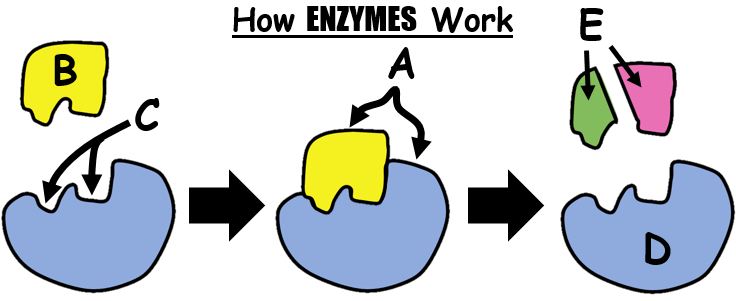

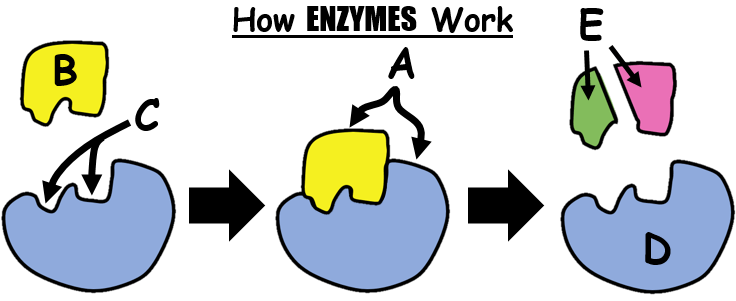
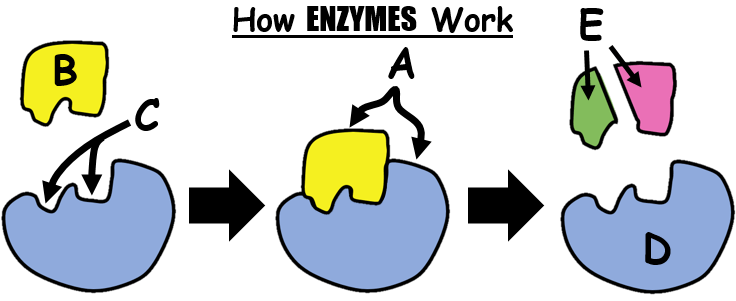
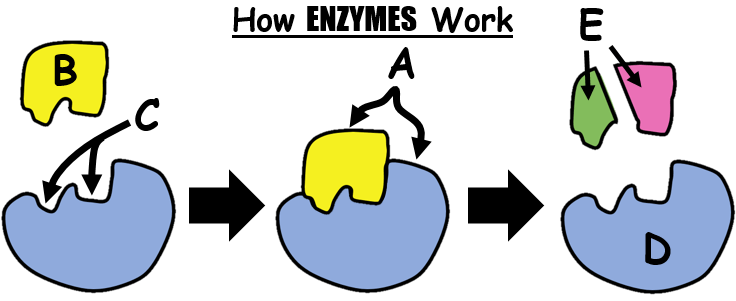
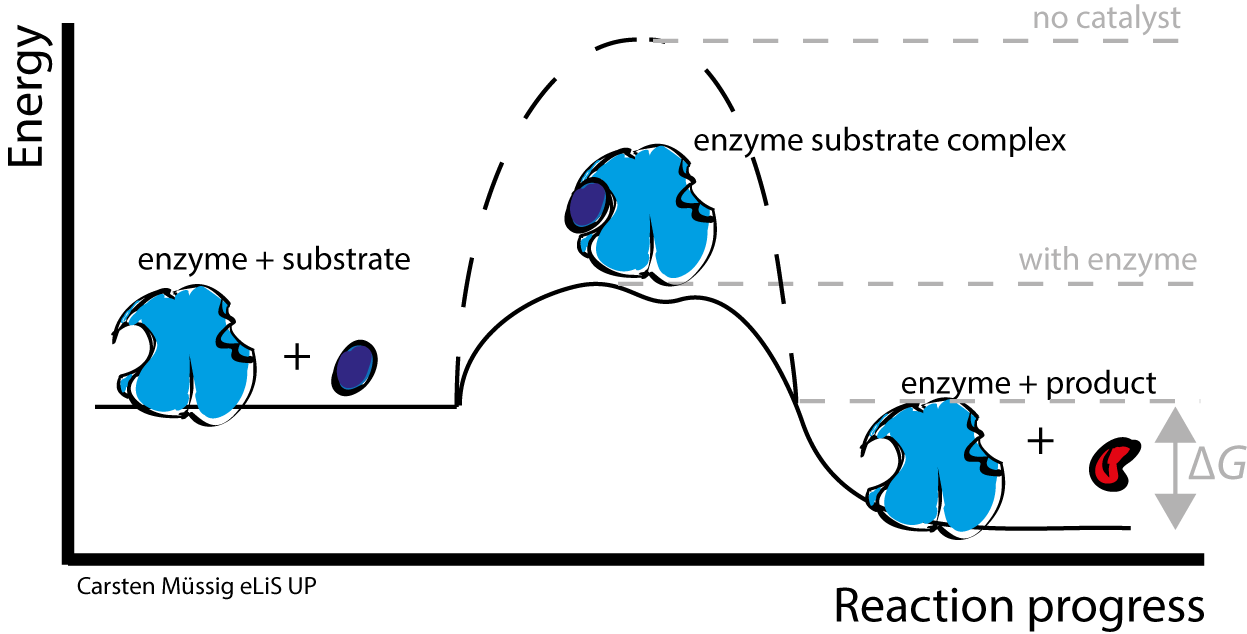
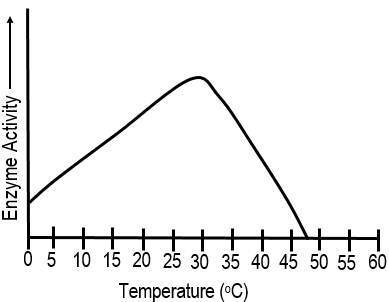
What happens when enzymes are heated to a high temperature?
The enzymes die.
The shape of the enzyme are changed and it denatures
The enzymes' amino acid sequence changes.
The enzymes remain the same
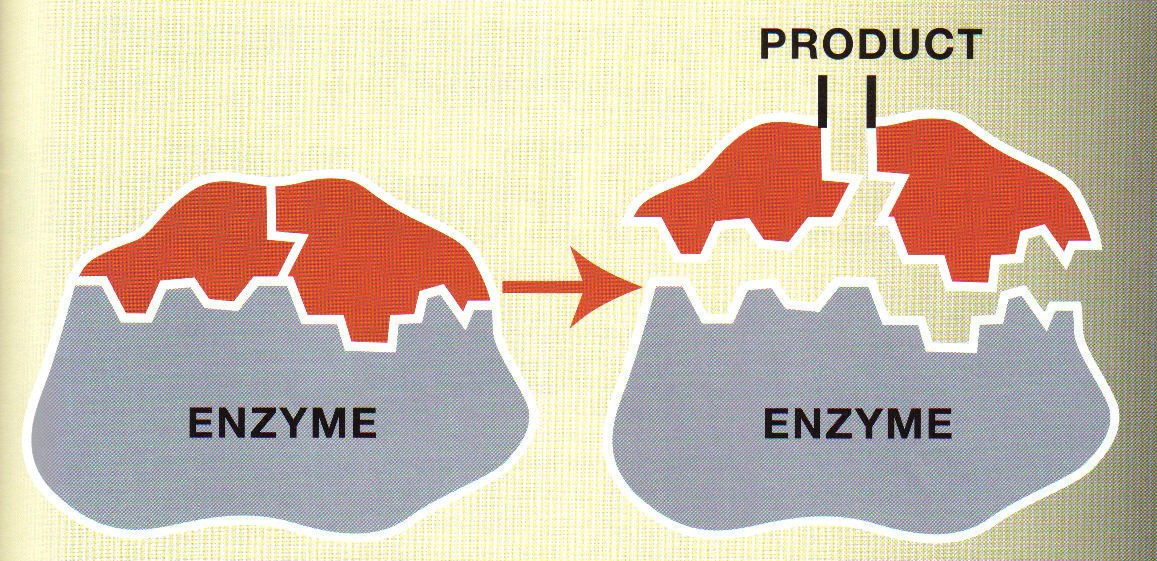
In the lock-and-key model of enzyme action, the __________ fits into the __________ of the enzyme.
product; substrate
active site; product
substrate; active site
active site; substrate
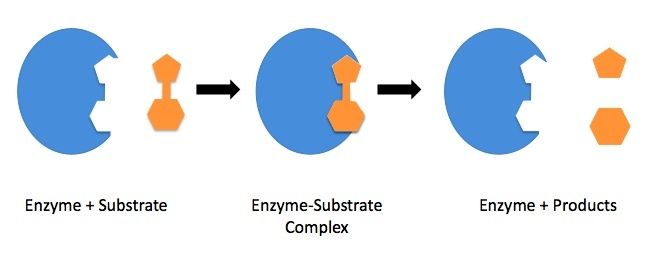
A receptor site that a molecule can bind to that changes the shape of the active site is called a(n):
Allosteric Site
Active Site
Activation site
Reactant site
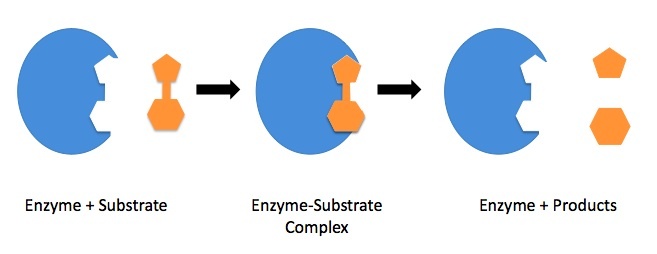
Which of the following is NOT true about allosteric regulation?
Regulatory molecules will bind to a place on the enzyme that is not the active site
It can amplify or inhibit enzyme activity
Allosteric inhibitors will compete with substrate for the active site
It helps a cell regulate its metabolism
Which of the following can be used to determine the rate of an enzyme-catalyzed reaction?
The rate of substrate formed
The decrease in temperature in the system
The rate of enzyme used up
The rate of substrate used up

