
 Worksheets
Physical science
Total questions: 187
Worksheet time: 11hrs 32mins
What law is best described
Equal and Opposite
1st
2nd
3rd
speed

What law is best described
A magician pulls a tablecloth out from under dishes and glasses on a table without disturbing them.
Newton's 1st Law
Newton's 2nd Law
Newton's 3rd Law

What law is best described
A person not paying attention while skateboarding hits a rock. The skateboard stops...they don't.
The Law of Inertia (1st law)
The Law of Acceleration (2nd law)
The Law of Conservation of Momentum
Action Reaction Law (3rd law)

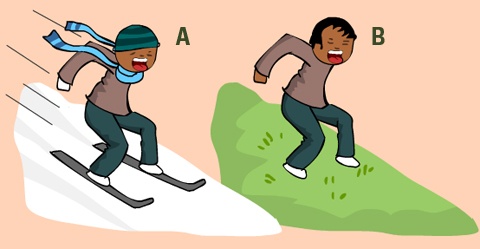



1st
Law of Motion
2nd
Law of Motion
3rd
Law of Motion
1st
Law of Motion
2nd
Law of Motion
3rd
Law of Motion
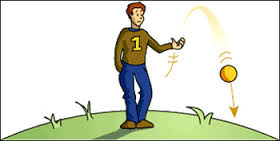
In what state of matter is kinetic energy the highest most likely?
Solid
Liquid
Gas
Which model is demonstrating what molecules in a solid look like.


Which model is demonstrating what molecules in a liquid look like.
Which model is demonstrating what molecules in a gas look like.
If thermal energy is increasing, what is happening to the kinetic energy.
Kinetic energy would be decreasing
Kinetic energy would stay the same
Kinetic energy would be increasing
The total kinetic energy of the tiny particles that make up matter.
Thermal Energy
Energy Transfer
Temperature
Heat
Movement of energy from one object to another.
Heat
Energy Transfer
Themal Energy
Temperature
Energy transferred between two objects with varying temperatures, always transferring from warmest to coldest until the two objects have equal temperatures.
Heat
Thermal Energy
Energy Transfer
Temperature

What type of heat transfer takes place when you touch a warm mug of hot chocolate?
Radiation
Convection
Conduction
None of the above

Conduction requires
Electricity
the electromagnetic spectrum and particles
air or water flow
direct contact

Heat transfer always moves ...
cold to hot
east to west
hot to cold
north to south

The following diagram shows water in contact with an ice cube and warmer air.
Which way will energy flow?
From the air to the water
From the water to the air
From the ice cube to the air
From the ice cube to the water


Where do we see conduction in a pot of boiling water on the stove?
The water heats up by touching the hot, metal pot.
The steam from the hot water rises out of the pot.
The heat from the fire can be felt on all sides.

The handle of a metal spoon warms up when it is placed in a hot bowl of soup because of ________.
convection
conduction
radiation

You get sunburned due to __________ from the sun.
conduction
convection
radiation

Near the ceiling of a room the air is warmer. The warm air rises because of ________.
conduction
convection
radiation

The heat from a lamp allows a lizard to remain warm. This is an example of which type of heat transfer?
radiation
conduction
convection

The type of heat transfer that creates currents in water is called ________.
conduction
convection
radiation

Fossil fuels such as oil, coal, and natural gas are formed —
on the Earth’s surface
deep underground
by the ocean’s waves
from the sun’s rays

Most of the energy used in the United States comes from —
nonrenewable sources
renewable sources
wind energy
solar power

How does the technology shown transform energy?
Radiant energy → Mechanical energy
Electrical energy → Radiant energy
Thermal energy → Mechanical energy
Mechanical energy → Electrical energy

From what natural resource are fossil fuels created?
Sunlight
Rocks and minerals
Decayed plants and animals
Wind and water

Hydroelectric power produces energy using —
wind
sunlight
moving water
coal

A student found an endangered plant growing beside a park walking trail. The student gathered seeds from the plant and grew them indoors. Later, the new seedlings were planted back in the park. This is an example of —
reduce, reuse, recycle
resource renewal
nonrenewable energy
natural disasters

Which energy source would decrease in power during a drought?


Fossil fuels are considered nonrenewable because they —
take millions of years to form
can easily be replaced by humans
cause pollution when burned
burn up at a faster rate than renewable resources

What are FOUR harmful consequences of energy use?
Air pollution
Habitat loss
Loss of wildlife
Water pollution
Never replacing renewable sources

Why is it necessary for people to find and use new forms of energy?
Fossil fuels no longer exist on Earth.
Fossil fuels are unlimited.
Wind, solar, and water power are nonrenewable resources.
Coal, oil, and natural gas are nonrenewable resources.

Solar panels transform energy from —
radiant to thermal
radiant to electrical
electrical to radiant
thermal to electrical

Which will take the longest to occur?
Collecting sunlight in solar panels
Converting wind power into electricity
Forming new fossil fuels
Growing new trees after a fire

What would be the best title for this book?
Resources That are Running Out
Types of Pollution
Resources That Generate Electricity
Human-made Resources

According to the graph, which energy resource affects the environment the least?
solar
wind farm
hydroelectric dam
coal mine

What challenges might engineers face when designing ways to harness wind energy?
Towers are cheaper than they were 25 years ago.
Some dams can harm the environment.
Some days are cloudy and there is no sunlight.
Spinning turbine blades can be very noisy.

If a company followed green energy initiatives, which picket sign would it NOT hold?


Which THREE energy sources are renewable?
sunlight
petroleum
moving wind
moving water
coal

What are some ways to reduce a home electric bill?
Unplug appliances when they are not in use.
Dry clothes on an outside clothesline.
Take longer showers instead of baths.
Leave lights on in a bright, sunny room.
Use cloth napkins instead of paper napkins.

A student conducted an investigation to measure how well a thermos was insulated. The student measured the temperature of a liquid before putting it into the thermos, and then measured the temperature of the liquid one hour later. What metric unit did the student use to collect data?
Meters
Degrees Celsius
Centimeters
Degrees Fahrenheit

Based on the bar graph, how many days were sunny in the month of May?
19
58
11
51
Petroleum, oil, and natural gas are examples of ______ fuels.
fossil
inexhaustible
unnatural
none of these
______ are substances that contaminate the environment.
Pollutants
Populations
Forests
Ozone
______ waste is any byproduct that results when radioactive materials are used.
Nuclear
Electrical
Chemical
Potential
A(n) ______ resource is one that is replaced as quickly as it is used.
renewable
nonrenewable
natural
unnatural
A photovoltaic cell converts ______ energy into electrical energy.
nuclear
wind
sound
radiant
Electricity produced from the energy of moving water is called ______.
static electricity
charged electricity
hydroelectricity
thermoelectricity
The process of converting waste materials into reusable materials is called ______.
Recycling
Composting
Incineration
Landfilling
______ energy is derived from the heat stored within the earth.
Solar
Geothermal
Wind
Hydro
______ is a non-renewable resource that is used to make gasoline and other petroleum products.
Coal
Oil
Wood
Solar
Fossil fuels such as oil, coal, and natural gas are formed —
on the Earth’s surface
deep underground
by the ocean’s waves
from the sun’s rays
Most of the energy used in the United States comes from —
nonrenewable sources
renewable sources
wind energy
solar power
How does the technology shown transform energy?
Radiant energy → Mechanical energy
Electrical energy → Radiant energy
Thermal energy → Mechanical energy
Mechanical energy → Electrical energy
From what natural resource are fossil fuels created?
Sunlight
Rocks and minerals
Decayed plants and animals
Wind and water
Hydroelectric power produces energy using —
wind
sunlight
moving water
coal
A student found an endangered plant growing beside a park walking trail. The student gathered seeds from the plant and grew them indoors. Later, the new seedlings were planted back in the park. This is an example of —
reduce, reuse, recycle
resource renewal
nonrenewable energy
natural disasters
Which energy source would decrease in power during a drought?
Fossil fuels are considered nonrenewable because they —
take millions of years to form
can easily be replaced by humans
cause pollution when burned
burn up at a faster rate than renewable resources
What are FOUR harmful consequences of energy use?
Air pollution
Habitat loss
Loss of wildlife
Water pollution
Never replacing renewable sources
Why is it necessary for people to find and use new forms of energy?
Fossil fuels no longer exist on Earth.
Fossil fuels are unlimited.
Wind, solar, and water power are nonrenewable resources.
Coal, oil, and natural gas are nonrenewable resources.
Solar panels transform energy from —
radiant to thermal
radiant to electrical
electrical to radiant
thermal to electrical
Which will take the longest to occur?
Collecting sunlight in solar panels
Converting wind power into electricity
Forming new fossil fuels
Growing new trees after a fire
What would be the best title for this book?
Resources That are Running Out
Types of Pollution
Resources That Generate Electricity
Human-made Resources
According to the graph, which energy resource affects the environment the least?
solar
wind farm
hydroelectric dam
coal mine
What challenges might engineers face when designing ways to harness wind energy?
Towers are cheaper than they were 25 years ago.
Some dams can harm the environment.
Some days are cloudy and there is no sunlight.
Spinning turbine blades can be very noisy.
If a company followed green energy initiatives, which picket sign would it NOT hold?
Which THREE energy sources are renewable?
sunlight
petroleum
moving wind
moving water
coal
What are some ways to reduce a home electric bill?
Unplug appliances when they are not in use.
Dry clothes on an outside clothesline.
Take longer showers instead of baths.
Leave lights on in a bright, sunny room.
Use cloth napkins instead of paper napkins.
A student conducted an investigation to measure how well a thermos was insulated. The student measured the temperature of a liquid before putting it into the thermos, and then measured the temperature of the liquid one hour later. What metric unit did the student use to collect data?
Meters
Degrees Celsius
Centimeters
Degrees Fahrenheit
Based on the bar graph, how many days were sunny in the month of May?
19
58
11
51
Petroleum, oil, and natural gas are examples of ______ fuels.
fossil
inexhaustible
unnatural
none of these
______ are substances that contaminate the environment.
Pollutants
Populations
Forests
Ozone
______ waste is any byproduct that results when radioactive materials are used.
Nuclear
Electrical
Chemical
Potential
A(n) ______ resource is one that is replaced as quickly as it is used.
renewable
nonrenewable
natural
unnatural
A photovoltaic cell converts ______ energy into electrical energy.
nuclear
wind
sound
radiant
Electricity produced from the energy of moving water is called ______.
static electricity
charged electricity
hydroelectricity
thermoelectricity
The process of converting waste materials into reusable materials is called ______.
Recycling
Composting
Incineration
Landfilling
______ energy is derived from the heat stored within the earth.
Solar
Geothermal
Wind
Hydro
______ is a non-renewable resource that is used to make gasoline and other petroleum products.
Coal
Oil
Wood
Solar
The total energy of all the particles in a substance is called
temperature
thermal energy
degrees
mass
The movement of thermal energy from a warmer object to a cooler object is called
heat
temperatur
motion
momentum
Heat transfer occurs
in many directions
both from warm objects to colder ones and from cold objects to warmer ones
only from warm objects to colder ones
only from cold objects to warmer ones
A measure of the average kinetic energy of the individual particles in an object is called
thermal energy
conduction
convection
temperature
Which particles are moving fastest?
Particles in ice.
Particles in boiling water.
Particles in water from the sink.
Particles in steam.

Petroleum, oil, and natural gas are examples of ______ fuels.
fossil
inexhaustible
unnatural
none of these
______ are substances that contaminate the environment.
Pollutants
Populations
Forests
Ozone
______ waste is any byproduct that results when radioactive materials are used.
Nuclear
Electrical
Chemical
Potential
A(n) ______ resource is one that is replaced as quickly as it is used.
renewable
nonrenewable
natural
unnatural
A photovoltaic cell converts ______ energy into electrical energy.
nuclear
wind
sound
radiant
Electricity produced from the energy of moving water is called ______.
static electricity
charged electricity
hydroelectricity
thermoelectricity
Petroleum is a flammable solid formed by decayed organisms.
Fossil fuels are renewable resources.
The thermal energy contained in hot magma is called nuclear energy.
Photochemical smog results from the reaction between sunlight and vehicle exhaust.
A furnace uses thermal energy.
Less natural resources are used in the United States per capita than in most countries in the world.
solar energy _______________________
wind energy _______________________
tidal energy _______________________
geothermal energy _______________________
fossil fuel energy _______________________
Explain What is a nuclear chain reaction?
Would you say that the usage of nuclear power in the modern world is wise or not? Explain your reasoning. If you like, use the terms electricity, efficiency, uranium, environment, and radioactive.
The process of converting waste materials into reusable materials is called ______.
Recycling
Composting
Incineration
Landfilling
______ energy is derived from the heat stored within the earth.
Solar
Geothermal
Wind
Hydro
______ is a non-renewable resource that is used to make gasoline and other petroleum products.
Coal
Oil
Wood
Solar
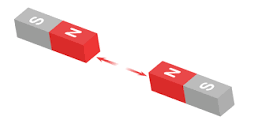
An electron's charge is:
negative
positive
neutral
forward
A proton's charge is:
negative
positive
copper, water, nuclear
reverse
A neutron's charge is
negative
positive
neutral
forward


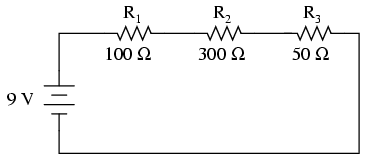


Voltage divided by Resistance
(V / R)
Current
Power
Ohms
Watts
(I X R)
What is the major difference between static electricity and current electricity?
Current electricity involves a continuous flow of elecrons; static electricity is a sudden transfer of protons
Current electricity can be deadly; static electricity is almost always safe
In current electricity, there's a single transfer of electrons; in static electricity, there's a steady flow of electrons
Current electricity involves a flow of electrons; static electricity involves a single transfer of electrons

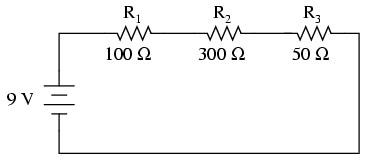
What can you say about the current in the series circuit?
it splits across the components
it changes constantly
it is different in different places
it is the same everywhere
If the ammeter says the current is 5A, what is the current flowing through one bulb?
2.5A
10A
5A
0

What is the voltage drop for R1
2 Volts
3 Volts
5 Volts
10 Volts
What is the voltage drop for R2
2 Volts
3 Volts
5 Volts
10 Volts
What is the voltage drop for R3
2 Volts
3 Volts
5 Volts
10 Volts
What is the term for how far an object has moved?
Distance
Displacement
Velocity
Rate
What is the term for the distance and direction of an object's change in position from the starting point?
Speed
Displacement
Velocity
Rate
What is the term for the distance an object travels per unit of time?
Speed
Displacement
Velocity
Rate
What is the term for the total distance traveled divided by the total time of travel?
Speed
Average speed
Total speed
Displacement
What is the term for the speed at a given point in time?
Average speed
Instantaneous speed
Total displacement
Velocity
What is the term that includes the speed of the object and the direction of its motion?
Displacement
Velocity
Rate
Speed
Acceleration is the rate of change of ______.
Distance
Mass
Velocity
Time
The speed of an object is the product of its ______ and velocity.
Distance
Mass
Acceleration
Time
Acceleration toward the center of a curved or circular path is called ______ acceleration.
Centripetal
Linear
Tangential
Radial
What is the term for the rate of change of acceleration?
Speed
Jerk
Velocity
Rate
What is the term for the change in velocity divided by the time it takes for the change to occur?
Acceleration
Speed
Displacement
Rate
What is the term for the distance an object moves per unit of time?
Velocity
Speed
Acceleration
Rate
What is the term for the rate of change of velocity?
Acceleration
Speed
Momentum
Force
What is the term for the distance covered per unit time?
Velocity
Acceleration
Speed
Displacement
What is the term for the rate of change of acceleration?
Velocity
Jerk
Speed
Displacement
What is the term for the rate at which velocity changes over time?
Acceleration
Speed
Displacement
Rate
What is the term for the total path covered by an object in motion?
Displacement
Distance
Velocity
Acceleration
What is the term for the change in position of an object?
Displacement
Speed
Acceleration
Velocity
What is the term for the speed in a given direction?
Speed
Acceleration
Velocity
Displacement

