wayground logo

Free Printable Worksheets

Font size

S
M
L
XL
Worksheets

Science

Total questions: 154

Worksheet time: 5hrs 12mins
Name
Class
Date
1.
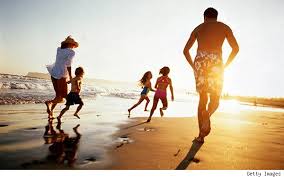
The sun shines down on this family as the play on the beach.
a)
conduction
b)
convection
c)
radiation
2.
A group of friends gather around a fire to stay warm.
a)
conduction
b)
convection
c)
radiation
3.
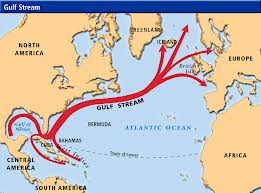
The Gulf Stream is a current that brings warm ocean water from the south to the north.
a)
conduction
b)
convection
c)
radiation
4.
Walking on the warm sand sand with your bare feet.
a)
conduction
b)
convection
c)
radiation
5.
Blow drying your wet hair.
a)
conduction
b)
convection
c)
radiation
6.
Which direction will the heat flow while this person holds a hot cup of tea?
a)
from the cup to her hand
b)
from her hand to the cup
c)
no heat is transferred
7.
Which direction will the heat flow while this ice cap melts?
a)
there is no heat transfer
b)
from the icecap to the water
c)
from the water to the icecap
8.
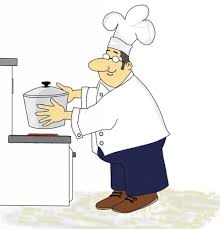
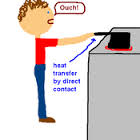
The man goes to take the hot pot off the stove with his bare hands.
a)
conduction
b)
convection
c)
radiation
9.
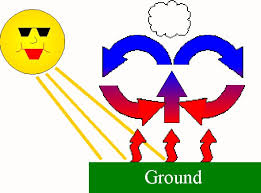
Warm air rises and the cool air sinks.
a)
conduction
b)
convection
c)
radiation
10.
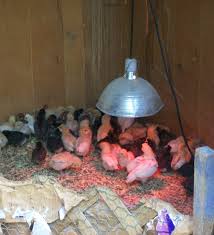
The baby chickens are kept warm from the heat lamps.
a)
conduction
b)
convection
c)
radiation
11.
In some cultures, walking on fire is the ultimate sign of strength.
a)
conduction
b)
convection
c)
radiation
12.
In this experiment, the WARM red dye and the COLD blue dye was placed in the water at the same time. The warm red dye rose to the top while the cold blue dye sank to the bottom.
a)
conduction
b)
convection
c)
radiation
13.
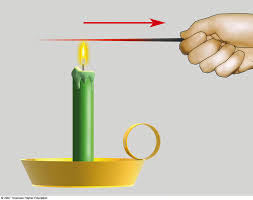
The candle will slowly heat the metal and transfer the heat directly to the mans hand.
a)
conduction
b)
convection
c)
radiation
14.
Johnny accidentally grabbed the handle of the hot pot.
a)
conduction
b)
convection
c)
radiation
15.
The warm air from this heater creates a current when the warm air rises and the cold air sinks.
a)
conduction
b)
convection
c)
radiation
16.
Heat transfers from an area of ____temperature to an area of ___ temperature.
a)
high to low
b)
low to high
c)
high to high
17.
The chocolate bunny and the iron.
a)
conduction
b)
convection
c)
radiation
18.
The chocolate bunny and the blow dryer.
a)
conduction
b)
convection
c)
radiation
19.
The chocolate bunny and the lamp.
a)
conduction
b)
convection
c)
radiation
20.
Poor conductors like wood and plastic are called:
a)
conductors
b)
insulators
c)
burners
21.
The sun shines down on this family as the play on the beach.
a)
conduction
b)
convection
c)
radiation
22.
A group of friends gather around a fire to stay warm.
a)
conduction
b)
convection
c)
radiation
23.
The Gulf Stream is a current that brings warm ocean water from the south to the north.
a)
conduction
b)
convection
c)
radiation
24.
Walking on the warm sand sand with your bare feet.
a)
conduction
b)
convection
c)
radiation
25.
Blow drying your wet hair.
a)
conduction
b)
convection
c)
radiation
26.
Which direction will the heat flow while this person holds a hot cup of tea?
a)
from the cup to her hand
b)
from her hand to the cup
c)
no heat is transferred
27.
Which direction will the heat flow while this ice cap melts?
a)
there is no heat transfer
b)
from the icecap to the water
c)
from the water to the icecap
28.
The man goes to take the hot pot off the stove with his bare hands.
a)
conduction
b)
convection
c)
radiation
29.
Warm air rises and the cool air sinks.
a)
conduction
b)
convection
c)
radiation
30.
The baby chickens are kept warm from the heat lamps.
a)
conduction
b)
convection
c)
radiation
31.
In some cultures, walking on fire is the ultimate sign of strength.
a)
conduction
b)
convection
c)
radiation
32.
In this experiment, the WARM red dye and the COLD blue dye was placed in the water at the same time. The warm red dye rose to the top while the cold blue dye sank to the bottom.
a)
conduction
b)
convection
c)
radiation
33.
The candle will slowly heat the metal and transfer the heat directly to the mans hand.
a)
conduction
b)
convection
c)
radiation
34.
Johnny accidentally grabbed the handle of the hot pot.
a)
conduction
b)
convection
c)
radiation
35.
The warm air from this heater creates a current when the warm air rises and the cold air sinks.
a)
conduction
b)
convection
c)
radiation
36.
Heat transfers from an area of ____temperature to an area of ___ temperature.
a)
high to low
b)
low to high
c)
high to high
37.
The chocolate bunny and the iron.
a)
conduction
b)
convection
c)
radiation
38.
The chocolate bunny and the blow dryer.
a)
conduction
b)
convection
c)
radiation
39.
The chocolate bunny and the lamp.
a)
conduction
b)
convection
c)
radiation
40.
Poor conductors like wood and plastic are called:
a)
conductors
b)
insulators
c)
burners
41.
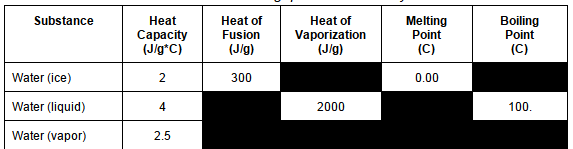
How many Joules of energy are required to change 10 gram of ice at -2 C to water at 20 C?
a)
440 J
b)
880 J
c)
10,140 J
d)
66,000 J
42.
What is the change in temperature when 50,000 Joules of energy is added to 200 grams of water at 25 C?
a)
0.016 C
b)
1,500 C
c)
63 C
d)
0.4 C
43.
How many Joules of energy are required to change 10 gram of water from 20 C to 90 C?
a)
1400 J
b)
2800 J
c)
210,000 J
d)
1,400,000 J
44.
How much liquid water can you change 20 C if you apply 20,000 J?
a)
500 g
b)
100,000 g
c)
250 g
d)
350 g
45.
How many Joules of energy are required to make 100 grams of ice at 0 C completely melt?
a)
200 J
b)
400 J
c)
30,000 J
d)
2,000,000 J
46.
What is the change in temperature when 40,000 Joules of energy is added to 50 grams of ice at -4 C?
a)
200 C
b)
Solve
c)
Solve
d)
Solve
47.
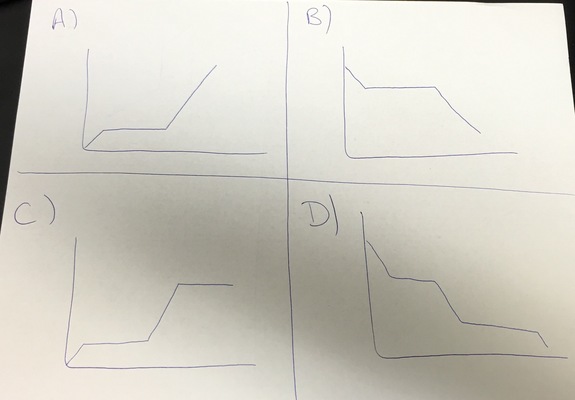
Which of the following shows a tray of water being put in the freezer?
a)
A
b)
B
c)
C
d)
D
48.
Which of the following pictures shows a piece of ice being heated from -2 C to 25 C?
a)
A
b)
B
c)
C
d)
D
49.
Which of the following shows ice being heating on the stove until it all boils away?
a)
A
b)
B
c)
C
d)
D
50.
What does picture D show?
a)
Particles being heated and undergoing one phase change.
b)
Particles being cooled and going through one phase change.
c)
Particles being heated and undergoing two phase changes.
d)
Particles being cooled and undergoing two phase changes.
51.
The three types of heat transfer are...
a)
spilling hot soup in your lap
b)
hot, hotter, and hottest
c)
conduction, convection and radiation
d)
conduction, convection and tickling
52.
Conduction= 
a)
physical contact
b)
warm air rising
c)
heat moving through empty space
d)
say what?
53.
Radiation= 
a)
physical contact
b)
warm air rising
c)
heat moving through empty space
d)
say what?
54.
Convection= 
a)
physical contact
b)
warm air rising
c)
heat moving through empty space
d)
say what?
55.
When you hold your hands by a fire what type of heat transfer is warming your hands?
a)
convection
b)
conduction
c)
radiation
d)
dance magic
56.
In class we put some candles on a medal spoon. We help one end of the spoon over a flame and watched the heat travel through the spoon and melt the candles on the other side. What kind of heat transfer was this?
a)
conduction
b)
radiation
c)
convection
d)
Harry Potter
57.
Everyday the earth is warmed by the sun. What kind of heat transfer is taking place in this process?
a)
radiation
b)
conduction
c)
convection
d)
what is a 'sun'? 
58.
_____________ occurs when warm air rises and is replaced by cooler air
a)
convection
b)
                                                                                                                  conduction                  
c)
radiation
59.
Which of the following is NOT a form of heat transfer?
a)
decay
b)
conduction
c)
convection
d)
radiation
60.
Which example involves heat transfer through radiation
a)
sitting next to a fire
b)
adding ice to coffee
c)
heating a frying pan on a stove
d)
warm air rising
61.
How many kinds of heat transfer are there?
a)
1
b)
2
c)
3
d)
4 or more
62.

What is the definition of CONDUCTION?

a)

When heat is transferred by electromagnetic rays of light.

b)

A hot liquid or air that expands, becomes less dense, and rises or becomes more dense, and sinks.

c)

When heat transfers by objects that are physically touching.

d)

When heat transfers by the fluid movement of a liquid or a gas.

63.

What is the definition of RADIATION

a)

Hot liquid or air that expands, becomes less dense, and rises or becomes more dense, and sinks.

b)

When heat is transferred by electromagnetic rays of light.

c)

When heat transfers by objects that are physically touching.

d)

When heat transfers by the fluid movement of a liquid or a gas.

64.

Which of the following is an example of convection?

a)

A hair straightener straightening your hair.

b)

When a spoon becomes hot in a bowl of soup.

c)

When a car engine turns hot after being turned on.

d)

When you are making soup and the water is rising and lowering inside the pot.

65.
Which of the following heat transfers happen in the earth's mantle?
a)
Convection
b)
Conduction
c)
Radiation
d)
N0NE OF THEM
66.

What heat transfer happens when you burn your hand by touching a hot pan?

a)

Radiation

b)

Conduction

c)

Convectio

d)

I don't know!!!!!!!!!!!

67.

Which of the following is needed for convection to happen?

a)

Fluid or gas

b)

Light in the form or rays

c)

Electromagnetic waves

d)

Fire

68.

When you fry an egg in a hot pan, what heat transfer is happening?

a)

I don't know??????

b)

Radiation

c)

Conduction

d)

Convection

69.
Heat from the sun travels to Earth by _____.
a)
conduction
b)
convection
c)
insulation
d)
radiation
70.
The heat from a hot burner to a pot is transferred by ______.
a)
convection
b)
insulation
c)
radiation
d)
conduction
71.
The way the heat is moving from the hot coffee is called...
a)
convection
b)
radiation
c)
insulation
d)
conduction
72.

Your hands being warmed by a hot coffee mug is _____.

a)

radiation

b)

conduction

c)

friction

d)

convection

73.
When holding a cup of ice water, your warm hand becomes cold. How does the heat transfer?
a)
From the cold cup to your hand
b)
From the cold cup to the warm air
c)
From the ice to your hand
d)
From your warm hand to the cold cup.
74.

How is heat from the sun and heat from a campfire alike?

a)

They move by radiation.

b)

They move by convection.

c)

They move by conduction.

d)

They are solar energy.

75.

Explain the difference between conduction and convection.

a)

Conduction involves heat going in all directions while heat rises with convection.

b)

Heat moves in all directions for convection, but it rises for conduction.

c)

Heat rises for convection and travels thru liquids and gases. Conduction travels thru solids and liquids but must be physically touching.

d)

Thermal energy travels thru solids for both conduction and convection; however, conduction involves direct contact.

76.

When warm air rises and the cool air sinks, it represents __________.

a)

conduction

b)

convection

c)

radiation

77.

The Gulf Stream is a current that brings warm ocean water from the south to the north. This is an example of what type of heat transfer...

a)

conduction

b)

convection

c)

radiation

78.

Walking on the warm sand sand with your bare feet, what heat transfer is taking place?

a)

conduction

b)

convection

c)

radiation

79.
How many kinds of heat transfer are there?
a)
1
b)
2
c)
3
d)
4 or more
80.

What is the definition of CONDUCTION?

a)

When heat is transferred by electromagnetic rays of light.

b)

A hot liquid or air that expands, becomes less dense, and rises or becomes more dense, and sinks.

c)

When heat transfers by objects that are physically touching.

d)

When heat transfers by the fluid movement of a liquid or a gas.

81.

What is the definition of RADIATION

a)

Hot liquid or air that expands, becomes less dense, and rises or becomes more dense, and sinks.

b)

When heat is transferred by electromagnetic rays of light.

c)

When heat transfers by objects that are physically touching.

d)

When heat transfers by the fluid movement of a liquid or a gas.

82.

Which of the following is an example of convection?

a)

A hair straightener straightening your hair.

b)

When a spoon becomes hot in a bowl of soup.

c)

When a car engine turns hot after being turned on.

d)

When you are making soup and the water is rising and lowering inside the pot.

83.
Which of the following heat transfers happen in the earth's mantle?
a)
Convection
b)
Conduction
c)
Radiation
d)
N0NE OF THEM
84.

What heat transfer happens when you burn your hand by touching a hot pan?

a)

Radiation

b)

Conduction

c)

Convectio

d)

I don't know!!!!!!!!!!!

85.

Which of the following is needed for convection to happen?

a)

Fluid or gas

b)

Light in the form or rays

c)

Electromagnetic waves

d)

Fire

86.

When you fry an egg in a hot pan, what heat transfer is happening?

a)

I don't know??????

b)

Radiation

c)

Conduction

d)

Convection

87.
Heat from the sun travels to Earth by _____.
a)
conduction
b)
convection
c)
insulation
d)
radiation
88.
The heat from a hot burner to a pot is transferred by ______.
a)
convection
b)
insulation
c)
radiation
d)
conduction
89.
The way the heat is moving from the hot coffee is called...
a)
convection
b)
radiation
c)
insulation
d)
conduction
90.

Your hands being warmed by a hot coffee mug is _____.

a)

radiation

b)

conduction

c)

friction

d)

convection

91.
When holding a cup of ice water, your warm hand becomes cold. How does the heat transfer?
a)
From the cold cup to your hand
b)
From the cold cup to the warm air
c)
From the ice to your hand
d)
From your warm hand to the cold cup.
92.

How is heat from the sun and heat from a campfire alike?

a)

They move by radiation.

b)

They move by convection.

c)

They move by conduction.

d)

They are solar energy.

93.

Explain the difference between conduction and convection.

a)

Conduction involves heat going in all directions while heat rises with convection.

b)

Heat moves in all directions for convection, but it rises for conduction.

c)

Heat rises for convection and travels thru liquids and gases. Conduction travels thru solids and liquids but must be physically touching.

d)

Thermal energy travels thru solids for both conduction and convection; however, conduction involves direct contact.

94.

When warm air rises and the cool air sinks, it represents __________.

a)

conduction

b)

convection

c)

radiation

95.

The Gulf Stream is a current that brings warm ocean water from the south to the north. This is an example of what type of heat transfer...

a)

conduction

b)

convection

c)

radiation

96.

Walking on the warm sand sand with your bare feet, what heat transfer is taking place?

a)

conduction

b)

convection

c)

radiation

97.
How many kinds of heat transfer are there?
a)
1
b)
2
c)
3
d)
4 or more
98.

What is the definition of CONDUCTION?

a)

When heat is transferred by electromagnetic rays of light.

b)

A hot liquid or air that expands, becomes less dense, and rises or becomes more dense, and sinks.

c)

When heat transfers by objects that are physically touching.

d)

When heat transfers by the fluid movement of a liquid or a gas.

99.

What is the definition of RADIATION

a)

Hot liquid or air that expands, becomes less dense, and rises or becomes more dense, and sinks.

b)

When heat is transferred by electromagnetic rays of light.

c)

When heat transfers by objects that are physically touching.

d)

When heat transfers by the fluid movement of a liquid or a gas.

100.

Which of the following is an example of convection?

a)

A hair straightener straightening your hair.

b)

When a spoon becomes hot in a bowl of soup.

c)

When a car engine turns hot after being turned on.

d)

When you are making soup and the water is rising and lowering inside the pot.

101.
Which of the following heat transfers happen in the earth's mantle?
a)
Convection
b)
Conduction
c)
Radiation
d)
N0NE OF THEM
102.

What heat transfer happens when you burn your hand by touching a hot pan?

a)

Radiation

b)

Conduction

c)

Convectio

d)

I don't know!!!!!!!!!!!

103.

Which of the following is needed for convection to happen?

a)

Fluid or gas

b)

Light in the form or rays

c)

Electromagnetic waves

d)

Fire

104.

When you fry an egg in a hot pan, what heat transfer is happening?

a)

I don't know??????

b)

Radiation

c)

Conduction

d)

Convection

105.
Heat from the sun travels to Earth by _____.
a)
conduction
b)
convection
c)
insulation
d)
radiation
106.
The heat from a hot burner to a pot is transferred by ______.
a)
convection
b)
insulation
c)
radiation
d)
conduction
107.
The way the heat is moving from the hot coffee is called...
a)
convection
b)
radiation
c)
insulation
d)
conduction
108.

Your hands being warmed by a hot coffee mug is _____.

a)

radiation

b)

conduction

c)

friction

d)

convection

109.
When holding a cup of ice water, your warm hand becomes cold. How does the heat transfer?
a)
From the cold cup to your hand
b)
From the cold cup to the warm air
c)
From the ice to your hand
d)
From your warm hand to the cold cup.
110.

How is heat from the sun and heat from a campfire alike?

a)

They move by radiation.

b)

They move by convection.

c)

They move by conduction.

d)

They are solar energy.

111.

Explain the difference between conduction and convection.

a)

Conduction involves heat going in all directions while heat rises with convection.

b)

Heat moves in all directions for convection, but it rises for conduction.

c)

Heat rises for convection and travels thru liquids and gases. Conduction travels thru solids and liquids but must be physically touching.

d)

Thermal energy travels thru solids for both conduction and convection; however, conduction involves direct contact.

112.

When warm air rises and the cool air sinks, it represents __________.

a)

conduction

b)

convection

c)

radiation

113.

The Gulf Stream is a current that brings warm ocean water from the south to the north. This is an example of what type of heat transfer...

a)

conduction

b)

convection

c)

radiation

114.

Walking on the warm sand sand with your bare feet, what heat transfer is taking place?

a)

conduction

b)

convection

c)

radiation

115.

Dana’s body temperature is nearly 40°C, we need to wrap her body with wet sheet until what temperature ?

a)

38°C(ampit)

b)

37.5°C(ampit)

c)

39°C(tongue)

d)

40°C(tongue)

116.

Heat exhaustion need to call ambulance for help or not ?

a)

YES

b)

NO

117.

Will heat exhaustion progress to heatstroke ?

a)

YES

b)

NO

118.

Give heat exhaustion casualty

a)

glucose

b)

ORS

c)

Salt water

d)

Mineral water

119.

How to keep the casualty temperature ?

a)

Wrap the casualty with wet sheet

b)

Sponge casualty with cold water

c)

Fan the casualty

d)

Pour water with ice to the casualty

120.

What equipment can we use in the trauma bag to fan the casualty ?

a)

Triangle bandage

b)

roller bandage

c)

fan

d)

gauze

121.

What is the normal body temperature ?

a)

35.5°C - 36.2°C

b)

37.5°C - 38.2°C

c)

36.5°C - 37.2°C

122.

Alice fainted during the marathon in the hot weather.She has clammy skin, what will happen to she ?

a)

Heatstroke

b)

Heat exhaustion

c)

Both are possible

123.

What does heatstroke mean ?

a)

Heatstroke refers to the condition of continuous high fever.

b)

Heatstroke refers to the failure of the body's temperature cooling system in a hot environment.

c)

Heatstroke refers to excessive loss of water and salt in the body.

124.

What does heatstroke mean ?

a)

Heatstroke refers to the condition of continuous high fever.

b)

Heatstroke refers to the failure of the body's temperature cooling system in a hot environment.

c)

Heatstroke refers to excessive loss of water and salt in the body.

125.

Which of the following is NOT a heat source?

a)
b)
c)
d)
126.

What is Earth's main heat source?

a)
b)
c)
d)
127.

Which shows the use of heat?

a)
b)
c)
d)
128.

Which shows the use of heat?

a)
b)
c)
d)
129.

Yes or No. We use heat to dry our clothes.

a)
b)
130.

Yes or No. We use heat when we sweep the floor.

a)
b)
131.

Yes or No. We use heat when we cook food.

a)
b)
132.

Yes or No. We use heat when read a book.

a)
b)
133.

Yes or No. A book is a source of heat.

a)
b)
134.

Yes or No. A hair dryer is a source of heat.

a)
b)
135.

Which of the following is NOT a heat source?

a)
b)
c)
d)
136.

What is Earth's main heat source?

a)
b)
c)
d)
137.

Which shows the use of heat?

a)
b)
c)
d)
138.

Which shows the use of heat?

a)
b)
c)
d)
139.

Yes or No. We use heat to dry our clothes.

a)
b)
140.

Yes or No. We use heat when we sweep the floor.

a)
b)
141.

Yes or No. We use heat when we cook food.

a)
b)
142.

Yes or No. We use heat when read a book.

a)
b)
143.

Yes or No. A book is a source of heat.

a)
b)
144.

Yes or No. A hair dryer is a source of heat.

a)
b)
145.

Which of the following is NOT a heat source?

a)
b)
c)
d)
146.

What is Earth's main heat source?

a)
b)
c)
d)
147.

Which shows the use of heat?

a)
b)
c)
d)
148.

Which shows the use of heat?

a)
b)
c)
d)
149.

Yes or No. We use heat to dry our clothes.

a)
b)
150.

Yes or No. We use heat when we sweep the floor.

a)
b)
151.

Yes or No. We use heat when we cook food.

a)
b)
152.

Yes or No. We use heat when read a book.

a)
b)
153.

Yes or No. A book is a source of heat.

a)
b)
154.

Yes or No. A hair dryer is a source of heat.

a)
b)