
 Worksheets
Taxonomy Unit Review
Total questions: 77
Worksheet time: 3hrs 9mins

What is used to make it easier to identify and name organisms?
Scientific Names
Classification System
Dichotomous Key
Taxonomy

Classification is grouping characteristics based on __________.
scientific name
traits
differences
similarities

The two parts that make up a scientific name are ________ and _________.
kingdom and genus
family and order
genus and species
order and species

A two word naming system that gives organisms their scientific name is called _________ __________.
binomial nomenclature
genus and species
scientific nomenclature

The name that most of us know organisms by are called its ___________ ___________.
common name
genus and species
binomial nomenclature
scientific name

Taxonomy is the __________.
study of organisms
study of classification
study of animals
study of cells

What is the smallest unit of an organism?
taxons
tissues
cell

A dichotomous key helps to _______.
scientifically name an organism
classify organisms
classify based on differences

What belongs in this Classification System: Kingdom, Phylum, class, order, family, _________, ________
genus, species
species, genus

Which level of classification has the greatest number of organisms in it?
Class
Phylum
species
Kingdom

Which of the following DOES NOT belong with the others? sneakers, boots, socks, flip flops
sneakers
socks
boots
flip flops
What kingdom includes organisms that have cell walls made of cellulose?
fungi
plantae
eubacteria
archaebacteria
A single celled organism has cell walls made of chitin. What's its kingdom?
plantae
fungi
archaebacteria
eubacteria
What kingdom do frogs belong to?
plantae
protista
animalia
fungi
Organisms in kingdom protista can be all EXCEPT which of the following
multicellular
unicellular
autotrophic
prokaryotic
An organism has a cell wall made of peptidoglycan. What kingdom does it belong to?
eubacteria
archaebacteria
protista
plantae
A geyser is full of hot, salty water. What kingdom of organisms would you expect to find there
eubacteria
protista
fungi
archaebacteria
Which of the following shows all the domains of life?
Archaea, Bacteria, Eukarya
Animalia, Plantae, Protista
Eubacteria, Archaebacteria, Eukarya
Eukarya, Protista, Bacteria
The study of an organisms internal and external structures is known as...
phylogeny
taxonomy
geometry
morphology

What is the only organisms that lacks cranium structure?
raccoon
giant panda
sun bear
brown bear
What derived character is shared by only the raccoon and dog?
ear structure
vertebrae
fur
tail
Which is NOT a eukaryote?
Plants
Animals
Archaea
Protists

In which kingdom does the organism below belong?
Animalia
Fungi
Plantae
Eubacteria

Heterotrophs- obtain food from other animals.
Observing the table above, Fungi and Animals are________?
Who is the father of taxonomy?
AP De Candolle
Carolus Linnaeus
Robert Whittaker
Democritus

The largest grouping of organisms is ____________________ and the smallest is _________________________________.
Domain, species
Domain, kingdom
Species, domain
Kingdom, species

Capitalize the first word and underline the whole thing, Italicize only the specie name.
Capitalize the first word and italicize the whole thing. Underline the species name.
Which of the following is the most abundant group of organisms on Earth?
Archaea
Protista
Bacteria
Fungi

What is the name of for this diagram?
cladogram
taxonomy
family tree
phylum

Which organisms have eggs with shells?
sharks
amphibians
crocodiles
birds

According to the dichotomous key below, what is the name of the pink creature?
1a. mouth open………….go to 2
1b. mouth not open……..go to 4
2a. Arms…………………….go to 3
2b. No arms….Alienus quadlegicus
3a. Hairy……………..Alienus haircus
3b. Not hairy…..Alienus tritoothicus
4a. No horns………………..go to 5
4b. Horns…………...Alienus stripicus
5a. No legs…….…..Alienus biobicus
5b. Legs………………Alienus fuzzicus
Alienus quadalegicus
Alienus tritoothicus
Alienus stripicus
Alienus fuzzicis

Which of the following organisms is most closely related to the Annelids?
Sponges
Mollusks
Arthropods
Echinoderms
cell that does have a nucleus
ex: plant & animals
prokaryotic
eukaryotic
unicellular
multicellular

made of more than 1 cell
Heterotroph
Autotroph
unicellular
multicellular

made of 1 cell
Heterotroph
Autotroph
unicellular
multicellular

cannot make its own food ex: all animals & people
Heterotroph
Autotroph
unicellular
multicellular

simple to complex unicellular & multicellular organisms that have a nucleus
Bacteria
Eukarya
Archaea
Animalia

simple unicellular organisms
Bacteria
Eukarya
Archaea
Animalia
simple unicellular organisms that live in extreme environments (extremophiles)
Bacteria
Eukarya
Archaea
Animalia
highest taxonomic rank ex: archaea, bacteria, eukarya
Kingdom
Phylum
Class
Domain
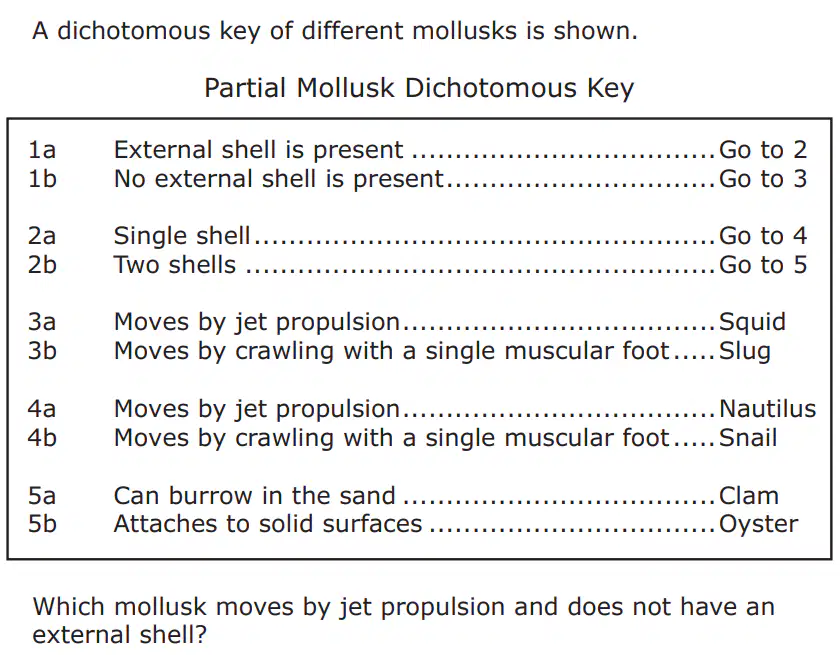
Which mollusk moves by jet propulsion and does not have an external shell?
Nautilus
Squid
Clam
Slug
Which of the following is NOT a unicellular kingdom?
Prokaryotes
Protists
Archaea
Fungi
Which of the following is the correct order for least related to most related?
Domain
Kingdom
Phylum
Class
Order
Family
Genus
Species
Species
Kingdom
Phylum
Class
Order
Family
Genus
Domain
Species
Genus
Family
Order
Class
Phylum
Kingdom
Domain
Domain
Kingdom
Class
Phylum
Order
Genus
Family
Species
Which list of characteristics describes organisms classified as animals?
autotrophic, multicellular, prokaryotic
multicellular eukaryotic, heterotrophic
unicellular, eukaryotic, heterotrophic
multicellular, eukaryotic, autotrophic
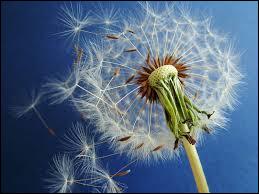

I am prokaryotic and am found everywhere. What kingdom do I belong to?
Eubacteria
Archaebacteria
Fungi
Protista
What language is used in naming stuff with scientific names?
LATIN
GREEK
ENGLISH
SPANISH
What invention led to new kingdoms being discovered?
X-rays
Radios
Telescopes
Microscopes
process of grouping things based on their similarities
taxonomy
classification
eubacteria
prokaryotic
Which is the following is NOT one of the six kingdoms?
Animal
Human
Plant
Fungi
Which category would contain the most organisms?
Phylum
Species
Kingdom
Animalia
Unlike prokaryotic cells, eukaryotic cells have their genetic material centrally located in a -
chloroplast
vacuole
lysosome
nucleus
Which of the following is a true statement regarding living organisms? All living things-
require oxygen to breathe
are capable of intelligent thought
are made up of one or more cells
have a lifespan of at least one week
What are the characteristics of life?
C- cells
H- homeostasis
A- adapt
R- reproduce
M- metabolize
I- stumuli
N- DNA
G- Grow and Develop
C- cells
H- heterotoph
A- autotroph
R- reptiles
M- mammals
I-iguanas
N- Natural resources
G- gravity
C- cells
H-hormones
A- adaptations
R- reproduce
M- mammals
I- inspiration
N- DNA
G- give
C- consumer
H- heterotroph
A- animalia
R- reproduction
M- microscopic
I-intelligence
N- DNA
G- Growth

A pine tree is a member of the kingdom
Animalia
Protista (Protists)
Fungi
Plantae (Plant)

What does the flagella do in a euglenoid?
It captures light for photosynthesis.
It controls the daily activities of the euglenoid.
It helps in the movement of the organism.
The one of the two kingdoms that contain only heterotrophs are animals and
archaea.
fungi.
protists.
bacteria.
Which of the following is a list of Domains?
Bacteria, Archaea, Eukarya
Eubacteria, Fungi, Protista, Plantae, Animalia, Archaeabacteria
the kingdom that slime mold and algae would belong to ...
protista
fungi
plantae
eubacteria
Which viral cycle takes the longest to show symptoms?
Lysogenic
Lytic
When the viral DNA becomes active in the lysogenic cycle, which life cycle does it enter?
lytic
lysogenic
cell cycle
DNA replication
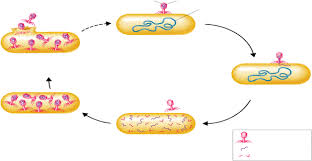


By using the image from above, what is the first step of Retrovirus replication?
Transcription of retroviral DNA to make viral RNA genome copies and viral mRNA
Entry by fusion of envelope with cell membrane at sites of specific receptors
Uncoating of virion to release ssRNA; genome and virus-specific enzymes remain in virus core
Budding of enveloped virions and release from the cell

Dr. Edward Jenner developed the first vaccine in 1796 for this disease:
cowpox
chickenpox
smallpox
the flu

True or False: Viruses that cause disease are killed using antibiotics.
True
False

The two types of traditional vaccines are made from:
only a part of the virus
the entire virus, either weakened or killed
the entire virus, 100% full strength
the genome (genetic material) of the virus

