
 Worksheets
Common Assessment Review
Total questions: 100
Worksheet time: 1hrs 15mins


What adaptation makes the most sense for living in a cold snowy area?
gills
colorful wings
white fur
striped skin
What is the function of the excretory system?
to take in oxygen and excrete carbon dioxide
to excrete wastes from the body
to pump blood throughout the body
to break down food into useful nutrients
What is the function of the digestive system?
to take in oxygen and excrete carbon dioxide
to excrete wastes from the body
to pump blood throughout the body
to break down food into useful nutrients
What is the function of the respiratory system?
to take in oxygen and excrete carbon dioxide
to excrete wastes from the body
to pump blood throughout the body
to break down food into useful nutrients
What is the function of the circulatory system?
to take in oxygen and excrete carbon dioxide
to excrete wastes from the body
to pump blood throughout the body
to break down food into useful nutrients
The digestive system and the circulatory system work together to do which of the following?
break down food and transport nutrients to the rest of the body
allow the body to interpret sensory information and perform a response
take in oxygen and transport it to the rest of the body
allow the body to move from one place to another
The circulatory system and the excretory system work together to do which of the following?
transport nutrients to the rest of the body
transport oxygen to the rest of the body
remove wastes from the body
allow the body to move from one place to another
The circulatory system and the respiratory system work together to do which of the following?
transport nutrients to the rest of the body
transport oxygen to the rest of the body
remove wastes from the body
allow the body to move from one place to another
The skeletal system and the muscular system work together to do which of the following?
transport nutrients to the rest of the body
transport oxygen to the rest of the body
remove wastes from the body
allow the body to move from one place to another
Which of the following lists includes only structures that are part of the human nervous system?
heart, blood, vessels
nose, trachea, lungs
mouth, stomach, intestine
brain, spinal cord, nerves
The _______ system breaks down the food we eat, while the _______ system transports the tiny food particles to each cell in the body.
circulatory; digestive
digestive; respiratory
muscular; circulatory
digestive; circulatory
One important organ of the circulatory system is the heart. The heart's job is to
break down food into tiny particles.
send and receive messages from the brain.
pump blood to other parts of the body.
help move bones so that organisms can walk.
Lucy touched a mug of cocoa. The mug was very hot. She pulled her hand back quickly from the mug.Which body systems interacted to allow Lucy to interpret that the mug was hot and react by pulling her hand away?
nervous system and digestive system
nervous system and muscular system
circulatory system and skeletal system
circulatory system and respiratory system
Which body system supports muscles and organs and helps an animal move from one place to another?
respiratory system
nervous system
skeletal system
excretory system
Which system carries messages to and from different parts of the body?
the digestive system
the circulatory system
the muscular system
the nervous system
Each animal has a body system that collects wastes and moves the wastes outside of the animal's body. What is this system?
circulatory system
excretory system
nervous system
skeletal system
Cancer is defined as the
uncontrolled division of mutated cells
normal division of cells
normal DNA replication
abnormal ATP synthesis

The Himalayan rabbit's habitat has cold, snowy winters and mild summers. The body is typically covered in white fur except for the nose, feet, tail, and ears, which are covered in black fur.
A scientist shaved an area of white fur on the back of a Himalayan rabbit and placed an ice pack over the shaved area . The shaved area grew black fur.
Which of these best explains why the hair that grew back where the Ice pack was placed was black and not white?
The white hair mutated to black hair as the rabbit's body temperature decreased.
The coat color changed from white to black with the age of the rabbit.
The genes for black hair were activated by specific temperatures.
White hair only grows during certain times of the year.

Which organelle is responsible making food (Glucose) using sunlight?
Cell Membrane
Nucleus
Chloroplast
Mitochondria
Which of the following is the correct equation for PHOTOSYNTHESIS?
light + carbon dioxide + water --> glucose + oxygen
carbon dioxide + sugar + water --> oxygen + light
oxygen + light + water --> carbon dioxide + sugar
carbon dioxide + oxygen + water --> Light+ Sugar

Which type of active transport is displayed?
Endocytosis
Exocytosis


The cell shows water moving in and out equally, which means it was placed in a ___ solution.
Isotonic
Hypertonic
Hypotonic
In protein synthesis, what tells you the order of amino acids to build a protein?
The number of chromosomes
The DNA sequence
The size of the nucleus
How much ATP is used
What ARE the functions of carbohydrates? (select two)
provides quick energy
Makes up the cell wall
helps with growth and repair of tissues
stores genetic information
What ARE the functions of lipids?
Insulation
Long-term energy storage
Makes up the cell membrane
stores genetic information
What ARE the functions of proteins?
provides quick energy
aids in cell membrane transport
enzymes (speeds up chemical reactions)
stores genetic information
What is the function of nucleic acid?
provides quick energy
stores energy
helps with growth and repair of tissues
stores genetic information
Which are examples of proteins?
glucose, pasta, bread
fats, oils, waxes
meats, enzyme, lactase, eggs
DNA, RNA
The genetic code (using A,T,C,G) is a universal code
True
False
A relationship between two organisms in which one organism benefits and the other is unharmed...
Mutualism
Commensalism
Parasitism
A relationship between two organisms in which both organisms benefit.
Mutualism
Commensalism
Parasitism
A relationship between two organisms in which one is benefited and the other is harmed.
Mutualism
Commensalism
Parasitism

Ostriches and gazelles eat together. They both watch for predators and danger. Since they see things differently, they each can identify threats the other animal may not see. Both species are benefited.
mutualism
commensalism
parasitism

Yucca flowers are pollinated by yucca moths. The moths lay their eggs in the flowers and the eggs hatch. The larvae eat some of the seeds, and spread them around. Both species are benefited.
mutualism
commensalism
parasitism

Mistletoe takes water and nutrients from the oak tree. This is good for the mistletoe but bad for the tree.
mutualism
commensalism
parasitism

A bison walks through the grass, insects fly up and are seen and eaten by egrets. This neither harms nor helps the bison, but it is easier for the egrets to get food.
mutualism
parasitism
commensalism
A virus that goes through the ______ cycle will allow you to feel symptoms immediately due to the cells lysing.
Lytic
Lysogenic
A virus that hides within the host cell for up to years is going through the _______ cycle.
Lytic
Lysogenic
Viruses need a ____________ in order to make copies of themselves.
bacterial cell
host cell
capsid
vaccine
Why do we give an organism a scientific name?


Look carefully at the image. If energy is lost as it moves up the food chain, what trophic level has the most amount of energy?
1st level - producers
2nd level - primary consumers
3rd level - secondary consumers
4th level - tertiary consumers
The mutated DNA segment is TTCGCAAG. This is an example of ___ mutation.
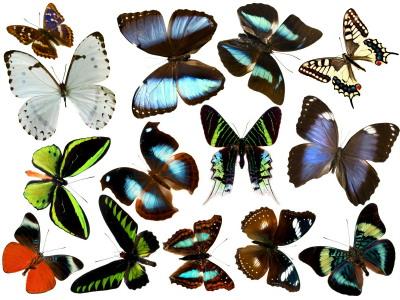
Mutations can be beneficial because they increase genetic _____________________ and can make the individual and species more likely to survive.
diseases
complications
disorders
diversity
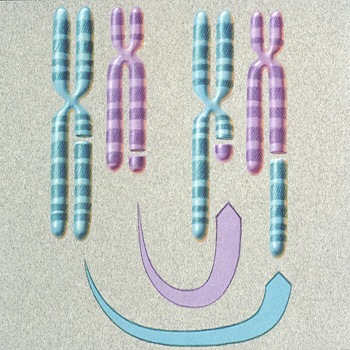
______________________________________ is a type of chromosomal mutation when part of the chromosome breaks off and attaches to another chromosome.
duplication
translocation
subtraction
deletion
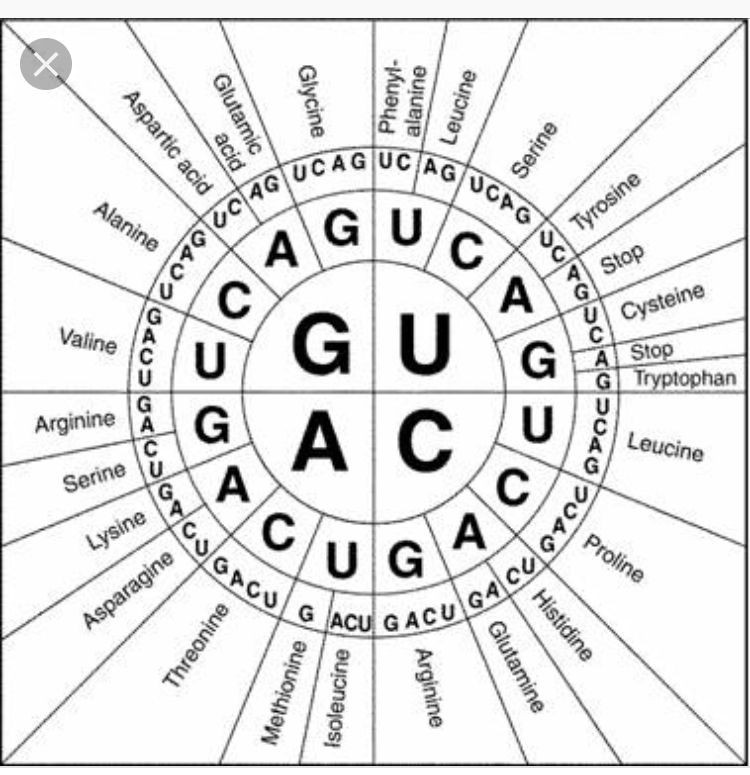
If UCU is changed to UCC, this is a _______________________________.
silent mutation
missense mutation
nonsense mutation
frameshift mutation

Organisms that need nitrogen to survive.
only plants
only animals
only bacteria
all living things

How do animals get the nitrogen they need?
From the air they breathe
From the water they drink
From the food they eat
From the sun
Consists of all the biotic and abiotic factors of the environment...
population
community
ecosystem
all of the above
The smallest unit of life that is able to carry out all the functions of living things...
subatomic particle
organelle
atom
cell
Structures that carry out specialized functions within a cell.
organs
organelles
ions
molecules
Trees, shrubs, grasses, air temperature, soil pH, water quality, etc. found in a given area are known as a(n)...
population
ecologist
community
ecosystem
A group of organisms of the same species in any given area...
population
community
individuals
community

A community is ___________ types of species living together.
Same
Alternating
All
Different
What does DNA determine?
traits of living things
traits of nonliving things
organization of living things
Did Not Attempt
ATG TGA CAG
Primary succession begins in an area with:
Bare Rock
Soil
Secondary succession begins in an area with:
Bare Rock
Soil
The role of mRNA is to
unzip DNA
take instructions from DNA to Ribosomes
store waste
produce ATP
The role of tRNA is to
store genetic information
move amino acids from the cytoplasm to the ribosome
create glucose
add nucleotides to DNA
The type of RNA that makes up ribosomes
Which of the following is the best definition for MEIOSIS?
the process of two haploid cells uniting
the counting of chromosomes within a diploid cell
a two-step process that reduces the number of chromosomes in half such that there is only one copy of all the chromosomes
the equational division of a cell into two identical copies

In which stage of MEIOSIS does crossing over occur? (The exchange of genetic material between chromosomes in a tetrad.)
Anaphase I
Metaphase I
Prophase I
Telophase I

The exchange of genetic information that insures that every gamete is unique is referred to as
mitosis
meiosis
reduction division
crossing over

Chicks and humans both have gill slits during development. What does this tell us about chicks and humans?
Their embryos use gills to breathe during development.
They both evolved from a common ancestor who had gills.
Chicks are able to breathe underwater.
They evolved from different ancestors.
Contains GENETIC MATERIAL- DNA/RNA
Bacteria
Virus
Both bacteria & virus
Neither bacteria nor virus
The two components of a virus are __________ and __________.
protein - capsid
carbohydrate - glucose
lipids - cell membrane
nucleic acid - DNA


The picture below shows an enzyme unwinding and unzipping DNA.
What is the name of this enzyme?
DNA Helicase
DNA Ligase
DNA polyermase
RNA Polymerase
G1 phase
S phase/Interphase


Theory that species evolve during short periods of rapid change
Gradualism
Punctuated Equilibrium
Preserved Remains
Natural Selection

Leaves and stems growing towards the sunlight exhibits what kind of tropism?
geotropism
phototropism
gravitropism
autotropism
The roots of a plant growing downwards exhibits what kind of tropism?
Phototropism
Negative geotropism
Positive geotropism
autotropism

Roots of a tree growing towards the water line of a house.
Geotropism
Phototropism
Thigmotropism
Hydrotropism


Mountains and now breeds on the Santa Rita Mountains with another established population.
Gene Flow
Genetic Drift

A forest fire ignites in the Sam Houston State Forest and kills many members of a population of pigmy rattlesnakes.
Gene Flow
Genetic Drift
What is gene flow?
The addition or removal of alleles in a population due to individuals entering or leaving one population for another
A change in allele frequencies when a new population arises from only a few individuals
A reduction in population caused by natural disasters, disease, hunting, etc.
A change in the gene pool due to chance

