wayground logo

Free Printable Worksheets

Font size

S
M
L
XL
Worksheets

Ecology and Environmental Impacts Test

Total questions: 130

Worksheet time: 3hrs 32mins

Name
Class
Date
1.

Humans burn fossil fuels and wood, releasing carbon dioxide into the atmosphere. This carbon dioxide is then absorbed by trees for photosynthesis. These processes are contributory to which chemical cycle?

a)

The carbon cycle

b)

The water cycle

c)

The nitrogen cycle

d)

The phosphorous cycle

2.

How does the human body return carbon to the atmosphere in the carbon cycle?

a)

Waste products

b)

Photosynthesis

c)

Cellular respiration

d)

Formation of glucose

3.

In the carbon cycle, animals can release carbon back into the cycle through __________ or through __________.

a)

burning . . . photosynthesis

b)

fixation . . . decomposition

c)

decomposition . . . photosynthesis

d)

respiration . . . decomposition

e)

respiration . . . photosynthesis

4.

Which of the following is an example of human impact on the carbon cycle?

a)

The increased production of methane gases from cattle farms

b)

The burning of fossil fuels

c)

The cutting down of trees for lumber

d)

Driving automobiles

e)

All of the above

5.

If a forest fire occurs, what will happen to the carbon in the forest?

a)

It will go into the soil

b)

It will go into the atmosphere

c)

It will runoff into nearby streams and rivers

d)

It will be destroyed

6.

What kind of organism takes out the most carbon from the atmosphere?

a)

Plants

b)

Bacteria

c)

Animals

d)

Humans

7.

Which process removes carbon dioxide from the atmosphere?

a)

deforestation

b)

tree farms

c)

burning fossil fuels

d)

cellular respiration

8.
All of the carbon in existence is continually recycled in the carbon cycle
a)
True
b)
False
9.
What does NOT produce carbon dioxide?
a)
Photosynthesis
b)
Burning Fossil Fuels
c)
Animal respiration
d)
Plants decaying
10.

Which gas do plants release, that humans depend on for survival?

a)

Water

b)

Carbon Dioxide

c)

Oxygen

d)

Sugar

11.

Forests are a carbon sink. This means that they...

a)

add carbon dioxide to the atmosphere

b)

remove carbon dioxide from the atmosphere

12.
Organisms that do not decompose can be buried and become what?
a)
water
b)
nutrients
c)
air
d)
fossil fuels
13.
If the plant population decreased, the amount of carbon would _________.
a)
Stay the same
b)
Increase
c)
Decrease
14.
When humans burn fossil fuels, most of the carbon quickly enters the                       as carbon dioxide.
a)
Water
b)
Atmosphere
c)
Sun
d)
Air
15.

Species richness is

a)

a measure of how all of the individual organisms in an ecosystem are balanced between the different species.

b)

the total number of different species found in an ecosystem

16.

True or false: An ecosystem with high genetic diversity is healthier than an ecosystem with low genetic diversity.

a)

True

b)

False

17.

These maintain the quality of air and soil and provide flood and disease control.

a)

Cultural services

b)

Supporting services

c)

Provisioning services

d)

Regulating services

18.
Cattle egrets forage (feed) in fields among cattle. The egret gets easy access to flying insects stirred up by the cattle, and the cattle don't care if they are there or not.
a)
mutualism
b)
commensalism
c)
competition
d)
parasitism
19.
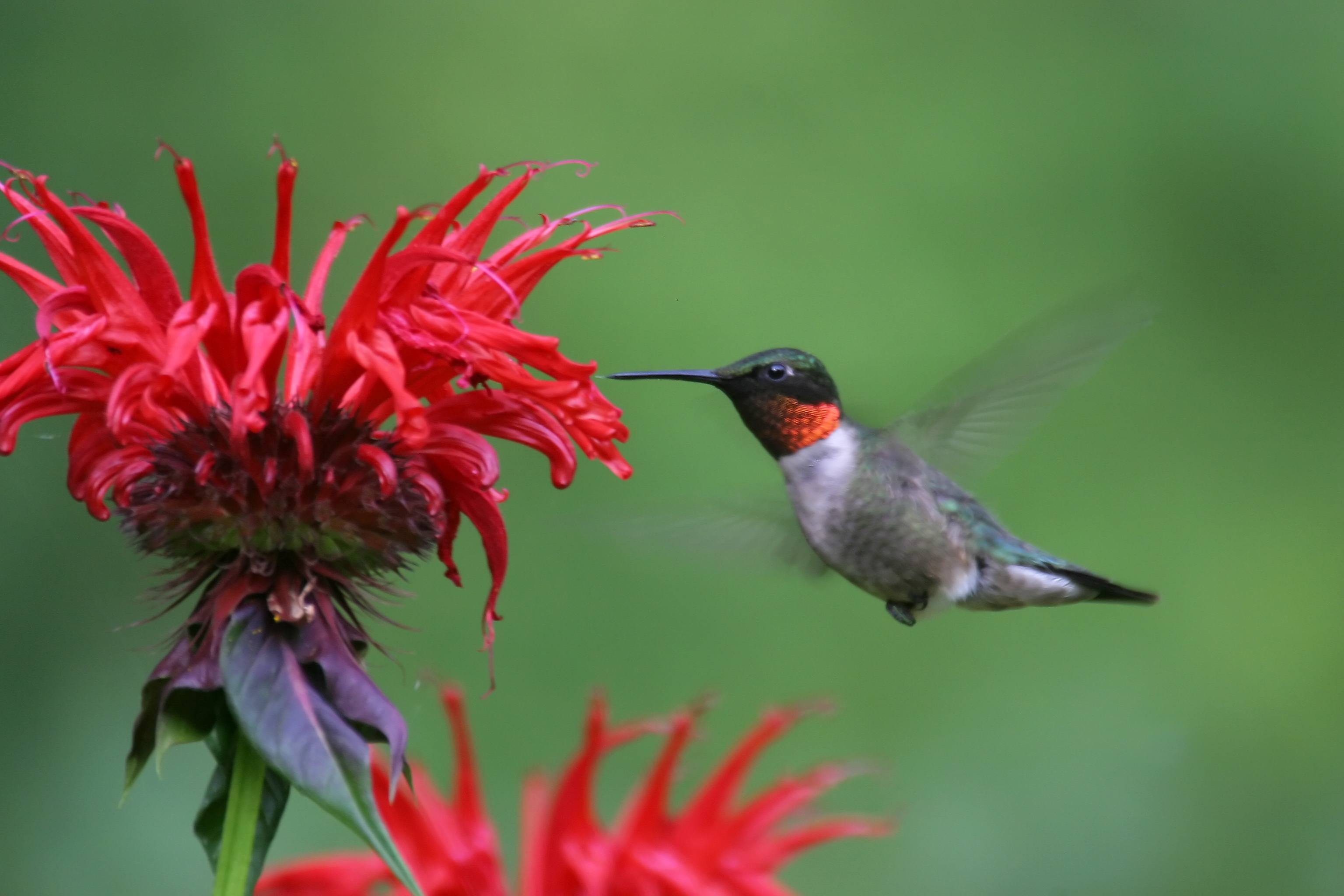
What type of symbiosis?  Hummingbirds feed on nectar from flowers.  The flowers are pollinated by hummingbirds as they move from flower to flower.
a)
commensalism
b)
mutualism
c)
parasitism
d)
predation
20.

Aphids are tiny insects that live on and eat the leaves of plants, removing vital nutrients from the plants.

a)

Predation

b)

Parasitism

c)

Commensalism

d)

Mutualism

21.
If an area has all the wolves that it can support, the wolf population has reached its _______________________.
a)
limiting factor
b)
carrying capacity
c)
emmigration
d)
immigration
22.
What factor describes when populations increase because animals are moving into a population?
a)
Emigration
b)
Limiting Factors
c)
Immigration
d)
Exponential Growth
23.
What is an invasive species?
a)
A native (naturally found) species which are added to an area. 
b)
A non-native (not naturally found) species added to an area. 
c)
A keystone species in an environment
d)
none of the above
24.
The number of individuals per unit area is the definition of which?
a)
Population distribution
b)
Population density
c)
Survivorship type 1
d)
Survivorship type 2
25.
What does biodiversity mean?
a)
Only one species in an area.
b)
The different amount of species in an area
c)
All abiotic life
d)
Nitrogen fixation
26.
Which option is abiotic?
a)
Plants
b)
Bacteria
c)
Water
d)
Fungi
27.
Which option is biotic?
a)
Plants
b)
Air
c)
Water
d)
Energy
28.
Which organisms in the food web shown to the right are predators that compete for the same prey in this environment?
a)
Coyotes and rabbits
b)
White-tailed deer and rabbits
c)
Leafy weeds and cotton rats
d)
Bobcats and coyotes
29.
On a safari at night, a lion hunts and feeds on an antelope. In this relationship, the lion is the ____________________ and the antelope is the _________________.
a)
Parasite/host
b)
Predator/prey
c)
Prey/Predator
30.

How could a global decrease in plant diversity affect the biosphere?

a)

It could cause an increase in the amount of oxygen gas available for plants and animals.

b)

It could cause an increase in animal diversity in the biosphere.

c)

It could cause a decrease in animal populations in the biosphere.

d)

It could cause a decrease in the amount of water available for plants and animals.

31.

Which of these is a threat to the survival of an ecosystem?

a)

predator-prey population cycles

b)

less biomass at higher levels of the food web

c)

a shrinking variety of animal and plant species

d)

competition among some consumer populations

32.

Why is it important to conserve the biodiversity of Earth?

a)

to decrease the amount of global predator populations

b)

to decrease the stability of major global ocean currents

c)

to increase the stability of ecosystems during environmental changes

d)

to increase the amount of nonrenewable resources located in the lithosphere

33.
Examples of a producer
a)
frog
b)
algae
c)
worm
d)
mouse
34.
Example of a decomposer
a)
fungus
b)
mouse
c)
plants
d)
frogs
35.
What is a producer?
a)
an organism that gets energy from eating other organisms
b)
an organisms that uses sunlight to make its own food
c)
an organism that gets energy from eating dead organisms, non-living material or waste
d)
an organism that uses chemical energy to make its own food
36.
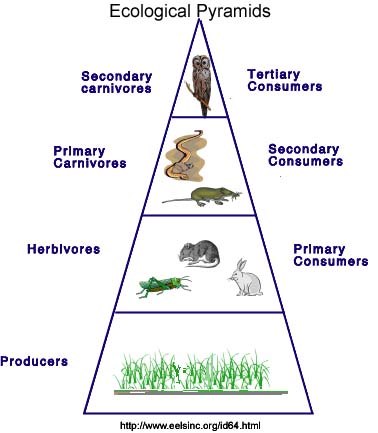
In the energy pyramid here, which organisms have the most energy available?
a)
Producers
b)
Carnivores
c)
Herbivores
d)
Top Predator
37.
In the energy pyramid below, which organism has the least amount of energy available?
a)
Producers
b)
Herbivores
c)
Carnivores
d)
Top Predator
38.
If there is 1000 Kcal available in the producers in trophic level 1, how much energy is available in the herbivores in trophic level 2?
a)
10 Kcal
b)
1 Kcal
c)
100 Kcal
d)
1000 Kcal
39.
Which organism recieves the least amount of energy from the producer?
a)
Owl
b)
Grasshopper
c)
Lilypad
d)
Mouse
40.
The largest group of organisms found in a food web would be:
a)
Primary Consumers
b)
Producers
c)
Decomposers
d)
Tertiary Consumers
41.
A secondary consumer 
a)
eats primary consumers
b)
eats producers
c)
eats plants
42.

What amount of percentage does the energy decrease as it goes up the pyramid?

a)

100%

b)

1000%

c)

10%

d)

1%

43.
Which is the smallest level of an ecosystem?
a)
organsism
b)
population
c)
community
d)
ecosystem
44.
a system of food chains that shows the transfer of energy  is termed
a)
food web
b)
food chain
c)
prey
d)
predator
45.
Which is represented by all of the bullfrogs living around a pond?
a)
community
b)
habitat
c)
population
46.
An organism that needs to eat other organisms to obtain energy is known as a:
a)
Autotroph
b)
Producer
c)
Consumer
d)
Mutualist
47.
What does a food web represent?
a)
All connections of energy flow throughout all organisms in a habitat.
b)
The specific ways that mutualism is carried out.
c)
A single pathway or energy flow between organisms. 
d)
How carnivores get their food. 
48.
Different populations living and interacting with each other in the same area
a)
Biome
b)
Ecosystem
c)
Community
d)
Niche
49.

What is a niche?

a)

The habitat that an organism lives in

b)

An organism’s “role” in an ecosystem

c)

A type of consumer

d)

The relationship between a producer and consumer

50.

(Im)migration is ...

a)

the movement into an area

b)

The movement out of an area

c)

The migration process

d)

exponential graph

51.

On the pH scale, 0-6 is ___________, 7 is ____________, and 8-10 is _______________

a)

Acid; Base; Non-reactive

b)

Base; Neutral; Acid

c)

Acid; Neutral; Base

d)

Acid; Base; Acid

52.

As the amount of CO2 in the atmosphere/oceans increases, the acidity of the ocean _____________.

a)

Decreases

b)

Increases

53.

What happens to 1/4 of the greenhouse gases in the atmosphere?

a)

It is released into space.

b)

It gets absorbed by the ocean.

54.
Carbon dioxide and seawater combine to form
a)
calcium carbonate
b)
carbon monoxide
c)
carbonic acid 
55.

Which molecule makes water acidic?

a)

Carbonate Ions

b)

Carbon Dioxide

56.

Producers are ...

a)

plants

b)

able to do photosynthesis

c)

also called autotrophs

d)

all of these are true

57.

Photosynthesis is important because...

a)

it makes carbon dioxide

b)

it makes food for the food webs

c)

it makes water

d)

it's not important

58.

What is an invasive species?

a)

An organism that is new to an environment that has positive effects on the environment.

b)

An organism that is native to an environment that has negative effects on the environment.

c)

An organism that is new to an environment that has negative effects on the environment.

d)

An organism that is native to an environment that has positive effects on the environment.

59.

Invasive species don't harm native species that are beneficial to the environment.

a)

TRUE

b)

FALSE

60.

Which of the following is an example of an invasive species?

a)

Trout

b)

Kudzu

c)

Mosquito

d)

Daisy

61.

10. Lionfish ended up in the Atlantic Ocean because pet owners dumped them there.

a)

True

b)

False

62.
If an organism can't adapt fast enough, this might happen.
a)
hibernate
b)
stay the same
c)
live longer
d)
become extinct
63.
What is the advantage of having different shaped beaks?
a)
To look different from other species.
b)
To be able to eat the food readily available in the environment.
c)
To protect itself against predators.
d)
To protect itself against prey.
64.
What is it called when better adapted organisms survive to pass traits along to their offspring.
a)
Evolution
b)
Natural Selection
c)
Extinction
d)
Artifical Selection
65.
Humans, birds, whales, and lizards all have similar arm bones. What is the reason for this?
a)
The function of these bones is the same in all animals
b)
They live in similar environments
c)
They have a common ancestor
d)
All organisms resemble humans
66.
Which of the following pieces of evolution evidence deals with comparing similar structures in various species?
a)
fossil record
b)
comparing embryology
c)
comparing biochemistry
d)
comparing anatomy
67.
Structures that are similar to function. 
a)
Homologous 
b)
Analogous 
c)
Vestigial 
d)
DNA
68.
Structures are similar in appearance but not in structure
a)
Vestigial 
b)
Homologous 
c)
Analogous Structures 
d)
Embryonic 
69.
The blending of an organism in an enviornment
a)
Natural selection 
b)
Evolution 
c)
Mimicry 
d)
Camouflage 
70.
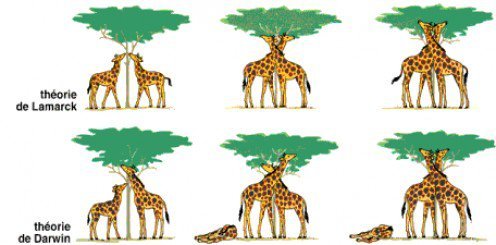
What would happen if the Giraffes never evolve?
a)
they would survive
b)
They would thrive
c)
They would become extinct
d)
They will find another source of food
71.

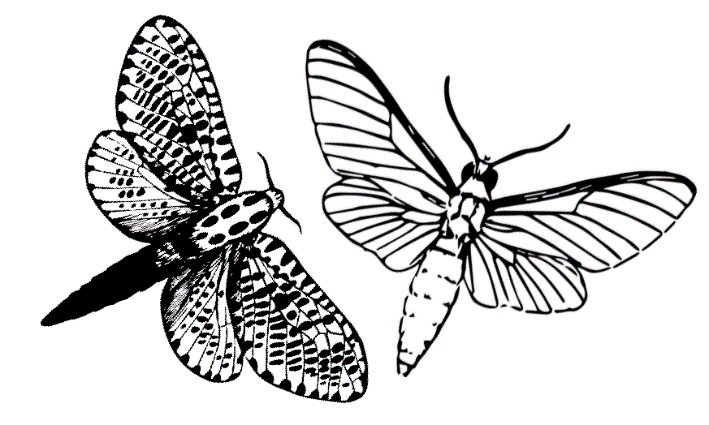
According to natural selection, light colored tree trunks would favor

a)

light colored moths

b)

dark colored moths

c)

red colored moths

d)

red and light colored moths

72.

Genetic diversity in a species makes long term survival of some members

a)

impossible

b)

improvable

c)

more likely

d)

less likely

73.

A physical trait favored by an environmental change can be called an

a)

adaptation

b)

extinction

c)

possibility

d)

mutation

74.

Natural Selection is driven by a change in the environment and survival of the

a)

Earth

b)

Fastest

c)

Fittest

d)

Biggest

75.

How do you "win" at natural selection?

a)

survive

b)

go extinct

c)

survive & reproduce

76.
Why are advantageous traits more likely to be passed onto offspring?
a)
Because they are more likely to survive and reproduce.
b)
Because they come from dominant alleles.
c)
Because they come from recessive alleles.
d)
Because the trait is an acquired phenotype.
77.
Why might some plants have thorns?
a)
to stay safe from animals that want to eat the plant
b)
to attract insects that spread pollen to other plants
c)
to take in nutrients from the air
d)
to provide shade for the plant
78.
Some grasses grow in hot dry areas. Why might they grow deep roots?
a)
to protect the plant from sun damage
b)
to take in as much light as possible
c)
to spread seeds to new places
d)
to reach water down below
79.
Cactus have a thick waxy coating on their stem that keeps them from drying out- is this a behavioral adaptation or physical adaptation?
a)
Behavioral adaptation
b)
Physical adaptation 
80.

Why do tundra plants typically grow close to the ground?

a)

This allows their roots to grow very deep

b)

To prevent herbivores from eating them

c)

To avoid the wind and conserve heat

d)

All of these choices

81.

Desert plants have adaptations for survival, such as -

a)

Stems and roots store water

b)

Leaves with waxy coating or hairy covering

c)

Fewer and smaller stomata

d)

All of these choices

82.

what is an adaptation?

a)

a change in behavior or physical aspect of an organism in order to be better suited to survive in a particular environment.

b)

a change that an organism quickly develps to survive

c)

a unique characteristic that makes an organsism more dominant

d)

a shift in an organisms behavior

83.

Adaptations can be...

a)

mutations

b)

Behaviors

c)

Both B and D

d)

Phyisical characteristics

84.

Adapatation are caused by

a)

natural selection

b)

harsh environmets

c)

unique organisms

d)

evolution

85.

What would be the most useful adaptation for a rabbit in the snow...

a)

camoflauge

b)

having long ears

c)

having strong legs

d)

strong teeth

86.

Is a whale's blubber layer an adaptation?

a)

yes

b)

no

87.

Is a tattoo an adaptation?

a)

yes

b)

no

88.

Is a bat's echolocation an adaptation?

a)

yes

b)

no

89.

Are the shape and color of a stick bug adaptations?

a)

yes

b)

no

90.

Are a duck's webbed feet an adaptation?

a)

yes

b)

no

91.

What type of adaptation is a tree releasing tannin to ward off insects?

a)

physical

b)

innate behavioral

c)

learned behavioral

d)

complex behavioral

92.
This scientist came up with the idea of natural selection.
a)
Jean Baptiste Lamarck
b)
Gregor Mendel
c)
Charles Darwin
d)
Thomas Malthus
93.
Inherited trait that helps an organism survive is a(n) __________.
a)
Fossil
b)
Adaptation
c)
Ancestor
d)
Natural selection
94.
Why do embryologist study embryos?
a)
to see if they are related
b)
to understand adaptations
c)
to determine the age
d)
to learn what parents are vestigial
95.
The environment around Manchester, England, changed during the Industrial Revolution.  How did this change affect peppered moths living in the area?
a)
Natural selection favored moths with dark wings because predators could not see them on the soot-colored trees.
b)
Natural selection favored moths with white wings that were easy for predators to see.
c)
Natural selection favored moths with white wings because predators could not see them on the soot-colored trees.
d)
Natural selection caused moths with white wings to become extinct.
96.
When an organism completely dies out, it is called.....
a)
Adaption
b)
Extinction
c)
Fossilization
d)
Mutation
97.
Comparing human hemoglobin of chimpanzees, horses, kangaroos, and chickens, reveal that humans have the fewest amino acid differences with 
a)
Kangaroos
b)
Horses
c)
chickens
d)
chimpanzees
98.

Industrial/modern commercial agriculture refers to

a)

large scale agriculture using machines to produce large amounts of crops for sale

b)

large scale agriculture using machines to produce small crops for individual families

c)

small scale, intensive agriculture

d)

small scale, extensive agriculture

99.

A positive impact of industrial/commercial agriculture is

a)

a decrease in amount of crops produced

b)

an increase in amount of crops produced

c)

increased water and air pollution

d)

decrease in the amount of machinery used

100.

A negative impact of industrial/commercial agriculture is

a)

a decrease in amount of crops produced

b)

an increase in amount of crops produced

c)

increased water and air pollution

d)

decrease in the amount of machinery used

101.

Which words correctly complete the following trend: "In the US the size of farms has ______ while the number of farmers has _______."

a)

increased; increased

b)

decreased; decreased

c)

increased; decreased

d)

decreased; increased

102.

What was the Green Revolution?

a)

When people started eating more organic foods

b)

A period of new agricultural practices that led to increased yields

c)

When the Green Party ran a presidential candidate

d)

The development of tilling and irrigation

103.

What is a GM crop?

a)

A crop selectively bred for desired traits

b)

A crop that is rotated to improve soil health

c)

A crop that is grown only for animals to eat

d)

A crop whose DNA has been modified with the DNA of another species for desired traits

104.

Sustainability is making sure that the planet and its resources can continue to provide life.

a)

True

b)

False

105.

Which of these problems could happen if we don't look after the resources we have?

a)

Loss of animal homes

b)

Climate change

c)

Increase in pollution

d)

All of the above

106.
About how many people does the world currently have?
a)
3 Million
b)
8 Billion
c)
4 Trillion
d)
12 Billion
107.

What industry/industries use the most water?

a)

Recreational

b)

Transportation

c)

Agriculture

d)

Medical

108.

Can you reduce your ecological footprint?

a)

Yes

b)

No

109.
What is deforestation?
a)
Clearing Earth's forests on a massive scale
b)
Eating too much vegetables
c)
Going to a forest and pulling weeds
d)
Clearing the five trees in my backyard
110.

Deforestation causes an increase in atmospheric carbon dioxide

a)

true

b)

false

111.
what is the leading cause of deforestation?
a)
Diseases 
b)
Housing market
c)
Agriculture and Farming
d)
Paper mill
112.
What does deforestation effect?
a)
Plants and animals
b)
Our biosphere
c)
Humans
d)
All of the above
113.
What are the effects of deforestation ?
a)
loss of habitat
b)
increased green house gasses 
c)
soil erosion and flooding
d)
all of the above
114.
Does deforestation contribute to global warming?
a)
No, trees aren't that important
b)
Sometimes because only the cutting down of Maple trees contributes to global warming
c)
No, deforestation adds methane to the atmosphere, which makes the Earth cooler
d)
Yes; less trees means less CO2 is turned into oxygen.
115.
Which one of these does not add CO2 to the atmosphere?
a)
cooking with gas
b)
planting trees
c)
burning wood
d)
riding in a bus
116.
Why is the increase of Greenhouse gasses a big issue?
a)
It causes climate change and increase in the global temerature 
b)
It can lead to a major increase in Greenhouses 
c)
It leads to more factories
d)
It causes a major decrease in people
117.
Why does cutting down trees increase global warming?
a)
trees soak up carbon dioxide
b)
trees provide shade which counteracts global warming
c)
trees absorbs the sun's energy without radiating back into the atmosphere
d)
trees drain greenhouse gases like methane from soil
118.

What is a carbon sink?

a)

Something that adds to the atmosphere.

b)

Something that removes carbon from the atmosphere.

c)

Something that adds carbon to the earth's crust.

d)

Something that removes carbon from the earth's crust.

119.

Which is true about fossil fuels?

a)

We can run out of them

b)

We can renew them

c)

They do not pollute

120.

Why is solar energy a renewable energy source?

a)

Sunlight will run out soon

b)

Solar energy causes pollution

c)

The sun will shine for another 5 billion years

121.

This energy comes from undergound hot water.

a)

OTEC

b)

Geothermal

c)

Tidal

122.

Which carries more energy, moving air from wind or moving water from tides

a)

Moving air

b)

Moving water

123.

What is the main disadvantage to Coal?

a)

It is difficult to obtain

b)

It creates CO2 and other pollution when it is burned

c)

It is expensive

d)

We lack the technology to use it properly

124.

Where is Natural Gas found?

a)

It is filtered out of the air

b)

In the lobby bathroom when it's chili day in the cafeteria

c)

Natural Gas isn't found, its created in a lab

d)

In underground deposits, usually with other fossil fuels

125.

Why is Uranium considered non-renewable?

a)

Because it is a fossil fuel

b)

Because it changes into other elements during the nuclear process

c)

It's actually a renewable resource

d)

Because it produces nuclear waste

126.

Uranium is a fossil fuel.

a)

True

b)

False

127.

What is the main problem with nuclear power?

a)

It generates nuclear waste

b)

It makes air pollution and CO2

c)

The U.S. has little to no Uranium to use in Nuclear Reactors

d)

It is too awesome

128.

What form of natural gas is formed when ancient plants and animals decompose and form layers over the ground. As the years pass, dirt, rocks, sand and silt bury the organic matter.

a)

Petroleum

b)

Coal

c)

Natural Gas

d)

Nuclear Energy

129.

What are positive impacts of using coal?

a)

Coal is cheap

b)

Coal is expensive

c)

Coal cannot be destroyed

d)

Coal is fast working

130.

What are some positive impacts of using any form of non-renewable energy?

a)

It does not release any harmful chemicals

b)

It is cheap

c)

It works fast

d)

It is expensive