wayground logo

Free Printable Worksheets

Font size

S
M
L
XL
Worksheets

FIT: Biomolecule Review

Total questions: 55

Worksheet time: 43mins

Name
Class
Date
1.

A monosaccharide is the monomer for which biomolecule:

a)

Lipid

b)

Carbohydrate

c)

Nucleic Acid

d)

Protein

2.

Lipids have which of the following monomer:

a)

Glycerol & fatty acids

b)

amino acids

c)

monosaccharide

d)

nucleotide

3.

Which biomolecule has amino acids as their monomer?

a)

Carbohydrate

b)

Nucleic acid

c)

lipid

d)

protein

4.

The monomer for nucleic acids is called a:

(a)  

5.

Match the following

a)
1.

protein

b)
2.

nucleic acid

c)
3.

carbohydrate

d)
4.

lipid

6.

Select the biomolecules that contain the elements C,H,O

a)

Lipid

b)

Protein

c)

Carbohydrate

d)

Nucleic acid

7.

C,H,O,N,P are the elements in

a)

Nucleic acid

b)

Protein

c)

Carbohydrate

d)

Lipid

8.

Which biomolecules contain the element Nitrogen?

a)

Carb

b)

Protein

c)

Lipid

d)

Nucleic acids

9.

Carbs and lipids are similar because they...

a)

Are a source of energy for living organisms

b)

Help with immune response

c)

build structures such as cellulose and chitin

d)

Contain the same elements (CHO)

10.

Match the following functions to the biomolecule

a)

Act as hormones

1.

Lipid

b)

Build muscle

2.

Protein

c)

Carry genetic information

3.

Nucleic acid

d)

Energy source (cellular respiration)

4.

Carbohydrate

11.

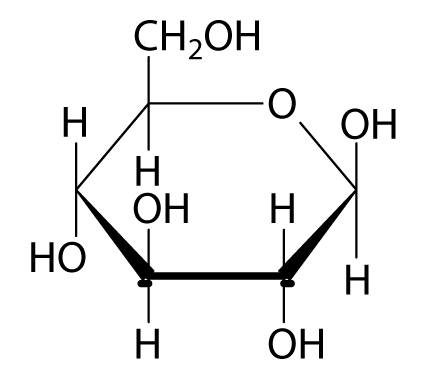
What does a carbohydrate structure look like?

12.

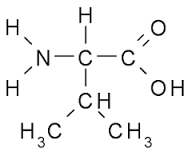
What does a protein structure look like?

13.

Draw a nucleotide

14.

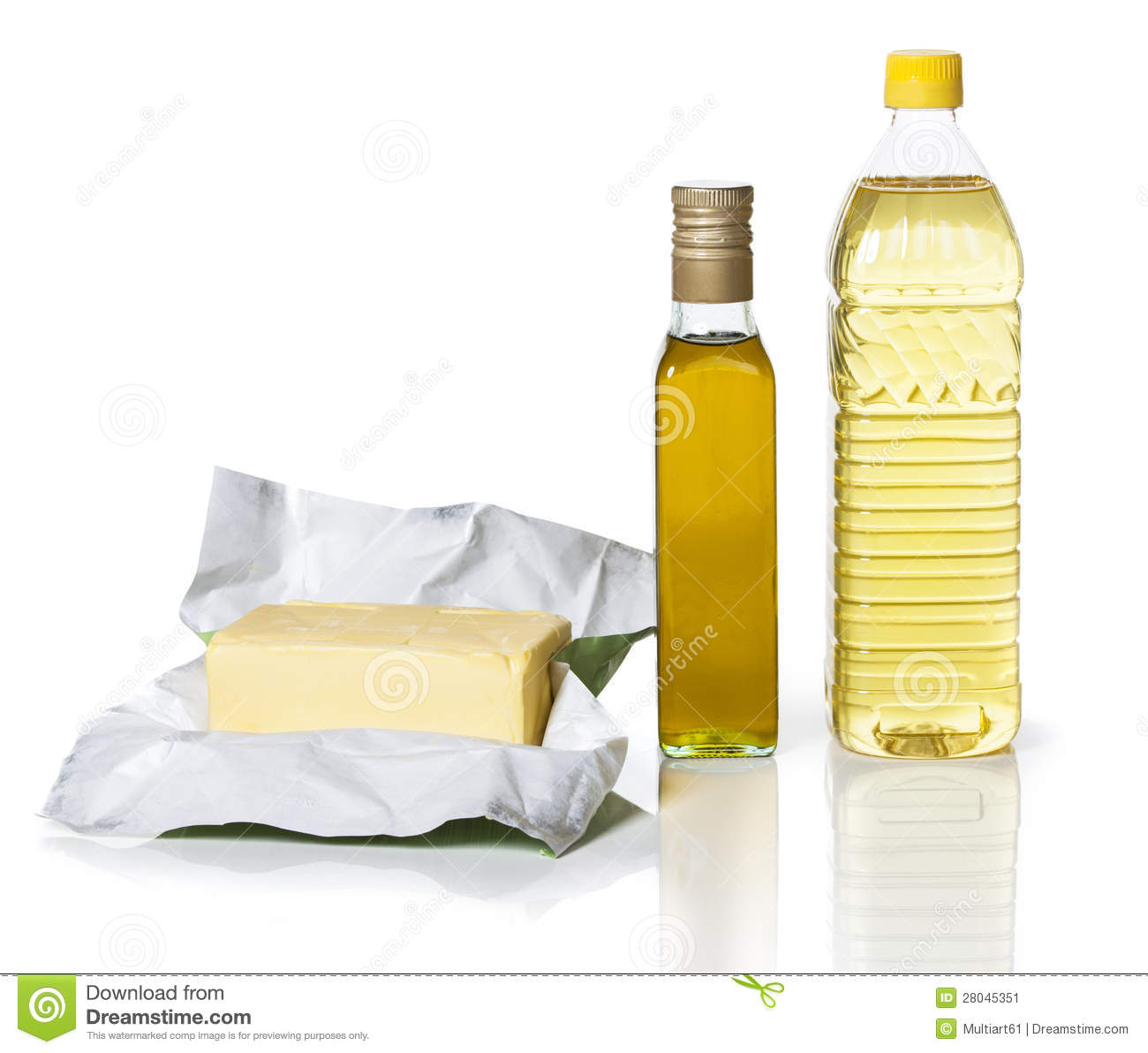
What does a lipid structure look like?

15.

True or False: You need all 4 biomolecules to survive.

(a)  

16.

True or False: Biomolecules are necessary for ALL living organisms

(a)  

17.

What is the function of proteins?

a)

provides quick energy

b)

stores energy

c)

helps with growth and repair of tissues

d)

stores genetic information

18.

What is the function of lipids?

a)

provides quick energy

b)

stores energy

c)

helps with growth and repair of tissues

d)

stores genetic information

19.

What is the function of carbohydrates?

a)

provides quick energy

b)

stores energy

c)

helps with growth and repair of tissues

d)

stores genetic information

20.

What is the function of nucleic acid?

a)

provides quick energy

b)

stores energy

c)

helps with growth and repair of tissues

d)

stores genetic information

21.

Which are examples of proteins?

a)

glucose, pasta, bread

b)

fats, oils, waxes

c)

meats, enzyme, lactase, eggs

d)

DNA, RNA

22.

Which are examples of Nucleic Acids?

a)

glucose, pasta, bread

b)

fats, oils, waxes

c)

meats, enzyme, lactase, eggs

d)

DNA, RNA

23.
DNA and RNA are examples of...
a)
proteins
b)
nucleic acids
c)
carbohydrates
d)
lipids
24.

Fats and oils: a major source of food providing long term energy and other functions.

a)

Sugars

b)

Carbohydrates

c)

Lipids

d)

Proteins

25.
Which biomolecule has sugars and starches?
a)
Lipids
b)
Proteins
c)
Carbohydrates
d)
Nucleic Acid
26.
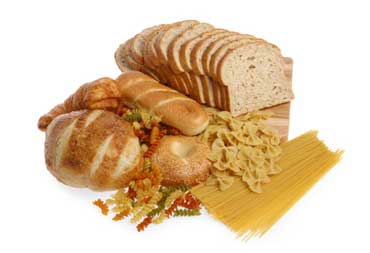
Which biomolecule is found in pastas and breads? (Hint: it is a polymer)
a)
Lipid
b)
Protein
c)
Simple Carbohydrate
d)
Complex Carbohydrate
27.
The monomer (building block) of a nucleic acid is
a)
Monosaccharide
b)
Amino Acid
c)
Nucleotide
d)
Polysaccharide
28.
Which of the following is NOT a biomolecule?
a)
Water
b)
Nucleic Acid
c)
Protein
d)
Lipid
29.

Proteins are used by the body for immunity, enzymes and

a)

Storage of energy

b)

Storage of genetic Information

c)

Quick energy release

d)

Structure

30.

_PO_CH what elements essential for life are missing from the acronym?

a)

Fe and Na

b)

Ca and Na

c)

S and N

d)

S and Na

31.

Lipids are used for long-term storage of energy and also for

a)

Genetic Information

b)

Insulation

c)

Structure

d)

Fast energy

32.

Which of the following may be caused by a lack of enough proteins in your diets?

a)

Frail nails and hair

b)

Fat deposit in your iris

c)

Low blood-sugar levels

d)

High blood pressure

33.

Which of the following could be cause by a diet rich in saturated fats? (you should select more than 1 answer choice)

a)

Frail nails and hair

b)

High blood pressure

c)

Low blood-sugar levels

d)

Lipid deposit in your eyes

34.
Identify the biomolecule
a)
Carbohydrate
b)
Lipid
c)
Protein
d)
Nucleic Acid
35.
The more bonds a molecule has, the more....
a)
water is stored
b)
force is stored
c)
energy is stored
d)
oxygen is stored
36.
The process that builds molecules by removing water to bind them together is
a)
Hydrolysis
b)
Protein Synthesis
c)
Dehydration Synthesis
d)
Lysis
37.
Identify the biomolecule
a)
monosaccharide
b)
disaccharide
c)
polysaccharide
d)
glycogen
38.
Identify the biomolecule
a)
Protein
b)
Lipid
c)
Carbohydrate
d)
Nucleic Acid
39.
The chemical reaction that breaks down a molecule by adding water is
a)
Dehydration Synthesis
b)
Hydrophobia
c)
Hydrolysis
d)
Dehydration
40.
This biomolecule would be used for
a)
Building enzymes
b)
Storing energy
c)
Key source of energy
d)
Storing genetic information
41.
Which examples are a sources of energy?
a)
Starch, cellulose, glycogen
b)
Valine, Histidine, Cysteine
c)
DNA, RNA
d)
Unsaturated and Saturated Fats
42.
Glycerol and fatty acids combine to form...?
a)
Carbohydrates
b)
Lipids
c)
Proteins
d)
Nucleic Acids
43.
Carbon, Hydrogen, Oxygen and Nitrogen are elements in what biomolecule?
a)
Carbohydrate
b)
Lipid
c)
Protein
d)
Nucleic acid
44.
All of the following are parts of a nucleotide except?
a)
Phosphate Group
b)
Nitrogen Base
c)
Amino Group
d)
Deoxyribose/Ribose sugar
45.
Which is a Carbohydrate's monomer?
a)
Sugar
b)
Amino acids
c)
Monosacharide
d)
Nucleotide
46.
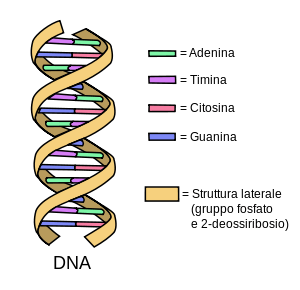
What is the shape of DNA?
a)
Double Helix
b)
Chain-link Fence
c)
Rocky Road
d)
Jamaican Twister
47.
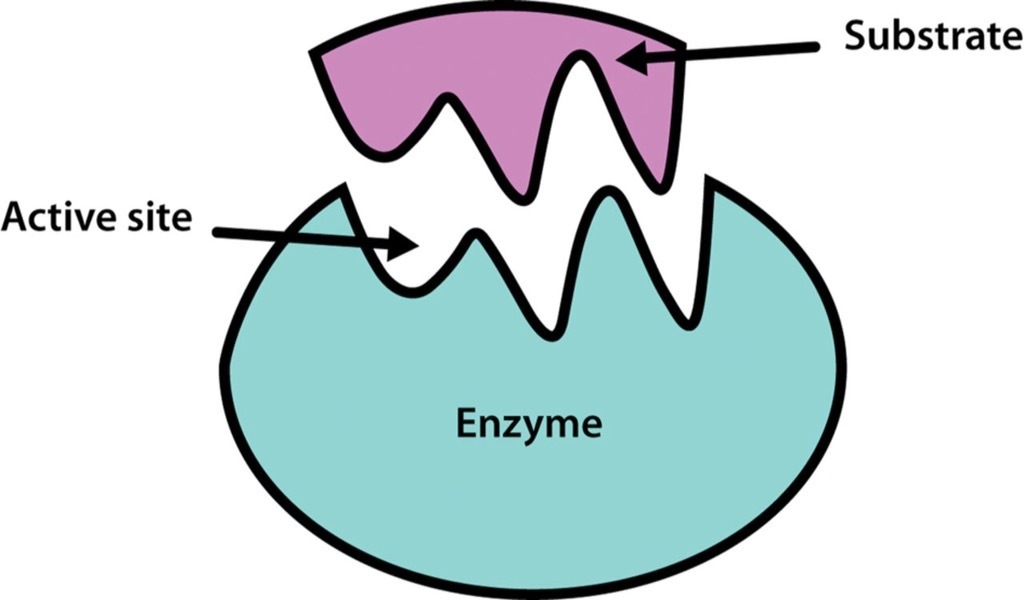
True or False:   Enzymes are substrate specific
a)
True
b)
False
48.
What does the word organic mean?
a)
has nitrogen
b)
has sulfur
c)
has carbon
d)
has oxygen
49.
A monomer is ...
a)
a single atom
b)
a building block for polymers
c)
a single element
d)
is an inorganic molecule
50.
Which biomolecule is found in fats, oils, and waxes and is a source of long-term energy
a)
Proteins
b)
Nucleic Acid
c)
Lipids
d)
Carbohydrate
51.
What type of molecule is this?
a)
Nucleic acid
b)
Protein
c)
Carbohydrate
d)
Lipid
52.
What biomolecule do enzymes belong to? 
a)
Carbohydrate
b)
Lipid
c)
Nucleic Acid
d)
Protein
53.
Which biomolecule contains pastas and breads?
a)
Lipid
b)
Protein
c)
Nucleic Acid
d)
Carbohydrate
54.

Which biomolecule makes up cell membranes?

a)

Protein

b)

Carbohydrate

c)

Lipid

d)

Nucleic acid

55.

Which organic molecule would a long-distance runner most likely choose to eat two hours before a race?

a)

A protein, because it builds muscle mass.

b)

A lipid because it provides long term energy storage.

c)

A carbohydrate because it releases energy quickly.

d)

A protein, because it transports oxygen into the blood stream.