
 Worksheets
Unit 1: Living Systems
Total questions: 82
Worksheet time: 44mins
What kind of observation deals with numbers?
qualitative
quantitative
sensory
descriptive
Which of the following do scientists use when observing?
only their senses
only tools
their senses and tools
their tools and observations
A(n) ________ variable is changed to test a hypothesis.
independent
control
dependent
constant
You make a(n) ________ when you interpret something you observe.
prediction
observation
inference
evaluation
When you state what you think will happen in the future, you are ________.
predicting
observing
inferring
making models
Which of these is purposely changed during an experiment?
hypothesis
dependent variable
independent variable
responding variable
True or False: A factor that can change in an experiment is called a variable.
True
False
The scientific ________ process includes the diverse ways in which scientists study the natural world.
experiment
inquiry
observation
evidence
Which of these is a tool that can help you interpret data?
theory
variable
hypothesis
graph

What is the DEPENDENT variable (effect) in this experiment?
"Does eating breakfast improve test scores?"
eating breakfast or not
the grade you got on the test
what time you get up in the morning
how tasty the breakfast is
This variable is the one thing that changed on purpose...
Dependent Variable
Control
Independent Variable

You are testing how the amount you water a plant affects its growth. What would be the INDEPENDENT VARIABLE in this experiment.
They type of pot you put the plants in.
The amount you water each plant.
The amount of sunlight the plants get.
The amount the plant grows.

Mr. Pransky wants to see how different surfaces affect how high a tennis ball can bounce. What is the independent variable?
the different surfaces
using the same ball
how high they bounce
What is the dependent (responding) variable?
what we are changing or testing
what we are observing or measuring
what we are keeping the same to make the experiment fair
What is the independent (manipulated) variable?
what we are changing or testing
what we are observing or measuring
what we keep the same to make the experiment fair
What are the constant variables?
what we are changing or testing
what we are observing or measuring
what we keep the same to make the experiment fair
What two words should be in your hypothesis?
I think
If ...then...
It will
No idea
A hypothesis must be
true
testable
observable
measurable
In a controlled experiment ___ variables are tested at a time.
1
2
3
4

When are bar graphs best to use?
To show change over time
To show comparisons
To show percentages
To show pretty colors on a graph

When do we use line graphs?
To compare
To show percentages of a whole
To show change over time
A quick and easy way to read data

What metric unit is used for mass?
Gram
Meter
Liter

What metic unit is used for length?
Grams
Meter
Liter
What is the independent variable in the following example:
Stacey has two groups in her class. She gives one group a coke and another group water. She measures how hyper they are 30 minutes later.
The type of drink
The time (30 minutes later)
How hyper the students are
The class
Information that you get from your senses(sight, hearing, smell, taste, touch) are_________
Inferences
Observations
Things
Fake
Data is
the information you collect from an experiment
fake news
a character in star trek
boring

The penguins are black and white.
Qualitative Observation
Inference
Hypothesis
Quantitative Observation

Which of the following is an observation about the man in this picture:
The man hates his purple shirt.
The man has a purple shirt.
The man is having a bad day.
This man is upset because he's hungry
The smallest unit of life
organism
cell
multicellular
unicellular
A thing that has all the characteristics of life
unicellular
multicellular
cell
organism
Describes a living thing that is made of only one cell
unicellular
cell
multicellular
organism
An organism's ability to maintain steady internal conditions when outside conditions change
internal stimulus
external stimulus
organization
homeostasis
Reaction to changes in the environment
adaptation
stimulus
response
internal stimuli
Change in the environment
stimulus
adaptation
response
homeostasis

The following list represents characteristics of a living thing :
made of cells, has lungs, can reproduce
made of cells, grows and develops, uses energy
has similar chemicals, makes noises, made of cells

Which characteristic is shown: A plant switches position and follows the sunlight throughout the day.
Grow and develop
Respond to a stimulus
Acquire and use energy
Reproduce
The following are all characteristics of life EXCEPT:
made of cell(s)
eat food
respond stimuli
reproduce
Which statement describes ALL living things?
They are composed of one or more cells.
They must reproduce sexually.
They have organ systems to carry out the processes of life.
They are capable of making their own food.
A camel has eyelashes that work to keep the dust and sand out of its eyes. Which characteristic of life does this represent?
All living things adapt to their environment
All living things grow
All living things have cells
All living things use energy
When you step out into the cold, your body shivers in order to keep its temperature at 98.6F. Which characteristic of life does this represent?
All living things use energy
All living things contain cells
All living things maintain homeostasis
All living things grow
Which of the following is not a characteristic of life?
Has cells
Able to reproduce
Able to adapt and evolve
Movement
Which item listed is NOT a characteristic of life?
adjusting to stimuli
getting and using energy
growing and developing
breathing
Multicellular means
made of one cell
made of many cells
A group of similar cells working together to perform a function is a
cell
tissue
organ
organ system
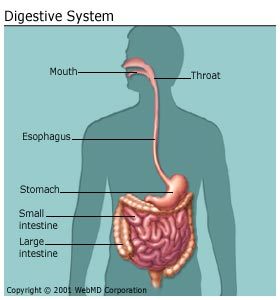
What can perform life processes (Any Living thing)?
cell
organ
organism
organ system

This is an example of
Cell
Tissue
Organ
Organ System

This type of energy is related to the movement of light.
Nuclear Energy
Thermal Energy
Radiant Energy
Electrical Energy
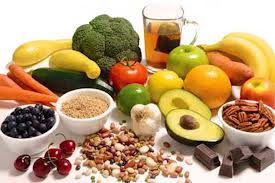
One of the following is NOT a kingdom.
Virus
Animals
Plants
Archaea
What are the 6 kingdoms?
phylum, class, Order, Family, Genus, Species
Humans, Plants, Protists, Archaea, Fungi, Bacteria
Trees, Animals, Protists, Archaea bacteria, Fungi, Eubacteria
Plants, Animals, Protists, Archaea bacteria, Fungi, Eubacteria

An example of an unicellular organism would be:
monkey
bacteria
spider
human

What is the correct order of taxonomy?
Kingdom, pylum, class, species, genus, family, class
Species, genus, family, order, class, phylum, kingdom
Kingdom, phylum, class, order, family, genus, species
species, phylum, order, class, kingdom, family, genus
What do you use to see cells?
microphone
microscope
telescope
binoculars
Who created the 2 name system?
Carolus Linnaeus
Thomas Edison
Charles Darwin
Albert Einstein
What two levels make up a scientific name?
genus and order
genus and species
domain and kingdom
family and genus
What is the study of classification?
taxonomy
biology
botany
microbiology

Tigers, Jellyfish, Gorillas and Snails are all part of kingdom _______.
Which is the best reason scientists use the scientific names of organisms instead of their common names?
Scientists were worried about the Latin language dying out so they decided to use it for naming organisms
Scientists who speak different languages will still know exactly which organism it is
So people will think the scientists are smart, because it sounds impressive

Hikers found a tree that has large brown cones and single sharp needles. What species of tree is it?
Juniper
Pine
Spruce
Fir
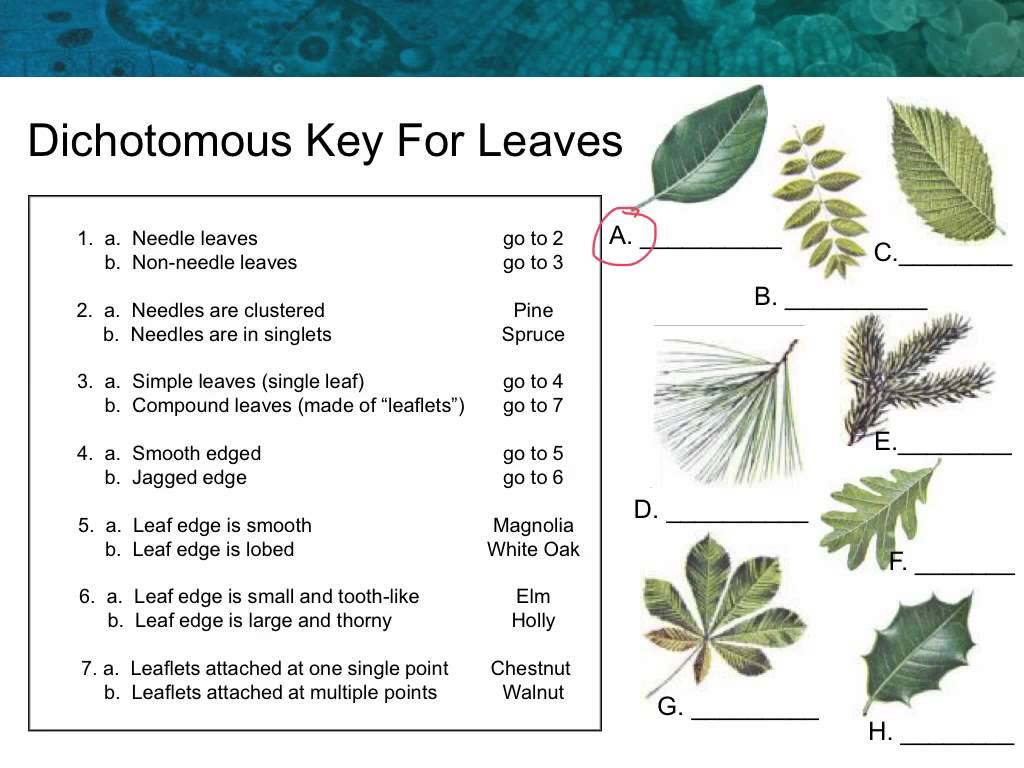
In a dichotomous key, each question contains ______ choices.
1
2
3
4
What TOOL do scientists use to classify organism based on their characteristics?
scientific name
branching chain
binomial key
dichotomous key
Cells that have a nucleus are called?
archaea
bacteria
eukaryotes
fungi
Which language is the primary language used to classify living things?
Greek
English
Roman
Latin
During photosynthesis -
chemical energy is transferred into potential energy
radiant energy is changed into potential energy
light energy is converted into chemical energy in plant cells
solar energy is exchanged for kinetic energy

