
 Worksheets
FGCSE October 2024 Biology Assessment
Total questions: 125
Worksheet time: 1hrs 23mins

Which organelle is responsible making food (Glucose) using sunlight?
Cell Membrane
Nucleus
Chloroplast
Mitochondria
Select all that are raw materials for Photosynthesis.
Water
Carbon Dioxide
Oxygen
Sunlight (Light Energy)
Glucose (Sugar/food)
Select all that are products of Photosynthesis.
Water
Carbon Dioxide
Oxygen
Sunlight (Light Energy)
Glucose (Sugar/food)
How does most of the water needed by the plant get into its leaves?
It enters through the stomata
The roots absorb it and then it travels up the stem
It's made during a chemical reaction in the leaf
The flowers capture water and deliver it to the leaves

Which of the following is the correct equation for PHOTOSYNTHESIS?
light + carbon dioxide + water --> glucose + oxygen
carbon dioxide + sugar + water --> oxygen + light
oxygen + light + water --> carbon dioxide + sugar
carbon dioxide + oxygen + water --> Light+ Sugar
What is the pigment in chloroplasts that performs photosynthesis?
Chlorosynthesis
Chlorophyll
Chloroplast
Green

Look at the diagram. Which gas would most likely be found in the greatest amount in the bubbles?

Which lettered graph represents the affect of light intensity on photosynthetic rate?
A
B
C
D

Which lettered graph represents the effect of carbon dioxide gas on photosynthetic rate?
A
B
C
D

Which lettered graph represents the effect of temperature on photosynthetic rate?
A
B
C
D
What 3 factors are limiting factors of photosynthesis?
Carbon dioxide concentration, Oxygen concentration , Water
Carbon dioxide concentration, Temperature, Water
Temperature, Water, Light intensity
Carbon dioxide concentration, Temperature, Light intensity
Some glucose is used by plants to produce Cellulose, this is used to
build cell membranes
strengthen cell walls
make the nucleus
make ribosomes
Some glucose is used by plants to produce Proteins examples of proteins are
Starch and Fatty Acids
Chlorophyll and Starch
Starch and Enzymes
Enzymes and Chlorophyll
Plants also need nitrates to make proteins. They obtain these from
The air as nitrate ions
The soil as nitrate ions
The air as nitrogen
The soil as nitrogen
The study of the transformation of energy in living organisms.
Botany
Ecology
Bioenergetics
Chemistry
The "energy currency" of the cell
ATP
Glucose
Chlorophyll
Carbon dioxide
The process that breaks down organic molecules like glucose into ATP and energy
Cellular respiration
Photosynthesis
aerobic respiration
anaerobic respiration
Glucose molecules are broken down into smaller molecules "splitting of sugar"
citric acid cycle
fermentation
Glycolysis
aerobic respiration
Respiration that involves oxygen
anaerobic respiration
Fermentation
glycolysis
aerobic respiration
Cellular respiration that occurs without the use of oxygen
cellular respiration
aerobic respiration
photosynthesis
anaerobic respiration
Organelle in both animal and plant cells that produce energy in the form of ATP
mitochondria
chloroplast
Stomata
xylem
Process that converts light energy from the sun into chemical energy stored in glucose molecules.
glycolysis
photosynthesis
cellular respiration
aerobic respiration
Plant organelles where photosynthesis takes place
mitochondria
chloroplast
stomata
leaf
A green pigment that captures the energy from sunlight
chlorophyll
stroma
thylakoid
glycolysis
Small pores on the underside of the leaf that take in carbon dioxide and release oxygen.
Phloem
thylakoids
stomata
xylem
Vascular plant tissue that conducts water up the stem of the plant
Glucose
Xylem
Chlorophyll
phloem
Vascular tissue in plants that helps sap/sugar flow from the leaves to the roots.
Phloem
chlorophyll
Xylem
Glucose
Photosynthesis reaction that happens in the thylakoid of the chloroplast and requires light energy.
Glycolysis
Light-dependent reaction
light independent reaction
Aerobic reaction
Photosynthesis reaction that happens in the stroma of the chloroplast and does not require light.
light dependent reaction
cellular respiration
light independent reaction
glycolysis
What is the process by which cells break down glucose to release energy?
Cell division
Protein synthesis
Cellular respiration
Photosynthesis
Which organelle is responsible for cellular respiration?
Mitochondria
Ribosomes
Endoplasmic reticulum
Golgi apparatus
Fill in the blank: Cellular respiration occurs in the ________ of the cell.
mitochondria
nucleus
ribosomes
cytoplasm
What are the two main types of cellular respiration?
Oxidative phosphorylation and citric acid cycle
Photosynthesis and fermentation
Krebs cycle and glycolysis
Aerobic respiration and anaerobic respiration
What is the chemical equation for aerobic respiration?
C6H12O6 + 6O2 -> 6CO2 + 6H2O + ATP
6CO2 + 6H2O -> C6H12O6 + 6O2
H2O + CO2 -> C6H12O6 + O2
C6H12O6 + 6O2 -> 6CO2 + 6H2O + ADP
Which molecule is the final electron acceptor in the electron transport chain?
Glucose
Water
Carbon dioxide
Oxygen
What is the net gain of ATP molecules produced in glycolysis?
2
8
6
4
What is the purpose of the Krebs cycle in cellular respiration?
Produce oxygen
Regulate body temperature
Store genetic information
Generate energy in the form of ATP
What is the role of oxygen in aerobic respiration?
Oxygen is converted into carbon dioxide during aerobic respiration.
Oxygen is a byproduct of aerobic respiration.
Oxygen acts as the final electron acceptor in the electron transport chain.
Oxygen is used as a source of energy in aerobic respiration.
What is the name of the process that occurs when oxygen is not available for cellular respiration?
Anaerobic respiration
Oxygenation process
Cellular oxidation
Aerobic respiration
Which type of respiration produces lactic acid as a byproduct?
Anaerobic respiration
Fermentation
Aerobic respiration
Photosynthesis
What is the main difference between aerobic and anaerobic respiration?
Presence of oxygen
Different types of cells
Occurs in plants only
Absence of oxygen
What is the total ATP yield from one molecule of glucose in aerobic respiration?
40 ATP
25 ATP
36 ATP
30 ATP
What is the role of NADH and FADH2 in cellular respiration?
NADH and FADH2 inhibit ATP production in cellular respiration.
NADH and FADH2 are only involved in glycolysis, not cellular respiration.
NADH and FADH2 are produced by the electron transport chain in cellular respiration.
NADH and FADH2 donate electrons to the electron transport chain to produce ATP in cellular respiration.
What is the primary function of the electron transport chain?
Generate ATP through oxidative phosphorylation
Generate glucose through photosynthesis
Regulate gene expression
Maintain cell structure
What is the purpose of the proton gradient in oxidative phosphorylation?
To increase the production of NADH
To inhibit the electron transport chain
To drive ATP synthesis by ATP synthase
To regulate the pH of the mitochondria
What is the significance of ATP synthase in cellular respiration?
ATP synthase produces ATP during cellular respiration.
ATP synthase is only found in plant cells during cellular respiration.
ATP synthase is not involved in cellular respiration.
ATP synthase breaks down ATP during cellular respiration.
Explain the concept of substrate-level phosphorylation in glycolysis.
Substrate-level phosphorylation in glycolysis is an aerobic process.
Substrate-level phosphorylation in glycolysis involves the conversion of ATP to ADP.
Substrate-level phosphorylation in glycolysis involves the direct transfer of a phosphate group from a substrate molecule to ADP, forming ATP.
Substrate-level phosphorylation in glycolysis occurs in the mitochondria.
Describe the role of coenzymes in cellular respiration.
Coenzymes inhibit cellular respiration rather than facilitating it.
Coenzymes are only involved in photosynthesis, not cellular respiration.
Coenzymes play a crucial role in facilitating metabolic reactions by transferring functional groups within the cell.
Coenzymes are not essential for metabolic reactions in cells.
How does the efficiency of ATP production differ between aerobic and anaerobic respiration?
Anaerobic respiration produces more ATP than aerobic respiration.
Aerobic respiration is more efficient in ATP production than anaerobic respiration.
ATP production is not related to the type of respiration.
Both aerobic and anaerobic respiration produce the same amount of ATP.
What is the process by which cells break down glucose to release energy?
Cell division
Protein synthesis
Cellular respiration
Photosynthesis
Which organelle is responsible for cellular respiration?
Mitochondria
Ribosomes
Endoplasmic reticulum
Golgi apparatus
Fill in the blank: Cellular respiration occurs in the ________ of the cell.
mitochondria
nucleus
ribosomes
cytoplasm
What are the two main types of cellular respiration?
Oxidative phosphorylation and citric acid cycle
Photosynthesis and fermentation
Krebs cycle and glycolysis
Aerobic respiration and anaerobic respiration
What is the chemical equation for aerobic respiration?
C6H12O6 + 6O2 -> 6CO2 + 6H2O + ATP
6CO2 + 6H2O -> C6H12O6 + 6O2
H2O + CO2 -> C6H12O6 + O2
C6H12O6 + 6O2 -> 6CO2 + 6H2O + ADP
Which molecule is the final electron acceptor in the electron transport chain?
Glucose
Water
Carbon dioxide
Oxygen
What is the net gain of ATP molecules produced in glycolysis?
2
8
6
4
What is the purpose of the Krebs cycle in cellular respiration?
Produce oxygen
Regulate body temperature
Store genetic information
Generate energy in the form of ATP
What is the role of oxygen in aerobic respiration?
Oxygen is converted into carbon dioxide during aerobic respiration.
Oxygen is a byproduct of aerobic respiration.
Oxygen acts as the final electron acceptor in the electron transport chain.
Oxygen is used as a source of energy in aerobic respiration.
What is the name of the process that occurs when oxygen is not available for cellular respiration?
Anaerobic respiration
Oxygenation process
Cellular oxidation
Aerobic respiration
Which type of respiration produces lactic acid as a byproduct?
Anaerobic respiration
Fermentation
Aerobic respiration
Photosynthesis
What is the main difference between aerobic and anaerobic respiration?
Presence of oxygen
Different types of cells
Occurs in plants only
Absence of oxygen
What is the total ATP yield from one molecule of glucose in aerobic respiration?
40 ATP
25 ATP
36 ATP
30 ATP
What is the role of NADH and FADH2 in cellular respiration?
NADH and FADH2 inhibit ATP production in cellular respiration.
NADH and FADH2 are only involved in glycolysis, not cellular respiration.
NADH and FADH2 are produced by the electron transport chain in cellular respiration.
NADH and FADH2 donate electrons to the electron transport chain to produce ATP in cellular respiration.
What is the primary function of the electron transport chain?
Generate ATP through oxidative phosphorylation
Generate glucose through photosynthesis
Regulate gene expression
Maintain cell structure
What is the purpose of the proton gradient in oxidative phosphorylation?
To increase the production of NADH
To inhibit the electron transport chain
To drive ATP synthesis by ATP synthase
To regulate the pH of the mitochondria
What is the significance of ATP synthase in cellular respiration?
ATP synthase produces ATP during cellular respiration.
ATP synthase is only found in plant cells during cellular respiration.
ATP synthase is not involved in cellular respiration.
ATP synthase breaks down ATP during cellular respiration.
Explain the concept of substrate-level phosphorylation in glycolysis.
Substrate-level phosphorylation in glycolysis is an aerobic process.
Substrate-level phosphorylation in glycolysis involves the conversion of ATP to ADP.
Substrate-level phosphorylation in glycolysis involves the direct transfer of a phosphate group from a substrate molecule to ADP, forming ATP.
Substrate-level phosphorylation in glycolysis occurs in the mitochondria.
Describe the role of coenzymes in cellular respiration.
Coenzymes inhibit cellular respiration rather than facilitating it.
Coenzymes are only involved in photosynthesis, not cellular respiration.
Coenzymes play a crucial role in facilitating metabolic reactions by transferring functional groups within the cell.
Coenzymes are not essential for metabolic reactions in cells.
How does the efficiency of ATP production differ between aerobic and anaerobic respiration?
Anaerobic respiration produces more ATP than aerobic respiration.
Aerobic respiration is more efficient in ATP production than anaerobic respiration.
ATP production is not related to the type of respiration.
Both aerobic and anaerobic respiration produce the same amount of ATP.

glucose and oxygen
light, water, and carbon dioxide
Glucose and carbon dioxide
Water and oxygen

Which of the following best explains the result of cellular respiration / aerobic respiration?
Respiration produces glucose, which stores chemical energy in its bonds.
Respiration produces glucose, which stores radiant energy in its bonds.
Respiration produces ATP, which stores chemical energy in its bonds.
Respiration produces ATP, which stores radiant energy in its bonds.
Which of the following best describes the location where aerobic respiration occurs in the cell?
Aerobic respiration begins in the cytoplasm, and ends in the mitochondria
Aerobic respiration begins in the mitochondria, and ends in the cytoplasm
Aerobic respiration occurs in the mitochondria
Aerobic respiration occurs in the cytoplasm
Which of the following is a similarity between aerobic and anaerobic respiration?
Both forms of respiration produce usable energy
Both forms of respiration require oxygen
Both forms of respiration require the same reactants
Both forms of respiration produce equivalent levels of ATP

Cellular respiration occurs in the __________ .
The trachea is kept open by rings of
(a)
What is the flap of tissue which prevents food entering the trachea called?
(a)
The hairs lining the air pipes which move the mucus into the oesophagus are called (a) ?
The large surface area needed for gaseous exchange is provided by the (a) ?
The red pigment (a) carries about 97% of the oxygen in our red blood cells
Breathing rate is controlled by the concentration of ................... dissolved in blood?
Oxygen
Carbon dioxide
Nitrogen
Water vapour
Which contains the greater percentage of water vapour – inhaled air or exhaled air?
inhaled
exhaled
Where in the body is the concentration of carbon dioxide monitored?
(a)
Each lung is enclosed by a pair of (a) membranes, which are separated by a cavity.
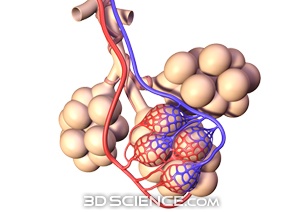
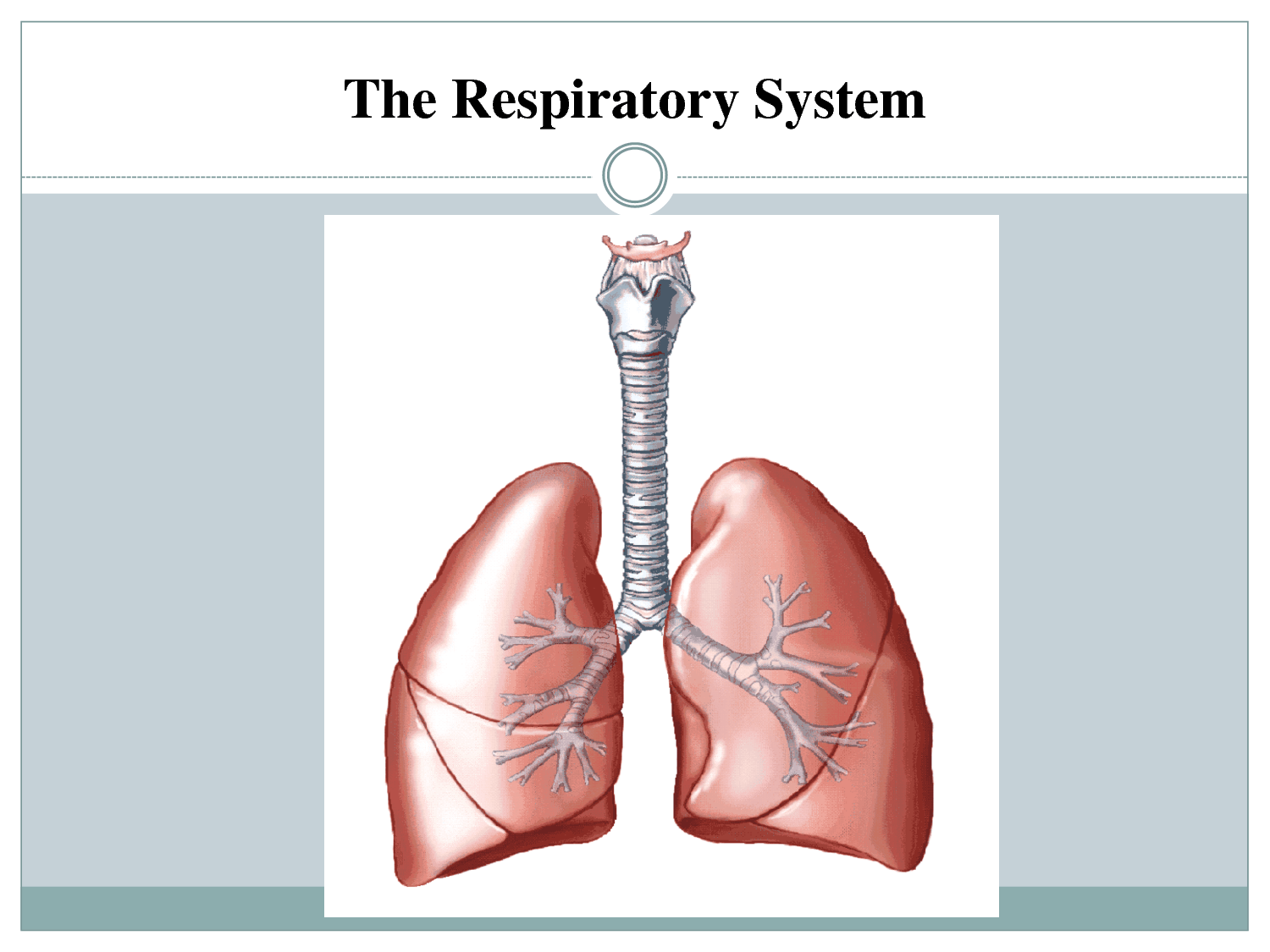
What is the site of gas exchange?
alveoli
nose
lung
bronchi
Tiny hairs that move particles in the nose are called
mucus
vocal cords
cilia
flagella
This is described as the inflammation, narrowing, and obstruction with mucus of the airways.
Emphysema
Bronchitis
Lung Cancer
Asthma

What is the funtion of the "Nose and Mouth"
Is used to sneeze
Is used for nothing
Is used for air to enter and exit the body
Where boogers live
What is the function of the "Bronchi"
They are infinte braches of the trachea and carry air to the lungs
They are one braches of the trachea and carry air to the lungs
They are three braches of the trachea and carry air to the lungs
They are two braches of the trachea and carry air to the lungs

What is the scientific term for the tube that is commonly known as your wind pipe?
esophogus
bronchi
trachea
alveoli
What type of cells transport oxygen in the blood?
red blood cells
white blood cells
neurons
cartilage cells

What is the diaphragm?
A muscle located under the lungs that contacts and relaxes during breathing.
Muscle found in the lower leg used to flex the knee.
A muscle that filters blood to remove waste products.
A muscle in the torso to flex the abdomen.
Which body system coordinates all of the systems by controlling every activity that takes place?
The Nervous System
The Digestive System
The Endocrine System
The Circulatory System
The Immune System
The Nervous System is divided into two parts called
The Central Nervous System & The Peripheral Nervous System
The Central Nervous System & The Paradigm Nervous System
The Corollary Nervous System & The Paradigm Nervous System
The Corollary Nervous System & The Peripheral Nervous System
This is the control center of the nervous system controlling both voluntary and involuntary processes.
Central Nervous System
Peripheral Nervous System
The nerves that coordinate messages from the brain and spine to all other parts of the body.
Central Nervous System
Peripheral Nervous System
Anything that occurs as a result of the organism thinking about it.
Voluntary Processes
Involuntary Processes
Anything that occurs automatically and without thought.
Voluntary Processes
Involuntary Processes
Digestion, Heartbeat, and Reflexes are examples of
Voluntary Processes
Involuntary Processes
Speaking, Running, and Karate Chopping are examples of
Voluntary Processes
Involuntary Processes
The Brain is made of a large mass of
Muscular Tissue
Neurons
Red Blood Cells
While Blood Cells
Glands
Which brain structure is responsible for balance and is involved with movement?
Cerebellum
Cerebrum
Medulla
Which brain structure controls all involuntary processes such as breathing, heartbeat, peristalsis
Cerebellum
Cerebrum
Medulla
Which brain structure controls all voluntary activities and is responsible for thought, memory, emotions, and reasoning?
Cerebellum
Cerebrum
Medulla
Which structure connects the Brain to the Peripheral Nervous System, while also directing some of the body's reflexes?
Spinal Cord
Esophagus
Pharynx
Larynx
Trachea
Neuron
a nerve cell with a unique structure for receiving and passing on information
a signal that causes an animal to react in some way
found in the brain and spinal cord and allow sensory and motor neurons to communicate
Sensory Neurons
the animal’s reaction to the stimulus
nerve cells that detect stimuli
nerve cells that carry response information to muscles and other organs
Interneurons/Relay neurons
nerve cells that detect stimuli
a signal that causes an animal to react in some way
nerve cells that carry response information to muscles and other organs
found in the brain and spinal cord and allow sensory and motor neurons to communicate
Motor neurons
the animal’s reaction to the stimulus
found in the brain and spinal cord and allow sensory and motor neurons to communicate
nerve cells that detect stimuli
nerve cells that carry response information to muscles and other organs
Function of nervous system is ____________.
Digestion only
Circulation only
Control and coordination of the body
Breathing only
What will happen if all the sensory nerves stop working in any human's body?
Messages will not reach to the brain or spinal cord.
Brain is not able to process the received information.
Nothing will happen as motor nerves will perform the functions.
What does the axon carry?
Impulses away from the cell body
Impulses to the cell body
chemicals
messages

