
 Worksheets
Renewable & Nonrenewable Review
Total questions: 110
Worksheet time: 2hrs 6mins
What is an advantage of Oil?
Chance of a spill
High amounts of gas released when burned
Nonrenewable
Inexpensive
This is formed from heat deep within the earth.
Nuclear
Geothermal
Hydropower
Biomass
What is an advantage of Oil?
Chance of a spill
High amounts of gas released when burned
Nonrenewable
Inexpensive
This is formed from heat deep within the earth.
Nuclear
Geothermal
Hydropower
Biomass
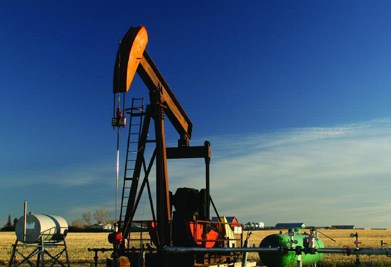
__________ is an energy resource that WILL run out in the next several hundred years.
Renewable Energy Resource
Nonrenewable Energy Resource
natural resources
pollution
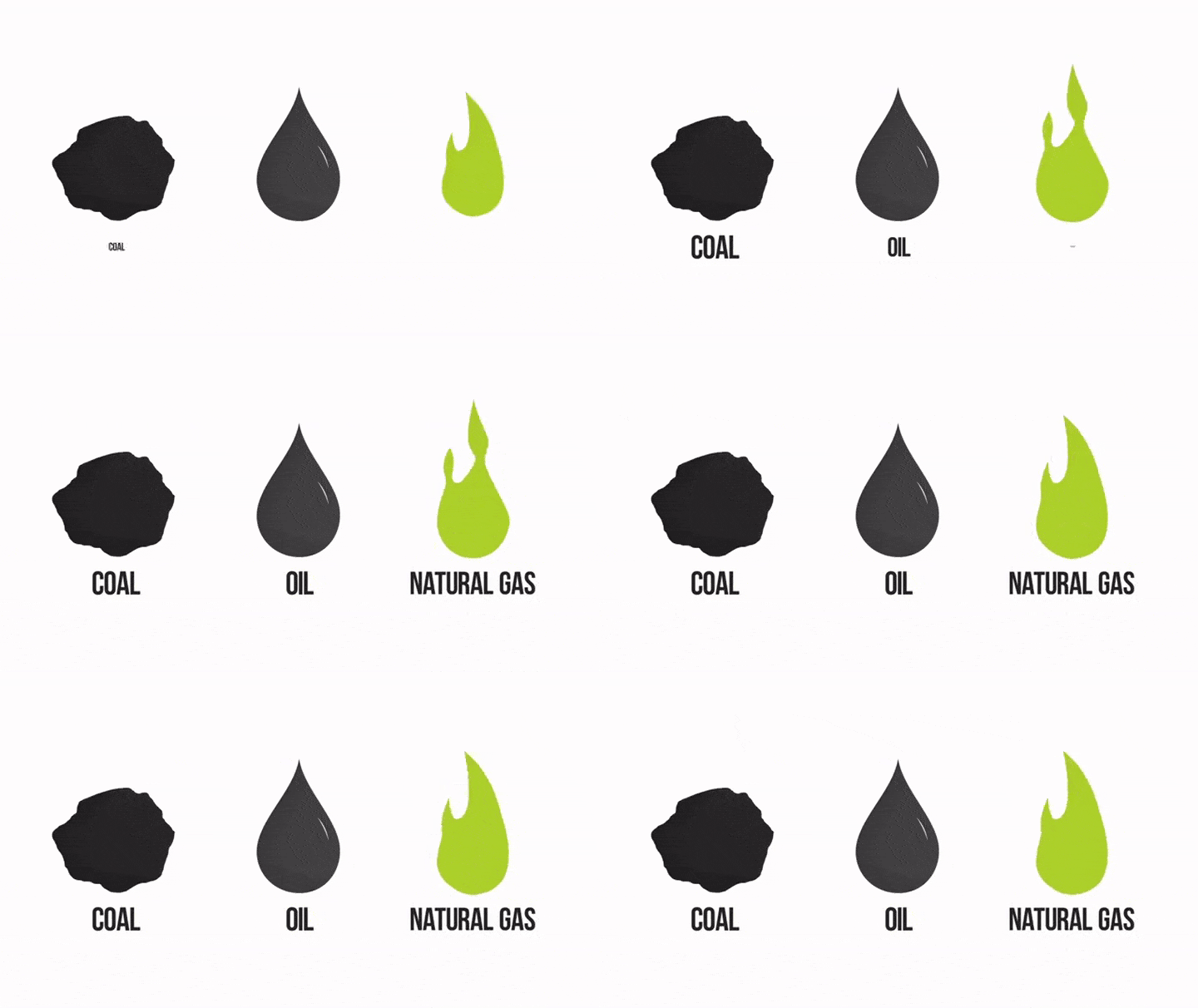
A group of non-renewable resources, called ______________, include coal, oil, and natural gas.
Fossils
Energy
Resources
Fossil fuels
Which of the following are fossil fuels? (Select all that apply.)
Coal
Oil
Natural Gas
Nuclear Energy
Which of the following are renewable energy sources? (Select all that apply.)
Solar
Wind
Hydroelectric
Geothermal
Biomass
How is geothermal energy harvested? (How do we get it?)
solar panels collect the sunlight.
The heat from the earth boils water to create steam.
We pump it from the earth and refine it into gasoline.
We drill for it and burn it like coal or wood.
What is one disadvantage of using hydropower?
Hydropower is a renewable energy resource. There are no disadvantages.
The power is used as electricity to power large buildings instead of homes.
Building dams can damage natural wildlife and water systems like lakes and rivers.
Most of the time there isn't enough water power to create electricity.
What can you infer about fossil fuels from their name?
They emit harmful gases when burned.
They've been buried in the earth's crust for millions of years.
They're the most abundant energy source on the planet.
They're used to make gasoline.
.Which of these is an example of biomass energy?
A coal-burning generator
A wood-burning stove
A gasoline-burning automobile
An automobile that operates on fuel cells
Which of these is an advantage of fossil fuels?
You can extract them without complicated machinery.
They are relatively inexpensive to produce.
Burning them does not have any negative side effects.
There is an unlimited supply of them.
Crude oil must be refined before it can be used as fuel. What does "refined" mean?
Taxed
Created
Purified
Burned
What can you infer about the word "geothermal?"
It's derived from words meaning "heat" and "earth."
It's derived from words meaning "fossil" and "fuel."
It's derived from words meaning "power" and "energy."
It's derived from words meaning "sun" and "energy.
How can we conserve energy?
use less coal, oil, and natural gas.
use fabric bags instead of plastic.
use public transportation instead of driving a car.
All of the above
Oil is used to make...
gasoline & other types of fuel
plastics, DVDs, and tires
Energy
All of the above
This is a renewable energy resource that must be conserved.
Wood
Oil
Natural gas
Coal

Gasoline and plastic are made from...
Plants
Minerals
Oil
Minerals
How so we get energy from the sun?
Sunlight can generate electricity straight from the sky.
Solar panels use the sun to power turbines.
Solar panels can convert sunlight into electrical energy.
Solar panels generate their own electricity.
What is the meaning of the word, "conserve"?
consistent
waste
save
serve
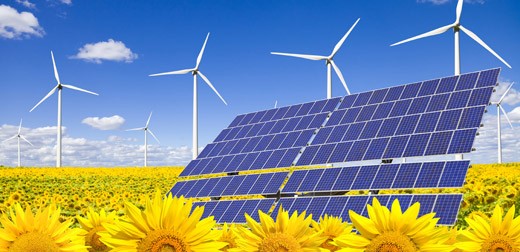
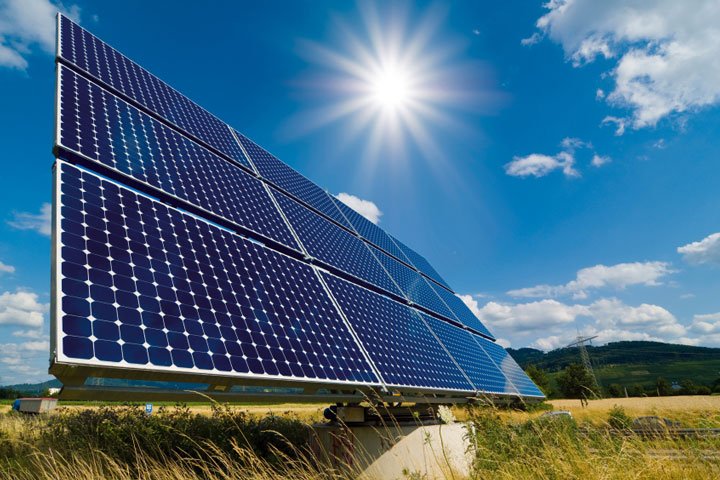

These are examples of a Fossil fuel - fuels produced by deposits of ancient plants and animals. Are they renewable or nonrenewable?
wind, solar, geothermal
coal, oil, natural gas
wind, biofuels, geothermal
renewable
nonrenewable

What type of energy converts the sun's rays into electricity? Is it renewable or nonrenewable?
nonrenewable
biomass
renewable

What type of renewable energy turns water into steam which escapes through cracks in the Earth, forming geysers and hot springs? Is it renewable or nonrenewable?
renewable
nonrenewable
This is formed from plants, wood, organic garbage, and animal waste. Is it renewable or nonrenewable?
Biomass
Coal
Geothermal
renewable
nonrenewable
Which of the following are nonrenewable resources?
coal, oil, and natural gas
nuclear power
hydroelectricity, solar power, wind power, geothermal energy
biomass: wood, scraps, corn stalks, animal waste, etc.
Which of the following are renewable resources?
coal and oil
geothermal
wind
biomass: wood, scraps, corn stalks, animal waste, etc.
solar
What type of energy converts the sun's rays into electricity? Is it renewable or nonrenewable?
nonrenewable
biomass
renewable
What type of renewable energy turns water into steam which escapes through cracks in the Earth, forming geysers and hot springs? Is it renewable or nonrenewable?
renewable
nonrenewable
Which of the following are fossil fuels?
coal, oil, and natural gas
nuclear power
hydroelectricity, solar power, wind power, geothermal energy
biomass: wood, scraps, corn stalks, animal waste, etc.
Which of the following are nonrenewable resources?
coal
nuclear power
oil
natural gas
biomass
Select all that apply. Which of the following could be labeled biomass?
Wood
Corn stalks
Manure
hot springs
running water
Which of the following is NOT a renewable resource?
solar energy
coal
wind power
hydroelectric power
What is a material found on Earth that can be used by people?
natural resource
turbine
environment
biome
Which energy source takes thousands of years to replace or cannot be replaced?
renewable energy
nonrenewable energy
Which energy sources can be easily replaced or won't run out?
renewable
nonrenewable
Which of the following is NOT an advantage of wind energy?
It's clean energy.
Wind is free.
It doesn't pollute.
It may be large and noisy.
What is a disadvantage of wind energy?
It pollutes the air.
Turbines are expensive to build.
It's not always sunny.
It's difficult to mine.
Which of the following is not a challenge for hydroelectricity?
It's renewable.
It could change the ecosystem.
It requires moving water.
Which is NOT a nonrenewable resource?
solar energy
coal
oil
natural gas
Hydroelectricity uses mechanical energy from water flowing through a dam to turn turbines which generates electricity.
True
False
What could be a challenge for solar energy?
Energy can be stored.
It needs little maintenance.
It's not super-efficient.
Sunlight is free.

Solar power requires ________ energy from the Sun.
kinetic
fossil fuel
heat
light

Pollution is a negative environmental effect.
True
False
Which of the following is a negative environmental effect?
clean energy
air pollution
clean water
safe habitats
Which of the following is a renewable resource?
natural gas
oil
coal
wind power
Which is NOT true about fossil fuels?
They are formed from ancient plants and animals.
They are formed from heat and pressure.
They may take thousands or millions of years to form.
They are easily replenished.
Energy can be CONVERTED from one form to another. Convert means to _____.
change
disappear
renew
cancel
An advantage to a form of energy is ______.
positive
negative
A disadvantage is a _______ effect.
positive
negative
Which of the following is NOT an advantage for solar power?
Sunlight is free.
Solar panels need little maintenance.
Energy can be stored.
It pollutes the air and water.
In the engineering and design process, a challenge is a _______.
solution
constraint
criteria
question
The criteria for a project is _______.
analysis
the challenge
the expectation or standard for success
the procedure
Nonrenewable energy takes a long time to replace.
True
False
Which of the following energy sources is renewable?
biofuel
coal
oil
natural gas
Biofuel could be made from _______.
animal waste
wood
plants such as corn
all of the above

Wind
Renewable (Alternative)
Nonrenewable

Solar
Renewable (Alternative)
Nonrenewable

Biofuel (biomass)
Renewable (Alternative)
Nonrenewable

Oil
Renewable (Alternative)
Nonrenewable

Gasoline
Renewable (Alternative)
Nonrenewable

Fossil Fuels
Renewable (Alternative)
Nonrenewable

Geothermal
Renewable (Alternative)
Nonrenewable

Hydroelectric
Renewable (Alternative)
Nonrenewable

Coal
Renewable (Alternative)
Nonrenewable

Petroleum
Renewable (Alternative)
Nonrenewable

Natural Gas
Renewable (Alternative)
Nonrenewable

This power plant produces electricity most likely by using-

Waterwheels and Dams are types of __________.
Geothermal Energy
Wind Power
Solar Energy
Hydropower
Water is stored in a reservoir, the penstock carries the water to the turbine, the rotating turbine generates electricity. This describes what type of alternative energy?
Solar Energy
Hydropower
Geothermal Energy
Wind Power

What type of energy is being produced in the picture?
wind
hydroelectric
solar
nuclear
Fossil fuels are considered a...
renewable energy source
non-renewable energy source
alternative energy source
conservation energy source
What is a negative aspect of using solar energy?
the sun is not strong enough to provide energy for a long time
solar energy can only be used during the daytime
solar energy cannot be stored to use later
it is expensive to transfer stored solar energy to another location
When learning new information about alternative energy sources, what is a good practice to use?
never apply new information to your life
always take what someone tells you as a true statement
research ideas on your own to make sure you have enough information
ignore new ideas and information if it goes against what you already know
If an energy sources is considered green, what does that mean?
its emissions come out green colored
it is better for the environment because it has little to no emissions
it has more emissions and pollution than most energy sources
they have recently been approved by the Environmental Protection Agency
What is an advantage of using wind and solar energy?
they will not run out
they will harm the environment
they will produce emissions
they will eventually run out

What problems are caused by using fossil fuels?
Air pollution, oil spills and global warming
radiation and skin cancer
radiation and genetic disorders
water pollution and poisoning
All of the following are true about nuclear power plants EXCEPT...
one benefit is large amounts of electricity produced
one benefit is radioactive waste is produced
one consequence is radioactive waste is produced
one benefit is very little pollution is produced
All of the following are types of fossil fuels EXCEPT...
coal
oil or petroleum
uranium
natural gas
Why are fossil fuels not a good long term energy source? Choose all that apply.
they produce emissions that are harmful to the environment
they have a limited supply
they are renewable
they are not as reliable as solar power
What type of energy is being produced in the picture?
wind
hydroelectric
solar
nuclear

What type of energy is being produced in the picture?
wind
hydroelectric
solar
nuclear

What type of energy is being produced in the picture?
wind
hydroelectric
solar
nuclear

What type of energy is being produced in the picture?
wind
hydroelectric
solar
nuclear

What type of energy is being produced in the picture?
geothermal
hydroelectric
solar
nuclear

What type of energy is being produced in the picture?
geothermal
hydroelectric
biomass
nuclear
Fossil fuels are considered a...
renewable energy source
non-renewable energy source
alternative energy source
conservation energy source
Renewable energy resources
have a limited supply and will eventually be gone
have the ability to regrow or regenerate over short time periods
take 100's to 1000's of years to regenerate
have pollution contents
Non-renewable energy resources... (choose all that apply)
have a limited supply and will eventually be gone
have the ability to regrow or regenerate over short time periods
take 100's to 1000's of years to regenerate
are highly radioactive
What is a negative aspect of using solar energy?
the sun is not strong enough to provide energy for a long time
solar energy can only be used during the daytime
solar energy cannot be stored to use later
it is expensive to transfer stored solar energy to another location
When learning new information about alternative energy sources, what is a good practice to use?
never apply new information to your life
always take what someone tells you as a true statement
research ideas on your own to make sure you have enough information
ignore new ideas and information if it goes against what you already know
If an energy sources is considered green, what does that mean?
its emissions come out green colored
it is better for the environment because it has little to no emissions
it has more emissions and pollution than most energy sources
they have recently been approved by the Environmental Protection Agency
What is a benefit of using green energy such as biofuels, solar, or wind power?
they are renewable and produce little pollution
there is no benefit for using them
they are more expensive than using fossil fuels
they are likely to run out of supply in the near future

Greenhouse gases are harmful gases that enter the environment through emissions. How can people lower this?
burn more fossil fuels for energy
use alternative energy like solar, biomass, wind, water
use energy efficient appliances
burn natural gas for energy
What is an advantage of using wind and solar energy?
they will not run out
they will harm the environment
they will produce emissions
they will eventually run out

