
 Worksheets
23 Competition IG Biology
Total questions: 205
Worksheet time: 5hrs 34mins
How many valves are within the heart?
3
4
5
6
There are 2 systems that are apart of the Circulatory System. They are the ____________ and ____________.
Pulmonary and Systemic
Pulmonary and Digestive
Systemic and Excretory
Respiratory and Digestive
The Pulmonary system circulates blood where?
From the heart to the lungs and back
From the rest of the body and back to the heart
From the toes back up to the heart
From the brain down to the toes
The ____________ is the main artery of the heart carrying oxygenated blood to all the parts of the body except the lungs.
aorta
vena cava
heart
right atrium
Your circulatory system uses blood vessels to deliver _________ and nutrients to all the cells in the body and carry ___________ and waste to the lungs.
oxygen, carbon dioxide
carbon dioxide, oxygen
iron, ore
iron, carbon
The _____________ is a large vein carrying deoxygenated blood back to the heart.
aorta
vena cava
capillary
valve
________________ carry blood away from the heart to the body.
arteries
veins
heart
lungs
_________________ carry carbon dioxide and waste from the body towards the heart.
Arteries
Veins
Aorta
Lungs
_____________ are very tiny blood vessels connecting the arteries and veins.
Capillaries
Veins
Arteries
Vena Cava
Which part of the blood is responsible for carrying nutrients and heat around the body?
Plasma
Red blood cells
White blood cells
Platelets
Which of the following does not have valves
Heart
Arteries
nerves
veins
3) Where does the maximum exchange of materials between blood and surrounding cells occurs?
Heart
Veins
Arteries
Capillaries
what does an atrium do
let blood in
let blood out
exchange gases
remove waste
what does a ventricle do
force blood out
let blood in
exchange gases
remove waste
what is the purpose of circulation
supply O2 and nutrients and remove waste
break down the food
get oxygen into the lungs
remove solid waste
left side of the heart is high in
O2
CO2
N
H
what is the function of arteries/arterioles
take blood to heart
take blood away from heart
take blood to colon
take blood to brain
what is the function of the veins/venuoles
take blood toward heart
take blood away from heart
remove waste
take blood to stomach
what happens in systemic circulation
circulation for the entire body
circulation in the heart only
circulation heart and lungs
circulation to digestion system only
what happens in pulmonary circulation
circulation to the lungs
circulation to the body
circulation in the heart
circulation to the brain
what happens in coronary circulation
circulation to the heart
circulation to the body
circulation to the lungs
circulation to small intestine
how is blood pressure created
force of blood against artery wall
force of blood in the heart
force of blood in the lungs
force of blood in the goodwin
what is the function of the capillaries
take blood toward heart
take blood away from heart
exchange gases
exchange fluids
Pathogens that enter the tissue and cause an immune response are recognized as _____ and need to be destroyed by white blood cells.
lymph cells
antigens
cilia
nodes
What do scientists call the microorganisms that can make people sick?
diseases
vaccines
antibodies
pathogens
Cells that can swallow/ingest pathogens are ____.
plasma cells
phagocytes
helper T cells
memory cells
What do B cells produce?
antigens
macrophages
T cells
antibodies
Which is an example of passive immunity?
You have been infected
You have been vaccinated
You made antibodies
You got your mother's antibodies
What do memory cells do?
Kills infected cells.
Eats pathogens.
Make the immune system work faster next time.
Produce more white blood cells.
Which line of immunity is involved with lymphocytes targeting specific pathogens?
physical and chemical barriers,
non-specific responses
specific adaptive responses
Although vaccines cannot be used to treat a person who is sick, they can help to prevent infections. When a person is vaccinated, what are they injected with?
antibodies to a disease bacterium
live, active viruses
weakened or dead antigens
blood from a person who has had the disease
Physical and chemical barriers are considered the first line of defense. What do they include?
B memory cells, Antibodies, T cells
Antibodies only
Skin, hair, mucus, cilia, stomach acid.
Bone marrow and stem cells.
Which organ is part of the immune system?
heart
spleen
stomach
pancreas
What is the site of gas exchange?
alveoli
bronchus
nose
trachea
The division of the trachea forms
main bronchi
alveoli
lungs
nose
what is found around alveoli?
capillaries
pleura
lymphatic nodes
saliva
Given the following structures:
1. larynx
2. nasal cavity
3. pharynx
4. trachea
Which of the following is the correct order that air would flow during inhalation.
1,2,3,4
2,3,1,4
2,1,3,4
4,2,3,1

Spot 8 is labeling the...
trachea
nasal cavity
bronchi
larynx
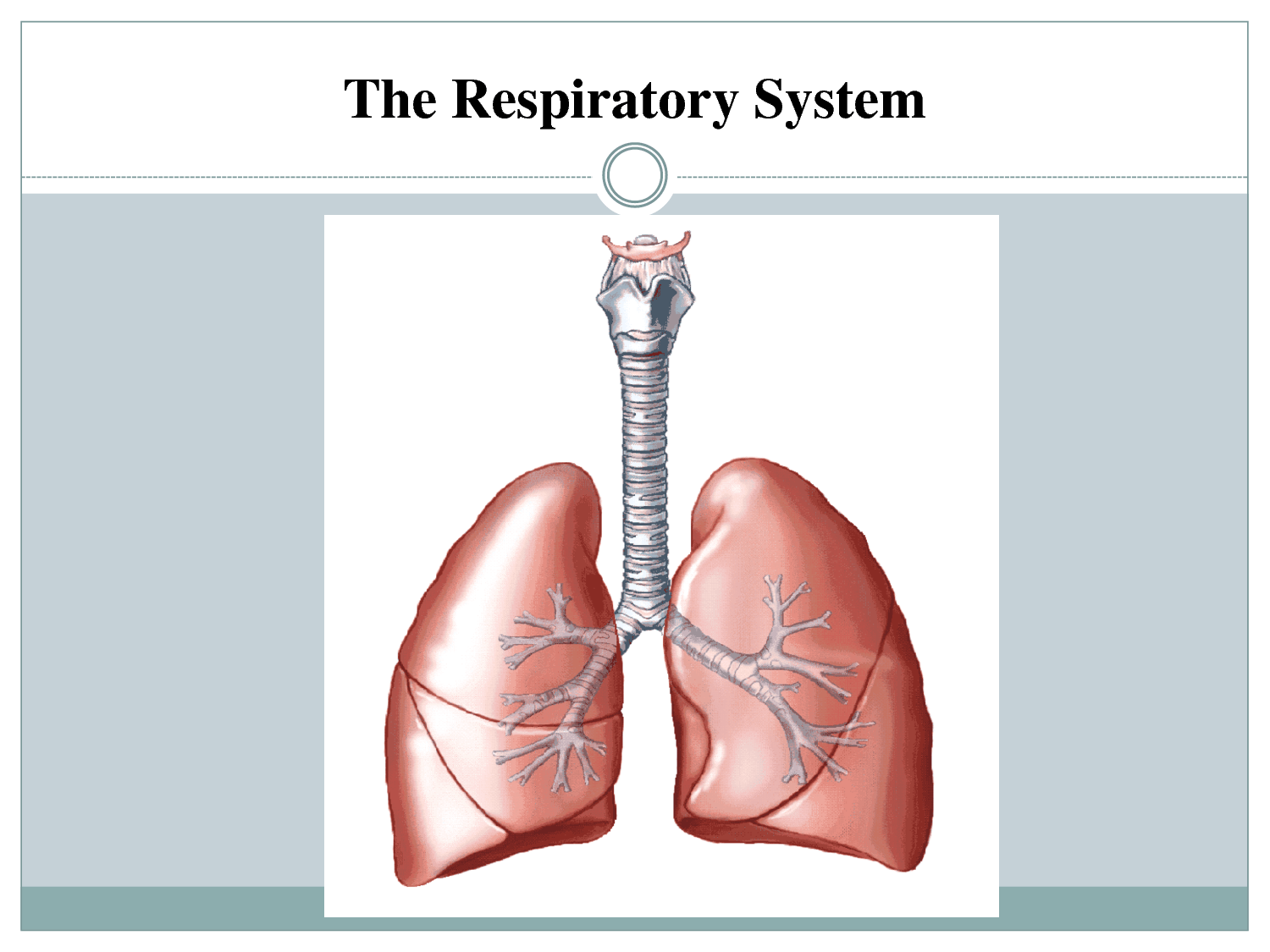
What is the main function of the respiratory system?
to provide oxygen and remove carbon dioxide from the body
o break down food and absorb nutrients
to remove oxygen from the body and deliver carbon dioxide
Mechanical movement to inhale and exhale air
Gas Exchange
Respiration
Breathing
Transport

State which of these is the waste gas that is expelled from the body during exhalation.
Sulfur Dioxide
Oxygen
Carbon Monoxide
Carbon Dioxide
When air is pushed OUT of the lungs, what is the correct order for the tubes it passes through?
bronchiole -> bronchi -> trachea -> nose
bronchi -> bronchiole -> trachea -> nose
trachea-> bronchi -> bronchiole-> nose
When air pressure inside the lungs is less than air pressure in the atmosphere...
Air moves into the lungs
Air moves out of the lungs
What muscles are used in breathing in
diaphragm and intercostals
diaphragm and lungs
Abdominals
During exhalation (breathing out) the intercostal muscles and diaphragm __________ and the chest becomes smaller.
contract
relax
What is the product of animal anaerobic respiration (without oxygen)?
lactic acid
carbon dioxide
ethanol
water
Which of the following does not have valves
Heart
Arteries
nerves
veins
3) Where does the maximum exchange of materials between blood and surrounding cells occurs?
Heart
Veins
Arteries
Capillaries
what does an atrium do
let blood in
let blood out
exchange gases
remove waste
what does a ventricle do
force blood out
let blood in
exchange gases
remove waste
what is the purpose of circulation
supply O2 and nutrients and remove waste
break down the food
get oxygen into the lungs
remove solid waste
left side of the heart is high in
O2
CO2
N
H
what is the function of arteries/arterioles
take blood to heart
take blood away from heart
take blood to colon
take blood to brain
what is the function of the veins/venuoles
take blood toward heart
take blood away from heart
remove waste
take blood to stomach
what happens in systemic circulation
circulation for the entire body
circulation in the heart only
circulation heart and lungs
circulation to digestion system only
what happens in pulmonary circulation
circulation to the lungs
circulation to the body
circulation in the heart
circulation to the brain
what happens in coronary circulation
circulation to the heart
circulation to the body
circulation to the lungs
circulation to small intestine
Where is evaporation takes place at a plant?
trunk
root
fruit
surface of leaves
Transpiration is a process of
water gain in the form of liquid
water loss in the form of water vapour
water gain in the form of water vapour
Water loss during transpiration through...
root
flower
stomata in the epidermis
fruit
What are the factors affecting the rate of transpiration in plant?
temperature
light intensity
air humidity
movement of air
all
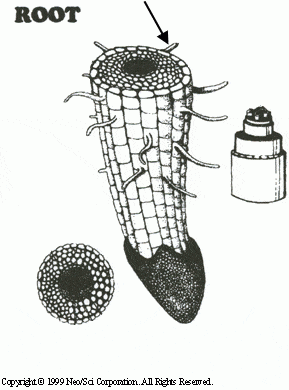
cortex
xylem
Water and minerals move in which direction within the plant
Upward
Down
____ of the water taken up by a plant is lost to the atmosphere by transpiration.
2%
98%
20%
12%

What is the name of the tissue in the picture?
Xylem
Cortex
Phloem
Epidermis
A 3 month old baby contracts a virus called whooping cough (pertussis) after receiving the first of a sequence of 3 necessary DPT vaccines designed to prevent 3 diseases (diphtheria, pertussis, and tetanus). The vaccines are given at 2, 4, and 6 months of age to allow the body to develop specific immunity against these diseases. After the infant recovered from the disease, the doctor informed the parents that from now on the infant would only need the DT (diphtheria, tetanus) part of the vaccine. Why does the infant only need the DT vaccine?
The infant had the first of a series of vaccines which caused the disease
The infant had the pertussis disease and has already produced antibodies against the disease.
The infant had the first of a series of vaccines which protected him from getting the disease.
The infant had the pertussis disease and will get diphtheria in the future.
What is the term for a strong response to a harmless antigen in the environment?
An allergy
Cell-mediated immunity
An autoimmune disease
Inflammatory response
Many times people visit the doctor requesting antibiotics to treat colds and viral infections. How is the doctor justified in offering the patient treatment options that do not include antibiotics for these cases?
Colds and viruses should be first treated with viral therapies and then when the body begins to recover, antibiotics can be used. Otherwise, the use of antibiotics is not effective at all.
Side effects from antibiotics are severe when used for colds and viruses. Any use of antibiotics for colds and viruses will only make the patient more ill and ultimately make the patient's recovery time longer.
Antibiotics can weaken the immune system when used for colds and viruses, whereas other medications are not so hard on the immune system during these types of illnesses.
If a doctor provides an antibiotic to treat colds and viruses, any bacteria in the patient's body will be killed, but a few will survive. Those few survivors may become resistant to antibiotics needed for real bacterial illnesses.
What is the body's first line (non-specific) of defense against infection by foreign organisms?
antibodies
lymph nodes
white blood cells
the skin
What are the two parts of the immune system
Innate and Adaptive
Passive and Aggressive
Innate and Non-Specific
Adaptive and Acquired
What is the scientific name of the causes of infectious diseases?
Germ
Pathogen
Intruder
Disease
A protein that attacks antigens is called:
Antibody
Immune response
Inflammatory Response
Vector
What is a vaccine?
A weakened pathogen injected in the body to produce immunity
Temporary immunity that develops as natural exposure
An overreaction of the immune system
Medicine that helps after you're infected
The purpose of the immune system is to:
Help germs invade your body
Fight off sickness
Make your nose run
Give you diarrhea
Which is an example of passive immunity?
You have been infected
You have been vaccinated
You made antibodies
You got your mother's antibodies
Which of the following is an example of active immunity?
You get a vaccination
You create antibodies
You get infected
All of these are correct

True/False: Your body cannot make antibodies for pathogens that you have never been in contact with.
True, because your body needs to encounter the pathogen at least once in order to create the antibodies.
False, because you can make antibodies via immunizations given by a doctor.

Which of the following statements is TRUE about someone's immune system that has allergies?
Body cells are dividing at an uncontrolled rate.
The body is reacting to foreign materials that are not actually dangerous.
T cells and B cells in the body cannot be activated.
The body is mistaking its own cells for foreign antigens.
A white blood cell that destroys pathogens by engulfing them and breaking them down is called:
B-cell
Phagocyte
Antibody
Antigen
A molecule that the immune system recognizes either as part of the body or as coming from outside the body:
Antigen
Antibodies
Antibiotics
Antipaths
True or false: Sneezes and coughs help your body to get rid of pathogens
true
false

A disease that is harmful to the body and is contagious is called....
Non-Infectious
Infectious

What are the 4 types of pathogens that could cause illness?
animals, bacteria, fungi and plants
bacteria, fungi, nucleus, parasites
bacteria, fungi, viruses, parasites
bacteria, plants, fungi, parasites
This type of immunity can be called nonspecific and refers to the bodies defenses that are present since birth.
resistance
adaptive immunity
acquired immunity
innate immunity
Disease transferred from one person to another is what mode of transmission?
direct contact
indirect contact
sharing utensils
airborn
Anything that triggers an immune response is a/n
lymph cell
antigen
antibody
neutrop
What is the body's first line of defense against disease?
skin
blood
antibodies
enzymes
How are vaccinations able to help us develop immunity?
Exposure to disease creates antibodies which make us immune
Exposure to antibodies which makes us the disease immune to us
Exposure to immunity's which make us antibodies to the disease
Which pathogen can be cured by antivirals?
Virus
Bacteria
Protist
Fungi
Which pathogen can be cured by antibiotics?
Virus
Bacteria
Protist
Fungi
What type of immunity develops when you receive antibodies to a disease?
Innate
Developed
Adaptive
Passive
The complex system of cells and proteins that defend the body against infection is called...
The endocrine system
The respiratory system
the immune system
the circulatory system
If you have immunity to a disease:
It can not enter your body
Your body can fight the disease off before it makes you sick.
The germs change as soon as they enter your body.
You will be able to recover very quickly.
What do antibodies do?
Attach themselves to germs to flag them for destruction.
Engulf and digest germs.
Make your cells impenetrable to germs.
Carry genes from your bloodstream to the outside of your body.
What might happen if your immune system lacked memory cells?
Your body wouldn't be able to fight off diseases.
Diseases would make you sicker than normal.
You might get the same disease over and over.
Your body wouldn't be able to produce antibodies.
A person develops natural immunity.
Before getting sick.
After one dose of a vaccine.
After several doses of a vaccine.
After recovering from an illness.
Unlike germs in nature, the germs used in vaccines:
Don't have antigens
Are weakened or altered
Aren't real germs
Change share frequently
Who benefits from herd immunity?
Young children
Elderly people
Cancer patients
All of the above
What do measles, smallpox and polio have in common?
They are caused by bacteria.
Vaccines have dramatically reduced the number of people who catch them.
They are constantly changing
They have been wiped out forever.
mRNA vaccines work by
introducing inactivated virus into the body to start an immune response.
having your own cells make a protein from the virus so your immune cells will recognize the virus.
changing the DNA of your cells to protect you from infection from the virus.
using a carrier virus to start an immune response.
Sometimes vaccines need boosters to remain effective.
True
False
Edward Jenner succeeded in creating a vaccine against smallpox by injecting patients with material of which disease?
Small pox
Cow pox
Cattle Virus
Measles Virus
Since we have our immune system to protect us from disease, why do we still need a vaccine?
Because some diseases are too severe for our immune system.
Because adaptive immunity takes days to weeks to initiate a response and sometimes it is too late.
Because some people are immune deficient or have weak immune systems.
All of the above
In which way are photosynthesis and cellular respiration different?
Cellular respiration stores ATP, while photosynthesis releases ATP.
Cellular respiration produces oxygen, while photosynthesis uses oxygen.
Photosynthesis releases energy, while cellular respiration stores energy.
Photosynthesis uses carbon dioxide, while cellular respiration produces carbon dioxide.
What is the correct equation for cellular respiration?
6O2 + C6H12O6 -> 6CO2 + 6H2O + Energy
6O2 + C6H12O6 + Energy -> 6CO2 + 6H2O
6CO2 + 6H2O -> 6O2 + C6H12O6 + Energy
6CO2 + 6H2O + Energy -> 6O2 + C6H12O6
What does metabolism mean?
Converting energy into food
Making light reactions happen
Converting food into energy
Fermentation enables glycolysis to continue under
anaerobic conditions
aerobic conditions
photosynthetic conditions
hydrophobic conditions
Which organism go through cellular respiration?
animals
plants
both animals and plants
none
Cellular Respiration occurs in what cell organelle?
chloroplast
cytoplasm
mitochondria
animal
Which molecule is the reactant of Glycolysis?
water
glucose
carbon dioxide
ATP
Which type of respiration is most efficient?
Aerobic
Anaerobic
If ADP is phosphorylated then what is this indicating in the reaction?
ADP is forming into ATP
ADP is becoming AMP
ADP is being used to power other reactions
ADP is being created by the reaction
What is the main job of the electron carriers in cellular respiration?
Transport electrons and hydrogen atoms to the electron transport chain
Capture energy throughout the process of cellular respiration
Provide the reactants for the process of cellular respiration
Pump positive hydrogen ions and shuttle electrons across the electron transport chain and contribute to chemiosmosis
What is cellular respiration?
the breakdown of glucose to release ATP
the breakdown of glucose to release NADH
the breakdown of glucose to release FADH
the breakdown of glucose to release carbon
NADH is a ______ form of NAD+.
Reduced
Oxidized
Catabolized
Hydrolized
How many ATP are gained through glycolysis?
0
2
4
30-38
During chemiosmosis
H+ ions serve as the final electron acceptor
a concentration gradient is generated when H+ ions are passively transported from the matrix to the intermembrane space of the mitochondrion
energy is released as H+ ions move freely across the mitochondrial membrane
ATP is synthesized when H+ ions move through a channel in ATP synthase
What are the stages of cellular respiration in order?
glycolysis, oxidative phosphorylation, the citric acid cycle
oxidative phosphorylation, glycolysis, the citric acid cycle
glycolysis, the citric acid cycle, oxidative phosphorylation
the citric acid cycle, oxidative phosphorylation, glycolysis

Use the diagram to answer the question. Between which parts of the molecule must the bonds be broken to form an ADP molecule?
A and B
A and C
B and C
C and D
What process is found in both aerobic and anaerobic metabolism?
the Kreb's cycle
oxidative phosphorylation
the citric acid cycle
glycolysis
It is possible for both prokaryotes and eukaryotes to perform glycolysis because it occurs in the _____________
mitochondrial matrix
inner membrane
cytoplasm
cell membrane
In the absence of oxygen, ____ follows glycolysis.
the link reaction
the citric acid cycle
fermentation
the calvin cycle
Anaerobic respiration yields about ______ ATP per glucose whereas aerobic respiration yields about _______ ATP per glucose.
38, 2
2, 38
2, 18
18, 2
When you breathe, your lungs take in ___ and remove ___.
air/oxygen
oxygen/carbon dioxide
carbon dioxide/waste
waste/air
The air sacs that are covered with capillaries where gas exchange takes place
bronchi
lungs
oxygen
alveoli
Which of the following are features of the alveoli that adapt them to gas exchange?
I. High surface area
II. Thin walls
III. Dry surfaces
I and II only
I only
II and III
I, II, and III
What adaptations does the alveoli have for efficient gas exchange?
thick walls
thin walls
small surface area
The movement by diffusion of oxygen and carbon dioxide across a membrane
Ventilation
Breathing
Gas exchange
Respiration
Diaphragm is
part of lungs
muscle that helps in breathing
throat muscle
structure in bones

Which type of food is not digested before being absorbed by the body?
A
B
C
D

In which structure is most glucose absorbed into the blood?
A
B
C
D

Which dietary component is unlikely to be deficient in a meat-free diet?
A
B
C
D

In which organs does the digestion of proteins take place?
A
B
C
D

Which organ produces amylase?
A
B
C
D

What is process X?
A
B
C
D

Which structures secrete enzymes that digest proteins?
A
B
C
D

Why is it a good ideas to brush teeth after eating?
A
B
C
D

Which substance catalyses the breakdown of fats into fatty acids and glycerol?
A
B
C
D

Which food would be best for a child who has rickets?
A
B
C
D

Why does chewing food speed up digestion?
A
B
C
D

What was in food X?
A
B
C
D

Which tooth is an incisor?
A
B
C
D

Which statement is correct?
A
B
C
D

In which organs does the digestion of carbohydrates take place?
A
B
C
D

What is the result of a diet lacking iron?
A
B
C
D

Which nutrient would be in low levels in the diet?
A
B
C
D

This could be caused by a lack of which nutrient?
A
B
C
D

In which order does the dietary fibre pass through these structures?
A
B
C
D

Which product, or products, will now be present in the test-tube?
A
B
C
D
Digestion starts when you place the food in your mouth and start chewing. Once the food is chewed into a paste and you swallow it will enter the_____________.
Small intestines
Lungs
Esophagus
Trachea
The acid in our stomach is powerful enough to break down metals like aluminum, how does our stomach protect itself from the acid within it?
our stomachs are coated with a layer of mucus that protects its from the acid
our stomachs are made of a special tissue that is resistant to acid
our stomachs regenerate faster than the acids ability to break down tissue
because it the stomach is basic
Define the term digestion
The movement of nutrients from the digestive system into the blood
The removal of undigested food from the body
The breaking down of large insoluble molecules into small soluble molecules
The taking in of nutrients.
Define the term egestion
The movement of nutrients from the digestive system into the blood
The removal of undigested food from the body
The breaking down of large insoluble molecules into small soluble molecules
The taking in of nutrients.
Define the term chemical digestion
The breaking down of large food molecules by the use of enzymes.
The physical break down of food done by the teeth or the muscles in the stomach.
What is absorbed into the blood from the large intestine?
Digested nutrients
Fibre
Water
Chyme
What is the job of the pancreas in digestion?
Produces acid
Produces bile
Produces digestive enzymes
Produces chyme
What 3 letters do enzymes typically end in?
-ose
-ase
-ese
-tic

Identify the structures in the image that give the alimentary canal a very large surface area for the absorption of digested food
(a)
Identify the enzyme that has the lowest optimum pH
Salivary amylase
Lipase
Pepsin
Maltase
Identify the location where the digestion of starch first occurs
Duodenum
Mouth
Stomach
Colon
Identify the products of protein digestion
Fatty acids
Glucose
Amino acids
Maltose
Which enzyme produced by the pancreas digests fats in the duodenum?
(a)
Which liquid produced by the liver helps to emulsifies fats in the small intestine?
(a)
Identify the molecule produced when starch is digested by amylase
Maltose
Glucose
Fatty acids
Glycerol
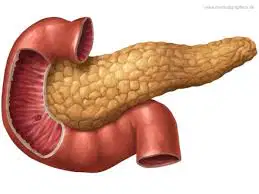
Identify the organ that produces enzymes in the image
Oesophagus
Colon
Liver
Pancreas
Where in the alimentary canal does protein digestion first occur?
Oesophagus
Duodenum
Colon
Stomach
Where in the digestive system is maltase found
In saliva
Oesophagus
Membrane of cells lining small intestine
Colon
Define the term ingestion
The movement of nutrients from the digestive system into the blood
The removal of undigested food from the body
The breaking down of large insoluble molecules into small soluble molecules
The taking in of nutrients.
Which of the following are types of partially digested food? (select two)
Chronus
Bolus
Rugae
Chyme

Recall what is dissolved in the water in the xylem.
Glucose
Amino acids
Mineral ions
Starch
Select which of the following statements are true for phloem.
Bi-directional movement (up and down stem).
Elongated, tubular shape with thin walled sieve tubes.
Transportation of feed and nutrients.
Occupy the centre of the vascular bundle.
Water and mineral transport from roots to aerial parts of the plant.
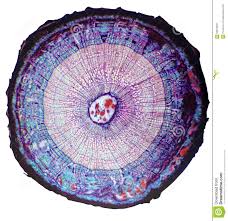
Recall what substance is used to thicken and strengthen xylem walls in woody plants.
Protein
Mineral ions
Lignin
Glucose
Phloem tubes are made of...
Dead cells
Living cells
Xylem tubes are made of...
Dead cells
Living cells
What is the role of companion cells in phloem tissue?
They help in the transport of water
They assist in the transport of sugars and organic compounds
They provide structural support to the plant
They produce oxygen for the plant
Which of the following sentence shows correct relation between xylem structure and function?
xylem transport water up and down so that every plant organ get enough water
xylem consists of living cell so water transport can be faster
xylem cell wall is lignified so that it will not easily collapse
xylem located outside of the phloem so that water can enter it in shorter way
What is the difference between the transport direction of xylem and phloem tissue?
Xylem transports upward, phloem transports downward
Xylem transports downward, phloem transports upward
Both xylem and phloem transport in the same direction
Both xylem and phloem transport in opposite directions
What is the role of xylem fibers in xylem tissue?
They help in the transport of sugars and organic compounds
They assist in the transport of water and minerals
They provide structural support to the plant
They produce oxygen for the plant
What is the process called when sugars move from the leaves to other parts of the plant through phloem?
respiration
photosynthesis
translocation
transpiration
What is the major difference between xylem and phloem?
Xylem transports sugars and organic compounds, while phloem transports water and minerals.
Xylem and phloem have the same function of transporting sugars and organic compounds.
Xylem transports water and minerals, while phloem transports sugars and organic compounds.
Xylem and phloem both transport water and minerals.
What PART of the plant collects water?
leaves
flower
roots
stem
What does the Phloem transport?
Water and Minerals
Sucrose and Amino Acids
Blood
Chlorophyll
Select which of the following statements are true for xylem.
Tubular shape with no cross walls.
Transportation of food and nutrients.
Elongated, tubular shape with thin walled sieve tubes.
Occupy the center of the vascular bundle.
Water and mineral transport from roots to aerial parts of the plant.
What is it called when water sticks to water?
Cohesion
Adhesion
Capillary Action
Xylem
An example of adhesion is
Water molecules sticking to each other
Water molecules sticking to cellulose in xylem walls
Magnets sticking to a metal wall
Gravity pulling water down

When the forces of cohesion and adhesion work together, water can move up the plant against the force of gravity by....
Phototropism
Geotropism
Photosynthesis
Capillary Action
How does water enter a plant?
through the stomata
through the roots
by active transport in root hair cells
by osmosis in root hair cells
How do mineral ions enter a plant?
by osmosis in root hair cells
by active transport in root hair cells
through the stomata
through the roots
Which process are the xylem tubes part of?
Translocation
Transpiration

The picture below is an example of _________________.
osmosis
isotonic
diffusion
active transport
During osmosis
water moves from high to low concentration
large or oddly shaped molecules move across a cell membrane
water moves when energy is used
proteins are built

Passive transport requires no
concentration gradients
osmosis
motion
energy

_______ regulates what enters and leaves a cell.
Cell Membrane
Nucleus
Mitochondria
Cytoplasm

What is the definition of Semi Permeability?
The movement of materials across the cell membrane that requires NO ENERGY from the cell.
The movement of materials through (or across) the cell membrane
The ability of the cell membrane to allow some things to pass through while preventing other things from passing through.
The movement of molecules from an area of high concentration to a area of low concentration
In passive transport, molecules move from an area of __________ concentration to an area of __________ concentraiton
high, low
low, high
water, salt
active, passive
Osmosis is the movement of _____ across a membrane.
food
energy
oxygen
water
Which type of transport requires an input of energy?
Passive Transport
Osmosis
Simple Diffusion
Active Transport
ALL living cells have this in common
Nucleus
Cell Membrane
Cell Wall
Mitochondria
Exocytosis is the movement of
any type of substance from outside the cell to the inside of the cell.
very large substances from outside the cell to the inside of the cell.
any type of substance from inside the cell to the outside.
very large substances from inside the cell to the outside.

In this image, the cell is using which type of molecular transport?
Osmosis
Diffusion
Endocytosis
Exocytosis

This picture represents what type of cell transport?
endocytosis
exocytosis
osmosis
passive transport

This picture represents which type of cellular transport?
passive transport
endocytosis
exocytosis
osmosis
Using a cell's energy to move particles is an example of
osmosis
simple diffusion
facilitated diffusion
active transport

