
Font size
 Worksheets
U2: Periodic Table and Bonding Summative Review
Total questions: 118
Worksheet time: 4hrs 42mins

Area within red box
Group 2
Period 2
Group 3
Period 3
Gradual wearing away of a metal due to chemical reactions with something in the environment
acidity
corrosion
luster
malleability
Metals tend to _____ electrons to form _____ ions
(a)
Nonmetals tend to _____ electrons to form _____ ions
(a)
The Russion scientist ________ is credited with making the first periodic table.
Chekov
Mendeleev
Stalin
Einstein
Located between the metals and the nonmetals
inner transition metals
metalloids/semi-metals
alkali metals
alkaline earth metals

Able to be drawn into wire
malleable
corrosive
ductile
metalloid
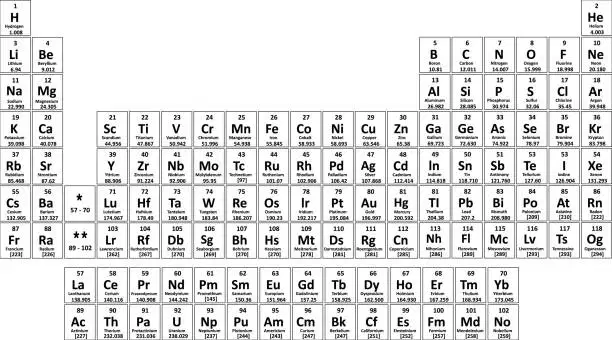
Platinum is in group _____ period _____
(a)
Metals tend to have a _________ luster
dull
red
shiny
ceramic
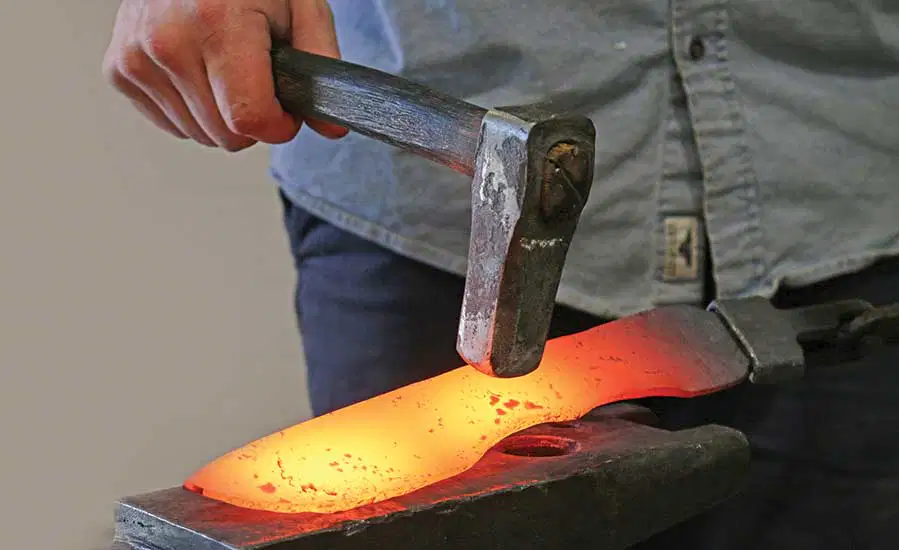
Property?
ductility
luster
conductivity
malleability
A family of elements is the same as a ______
period
group
transition metal
atom
If an atom GAINS electrons, it forms a _____ ion
positive
negative
neutral
If an atom LOSES electrons, it forms a _____ ion
positive
negative
neutral
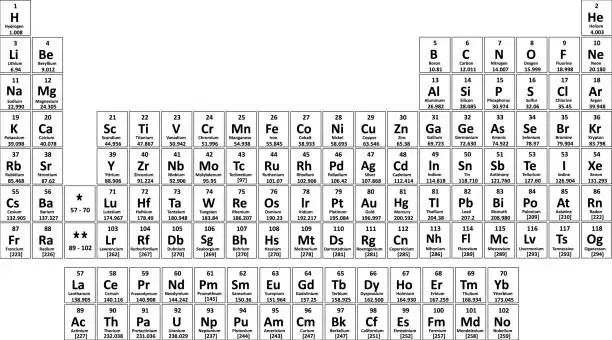
Which of the following has ONE valence electron?
sodium
magnesium
aluminum
helium
Which element is the NONMETAL in group 1?
hydrogen
helium
sodium
potassium
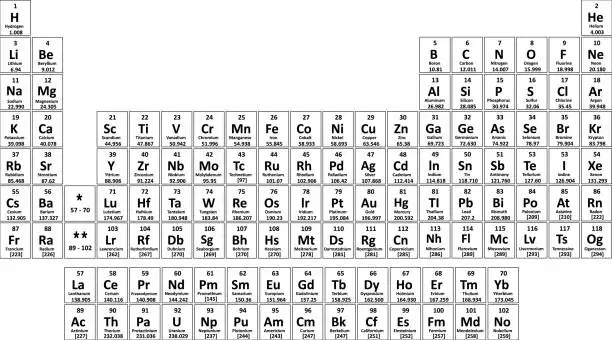
Which of the following is an ALKALINE EARTH METAL?
lithium
calcium
aluminum
silicon
Calcium is in period ____
2
3
4
5
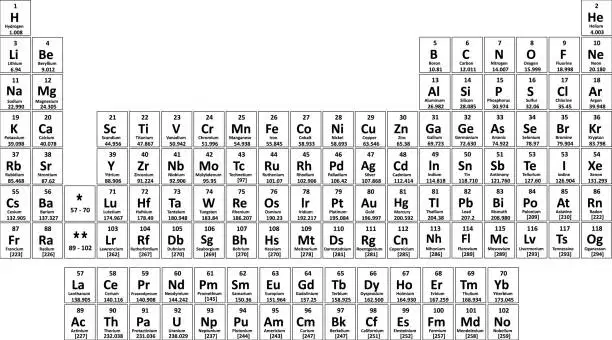
Which element DOES NOT have 7 valence electrons?
fluorine
chlorine
bromine
neon

Noble gas
chlorine
argon
hydrogen
oxygen
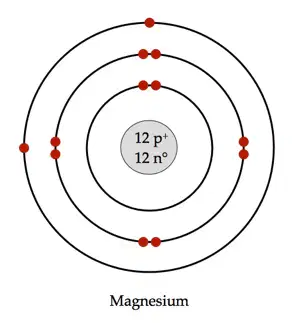
How many valence electrons?
1
2
8
12
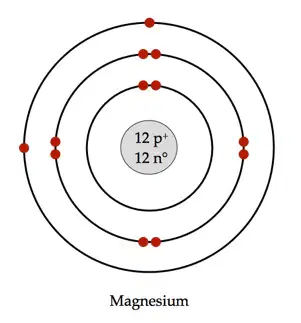
Charge?
-2
0
+2
+12

Next closest star to Earth after our sun
Beetlegeuse
Proxima Centauri
Sirius
Alpha Centauri
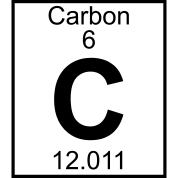

The is family has properties of both metals and nonmetals.
Alkali
Halogens
Nonmetals
Metalloids
This type of element is dull, brittle solids and gases, insulators, poor conductors of heat and electricity, as well as having low melting points.
metals
metalloids
nonmetals
Sulfur is a...
metal
nonmetal
metalloid
Which of the following element is an example of Halogen
Sodium
Magnesium
Fluorine
Carbon


What is an isotope?
A charged atom
Two atoms of the same element with different amounts of neutrons
Two atoms of the same element with different amounts of protons
A neutral atom
Which two components of an atom contribute to the mass?
Protons and neutrons
Protons and electrons
neutrons and electrons
Which part of an atom is used to identify it?
number of protons
number of neutrons
number of electrons


1s22s22p63s23p64s23d10
1s22s22p63s2
What is the element with the highest electronegativity value?
helium
cesium
fluorine
calcium
How many electrons can occupy any p sublevel?
six
two
no more than eight
ten
How many electrons can occupy any d sublevel?
six
two
no more than eight
ten
Which element listed below has the smallest atomic radius?
He
Ba
Cu
Si
Which of the following atoms would have the largest radius?
chlorine
silicon
sodium
argon
Copper is a common metal. Which of the following properties does this metal most likely have?
High conductivity, high malleability, and low luster
Low conductivity, low malleability, and low luster
High conductivity, high malleability, and high luster
Low conductivity, high malleability, and high luster


Bonds formed by transferring electrons from one atom to another are
ionic
metallic
non polar covalent
covalent
Bonds formed by sharing electrons between atoms are
ionic
metallic
covalent
dipole-dipole
A compound is made of two nonmetals. It is
ionic
metallic
covalent
A compound forms between a metal and a nonmetal. It is
ionic
metallic
covalent
Ionic compounds are held together by
intermolecular forces
electrostatic forces
magnetic forces
nuclear forces
A compound that is a poor conductor and has low melting and boiling points is most likely
ionic
metallic
covalent
Which compound is held together by electrostatic forces?
NO2
CaSO4
Aluminum
P4O10
Which compound would have a very low melting point?
sodium chloride
copper (II) sulfate
sulfur dioxide
aluminum
Typically, atoms are more stable when they are
bonded together
apart from each other

Which bond does this picture best represent?
Metallic bond
ionic bond
covalent bond
James Bond
What do positive ions tend to do?
lose electrons
gain electrons
lose protons
gain protons
What do negative ions tend to do?
lose electrons
gain electrons
lose protons
gain protons
What happens when magnesium loses 2 electrons?
It stabilizes to a net charge of 0
It turns into an atom
It becomes negatively charged
It becomes positively charged
Predict the bond between Mg and Cl
covalent
ionic
metallic
none of the above
What category of element usually forms a positive ion?
Metals
Nonmetals
metalloids
Noble gases
Which category of elements usually form negative ions?
metals
nonmetals
metalloids
noble gases
CaCl2 is an example of what type of bond?
Covalent
Metallic
Ionic
What is the first step to take when starting to draw a Lewis Dot Structure?
Count the valence electrons for only one atom.
Place dots around outside atoms.
Count all the valence electrons in the molecule.
Connect outside atoms to central atom through single bond.
When writing a Lewis Dot Structure I notice that I have completed all the octets for every atom in the molecule, but still have remaining electrons. What should I do?
Place additional electrons around the outside atoms.
Place the additional electrons around the central atom.
Form a double or triple bond
Ignore the additional electrons left over.
When drawing a Lewis Dot Structure I find that my central atom is not at a completed octet, but I am out of electrons. The central atom is in Group 13, what do I do?
Leave the structure alone
Place additional dots around the central atom
Form a double or single bond
Give up
When drawing a Lewis Dot Structure, I notice that my central atom is not completed to a full octet, but I am out of electrons. My central atom is not Be or in Group 13, what do I do?
Leave it alone
Place additional dots around the central atom
Form a double or triple bond
Add additional atoms to the molecule
What is the maximum number of electrons hydrogen can hold?
1
2
4
8
When the central atom has more than 4 total electron pair bonded to it, its called?
electron deficient
expanded octet
deficient octet
This can't happen
Oxygen (O) atoms will combine with Hydrogen atoms to form water molecules (H2O). Which statement explains the process through which these molecules are formed?
two oxygen atoms share some of their protons with Hydrogen atoms
2 hydrogen atoms share their valence electrons with one oxygen atom
protons are transferred from one oxygen atom to the other oxygen atom
electrons are transferred from one hydrogen atom to the other oxygen atom
When an atom of sodium and an atom of fluorine combine to form a salt compound, sodium fluoride is formed through an ionic bond. Which statement correctly describes the behavior of the valence electron in the ionic bond?
an electron from the fluorine atom moves to the sodium atom forming 2 ions
an electron from the sodium atom moves to the fluorine atom forming 2 ions
an electron from the fluorine atom is shared with the sodium atom forming a sodium ion
an electron from the fluorine atom is shared with the sodium atom forming a fluorine ion
Aluminum oxide, Al2O3, is produced by combining Al3+ and O2- particles. What type of compound has been formed?
ionic
metallic
covalent
molecular
An ionic bond typically forms between certain types of elements. Which pair of elements will form an ionic compound?
N and O
K and Cl
Na and Cu
Li and Mg
Iron oxides, such as rust, form when iron metal reacts with oxygen in the air. What are the chemical symbols for the two elements found in iron oxide?
I and O
Ir and O
Fe and O
Pb and O
Which part of a sodium atom is transferred when an ionic bond is formed with another atom?
proton
neutron
electron
outer electron

How many elements are in the compound shown in the image?
2
3
4
5
How many atoms are in the compound shown in the image?
2
3
4
5
The compound name formed from the elements calcium and chlorine is known as
calcite
chlorine calcide
calcium chlorate
calcium chloride
The chemical structure for carbon dioxide is CO2. Carbon dioxide is most likely a/an
element
diatomic gas
ionic compound
covalent compound
Oxygen gas is essential to most living things. Its chemical formula is O2. What is oxygen and what type of bond holds the 2 oxygen atoms together? Select two choices.
ion
element
compound
covalent bond
mixture
Ions (formed when ionic bonds are made) tend to form by _______. (Select two answers)
Gaining electrons to become stable and fill their outer energy level
Losing electrons to become stable and dropping to the full energy level below
Gaining electrons to match the electron patterns of other atoms
Losing electrons to match the electron patterns of other alkali metals
Gaining electrons to match the electron patterns of halogens

Select two answers that are correct about the compound show in the particle diagram shown:
When fluorine and carbon combine, they form an ionic bond.
When fluorine and carbon combine, they form a covalent bond.
The name for the compound is carbon fluoride
The name for the compound is monocarbon tetrafluoride.
The name for the compound is carbon tetrafluoride.

Read the following passage to answer the question below.
Element Z is a soft powdery solid with poor conductivity. It bonds with fluorine to form a product with the formula ZF6 which is a colorless, odorless gas. The Lewis Dot structure for Element Z is shown to the right.
Element Z must be oxygen because the product is a gas and it matches the Lewis Dot structure.
Element Z must be sulfur because of the description of the element and it matches the Lewis Dot structure.
Element Z must be sodium because it is a metal that can bond with fluorine.
Element Z must be chlorine because it is also halogen and has the same number of electrons as fluorine.

Analyze the periodic table below showing unknown elements. Select the elements that would combine to make a binary ionic compound?
Element B would combine with Element A
Element B would combine with Element E
Element C would combine with Element D
Element G would combine with Element A
Nitrogen, N, will form which of the following ions?
N
N-3
N-5
N+5
What will be the charge of a bromine ion?
+7
-7
-1
+1

A
B
C
D

A
B
C
D

A
B
C
D
Which compound is formed by ionic bonding?
CF4
CuBr2
N2O4
P4O10

