
 Worksheets
SP25 EOC Review
Total questions: 129
Worksheet time: 2hrs 19mins
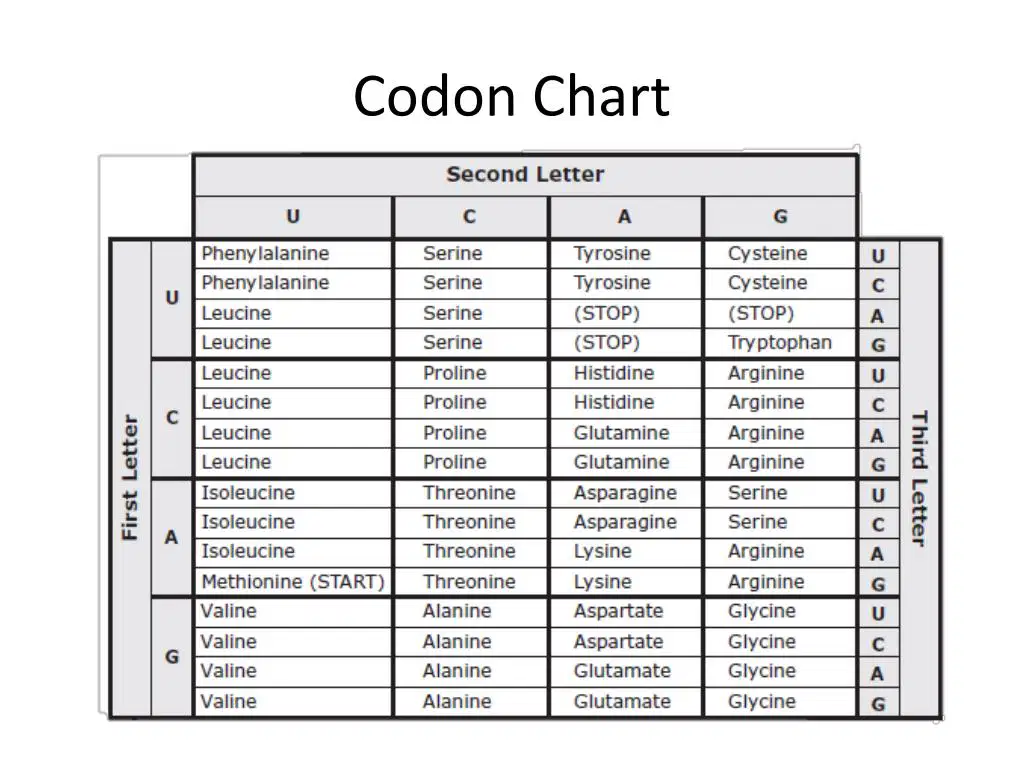
The codon chart shows mRNA codons and their corresponding amino acids. Which amino acid is encoded by the codon ACA?
Lysine
Glutamine
Threonine
Isoleucine

Which amino acid is encoded by the codon TTG?
IsoleucineLeucine
Stop
Lysine
Asparagine
Arrange the following steps of protein synthesis in the correct order from start to finish:
A) Translation — the ribosome reads the mRNA sequence and assembles amino acids into a protein chain
B) Transcription — DNA is used to make a complementary mRNA strand
C) mRNA export— the mRNA strand leaves the nucleus and goes into the cytoplasm to meet a ribosome
D) Protein folding — the newly formed protein folds into its functional shape
A-->B-->C-->D
B-->C-->A-->D
C-->B-->A-->D
B-->A-->C-->D
What is the role of tRNA during translation?
It degrades the mRNA after translation
It forms the ribosome structure
It synthesizes mRNA from DNA
It carries amino acids to the ribosome and matches them to the coded mRNA message
What is the primary function of lipids in organisms?
Quick energy and cell structure
Storing genetic information
Carrying out the cell's tasks, catalyzing chemical reactions, and fighting infections
Long-term energy storage, insulation, cell membrane structure
What is the primary function of carbohydrates like glucose?
Long-term energy storage and insulation
Storing genetic information
Quick energy and cell wall structure
Regulating what enters and exits the cell
What is the primary function of nucleic acids?
Storing food and water
Quick energy and cell structure
Storing genetic information
Long-term energy and digesting cell waste
Grace is a medical student, and she is studying diseases in which the body loses control of some of its enzymes. What is expected to happen when the enzymes become out of control?
The body will use buffers to neutralize the enzymes.
The activation energy will decrease, causing the reaction to go faster.
The body's homeostasis mechanisms will try to reduce enzyme activity.
Enzymes are carbohydrates, so they can be digested to produce ATP during cellular respiration.

A student generates this data set from some cells they are observing in the lab. Based on this data, which of the following conclusions is correct?
Eukaryotic cells have a nucleus and contain circular DNA.
Prokaryotic cells are generally larger and have many membrane-bound organelles.
Prokaryotic cells lack a nucleus and have circular DNA.
Both prokaryotic and eukaryotic cells have linear DNA and no membrane-bound organelles.
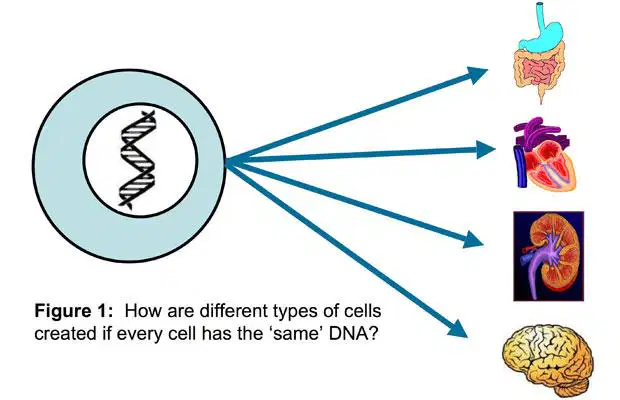
Nearly every cell in your body has the same exact set of DNA. How is it possible for your skin cells, liver cells, muscle cells, and nerve cells to have the same DNA but different shapes and functions?
They contain different types of DNA.
They contain different amounts of DNA.
Some of them have a nucleus and some of them do not.
They each have different sets of active genes.
A. Amino acids combine to form a protein chain.
B. Fatty acid monomers dissolve to form a protein chain.
C. Fatty acid monomers combine to form a protein chain.
D. Amino acids dissolve monomers to form a protein chain.

When these bond together, they form a protein
Amino Acids
Peptide Bonds
Ribose
Nucleotides

This table shows the pH levels of blood samples under different conditions with and without buffers. Based on the data, which statement best explains the role of buffers in blood?
Buffers are chemical compounds that help the cell to store genetic information.
Buffers help maintain homeostasis by preventing large pH changes.
Buffers are a type of carbohydrate that the body can digest to produce ATP during respiration, which is why more CO2 is produced.
Buffers cause blood pH to fluctuate widely, making it less stable.
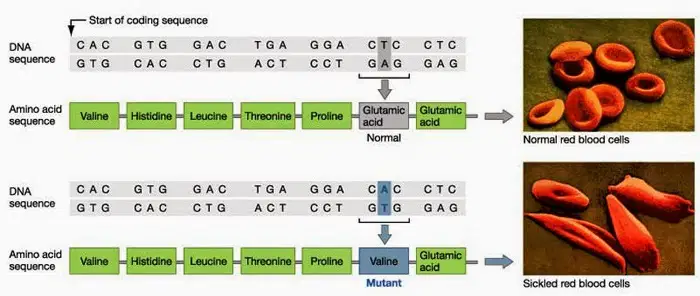
This is a segment of DNA from the hemoglobin gene. A mutation in this gene results in Sickle Cell Anemia. Based on this image, what causes people to develop Sickle Cell?
A deletion mutation, which changes all of the codons because it is a frameshift mutation.
A substitution mutation, which only impacts a single codon.
Individuals with Sickle Cell lack important enzymes that regulate the production of blood cells.
An extra chromosome due to nondisjunction failing to separate the chromosomes during meiosis.
If there is a virus that can reduce a cell's ability to produce ATP, which of the following organelles must be affected?
Ribosomes
Chloroplasts
Mitochondria
Lysosomes

If you notice that a sunflower produces seeds of different sizes, what is affected?
Genotype
Phenotype
Nucleotide sequences
Mitochondria
If 75% of the peas are round and 25% are wrinkled, what were the genotypes of the parent plants?
RRxrr
Rrxrr
RrxRr
RRxRr
A red flower is crossed with a pink flower. What is the probability that they will produce pink offspring?
0%
25%
50%
100%

If a river changes course, how might this lead to speciation?
It increases the availability of food, so the beetles can develop different traits because they have access to more resources.
It removes predators from the beetles, so they don't need to worry about blending into the environment anymore.
It makes animals migrate, which causes them to mutate their DNA.
It causes geographic isolation, which will result in the divided populations developing different traits.
Which of the following makes a protein during translation?
Mitochondria
Chloroplasts
Ribosomes
Vacuoles
Why do animals produce haploid sperm and egg cells (gametes) during meiosis?
For movement and hunting
For growth and development
To repair damaged cells and to replace dead cells
For fertilization during sexual reproduction
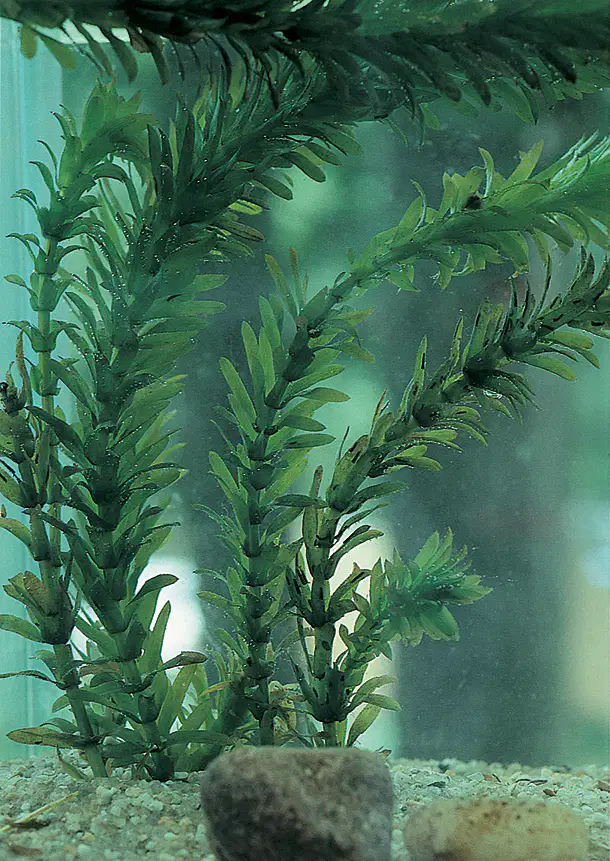
Students in biology want to study nutrient cycles in aquatic ecosystems, so they set up an aquarium with the plant elodea. How is the elodea plant most likely to impact the carbon cycle in the aquarium?
Decreases carbon dioxide
Increases oxygen
Both A and B
Neither A or B
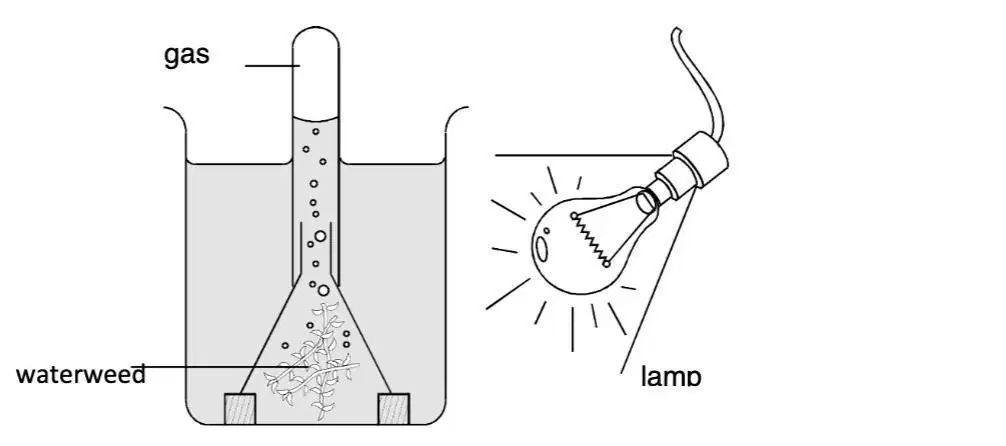
What gas is represented by the bubbles in this experimental set up?
Carbon dioxide
Methane
Sulfur
Oxygen
UV radiation from the sun is most likely to cause what to happen in our cells?
Increased rates of photosynthesis, which will increase the amount of glucose available for our muscles.
Decreased rates of cellular respiration, which will reduce the amount of ATP produced by our cells.
Mutations in the DNA which could result in the development of cancer.
Increased speed of the cell cycle, causing the cells to divide more quickly.
Which of the following processes creates four genetically unique daughter cells that are haploid (one set of chromosomes)?
Mitosis
Meiosis
Replication
Transpiration
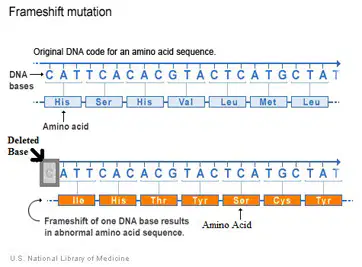
Which of the following is the most likely effect of a deletion mutation?
It will make the protein more effective are performing its job.
It is unlikely to have an impact on the protein.
It probably will not change the protein because it only impacts the DNA at one codon.
It will produce a different protein because it will change the amino acid sequence.
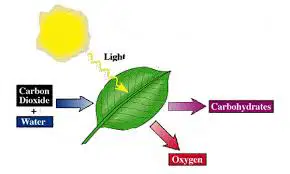
During photosynthesis, plant cells will capture radiant energy (light) and convert it into chemical energy. Where is this energy stored?
In the chemical bonds in oxygen gas
In the chemical bonds in ATP
In the inner membranes of the mitochondria
In chemical bonds of glucose
Noah's family has a long history of diabetes and heart disease, and some of his family members have mutations in the LDLR gene. However, Noah does not develop diabetes or heart disease. How could this be?
He does not possess the gene for diabetes.
He only inherited dominant genes.
The environment and lifestyle can influence gene expression.
Only female offspring will develop diabetes and heart disease.

What is the primary role of producers in the ecosystem represented by this energy pyramid?
Producers are primarily responsible for decomposing organic matter to recycle nutrients like nitrogen and phosphorus back into the soil.
Producers will absorb all the released energy from the other trophic levels, recycling it to ensure energy remains constant.
Producers absorb radiant energy from the sun and convert it to chemical energy, which other organisms can use.
Producers are not part of most ecosystems, as they are not living things.

Pesticides can be harmful because they are toxic to most organisms, and they can result in pesticide-resistant pests which kill of a bunch of crops every year. Priya is a farmer, and she wants to improve her crop yield. So, she plants crops with the Bt gene. This gene enables plants to produce their own pesticide. Why might this be beneficial?
It will help the plants produce more sugar, so they taste better.
It will increase the rate of photosynthesis in the crops, increasing the amount of crops Priya can harvest.
It reduces the need to use pesticides, which will reduce pollution.
It won't have any impact on the plants because it isn't a natural gene found in plants.
Luna is studying a newly discovered species of arctic mice. She notices that there is a variety of phenotypes for fur in the mice--different colors, different textures, different thickness. She notices that some of the mice have barely any fur at all. What is most likely to happen to this trait over time?
It will increase in frequency as it spreads through the population.
It will decrease in frequency because it isn't helpful.
The frequency of hairless mice will not change in the population because it is a neutral mutation.
They will hibernate for longer.
Which of the following is the best source of evidence we have for evolutionary relationships?
Fossil evidence
Evidence from embryology
Anatomy and Morphology
Biochemical evidence (DNA, amino acids, proteins)
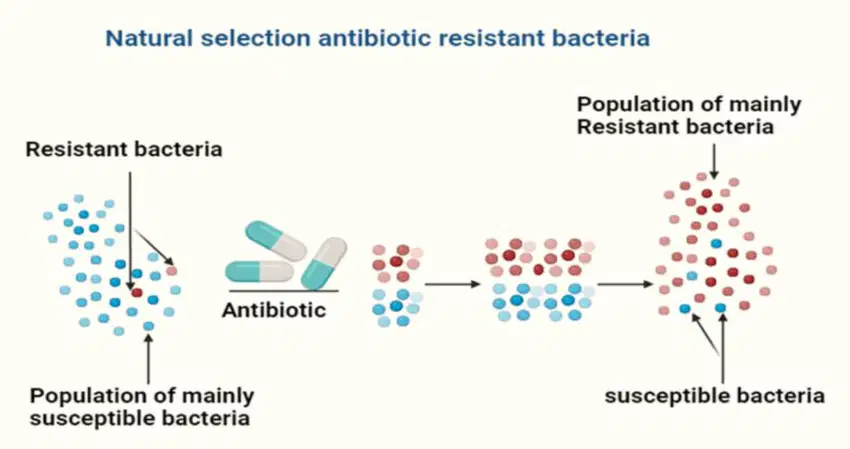
Jessica is studying why bacterial infections like MRSA are becoming harder to treat. She discovers that natural selection increases the frequency of resistance among bacterial populations. Why would this be the case?
The use of antibiotics will change the DNA of bacteria, which will cause all the bacteria exposed to the medication to become resistant.
When exposed to an antibiotic, the bacteria will learn how to adapt to the environment by choosing which genes to mutate.
All the bacteria exposed to antibiotics will be killed.
Bacteria with natural variation in their genes that provide resistance will survive and reproduce.
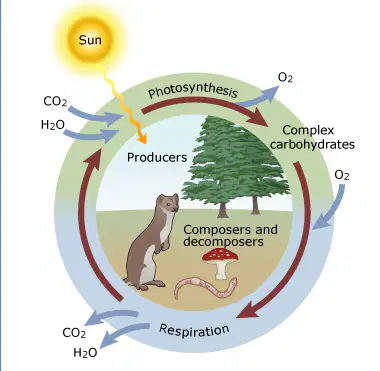
How do producers impact the carbon cycle?
Producers have no impact on the carbon cycle, as they are only able to cycle nitrogen and phosphorus through the environment.
Producers receive all of the energy from the ecosystem, ensuring that they are able to keep the amount of energy constant.
Producers absorb carbon in the form of carbon dioxide and convert it to solid carbon (glucose) during photosynthesis.
Producers produce carbon dioxide during photosynthesis, which enables consumers to absorb it during photosynthesis.
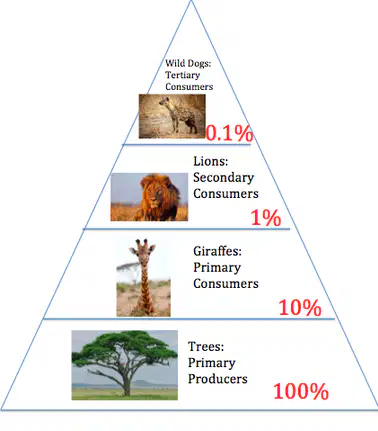
Which of the following is most likely to happen if the trees are removed from this ecosystem?
The amount of oxygen present will increase, and the amount of carbon dioxide will decrease.
The amount of carbon dioxide present will increase, and the amount of oxygen will decrease.
The amount of energy will become constant because plants use the most energy in an ecosystem.
Nothing is likely to change because the other organisms will adapt.

Hummingbirds love to consumer nectar from flowers and sugar water from bird feeders. What is occurring inside their bodies after they drink the nectar from a flower?
They will use the sugars in the nectar to produce proteins.
They will use the sugars in the nectar to produce oxygen during photosynthesis.
They will store the sugars in nectar as lipids.
They will break down glucose to produce energy during respiration.
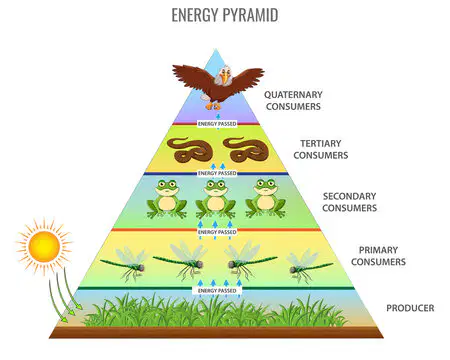
Jeremiah is studying the ecosystem represented by this energy pyramid. He notices that there are many more plants in the ecosystem than snakes and eagles. Why is this the case?
Because the snakes and eagles are competing for the same resources, which will reduce the populations of both.
Because organisms at the top of the food chain eat fewer organisms.
Sunlight is only able to reach the consumers, so only the consumers receive energy.
Because energy is lost as you move up the trophic levels.

Why are prokaryotes like bacteria able to reproduce so rapidly?
They are multicellular, so they are able to use more energy.
They reproduce by meiosis, so the use of genetic information from two parent cells enables them to reproduce more quickly.
They have many organelles, like a nucleus and mitochondrion, which enable them to produce more energy and proteins for reproduction.
They are small and simple, so they need less energy, which makes it easier to reproduce.
Why are organisms sometimes reclassified into different taxonomic groups?
Because their physical traits are constantly evolving.
Because the fossil record is constantly changing.
Because as we learn more about their behavior and habitat, we are better able to group them with similar organisms.
Because advances in modern technology allow us to compare biochemical (DNA, proteins) evidence between organisms.
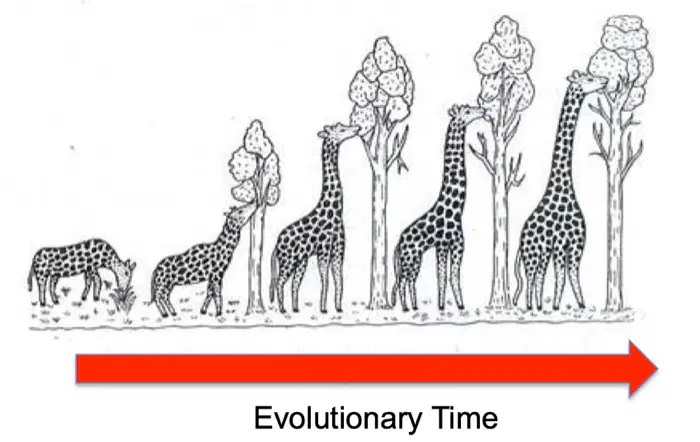
Which statement best explains why giraffe necks have lengthened over time?
Giraffes with longer necks were better at competing for resources, so they were able to survive and reproduce.
Short-necked giraffes migrated to other areas, so they stopped reproducing with long-necked giraffes and became a different species.
Giraffes are all born with short necks, but over time, they learn to stretch their necks, which results in adult giraffes with long necks.
Giraffe necks haven't changed over time. Each of the organisms with shorter necks are actually different species.
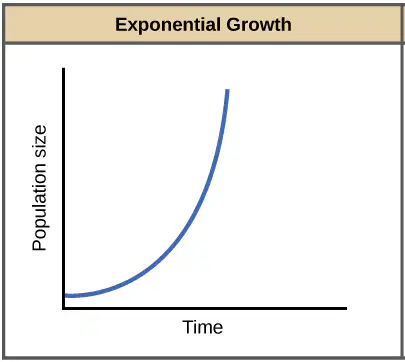
This type of graph is referred to as a J-curve because it looks like the letter J. Exponential population growth will be represented by this kind of graph. Which of the following enables populations to undergo exponential growth?
A population that has reached its carrying capacity.
A population whose death rate is greater than its birth rate.
A population that is remaining stable despite environmental changes.
A population that has access to unlimited resources.

Identical twins share the exact same DNA. However, they frequently develop entirely different traits and personalities. Why might this be the case?
Their DNA sequences are different.
They were born at different times, which will cause mutations in their genes.
Their environment will impact how their genes are expressed.
One twin will lose chromosomes, while the other twin will gain chromosomes.
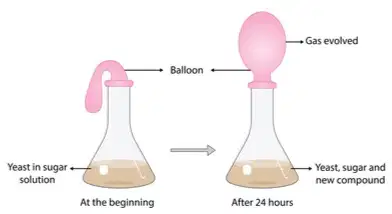
Why does the balloon inflate in this experiment?
Oxygen is being produced as the yeast break down the sugar during photosynthesis.
Carbon dioxide is being produced as the yeast break down sugar during photosynthesis.
Oxygen is being produced as the yeast break down the sugar during fermentation.
Carbon dioxide is being produced as the yeast break down sugar during fermentation.
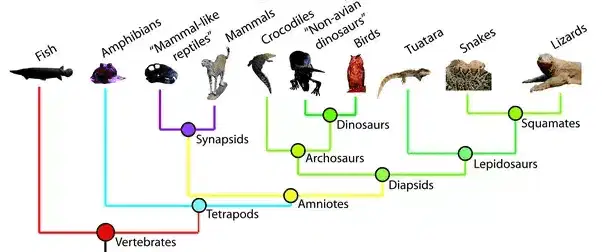
According to this diagram, which group of organisms are the closest living relatives of birds and non-avian dinosaurs?
Fish
Snakes
Amphibians
Crocodiles
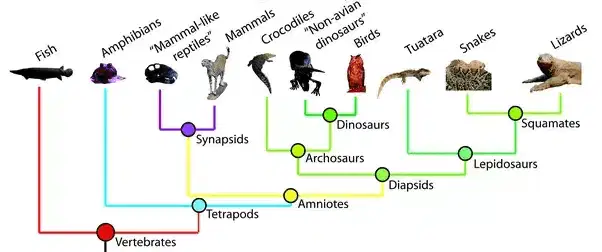
Which of the following pieces of evidence would be most useful in trying to establish the evolutionary relationships among the organisms on this diagram?
Fossil evidence
Embryological evidence
Anatomical evidence
Biochemical evidence
How do the liver cells of a horse compare to the egg cells and the muscle cells of the horse?
The liver cell has more chromosomes than either the egg cells or the muscle cells.
The liver cells has fewer chromosomes than the muscle cell, but it has the same number of chromosomes as the egg cell.
They all have the same number of chromosomes.
The liver cell and the muscle cell have the same number of chromosomes, while the egg cell has half as many.
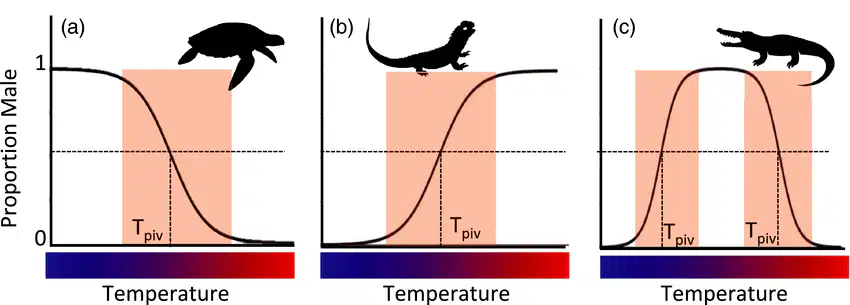
The temperature at which reptile eggs are incubated determines the sex of the organisms that are produced. What does this indicate?
The phenotype can change as a result of environmental factors.
The phenotype of an organism is solely determined by the genes present in the organism's DNA.
The organisms are choosing which kind of organism they develop into.
Mutation rate increases as the temperature increases.

Poaching elephants for their tusks is a huge problem in Africa, and the sale of ivory is banned in most countries because it is endangering the wild populations of elephants. Conservation biologists who are studying elephants in Africa have noticed an increasing frequency of elephants born without tusks. Why might this be happening?
The elephants learn how to drop their tusks after they are born in order to avoid being poached.
Elephants with tusks have migrated to other parts of the continent, leaving only those without tusks in certain areas.
Elephants competing with each other for resources will sometimes lose their tusks as a result of fighting for the same resources.
Tuskless elephants aren't targeted by poachers, so they survive and pass on their traits.
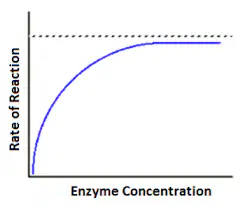
What happens when you add more enzyme to a reaction mixture?
The substrate concentration will increase.
The reaction will speed up.
The reaction will slow down.
The reaction will be unaffected.
Lucas and Yuki have four children. Each of their kids has a different blood type: Akira has Type A blood; Haru has Type B blood; Hama has Type AB blood, and Ryoichi has Type O blood. What were the genotypes of Lucas and Yuki?
AAxBB
AOxOO
ABxOO
AOxBO
Two tigers have black eyes, but they produce a kid with red eyes (rr). What were the genotypes of the parents?
RRxrr
RrxRr
RRxRr
RRxRR
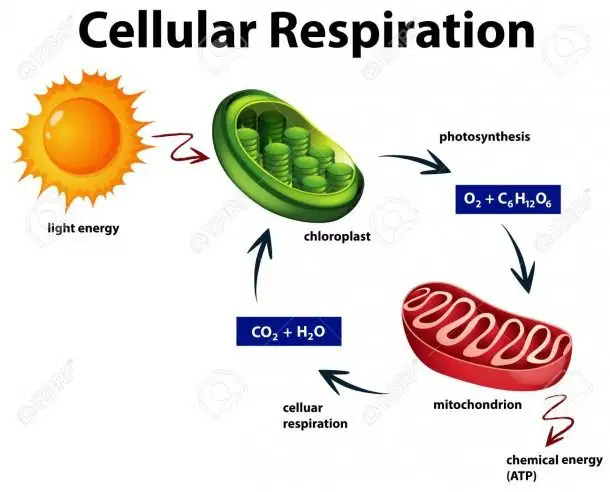
What are the products of aerobic cellular respiration?
Oxygen and glucose
Carbon dioxide and oxygen
ATP and glucose
ATP, carbon dioxide, and water

Based on this DNA fingerprint, scientists concluded that Species 1 is most closely related to Species 3. Why?
Because they have the biggest and smallest bands of DNA.
Because they are clones of each other.
Because they have the most similar DNA fingerprints.
They are equally close to each other as they are to Species 2 and Species 4.
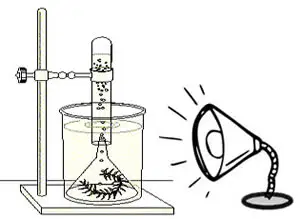
As Brando moves the lamp closer to the beaker, the plant begins to produce more bubbles. What gas is this, and why is it making more?
Carbon dioxide; the increasing intensity of light enables the plant to perform cellular respiration more rapidly.
Carbon dioxide; the increasing intensity of light enables the plant to perform photosynthesis more rapidly.
Oxygen; the increasing intensity of light enables the plant to perform cellular respiration more rapidly.
Oxygen; the increasing intensity of light enables the plant to perform photosynthesis more rapidly.
A shark's skin cell contains 32 chromosomes, and it undergoes mitosis after the shark got cut on some sharp rocks. How many new skin cells will be produced, and how many chromosomes will they have?
2 cells with 32 chromosomes
2 cells with 16 chromosomes
4 cells with 32 chromosomes
4 cells with 16 chromosomes
If a zebra's liver cells contains 38 chromosomes, how many chromosomes will be present in its sperm cells?
38 chromosomes
76 chromosomes
19 chromosomes
16 chromosomes
If a lion fish's egg cell contains 15 chromosomes, how many chromosomes will be found in its nerve cells?
15 chromosomes
30 chromosomes
45 chromosomes
8 chromosomes

Within our class, there are a range of heights, despite the fact that we are all the same species. What does this demonstrate?
Human height only depends on one gene.
Multiple genes contribute to one trait.
Human height is only determined by the environment.
Tallness is dominant, while shortness is recessive.
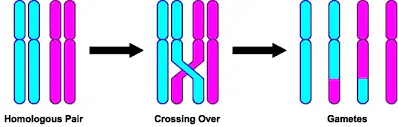
What occurs when the chromosomes from the mother and father cross over?
The chromosomes merge into one larger chromosome.
The chromosomes replicate each other, so that the offspring can receive identical DNA.
The chromosomes exchange genetic material.
The chromosomes induce the same mutation in each other, so that each chromosome ends up with the same alleles.
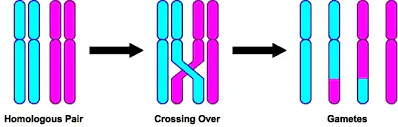
What is the benefit of crossing over?
It helps to reduce the presence of mutations in the organism.
It helps to improve antibiotic resistance.
It increases genetic diversity.
It reduces the energy needs for the offspring.
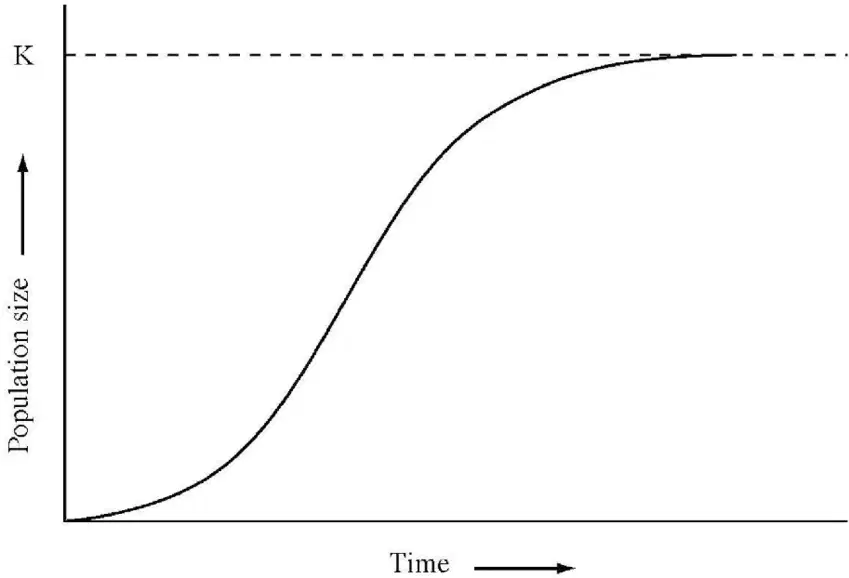
What does K represent?
The unlimited resources available to the population.
That all organisms migrate over time.
That the population's birth rate and death rate are equal.
The carrying capacity for the ecosystem.
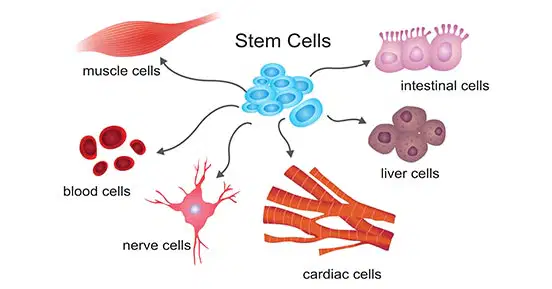
What makes the cardiac cells and the intestinal cells different?
Cardiac cells have more chromosomes than intestinal cells do.
Intestinal cells are abiotic while cardiac cells are biotic.
They come from different organisms, so they look different.
They have different structures and functions because different genes are active in them.

What is the scientific name of an organism composed of?
The Domain and Kingdom
The Class and Family
The Genus and Species
The Kingdom and Phylum

What is the scientific name of this earthworm?
Animalia annelida
Oligochaeta megascolecidae
Animalia postuma
Pheretima postuma
You take a sample of water from a nearby pond to do a survey of the microbes living in the pond. You observe cells that lack a nucleus, but you also observe ribosomes. What kind of cell are you observing?
Prokaryotic because it contains ribosomes.
Eukaryotic because it lacks a nucleus.
Prokaryotic because it is a plant.
Prokaryotic because it lacks a nucleus.
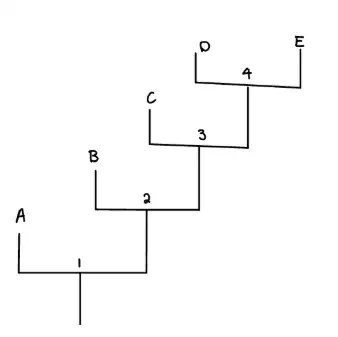
Which number represents the most recent common ancestor for Species C and Species E?
1
2
3
4
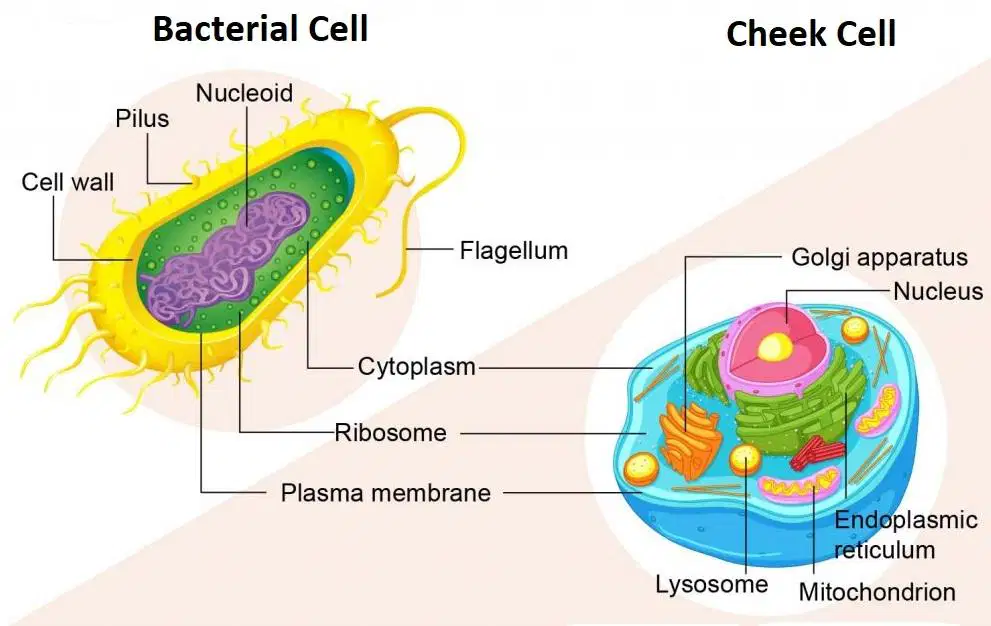
How do animal cells and bacterial cells compare to each other?
Animal cells and bacterial cells are both prokaryotic.
Animal cells are prokaryotic, while bacterial cells are eukaryotic.
Both animal and bacterial cells are eukaryotic.
Animal cells are eukaryotic, while bacterial cells are prokaryotic.
Why do scientists consider amino acid sequences strong evidence for evolution?
All organisms produce amino acids because all organisms need proteins. This suggests that all organisms are related to each other.
Amino acids cannot be considered evidence for evolution because you cannot see them, so they wouldn't be useful to scientists.
Amino acids combine to produce DNA, so they can see what kind of DNA will be produced from the amino acids.
DNA codes for amino acids, so more similar amino acids means the DNA is also similar.
Scientists compared the amino acid sequences of the hemoglobin protein in humans, chimpanzees, and whales. They found that humans and chimpanzees have only one amino acid difference, while humans and whales have twelve differences. What does this suggest about the evolutionary relationships among these species?
The human and the chimp are the most closely related because they have the fewest differences in the amino acids, which means they also have the most similar DNA.
The human is equally closely related to all of these organisms because they all produce the same protein, which means they are all equally related.
The evolutionary relationship cannot be determined from amino acids.
Whales and chimps are more closely related to humans because they are stronger than humans are.
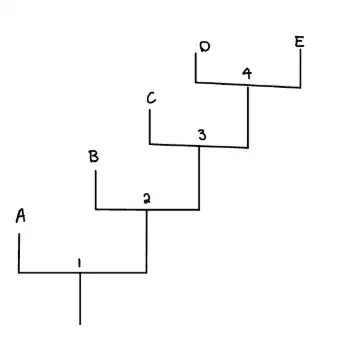
Which number represents the most recent common ancestor for Species A and C?
1
2
3
4
In sexual reproduction, why is it important that a haploid sperm cell fuses with a haploid egg cell during fertilization?
Because two haploid cells ensure that the offspring will have twice the normal number of chromosomes.
Because combining two haploid cells restores the diploid number of chromosomes in the zygote.
Because haploid cells carry only dominant traits.
Because fertilization only happens when both cells are diploid.
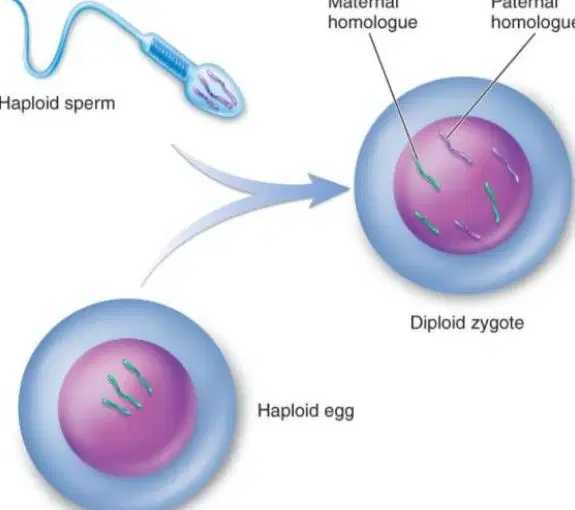
Which process is represented by this diagram?
Mitosis
Meiosis
Respiration
Fertilization
Which of the following represents the equation for energy production in the presence of oxygen?
C6H12O6-->2 ATP+2 CO2+2 Alcohol
6CO2+6H2O-->6O2+C6H12O6
C6H12O6+6O2-->36-38 ATP+6CO2+6H2O
C6H12O6-->2 ATP+2 CO2+2 Lactic Acid
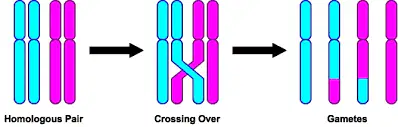
How does genetic recombination through processes like crossing over influence natural selection?
Genetic recombination cannot influence natural selection because it does not influence traits.
Genetic recombination can introduce new genetic diversity, which will be acted on by natural selection as species adapt.
Genetic recombination will always reduce the fitness of an organism because the genetic information is not its own.
Genetic recombination is caused by natural selection, which influences which genes are inherited by certain offspring.
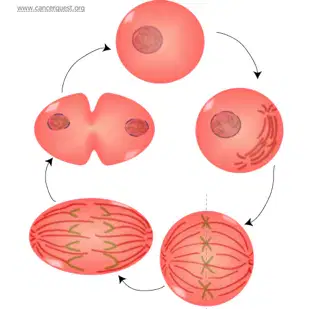
Taxol is a chemotherapy drug that is used to treat certain cancers. This medication impacts the formation of spindle fibers in cancer cells. What would this medication impact?
It would prevent the cell from replicating its DNA, which would produce daughter cells without DNA.
It would prevent the cell from replicating its mitochondria, so the cell wouldn't be able to produce energy.
It likely wouldn't have any impact because spindle fibers are only present in prokaryotic cells.
It would prevent the chromosomes from separating during anaphase, slowing down cell division.
Put the steps of mitosis in the correct order from start to finish.
Telophase, Anaphase, Metaphase, Prophase, Cytokinesis
Prophase, Metaphase, Anaphase, Telophase, Cytokinesis
Metaphase, Prophase, Anaphase, Telophase, Cytokinesis
Anaphase, Prophase, Metaphase, Telophase, Cytokinesis
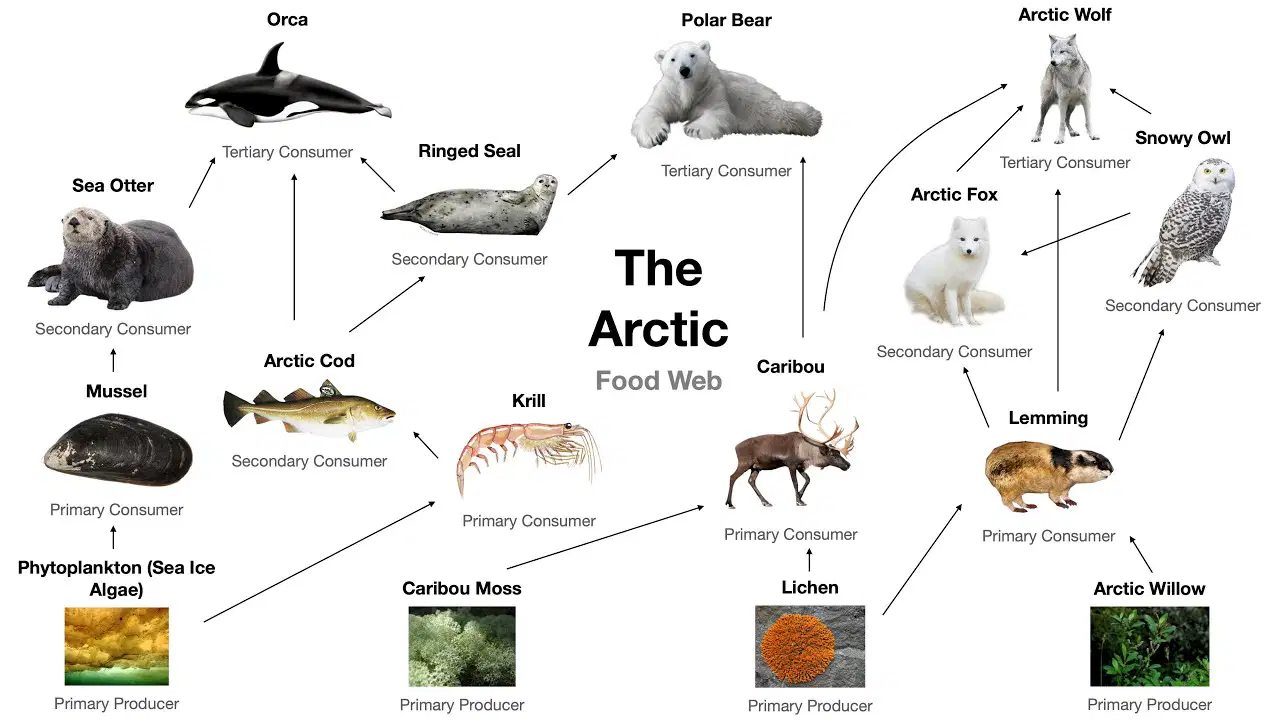
Suppose there was a disease that wiped out the population of seals in this ecosystem. What will happen to the relationship of the polar bear and the arctic wolf over time?
They will adapt and find other food sources to make up for the lost resources.
They don't interact in this food web, so the loss of the seals won't impact them.
They will increasingly compete with each other because they eat the same resources.
They will cooperate to hunt the orca and otters.
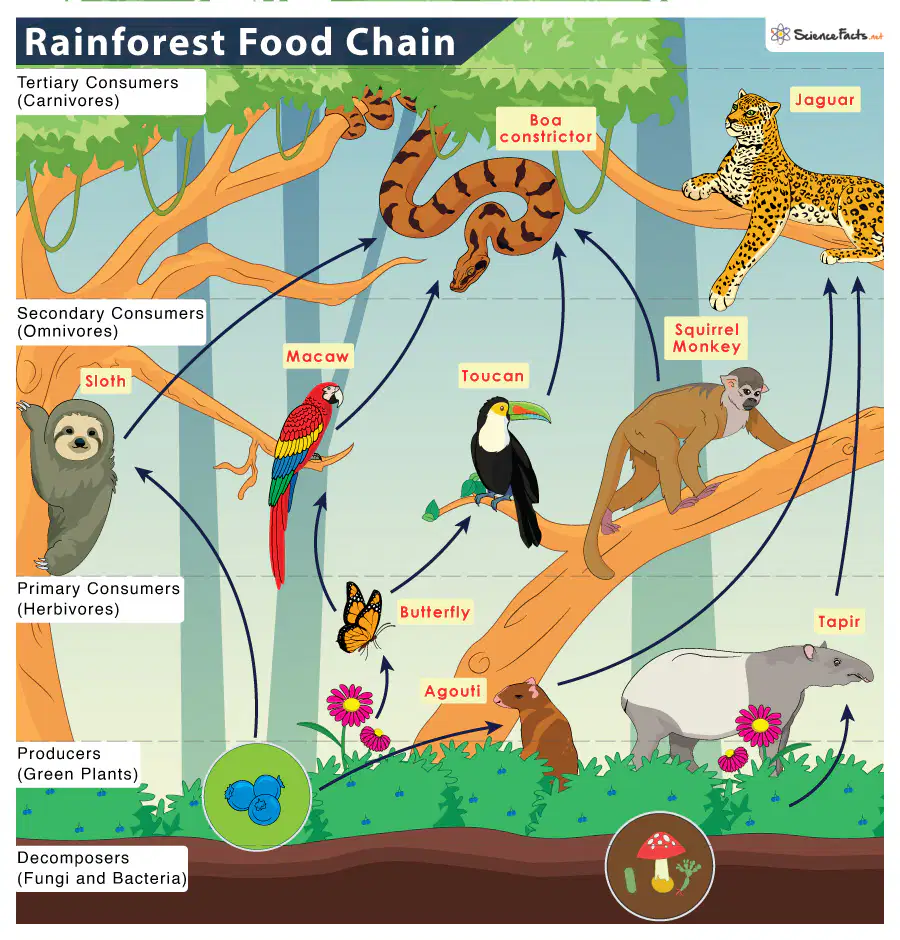
Suppose this rainforest experiences a drought (no rain). What is most likely to be the immediate impact?
Increasing plant growth due to the soil being less soggy which prevents erosion.
Less energy will be available for the ecosystem because photosynthesis will slow down.
More energy will be available for the higher trophic levels because competition will decrease.
There won't be an impact on the forest.

What is the most likely impact of an insertion or deletion mutation on a sequence of amino acids?
There will be no change to the sequence of amino acids because mutations are always beneficial.
Only one amino acid will change because only one base will be affected.
Insertion and deletion mutations will change the entire sequence of amino acids because they shift all the codons.
Only deletion mutations can change the DNA.
How does natural selection affect the traits within a population over time?
It increases the frequency of favorable traits because individuals with those traits survive and reproduce more.
It decreases the frequency of favorable traits because they are usually recessive.
It does not affect the frequency of traits because it cannot influence the genes of organisms.
It eliminates genetic variation.

This plant cell cannot translate mRNA to make a protein. Which structure must be malfunctioning?
Cell membrane
Nucleus
Chloroplast
Ribosome
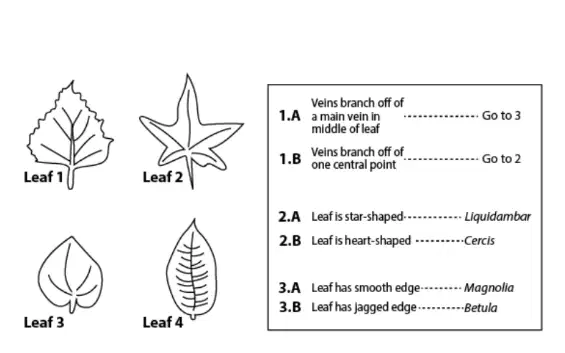
Which of the following correctly identifies Leaf 2?
Liquidambar
Cercis
Magnolia
Betula
Which of the following is one way to define members of the same species?
Organisms that live in the same habitat but cannot reproduce together
Organisms that can mate and produce fertile offspring
Organisms that look similar but produce sterile offspring
Organisms that live in the same habitat and compete for the same resources.
What is the monomer of a protein?
Fatty acids
Nucleic Acids
Amino Acids
Monosaccharides
What is the monomer of a lipid?
Amino Acids
Nucleic Acids
Carbonic Acids
Fatty Acids
What is the monomer of a nucleic acid?
Amino Acids
Proteins
Nucleotides
Glucose
What is the relationship between nucleotides and amino acids?
Nucleotides are the building blocks of amino acids.
Amino acids are made by linking together nucleotides directly.
Nucleotides form the genetic code that determines the sequence of amino acids in proteins.
Amino acids store genetic information using nucleotides.
Which of the following produces daughter cells that are exact copies?
Mitosis
Meiosis
Fertilization
Replication
If an animal cell with a 5% concentration of salt is added into a saline solution with 25% salt, what is most likely to happen to the cell (show your work!)?
The cell will swell as salt enters the cell.
The cell will swell as water enters the cell.
The cell will shrink as salt leaves the cell.
The cell will shrink as water leaves the cell.
What is the primary function of transcription?
To make an exact copy of DNA.
To produce enzymes.
To make a molecule of mRNA.
To make a molecule of tRNA.
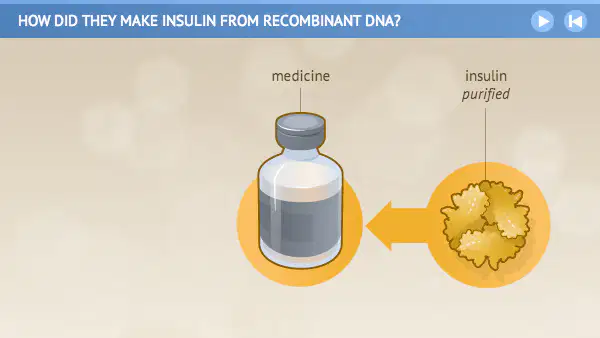
Which of the following can be engineered to produce insulin for use in human medications?
Plants
Animals
Fungi
Bacteria
A group of scientists observes two populations of frogs living in nearby ponds. The frogs look very similar and have overlapping habitats, but when members of the two populations mate, their offspring do not survive to adulthood or are sterile.
Based on the reproductive definition of a species as those organisms that can mate with each other and produce fertile offspring, which statement best describes the relationship between the two frog populations?
They are the same species because they live in similar environments.
They are different species because they cannot produce fertile offspring.
They are the same species because they can physically mate.
They are different species because they look slightly different.
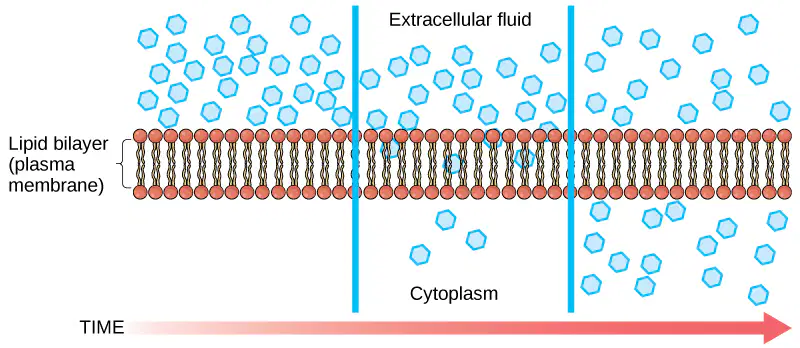
What happened to the concentration of molecules over time?
The cell performed active transport, moving molecules against the concentration gradient with ATP.
The cell performed passive transport in order to ensure that molecules were moving from low to high concentration.
The cell reached equilibrium by balancing the amount of molecules on either side of the membrane.
The concentration does not change over time because the membrane is impermeable.
What is one major effect of melting polar ice caps on the environment?
Decreased sea levels, which create more land for forests
Increased sea levels, leading to flooding of coastal areas and loss of habitats
More rainfall in polar regions, improving forest growth there
There will be no significant change.
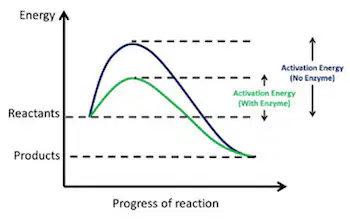
How do enzymes impact activation energy?
Enzymes speed up chemical reactions by increasing the activation energy.
Enzyme slow reactions down by increasing the activation energy.
Enzymes increase the speed of a reaction by reducing the activation energy.
Enzymes cannot impact the activation energy.

What is the optimum pH for enzyme B?
2
6
10
14

What has happened to Enzyme A at a pH of 2 and a pH of 10?
It is being transformed into Enzyme B, which is why they work in different pHs.
It is working more rapidly.
It has been denatured.
Enzyme A is able to function equally across a wide range of pHs.
As an organism's energy needs increase, what must be happening to CO2?
CO2 is unrelated to energy needs, so it will not be impacted.
CO2 production will increase, as an organism performs cellular respiration to make more energy.
CO2 production will increase, as an organism performs photosynthesis to make more energy.
CO2 production will decrease, as an organism performs cellular respiration to make more energy.
Why does the frequency of certain alleles in a population change when the environment changes?
Because organisms randomly change their alleles regardless of the environment
Because environmental changes cause organisms to learn how to develop new alleles
Because individuals with alleles better suited to the new environment are more likely to survive and reproduce, increasing those alleles in the population
Because all alleles remain equally common no matter what happens in the environment

Which two organelles account for the differences in structure between animal cells and plant cells?
The mitochondria and chloroplast
The nucleus and ribosomes
The vacuole and plasma (cell) membrane
The cell wall and vacuole
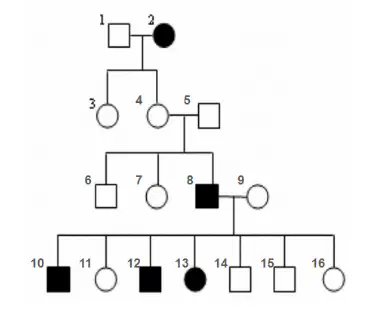
Is this trait dominant or recessive?
Dominant
Recessive
Sex-Linked
Not enough information
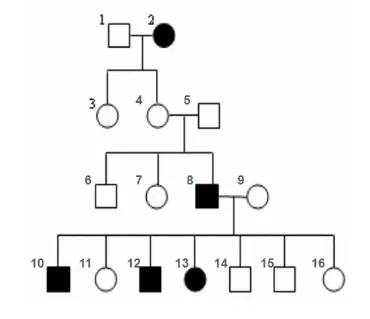
What is the genotype of Individual 2?
AA
Aa
aa
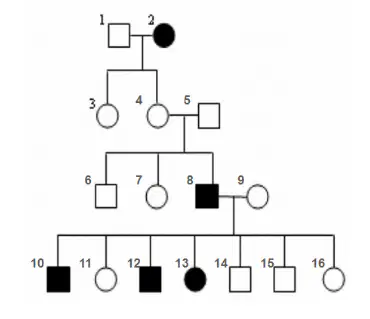
What is the genotype of Individual 9?
AA
Aa
aa
Which gas is primarily produced during cellular respiration?
Carbon dioxide
Oxygen gas
Nitrogen gas
Water vapor
Which gas is primarily produced during photosynthesis?
Carbon dioxide
Oxygen gas
Nitrogen gas
Water vapor
Which gas is primarily produced during combustion?
Carbon dioxide
Oxygen gas
Nitrogen gas
Water vapor
Which gas is primarily produced during decomposition?
Carbon dioxide
Oxygen gas
Nitrogen gas
Water vapor

Vacuoles are membrane-bound organelles that store food, water, and other cellular materials within eukaryotic cells. Plant cells have a large central vacuole that also helps maintain the structure of the cell, whereas animal cells have many small vacuoles. This is important partly because it ensures that plant cells have a constant supply of water for photosynthesis.
If a plant cell is infected with a virus that causes its vacuole to shrink, what will happen to the rate of photosynthesis?
The rate of photosynthesis will not be affected because water is not needed for photosynthesis.
The rate of photosynthesis will increase because the smaller vacuole will provide more storage space for the glucose produced in the cell.
The rate of photosynthesis will decrease because water is a reactant required for photosynthesis, so less water will slow the process.
The rate of photosynthesis will increase in order to produce more water for the cell to use during aerobic respiration.
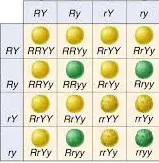
Two pea plants in a garden are crossed with each other. Yellow is dominant to green, and round is dominant to wrinkled. What must be true in order for the pea offspring to be green?
Both parent plants must have the dominant R allele.
One parent plant must have a dominant Y allele while the other plant must have the recessive Y allele.
Both parents must have a recessive Y allele.
The R and Y alleles are codominant, which is why there are multiple colors present in the offspring.
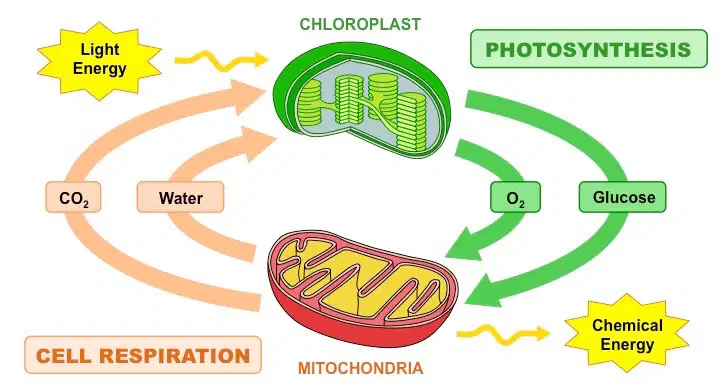
Both photosynthesis and cellular respiration involve the use, conversion, or transfer of energy, and they are the primary processes in the carbon cycle. What is the difference in energy storage between these two processes?
Photosynthesis releases energy in the form of ATP, while respiration releases energy in the form of sugar.
Photosynthesis stores energy in the bonds of sugars, while respiration stores energy in the bonds of ATP.
Photosynthesis and respiration both store energy in the bonds of sugar, but photosynthesis stores it in glucose while respiration stores it in lactose.
Both processes release energy rather than storing it.

A city is planning to destroy this dam in order to reduce the impact of a drought happening in the area. When the dam is destroyed, the release of water will flood the valley and separate all of the populations living in the area. Suppose you are a scientist studying a population of insects in this valley. What is most likely to happen to this population of bugs over time?
The population of bugs will remain the same species because flooding does not cause mutations.
The population of bugs will migrate to other areas in order to continue reproducing, so that the population can grow.
The population of bugs will inhabit different environments, so they will develop different traits and become different species.
The population of bugs will fly across the lake in order to prevent the division of the population
Cirrhosis and hepatitis are diseases of the liver that can reduce the production of proteins needed by the liver. Some medications may work to reduce the impact of these diseases by increasing the production of proteins. Which organelle would be impacted by this medication?
Mitochondria
Chloroplast
Vacuole
Ribosome
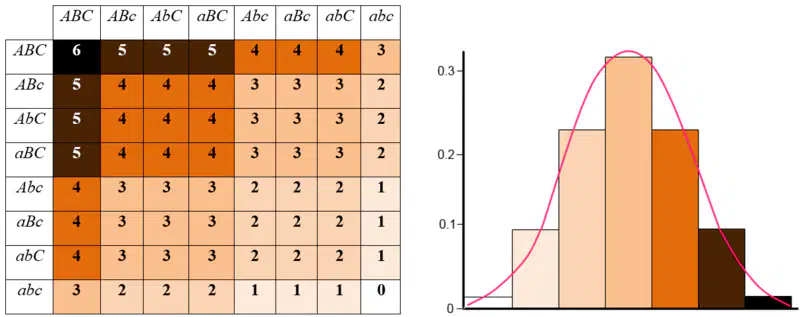
Traits in humans like skin color, eye color, and height are controlled by multiple genes working together. For traits controlled by many genes, what is true of the phenotypes we observe?
There are only dominant and recessive alleles for these traits, which means there will only be two observable phenotypes.
There are a range of phenotypes because each trait is influenced by many different genes.
These traits are codominant, which is why we can observe people with different eye colors.
The phenotypes we observe are only influenced by one gene at a time.
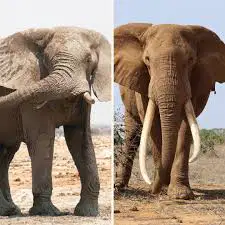
Think about the elephant case study you completed. Assuming that everything in the environment remains constant but poaching is finally eliminated, what is most likely to happen to the frequency of tusked and tuskless elephants over time?
The frequency of tusked and tuskless will remain constant because the environment will remain constant, so there won't be any new selection pressures.
The frequency of tuskless elephants will rise because it provides a competitive advantage, while the frequency of tusked elephants will fall because they will go extinct.
The frequency of both varieties of elephants will decrease because they will be unable to compete for food with the other herbivores.
The frequency of tusked elephants will increase while the tuskless elephants will decrease because tusklessness isn't advantageous anymore.
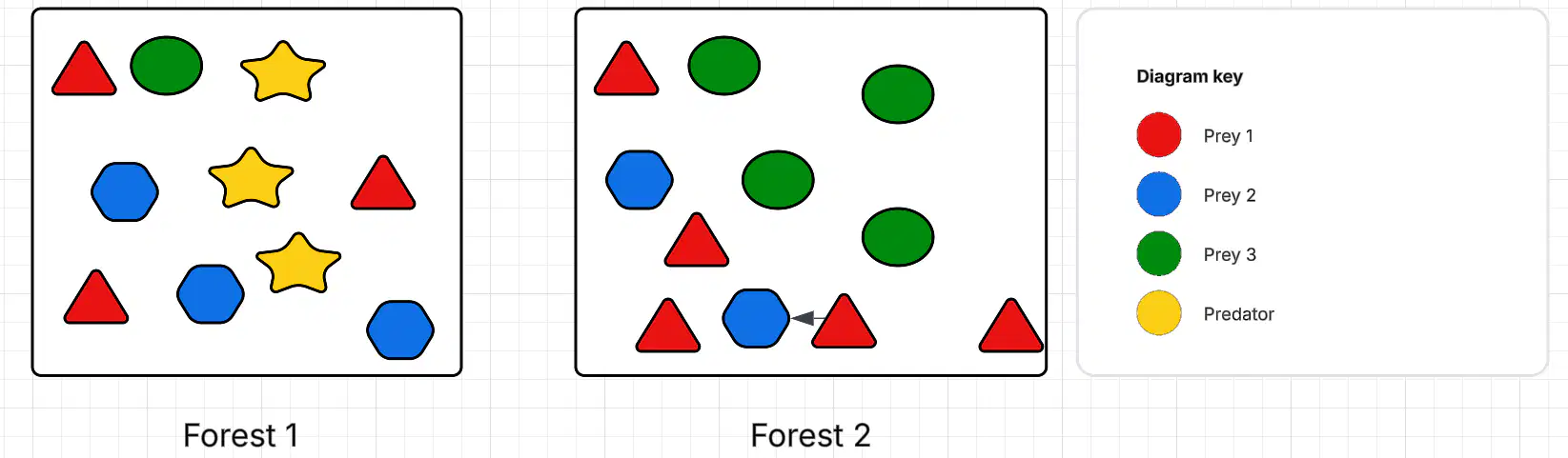
Suppose you're an ecologist, and you are studying the population dynamics in these two forests. Which ecosystem is most likely to experience natural selection in the prey population?
Forest 2 because there are more prey present, which means the genetic diversity is greater.
Forest 2 because the lack of predators will give the prey more time to evolve and adapt to their environment.
Forest 1 because there is genetic variation among the prey and there are predators present.
The predators will have no impact on natural selection, so both forests will experience natural selection among the prey population.
Suppose you are raising some chickens, and you observe the following phenotypes:
Parent 1- Black
Parent 2- Black
Child 1- Gray
Child 2- White
Grandchild 1- Gray
Grandchild 2- White
What is the inheritance pattern of color in these chickens?
Complete Dominance
Incomplete Dominance
Codominance
Sex-Linked
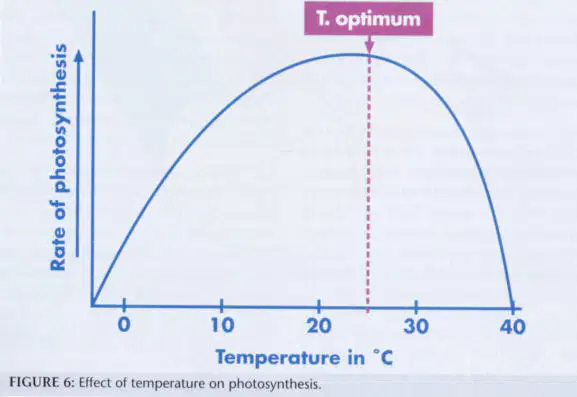
Like most reactions in an organism, photosynthesis is regulated by enzymes. Suppose a grassland experiences an extended cold front, during which time the average temperature drops below 20 degrees celsius. Given the data in this graph, what is most likely to be the most immediate impact of this drop in temperature?
There will be an increase in plant growth, as there will be less competition for resources.
There will be a decrease in the herbivore population.
There will be an increase in the population of secondary consumers.
There will be an increase in the primary and tertiary consumers, but a decrease in the secondary consumers.
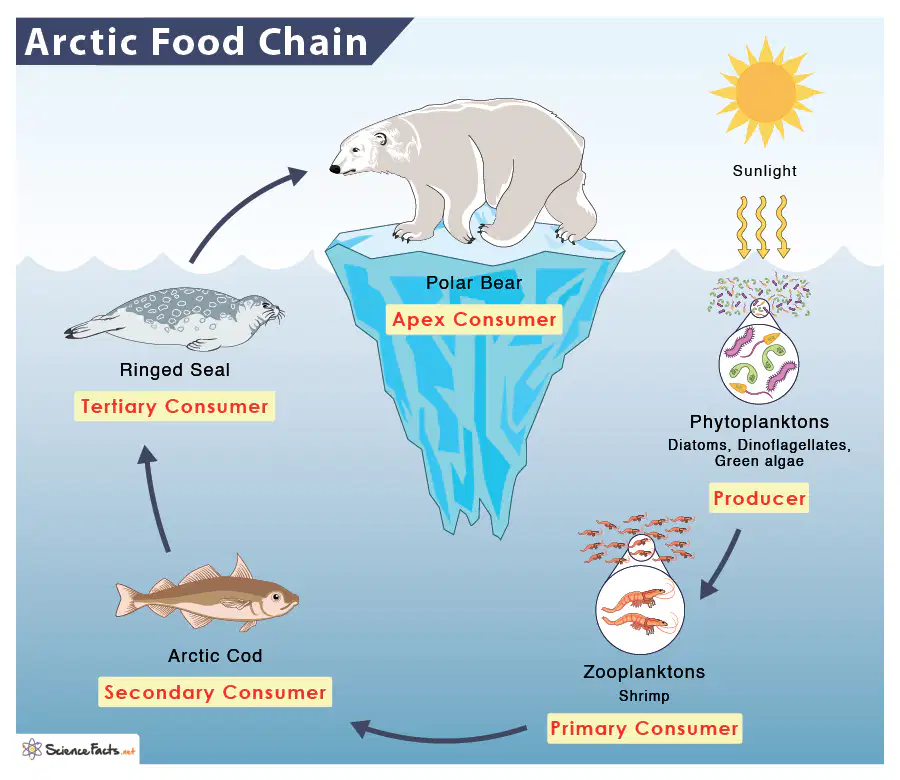
Which of the following accurately describes the energy levels in this food chain?
The polar bear contains the most energy because it is the largest organism.
The zooplankton contain the most energy because they are consuming the phytoplankton.
The phytoplankton contain the most energy because they are producers.
The cod contains the most energy because they are consumers.

What is the cell doing during this process?
Performing photosynthesis in order to release light energy
Performing fermentation in order to store energy in glucose
Performing anaerobic respiration in order to store energy in the bonds of lipids
Performing aerobic respiration in order to produce energy

Pesticides/insecticides are chemicals that are used to kill insects. How might the use of these chemicals in agriculture influence natural selection among insect populations?
Pesticides will increase natural selection for resistance in insect populations.

Which of the following describes what bacteria do in order to make exact copies?
Bacteria divide by meiosis, which enables them to produce 4 identical daughter cells.
Bacteria create gametes in order to perform fertilization.
Bacteria reproduce asexually by binary fission.
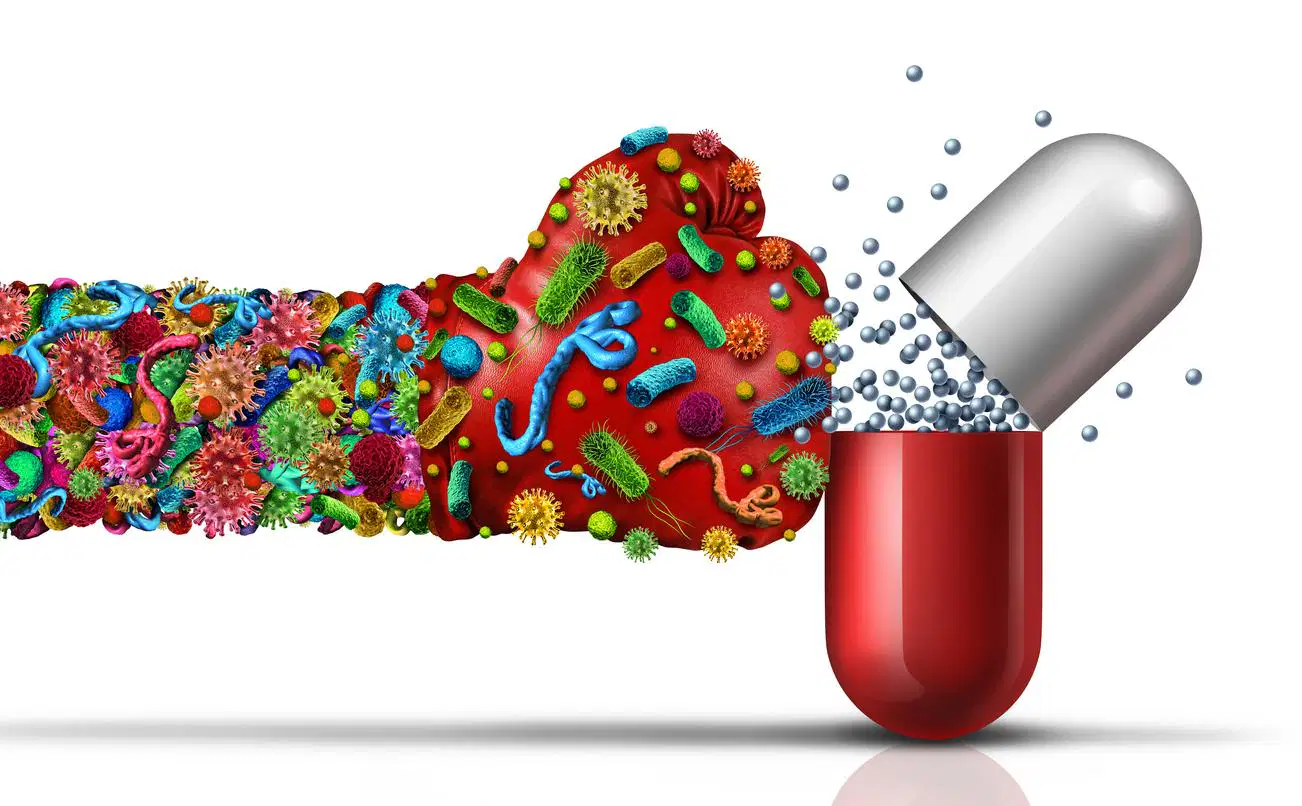
Suppose you are a doctor, and you are treating a patient with MRSA, like Liam. You prescribe a course of antibiotics in order to treat the infection. At first, your patient improves, but after two weeks, your patient still has an infection. You conclude that the bacteria have become resistant to the medication. Which of the following supports this conclusion?
The antibiotics you prescribed are effective against all bacteria.
The infection is caused by a virus, not a bacteria, which is why the medication was ineffective.
The patient improved significantly, which is why they began to feel better and their condition improved.
The bacterial infection has not gone away, despite treatment because some of the bacteria were resistant and survived.

When the asteroid that killed the dinosaurs hit the earth, it sent millions of tons of debris into the atmosphere, which blocked out the sun. Which of the following processes would be most immediately impacted by the reduced availability of light?
Combustion

How do invasive species like kudzu usually impact the populations of native species?
Invasive species like kudzu reduce the population density of native species by outcompeting them for resources.
Invasive species like kudzu improve the habitats of native species, promoting biodiversity and reducing soil erosion.

Which of the following provides the best evidence for evolution?
Analysis of the fossil record to observe anatomical changes over time.
Analysis of the behaviors of related species.
Anatomical analysis of bones and tissues.
Biochemical analysis of proteins and nucleic acids.
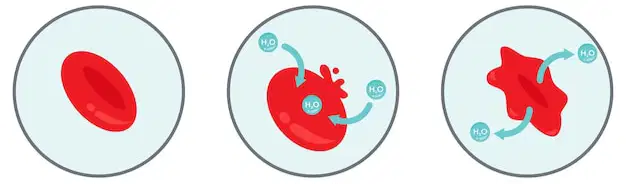
You observe a cell in three different saline (salty) solutions, and you generate the following data:
-In 25% salinity, the cell shrinks
-In 20% salinity, the cell remains the same
-In 15% salinity, the cells shrinks
Which of the following conclusions about the cell is most likely to be correct?
The cell's internal environment is 15% salinity.
The cell's internal environment is 20% salinity.
The cell's internal environment is 25% salinity.
There is not enough information to determine what the cell's internal environment is.

Given this cladogram, which pair of organisms has the greatest biochemical similarity?
Lemurs and Tarsiers
New World Monkeys and Gorillas
Humans and Chimpanzees
Humans and Old World Monkeys
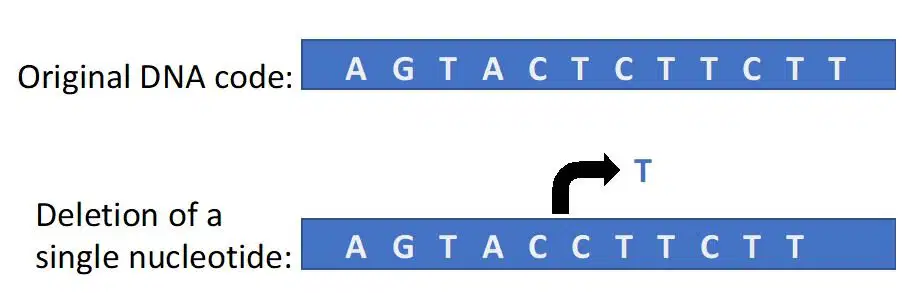
This diagram represents a deletion mutation of a single nucleotide in a sequence of DNA. Which of the following is the most likely impact of this mutation on protein synthesis?
The amino acid sequence will be larger than the original sequence.
The amino acid sequence will not be impacted because this only impacted one nucleotide.
The amino acid sequence produced will disrupt the ability for the organism to perform photosynthesis.
The amino acid sequence will be different because this will change all of the codons.
According to natural selection, which of the following organisms will be most likely to pass on their traits?
Organisms that contain dominant alleles.
Organisms that contain recessive alleles.
Organisms that only express polygenic traits.
Organisms that are best suited to their environment.

