
 Worksheets
LEAF STRUCTURE
Total questions: 139
Worksheet time: 2hrs 4mins
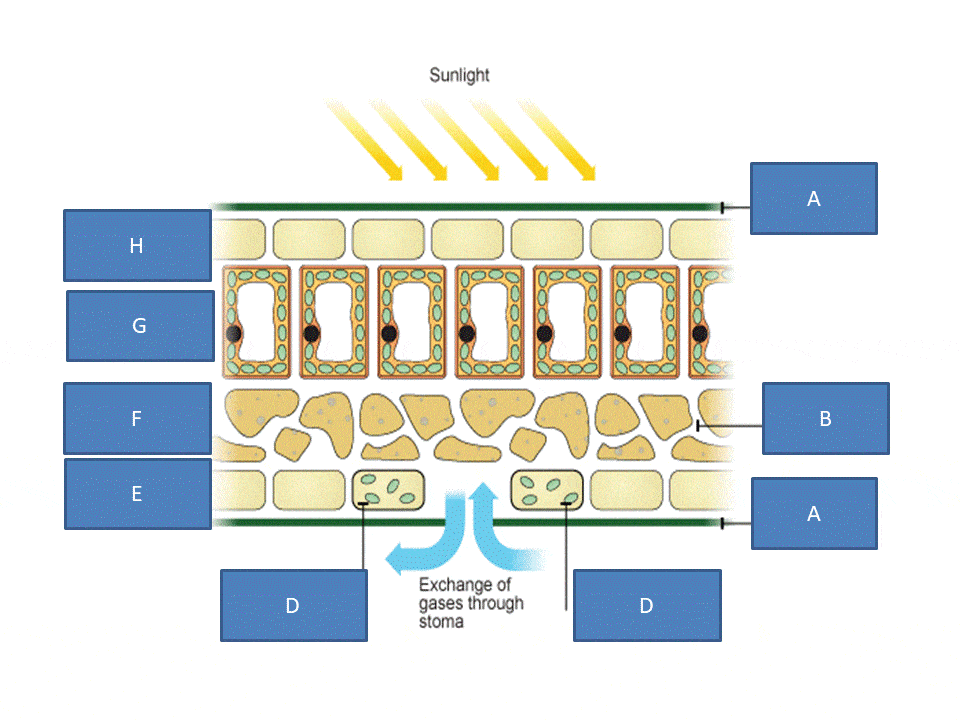
What is the name of the elongated, packed cells (part G) directly under the upper epidermis?
Palisade cells
Guard cell
Spongy layer
Lower epidermis
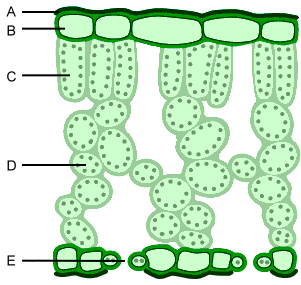
What is letter "A" pointing to?
cuticle
upper epidermis
lower epidermis
palisade mesophyll

Which number is pointing to the xylem of the leaf?
3
4
5
6

Which number is pointing to the stomata?
6
7
8
9
Which part of the leaf consists of xylem and phloem?
vascular bundle
bundle sheath
palisade mesophyll
spongy mesophyll
Most photosynthesis occurs in this part of the leaf:
upper epidermis
cuticle
palisade mesophyll
spongy mesophyll
The outermost layer of CELLS of the leaf is the
cuticle
epidermis
spongy mesophyll
bundle sheath
This layer of cells is where photosynthesis occurs within the leaf; there are air spaces within this layer
spongy mesophyll
palisade mesophyll
chloroplast
upper epidermis
The cell organelle where photosynthesis occurs in plant cells is the
chloroplast
mitochondrion
vacuole
nucleus
The vascular tissue which transports sugar (food) in both directions within the leaf is the
xylem
phloem
bundle sheath
chloroplast
Which two layers of the plant contain chloroplasts?
xylem and phloem
upper and lower epidermis
cuticle and upper epidermis
palisade and spongy mesophyll
The majority of the stomata of a leaf can usually be found within the
guard cells
upper epidermis
lower epidermis
cuticle
The stomata are controlled by '________' shaped' guard cells
Kentucky Fried Chicken
Sausage
Banana
Pear
So from top to bottom, a leaf's structure is
- Palisade cells
- Waxy cuticle and epidermis cells
- Spongy mesophyll
- Epidermis and cuticle, with stomata
- Waxy cuticle and epidermis cells
- Palisade cells
- Spongy mesophyll
- Epidermis and cuticle, with stomata
- Epidermis and cuticle, with stomata
- Waxy cuticle and epidermis cells
- Palisade cells
- Spongy mesophyll
- Waxy cuticle and epidermis cells
- Spongy mesophyll
- Palisade cells
- Epidermis and cuticle, with stomata
Plants make food through photosynthesis
True
False
Using their __________, plants combine sunlight, carbon dioxide and water to make glucose and oxygen
Flowers
Leaves
Stem
Roots
There are little pores on the bottom of the leaf called ________
stem
root
stomata
palisade mesophyll
'___________' comes into the plant through the roots
Oxygen
Water
Carbon Dioxide
Goku
What is the function of the leaf on the plant?
Absorbs water
Absorbs Nutrients
Photosynthesis
Anchors the plant

Number 3 is...
Node
Internode
Petiole
Axillary Bud

Number 5 is...
Blade
Margin
Midrib
Serrate
Why are plants important for all other living organisms?
They are important for making our environment look attractive.
They are important predators for other organisms.
They are important consumers of other organisms.
Without them, food chains would fail as plants are the producers.
Why do leaves need a large surface area?
To absorb as much water as possible.
To absorb as much sunlight as possible.
To absorb as much food as possible.
To absorb as much chlorophyll as possible.
What is the function of the midrib?
It provides strength throughout the leaf, keeping it upright and sturdy in the wind.
It provides sunlight to the leaf for it to carry out photosynthesis.
It attaches the leaf to the plant’s stem.
It is tiny openings or pores, which allow carbon dioxide to enter and oxygen to exit the leaf.
What is the function of the petiole?
It provides strength throughout the leaf, keeping it upright and sturdy in the wind.
It provides sunlight to the leaf for it to carry out photosynthesis.
It attaches the leaf to the plant’s stem.
It is tiny openings or pores, which allow carbon dioxide to enter and oxygen to exit the leaf.
What is the function of the stomata?
It provides strength throughout the leaf, keeping it upright and sturdy in the wind.
It provides sunlight to the leaf for it to carry out photosynthesis.
It attaches the leaf to the plant’s stem.
They are is tiny openings or pores, which allow carbon dioxide to enter and oxygen to exit the leaf.
Why are leaves thin?
To allow as much water as possible into the leaf.
To minimise the distance for carbon dioxide to travel into leaf cells.
To allow as much water as possible out of the leaf.
To allow as much sunlight as possible to hit the leaf surface.
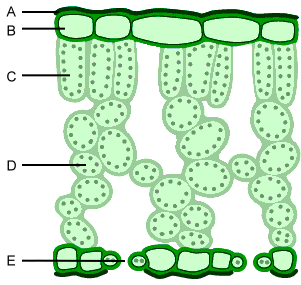
What is letter "D" pointing to?
upper epidermis
palisade mesophyll
spongy mesophyll
bundle sheath
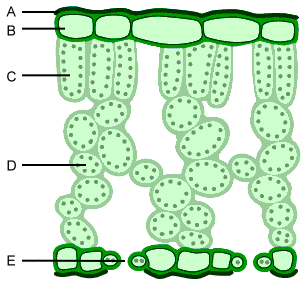
Which of the following is pointing to the "guard cell"?
B
C
D
E
How does most of the water needed by the plant get into its leaves?
It enters through the stomata
The roots absorb it and then it travels up the stem
It's made during a chemical reaction in the leaf
The flowers capture water and deliver it to the leaves
Exit: Carbon dioxide
Exit: Glucose
Exit: Oxygen
Exit: Water vapor
Which of the following is the correct equation for PHOTOSYNTHESIS?
light + carbon dioxide + water --> glucose + oxygen
carbon dioxide + sugar + water --> oxygen + light
oxygen + light + water --> carbon dioxide + sugar
carbon dioxide + oxygen + water --> Light+ Sugar
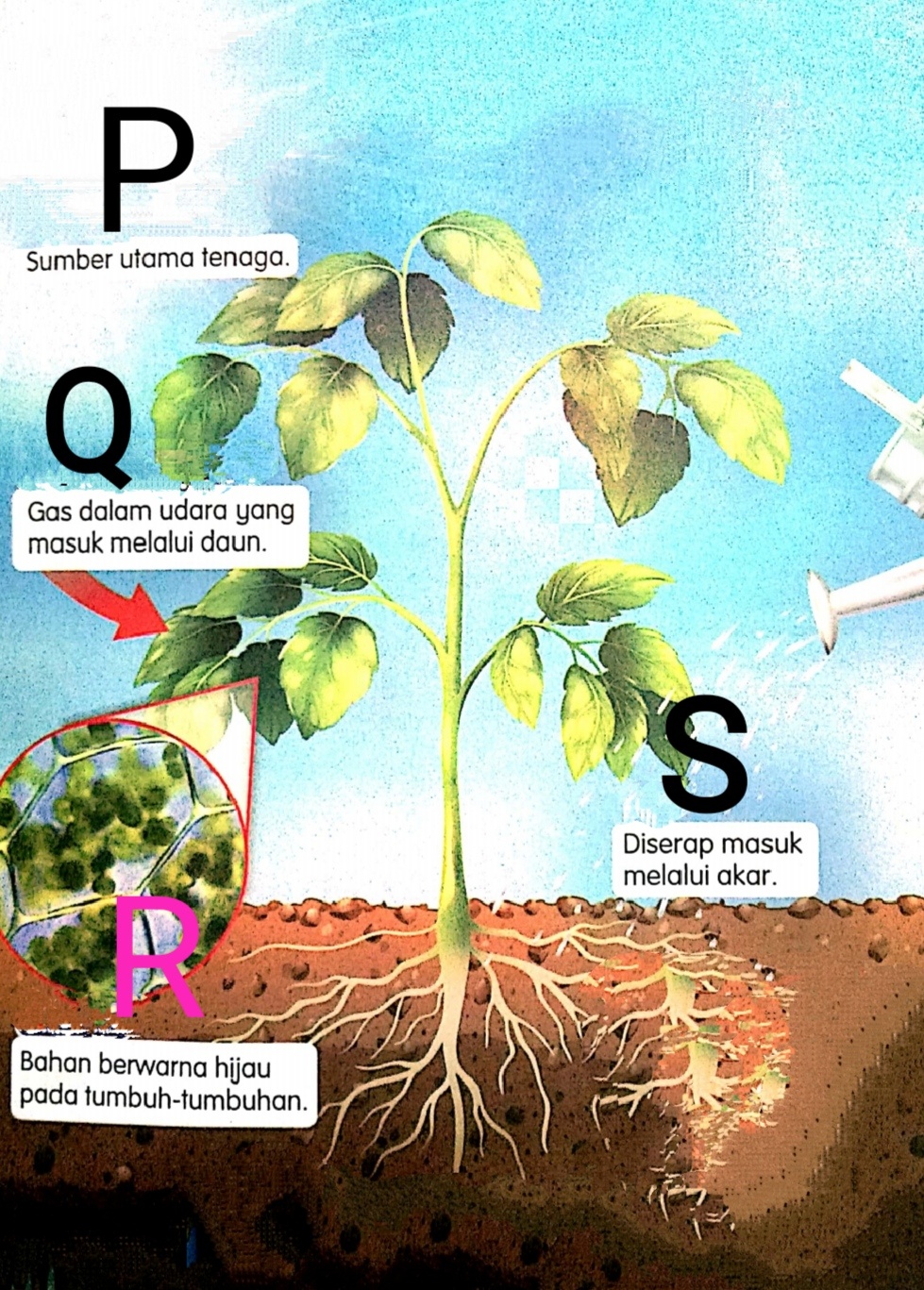
Diagram 1 shows 4 needs of photosynthesis. What is P?
Carbon dioxide
Water
Chlorophyll
Sunlight
Diagram 1 shows 4 needs of photosynthesis. What is P?
Carbon dioxide
Water
Chlorophyll
Sunlight
What is the meaning of photosynthesis?
A process of plants to produce Oxygen
A process of plants to make their on food
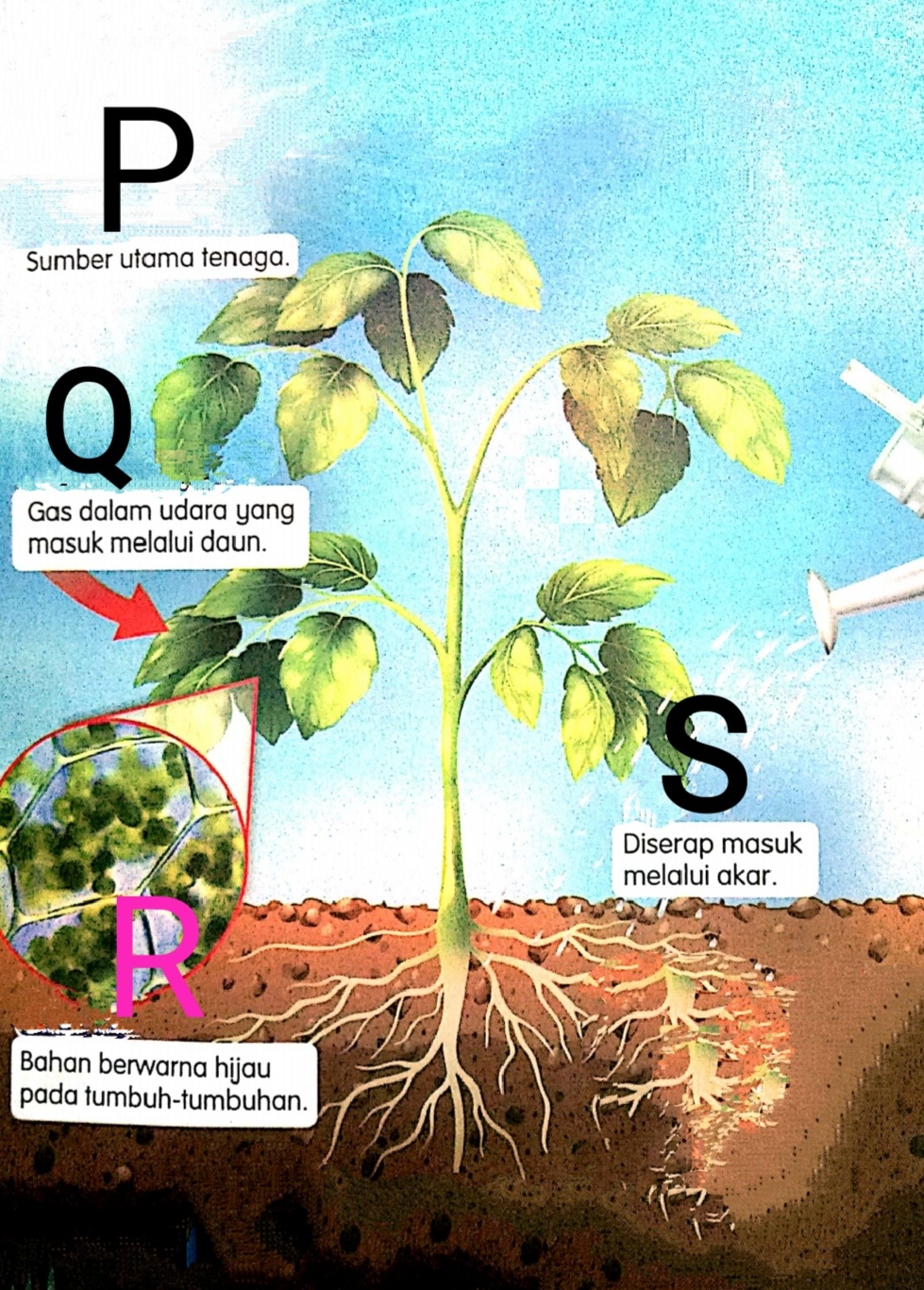
Based on the picture, what is Q?
Water
Carbon dioxide
Chlorophyll
Sunlight
What is the function of chlorophyll in plants?
To absorb sunlight
To produce Oxygen
To absorb nutrients

What is S?
Air
Water
Carbon dioxide
Chlorophyll

What is R?
Water
Nutrient
Leaf
Chlorophyll
What are the products of photosynthesis?
Carbon dioxide and glucose (starch)
Oxygen and glucose (starch)
Oxygen and nutrients
In which parts of plants the starch is stored?
Roots, seed and leaf
Roots, leaf, stem
Roots, leaf, stem, fruit
Fruit, roots, leaf, seed, stem

What is going to be observed after one week?
Plant A dies, plant B alive
Plant A alive, plant B dies
Plant A is more alive than plant B

The diagram shows a plant which is placed in a box. The plant is watered every day but died after one week. Why?
The plants did not get enough air
The plant did not get enough water
The plant did not get enough sunlight
Photosynthesis is very important to other living things. Why?
It provides energy and air
It provides food and Oxygen
Photosynthesis causes the inbalance of air composition

Which organelle is responsible making food (Glucose) using sunlight?
Ribosomes
Nucleus
Chloroplast
Mitochondria
Select all that are raw materials for Photosynthesis.
Water
Carbon Dioxide
Oxygen
Sunlight (Light Energy)
Glucose (Sugar/food)


What pigment captures/absorbs sunlight?
stomata
chlorophyll
chloroplast
phloem

What is the tiny openings that let in the carbon dioxide needed for photosynthesis?
stomata
xylem
phloem
chloroplast
How does glucose travel in a producer (plant)? Name the structure.
xylem
phloem
stomata
chlorophyll
What do we use to test for starch?
Fluorine solution
Chlorine solution
Iodine solution
If starch is present in the leaf, the leaf should turn what colour?
Blue/Black
Orange
Red
To show that photosynthesis has occurred we test for starch. Why?
Starch is a product of photosynthesis
Not sure
Glucose is a product of photosynthesis and is stored in the plant cells as starch
What is chlorophyll soluble in?
Ethanol
Water
Don't Know
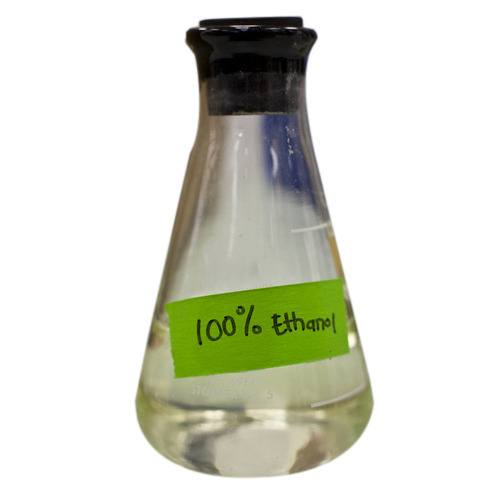
Why do we turn off the bunsen flame before adding ethanol?
Not sure
To save on gas
Because ethanol is extremely flammable
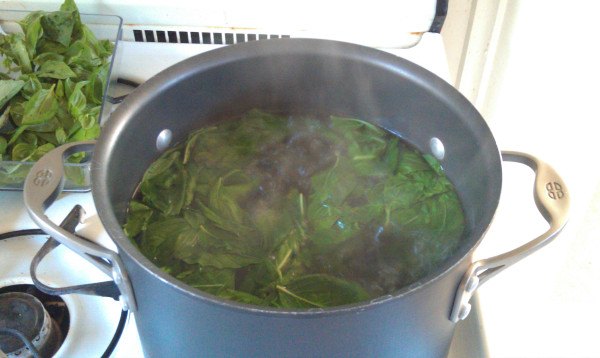
Why do we boil the leaf?
To keep it warm
To denature the enzymes and so stop photosynthesis
To make photosynthesis go faster
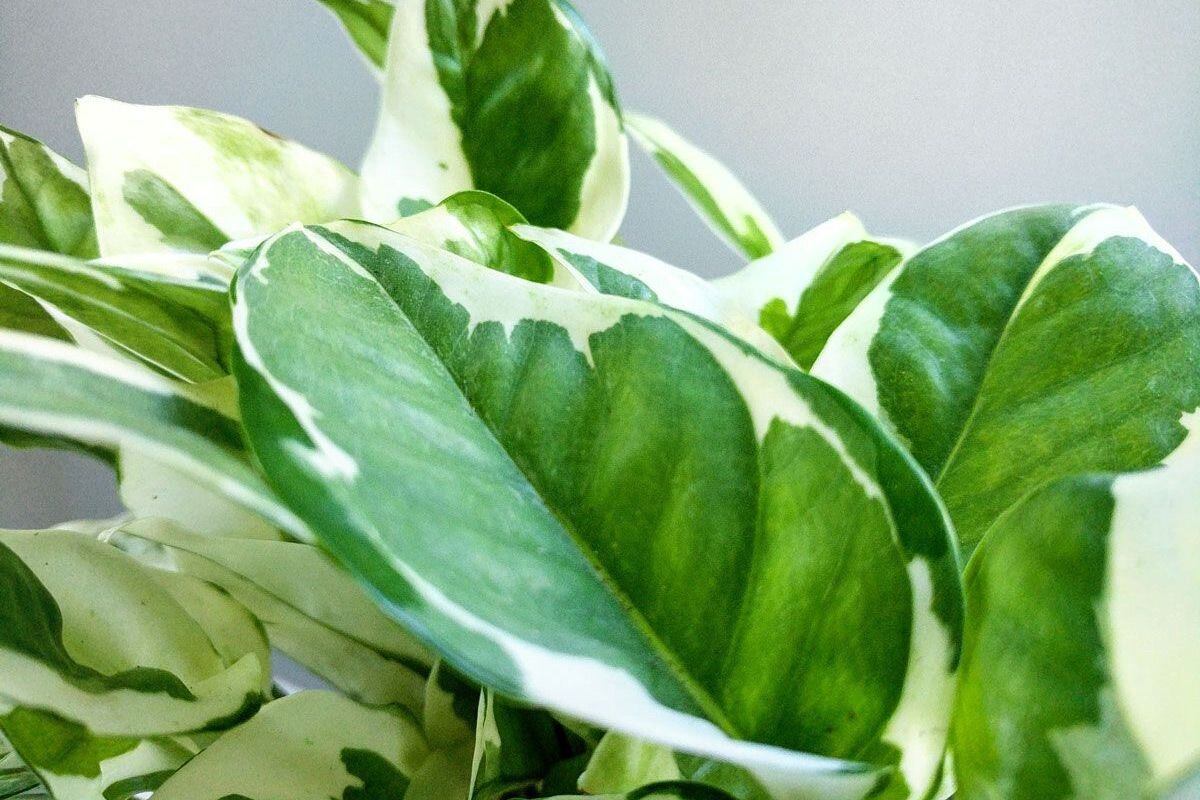
What is a variegated leaf?
One that has chlorophyll in some bits and not in others
A random leaf
A leaf that has chlorophyll in all parts of it
What are the reactants in photosynthesis?
oxygen & water
Oxygen & carbon dioxide
carbon dioxide & water
water & glucose
Subduction and Volcanic eruptions are part of which carbon cycle?
Geological
Biological
Decomposition and Photosynthesis and part of which carbon cycle?
Geological
Biological
Carbon enters the soil through dead plant or animal matter.
Decomposition
Respiration
Photosynthesis
Diffusion
Organic matter, burred over millions of years
Fossil Fuels
Decomposition
Combustion
Subduction
All of the carbon in existence is continually recycled in the carbon cycle.

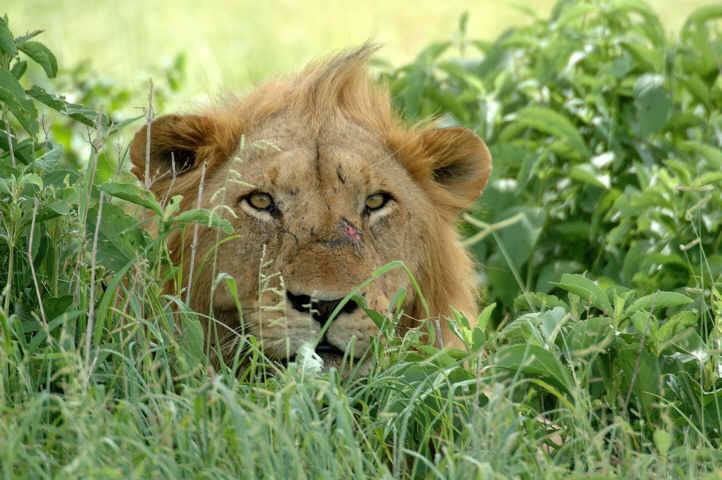
Which gas do plants release, that humans depend on for survival?
Water
Carbon Dioxide
Oxygen
Sugar
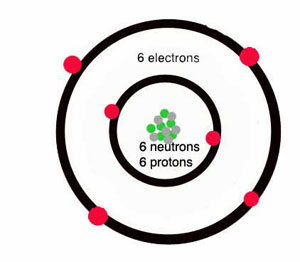
The circulation of the element Carbon among Earth's atmosphere, land, oceans, and organisms is called _____________.
the Carbon Cycle
the Oxygen Cycle
the Carbon dioxide Cycle
the Water Cycle
When animals eat plants, the carbon that the plant contains is absorbed by the animals.
True
False
How do animals get carbon?
By eating plants and or other animals.
They absorb it from the atmosphere.
From the ground
They do not get carbon from anywhere.
What are fossil fuels made from?
Plants and animals that are buried underground for millions of years.
They absorb it from the atmosphere.
Water
Wind
When humans EXHALE, we release __________________.
Oxygen
Carbon Dioxide
Nitrogen
Water
What is CO2?
Carbon Monoxide
Carbon Trioxide
Carbon Dioxide
Oxygen
Which of the following are fossil fuels?
Coal, water, oil
Oxygen, coal, oil
Coal, Oil, Natural Gas
None of the above
How is the carbon cycle similar to the water cycle?
Both involve liquid substances falling to the Earth from the atmosphere?
Neither process works at low temperature.
Both involve the transfer of substances between animals, plants, and the Earth.
Both involve the transfer of substances between the earth and outer space.
What microscopic (tiny) organism absorbs the CO2 at the surface of water?
Algae
Plants
Phytoplankton
Plankton
True or false. Carbon dioxide is a greenhouse gas.
True
False
Is carbon dissolved at the surface of the ocean or in the deep ocean?
Surface
Deep
Photosynthesis occurs in:
Mitochondria
Chloroplasts
Humans
Animals
What are the reactants in Photosynthesis?
Sun, CO2, glucose
glucose and oxygen
sun, carbon dioxide, water
water, glucose
The process in which plant cells make energy
Exothermic
Endothermic
Cellular Respiration
Photosynthesis
In cellular respiration, carbon starts out in the glucose molecule, but ends up in a(n)
oxygen molecule
water molecule
CO2 molecule
C6H12O2 molecule
In photosynthesis, what kind of molecule does hydrogen start in?
water
oxygen
glucose
carbon dioxide
In what process does ATP get created?
photosynthesis
cellular respiration
radiation
chemical
How do humans get glucose so they can live?
breathe it in
photosynthesis
eat food
drink liquids
Mitochondria and Chloroplasts are:
organelles
cells
only in humans
only in plants
Cellular respiration happens
only in plants
only in animals
only in humans and animals
in plants and animals
The products of cellular respiration are
air and water
carbon dioxide, water, and ATP
glucose and carbon dioxide
ATP, glucose, and oxygen
For photosynthesis, a plant needs water, sun, and...
oxygen
carbon dioxide
glucose
mitochondria
For humans to live, we need energy. What is the name of the energy that the body makes in cellular respiration?
sugar
glucose
ATP
fructose
What is a product of photosynthesis AND a reactant for cellular respiration?
oxygen
water
carbon dioxide
Doctor Pepper
The sun gives us what type of energy?
chemical
radiation
potential
kinetic
Cellular respiration happens in the
plants only
animals only
chloroplasts
mitochondria
What is the process (equation) for photosynthesis?
6CO2 + C6H12O6 --> 6H2O + 6O2
6H2O + 6CO2 --> C6H12O6 + 6O2
6CO2 + C6H12O6 --> 6H2O + Energy
6O2 + C6H12O6 --> 6CO2 + 6H2O

