
 Worksheets
Biochemistry Multiple Choice Test II
Total questions: 148
Worksheet time: 2hrs 34mins
The field of science that focuses on the study of enzymes and their reactions is called:
Enzymatic Studies
Enzymology
Protein Chemistry
Catalysis
The specific site on an enzyme where the substrate attaches and a reaction occurs is known as the:
Coenzyme site
Active site
Product pocket
Binding region
The equal pairing of nitrogenous bases in DNA was first explained by:
Rosalind Franklin
Watson and Crick
Erwin Chargaff
Emil Fischer
Every tRNA molecule carries a set of three complementary bases known as the:
Codon
Ribosome loop
Anticodon
Peptide bond
According to Fischer’s Lock and Key Theory, enzyme and substrate interaction occurs because:
The enzyme permanently changes shape
The substrate fits perfectly into the enzyme’s active site
The substrate modifies the enzyme
The enzyme has many binding sites
The process of breaking down complex molecules into simpler ones to release energy is called:
Polymerization
Glycolysis
Hydrolysis
Biosynthesis
The sugar that forms powder puff–shaped crystals is:
Glucose
Sucrose
Lactose
Maltose
RNA, like DNA, is synthesized in which direction?
3′ to 5′
5′ to 3′
Random orientation
Both directions
The condition in which the liver becomes abnormally enlarged is called:
Cardiomegaly
Hepatomegaly
Myopathy
Pancreatitis
The enzyme Papain used in meat tenderizers is obtained from the:
Banana stem
Ginger root
Fruit pulp of papaya
Latex of papaya (Carica papaya)
Which statement about pyrimidine bases is correct?
They have two fused rings.
They consist of a single ring structure.
They form three bonds with purines.
They contain ribose units.
The first stage in transcription, where RNA synthesis begins, is called:
Translation
Elongation
Initiation
Termination
The most abundant type of carbohydrate in nature is the:
Monosaccharide
Disaccharide
Polysaccharide
Oligosaccharide
The enzyme responsible for blood clot formation by converting fibrinogen into fibrin is:
Fibrinolysin
Trypsin
Thrombin
Catalase
The condition that damages the retina and can cause blindness in diabetics is called:
Otitis
Retinopathy
Neuropathy
Myopia
The temporary molecule formed when an enzyme binds to its substrate is called the:
Transition compound
Activation complex
Enzyme–substrate complex
Intermediate enzyme
The most abundant glycosaminoglycan (GAG) present in cartilage and connective tissues is:
Heparin
Chondroitin sulfate
Keratan sulfate
Hyaluronic acid
Adenosine monophosphate (AMP) is also referred to as:
Adenosine phosphoric acid
Adenylic acid
Adenosine diphosphate
Adenosine triphosphate
The form of diabetes that usually appears in childhood and requires insulin injections is:
Type II Diabetes
Type I Diabetes
Gestational Diabetes
Secondary Diabetes
A biological catalyst that functions only in living organisms is called a/an:
Hormone
Coenzyme
Enzyme
Substrate
they all do
What health problems are a consequence of consuming excessive carbohydrates?
Weight Loss
Dizziness
Type 2 Diabetes
all of the above
___________ is sugar found in fruit, honey and vegetables.
Maltose
Lactose
Fructose
Sucrose
What is the main function of carbohydrates?
Main source of energy, immune health, digestive health and regulate body processes.
Main source of energy, spares protein, digestive health and fullness.
Main source of energy, cell growth and vitamin absorption.
Last energy resort, growth and repair, immune health and regulate body processes.

Carbohydrates can be divided into 2 general sections. The sections are:
Single and compound
Simple and complex
Single and complex
Simple and compound

Fruits, deserts, sweets, white flour, and sweets are __________ carbohydrates. Which type of carbohydrates are they?
Simple
Complex
Complex carbohydrates, also known as polysaccharides, are starches formed by longer saccharide chains (10+), which means they take longer to break down?
True
False
What is an example of a polysaccharide?
White bread
Honey
Sports Drinks
Brown rice
Wholegrain carbohydrates contain which of the following nutrients?
Fiber
Minerals
Vitamins
All of the above
Glucose and glycogen are examples of how carbohydrates...
Are stored and circulate.
Circulate and are stored.
Are stored in the liver and muscles.
Provide energy to the body.
What is the health effect of a low CHO Diet (<50%)?
Weight gain, risk of type 2 diabetes & heart disease.
Strokes, weight loss & vitamin deficiency.
Headaches, weakness, weight loss, dizziness and irritability.
Osteoporosis, liver & kidney damage.
What is the Recommended Daily Allowance (RDA) of carbohydrates for non-endurance based sports?
30-40%
40-50%
50-60%
65-70%
Glucose (honey, jam, soft drinks) are examples of...
Monosaccharides
Disaccharides
Polysaccharides
where does vitamins, minerals, and fiber are commonly found?
Simple CHO
Complex CHO
Unsaturated fats
Complete proteins

What is the Glycemic (GI) Index, and how does it impact?
A measure of the amount of sugars in CHO.
A measure of how CHO foods affect blood sugar levels.
A measure of how white bread, sweets and eggs affect blood sugar levels.
A measure of how CHO foods lower blood sugar levels.

High GI foods give you what type of energy?
Short term
Long lasting
Energy for endurance sports.
Energy for sprinting.

Low Glycaemic index foods give you what type of energy?
Energy for explosive sports
Short term energy
Energy for sprinting
Long lasting energy

Which of the following options indicates that the food is digested slower according to the Glycemic index?
True
False
What might happen to a person named William who constantly spikes their blood sugar throughout the day?
Might develop insulin resistance, type 2 diabetes, blindness and kidney failure.
Might develop headaches, dizziness and fatigue.
Might become obese
All of the above
Hey Maya, David, and Aiden! Let's have some fun with this question. Can you all help me out by selecting all of the low GI foods?
Beans
Chips
Apples
Wholemeal Spaghetti
Sweets
Which of the following high GI foods would Henry, Abigail, and Aiden enjoy?
Brown Brown
White bread
Cornflakes
Cornflakes
Sweetcorn
Which hormone stimulates the body cells of Abigail, Aiden, and Emma to take up and store excess glucose?
Insulin
Glucagon
Both insulin and glucagon
None are correct

High GI foods cause which of the following...
a rapid rise and fall in blood sugar levels
a gradual rise and fall in blood sugar levels
a rapid rise and slow fall in blood sugar levels
Which of the following options describes what Nucleic Acids are?
DNA and RNA
Polynucleotides
Polymers
All of these
Building blocks of nucleic acid are
Nitrogen bases
Nucleoside
Nucleotide
Amino acid
Which nucleotide is known as the 'Adenine'?
Adenine
Adenosine
Adenylic acid
Adenine sugar
Deoxyribose sugar is present in
DNA only
RNA only
DNA and RNA
t-RNA
Which of the following components make up DNA?
Phosphate
Deoxyribose sugar
A, T, G, C
A, U, G, C
In a biology class, Anika, Avery, and Zoe are learning about nucleic acids. They are discussing how nucleotides are connected with each other. Which of the following bonds connects nucleotides in nucleic acids?
Phosphate bond
Phospho diester bond
Peptide bond
Ester bond
Which of the following are examples of purine bases?
Adenine and Guanine
Thymine and Cytosine
Adenine only
Guanine only
Who proposed the most accepted model of DNA?
Watson and Crick
Jacob and Monad
Korenberg
Frederick Mischer
Protein synthesis is the main function of
t-RNA
r-RNA
m-RNA
All types of RNA
In a biology class, Samuel asked the teacher, 'In eukaryotes, where is DNA mainly present?'
Nucleus
Cytoplasm
Ribosome
Golgi Complex
Uracil is
Pyrimidine
Present only in RNA
Pairs with Adenine
All of the above
Which nucleotide pairs with adenine?
Thymine only
Uracil only
Thymine and Uracil
Guanine
RNA is usually
Single stranded
Double stranded
Triple stranded
All of these
What is formed when nitrogen base, sugar, and phosphate combine?
Nucleotide
Nucleoside
Nitrogen base pairs
Double helix
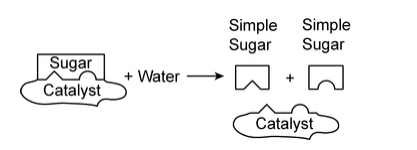
There are _____ different kinds of amino acids. Can you guess how many different kinds of amino acids are there?
20
23
46
26

The structure of proteins can be changed by environmental factors such as temperature or pH.
True
False
The order of the amino acids occur in the chain Which of the following is the correct order of amino acids?
disulfide cross-link
hydrophobic
primary structure
secondary structure
Amino Acids: are the building blocks from which proteins are made.
are a type of marinade.
help transport fats in the body.
are the building blocks from which proteins are made.
are only found in plants.
What is the purpose of an enzyme?
give permission for the reaction
raise activation energy
speed up reactions
control how many reactions occur

Which of the following conclusions can be drawn from this graph?
The optimum pH of the enzyme is 6.6.
The optimum pH of the enzyme is 5.8
The enzyme’s activity increases as pH increases 5.0 to 9.0
The enzyme’s activity is greater around pH of 8.0 .
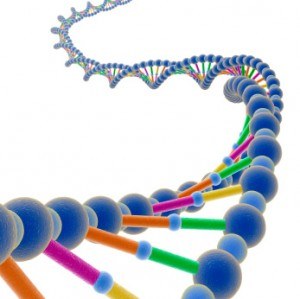
Which of the following best describes a DNA molecule?
double helix
contains ribose
made of amino acids
contains Uracil
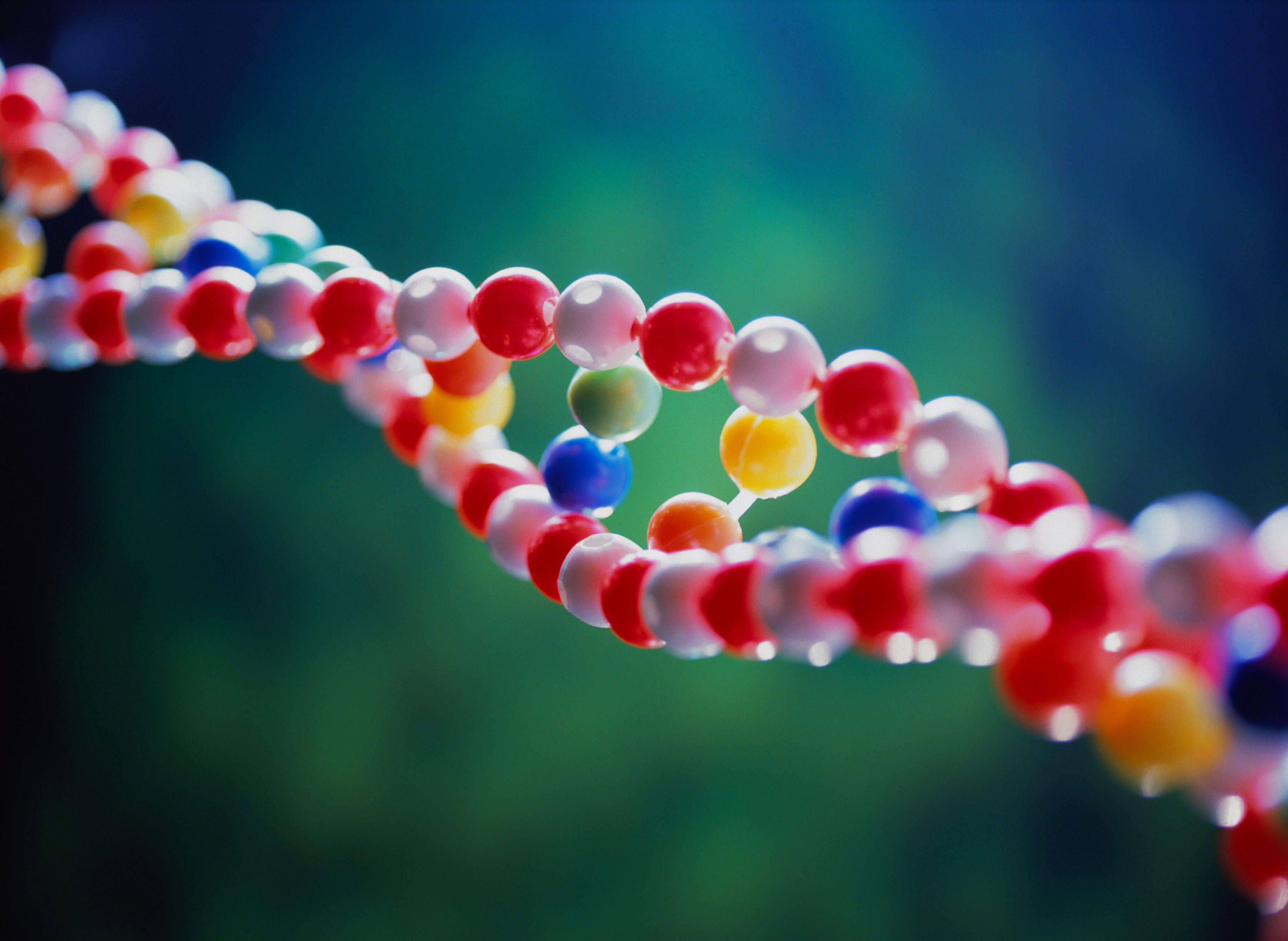
Why is DNA important?
it is very small and very complicated
it's in everything
it serves as the blueprint for traits of all living things
because we eat it every day for energy
Guanine, a nitrogenous base, forms a strong bond with ______________. Can you guess which one?
Adenine
Guanine
Cytosine
Thymine
In a biology class, Abigail is learning about DNA. She reads a question: 'In DNA, Adenine bonds with ______________.' Which option below correctly completes the statement?
Guanine
Thymine
Cytosine
Adenine


How would the DNA sequence GCTATA be transcribed to mRNA?
GCUAUA
CGATAT
CGAUAU
GCUTUT
What is the correct order to make a protein?
Protein, DNA, RNA
RNA, DNA, Protein
DNA, RNA, Protein
Protein, RNA, DNA
TRANSCRIBE this DNA sequence: TACGTTACT
What is the transcribed RNA sequence of TACGTTACT?
Which of the following is the correct RNA sequence transcribed from TACGTTACT?
Choose the RNA sequence that corresponds to the DNA sequence TACGTTACT.
Identify the RNA sequence transcribed from TACGTTACT.


Translate this RNA sequence: AUGCAAUGA
Met-Glu-Stop
Thr-Glu-Stop
Met-His-Stop
Thr-Pro-Stop
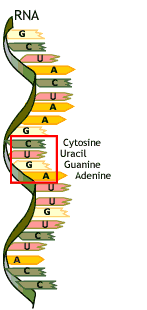
In a biology class, Nora asked her teacher, 'In RNA, Uracil pairs with ______.' What would be the correct answer?
cytosine
adenine
guanine
thymine
What is the mRNA strand that would be created from this DNA strand:
T A C A G G C C T?
A C G T C C G G A
A U G U C C G G A
T U G G G C C A T
U T G U C C G G U

Which amino acid is coded from the mRNA codon:
G G C?
Arginine
Serine
Leucine
Glycine


Which amino acid is coded from the DNA segment:
G G T?
Glutamine
Arginine
Glycine
Proline
they all do
What health problems are a consequence of consuming excessive carbohydrates?
Weight Loss
Dizziness
Type 2 Diabetes
all of the above
___________ is sugar found in fruit, honey and vegetables.
Maltose
Lactose
Fructose
Sucrose
What is the main function of carbohydrates?
Main source of energy, immune health, digestive health and regulate body processes.
Main source of energy, spares protein, digestive health and fullness.
Main source of energy, cell growth and vitamin absorption.
Last energy resort, growth and repair, immune health and regulate body processes.
Carbohydrates can be divided into 2 general sections. The sections are:
Single and compound
Simple and complex
Single and complex
Simple and compound
Fruits, deserts, sweets, white flour, and sweets are __________ carbohydrates. Which type of carbohydrates are they?
Simple
Complex
Complex carbohydrates, also known as polysaccharides, are starches formed by longer saccharide chains (10+), which means they take longer to break down?
True
False
What is an example of a polysaccharide?
White bread
Honey
Sports Drinks
Brown rice
Wholegrain carbohydrates contain which of the following nutrients?
Fiber
Minerals
Vitamins
All of the above
Glucose and glycogen are examples of how carbohydrates...
Are stored and circulate.
Circulate and are stored.
Are stored in the liver and muscles.
Provide energy to the body.
What is the health effect of a low CHO Diet (<50%)?
Weight gain, risk of type 2 diabetes & heart disease.
Strokes, weight loss & vitamin deficiency.
Headaches, weakness, weight loss, dizziness and irritability.
Osteoporosis, liver & kidney damage.
What is the Recommended Daily Allowance (RDA) of carbohydrates for non-endurance based sports?
30-40%
40-50%
50-60%
65-70%
Glucose (honey, jam, soft drinks) are examples of...
Monosaccharides
Disaccharides
Polysaccharides
where does vitamins, minerals, and fiber are commonly found?
Simple CHO
Complex CHO
Unsaturated fats
Complete proteins
What is the Glycemic (GI) Index, and how does it impact?
A measure of the amount of sugars in CHO.
A measure of how CHO foods affect blood sugar levels.
A measure of how white bread, sweets and eggs affect blood sugar levels.
A measure of how CHO foods lower blood sugar levels.
High GI foods give you what type of energy?
Short term
Long lasting
Energy for endurance sports.
Energy for sprinting.
Low Glycaemic index foods give you what type of energy?
Energy for explosive sports
Short term energy
Energy for sprinting
Long lasting energy
Which of the following options indicates that the food is digested slower according to the Glycemic index?
True
False
What might happen to a person named William who constantly spikes their blood sugar throughout the day?
Might develop insulin resistance, type 2 diabetes, blindness and kidney failure.
Might develop headaches, dizziness and fatigue.
Might become obese
All of the above
Hey Maya, David, and Aiden! Let's have some fun with this question. Can you all help me out by selecting all of the low GI foods?
Beans
Chips
Apples
Wholemeal Spaghetti
Sweets
Which of the following high GI foods would Henry, Abigail, and Aiden enjoy?
Brown Brown
White bread
Cornflakes
Cornflakes
Sweetcorn
Which hormone stimulates the body cells of Abigail, Aiden, and Emma to take up and store excess glucose?
Insulin
Glucagon
Both insulin and glucagon
None are correct
High GI foods cause which of the following...
a rapid rise and fall in blood sugar levels
a gradual rise and fall in blood sugar levels
a rapid rise and slow fall in blood sugar levels
Which of the following options describes what Nucleic Acids are?
DNA and RNA
Polynucleotides
Polymers
All of these
Building blocks of nucleic acid are
Nitrogen bases
Nucleoside
Nucleotide
Amino acid
Which nucleotide is known as the 'Adenine'?
Adenine
Adenosine
Adenylic acid
Adenine sugar
Deoxyribose sugar is present in
DNA only
RNA only
DNA and RNA
t-RNA
Which of the following components make up DNA?
Phosphate
Deoxyribose sugar
A, T, G, C
A, U, G, C
In a biology class, Anika, Avery, and Zoe are learning about nucleic acids. They are discussing how nucleotides are connected with each other. Which of the following bonds connects nucleotides in nucleic acids?
Phosphate bond
Phospho diester bond
Peptide bond
Ester bond
Which of the following are examples of purine bases?
Adenine and Guanine
Thymine and Cytosine
Adenine only
Guanine only
Who proposed the most accepted model of DNA?
Watson and Crick
Jacob and Monad
Korenberg
Frederick Mischer
Protein synthesis is the main function of
t-RNA
r-RNA
m-RNA
All types of RNA
In a biology class, Samuel asked the teacher, 'In eukaryotes, where is DNA mainly present?'
Nucleus
Cytoplasm
Ribosome
Golgi Complex
Uracil is
Pyrimidine
Present only in RNA
Pairs with Adenine
All of the above
Which nucleotide pairs with adenine?
Thymine only
Uracil only
Thymine and Uracil
Guanine
RNA is usually
Single stranded
Double stranded
Triple stranded
All of these
What is formed when nitrogen base, sugar, and phosphate combine?
Nucleotide
Nucleoside
Nitrogen base pairs
Double helix
There are _____ different kinds of amino acids. Can you guess how many different kinds of amino acids are there?
20
23
46
26
The structure of proteins can be changed by environmental factors such as temperature or pH.
True
False
The order of the amino acids occur in the chain Which of the following is the correct order of amino acids?
disulfide cross-link
hydrophobic
primary structure
secondary structure
Amino Acids: are the building blocks from which proteins are made.
are a type of marinade.
help transport fats in the body.
are the building blocks from which proteins are made.
are only found in plants.
What is the purpose of an enzyme?
give permission for the reaction
raise activation energy
speed up reactions
control how many reactions occur
Which of the following conclusions can be drawn from this graph?
The optimum pH of the enzyme is 6.6.
The optimum pH of the enzyme is 5.8
The enzyme’s activity increases as pH increases 5.0 to 9.0
The enzyme’s activity is greater around pH of 8.0 .
Which of the following best describes a DNA molecule?
double helix
contains ribose
made of amino acids
contains Uracil
Why is DNA important?
it is very small and very complicated
it's in everything
it serves as the blueprint for traits of all living things
because we eat it every day for energy
Guanine, a nitrogenous base, forms a strong bond with ______________. Can you guess which one?
Adenine
Guanine
Cytosine
Thymine
In a biology class, Abigail is learning about DNA. She reads a question: 'In DNA, Adenine bonds with ______________.' Which option below correctly completes the statement?
Guanine
Thymine
Cytosine
Adenine
How would the DNA sequence GCTATA be transcribed to mRNA?
GCUAUA
CGATAT
CGAUAU
GCUTUT
What is the correct order to make a protein?
Protein, DNA, RNA
RNA, DNA, Protein
DNA, RNA, Protein
Protein, RNA, DNA
TRANSCRIBE this DNA sequence: TACGTTACT
What is the transcribed RNA sequence of TACGTTACT?
Which of the following is the correct RNA sequence transcribed from TACGTTACT?
Choose the RNA sequence that corresponds to the DNA sequence TACGTTACT.
Identify the RNA sequence transcribed from TACGTTACT.
Translate this RNA sequence: AUGCAAUGA
Met-Glu-Stop
Thr-Glu-Stop
Met-His-Stop
Thr-Pro-Stop
In a biology class, Nora asked her teacher, 'In RNA, Uracil pairs with ______.' What would be the correct answer?
cytosine
adenine
guanine
thymine
What is the mRNA strand that would be created from this DNA strand:
T A C A G G C C T?
A C G T C C G G A
A U G U C C G G A
T U G G G C C A T
U T G U C C G G U
Which amino acid is coded from the mRNA codon:
G G C?
Arginine
Serine
Leucine
Glycine
Which amino acid is coded from the DNA segment:
G G T?
Glutamine
Arginine
Glycine
Proline

