
 Worksheets
Fall Final Review - Classification of Matter
Total questions: 114
Worksheet time: 1hrs 6mins
Who discovered the nucleus was positive and dense?
Rutherford
Thomson
Bohr
Dalton
What experiment was used to discover the electron?
Cathode Ray
Gold Foil
Oil Drop
Photoelectric
Who discovered the electron?
Thomson
Rutherford
Bohr
Newton
What experiment was used to discover the proton?
Gold foil
Oil drop
Cathode ray
Photoelectric
Who included energy levels in his model?
Bohr
Dalton
Thomson
Rutherford
What particle(s) are found inside the nucleus?
Protons
Electrons
Neutrons
Photons
What particle(s) are found outside the nucleus?
Electrons
Protons
Neutrons
Quarks
Atoms and ions are different because:
Atoms have equal numbers of protons and electrons, while ions have unequal numbers.
Atoms and ions both have a net charge.
Atoms are always larger than ions.
Atoms and ions have the same number of neutrons.
The mass of which subatomic particle is negligible (too small to matter)?
Electron
Proton
Neutron
Alpha particle
What part of an atom carries most of its mass?
Nucleus
Electron
Proton
Neutron
Rubidium is a soft, silvery-white metal that has two common isotopes, 85Rb and 87Rb. If the abundance of 85Rb is 72.2% and the abundance of 87Rb is 27.8%, what is the average atomic mass of rubidium? SHOW ALL WORK (mass)(%) + (mass)(%) + (mass)(%) + ... = average atomic mass
Average atomic mass = (85 × 0.722) + (87 × 0.278) = 85.56 amu
Average atomic mass = (85 × 0.278) + (87 × 0.722) = 86.56 amu
Average atomic mass = (85 × 0.500) + (87 × 0.500) = 86.00 amu
Average atomic mass = (85 × 0.600) + (87 × 0.400) = 85.80 amu
Which scientists are responsible for creating/organizing the periodic table and why did each scientist organize the periodic table as they did?
Mendeleev organized the periodic table by increasing atomic mass and grouped elements with similar properties together.
Dalton organized the periodic table by arranging elements alphabetically.
Thomson organized the periodic table by increasing atomic number only.
Rutherford organized the periodic table by grouping elements based on their color.
Which scientists are responsible for creating/organizing the periodic table and why did each scientist organize the periodic table as they did?
Moseley organized the periodic table by increasing atomic number.
Mendeleev organized the periodic table by increasing atomic mass.
Dalton organized the periodic table by atomic weight.
Thomson organized the periodic table by electron configuration.
Label the following increasing trends on the periodic table: ionization energy, electronegativity, and atomic radius.
Ionization energy and electronegativity increase across a period; atomic radius increases down a group.
Atomic radius and ionization energy increase across a period; electronegativity increases down a group.
Electronegativity and atomic radius increase across a period; ionization energy increases down a group.
Ionization energy, electronegativity, and atomic radius all increase down a group.
Which element has the lowest electronegativity?
Sulfur
Calcium
Chlorine
Strontium
Which element has the largest atomic radius?
Sulfur
Calcium
Chlorine
Strontium
Which element has the highest ionization energy?
Sulfur
Calcium
Chlorine
Strontium
Which element is least likely to form a positive ion?
Sulfur
Calcium
Chlorine
Strontium
Which element is most likely to form a positive ion?
Sulfur
Calcium
Chlorine
Strontium
Which element has the largest ionic radius?
Sulfur
Calcium
Chlorine
Strontium
Which of the atoms has the highest Ionization energy? _____ Why?
C. It has the fewest electron shells, so electrons are held more tightly.
A. It has the most electron shells, so electrons are held loosely.
B. It has the largest atomic radius, so electrons are farther from the nucleus.
D. It has the most protons, so electrons are easily lost.
Which of the atoms has the smallest radius? _____ Why?
C. Fewer electron shells mean a smaller radius.
A. More electron shells mean a smaller radius.
B. More protons mean a larger radius.
D. Fewer protons mean a larger radius.
Write electron configurations for Magnesium
1s2 2s2 2p6 3s2
1s2 2s2 2p6 3p2
1s2 2s2 2p4 3s2
1s2 2s2 2p6 4s2
Write electron configurations for Selenium
1s2 2s2 2p6 3s2 3p6 4s2 3d10 4p4
1s2 2s2 2p6 3s2 3p6 4s2 4p6 3d4
1s2 2s2 2p6 3s2 3p6 4s2 3d10 4p6
1s2 2s2 2p6 3s2 3p6 4s2 3d6 4p4
Write electron configurations for Gallium
1s2 2s2 2p6 3s2 3p6 4s2 3d10 4p1
1s2 2s2 2p6 3s2 3p6 4s2 3d10 4p6
1s2 2s2 2p6 3s2 3p6 4s2 3d5 4p1
1s2 2s2 2p6 3s2 3p6 4s2 3d10 4p5
Write electron configurations for Krypton
1s2 2s2 2p6 3s2 3p6 4s2 3d10 4p6
1s2 2s2 2p6 3s2 3p6 4s2 3d10 4p5
1s2 2s2 2p6 3s2 3p6 4s2 3d10 4p4
1s2 2s2 2p6 3s2 3p6 4s2 3d10 4p3
Write electron configurations for Potassium
1s2 2s2 2p6 3s2 3p6 4s1
1s2 2s2 2p6 3s2 3p6 3d1
1s2 2s2 2p6 3s2 3p5 4s2
1s2 2s2 2p6 3s2 3p6 4s2
Write electron configurations for Oxygen
1s2 2s2 2p4
1s2 2s2 2p6
1s2 2s2 2p2
1s2 2s2 2p5
Write electron configurations for Iodine
1s2 2s2 2p6 3s2 3p6 4s2 3d10 4p6 5s2 4d10 5p5
1s2 2s2 2p6 3s2 3p6 4s2 3d10 4p6 5s2 4d10 5p6
1s2 2s2 2p6 3s2 3p6 4s2 3d10 4p6 5s2 4d10 5p4
1s2 2s2 2p6 3s2 3p6 4s2 3d10 4p6 5s2 4d10 5p3
What is the number of valence electrons for Group 1A?
1
2
4
8
What is the charge for Group 1A?
+1
-1
+2
0
Complete the following table: Give an example of a Lewis Dot structure for Group 1A.
• (for Na or Li, a single dot)
•• (for Na or Li, two dots)
No dots (for Na or Li)
• (for Na or Li, three dots)
What is the number of valence electrons for Group 2A?
2
1
3
4
What is the charge for Group 2A?
+2
+1
-2
0
Complete the following table: Give an example of a Lewis Dot structure for Group 2A.
•• (for Mg or Ca, two dots)
• (for Mg or Ca, one dot)
••• (for Mg or Ca, three dots)
No dots (for Mg or Ca)
What is the number of valence electrons for Group 3A?
3
1
2
4
What is the charge for Group 3A?
+3
-1
+1
-3
Complete the following table: Give an example of a Lewis Dot structure for Group 3A.
••• (for Al, three dots)
•••• (for Al, four dots)
•• (for Al, two dots)
• (for Al, one dot)
What is the number of valence electrons for Group 4A?
4
2
6
8
What is the charge for Group 4A?
±4 or none (varies)
+2
-1
+1
Complete the following table: Give an example of a Lewis Dot structure for Group 4A.
•••• (for C or Si, four dots)
••• (for N or P, three dots)
•• (for O or S, two dots)
• (for H, one dot)
What is the number of valence electrons for Group 5A?
5
3
6
7
What is the charge for Group 5A?
-3
+1
-1
+3
Complete the following table: Give an example of a Lewis Dot structure for Group 5A.
••••• (for N or P, five dots)
•••• (for N or P, four dots)
••• (for N or P, three dots)
•••••• (for N or P, six dots)
What is the number of valence electrons for Group 6A?
6
4
5
7
What is the charge for Group 6A?
-2
+2
-1
+1
Complete the following table: Give an example of a Lewis Dot structure for Group 6A.
•••••• (for O or S, six dots)
••••• (for O or S, five dots)
••••••• (for O or S, seven dots)
•••• (for O or S, four dots)
What is the number of valence electrons for Group 7A?
7
5
3
8
What is the charge for Group 7A?
-1
+1
0
-2
Complete the following table: Give an example of a Lewis Dot structure for Group 7A.
••••••• (for F or Cl, seven dots)
••••• (for F or Cl, five dots)
•••••• (for F or Cl, six dots)
•••••••• (for F or Cl, eight dots)
What is the number of valence electrons for Group 8A?
8
6
4
2
What is the charge for Group 8A?
0
+1
-1
+2
Complete the following table: Give an example of a Lewis Dot structure for Group 8A.
•••••••• (for Ne or Ar, eight dots)
•••• (for Be, four dots)
•••••• (for O, six dots)
••• (for Li, three dots)
Label the electromagnetic spectrum diagram with the following: Where is low energy?
On the right, near radio waves
On the left, near gamma rays
In the middle, near visible light
On the left, near ultraviolet waves
Label the electromagnetic spectrum diagram with the following: Where is high energy?
On the left, near gamma rays
On the right, near radio waves
In the middle, near visible light
On the right, near infrared
Label the electromagnetic spectrum diagram with the following: Where is low frequency?
On the right, near radio waves
On the left, near gamma rays
In the middle, near visible light
On the left, near ultraviolet waves
Label the electromagnetic spectrum diagram with the following: Where is high frequency?
On the left, near gamma rays
On the right, near radio waves
In the middle, near visible light
On the right, near infrared
Label the electromagnetic spectrum diagram with the following: Where is low wavelength?
On the left, near gamma rays
On the right, near radio waves
In the middle, near visible light
On the right, near infrared
Label the electromagnetic spectrum diagram with the following: Where is high wavelength?
On the right, near radio waves
On the left, near gamma rays
In the middle, near visible light
On the left, near ultraviolet rays
Arrange the following types of electromagnetic radiation in order of increasing wavelength: Gamma rays, X-rays, Ultraviolet, Visible light.
Gamma rays, X-rays, Ultraviolet, Visible light
Visible light, Ultraviolet, X-rays, Gamma rays
Ultraviolet, Visible light, X-rays, Gamma rays
Gamma rays, Ultraviolet, X-rays, Visible light
Name or write the following compounds. a. CaCl₂ ____________
Calcium chloride
Calcium chlorate
Calcium carbonate
Calcium chlorite
Name or write the following compounds.
b. Potassium bromide ____________
KBr
KBrO3
K2Br
K2BrO3
Name or write the following compounds. c. K₂S
Potassium sulfide
Potassium sulfate
Potassium sulfite
Potassium nitrate
Name or write the following compounds.
d. NaHCO₃
Sodium bicarbonate (or Sodium hydrogen carbonate)
Sodium carbonate
Sodium hydroxide
Sodium chloride
Name or write the following compounds. e. H₂O ____________
Water
Hydrogen peroxide
Hydrogen oxide
Hydroxide
Name or write the following compounds. f. Iron (III) oxide ____________
Fe₂O₃
FeO
Fe₃O₄
Fe₂O
Name or write the following compounds. g. Cl₂ ____________
Chlorine
Chloride
Chlorate
Chloroform
Name or write the following compounds. h. NH₃ ____________
Ammonia
Nitrogen trioxide
Ammonium nitrate
Nitrous oxide
Name or write the following compounds. i. SCl₂ ____________
Sulfur dichloride
Sulfur chloride
Sulfur monochloride
Sulfur trichloride
Name or write the following compounds. j. Al₂O₃ ____________
Aluminum oxide
Aluminum hydroxide
Aluminum carbonate
Aluminum sulfate
Name or write the following compounds. k. Carbon tetrachloride ____________
CCl₄
COCl₂
CCl₃
C₂Cl₄
Name or write the following compounds. l. Calcium carbonate ____________
CaCO₃
CaSO₄
CaCl₂
CaO
What is the correct Lewis electron-dot structure for the compound formed between magnesium and fluorine?
Mg :F:
Mg[+2][F:-]
[Mg2+][F:-][F:-]
:F:Mg:F:
Which of the following choices shows the correct Lewis electron-dot diagram for a molecule of chlorine, Cl₂?
[Cl:Cl]
[:Cl:Cl:]
[:Cl::Cl:]
[:Cl:Cl:]
Which pair of elements would most likely bond to form a covalently bonded compound?
sodium and fluorine
barium and chlorine
phosphorus and oxygen
magnesium and sulfur
Why can metals be hammered into sheets and drawn into wire?
Mobile valence electrons involved in metallic bonding can be pushed or pulled past each other.
Delocalized inner electrons involved in metallic bonding can be pushed or pulled past each other.
Shared inner electrons involved in metallic bonding can be pushed or pulled past each other.
Transferred valence electrons involved in metallic bonding can be pushed or pulled past each other.
Ionic bonds are bonds between atoms in which one atom donates electrons to another atom in order to become stable. In this bond, the resulting atoms become oppositely charged and attracted to each other. Which of the following atoms would combine to form an ionic bond?
K and Cl
C and H
O and P
O and H
Identify the type of bond formed between the following pairs of elements: a) Ca and Cl b) S and O c) Cu and Zn
a) Ionic, b) Covalent, c) Metallic
a) Covalent, b) Ionic, c) Metallic
a) Metallic, b) Covalent, c) Ionic
a) Covalent, b) Metallic, c) Ionic
Identify which of the following compounds is ionic and which is covalent.
NaCl is ionic, H2O is covalent
NaCl is covalent, H2O is ionic
Both NaCl and H2O are ionic
Both NaCl and H2O are covalent
Which of the following best describes the process involved in forming an ionic compound between two elements?
Transfer of valence electrons from one atom to another resulting in the formation of ions.
Sharing of valence electrons between atoms to achieve stability.
No change in the valence electrons of the atoms involved.
Formation of a metallic bond by pooling electrons among atoms.
Which of the following are metals? Put a star by the metals that can have multiple charges (transition metals).
barium
calcium
chromium
lead
gold
The Electron sea model proposes that metal atoms:
share a sea of delocalized electrons.
form ionic bonds with each other.
have tightly bound electrons.
do not conduct electricity.
Delocalized electrons are:
electrons that are not associated with a single atom or bond and can move freely within a structure
electrons that are tightly bound to a single atom
electrons that only exist in ionic compounds
electrons that are found only in noble gases
Metals are good conductors of electricity and heat because:
they have free electrons that move easily.
they are soft and malleable.
they have high melting points.
they are shiny and lustrous.
Metals are malleable and ductile because:
their atoms are arranged in layers that can slide over each other.
they have a high melting point.
they are good conductors of electricity.
they react easily with acids.
Which of the following electron dot formulas for chloromethane (CH₃Cl) satisfy the octet rule?
[diagram a]
[diagram b]
[diagram c]
[diagram d]
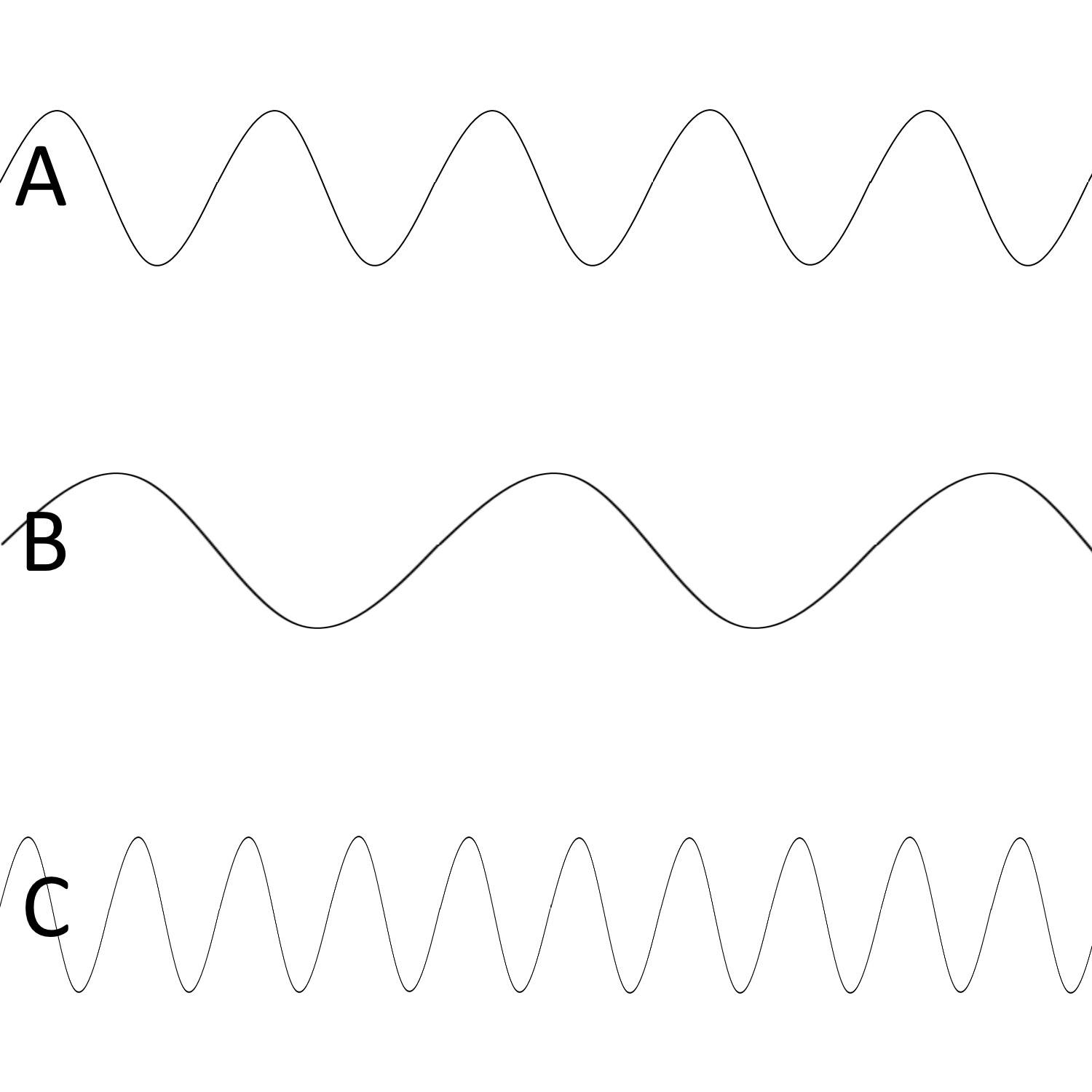

Which color has the longest wavelength?
Yellow
Red
Green
Purple


What is the atomic number of oxygen?
5
Sandwich
8
17

1s22s22p63s23p64s23d10



How many electrons does sulfur have
16
32
48
12
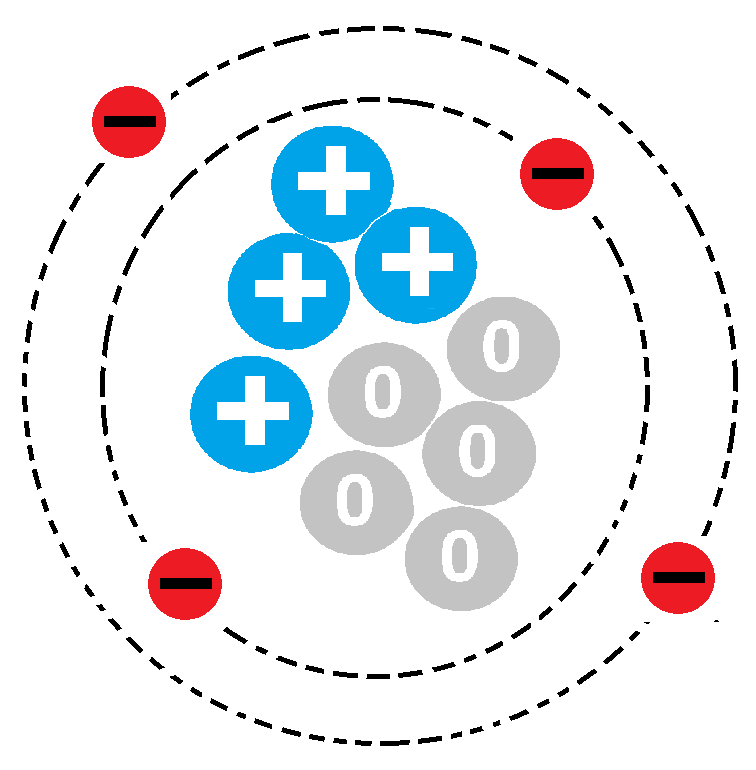


How many protons are in Gold
79
197
118
276


How many neutrons does Sodium (Na) have?
11
23
12
22.98977

Which two elements have properties in common?
Nitrogen and Phosphorous
Oxygen and Nitrogen
Sulfur and Nitrogen

What group is highlighted here on the periodic table (Group 2A)?
Noble Gases
Halogens
Alkali Metals
Alkaline Earth Metals


Which is true about the following chlorine atom?
17 protons and 36 neutrons
17 protons and 19 electrons
17 protons and 19 neutrons
36 protons and 17 neutrons

